Tag: Opinion

  • Candace Owens & the Consequences of Anti-Black Rhetoric

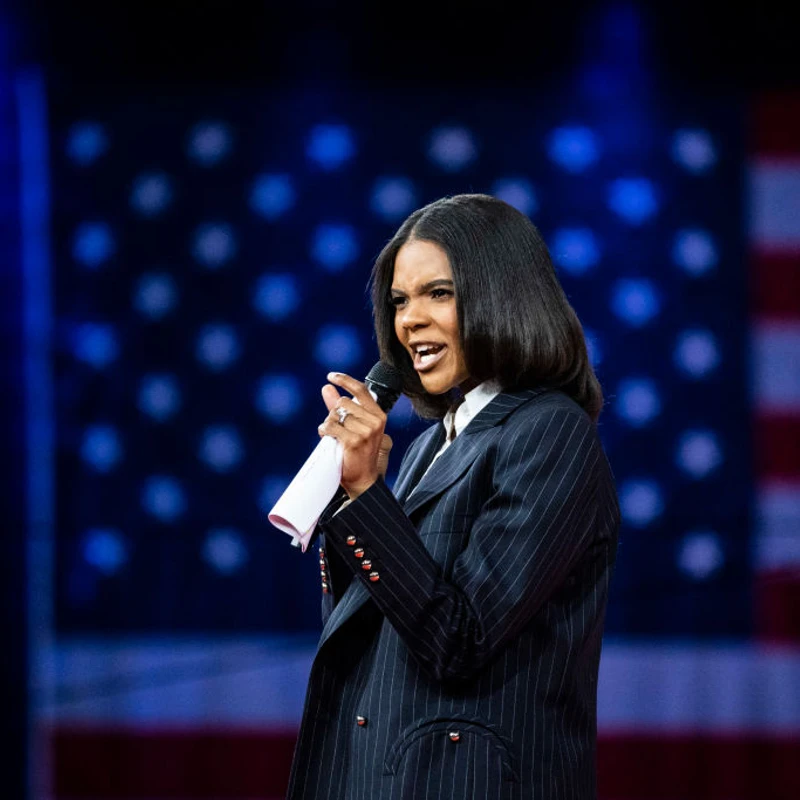
    Recent events have seen Candace Owens facing harsh criticism, including racist remarks from figures like Laura Loomer and a doctored image from Donald Trump labeling her negatively. While the language used is undeniably ugly and racist, many in the Black community are finding it difficult to muster sympathy. This reaction stems not from condoning racism, but from a deeper reckoning with Owens’s own history of rhetoric that has often targeted and undermined Black life and struggles.

    The Familiar Language of Racism

    The term ‘nappy-headed,’ used by Loomer, is a tired and recycled racial slur historically used to degrade Black women. It echoes past controversies, like Don Imus’s comments in 2007. While such language is unacceptable, its application to Owens doesn’t evoke widespread empathy because of who she is and the platform she has built. The focus shifts from the racism itself to the target and the context.

    Owens’s Brand: Contrarian Takes on Black Life

    Candace Owens has cultivated a career by offering contrarian views on Black issues. She has frequently dismissed systemic inequality, suggested Black Americans are solely responsible for their outcomes, and even claimed Black communities have been ‘given permission to be unbelievably racist.’ Her comments following George Floyd’s murder, emphasizing his past record and stating the idea of him as a martyr ‘sickens’ her, were particularly jarring to many during a time of collective grief and protest.

    Dismissing Black Movements and Minimizing Harm

    Owens has been openly critical of Black political movements, labeling Black Lives Matter as divisive and rooted in ‘victim mentality.’ She described activists as ‘whiny toddlers.’ These statements, made during periods of intense national focus on police brutality and racial injustice—marked by events like the killings of Tamir Rice, Trayvon Martin, and Michael Brown—were perceived by many as dismissive and contemptuous of Black pain and demands for dignity.

    When you dismiss systemic racism as a myth, you give cover to policies and institutions that refuse to address it. — Dr. Stacey Patton (Op-Ed)

    Her rhetoric has provided cover for those who wish to avoid addressing systemic racism, as a Black voice making such claims can be weaponized as ‘proof’ or ‘permission’ to continue harmful narratives. This messaging extends beyond social media, influencing policy debates, school board decisions, and public perception.

    Fractured Alliances and Shifting Loyalty

    Owens’s political alignments have also drawn scrutiny. She built her platform within conservative and Trump-aligned media, often serving as a counterpoint to Black political consensus. More recently, her public questioning of Charlie Kirk’s death and promotion of conspiracy theories have even fractured relationships within those spaces. Her continued defense of white conservative figures who have historically degraded Black people is seen by many as a devotion that is not reciprocated, making her a ‘useful’ but ultimately disposable figure.

    The Consequences of Alignment

    The damage caused by Owens’s rhetoric is significant. By legitimizing narratives that downplay racism, mock police violence, and frame Black communities as dysfunctional, she provides cover for policies and institutions that perpetuate harm. This messaging reinforces stereotypes used for generations to justify neglect and punishment.

    For many Black individuals, Owens’s consistent alignment against Black history, grief, and demands for dignity, in favor of narratives that diminish them, makes the expectation of solidarity unwarranted. The author argues that Owens is not a victim of the conservative ecosystem but a builder within it, and is now experiencing the consequences of that alignment. Her value was tied to her usefulness in reinforcing specific narratives; deviating from that can make her a liability.

    Recalibration, Not Redemption

    Owens is likely to recalibrate, framing the attacks as proof of her independence. Redemption, however, requires accountability and a reckoning with the harm caused by her rhetoric—a climb far steeper than a simple rebrand. Black audiences, particularly those she has antagonized, remember the ‘receipts.’ Her actions are seen as strategy, not growth. Ultimately, aligning with forces that diminish one’s own community proves to be a conditional relationship, leaving individuals vulnerable when that usefulness expires.

    Do you believe Candace Owens has caused harm with her rhetoric? How should Black audiences respond when public figures from their community align with anti-Black sentiments? Share your thoughts in the comments.
  • Why Black Women Support Megan Thee Stallion

    When Megan Thee Stallion announced her breakup from Klay Thompson, the response from Black women across social media wasn’t just sympathy; it was a powerful wave of solidarity. Forget celebrity gossip – this is about a shared understanding and a deep, communal love that Black women uniquely offer each other.

    More Than Just a Breakup

    The Houston rapper confirmed the end of their relationship, citing broken trust and infidelity. Her statement, “Trust, fidelity, and respect are non-negotiable for me in a relationship, and when those values are compromised, there’s no real path forward,” struck a chord. Black women immediately flooded timelines, affirming her decision not to compromise her standards and reminding her that they understand the specific weight of her heartbreak.

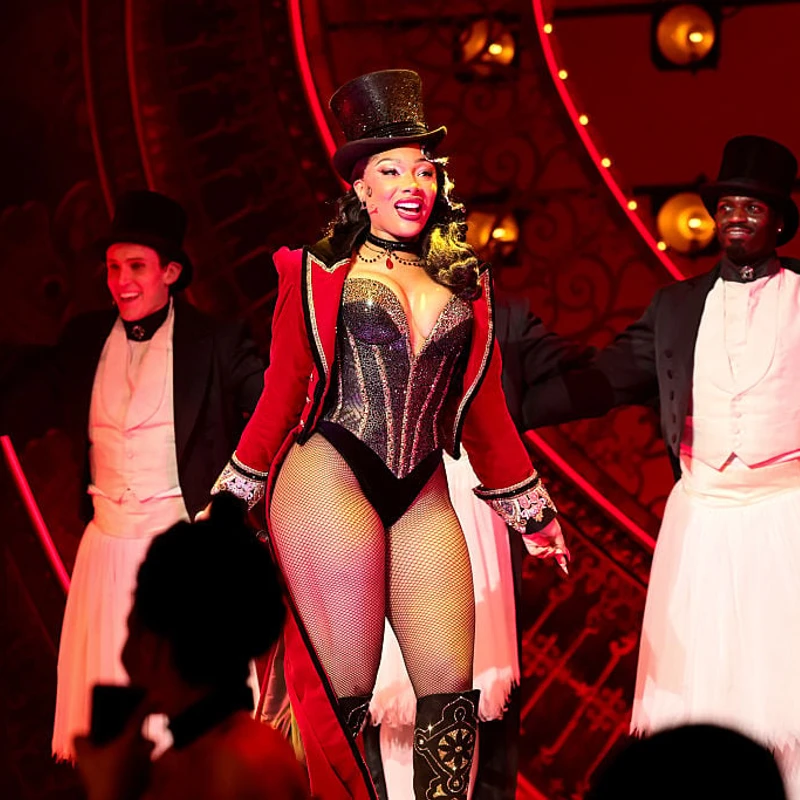
    Hours after announcing the end of her “Lover Girl era,” Megan took the stage for her Broadway debut in “Moulin Rouge.” The image of her tearing up during a standing ovation after a full performance hit home for many. It captured the all-too-familiar experience of having to show up and perform strength, even when you’re at your lowest – a reality many Black women face, whether dealing with grief, a tough breakup, or life’s everyday tests.

    A Mirror of Shared Experiences

    This outpouring of support isn’t new. Black women have watched Megan navigate immense challenges: losing her mother and grandmother in the same year, enduring a public shooting by someone she considered a friend, and facing global mockery for it. They’ve seen her open up about the mental toll through her music and documentary, recognizing her strength not just as a celebrity, but as a survivor.

    To reduce this collective response to mere “celebrity gossip” or “parasocial relationships” misses the profound point. For many Black women, Megan’s journey serves as a mirror, reflecting the painful reality that even when you do everything “right” – choose the right partner, follow all the advice – betrayal and heartbreak can still occur. It mirrors the experience of having to project strength you don’t always feel.

    Grieving, Empathizing, and Loving

    As one Threads user eloquently put it, the collective emotional response is a form of grieving – grieving the version of themselves that believed safety and softness could coexist. For many Black women, love is more than just romance; it’s about finding safety and partnership without sacrificing protection. Watching Megan be loved publicly after her trials offers a glimpse of that possibility.

    Ultimately, this isn’t about overinvestment; it’s about empathy. It’s Black women seeing themselves in Megan’s story, understanding her struggles, and offering the unwavering love and support that society often fails to provide. It’s a powerful testament to the resilience and sisterhood within the Black community.

    What are your thoughts on the support Megan Thee Stallion is receiving? Do you see her story as a reflection of broader experiences? Share your perspective in the comments below!

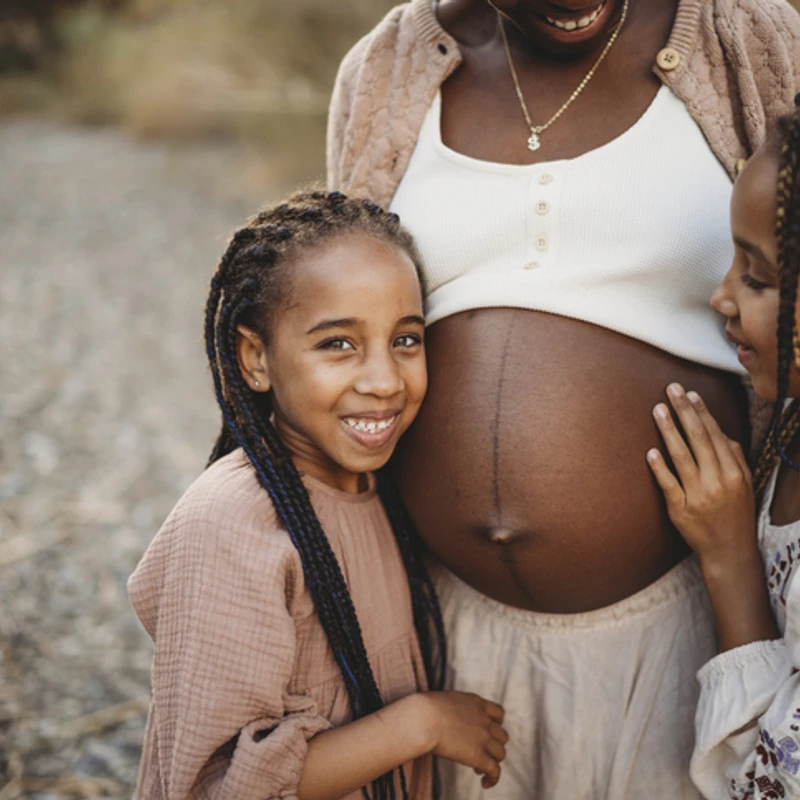
  • Lawsuit Against Black Maternal Health Program Sparks Outrage

    During Black Maternal Health Week, a time dedicated to celebrating and advocating for Black mothers, a lawsuit was filed that many are calling an act of ‘white grievance.’ Silvia Lopez-Navarro, a white woman, has sued the city of Pasadena, California, because she was denied access to the Black Infant Health (BIH) program. This program is specifically designed to address the critical disparities in maternal and infant mortality rates among Black communities.

    The Purpose of Culturally Specific Care

    The Black Infant Health program provides vital culturally specific support, social services, and health education. Its goal is to combat the alarmingly high rates of death and disease affecting Black mothers and babies. Lopez-Navarro’s lawsuit, framed as a claim of “reverse racism,” fundamentally misunderstands and attacks a program designed to save lives. The author argues that racism is rooted in power dynamics, and white women do not face systemic marginalization in healthcare policy, making the concept of “reverse racism” in this context impossible.

    The stark reality is that Black women are three times more likely to die from pregnancy-related causes than white women, regardless of socioeconomic status. Programs like BIH are not about exclusivity; they are about addressing a life-threatening gap caused by systemic racism within the healthcare system. Comparing this targeted intervention to a fire department saving a burning house illustrates the urgency and necessity of such initiatives.

    Ignoring Data, Attacking Solutions

    The lawsuit seeks to bury the data that underscores the crisis. In California, Black infants constitute only 4% of births but account for 20% of infant deaths. Black mothers are nearly four times more likely to die from pregnancy-related causes. These are not minor discrepancies; they are the devastating outcomes of a system failing Black families. The author questions why this specific program is targeted when other culturally specific initiatives for different marginalized groups remain untouched.

    The lawsuit, backed by the Pacific Legal Foundation, is seen as an attack on the one program specifically addressing the fatal risks associated with being pregnant while Black. This is framed as a pattern of targeting Black women, whose survival is often treated as an inconvenience rather than a human right. The historical context, from experimental surgeries on enslaved women to the theft of Henrietta Lacks’ cells, highlights a long legacy of extracting from Black bodies while denying basic care.

    Equity vs. Oppression: The Logic of White Supremacy

    The legal strategy behind the lawsuit is clear: by labeling a life-saving program as “discrimination,” it ignores the reality that systemic racism creates unique risks for Black pregnant individuals. The author posits that this is a reaction from a dominant group perceiving equity as oppression, mistaking a gain for Black people—even the gain of not dying—as a loss for themselves. This zero-sum logic is characteristic of white supremacy, where any advancement for Black communities is seen as a threat.

    Programs like BIH are essential “sanctuaries of care,” providing a space where Black women don’t have to constantly justify their humanity to receive prenatal support. They acknowledge that the unique stressors of being Black in America are clinical risk factors requiring targeted solutions. The lawsuit aims to erase the reality of systemic racism from legal frameworks, creating a false narrative of a level playing field while Black mothers continue to struggle for survival.

    Racism, not race, is the risk factor. — Dr. Joia Crear-Perry, National Birth Equity Collaborative

    Allowing the legal system to criminalize a life-saving program sets a dangerous precedent, potentially jeopardizing race-conscious solutions and legislation like the Black Maternal Health Momnibus Act. The fight for Black maternal health is a fight for liberation, a revolutionary act of choosing survival in a world that often seems to wish otherwise. “Colorblind” care is insufficient; what’s needed is care that is as specific and fierce as the love Black mothers have for their children. Protecting these sanctuaries is paramount, as this lawsuit demonstrates that no one else will do it for us.

    What are your thoughts on this lawsuit and its implications for Black maternal health? How can we better support culturally specific healthcare initiatives? Share your views in the comments below.

  • Beyond ‘Down Low’: Recognizing Harmful Men

    We’ve become incredibly adept at fearing a certain type of man, often before we’ve learned to recognize truly harmful behavior. When secrecy, betrayal, or exposure surfaces, especially when same-sex intimacy is rumored, the immediate go-to explanation is often: ‘He must be ‘down low’.’ But this label, applied faster than facts or patterns, might be preventing us from seeing the real issues.

    The Problem with the ‘Down Low’ Label

    The fear associated with the ‘down low’ concept isn’t unfounded. Many Black communities have experienced deep pain from secrecy, cheating, abandonment, and public humiliation. However, the question is whether this framework is actually helping us survive or just perpetuating a cycle. A man being private isn’t the same as being deceptive. Being queer isn’t the same as being exploitative. Being closeted isn’t the same as being abusive. Yet, public conversations often collapse these distinct issues into one convenient, but ultimately unhelpful, category.

    What truly harms people isn’t always who a man desires, but rather how he conducts himself. The lying, the split realities, the constant image management, the entitlement, and the way he might use different people for different needs – comfort, status, sex, labor, silence – these are the red flags. The pattern of accountability humiliating him more than wrongdoing, and his cruelty when exposed, are far more telling than any speculation about his sexuality.

    Dwight Howard: A Case Study in Misdirection

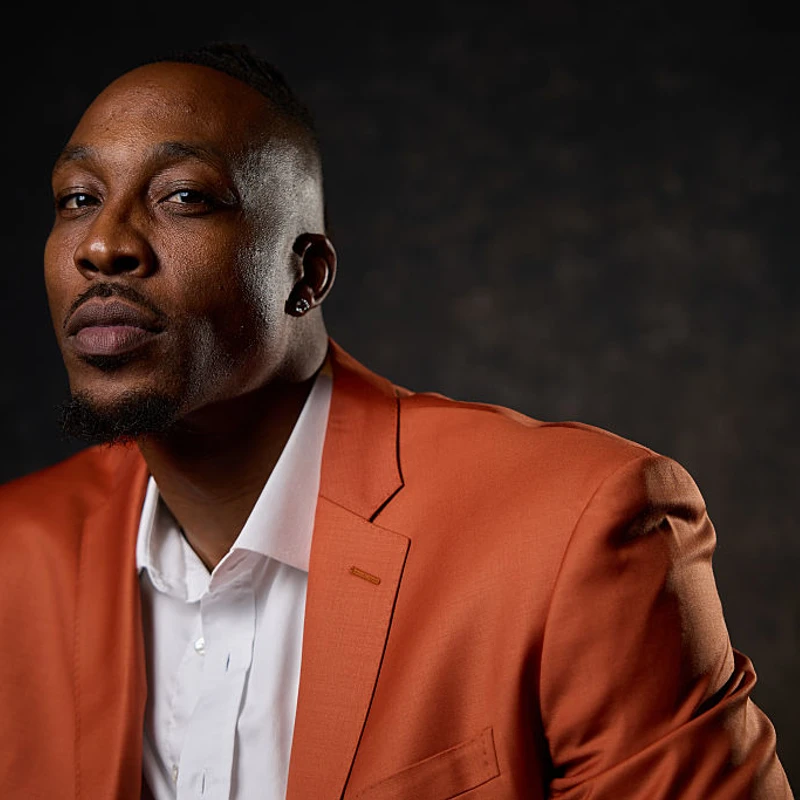
    The public conversation surrounding NBA star Dwight Howard often fixates on his rumored sexuality and the surrounding spectacle, rather than his behavior. While lawsuits and marriage collapses generate viral reactions, they often overshadow the more critical question: How does he treat the people in his orbit? Harmful individuals often exhibit consistent patterns of behavior across different contexts, partners, and public narratives.

    When women like Royce Reed or Amy Luciani have raised concerns, they’ve often been filtered through stereotypes – misogyny, colorism, the ‘crazy ex’ trope – before being taken seriously. This tendency to seek validation from figures deemed ‘polished’ or ‘respectable’ allows harm to persist. The ‘down low’ discourse, in particular, can turn sexuality into the headline, leaving the underlying worldview of entitlement and manipulation untouched.

    Beyond Sexuality: The Real Patterns of Harm

    The focus on Dwight Howard’s sexuality, whether in relation to civil suits or his marriage, distracts from a deeper analysis of power dynamics and public appetite for spectacle. Similarly, Matthew Knowles’s actions are not about his sexuality but about entitlement and controlling narratives. Cam Newton’s comments devaluing women are about his choices and public positioning, not his sexual preferences.

    The real profile of a harmful individual involves a lifestyle of lying, telling different truths in different rooms, and needing multiple versions of himself for different relationships. It’s about depending on people while resenting their needs, seeking intimacy without reciprocity, and wanting the benefits of closeness while refusing the obligations of honesty. This pattern extends far beyond any specific sexuality or label.

    • Does he tell the truth consistently?
    • Does he become cruel when confronted?
    • Does he devalue the people whose labor makes his life easier?
    • Does he want partnership, or does he want infrastructure (devotion, admiration, labor, silence)?
    • Does the same confusion surface around him, regardless of changing circumstances?

    Better Tools for Safety

    Homophobia and transphobia don’t just stigmatize queer individuals; they also hinder our ability to analyze harmful men by training us to focus on who a man desires rather than how he treats others. Secrecy alone is too blunt a category to protect us. It might trigger alarm, but it doesn’t build discernment. We need better tools than stereotypes and rumors. Safety requires us to look beyond the label of ‘down low’ and examine the consistent patterns of behavior that truly cause harm.

    What are your thoughts on the ‘down low’ discourse and its impact on recognizing harmful behavior? Do you agree that we need to shift our focus? Share your perspective in the comments below!

  • Untapped Talent: How America Can Shape the AI Economy

    Artificial intelligence is rapidly transforming our world, and its impact on the future of work is undeniable. A recent gathering of technologists, investors, and policymakers highlighted a stark reality: within five years, over a billion jobs could be replaced or fundamentally changed by AI. This isn’t just a projection; it’s a critical warning that demands our attention.

    The Economic Cost of Exclusion

    As AI accelerates changes in the labor market, we face a crucial question: can we afford to leave millions of people behind? In the United States, a staggering 70 to 100 million individuals have some form of arrest or conviction record. Despite possessing the necessary skills and experience, a vast majority of employers still use background checks to screen out applicants, leading to extremely low callback rates for those with a record.

    This exclusion represents a massive loss of potential. When we lock out individuals who have paid their debt to society and are eager to rebuild their lives, we’re not just creating a social issue; we’re creating an economic one. These are people with drive, expertise, and the potential to contribute significantly to our communities and our economy.

    Human Insight: An AI Cannot Replicate

    What do individuals with lived experience in the justice system bring to the table that algorithms cannot? It’s human understanding, context, and moral clarity. These are qualities essential for the responsible and sustainable implementation of AI. They offer unique perspectives that can help navigate the complexities of a rapidly changing workforce.

    How ‘Clean Slate’ Policies Can Help

    This is where ‘Clean Slate’ policies come into play. These policies automate the sealing of eligible arrest and conviction records after an individual has remained crime-free for a specified period. By removing these barriers, Clean Slate initiatives expand access to opportunity, allowing people to reenter the workforce, pursue education, and contribute more fully to the economy.

    These policies have already demonstrated success, helping over 18 million people move forward and gaining bipartisan support across the country. Since 2018, Clean Slate laws meeting specific criteria have been enacted in 13 states and Washington D.C.

    Building an Inclusive AI Workforce

    As industries evolve and new jobs emerge due to AI, we need a larger, more inclusive workforce, not a smaller one. Policies that connect people to opportunity, rather than screening them out, are essential. Failing to do so not only limits individual potential but also weakens our overall economy and our capacity to adapt to change.

    By automating record sealing, the U.S. can reintegrate 100 million people into a workforce currently strained by AI transformation, ensuring that the future of work is both inclusive and economically resilient. — Dr. Sheena Meade, CEO of The Clean Slate Initiative

    AI is undoubtedly reshaping the future of work. The decisions we make now will determine who gets to participate in that future. Embracing policies like Clean Slate is not just the right thing to do; it’s the smart, strategic move to build an economically resilient and inclusive society.

    What are your thoughts on the role of ‘Clean Slate’ policies in shaping the future AI economy? Share your insights in the comments below!

  • Roland Martin Criticized for Centering Justin Fairfax’s Narrative

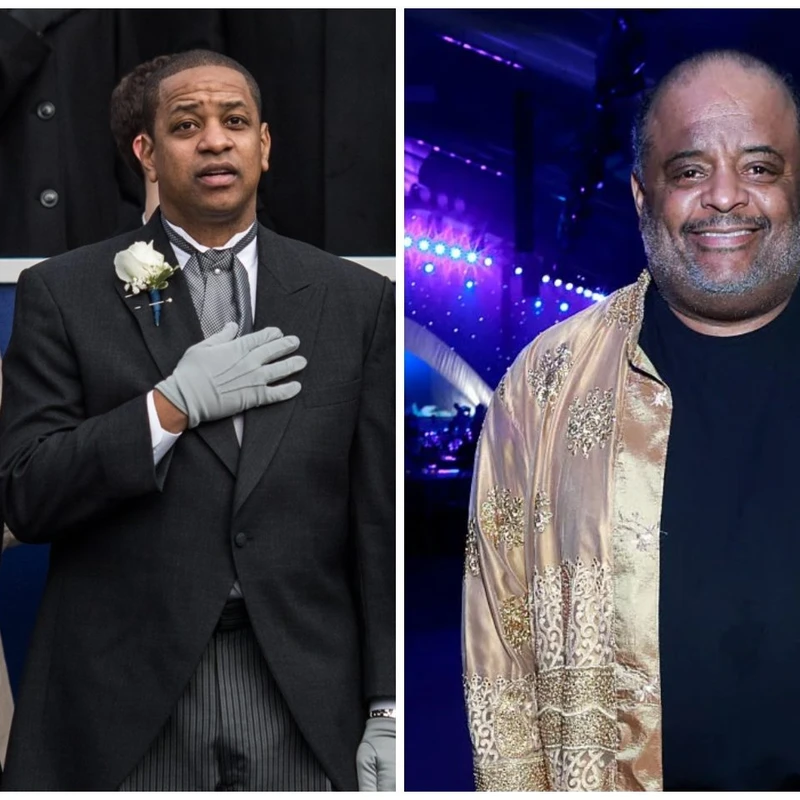
    The tragic news of former Virginia Lt. Gov. Justin Fairfax allegedly murdering his wife, Dr. Cerina Fairfax, before taking his own life, sent shockwaves through the community. However, the immediate aftermath saw a concerning shift in public discourse, particularly on social media and in media segments like Roland Martin’s “Roland Martin Unfiltered.” Instead of centering the victim and the horrific violence she endured, the narrative quickly pivoted to focus on Fairfax’s mental health and perceived struggles.

    Shifting Focus from Victim to Perpetrator

    The author argues that this pivot, exemplified by Roland Martin’s “unflinching conversation” that became a “sprawling discussion centered on Black men’s mental health, status loss, depression, and the emotional burden of public failure,” serves as a deflection. By introducing the conversation with “but also,” Martin allegedly rerouted a discussion about domestic violence and accountability into one about the killer’s feelings and humanity. This reframing, the author contends, reduces the victim to a mere setup for the perpetrator’s narrative.

    The use of Black male psychologists on Martin’s panel, who discussed concepts like the “fallen high-status Black man” phenomenon and neuropsychological terms like “limbic systems” and “emotional dysregulation,” further clinicalizes the violence. This approach, the author suggests, transforms a deliberate act of murder into an inevitable process or an internal collapse, thereby diminishing accountability. The focus on Fairfax’s “internal world” leaves less time to confront “what he did.”

    The Dangers of Explaining vs. Excusing Violence

    The author raises a critical concern: the blurring of lines between explaining violence and excusing it. By framing intimate partner homicide primarily through the lens of mental health struggles, depression, or loss of status, the conversation risks suggesting that these factors justify or inevitably lead to such acts. This is dangerous because, as the author points out, most individuals experiencing depression or personal setbacks do not resort to murdering their spouses.

    The piece highlights how statistics, like Black men being four times more likely to die by suicide than Black women, were presented in a context where the story was about murder, not suicide. This redirection pulls the audience away from the reality of the violence and into a broader narrative of male suffering, thereby diminishing the focus on the victim’s death and the perpetrator’s actions.

    The core truth of intimate partner violence: it is not simply about emotional collapse. It is about control, male entitlement, and the often unspoken but deeply ingrained belief that another person’s life is negotiable when a man feels he is losing something. — Dr. Stacey Patton

    Protecting the Group Narrative

    The author posits that this reframing serves as a form of self-protection for the group, particularly for Black men who may feel threatened by the disruption of a “respectability” narrative. By labeling the act as pathology or illness, it becomes an aberration rather than a potential consequence of ingrained beliefs about gender, control, and entitlement. This protects the collective image and avoids confronting uncomfortable truths about masculinity under strain.

    While acknowledging the genuine need for conversations about Black men’s mental health, the author stresses that centering this issue immediately after a lethal act of violence against a woman contaminates the discussion. It recenters the perpetrator’s inner life and displaces the structural reality of violence against women. The author concludes that prioritizing a man’s pain before fully naming his violence distorts the story and teaches the public whose inner life matters most, even in death.

    What are your thoughts on the way Justin Fairfax’s murder-suicide was discussed in the media? Do you agree that the focus should remain on the victim and accountability? Share your views in the comments below.

  • Ashlee Jenae’s Death: A Call for Empathy Over Judgment

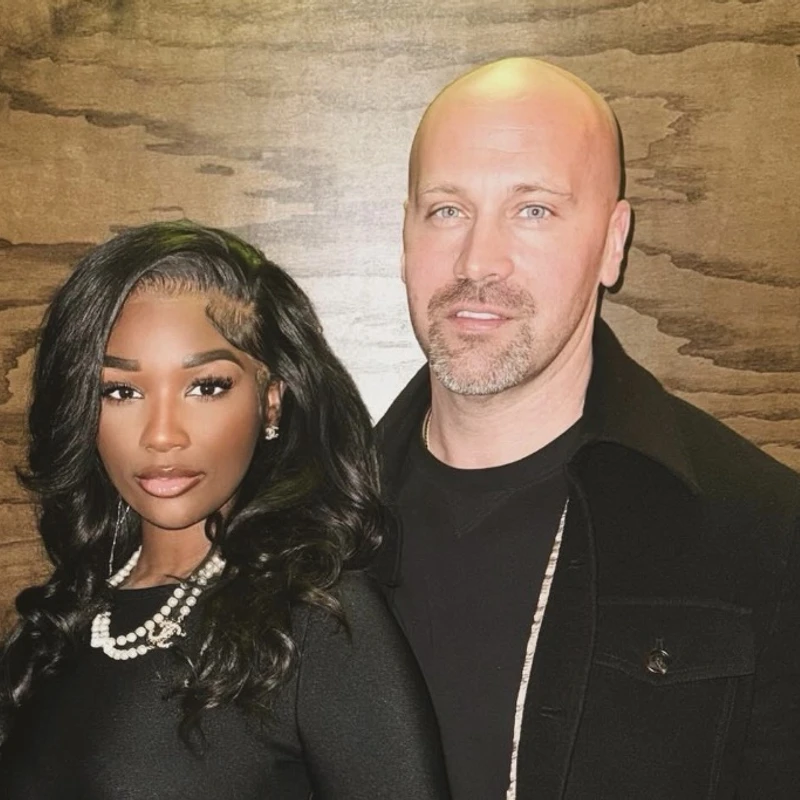
    The tragic news of influencer Ashly Robinson, known as Ashlee Jenae, dying while on vacation in Zanzibar has sent shockwaves online. While the circumstances surrounding her death are still unclear and under investigation, the internet has quickly moved past seeking facts to casting judgment. Instead of focusing on the tragedy, many are using her death as a platform to debate interracial dating, Black women’s choices, and perceived disloyalty, turning a potential loss into a morality play.

    From Tragedy to Trial by Internet

    Reports indicate that Ashlee Jenae, 31, died after an argument with her fiancé, Joe McCann. Hotel staff reportedly separated them, and hours later, she was found unresponsive. While authorities are investigating, with suggestions of suicide being pushed back by her family, the online narrative has already solidified. Old photos and unverified screenshots are circulating, fueling claims about her dating history and alleged negative comments about Black men.

    Suddenly, Ashlee Jenae isn’t a person who died under troubling circumstances; she’s a symbol. For some, her death is seen as ‘karma’ for dating a white man or speaking negatively about Black men. This swift condemnation, before any concrete evidence or conclusions are reached, highlights a disturbing trend of conditional empathy, where sympathy is reserved only for those who align with certain community expectations.

    The Problem with Using Death as a Teaching Moment

    Let’s be clear: the phenomenon of some individuals performing anti-Blackness within interracial relationships is real and deserves critique. However, critique is not condemnation, and it certainly doesn’t justify using a person’s death, especially one still under investigation, as proof for an existing argument. Nobody deserves to die, and no one’s death should be repurposed into a cautionary tale about their personal choices.

    This rush to judgment reveals more about us than it does about Ashlee Jenae. We are quick to sort individuals into ‘good’ or ‘bad,’ ‘loyal’ or ‘disloyal,’ ‘deserving’ or ‘undeserving.’ In death, Ashlee Jenae is being asked to carry the weight of unresolved conversations about dating, racial identity, and internalized racism within Black communities. Social media, with its insatiable appetite for narrative, readily collapses complex issues into easily digestible, often harmful, storylines.

    A Pattern of Judgment, A Call for Truth

    We’ve seen similar patterns before. When Black men have died under controversial circumstances, and past derogatory remarks about Black women have surfaced, the response, while sometimes critical, rarely escalated into a sweeping moral lesson about interracial dating or a unified narrative that declared ‘this is what happens.’ Yet, when a Black woman dies, her death is immediately framed as a consequence, her body used as a warning.

    Critical questions remain unanswered: What truly happened in that hotel room? What was the nature of the argument? What evidence supports or contradicts the suicide assessment? What will the autopsy reveal? Will charges be filed? These are the questions that should be at the forefront of public attention. Instead, we’re witnessing an internet-fueled investigation that excavates a digital footprint to confirm pre-existing biases.

    This dangerous tendency to build narratives on incomplete information can distort truth and multiply harm. If Ashlee Jenae was a victim of violence, the rush to frame her death as a consequence could preemptively absolve the perpetrator and shift focus away from accountability. If her death was a suicide, then transforming her into a cautionary tale about dating preferences is even more unsettling.

    Ultimately, the impulse to make a deceased person’s life and death serve our own narratives needs interrogation. Why are we so quick to turn Black women into symbols? Why is empathy often conditional on our approval of their choices? These questions are vital. At the heart of this online noise is a simple, uncomfortable truth: a woman is dead, and we don’t yet fully understand why. The debates about dating and identity matter, but they require care, context, and a commitment to truth—not a dead body.

    What are your thoughts on the online reaction to Ashlee Jenae’s death? How can we foster more empathy and less judgment in these sensitive situations? Share your perspectives in the comments below.

  • Drake-Lamar Beef Didn’t Kill Hip-Hop Charts

    The epic rap battle between Drake and Kendrick Lamar in 2024 dominated hip-hop conversations for months. Now, nearly two years later, the debate continues, with some claiming the intense feud, despite its massive engagement, ultimately harmed hip-hop’s commercial standing. However, a closer look suggests that the genre’s chart performance is more nuanced than a single beef can dictate.

    The “Great Rap War” and Its Aftermath

    The intense back-and-forth between Drake and Kendrick Lamar, reminiscent of the Jay-Z and Nas rivalry from the early 2000s, generated immense discussion online. Following Lamar’s perceived victory and subsequent stadium tour, figures like Isaac Hayes III and The Game have suggested that this era marked the decline of commercial rap music. Hayes argued that the beef turned hip-hop into an “engagement art form” rather than a chart-performing one, effectively “killing the charts.”

    The Game echoed this sentiment, stating that fans didn’t appreciate Drake’s presence, and his subsequent “absence and silence” has caused the art form to decline by 50%. He pointed to the lack of hip-hop songs in recent Billboard Top 10 charts as evidence. This perspective suggests that Drake’s commercial power was essential for the genre’s chart success.

    Drake’s Continued Presence and Hip-Hop’s Resilience

    However, the idea that Drake has been absent is debatable. He continues to tease his upcoming album “ICEMAN” and released a No. 1 charting album with PARTYNEXTDOOR in 2025. While his recent singles like “Nokia” and “What Did I Miss?” peaked at No. 2 on the Billboard Hot 100, he remains a significant commercial force. The assertion that hip-hop is in crisis overlooks other successful albums that have hit No. 1 this year, including releases from J. Cole, Don Toliver, and Ye.

    Furthermore, Don Toliver’s “E85” is charting well, indicating that hip-hop still has a strong presence on the Hot 100. The argument that Drake’s releases are no longer considered “events” might hold some truth for a segment of the audience, as his past actions and the fallout from the beef may have soured some listeners. Yet, this doesn’t signify the death of commercial hip-hop.

    Shifting Dynamics and Label Investments

    The notion that hip-hop has become solely an “engagement art form” ignores its long history of incorporating beefs and rivalries. While fans debated the Drake-Kendrick Lamar conflict, it was a continuation of a long-standing tradition within the genre. The real issue might lie elsewhere, potentially with record labels reducing their investment in hip-hop and R&B acts over the past three years, as hypothesized by “Trapital” founder Dan Runcie.

    As hip-hop continues to evolve, embracing diverse sounds and niche scenes, the focus should remain on the music itself. The genre has never truly needed a single artist to be its commercial savior. Instead, it thrives on music that resonates deeply with listeners and has lasting impact, regardless of its position on an arbitrary chart.

    Do you agree that the Drake-Kendrick Lamar beef impacted hip-hop’s chart presence? What do you think is the future of commercial hip-hop? Share your opinions in the comments below!

  • Universities Quietly Dismantling Black Student Life

    Imagine pouring your heart and soul into building vibrant communities on campus, only to see them systematically dismantled, not with a bang, but with a quiet policy shift. This is the reality facing Black student life at many universities. Instead of outright bans, institutions are using a seemingly neutral policy language to weaken the very ecosystems that help marginalized students thrive.

    The University of Missouri’s Funding Cuts

    A prime example is the University of Missouri, where administrators announced that major multicultural student organizations, including the Legion of Black Collegians and the Association of Latin American Students, would lose their direct university funding starting July 2026. These groups, which have historically received tens of thousands of dollars annually, are being reclassified as standard “Recognized Student Organizations.”

    This means they’ll now have to compete with over 600 other clubs for limited funds in a shared pool. Student leaders argue that this shift makes it nearly impossible to sustain their programming and operations, effectively starving these vital student ecosystems.

    Using Federal Guidance as Cover

    University officials claim this move is necessary to comply with federal guidance related to diversity, equity, and inclusion (DEI) policies, particularly a memo from the U.S. Department of Justice. This memo, stemming from the Trump administration, suggests schools risk losing federal funding if they maintain DEI programs. However, the author points out that this memo is nonbinding guidance, not law.

    This interpretation allows universities to preemptively dismantle programs, withdraw funding, and restructure systems, presenting these choices as inevitable. The author argues this isn’t reluctant compliance but rather alignment with a pre-existing willingness to move away from DEI initiatives, using federal pressure as a convenient, neutral-sounding justification.

    A Coordinated Rollback Across Higher Education

    What’s happening at Missouri isn’t an isolated incident; it’s part of a broader, coordinated shift across American higher education. The approach is often subtle: simple emails, policy shifts, and quiet reclassifications, rather than inflammatory announcements. This bureaucratic sleight of hand makes the damage harder to identify and name.

    The University of Michigan, for instance, shut down its DEI office entirely after facing federal funding threats. Dozens of universities have cut ties with programs supporting underrepresented students, and federal agencies are proposing to cut research partnerships with universities that don’t comply with anti-DEI directives. Reports indicate over 300 universities are revising or scaling back DEI policies nationwide.

    The Strategy: Attrition, Not Elimination

    The cuts disproportionately affect student organizations, which are vital hubs for community, information sharing, mentorship, and protection for Black, Latino, and queer students. These spaces operate with a degree of independence that institutions find difficult to control. By removing funding, universities aren’t necessarily banning these groups outright, but rather starving them of the resources needed for continuity, programming, and visibility.

    This strategy leads to attrition. Organizations don’t disappear overnight, but they slowly shrink, become harder to lead, and exhaust the very students they aim to support. The goal is to weaken the ecosystems that help marginalized students survive on predominantly white campuses, reducing their ability to gather, respond, and build collective power—all under the guise of fairness or neutrality.

    A Familiar Strategy: Student Loans

    This strategy of quiet re-engineering is also evident in recent changes to student loans. Longstanding repayment plans have been eliminated, borrowers are being forced onto new paths with fewer options and longer timelines, and access to borrowing is being tightened. These changes are framed as simplification or reform, but the outcome is a system that becomes harder to access and survive.

    The author emphasizes that this shift isn’t solely driven by conservative politics. Universities, regardless of their branding, are complicit. They are institutions built to preserve themselves, and instead of investing in the changing demographic reality of their student bodies, they are restructuring higher education to minimize material investment in these students.

    The Consequences of Stagnation

    Universities don’t have to explicitly state they don’t want to fund Black, Latino, or queer student life; they can engineer its decline by redefining support until it barely exists. They can hide behind policy, maintaining an illusion of neutrality while participating in a racist outcome: a higher education system less resourced and less survivable for the students it claims to serve.

    Hollowing out the communities that sustain campus life will not keep institutions vibrant. Starving the students who represent the future enrollment demographic will lead them to take their talent and trust elsewhere. Institutions that refuse to adapt to a changing student body don’t preserve themselves; they lose relevance and credibility, eventually withering on the vine not from attack, but from a choice of stagnation over transformation.

    What are your thoughts on how universities are handling DEI and student organization funding? Share your perspective in the comments below!

  • Coco Gauff’s Hair Sparks Natural Hair Debate

    Despite the widespread celebration of the natural hair movement and media that champions embracing coils, kinks, and curls, Black social media timelines are frequently reignited by conversations policing these very textures. The latest instance involves tennis star Coco Gauff and her recent Miu Miu campaign, proving that discussions around natural hair acceptance are far from over.

    The Miu Miu Campaign and Online Reactions

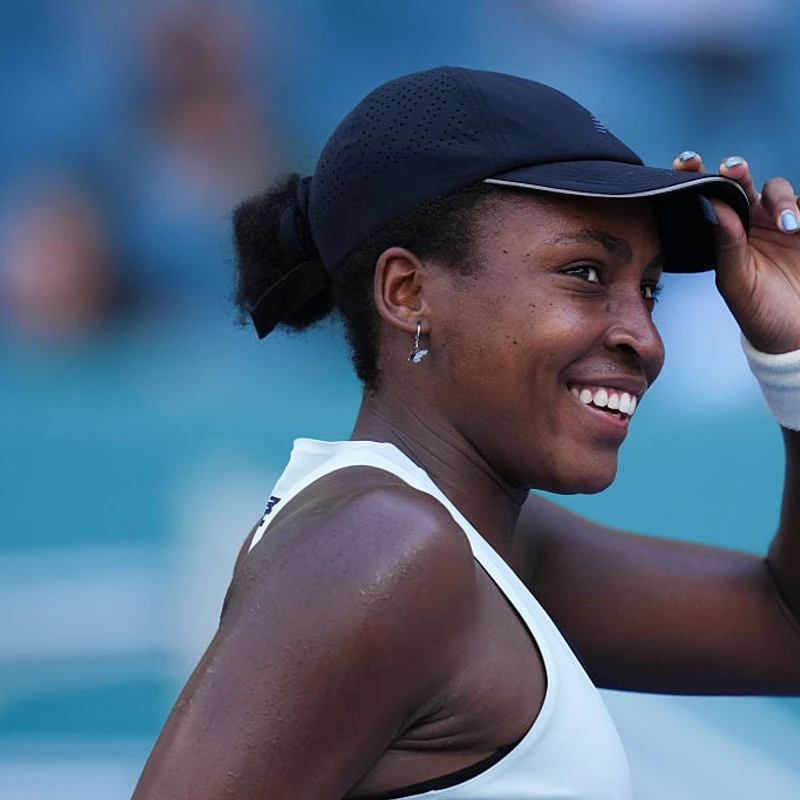
    While promoting Miu Miu’s “Vivant” bag, Gauff was photographed on the tennis court sporting her natural coils in a bun. The brand’s focus may have been on the bag or the styling, but social media’s attention quickly shifted to Gauff’s hair. Unlike the conventionally slicked-back buns often seen, Gauff’s hairstyle embraced her natural texture, opting out of the heavy gel and tension typically used to achieve a super-sleek look.

    This choice led to Gauff becoming the target of social media “jokes” and critiques. Comments likened her hairstyle to historical figures or questioned the styling choices, implying it wasn’t polished enough. This reaction highlights a persistent issue: the policing of Black women’s hair, even in spaces that claim to celebrate natural beauty.

    Gauff’s Response: Protecting Her Hair and Representing

    Gauff addressed the discourse in a TikTok video, explaining her choice. She noted that achieving a super-slick bun can be tedious and damaging to her hair, especially given her active tennis career. “I do play tennis, so most of the times when I’m wearing a bun, I choose to allow my hair to be and present in its 4C self because I do have 4C hair and I don’t want it to be super slick back because it’s just not good for my hair,” she explained.

    She emphasized that she wouldn’t apologize for her hair’s appearance, wanting other girls with similar hair textures to feel represented. “Your hair is literally fine the way it is. My hair was good enough for a high-fashion brand like Miu Miu… So if my hair 4C is good enough for that, then yours is good enough to do whatever you need to do,” Gauff stated powerfully.

    The Exhausting Cycle of Hair Policing

    Gauff’s need to explain her hairstyle underscores a larger, exhausting pattern of policing Black women’s hair. While legislation like the CROWN Act aims to combat discrimination, cultural attitudes lag behind. The constant critique, even when embracing “natural” hair, reveals a disconnect between societal acceptance and the reality of managing textured hair.

    The author points out that social media often attacks Black women’s choices, and hair, being an uncontrollable aspect of identity, becomes a particularly personal target. Hair is more than just strands; it’s autonomy and self-expression, whether styled as an afro, braids, locs, twists, or a bun that doesn’t conform to a narrow standard. The validity of these choices should not be up for debate.

    • Coco Gauff’s natural hairstyle in a Miu Miu campaign faced online criticism.
    • Critics questioned her bun, which didn’t adhere to conventional ‘slicked-back’ standards.
    • Gauff explained her choice was to protect her 4C hair from damage.
    • She aimed to represent girls with similar hair textures and promote self-acceptance.
    • The incident highlights the ongoing policing of Black women’s hair and the need for genuine acceptance.

    Gauff’s message to young Black girls is clear: embrace your hair in whatever way you choose – straighten it, perm it, wear it as an afro, braids, cornrows, or a bun. The confidence to do so, she argues, is essential for navigating a world that often projects insecurities onto others. Ultimately, for Black women, confidence isn’t optional; it’s a necessary tool to move through criticism and show up authentically.

    What are your thoughts on the discourse surrounding Coco Gauff’s hairstyle? How important is it to embrace natural hair without judgment? Share your perspective in the comments below!