Tag: Opinion

  • Supreme Court Weakens Voting Rights Act

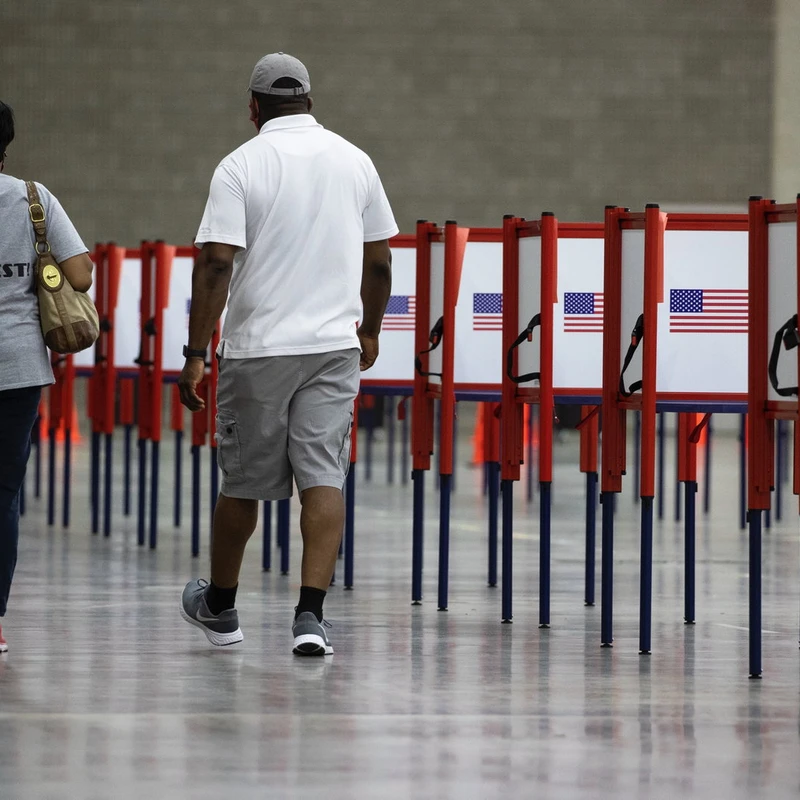
    In a move that echoes past struggles for civil rights, the Supreme Court has significantly diluted the power of the Voting Rights Act (VRA). The recent ruling in Louisiana v. Callais effectively renders Section 2 of the VRA a “dead letter” by demanding proof of intentional racial discrimination – a standard that is nearly impossible to meet.

    A Blow to Voting Protections

    In a 6-3 decision authored by Justice Samuel Alito, the Court has made it significantly harder to challenge voting maps that dilute minority representation. Justice Kagan, in her sharp dissent, warned that this decision “renders Section 2 all but a dead letter. In the States still marked by residential segregation and racially polarized voting, minority voters can now be cracked out of the electoral process.”

    This ruling could trigger a wave of redistricting efforts by Republicans, particularly in the South, potentially costing Black communities up to 15 House seats currently held by Black members of Congress. This level of racial retaliation hasn’t been seen since the era following Reconstruction.

    Historical Echoes and Lessons Learned

    This decision isn’t an isolated incident; it’s the culmination of a decades-long erosion of voting rights, beginning with the 2013 Shelby County v. Holder decision that struck down the VRA’s preclearance provisions. Dr. Martin Luther King Jr. and other civil rights leaders foresaw this resistance. In 1965, King understood that the ballot was the ultimate tool for self-determination, leading to the landmark Voting Rights Act.

    King didn’t stop at legislation; by 1966, he was actively building a “coalition of conscience” through voter registration drives and precinct-level organizing. This strategy led to record Black voter turnout in the 1966 midterms, fundamentally shifting the political landscape and restructuring power. The current Supreme Court ruling effectively reopens the wounds that voters fought so hard to heal 60 years ago.

    The Path Forward: Mobilization and Organization

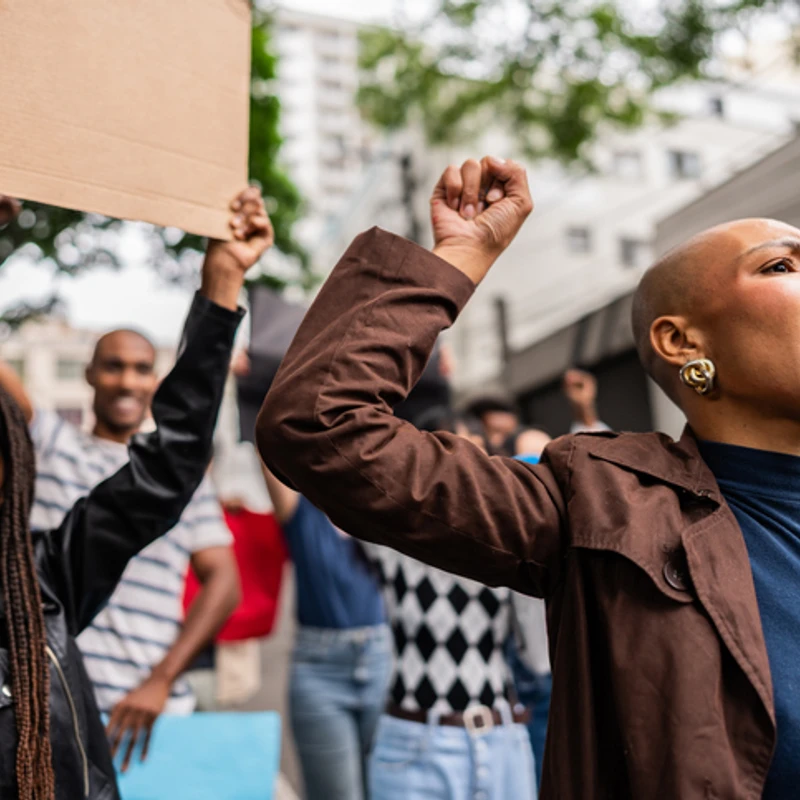
    When the law falters, the people must rise. The response to a Court that seems to prioritize political maneuvering over democracy must be massive civic mobilization. This means robust voter registration drives, comprehensive civic education in schools, churches, and community spaces, and strong turnout operations that render suppression tactics irrelevant through sheer participation.

    The ballot remains the battlefield. And we have not yet lost the war. — Dr. Russ Wigginton

    Janai Nelson of the NAACP Legal Defense Fund rightly stated that the decision allows states to “discriminate with impunity.” However, impunity does not mean immunity from organized, relentless civic participation. As Dr. King asked decades ago, “Where do we go from here?” The answer remains the same: to the polls, to the precincts, and to the people. The ballot is indeed the battlefield, and the fight for voting rights is far from over.

    How can we best mobilize and organize to protect voting rights in the face of this ruling? What actions can individuals take? Share your strategies and thoughts in the comments below!
  • Real Housewives: A Financial Literacy Lesson?

    Think reality TV is just about drama and lavish lifestyles? Think again! For nearly two decades, ‘The Real Housewives’ franchise has been serving up more than just entertainment; it’s been an unintentional, and often chaotic, crash course in financial literacy. From navigating bankruptcy to building empires, these women are inadvertently teaching us valuable lessons about money.

    Bankruptcy and Real Estate Realities

    Take the recent episode of ‘Real Housewives of Atlanta,’ where Slutty Vegan founder Pinky Cole openly discussed considering bankruptcy. After temporarily losing control of her brand and filing for Chapter 11 to reorganize debts, Cole shared her experience, normalizing a financial tool many are too ashamed to discuss. Fellow castmate Kelli Ferrell, dealing with divorce fallout, admitted she’s contemplating the same, highlighting how personal circumstances can impact financial stability.

    The show also doesn’t shy away from real estate drama. Porsha Williams explained her decision to sell her first home to maintain her newer, larger residence post-divorce. These conversations, often happening over cocktails, reveal the complex decisions involved in managing assets, especially after major life changes like divorce.

    Normalizing Financial Conversations

    Across various ‘Real Housewives’ franchises, viewers have witnessed the full spectrum of financial journeys: launching businesses, moving homes, upgrading possessions, building wealth, experiencing losses, and rebuilding. The show normalizes discussions about topics many consider private, such as debt, credit repair, downsizing, fraud, child support, and the risks of entrepreneurship. Entire storylines have revolved around the fundamental question: “Where is the money actually coming from?”

    We’ve seen Shereé Whitfield’s years-long journey building Chateau Shereé, complete with construction delays and public scrutiny, eventually leading to its completion. Cynthia Bailey openly discussed relying on budget retailers like TJ Maxx to maintain appearances during her ex-husband’s financial struggles, proving that even reality stars face similar challenges.

    Lessons from Potomac and Atlanta

    In Potomac, Karen Huger’s family navigated a significant tax lien and back taxes, ultimately selling their mansion and finding financial footing again. Robyn Dixon’s story arc involved understanding how her husband’s financial decisions impacted their fortune, leading to multiple brand launches and a remarriage under more stable circumstances. These narratives underscore the importance of financial transparency within relationships.

    Then there’s Kandi Burruss, a standout example of diversified income streams. Her ventures in restaurants, music, Broadway, product lines, production deals, and real estate serve as a masterclass in building generational wealth beyond a television paycheck. Her consistent financial savvy provides a blueprint for long-term success, especially within a blended family structure.

    Authenticity and Relatability

    What makes these financial discussions so impactful is their authenticity. Figures like Pinky Cole approach topics like bankruptcy not as a failure, but as a practical financial tool. In a society often burdened by financial shame, the Housewives’ willingness to share their struggles and triumphs makes these complex topics more accessible.

    Furthermore, the show has been instrumental in normalizing the presence of wealthy Black women on screen, many of whom represent first-generation wealth. Their experiences, often lived and learned in real-time alongside the audience, demonstrate that financial success is rarely a straight line. The messy, yet honest, reflections offered by ‘The Real Housewives’ provide a valuable, albeit dramatic, look at the realities of managing money in America.

    What financial lessons have you learned from watching ‘The Real Housewives’? Share your thoughts and favorite financial moments in the comments below!

  • America’s Femicide Crisis: A Call to Action for Black Women

    Black women deserve safety, protection, and the fundamental right to live without fear. Yet, for too long, the national conversation about violence within the Black community has sidestepped a critical issue: femicide. While we mobilize around the systemic dangers facing Black men and mourn the loss of our sons, we often fail to directly address and name the violence that impacts Black women so profoundly, both within and outside our communities.

    The Pervasive Threat of Misogynoir

    This isn’t a new problem. From the response to the Tory Lanez shooting of Megan Thee Stallion to the blatant disregard for Dr. Cerlina Wanzer Fairfax’s life while her killer was lauded by his fraternity, the pattern is clear: Black women’s lives are often devalued. This disregard is deeply rooted in misogynoir—a specific form of prejudice that combines anti-Black racism with misogyny. This toxic blend leaves Black women killed at rates four times higher than non-Black women, despite making up only 10% of the U.S. female population. A staggering 59% of murdered women are Black, with intimate partner violence being a primary driver of these Black femicides.

    The data is stark: Black women are more likely to be murdered by an intimate partner than to die from the top three pregnancy-related complications. Black pregnant women face a particularly high risk. Furthermore, the homicide rate for Black trans women has surged by 93% in just four years, yet this crisis remains largely invisible in mainstream discourse. Why? Harmful stereotypes paint Black women as inherently strong and unbreakable, diminishing their perceived need for protection and empathy. Even when Black women exhibit strength, success, or joy, narratives often emerge suggesting they somehow deserved mistreatment.

    Systemic Issues Fueling the Crisis

    The violence is often intimate and targeted, committed by partners, husbands, boyfriends, and even fathers. This reality forces us to confront the uncomfortable truth that the danger isn’t solely external; it exists within our communities. The homicide rate for Black women has been steadily rising since 2017, yet attention, resources, and urgency remain critically low. When tragedies occur, the focus often shifts to the perpetrator’s issues rather than the lives lost. Mental health struggles, while real, cannot continue to be used as a shield to deflect accountability or humanize abusers more than their victims.

    Cultural forces like patriarchy also play a significant role, even within marginalized communities. The normalization of male dominance, control, and entitlement can easily escalate to violence, especially when combined with economic disparities and limited institutional support. The digital world further exacerbates this, with misogynoir-driven content in online spaces radicalizing individuals and contributing to the devaluation of Black women, creating an environment where harm feels justified or ignored.

    From Awareness to Action

    Despite these immense challenges, Black women continue to be the backbone of families, communities, and culture. It’s time for reciprocity—for the protection and support they consistently provide to be returned. Framing this as a “public health crisis,” as ESSENCE has done, is crucial because it highlights the systemic patterns costing Black women their lives. Awareness alone is insufficient; action is imperative.

    1. **Demand Policy Change:** We need structural solutions, like Minnesota’s precedent-setting Office for Missing and Murdered Black Women and Girls, to become a national standard. This includes better data collection, targeted interventions, and dedicated funding.
    2. **Challenge the Culture:** Confront misogynoir in everyday conversations, group chats, and homes. Silence enables complicity; calling out harmful rhetoric in real-time is vital.
    3. **Support Women’s Autonomy:** Leaving an abusive situation is dangerous. Providing tangible resources like emergency funds, safe housing, childcare, and legal aid is crucial for survival, not just freedom.

    Black women deserve safety, respect, and the right to live fully. This is not a radical idea, but a fundamental human right. The data and lived experiences confirm that safety is not guaranteed. We must move beyond treating these incidents as isolated tragedies and connect the dots to address the systemic pattern of femicide. It’s time for the protection Black women have always extended to others to be returned to them.

    What steps do you believe are most crucial to combatting femicide against Black women? Share your thoughts and potential solutions in the comments below. If you or someone you know is experiencing domestic violence, please reach out to the National Domestic Violence Hotline at 1-800-799-SAFE (7233).

  • Drake’s ‘Iceman’ Album: Can He Recover from ‘Not Like Us’?

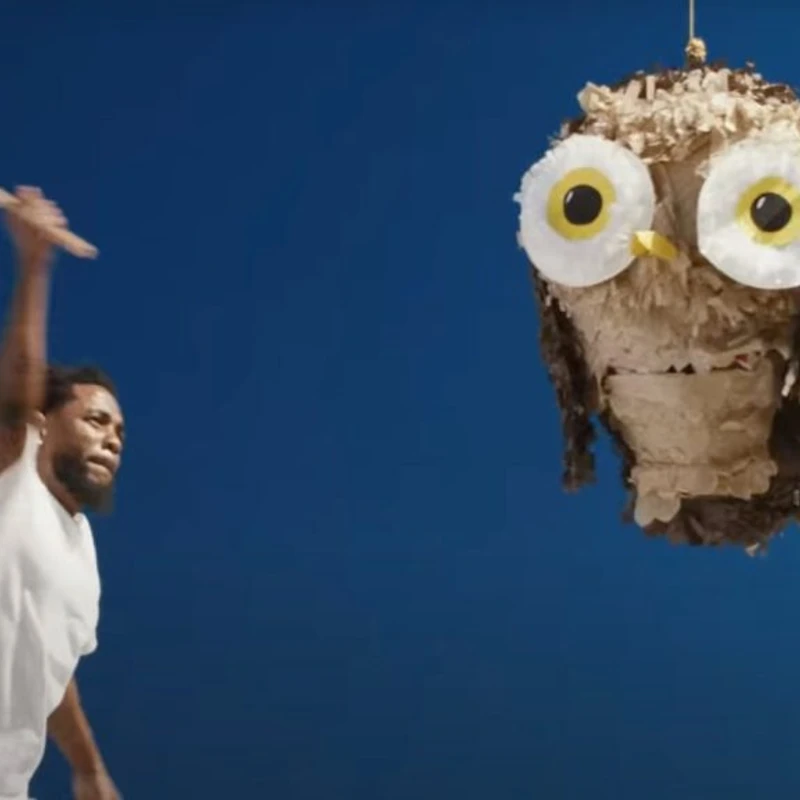
    It’s been two years since Kendrick Lamar dropped “Not Like Us,” a track that didn’t just win a rap battle—it fundamentally reshaped the landscape of hip-hop. Even with Drake’s new album, “Iceman,” on the horizon, the fallout from that conflict feels far from over. The question on everyone’s mind: can Drake ever truly escape the impact of that song?

    The Lingering Shadow of ‘Not Like Us’

    The impact of “Not Like Us” has been unusually persistent. While Drake’s legal team attempted to argue that Universal Music Group knowingly promoted false accusations, the song’s power in the court of public opinion was undeniable. It wasn’t just a diss track; it was a moral reckoning that sought to permanently tarnish Drake’s image.

    Unlike the legendary beefs of the past, like Jay-Z and Nas, which eventually cooled into mythology, “Not Like Us” feels engineered for an era of intense online scrutiny. Stan culture, misinformation, and the constant churn of digital content made any simple resolution feel impossible. Kendrick’s song didn’t just aim to defeat a rival; it aimed to make Drake an unsympathetic figure, condemned rather than defeated.

    Silence from the Key Players

    Much of the lingering tension stems from the silence of those involved. Metro Boomin, who helped ignite the conflict, later expressed being unnerved by the internet’s reaction. Future, in a GQ interview, even seemed to feign ignorance about the beef altogether.

    Kendrick himself has offered little explanation beyond describing “Not Like Us” as representing his own “energy,” his “morals,” and “values.” While fans might see this as spiritual discipline, others found it maddeningly evasive. The conflict morphed from a rap battle into a broader moral debate, especially when Kendrick began warning NBA players to keep their children away from Drake.

    The Road to ‘Iceman’

    Amidst this unresolved tension, Drake is set to release “Iceman,” his first solo album since the “Not Like Us” controversy. The rollout has been cryptic, featuring a giant ice cube and mysterious livestreams, leaving fans to speculate about its contents. The fact that Drake felt the need to pursue legal action only adds to the perception that he’s struggling to regain his footing.

    The album faces a monumental task: it must not only offer insight into the conflict but also somehow convince the public to forget “Not Like Us” and the subsequent lawsuit. It’s a tall order, especially when the song’s catchy accusations have become deeply ingrained in the cultural consciousness.

    Perhaps the true legacy of “Not Like Us” isn’t just about who won a rap battle, but how it fundamentally altered the atmosphere of the entire genre. It transformed public disputes into content, amplified moral judgments, and left Drake in a position where his next move, “Iceman,” carries the weight of an entire genre’s shifting dynamics.

    Do you think Drake can recover his public image with the ‘Iceman’ album? How has Kendrick Lamar’s ‘Not Like Us’ changed your perception of the rap landscape? Share your thoughts in the comments below!
  • Dionne Warwick: A Legend Deserves Respect

    Let’s get one thing straight right off the bat: Dionne Warwick is a national treasure, an absolute icon, and frankly, untouchable. So when we saw some unnecessary shade being thrown her way recently, we knew we had to step in. Because no, we will not stand for any disrespect towards this legendary artist, especially not in 2026!

    More Than Just a Voice: A Legacy of Excellence

    Dionne Warwick isn’t just a singer; she’s a force of nature who has graced us with her talent for decades. Her impact on music, Black culture, and inspiring countless artists is immeasurable. She was ‘that girl’ long before the term even existed, setting trends and breaking barriers with unparalleled grace.

    Think her resume is impressive? You’re right! Warwick boasts an incredible list of accolades, including six Grammy Awards and a Grammy Lifetime Achievement Award in 2019. She’s also been honored with inductions into the Hollywood Walk of Fame, the Grammy Hall of Fame, the National Rhythm & Blues Hall of Fame, the Rock & Roll Hall of Fame, and the Apollo Theater Walk of Fame. Plus, three of her timeless songs are in the Grammy Hall of Fame!

    A Moment of Passing the Torch

    Recently, at the Billboard Women in Music Awards, we witnessed a truly special moment. Dionne Warwick presented the Visionary Award to Teyana Taylor, and it felt like a beautiful passing of the torch. Taylor, who is set to portray Warwick in an upcoming biopic, has always spoken highly of the icon’s influence.

    The resemblance between these two powerhouse women is striking, adding another layer to their connection. Seeing them share the stage was a perfect example of the positive, feel-good moments we love to celebrate in the culture. It’s a beautiful blend of legacy and the next generation.

    Putting Respect on the Name: The Social Media Uproar

    Unfortunately, not everyone seems to understand the level of respect Dionne Warwick deserves. Social media influencer Nicky Campbell recently made some incredibly inappropriate comments about Warwick’s appearance and footwear at the Billboard event, even resorting to using a derogatory term. Absolutely not acceptable!

    As expected, the internet quickly rallied to defend Warwick. Fans, fellow celebrities like Amber Riley, and other influencers flooded the comments section, calling out the disrespect. Phrases like ‘Delete this,’ ‘The disrespect is crazy,’ and ‘You need to put respect on the name Dionne Warwick’ echoed across social media.

    • Actress Amber Riley: ‘You’ve lost your mind dear. We not lettin this one slide. That’s a legend and we don’t call elders the B word.’
    • Stylist J. Bolin: ‘I respect your fashion thoughts! But no disrespect will be given to our elders, queens, or black women! Simmer down!’
    • Fan comments: ‘Delete this,’ ‘The disrespect is crazy,’ ‘You need to put respect on the name Dionne Warwick.’

    Critique vs. Disrespect

    While we appreciate honest fashion commentary and influencer takes, there’s a clear line between critique and outright disrespect. We can discuss style choices without resorting to offensive language or diminishing the achievements of icons. Some figures, like Dionne Warwick, are simply beyond that.

    Her contributions to music, culture, and society are so profound that they transcend any fleeting red carpet outfit. Tact, taste, and a basic understanding of who you’re talking about should always prevail. Let’s take a moment to appreciate some of her iconic looks throughout the years.

    A Visual Journey Through Dionne’s Style

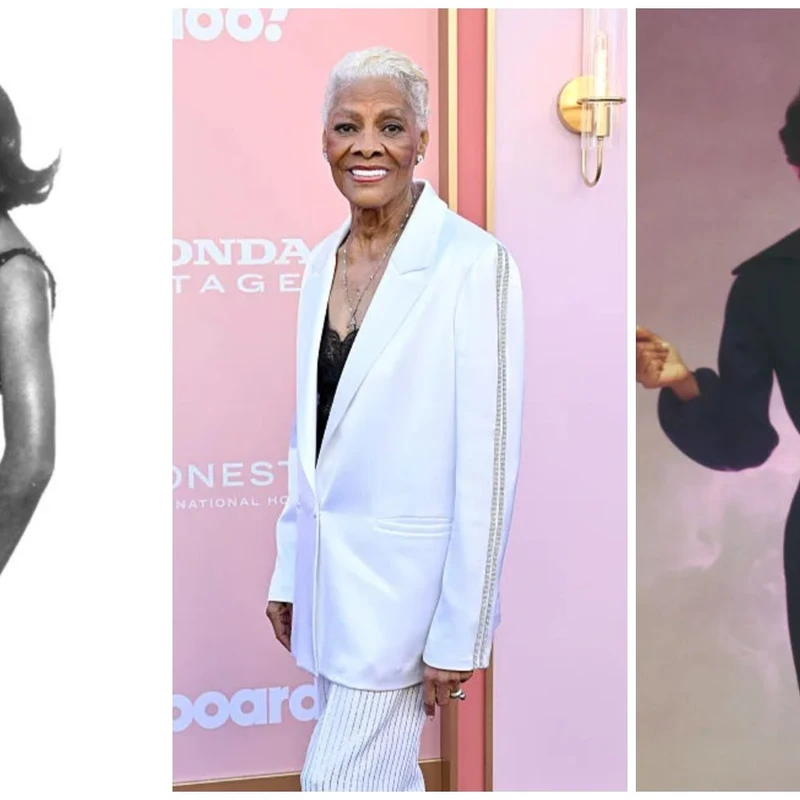
    From the flowing elegance of the 1960s to the chic ensembles of the 1970s and 80s, Dionne Warwick has consistently served style. Her looks, whether at the Grammy Awards, jazz festivals, or Hollywood events, have always been sophisticated and memorable. Even her recent appearance at the Billboard Women in Music Awards in 2026 showcased her continued elegance in a relaxed white suit.

    These images are a testament to her enduring presence and impeccable taste. They remind us that her legacy is built on so much more than just her music; it’s also in her grace, her style, and her unwavering impact.

    What are your favorite Dionne Warwick songs or style moments? Share your thoughts in the comments below!
  • Spirit Airlines Shuts Down, Flights Canceled

    Frequent flyers, budget travelers, and anyone who’s ever paid extra for a bottle of water – listen up! Spirit Airlines, known for its no-frills approach and, let’s be honest, its reputation for in-flight drama, has officially shut down. After negotiations for a government bailout fell through, the airline has canceled all its flights.

    The Downfall of a Budget Carrier

    According to The New York Times, Spirit Airlines has been struggling for quite some time. A combination of factors, including soaring fuel prices, intense competition from larger airlines, the lingering effects of the Covid-19 pandemic, and a problematic engine defect, pushed the airline to the brink. They filed for bankruptcy twice in less than a year, signaling serious financial distress.

    In recent weeks, Spirit had been in talks with the Trump administration for a $500 million lifeline. However, the proposed terms, which could have seen the government owning 90 percent of the airline, faced opposition. Some investors who were owed money felt the bailout would leave them in a worse position, while certain Republican lawmakers also voiced concerns about a taxpayer-funded bailout for the airline.

    Refunds and the Future of Air Travel

    By Saturday morning, May 3, 2026, all Spirit Airlines flights were canceled. The airline announced it would begin processing refunds for passengers who booked directly. Those who purchased tickets through travel agents are advised to contact their agents for reimbursement.

    Spirit Airlines certainly earned a reputation as a lively, if not chaotic, travel experience – often dubbed the “cage match in the sky.” With its closure, the question on many travelers’ minds is: which airline will fill the void? Speculation points to United, Delta, and Southwest as potential contenders to become the new “Waffle House of the friendly skies.”

    A Fitting End?

    The article humorously suggests that the federal government potentially owning a large stake in Spirit under the current administration would be fitting, given the airline’s reputation. It paints a picture of an airline that charged for basic amenities and sometimes offered in-flight brawls as pre-boarding entertainment.

    What are your memories of flying Spirit Airlines? Do you think another airline will take its place as the go-to for budget travel and unexpected drama? Share your thoughts in the comments below!

  • Is Megan Thee Stallion a Relationship Litmus Test?

    The internet has a way of turning any celebrity news into a full-blown cultural moment, and Megan Thee Stallion’s recent breakup with NBA player Klay Thompson is no exception. While many fans and even brands have rallied around the Hot Girl, offering support and solidarity, a less charitable chorus has emerged: detractors who seem more interested in dissecting her character than acknowledging the situation.

    This isn’t just about a celebrity split; it’s become a Rorschach test for how people view women, relationships, and personal autonomy. The reactions, ranging from rapper Cam’ron’s controversial comments to online users labeling Meg a ‘pathological liar,’ reveal deeper societal attitudes.

    More Than Just a Breakup

    The discourse surrounding Megan Thee Stallion often goes beyond simple celebrity gossip. It touches on whether women like her—who are sexually autonomous, financially independent, emotionally expressive, and unapologetic—are viewed as ‘too much.’ The narrative often shifts from the alleged infidelity to questioning her credibility and character.

    As podcast hosts KevOnStage and ThatChickAngel suggested, understanding someone’s take on Megan Thee Stallion might be a crucial first step before dating them. It’s a litmus test for how they perceive women, particularly those who defy traditional expectations of behavior and expression. Do they offer empathy and nuance, or do they find humor in pain and see confidence as a flaw?

    A Reflection of Broader Issues

    This conversation isn’t solely about Megan Thee Stallion; it reflects a larger societal issue regarding how we treat women who are visible, vocal, and sexually free. If a woman at the height of her career cannot be afforded basic respect, empathy, and the benefit of the doubt, it begs the question: who can?

    The way individuals react to Megan Thee Stallion’s personal life—whether they believe her accounts, defend her choices, or dismiss her experiences—can indeed offer insight into their own values regarding women’s agency and the consequences they believe should follow from it. It highlights whether we’re willing to extend grace and understanding, or if we’d rather find fault and judgment.

    What’s your take on the ‘Megan Thee Stallion litmus test’? Does how someone views her reveal something about their perspective on relationships and women? Share your thoughts in the comments below!

  • Megan Thee Stallion & Black Women’s Self-Love

    When Megan Thee Stallion spoke about her breakup with Klay Thompson, the headlines quickly zeroed in on infidelity. It’s a familiar narrative, one the world readily understands. But what often gets overlooked is the ‘long before’ – the quiet endurance, the emotional labor, and the mistreatment Black women navigate long before they decide to leave. This is the part that resonates deeply, the unspoken truth many of us recognize.

    The ‘Long Before’: More Than Just Cheating

    Megan’s admission of ‘holding him down’ through difficult times before discovering the infidelity speaks volumes. It reflects a societal expectation placed upon Black women: that our strength is a boundless container for everyone else’s burdens. This expectation, deeply ingrained, often leads us to prioritize others’ emotional well-being over our own, even when it leads to personal harm.

    This ‘long before’ isn’t always marked by visible bruises. It’s the subtle erosion of self-worth, the dimming of one’s own light to accommodate another’s mood swings or sharp words. It’s the feeling of a room shrinking when someone who has hurt you enters. We see women like Megan, celebrated for their power, admitting to allowing their own brilliance to be overshadowed, often while the world applauds them for their perceived resilience.

    Societal Expectations and the Burden of Loyalty

    The societal framing of loyalty for Black women often borders on a spiritual requirement, a sacrifice demanded for belonging. We are socialized to be the emotional architects for Black men, building protective fortresses around their vulnerabilities while we stand exposed to the elements. This constant emotional management and image curation leaves us asking: who is holding the umbrella for us?

    The statistics paint a stark picture: Black women face intimate partner violence at disproportionately high rates. This isn’t simply about making poor choices; it’s about a culture that often valorizes our capacity to endure the worst, framing our ability to withstand mistreatment as a virtue. The exhaustion of managing a partner’s ego, coupled with the cultural pressure to stay, can lead to tragic outcomes.

    We’re taught so early that our strength is a container meant to hold everything that others refuse to carry. — Josie Pickens

    Decentering the Male Gaze for Self-Protection

    The path to self-protection begins with decentering the male gaze and ego. When we stop measuring our worth by whether a man has ‘chosen’ us, the constraints of that cage begin to dissolve. This shift allows us to recognize when we aren’t being loved well, freeing us from the need to perform devotion for an audience that doesn’t truly value our sacrifice.

    Choosing to decenter men who don’t genuinely see or love us isn’t an act of aggression against Black men or the community; it’s a radical act of returning to ourselves and prioritizing our safety. It acknowledges that repair in a relationship cannot be a one-sided effort. Our survival depends on trusting our instincts, honoring the part of us that knows when to leave, even without a visible scar.

    Choosing Ourselves: A Path to Peace

    Megan Thee Stallion’s decision to leave and speak out is a powerful act. She offers a mirror, reflecting not just her experience but the shared reality of many Black women. Her story shows that even the most powerful among us can find themselves in the ‘long before,’ and crucially, that there is a way out.

    We are allowed to desire love that doesn’t demand our disappearance or compromise our safety. We deserve to be treated with the same tenderness we so freely offer others. Trusting that inner voice, the one that signals when something is wrong, is paramount. Our survival hinges on recognizing that we don’t owe the world our destruction in exchange for titles like ‘strong’ or ‘loyal’.

    How has the concept of ‘decentering the male gaze’ resonated with you? Share your thoughts on Megan Thee Stallion’s message and the importance of Black women prioritizing their own peace and safety in the comments below.

  • Rap Lyrics Used for Death Sentence: James Broadnax’s Case

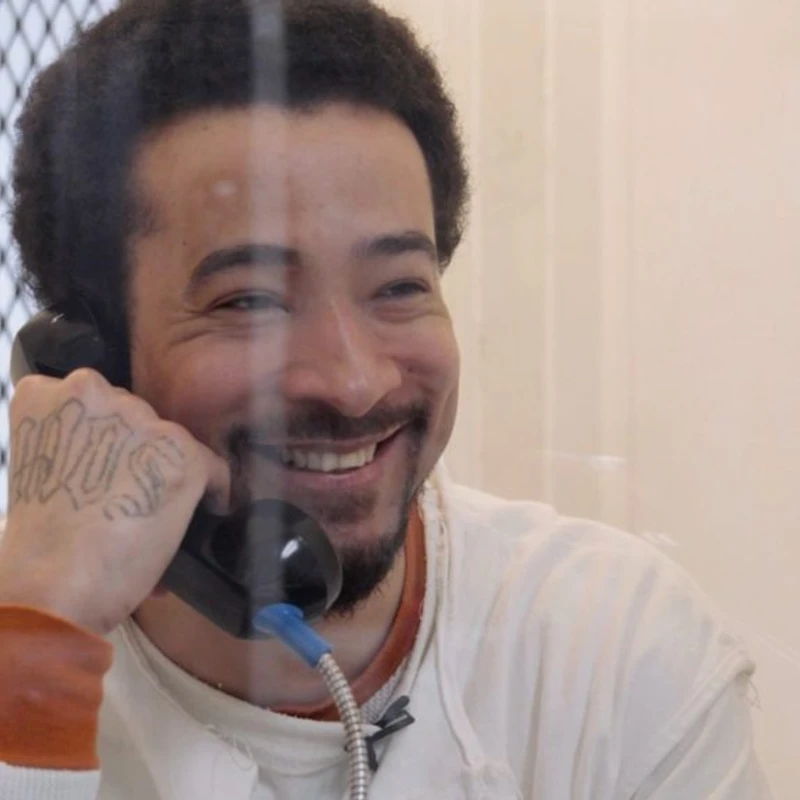
    Imagine facing the ultimate penalty – execution – based not on concrete evidence of your direct actions, but on the lyrics of songs you wrote. This is the grim reality for James Broadnax, a 37-year-old Black man in Texas, who is scheduled for execution on April 30th unless Governor Greg Abbott intervenes. His case highlights a disturbing trend: the increasing use of rap lyrics as evidence in criminal proceedings, often leading to severe sentences, including the death penalty.

    A Tainted Trial and a Controversial Sentence

    Broadnax was convicted of murder for his involvement in a 2008 robbery near Dallas that resulted in the deaths of Matthew Butler and Stephen Swan. While it’s acknowledged that Broadnax was present and involved in the robbery, the prosecution’s case for the death penalty hinged on proving “future dangerousness.” This proved challenging, as Broadnax was only 19 at the time of the crime, had a history of abuse, and possessed only a minor marijuana charge.

    To meet this burden, prosecutors introduced 40 pages of Broadnax’s rap lyrics. Despite many containing themes of redemption and love, the State selectively presented lyrics focused on violence and illicit behavior, aiming to paint him as a “psychopathic killer.” Crucially, these lyrics were never used during the trial itself, raising questions about their relevance to the murder charges. The jury, which was nearly all-white after an initial attempt to exclude Black jurors, asked to review the lyrics multiple times before returning a death sentence.

    The Weaponization of Art

    This reliance on artistic expression as evidence is not unique to Broadnax’s case. Research uncovered by Killer Mike and Erik Nielson reveals over 800 cases since the late 1980s where rap lyrics were used against defendants, including more than 30 death penalty cases. This practice disproportionately affects young Black and Latino men, raising serious First Amendment concerns and highlighting racial inequities within the justice system.

    The use of rap lyrics is particularly concerning because no other fictional or musical genre faces such scrutiny in court. While political polarization often divides opinions, both conservatives alarmed by First Amendment violations and progressives concerned about racial injustice have found common ground in advocating for reform. States like California and Louisiana have already enacted laws to regulate the admission of creative expression as evidence, aiming to ensure prosecutors rely on relevant, meaningful evidence rather than artistic works.

    A Cousin’s Confession and a Plea for Mercy

    Adding another layer of complexity, Broadnax’s cousin, Demarius Cummings, who is serving a life sentence for his role in the crime, has recently come forward with a sworn affidavit admitting he was the shooter. This confession is supported by physical evidence, including DNA found on the murder weapon’s grip belonging only to Cummings, not Broadnax. This new information raises serious questions about the original trial’s findings and the basis for Broadnax’s death sentence.

    Broadnax has reportedly been a model prisoner since his conviction, further challenging the “future dangerousness” assessment. As the execution date looms, a coalition of artists, including Young Thug, T.I., Fat Joe, and Travis Scott, have filed amicus briefs urging the Supreme Court to stay his execution. The plea now rests with Governor Abbott to show mercy and uphold the principles of the First Amendment, recognizing that Broadnax’s art was weaponized, stripping away his humanity.

    What are your thoughts on the use of rap lyrics in court and James Broadnax’s case? Share your opinions in the comments below.

  • Klay Thompson’s Duty to Protect Megan Thee Stallion

    We often associate protection with a partner’s public presence – their declarations of ownership, their standing beside us. But true protection runs deeper. It’s about the choices made when no one is watching, the discipline to safeguard a partner’s trust, even from oneself. In the context of Klay Thompson and Megan Thee Stallion’s recent split, the conversation needs to shift from external actions to internal accountability.

    The Cost of a Pattern

    Klay Thompson’s alleged infidelity isn’t just a personal failing; it’s a breach of the foundation built with Megan Thee Stallion. The author argues that building a relationship while already engaging in behaviors that undermine it is not confusion or bad timing – it’s a conscious choice. This pattern, familiar to many women, involves a representative version of a man who is attentive and caring, only for that facade to crumble, leaving behind someone who makes decisions without considering the impact on their partner.

    The consequences are significant: the woman is left holding unanswered questions and a tarnished reputation, while the man moves on, often unburdened by the repercussions. This is particularly concerning given Thompson’s high-profile career, where discipline, strategy, and image management are paramount. Whispers of infidelity have followed him for years, yet the public narrative often framed him as the stable partner Megan deserved.

    Accountability and Foresight

    The op-ed poses a critical question: If Thompson had applied the same strategic thinking to his relationship as he does to his career, would this situation have unfolded differently? Even if his desires shifted towards non-monogamy or he lacked the capacity for commitment, handling the exit with care, clarity, and foresight could have prevented Megan’s public exposure and shaming.

    The piece emphasizes that men are not unaware of their patterns or capabilities. When they fail to act with the discipline they present initially, it’s a matter of prioritization, not ignorance. The capacity for foresight exists, but it’s not always applied to the relationship, allowing men to move on while women are left to “learn” and “choose better,” often becoming guarded as a result.

    Defining True Protection

    Real protection, the author contends, goes beyond visible gestures or public performances. It demands honesty, discipline, and foresight. It’s the internal commitment to avoid harming someone you claim to love, even if it means confronting uncomfortable truths about oneself. Positioning someone to invest in a version of you that you know isn’t real is unfair, dangerous, and ultimately, violent.

    True protection requires a man to acknowledge his capabilities and limitations, and to act accordingly. When this fails, gestures, access, and image become insufficient. The core demand of protection is the discipline to act with integrity, ensuring a partner is not exposed to harm, whether from external threats or from within the relationship itself.

    What does ‘protection’ mean to you in a relationship? How can individuals ensure they are acting with honesty, discipline, and foresight? Share your thoughts and experiences in the comments below.