Tag: Opinion

  • Kennedy Ryan’s ‘Score’ Centers Black Women’s Mental Health

    Imagine a world where stories about Black women don’t just end well, but where their struggles, particularly with mental health, are seen, understood, and supported. Author Kennedy Ryan is crafting just that world, and her latest novel, ‘Score,’ is a powerful testament to this vision. Released on May 19, 2026, this book offers a much-needed spotlight on an often-overlooked aspect of life for Black women.

    A Necessary Portrait of Mental Illness

    ‘Score,’ the second installment in Ryan’s Hollywood Renaissance series, centers on Verity, a young Black woman navigating emerging adulthood and her first manic episode while attending a fictional HBCU. This setting is far from incidental. The transition to college, with its unique pressures, is a critical period where mental health challenges often first emerge, especially for young adults.

    The statistics are stark: Black and Latinx students face significant financial hurdles in accessing mental health care, and the pervasive stigma within the community often prevents young Black women from seeking help. While over half of Black college students report significant mental health concerns, a mere 30 percent receive treatment. The internalized pressure of the ‘Superwoman Schema’—the expectation to always appear strong and unbothered—further complicates this issue.

    Authenticity and Nuance in Storytelling

    Kennedy Ryan has described ‘Score’ as one of her most challenging books to write, precisely because she was committed to portraying Verity’s experience with authenticity and nuance. She conducted extensive research, interviewing individuals with bipolar disorder, their families, partners, and clinicians. The result is a deeply humanizing portrayal that avoids reducing Verity’s journey to a mere plot device or a simple tragedy.

    I get to write a world where things end well for us. — Kennedy Ryan

    Ryan masterfully weaves Verity’s mental health journey into the fabric of her full life. Her friendships are depicted with genuine affection and realistic imperfections, her family is present and supportive (though not without their own struggles), and her second-chance romance with Monk is layered with emotional depth. This holistic approach shows professional treatment complemented by the crucial roles of community, partnership, and vulnerability.

    Beyond the Crisis: A Holistic Approach

    This emphasis on a holistic approach resonates deeply with the work of supporting students of color. As Dr. Ashley Stewart notes, it takes a village—one that extends far beyond campus counseling centers. Educating faculty, staff, peers, and families is essential to identify needs and offer support *before* a crisis point is reached. Waiting for a crisis means valuable time and pieces of a young person’s well-being are lost.

    Verity’s arc, as she integrates her diagnosis into her sense of self, friendships, and romantic relationships, is a powerful and moving narrative in contemporary fiction. It stands in contrast to mainstream narratives that often flatten Black women with mental illness into cautionary tales, stripping them of their desire, ambition, and joy. Ryan ensures Verity’s diagnosis shapes her world but never defines her worth.

    If ‘Score’ has moved you, let it inspire action. How can you better support the young Black women in your life? Check in, challenge stigma, and advocate for accessible mental health care. Share your thoughts and commitments in the comments below!
  • Unlearning Church Rules on Sex & Sensuality

    For many raised in the church, the message was clear: sex is sacred, reserved for marriage, and best kept quiet. But what happens when you reach that sacred destination and find that enjoying intimacy still feels taboo? This piece explores the journey of unlearning restrictive church teachings about sex and sensuality, and reclaiming pleasure as a vital part of faith and self.

    From Aspiration to Disruption: Visible Christian Intimacy

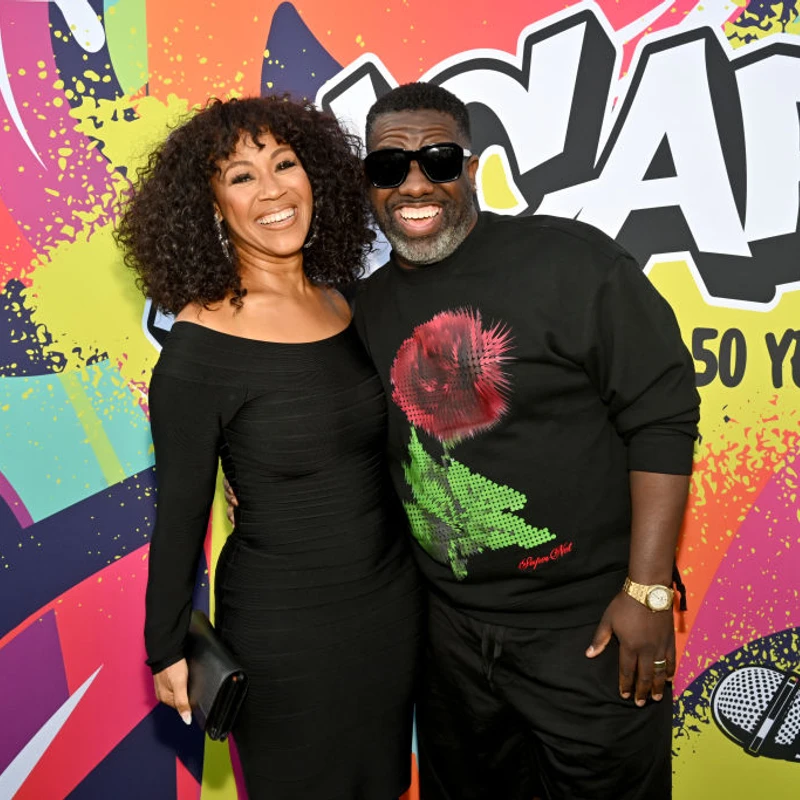
    The author recalls watching Erica Campbell’s wedding as a teenager, seeing her as the epitome of a “saved Black woman doing things the right way.” Over time, Campbell’s openness about her active sex life with her husband, her embrace of her curves, and her sensuality have been disruptive. For those raised in similar environments, this candidness challenges the ingrained notion that faith and open enjoyment of sexuality are incompatible.

    Millennials often lacked visible examples of Christian couples who openly enjoyed their intimacy while remaining deeply faithful. Couples like KevOnStage and Melissa Fredericks, or younger pairs like Jayla and Tony Henry, are now expanding this visibility by speaking candidly about attraction, sex, and the effort required to maintain connection. This provides a glimpse into a reality often left unspoken.

    The Legacy of Purity Culture

    Growing up, the messaging around sex was often about avoidance and suppression, not about understanding desire as something sacred or connected to worship. Even seemingly subtle acknowledgments, like T.D. Jakes’ ‘Sacred Love Songs’ CD, existed in a realm of hushed knowledge, reinforcing that intimacy should remain tucked away.

    The author recounts a high school sermon titled “The Best Sex of Your Life,” which offered a clarifying perspective: sex within marriage, free from shame and fear, would be the most fulfilling. This contrasted sharply with the prevailing message that sex was simply something to be avoided and that one’s body needed to be managed, often with the male gaze in mind. Verses about modesty were frequently used to police women’s bodies, often misconstrued from their original context addressing wealth and status.

    Reclaiming Agency and Pleasure

    LuzCelenia Arce describes how ‘sexy’ was often treated as a threat within Christian circles, both to male purity and women’s own. This indoctrination can lead to struggles with self-esteem and a disconnect from one’s body. The theology often centered male pleasure, leaving women unsure of their own needs and desires, or believing sex ends when their partner’s does.

    Arce points out that this doctrine also impacts men, teaching them that women’s bodies are triggers for inevitable urges, rather than fostering responsibility for their own gaze. This creates a confusing dynamic where sexual women are deemed immoral, yet the “good” Christian wife is expected to be un-sexual. Many were taught premarital sex was sinful, a framing challenged by scholars who note the original text may refer to prostitution rather than consensual premarital intimacy.

    The author’s own journey, marked by divorce, led to a process of deprogramming, decentering the male gaze, and decolonizing her thinking. Reclaiming her sensuality began with simple acts, like taking boudoir photos for herself, realizing she could feel sexy without needing an audience. This personal redefinition of ‘sexy’ involves embracing her body’s legacy, honoring her desires, and experiencing pleasure without shame.

    Ultimately, the piece argues that if the church encourages waiting for marriage, it must also prepare individuals for the intimacy that follows. This includes teaching self-awareness, embracing sexuality, and fostering mutual responsibility rather than solely enforcing restraint. True healing, Arce suggests, begins with coming back into one’s own body.

    How have your experiences shaped your views on sex, faith, and sensuality? Share your thoughts and journey in the comments below!

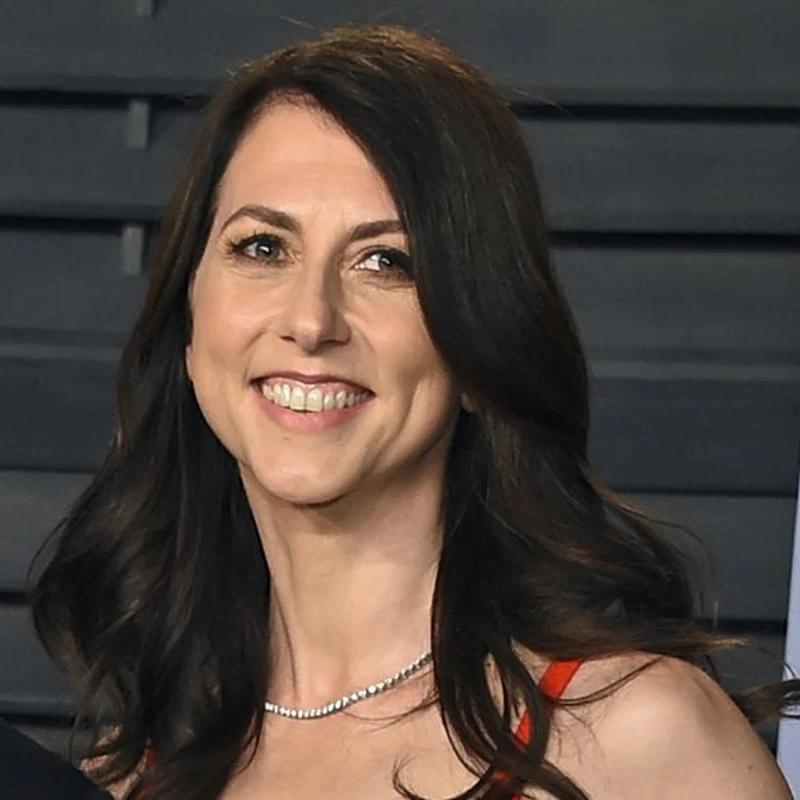
  • MacKenzie Scott’s HBCU Gifts: Billions Given, List Missed

    MacKenzie Scott has been a powerhouse in the philanthropic world, making headlines for her massive donations. In 2025 alone, she reportedly gave away a staggering $7.2 billion, with over $1 billion specifically directed towards Historically Black Colleges and Universities (HBCUs). Yet, in a surprising turn of events, she was left off The Chronicle of Philanthropy’s prestigious Philanthropy 50 list. So, what’s the story behind this omission?

    The Mystery of the Missing Name

    According to AfroTech, the reason for Scott’s absence from the list wasn’t a lack of generosity. Instead, The Chronicle of Philanthropy cited insufficient public information regarding the amount of money Scott placed into donor-advised funds. This detail highlights a fundamental tension in the world of philanthropy: traditional rankings often depend on public disclosure and clear accounting, while Scott has cultivated a giving model centered on quiet, trust-based investments.

    Scott and her representatives reportedly declined to provide the necessary information for the ranking. This decision speaks volumes about her approach – she prioritizes moving quietly, offering substantial sums with minimal restrictions, and trusting organizations to understand and address their communities’ most pressing needs.

    Transformational Impact on HBCUs

    For HBCUs, Scott’s unique approach has been nothing short of revolutionary. As TheGrio has extensively covered, her substantial gifts have reshaped the landscape of philanthropic investment in Black higher education. In 2025 alone, reports highlighted her significant contributions, including an $80 million gift to Howard University, $38 million to Spelman College, $63 million to Morgan State University, and $50 million to Winston-Salem State University, among others.

    The impact goes beyond the dollar amount. Many of Scott’s donations are unrestricted, empowering institutions to allocate funds towards critical areas like strengthening endowments, supporting students, investing in faculty, and upgrading infrastructure. This freedom allows HBCUs, which have historically faced underfunding compared to predominantly white institutions, to pursue their own strategic goals without being constrained by external funding priorities.

    Prioritizing Impact Over Recognition

    Scott herself has pushed back against the notion that generosity should solely be measured by public rankings or sheer dollar totals. In a December 2025 essay, she wrote that while her $7.166 billion in donations was significant, it represented only a small fraction of the overall care being shared within communities. This perspective clearly explains why her absence from the Philanthropy 50 list is so complex.

    By traditional metrics, Scott is undoubtedly one of the nation’s most impactful philanthropists. However, her focus appears to be on the tangible results of her giving rather than the accolades. For the HBCUs that have benefited from her support, the true story isn’t about whether she made a list, but about what her unprecedented confidence and substantial financial backing are making possible for their future.

    What do you think about MacKenzie Scott’s approach to philanthropy? Does her absence from the list diminish her impact? Share your thoughts in the comments below!

  • Trump Rollbacks Undermine Criminal Justice Reform

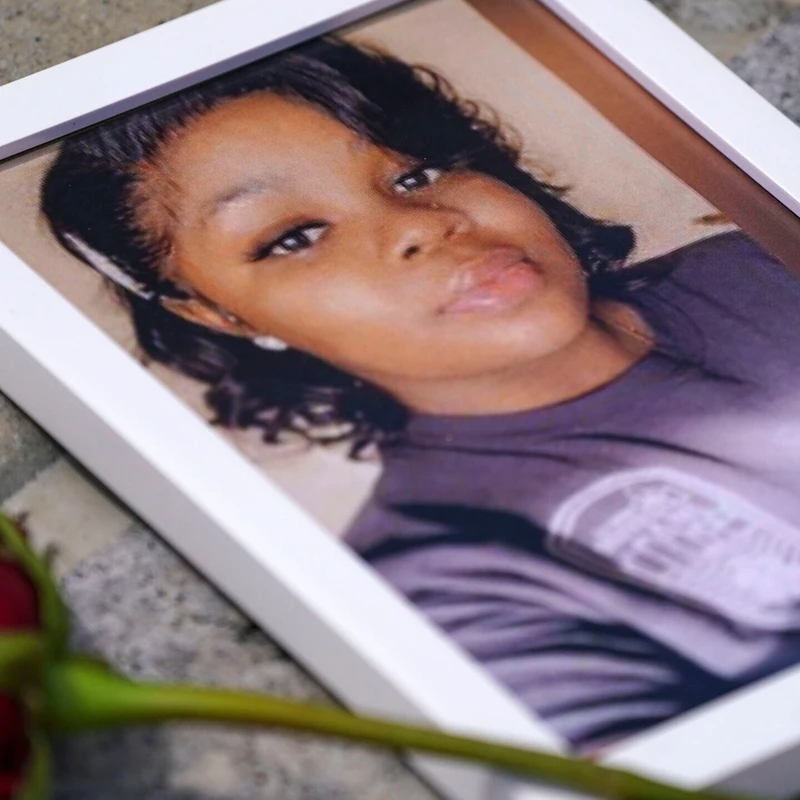
    Remember the wave of criminal justice reform that swept across the nation? Fueled by the tragic deaths of George Floyd, Breonna Taylor, and so many others, communities pushed for change, demanding an end to state-sanctioned violence. They organized, they advocated, and they won significant victories. But now, those hard-won gains are under serious threat.

    Dismantling Accountability: The Trump Administration’s Actions

    In just sixteen months, the Trump administration has taken several alarming steps that systematically dismantle the progress made. On its first day back in office, the National Law Enforcement Accountability Database (NLEAD) was scrapped. This crucial system tracked federal officer misconduct, aiming to prevent officers fired for abuse from being rehired elsewhere.

    Furthermore, Biden-era restrictions on dangerous no-knock warrants—the same tactic used in Breonna Taylor’s killing—were rescinded. In April 2025, over 370 Department of Justice grants, totaling more than $800 million, were terminated. These funds supported vital community violence intervention, gun violence prevention, victim services, and crime reduction programs.

    The Real Danger of Eliminating NLEAD

    The elimination of NLEAD isn’t just an abstract policy change; it has real-world consequences. Consider Timothy Loehmann, the officer who shot and killed 12-year-old Tamir Rice. Fired for falsifying his application, he was later hired by another department. Without a national database to track such misconduct, officers with problematic histories can simply move to new communities, posing a continued threat.

    This lack of transparency leaves the public vulnerable and without recourse. The data is clear: communities thrive not with more police, but with more resources. Investing in stable housing, quality schools, accessible healthcare, and trusted community organizations demonstrably reduces violence far more effectively than increased policing.

    Community Investments vs. State Violence

    The termination of community violence intervention (CVI) grants is particularly concerning. These programs are not mere feel-good initiatives; they are proven to yield significant community benefits. Studies show that for every dollar invested in violence prevention, communities see a return of $7 to $19. Cities like Newark and Detroit have seen dramatic drops in violent crime and significant cost savings directly linked to these CVI programs.

    These rollbacks are happening concurrently with aggressive ICE operations, which Human Rights Watch has documented as violent and racially targeted. The data consistently shows that investing in community care, not state violence, is the path to safety. The argument that reduced police presence automatically leads to more crime is simply not supported by evidence.

    The real question isn’t about police versus no police; it’s about whether we’re willing to fund the conditions that foster true safety. Pouring billions into a system that data shows consistently fails the communities it’s meant to serve is not a sustainable solution. We owe it to the victims of unchecked law enforcement and to future generations to demand better and build the community safety we deserve.

    What steps do you believe are most crucial for building safer communities? Share your thoughts and ideas in the comments below!

  • AI’s Promise vs. Reality for Black Entrepreneurs

    Artificial intelligence (AI) is rapidly changing the business landscape, offering incredible tools that can boost efficiency and open doors. For many Black entrepreneurs, like wellness business owner Shondale Atkinson in Dayton, Ohio, AI is a game-changer, enabling them to create professional content and manage operations with a lean team. This technology is reshaping what’s possible, especially for those with limited capital.

    The AI Opportunity: A Double-Edged Sword

    The potential for AI to level the playing field is immense. Black entrepreneurs are leveraging these tools to extend their reach, cut costs, and access markets that were previously out of reach. It’s more than just a productivity hack; it’s a fundamental shift in operational capacity. This is the exciting opportunity AI presents.

    However, the real question is whether this opportunity will lead to sustained economic growth. As explored in the policy brief “How State Policymakers and Community Leaders Can Help Close the Federal AI Policy Gap for Black Entrepreneurs,” the systems shaping the AI economy aren’t yet designed to ensure Black entrepreneurs benefit equally. This creates a significant structural gap.

    Structural Barriers Persist Despite AI

    Black-owned businesses are a growing force in the U.S. economy, but many operate as non-employer firms. This limits their ability to scale, hire, and compete in capital-intensive industries. Persistent barriers to capital, unequal access to broadband, and exclusion from crucial growth networks remain significant challenges. AI doesn’t erase these hurdles; in many ways, it magnifies them.

    Effectively using AI requires more than just creativity; it demands access to infrastructure, the freedom to experiment with new tools, and the capital for investment. Entrepreneurs who already have these resources are naturally better positioned to benefit. Those in resource-constrained environments face a much steeper climb, risking a deepening of the racial wealth divide, which could widen by as much as $43 billion annually by 2045 without intervention.

    Policy’s Role in Shaping AI’s Impact

    The distribution of AI’s benefits hinges on policy decisions. Current federal AI strategies often prioritize innovation and national competitiveness, with less emphasis on equity, bias, and structural inequality. This approach risks leaving existing disparities unaddressed, potentially intensifying them within the AI economy.

    The focus on workforce readiness, while important, frames AI primarily as a matter of individual adaptation to job changes. It offers limited guidance for entrepreneurs and small businesses seeking the infrastructure, capital, and networks needed to adopt AI and compete. For Black entrepreneurs, the challenge isn’t just about finding jobs; it’s about building businesses, creating products, and generating wealth.

    A Call for Expansive and Equitable AI Integration

    To truly harness AI’s potential for inclusive growth, a more expansive approach is needed. This involves state and local governments, philanthropic organizations, and private sector actors working together. Key areas for intervention include: investing in practical AI training tailored for small businesses, expanding broadband and digital infrastructure, improving access to capital and market opportunities for underrepresented entrepreneurs, and ensuring Black entrepreneurs have a voice in AI governance.

    These interventions are not just about fairness; they are crucial for building a more competitive and resilient economy where innovation is broadly shared. While AI’s development may be inevitable, the distribution of its benefits is not. Policy, institutional design, and investment patterns will determine whether AI leads to concentrated wealth or widespread prosperity.

    How do you think AI can be better leveraged to support Black entrepreneurs? What policy changes are most crucial? Share your thoughts in the comments below!

  • Why Black Parents Are Choosing Black Schools

    Have you ever thought about how much schools shape our kids? It’s more than just math and reading; it’s about identity, confidence, and how they see themselves in the world. For Black parents, especially those navigating predominantly white institutions, this can be a complex journey. The Netflix series ‘Forever’ sheds light on this reality, showing how Black mothers bond over the shared understanding that their children might not find the same affirmation in these environments as they would in spaces that celebrate their Blackness.

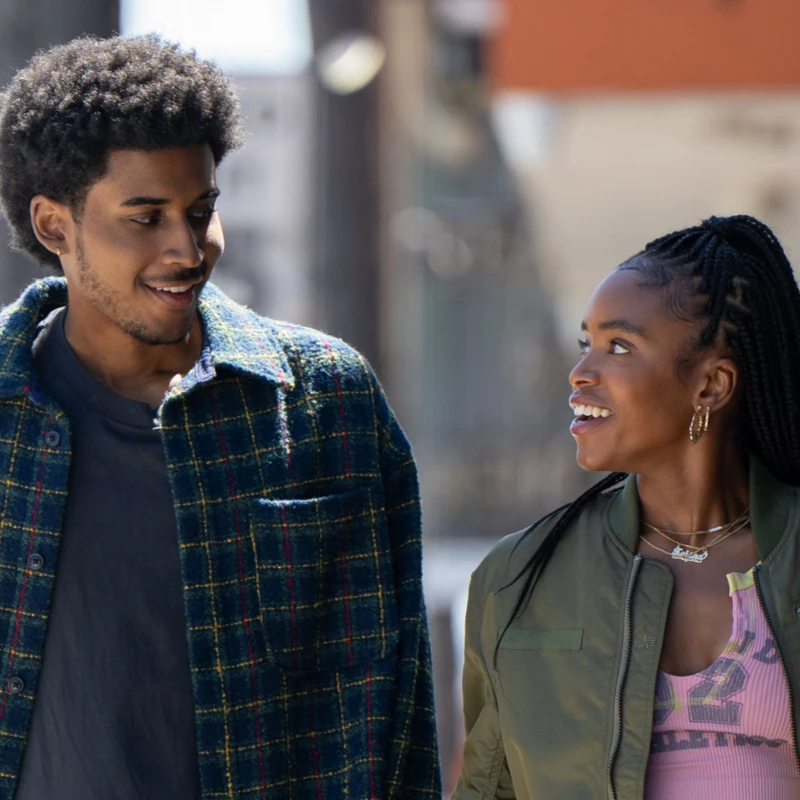
    The show follows seniors Keisha and Justin, and their mothers, as they deal with racial microaggressions. It’s a stark reminder that schools aren’t neutral. Black students often face stereotypes like the ‘angry Black girl’ or ‘aggressive Black boy,’ leading to higher suspension and expulsion rates. Even when Black students are academically prepared, they’re less likely to access advanced courses and rarely encounter affirming curriculum.

    The Toll of Racial Battle Fatigue

    Constantly having to defend one’s identity and navigate racial hostility takes a significant toll. This cumulative stress is what scholars call ‘racial battle fatigue.’ It impacts both the mental and physical health of Black children, who deserve an educational environment where they feel seen, valued, and supported.

    With restrictions on teaching race expanding nationwide, Black students are increasingly losing access to accurate representations of their history and culture. This lack of affirmation can have lasting effects, often requiring institutions like Historically Black Colleges and Universities (HBCUs) to play catch-up in repairing nearly two decades of accumulated harm.

    A Conscious Choice for Black Education

    This is why many Black parents, like the author, are making a deliberate choice to invest in Black K-12 schools, particularly public ones. It’s not about sacrificing their children’s academic future; it’s about recognizing the data that supports the benefits of culturally affirming environments. Decades of research show that parental involvement is a key factor in student success, and the absence of families with social and political capital from public schools can lead to disinvestment.

    The author argues that public education, designed as an equalizer, is weakened when families with means opt out. This trend disproportionately affects Black schools, which are already facing challenges. The growing popularity of HBCUs demonstrates the deep value Black families place on spaces where students can feel culturally grounded, intellectually supported, and socially affirmed.

    Investing in Identity and Community

    Before the landmark Brown v. Board of Education decision, Black students were educated in segregated but deeply affirming environments led by Black educators. These schools nurtured both intellect and identity, producing generations of professionals and laying the foundation for the Black middle class. The author shares a personal connection through her grandmother, who thrived in such an environment.

    Choosing a school where a child’s Blackness is the norm, not an exception or a diversity statistic, is not an act of sacrifice. It’s a powerful investment in their sense of self, their community, and their future. It ensures they are set up for success, whether they head to college like Keisha or take a different path like Justin.

    What factors do you consider when choosing a school for your children? Share your thoughts and experiences in the comments below!

  • Drake’s ‘Iceman’: A Scorned Star’s Revenge Album?

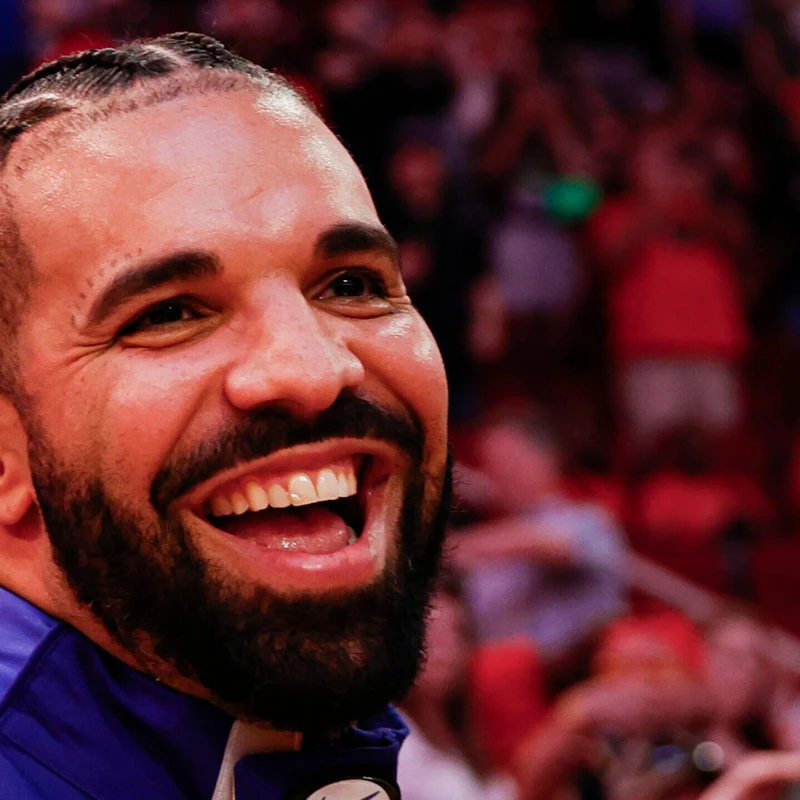
    It’s hard to deny Drake’s enduring appeal. Even after a tumultuous couple of years, he remains a dominant force in pop culture. His latest release, ‘Iceman,’ along with two other albums, dropped on YouTube and then at midnight, marking a significant musical event for 2026. But does this new body of work offer anything fresh, or is it more of the same?

    The project feels like a direct response to the criticisms and conflicts Drake has faced over the past two years. He adopts the persona of ‘Ice,’ lashing out at perceived enemies and those who have crossed him. The themes of paranoia, dismissal of women, and a general sense of being wronged are present, echoing sentiments from his earlier work like ‘Marvin’s Room’ and ‘Hotline Bling.’

    A Moody, Scorned Star

    From the opening notes, ‘Iceman’ maintains a moody, almost surly atmosphere. While guest features from Future and 21 Savage offer brief respites, the album largely centers on Drake’s grievances. He raps about his father’s health battles (though his father has denied this) and a comically Drake-esque situation involving his therapist.

    The bulk of the lyrics read like a personal manifesto of vengeance. Songs with titles like ‘Make Them Cry,’ ‘Make Them Pay,’ and ‘Make Them Remember’ sound like mantras for someone nursing deep-seated grudges. It’s clear Drake is tired of being the butt of jokes and is ready to reclaim his narrative, even if it means alienating some listeners.

    Taking Aim at Rivals

    Drake doesn’t hold back when it comes to calling out his peers. He takes shots at those who allegedly seek advice from Jay-Z, criticizes Mustard for his hit-making consistency, and even calls out DJ Khaled for his silence on the Israel/Palestine conflict. The harshest barbs, however, are reserved for fellow members of rap’s ‘big three’: A$AP Rocky and Kendrick Lamar.

    He dismisses A$AP Rocky’s career and questions Kendrick Lamar’s authenticity, once again referencing his height. Drake also addresses J. Cole’s apology after a diss track, stating he could ‘never forgive’ him. The sentiment is clear: the ‘big three’ concept is over, and Drake sees himself as the sole survivor.

    The Author of His Own Story

    On the penultimate track, Drake refers to himself as the ‘author’ of his story, not the villain or the victim. This self-awareness is key to understanding ‘Iceman.’ Even if public opinion remains divided, Drake is determined to control his narrative and emerge victorious on his own terms. He even addresses the lawsuit over Kendrick Lamar’s ‘Not Like Us,’ suggesting the song’s popularity was manufactured.

    Across the 43 songs released in this trifecta, the overarching theme is Drake’s lingering hurt from the events of summer 2024. He uses his pen to assert his manhood and present his version of events, even if the online discourse continues to cast a shadow over his legacy. Whether it’s enough to sway public opinion remains to be seen, but one thing is certain: Drake is writing his own ending.

    What are your thoughts on Drake’s ‘Iceman’ project? Does it live up to the hype? Let us know in the comments!

  • Howard Students Heckle Mayor Bowser

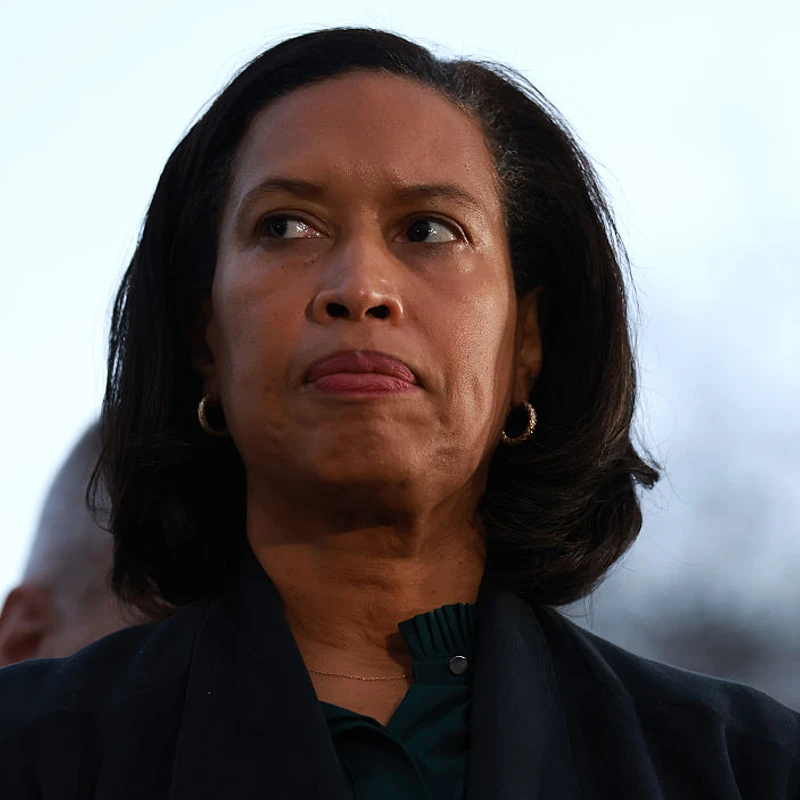
    Imagine graduating from a prestigious university, a moment you’ve worked years for, only to have a politician try to piggyback on your achievement. That’s precisely what happened at Howard University’s commencement ceremony, where Mayor Muriel Bowser was met with boos and heckling from the graduating class.

    Bowser’s Attempt to Co-opt the Moment

    Mayor Bowser, who received an honorary doctorate, declared on stage that she, too, was graduating. She attempted to align her departure from City Hall with the students’ milestone, reaching for Howard’s history and symbols. However, the politically savvy Gen Z students weren’t buying it. They saw her attempt to borrow the ‘Mecca’s’ glow as a way to gloss over her record.

    The students’ reaction was a clear message: they weren’t there to be props in her farewell narrative. They had spent their years at Howard navigating a city that had become increasingly expensive, heavily policed, developer-friendly, and less livable, especially for Black communities. Anyone surprised by the boos, the author argues, simply hasn’t been paying attention to the realities these students faced.

    A Record Under Scrutiny

    Bowser’s speech was described as defensive rather than inspirational. She invoked Howard’s history, Black resilience, and themes of courage, trying to link her tenure to the university’s legacy. She stated that Howard and D.C. are “inextricably linked,” referencing historical figures and movements. Yet, for the students, these words rang hollow against the backdrop of rising rents, displacement, and a political climate that often felt hostile to Black institutions.

    The graduates had endured a pandemic, bomb threats, cyber attacks, tuition aid cuts, and a government shutdown, all while navigating campus pressures and the rising cost of living in D.C. They earned their degrees through significant sacrifice. Bowser’s departure from office, the author contends, is not the same as their commencement.

    The Gap Between Language and Governance

    The students understood the disconnect between Bowser’s “freedom language” and her governing record. Invoking “Free DC” while presiding over the gentrification of the city felt disingenuous. They recognized that politicians often celebrate Black students as symbols of the future while failing to listen to them as constituents in the present.

    They’ve witnessed neighborhoods surrounding Howard transform into playgrounds for developers and luxury apartments, pushing out long-term residents and students alike. These aren’t naive students; they are studying law, journalism, policy, and economics, and they understand power dynamics. They recognized Bowser’s speech as an attempt to flatter them into silence.

    • Howard University students booed Mayor Muriel Bowser at commencement.
    • Students felt Bowser tried to co-opt their graduation for her own legacy.
    • Bowser’s speech was seen as defensive, attempting to link her record to Howard’s history.
    • Students cited issues like rising rents, gentrification, and increased policing in D.C.
    • The students’ reaction highlighted a disconnect between political rhetoric and governing actions.

    Despite Bowser’s claims of achievements like creating affordable housing and strengthening public schools, the students’ reaction suggests her message didn’t resonate. Their boos were a powerful statement, indicating they understood the difference between a politician trying to spin her legacy and their own hard-earned academic milestone.

    What do you think about the Howard students’ reaction to Mayor Bowser? Were they justified in their heckling? Share your thoughts in the comments below!

  • Trump’s Pattern of Bullying Black Female Reporters

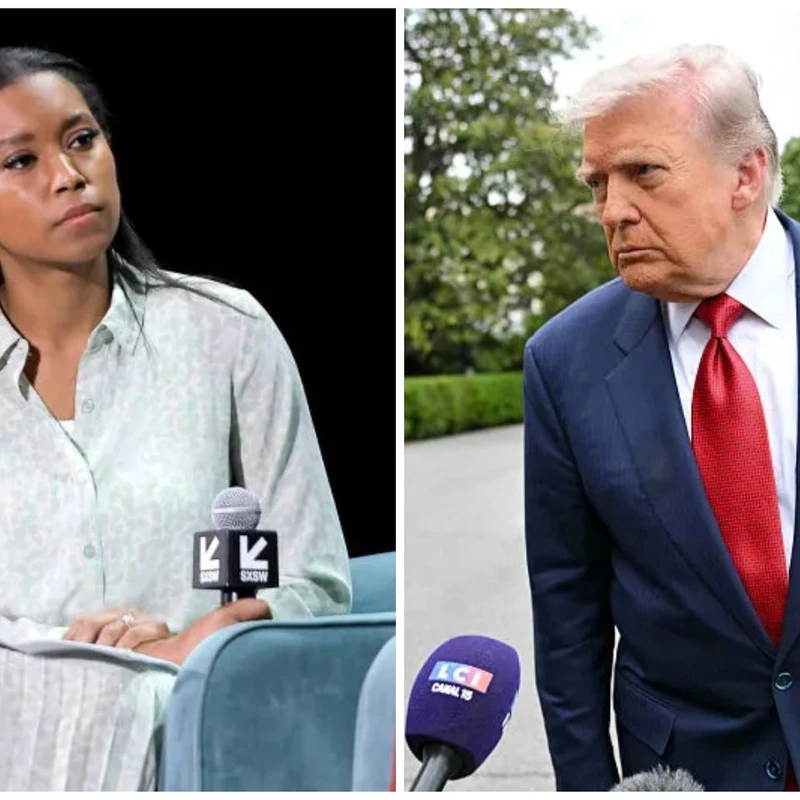
    In the current political landscape, the behavior of elected officials, particularly the President, is under constant scrutiny. While Donald Trump has frequently set a low bar for acceptable conduct, his pattern of targeting Black women reporters with dismissive and personal attacks warrants particular concern. ABC News’ Rachel Scott has become a recent focal point, illustrating a disturbing trend of Trump’s intolerance for substantive journalistic questions from this demographic.

    An Incident at the Lincoln Memorial

    During a recent visit to the Lincoln Memorial, Trump was questioned by Rachel Scott about his priorities amidst a war in Iran and soaring gas prices. Instead of providing a presidential response, Trump launched into a defensive, almost childlike tirade about cleaning up the Reflecting Pool. He deflected from the core of Scott’s question, which was about policy and national concerns, by focusing on aesthetics and cleanliness.

    Trump then escalated his response by personally attacking Scott, calling her question “stupid” and labeling her “with ABC fake news and she’s a horror show.” He continued to ignore the substance of her inquiry, instead fixating on perceived “dirt” and “filth.” Many observers also noted that Trump appeared to call Scott a “b—h” as he walked away, further highlighting his lack of decorum.

    A Recurring Pattern of Behavior

    This incident is not isolated. The article points to a similar encounter in 2024 when Trump addressed the National Association of Black Journalists (NABJ). There, Scott directly questioned him about his use of racist language and insults directed at Black media. Trump’s response was similarly defensive and dismissive, accusing Scott of asking a “horrible” question and labeling her network “fake news.”

    The author argues that Trump’s behavior, including calling female reporters “piggy” and berating them for critical questions, has worsened since his reelection. This pattern extends to his Cabinet members and press secretary, who have also been observed telling reporters their questions are “stupid,” even when they are relevant and topical.

    Lowering the Standard of Discourse

    The piece suggests that Trump’s actions, including his public outbursts and dismissive attitude towards critical questions, have significantly lowered the standard for presidential conduct. The author laments a time when journalists were expected to uphold a certain craft, contrasting it with the current environment where a “moronic, outwardly bigoted, woefully incompetent man-child” seems to set the tone.

    The article posits that Trump’s consistent targeting of Black women reporters, specifically, is not accidental but a deliberate pattern. When faced with questions that challenge his narrative or highlight his controversial actions, his go-to response appears to be personal attacks, deflection, and an attempt to discredit the questioner, particularly when they are Black women asking substantive journalistic questions.

    What are your thoughts on Donald Trump’s interactions with reporters, particularly Black women journalists? Share your perspective in the comments below.

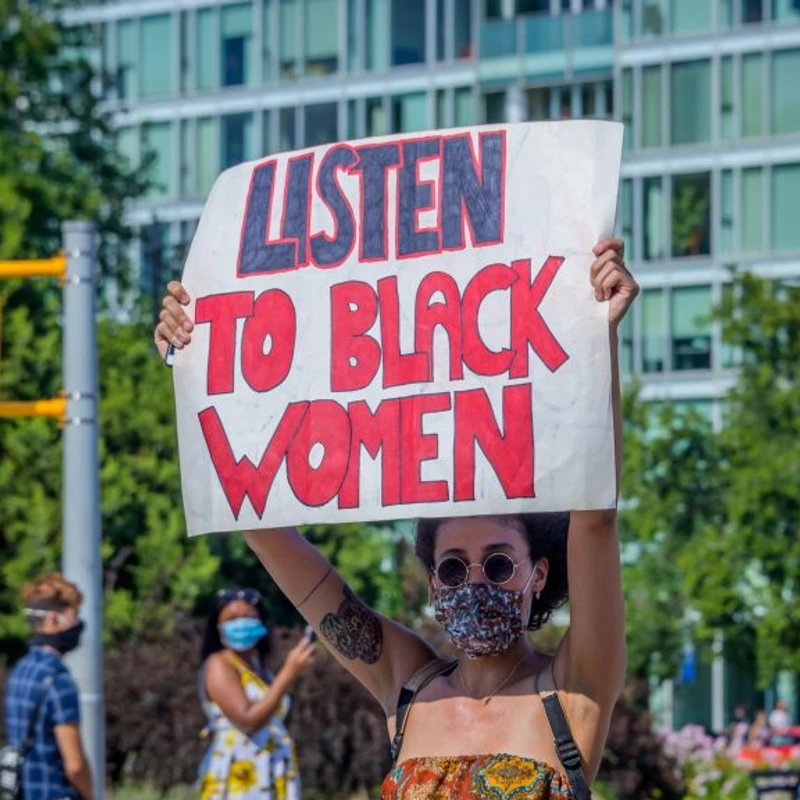
  • Why ‘Listen To Black Women’ Is Crucial Amidst Rising Misogynoir

    There’s a concept known as a “death surge” – a final burst of energy before an end. In America, this metaphor seems to apply to the intensifying struggles against anti-Blackness and patriarchy. While global protests and political shifts signal their vulnerability, these systems are fighting back, and unfortunately, Black women bear the brunt of this violent resistance.

    The Toll of Systemic Oppression

    Therapist and educator Dr. LaNail R. Plummer explains that Black women are uniquely positioned within these oppressive structures. Their very existence is intertwined with and weaponized by the systems that oppress them, leading to a “massive psychological and emotional toll.” This means their lived experiences are often the very foundation of the oppression they face.

    This metaphorical “death surge” of whiteness and misogyny has devastating consequences. We’re seeing alarming rates of job loss among Black women, decreased business funding, and a tragic rise in Black femicide. Headlines in 2026 alone have highlighted horrific acts of domestic violence, with prominent figures like Florida Vice Mayor Nancy Metayer Bowen and Dr. Cerina Fairfax among the victims.

    Voices Unheard, Pleas Unanswered

    Despite their high levels of education and active participation in seeking work, Black women face significant unemployment. Congresswoman Ayanna Pressley highlighted this on the House floor, calling it a “glaring warning sign for where our economy is headed.” Historically, Black workers, especially women, have served as the “canaries in the coal mine” for economic downturns.

    The digital creator Lynae Vanee questioned whether the “Black Manosphere” mirrors the toxicity of MAGA, describing a feeling of being worn down rather than heard. Artist SHAVONE powerfully articulates this struggle in her song “TRIUMPH,” lamenting, “Black women in America, who gon’ cherish us? / Spoiled men perish us / Drownin’ in a sea of lust / They not really seein’ us.” These artistic expressions highlight a deep-seated need for validation and recognition.

    Finding Rest and Community

    Licensed professional counselor Tamara Thomas offers two crucial solutions for Black women: rest and community. She emphasizes that Black women are exhausted from carrying the weight of work, home, and community responsibilities. Thomas encourages challenging the cultural notion that rest equals laziness, advocating for a deeper separation from obligations.

    Crucially, Thomas stresses the importance of finding “communities of rest”—support systems like places of worship, girlfriend groups, or supportive family members. She warns against seeking rest only in isolation, highlighting the need for safe spaces where Black women can express their exhaustion and seek help. This is vital for healing the growing lack of trust between single Black men and women, often stemming from past experiences with infidelity and domestic violence.

    Intertwined Fates: Black Women and National Progress

    Failing to listen to and trust Black women has dire consequences, not just for them, but for the nation’s progress. From Shirley Chisholm and Coretta Scott King to Stacey Abrams and Justice Ketanji Brown Jackson, Black women have consistently been pivotal figures in America’s journey toward democracy. The “Strong Black Woman” trope, while often a source of resilience, also imposes an immense expectation.

    The dismissal and demeaning of Black women are, therefore, fatal for everyone. As the forces of whiteness and misogyny intensify their “death surge,” they target the very population essential for their own existence, while simultaneously seeking to destroy the population others will inevitably turn to for guidance when faced with the question: “What now?” The instruction to “Listen To Black Women” is not just a plea; it’s a necessity for collective survival and progress.

    How can we better ensure Black women’s voices are heard and valued? Share your thoughts and strategies in the comments below!