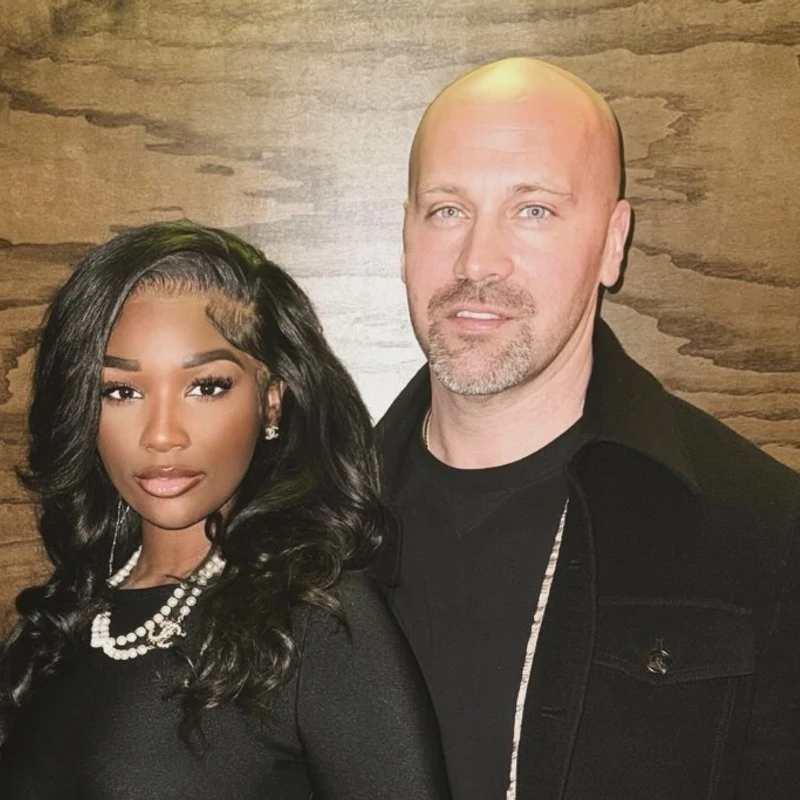
The tragic news of influencer Ashly Robinson, known as Ashlee Jenae, dying while on vacation in Zanzibar has sent shockwaves online. While the circumstances surrounding her death are still unclear and under investigation, the internet has quickly moved past seeking facts to casting judgment. Instead of focusing on the tragedy, many are using her death as a platform to debate interracial dating, Black women’s choices, and perceived disloyalty, turning a potential loss into a morality play.
From Tragedy to Trial by Internet
Reports indicate that Ashlee Jenae, 31, died after an argument with her fiancé, Joe McCann. Hotel staff reportedly separated them, and hours later, she was found unresponsive. While authorities are investigating, with suggestions of suicide being pushed back by her family, the online narrative has already solidified. Old photos and unverified screenshots are circulating, fueling claims about her dating history and alleged negative comments about Black men.
Suddenly, Ashlee Jenae isn’t a person who died under troubling circumstances; she’s a symbol. For some, her death is seen as ‘karma’ for dating a white man or speaking negatively about Black men. This swift condemnation, before any concrete evidence or conclusions are reached, highlights a disturbing trend of conditional empathy, where sympathy is reserved only for those who align with certain community expectations.
The Problem with Using Death as a Teaching Moment
Let’s be clear: the phenomenon of some individuals performing anti-Blackness within interracial relationships is real and deserves critique. However, critique is not condemnation, and it certainly doesn’t justify using a person’s death, especially one still under investigation, as proof for an existing argument. Nobody deserves to die, and no one’s death should be repurposed into a cautionary tale about their personal choices.
This rush to judgment reveals more about us than it does about Ashlee Jenae. We are quick to sort individuals into ‘good’ or ‘bad,’ ‘loyal’ or ‘disloyal,’ ‘deserving’ or ‘undeserving.’ In death, Ashlee Jenae is being asked to carry the weight of unresolved conversations about dating, racial identity, and internalized racism within Black communities. Social media, with its insatiable appetite for narrative, readily collapses complex issues into easily digestible, often harmful, storylines.
A Pattern of Judgment, A Call for Truth
We’ve seen similar patterns before. When Black men have died under controversial circumstances, and past derogatory remarks about Black women have surfaced, the response, while sometimes critical, rarely escalated into a sweeping moral lesson about interracial dating or a unified narrative that declared ‘this is what happens.’ Yet, when a Black woman dies, her death is immediately framed as a consequence, her body used as a warning.
Critical questions remain unanswered: What truly happened in that hotel room? What was the nature of the argument? What evidence supports or contradicts the suicide assessment? What will the autopsy reveal? Will charges be filed? These are the questions that should be at the forefront of public attention. Instead, we’re witnessing an internet-fueled investigation that excavates a digital footprint to confirm pre-existing biases.
This dangerous tendency to build narratives on incomplete information can distort truth and multiply harm. If Ashlee Jenae was a victim of violence, the rush to frame her death as a consequence could preemptively absolve the perpetrator and shift focus away from accountability. If her death was a suicide, then transforming her into a cautionary tale about dating preferences is even more unsettling.
Ultimately, the impulse to make a deceased person’s life and death serve our own narratives needs interrogation. Why are we so quick to turn Black women into symbols? Why is empathy often conditional on our approval of their choices? These questions are vital. At the heart of this online noise is a simple, uncomfortable truth: a woman is dead, and we don’t yet fully understand why. The debates about dating and identity matter, but they require care, context, and a commitment to truth—not a dead body.
What are your thoughts on the online reaction to Ashlee Jenae’s death? How can we foster more empathy and less judgment in these sensitive situations? Share your perspectives in the comments below.
Leave a Reply