Tag: Opinion

  • Ray J’s ‘Single and Married’ Stance Sparks Outrage

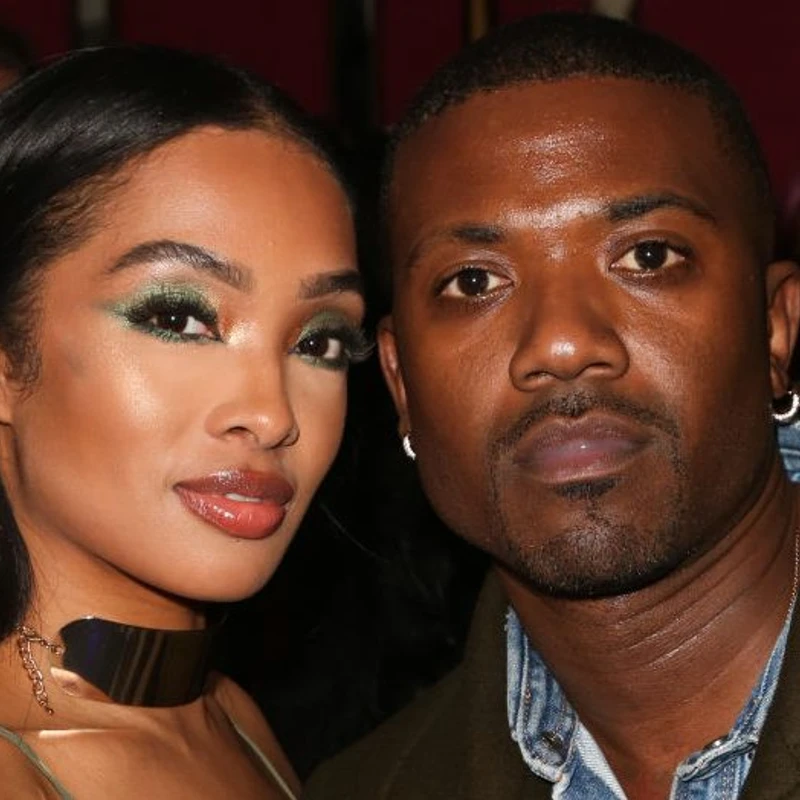
    It seems Ray J is once again making headlines for all the wrong reasons. Despite being married to Princess Love and having children together, his recent public declarations and behavior suggest he’s living by a different set of rules. An op-ed piece argues that Ray J’s actions, including his infamous “single and married” statement and alleged infidelity, represent a profound disrespect to his wife and a pattern of behavior seen in many Black women who have defended similar actions from other male celebrities.

    A Pattern of Disrespect

    The article points to Ray J’s history, from his infamous sex tape with Kim Kardashian to his tumultuous reality TV relationship with Teairra Mari and his ongoing marital issues with Princess Love. Despite seemingly settling down with marriage and fatherhood, Ray J’s alleged cheating, public drama, and dishonesty have continued, leaving many to question his commitment and maturity.

    The author expresses embarrassment for Ray J’s children, who will one day witness their father’s public antics, and for his parents, who seemingly raised him with better values. Despite his family background and his sister Brandy’s superstardom, Ray J continues to exhibit low morals and a lack of shame for his actions, treating his marriage more like a PR stunt than a sacred union.

    ‘Single and Married’ and Public Displays

    The recent “single and married” declaration made on stage, in front of thousands, is highlighted as a prime example of this disrespect. The article argues that regardless of relationship status or the presence of other partners, legally married individuals are not single. This sentiment is further fueled by Ray J parading his current girlfriend, Shila, on major platforms like The Breakfast Club, shortly after expressing a desire to reconcile with his wife.

    The piece also touches on Ray J’s appearance on The Breakfast Club with Shila, where he seemingly aired grievances with Dr. Umar Johnson while also discussing his affections for Sukihana, a woman he is not supposed to be involved with. His response, “Suki is ALWAYS with me,” defending a relationship he shouldn’t be in, further underscores the perceived disrespect towards his marriage.

    Accountability for Men, Not Just ‘Side Chicks’

    While acknowledging that some women may choose to be involved with married men, the op-ed firmly places the primary blame on the men who engage in infidelity. The author argues that “side chicks only exist where they are allowed to,” shifting the focus from shaming other women to holding cheating men accountable. Ray J is presented as a representative figure for many men, like Future, Paul Pearce, and Offset, who allegedly drain the spirits of Black women who often feel compelled to defend them.

    Black women, you can let go! Stop praying, hoping, holding on to the idea of love that does not hold you back but holds you back. — Op-Ed Author

    The article concludes with a message of empowerment for Black women, urging them to recognize when relationships have reached their expiration date and to stop trying to fix men who are unwilling to change themselves. It suggests that Princess Love, like other women who have endured similar situations, is likely exhausted and that it’s time to let go.

    What are your thoughts on Ray J’s public behavior and his ‘single and married’ stance? Do you agree that the accountability should lie primarily with the men involved? Share your opinions in the comments below!

  • Podcast Hosts Mock Megan Thee Stallion, Spark Outrage

    It’s one thing to discuss an athlete’s performance, but it’s another entirely to resort to demeaning jokes at the expense of a Black woman. Recently, former NBA players Jason Williams and Patrick Beverley found themselves in hot water for comments made on their podcast, ‘Hoopin’ and Hollerin’.’ The conversation took a sharp turn when Williams made a crude remark about Megan Thee Stallion, referring to her with a derogatory term, and shockingly, his co-hosts found it amusing.

    The Problematic ‘Joke’

    The incident occurred during a discussion about Klay Thompson’s recent performance struggles. Williams’ comment, which reduced Megan Thee Stallion to a vulgar term for female genitalia, was met with laughter from Beverley and another co-host. Beverley even added his own take, suggesting that Thompson’s focus might be off due to his relationship, implying Megan was a distraction.

    This kind of commentary is not only disrespectful but also perpetuates harmful stereotypes. It’s particularly concerning because Williams, a white man, felt comfortable making such a remark about a Black woman. Even more baffling is that two Black men on the podcast didn’t challenge the comment, allowing it to slide without any pushback.

    Klay Thompson’s Disappointment

    Klay Thompson himself responded to the clip on Instagram, expressing his clear disapproval. He directly addressed Patrick Beverley, asking how they would feel if their wives were referred to in such a manner. Thompson called their comments ‘disappointing’ and urged them to ‘do better.’ Megan Thee Stallion, however, remained publicly silent on the matter.

    Beyond the Joking: Deeper Issues

    The core issue here goes beyond a simple, unfunny joke. It touches on the persistent tendency to tear down Black women, reducing them to their sexuality. The narrative that a man’s success is hindered by being in a happy relationship is a tired trope, often pushed by other men. It suggests that genuine partnership is a trap rather than a source of support.

    This perspective ignores countless examples of successful couples where both partners thrive, like Bam Adebayo and WNBA star A’ja Wilson. The insinuation that Megan Thee Stallion is holding Klay Thompson back is not only speculative but also deeply misogynistic. It’s lazy, harmful, and frankly, outdated.

    Moving Towards Better Humor

    As Klay Thompson rightly pointed out, there’s a need for growth and maturity. Instead of resorting to crass jokes at the expense of marginalized groups, especially Black women, we should aim for humor that is insightful, respectful, and genuinely funny. It’s time to move past these tired, harmful tropes and embrace more constructive ways of engaging with each other.

    What are your thoughts on the comments made by Jason Williams and Patrick Beverley? Do you agree that it’s time for more respectful humor? Share your views in the comments below!

  • Wale’s ‘everything is a lot’: A Candid Reflection

    In the whirlwind of the modern music industry, where trends shift and attention spans shorten, it’s rare to find an artist willing to pause and offer a deeply honest reflection. Wale, a veteran in the hip-hop scene, has done just that with his latest album, ‘everything is a lot.’ This project delves into the complexities of success, the lingering struggles of life, and the often-unseen pressures that come with fame, prompting the question: will the culture slow down enough to truly hear him?

    An Unflinching Opening

    From its very first line – “My baby mother told her new husband she had to move on” – the album grabs your attention. This raw honesty on the track “Conundrum” sets the tone for a project that is unafraid to lay bare personal truths, reminiscent of Jay-Z’s “4:44” in its candid exploration of accountability and vulnerability. Wale doesn’t shy away from the complexities of his personal life, immediately drawing listeners into his world.

    The album continues to impress with tracks like “Belly,” which the author argues might be Wale’s greatest song to date, showcasing exceptional sound, introspection, and execution. Throughout ‘everything is a lot,’ Wale consistently lays his heart bare, a signature move that compels listeners to connect with his story, whether they perceive him as misunderstood or, as some might say, difficult.

    The Weight of Life and Success

    What truly resonates about ‘everything is a lot’ is its conceptual honesty. The title perfectly encapsulates the feeling that life, for most of us, is overwhelming. Wale, despite his success and wealth, speaks candidly about the burdens of life, not just the trappings of fame. He touches on the pressures of family expectations, the loss of close friends, his introverted nature, and the challenges of navigating a career that demands constant performance.

    This vulnerability is particularly impactful for many Black men who, even after achieving success, remain deeply connected to their roots and the struggles they’ve overcome. Wale’s reflections on relationships, professional pressures, and the need for therapy offer a relatable narrative that transcends his celebrity status. It’s a powerful reminder that money doesn’t solve everything, and fame can often amplify life’s difficulties.

    The Challenge of Cultural Longevity

    However, the album’s depth raises a crucial concern: in today’s fast-paced music landscape, will ‘everything is a lot’ receive the critical attention it deserves? With countless albums released weekly, projects that aren’t immediately culturally resonant risk fading into obscurity. While albums like Doechii’s “Alligator Bites Never Heal,” Kendrick Lamar’s “GNX,” and SZA’s “SOS” have achieved lasting impact, many other critically acclaimed works, like Chance The Rapper’s “Starline” or JID’s “GOD DOES LIKE UGLY,” seem to be quickly forgotten.

    The author hopes that listeners will take the time to truly engage with Wale’s new work, allowing for the deep analysis that helps art achieve lasting significance. By dissecting the individual pieces and understanding what they reveal about the artist and the world, such albums can transcend fleeting trends and live on. Wale’s exploration of the reality that success doesn’t erase life’s struggles is a narrative that deserves to be heard, discussed, and remembered.

    • Wale’s new album ‘everything is a lot’ offers deep personal reflection.
    • The album opens with a candid statement about personal life struggles.
    • It explores the complexities of success, relationships, and mental health.
    • The author questions if the fast-paced music culture will give the album the attention it deserves.
    • Wale’s vulnerability resonates with the experiences of many Black men.

    Have you listened to Wale’s new album ‘everything is a lot’? What are your thoughts on its vulnerability and message? Share in the comments below!

  • Prince’s Enduring Legacy in Minneapolis

    Minneapolis holds a special place in the hearts of music lovers, largely due to its connection with the legendary Prince Rogers Nelson. For the first time, a visitor explores the city, discovering how deeply Prince’s spirit and artistry are woven into its fabric, from iconic venues to his personal sanctuary.

    A City Steeped in Musical History

    The author’s journey began with a romanticized image of Minneapolis, a city known not only as Prince’s home but also as the birthplace of musical powerhouses like Jimmy Jam and Terry Lewis. Even a childhood reference in Janet Jackson’s ‘Escapade’ hinted at the city’s unique allure.

    The visit coincided with the premiere of the stage play adaptation of ‘Purple Rain,’ a fitting debut in the city that inspired the iconic film. Growing up, Prince’s music was a constant presence, with albums and the ‘Purple Rain’ soundtrack forming a significant part of the author’s life, especially the beloved track ‘I Would Die 4 U.’

    Pilgrimage to Paisley Park and First Avenue

    A key part of the Minneapolis experience was visiting Paisley Park, Prince’s famed recording studio and residence, where he tragically passed away in 2016. The author describes an almost eerie feeling, sensing Prince’s presence everywhere, as if he were still around the city.

    The journey also included a stop at the legendary First Avenue & 7th Street Entry nightclub, a central location in ‘Purple Rain.’ Standing on its stage and seeing the exterior walls adorned with stars of famous artists offered a tangible connection to Prince’s global impact.

    Prince’s Imprint on the City

    The author embarked on a Prince-centric sightseeing tour, visiting his childhood neighborhood in North Minneapolis, including homes he lived in and the Capri Theatre, where he played his first professional gig. Even a visit to the record store Electric Fetus revealed the albums Prince purchased shortly before his passing.

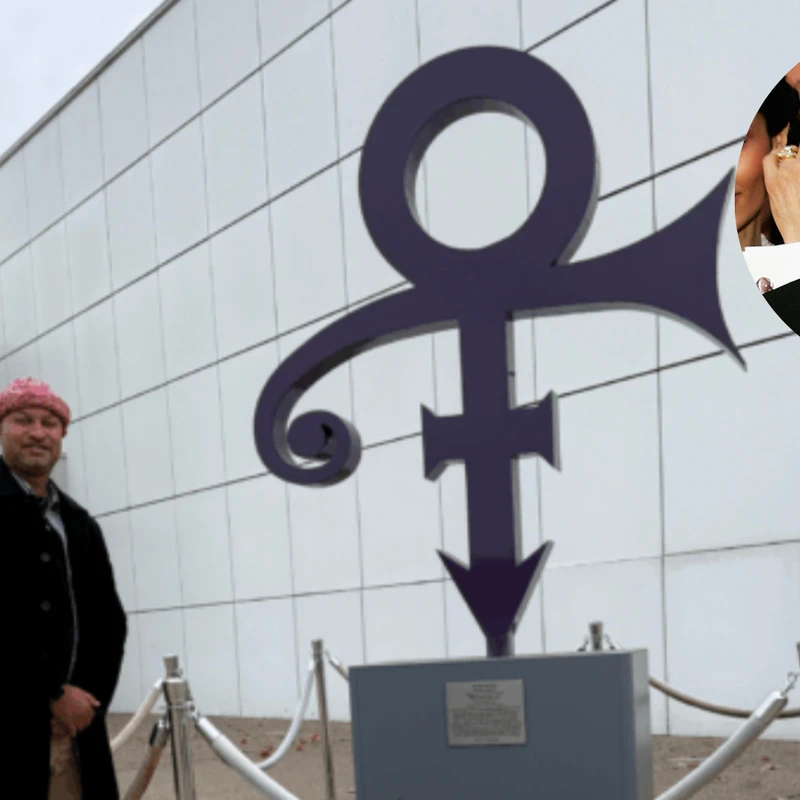
    What struck the author most was the sheer ubiquity of Prince’s presence. Murals, pictures, and the iconic Prince symbol are scattered throughout the city, creating a unique cultural landscape. This deep connection feels different from other artists’ legacies, perhaps because Prince remained so connected to his hometown.

    Reflections on George Floyd Square and Paisley Park

    The visit also included a stop at George Floyd Square, a poignant reminder of the city’s recent history. The author noted the local, grassroots nature of the memorial and was struck by the unexpected sight of a Prince symbol sculpture placed alongside Black fist art, underscoring Prince’s pervasive influence even in spaces dedicated to other significant movements.

    A tour of Paisley Park offered a surreal glimpse into Prince’s creative world. Seeing his instruments, the basketball court that inspired ‘Game, Blouses,’ and memorabilia from albums like ‘Musicology’ and ‘Batman’ provided a profound connection to his artistry. Although photos are restricted inside the studio, the soundstage area allows visitors to see cars, clothes, and pianos, further immersing them in his life.

    The ‘Purple Rain’ Play and Minneapolis Charm

    The ‘Purple Rain’ stage play was lauded for its phenomenal music and its ability to update the 1980s film for a contemporary audience, addressing problematic elements and reimagining others. The author left the theater feeling deeply moved, appreciating the play’s role in further immortalizing an artist who may not always receive his full due.

    Beyond the Prince-centric experiences, the author found Minneapolis itself to be a charming city—not too big, not too small. Enjoying diverse culinary experiences, from Ga Noi to The Market at Malcolm Yards and Matt’s for a Jucy Lucy, added another layer to the visit.

    The city’s vibrant Black community was also a notable observation, present from downtown skywalks to various neighborhoods. The Mississippi River added to the city’s beauty, creating a peaceful atmosphere. The author was surprised by the airport (MSP), finding it remarkably efficient, likening it to ‘Atlanta airport-lite.’

    Have you visited Minneapolis or Paisley Park? What does Prince’s legacy mean to you? Share your experiences and thoughts in the comments below!

  • Black Women Lead: Future Hinges on Listening

    In a year filled with challenging headlines and a sense of moving backward, a critical question echoes across Black communities: Who is truly standing with us? As two women dedicated to fighting for equity, we see the exhaustion and the demand for accountability, especially from young voters and Black women who feel their labor has sustained systems that often overlook them.

    Clarity Amidst Disillusionment

    Recent polling from “The Highland Project,” conducted with “Brilliant Corners Research and Strategy,” reveals a stark reality: 8 out of 10 Black women voters believe America is worse off than it was just a few years ago. This isn’t apathy; it’s a clear recognition that Black women’s priorities have been acknowledged in words but rarely reflected in structural change. Their top concern? The erasure of Black history, which worries 83% of them—even more than economic instability.

    We’ve witnessed this firsthand. Young people are turning away from politicians who fail to meet them on their terms, platforms, and realities. On a larger scale, data shows Black women are disproportionately affected by the economic downturn. Fifty-five percent feel their wages aren’t keeping pace with the cost of living, half are impacted by job cuts personally or through family, and nearly half don’t feel financially prepared for retirement. In April alone, Black women lost 106,000 jobs—the highest number of any demographic.

    Reimagining Power and Prosperity

    Despite these economic uncertainties, “The Highland Project’s” polling reveals that Black women remain deeply committed to collective well-being. They are actively reimagining prosperity beyond just higher incomes, envisioning a future with abundant choices, financial freedom, thriving health, and a strong sense of shared belonging. This vision is being built through new leadership models that prioritize collective needs, treating rest as essential, care as valuable currency, and freedom as a shared investment.

    Our organizations, “Rise” and “The Highland Project,” are working to build the infrastructure that communities have long been denied. We’re mobilizing millions of students and designing sustainable pathways to wealth and belonging. This work is fueled by proprietary data showing Black women are becoming more intentional about how they invest their money and energy, with 77% citing economic uncertainty as a top worry.

    Listening as a Form of Leadership

    This moment demands a new kind of listening—one that invests in Black women rather than extracts from them. Frameworks like “Black Women’s Best” demonstrate that when Black women are centered, everyone benefits. The policies and leaders we need are already here, waiting to be resourced, trusted, and amplified. To those shaping policy and public priorities, we offer a reminder: our commitment has never wavered. Our collective future hinges on whether institutions will finally match that commitment by listening to and investing in the women who have consistently kept democracy alive.

    We are no longer waiting for permission. We are leading, as we always have: with care, courage, and a clear vision for what comes next. Because when Black women are sustained, everyone is sustained. This investment offers not just a chance to survive the future, but the power to build it.

    What does leadership mean to you in today’s world? How can institutions better listen to and invest in the communities they serve? Share your thoughts in the comments below!

  • HBCU Homecoming: A Father’s Reflection on Legacy

    For many, HBCU homecoming season is more than just a tradition; it’s a vibrant celebration of Black legacy, community, and the enduring spirit of institutions that have shaped generations. This year, for Panama Jackson, it was also a profound moment of reflection as he watched his 16-year-old daughter experience the magic of SpelHouse (Spelman and Morehouse Colleges) homecoming for the first time.

    The Effervescence of Black Joy

    Jackson describes homecoming as a unique effervescence – a chance for alumni to revisit the grounds that shaped them and for current students to witness their potential futures. It’s a space where professionals embrace their inner “hoodrat” for a weekend, a powerful display of Black joy amidst the complexities of modern America. He notes the special energy that non-HBCU grads experience when they witness such a concentrated celebration of Blackness.

    While Jackson typically attends with friends, this year’s homecoming held a different significance. His daughter, a junior in high school, was actively exploring potential college destinations. Having visited Howard University since childhood (due to her maternal grandmother being an alumna), this was her first time stepping onto Spelman’s campus with a discerning eye for her future.

    A Father’s Hopes and Evolving Desires

    As a father who cherishes his own SpelHouse experience, Jackson admits he’d love for his daughter to attend Spelman. However, he emphasizes that her happiness is paramount. “Am I more concerned about her happiness wherever she is? Absolutely,” he states. He was eager to see her immerse herself in the Spelman experience and the homecoming festivities.

    Jackson recognizes homecoming as a powerful tool for inspiring students to consider HBCUs. He watched as his daughter toured Clark Atlanta University, Spelman College, attended a Morehouse football game, and experienced Spelman’s Market Friday and the iconic Morehouse Tailgate. Her simple observation, “There are a lot of Black people!” resonated deeply, highlighting the profound impact of being surrounded by such a vibrant Black community.

    A Taste of the Future, A Feeling of Home

    For his daughter, the experience was more than just seeing many Black people; it was about feeling a sense of belonging. “She also shared she could see herself down there, and that the experience was one that gave her a taste of a possible future,” Jackson shares. The feeling of being “at home” was a significant takeaway, creating a baseline for her college search.

    Jackson found it surreal to see his daughter walking the same streets that shaped him. He hopes to one day expose his three sons to Morehouse College as well. Witnessing her smile and enjoy the October Atlanta sunshine, he saw not just his daughter, but a potential college student on the cusp of her future. A photo of her with Spelman’s Giles Hall in the background, a building famously featured in “A Different World,” felt profoundly “full circle.”

    The Enduring Power of HBCU Legacy

    While he remains open to wherever his daughter’s path may lead – be it Spelman, another HBCU, or a different institution entirely – he’s grateful she experienced a piece of what makes Morehouse and SpelHouse so special to him. He credits these spaces with fostering his network and teaching him that any life was possible with hard work. Most importantly, he’s glad she saw him, even briefly, in his element, a reminder of the profound impact these institutions have on shaping identity and possibility.

    What are your most cherished memories of HBCU homecoming? Share your experiences and thoughts on the importance of Black legacy in education in the comments below!

  • Hazing in Christian Orgs: A Hidden Harm

    Is it sanctified or sinister? That’s the question looming over Christian fraternities and sororities, particularly after a young woman named Ashleigh shared her harrowing experience with the intake process of Alpha Nu Omega (ANQ). While branded as a ‘non-hazing’ Christian alternative, her story reveals a journey marked by ‘mental, emotional, and spiritual breakdowns.’ The resurfacing of her YouTube video on TikTok has sparked debate, with some dismissing the issue while others, like the author, recognize the familiar patterns of harm disguised as spiritual growth.

    When ‘Christian Alternative’ Mirrors Greek Harm

    Faith-based organizations often operate under a shield of perceived virtue, escaping the scrutiny typically directed at traditional Greek-letter organizations. However, as Ashleigh’s testimony and the author’s personal experience suggest, these groups can mirror the same harmful hierarchies and practices they claim to reject. The author, a former member of ANQ, initially joined seeking a ‘safer’ environment than the overwhelming campus chatter about Divine Nine (D9) culture, especially given church critiques of Greek life. ANQ offered a perceived middle ground, allowing exploration of faith and sorority aspirations simultaneously.

    Yet, this ‘Christian alternative’ finds itself in an awkward position—too Greek to be truly distinct, yet too different to be fully embraced by traditional Greek life. While mimicking Greek structures like letters, line numbers, and presentations, the claim of ministry as a differentiator raises critical questions about spiritual stewardship. When the examination of practices is absent, the lines blur, and ‘discipline’ can morph into control, and ‘spiritual testing’ can inflict psychological harm.

    The Authority Bias: When Discipline Becomes Control

    A key issue lies in the dual authority wielded within these organizations. Intake leaders often hold titles as ministers or clergy, doubling the weight of their directives. This means a command from an organizational leader can feel like a spiritual command from God, making refusal seem like disobedience to a higher power. This potent combination of positional power and pastoral influence transforms discipline into control, preying on the developing judgment of young adults whose frontal lobes are still maturing.

    The author recounts an intense extended session during intake where prospective members were pressured to perform in unison, with failure framed as an inability to minister effectively. This experience, coupled with the financial and emotional investment (‘sunk cost’), often leads to compliance, even when discomfort arises. Later, reviewing internal documents and observing practices passed down through generations revealed that what was termed ‘discipline’ often functioned as control, and ‘spiritual testing’ bore the marks of psychological harm.

    Policy vs. Practice: Accountability Matters

    While Alpha Nu Omega’s public information outlines a structured organization with claims of being non-hazing, the reality in practice can differ. The shared governance between the fraternity and sorority entities raises questions about power imbalances, with instances of male leaders speaking harshly to sorority members and implying marital issues should be ‘rectified’ outside the organization. These episodes highlight how titles and theology can converge, diminishing women’s agency.

    Research indicates that while violent hazing might trend higher in Black fraternities, Black sororities often face psychological and status-based coercion. This helps explain how ‘non-hitting’ environments can still inflict harm, with spiritual framing masking the injury. A ritual doesn’t need a paddle to be harmful; a ‘test of devotion’ can achieve the same damaging results under a different guise. The author’s experience with dual membership led to internal backlash, including subliminal posts and memes targeting D9 organizations, even from members who later joined them. This suggests the ‘alternative’ framing is often more about posture than practice.

    Ultimately, the author argues, Christian organizations should not be exempt from accountability. The goal isn’t to label all Christian groups as demonic or to condemn Greek life entirely, but to honestly examine how power operates, especially when cloaked in religious branding. Students join these organizations seeking deeper connection with God, not conditioning to obey people. Non-hitting does not equate to non-hazing, and the truth about harmful practices, regardless of the name they’re given, needs to be brought to light.

    What are your thoughts on hazing within Christian organizations? Have you witnessed or experienced similar situations? Share your perspective in the comments below.

  • Brandy’s Health Pause: A Love Letter to Self-Care

    There are some voices that just feel like home, aren’t there? Brandy’s voice is one of them. It’s woven into the fabric of our lives, a constant companion through different eras. So, when news broke that she had to step away from her performance in Chicago during The Boy Is Mine Tour, the collective gasp was palpable. It was a moment that reminded us that even our idols, our heroes, need to prioritize their well-being.

    The Courage to Prioritize Health

    Brandy shared that she experienced dehydration and felt faint after weeks of intense rehearsals. She tried to push through, a common narrative for many performers, but ultimately, her team agreed that her well-being was paramount. This decision resonates deeply, especially considering the pressures artists face. A 2024 report highlighted that many musicians rarely rest, fearing they’ll let fans down. Brandy’s transparency and courage to step away in real-time is a powerful statement, particularly for Black women in the industry who are often expected to be unshakable.

    She reminded everyone that protecting your health isn’t a sign of weakness; it’s a display of wisdom. It’s choosing long-term sustainability over fleeting applause. This act of self-preservation is a vital lesson in compassion, not just for the world, but for oneself.

    Sisterhood and Transparency Under the Spotlight

    When Monica stepped in to finish the set alone, it was a beautiful display of sisterhood. Brandy publicly thanked her for her grace, showcasing the kind of support that often goes unseen. Despite this, the internet buzzed with speculation and disappointment. But Brandy owes no one a performance at the expense of her health. True fans understand that this wasn’t an abandonment, but a necessary pause.

    Her approach—marked by transparency, gratitude, and humility—demonstrates leadership. She didn’t vanish; she simply created space for healing. This is a powerful example for anyone facing similar pressures, proving that vulnerability can be a source of strength.

    Health: The Real Headline

    It’s easy to forget the human behind the spotlight. Brandy dedicated weeks to rehearsing, giving her all to fans eager to see her and Monica reunite on stage. But exhaustion is real, and even the most seasoned performers need to recharge. Brandy’s experience is a potent reminder that health truly is the headline. No song, no dance move, no fan expectation is worth sacrificing your physical or mental peace.

    The fans who truly matter would rather have you safe and centered than see you break yourself for a single show. Your well-being is the ultimate performance.

    Returning Stronger and Brighter

    As Brandy prepares to continue her tour, the support is louder than ever. She’s a seasoned artist, ‘not new to this, she’s true to this!’ The upcoming shows are anticipated to be filled with joy and renewed energy, born from honoring her limits. After decades of delivering brilliance, the desire is for her to simply enjoy her success, fully and freely.

    This love letter serves as a reminder: you’ve earned the right to rest, reset, and return on your own terms. Your legacy isn’t just your music; it’s the resilient, radiant, and real woman behind it. Both you and Monica are showing up, and it’s time our queens get their flowers. Keep shining, Brandy. The stage will wait, but there’s only one you. Thank you for choosing yourself first.

    What does prioritizing self-care mean to you? Share your thoughts and experiences in the comments below!

  • Brian McKnight’s $8.8M Win: A Legacy Tarnished?

    Okay, let’s talk about Brian McKnight. He recently secured an $8.8 million court judgment, and while some might see this as a victory, the real story feels a lot more complicated. It’s easy to get caught up in the dollar signs, but what if this so-called win actually comes at a much higher cost – the cost to his legacy and his integrity?

    More Than Just Money: A Matter of Power and Public Humiliation

    This wasn’t just about a legal battle; it felt like a calculated move to publicly humiliate a Black woman, the mother of his biological children. The timing of this announcement, just days after his son’s death and on what would have been his birthday, adds a layer of heartlessness that’s hard to ignore. It raises the question: was this about justice, or was it about control and ego?

    The narrative here isn’t about the legalities; it’s about a pattern of behavior. It’s about how some men, often with the support and foundation built by Black women, turn around and tear down the very people who helped them rise. We’ve seen this play out before, and it’s disheartening to witness it again.

    The Unacknowledged Labor of Black Women

    Black women have historically been the backbone, the architects, and the foundation of so much success, including that of their male partners. They provide emotional, spiritual, and financial support, help dreams take flight, and hold things down when the world feels like it’s closing in. They raise children, protect reputations, and offer unwavering belief.

    Yet, too often, when these men achieve their goals, they seem to forget the hands that helped build their platforms. Instead of gratitude, there’s a tendency to publicly diminish or erase the women who were instrumental in their journey. This isn’t just about Brian McKnight; it’s a broader commentary on how this dynamic plays out.

    The Internet’s Role in Amplifying Misogyny

    It’s troubling how the internet often fuels these public spectacles. When a Black man publicly targets a Black woman, it can quickly become a trending topic, a meme, or a source of entertainment. The focus shifts from empathy to spectacle, with phrases like ‘living his truth’ or ‘that’s between them’ used to dismiss the underlying issues.

    This public display sends a dangerous message: that disrespecting Black women can garner applause rather than accountability. We’ve seen similar situations with other public figures, and it highlights a painful double standard where Black women are expected to endure immense emotional labor with grace, while their pain is often turned into content.

    • Black women are often the unseen force behind success.
    • Public humiliation of Black women is frequently turned into entertainment.
    • Accountability for disrespecting Black women seems to be lacking.
    • The emotional labor of Black women is rarely acknowledged.

    A Cost Beyond Dollars and Cents

    So, while Brian McKnight may have won $8.8 million, it’s crucial to consider what was lost in the process. This wasn’t a win for his soul or his legacy. It was a public demonstration of a man who seems to prioritize inflicting pain over decency and integrity.

    You can’t buy empathy or respect. And you certainly can’t claim integrity while publicly celebrating the pain of the woman who shared your life, bore your children, and stood by your side. This judgment doesn’t save him; it exposes him. And for many, especially Black women who have long supported his career, this tarnishes his image far more than any dollar amount can fix.

    What are your thoughts on Brian McKnight’s recent court judgment and its impact on his public image? Share your perspective in the comments below!