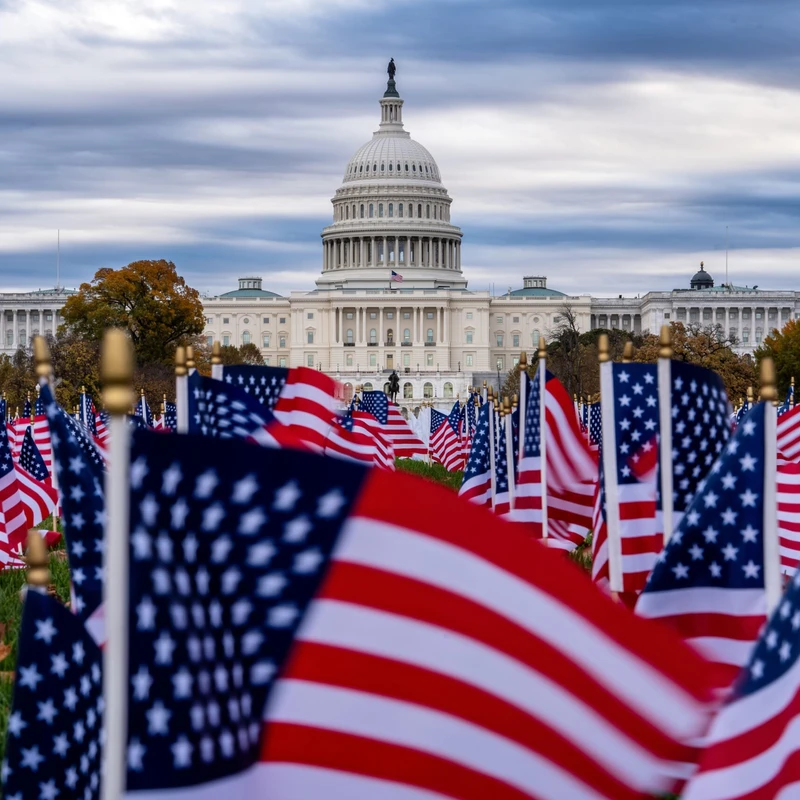
The longest federal government shutdown in U.S. history might be winding down, but its impact on an already fragile economy is undeniable. From missed paychecks for millions of federal workers to widespread flight cancellations, the shutdown has left a significant mark that won’t easily disappear.
The Immediate Economic Fallout
As of early November, approximately 1.25 million federal employees have gone without paychecks since October 1st. This financial strain has ripple effects, leading to reduced consumer spending at stores and restaurants, and likely impacting holiday travel plans. Large purchases are being postponed, further slowing economic activity.
While federal workers are expected to receive back pay once the government reopens, some economic losses are permanent. Canceled flights won’t be rescheduled, missed dining experiences won’t be made up, and some planned purchases will simply never happen. Economists like Gregory Daco of EY note that this shutdown’s length and disruption to welfare programs and travel will leave a lasting imprint.
Impact on Growth and Employment
The Congressional Budget Office (CBO) projects that a six-week shutdown could reduce economic growth in the fourth quarter by about 1.5 percentage points, effectively halving the growth seen in the previous quarter. While the reopening is expected to boost first-quarter growth next year, an estimated $11 billion in economic activity will be permanently lost.
The shutdown has also affected employment figures. Around 650,000 federal workers were not working, which is expected to temporarily boost the unemployment rate. However, these workers will be counted as employed again once the government reopens. The economic challenges are compounded by existing issues like sluggish hiring and inflation.
Disruptions to Services and Benefits
Beyond lost wages, the shutdown has disrupted crucial services. Government contract awards have slowed significantly, with an estimated $800 million in new contracts at risk daily. This impacts various sectors, including defense, NASA, and homeland security.
Furthermore, the payment of SNAP (Supplemental Nutrition Assistance Program) benefits faced delays, affecting 42 million recipients. While some states managed to disburse benefits, the uncertainty created significant financial hardship for many households. Fortunately, the deal to reopen the government includes full funding for SNAP.
Travel Chaos and Consumer Sentiment
The travel industry has been hit hard. Airlines have canceled thousands of flights due to overworked air traffic controllers who have missed paychecks. Tourism Economics estimates that the shutdown could cost the travel industry $2.6 billion over six weeks, with canceled flights impacting hotels, restaurants, and related businesses.
The shutdown has also taken a toll on consumer sentiment. A recent University of Michigan survey showed a sharp decline in optimism about personal finances and future business conditions, hitting a three-year low. This pessimism could further dampen consumer spending and slow economic growth.
Impact on Federal Reserve Decisions
The lack of economic data due to the shutdown has created uncertainty for the Federal Reserve. Key reports on unemployment, inflation, and retail spending have been delayed or canceled. This data gap could influence the Fed’s decision on interest rate cuts, potentially impacting borrowing and spending in the coming months.
The economic consequences of the government shutdown are far-reaching. What do you think are the most significant long-term effects? Share your thoughts in the comments below!
Leave a Reply