Tag: Government Shutdown

  • TSA Workers Must Return Tyler Perry’s Gift Cards

    In a twist of generosity met with bureaucratic hurdles, TSA workers at Atlanta’s Hartsfield-Jackson Airport have reportedly been asked to return $1,000 gift cards they received from filmmaker Tyler Perry. This comes as many TSA employees have been working without pay for over a month due to the ongoing partial government shutdown.

    A Generous Gesture Meets Federal Law

    Tyler Perry, known for his philanthropic efforts, stepped in to help TSA workers who were struggling to make ends meet during the shutdown. After initially considering direct cash donations, which are prohibited by federal law for government employees performing their duties, Perry’s team opted for gift cards. Representatives reportedly handed out $250,000 in gift cards on March 27th, following discussions with airport management and HR directors.

    However, concerns were later raised by the airport’s federal security director. Federal regulations strictly prohibit TSA workers from accepting money or tips for their job performance. Consequently, employees who accepted the gift cards have reportedly been instructed to return them to avoid jeopardizing their standing with the federal agency.

    Impact on Struggling Workers

    This news is a significant blow to many TSA workers who have been facing financial hardship. The lack of paychecks has made it difficult to cover essential monthly bills, leading to increased absenteeism and staffing shortages at major airports across the country. The fluctuating wait times at security checkpoints are a direct consequence of these staffing issues.

    Perry’s intention was to boost morale and provide much-needed support during a challenging time. His “good deeds” initiative aimed to ease the burden on these essential workers. Unfortunately, due to legal constraints, this act of generosity has hit a roadblock.

    The Shutdown Continues

    The situation underscores the broader impact of the ongoing partial government shutdown, now in its sixth week. Lawmakers remain at an impasse over the Department of Homeland Security budget, leaving federal employees in limbo. While past government shutdowns saw community support through initiatives like free car washes and food drives for TSA employees, the current situation highlights the complex legalities surrounding external aid.

    What are your thoughts on TSA workers having to return Tyler Perry’s gift cards? Do you think there should be exceptions to the rules during a government shutdown? Share your opinions in the comments below!

  • Tyler Perry’s TSA Payoff Attempt Halted by Rules

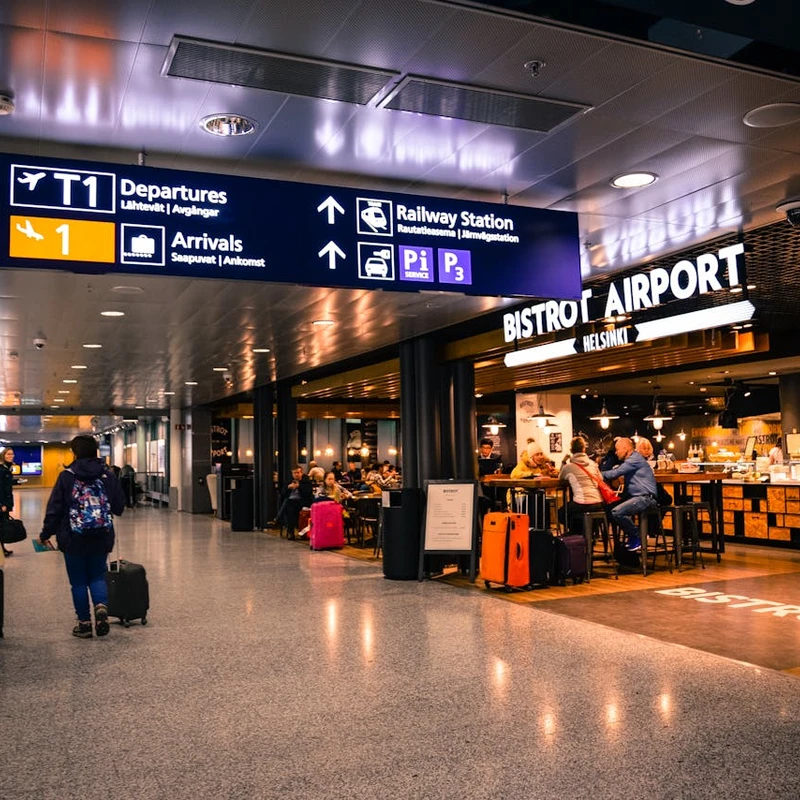
    Filmmaker and media mogul Tyler Perry is known for his generosity, but his recent attempt to help unpaid TSA workers at Atlanta’s Hartsfield-Jackson Airport was unfortunately grounded. Despite his best intentions, government restrictions prevented him from distributing cash directly to the employees who were working without paychecks during the partial government shutdown.

    A Generous Gesture Meets Bureaucracy

    The partial government shutdown, which began on February 14th, left many federal employees, including TSA agents, without pay. Perry reportedly visited the airport, spoke with the workers, and thanked them for their dedication. He had hoped to provide them with some financial relief, a gesture reminiscent of his actions during the longest government shutdown in history last year, when he donated $1.5 million to assist families affected by the shutdown.

    However, this time, government regulations stood in the way of his direct cash donations. The shutdown stemmed from disagreements over funding for the Department of Homeland Security (DHS), particularly concerning the funding for Immigration and Customs Enforcement (ICE) following recent agency activities related to President Donald Trump’s deportation initiatives.

    Signs of Resolution Emerge

    While Perry’s immediate attempt to help was blocked, there were signs of progress regarding the shutdown itself. The Senate had approved Homeland Security funds, which would include paying TSA agents and other affected agencies. This deal, though not providing funds for ICE, passed with a unanimous vote. The House of Representatives was expected to consider the deal shortly after.

    Senate Majority Leader John Thune commented on the development, stating, “We can get at least a lot of the government opened up again, and then we’ll go from there.” This potential resolution offered a glimmer of hope for federal workers who had been enduring financial strain due to the ongoing shutdown.

    The Impact of Government Shutdowns

    This situation underscores the significant impact government shutdowns can have on the lives of everyday workers. While political negotiations continue, it’s the dedication and financial resilience of individuals like the TSA agents at Hartsfield-Jackson that keep essential services running. Tyler Perry’s intention, though thwarted by regulations, highlights the public’s desire to support those affected by these governmental impasses.

    What are your thoughts on Tyler Perry’s attempt to help the TSA workers? Do you think government restrictions should prevent such charitable acts? Share your views in the comments below!

  • TSA Shortage Could Force Airport Shutdowns

    The ongoing political standoff over government funding is creating a critical situation for air travel in the United States. A Trump administration official has issued a stark warning: if the funding dispute impacting the Transportation Security Administration (TSA) isn’t resolved, some U.S. airports could face complete shutdowns.

    The Impact of the Shutdown on TSA

    The partial government shutdown, now in its fifth week, has significantly affected agencies under the Department of Homeland Security (DHS), including the TSA and U.S. Immigration and Customs Enforcement (ICE). The core of the disagreement lies in funding for ICE, but TSA agents, numbering around 50,000, are caught in the middle, working without pay. This financial strain is leading many agents to call out sick, seek other employment, or leave the profession entirely.

    The consequences are already being felt nationwide. Record-breaking absences have been reported, with over a third of TSA officers at Atlanta’s Hartsfield-Jackson International Airport, the world’s busiest, calling out. This has resulted in lengthy wait times at major airports like Dallas and Atlanta, disrupting travel plans for countless passengers.

    A Grim Outlook for Air Travel

    Acting Deputy TSA Administrator Adam Stahl appeared on Fox News’ “Fox and Friends” to elaborate on the potential severity of the situation. He stated, “As the weeks continue, if this continues, it’s not hyperbole to suggest that we may have to quite literally shut down airports—particularly smaller ones if callout rates go up.” This grim outlook suggests that further disruptions are likely as more TSA agents are expected to call out.

    Airlines are already feeling the pressure. Delta, for instance, has had to implement ground stops for “operational purposes” at its Atlanta hub, citing TSA shortages compounded by weather-related delays. While both Democrats and Republicans have proposed solutions for reinstating funding, a bipartisan agreement on how to fund DHS remains elusive, leaving Congress on a tight deadline to avert potential airport closures.

    • A prolonged government shutdown is threatening TSA operations.
    • Tens of thousands of TSA agents are working without pay.
    • Significant staffing shortages are causing long wait times at major airports.
    • Acting Deputy TSA Administrator warns of potential airport shutdowns, especially smaller ones.
    • Political parties remain divided on funding solutions for the Department of Homeland Security.

    What measures do you think should be taken to resolve the TSA funding issue and prevent airport shutdowns? Share your thoughts in the comments below!

  • Private Jets Soar Amidst FAA Cutbacks

    The recent U.S. government shutdown caused significant disruptions, grounding tens of thousands of commercial flights and leaving many travelers scrambling. While some opted for trains or cars, those with the means turned to a more exclusive solution: private jets. This surge in demand for private aviation underscores the fragility of our commercial air travel system, especially when faced with staffing shortages and funding issues.

    The Fragility of Commercial Air Travel

    The commercial flight sector was already grappling with understaffing before the shutdown, but the crisis exacerbated the problem. An FAA emergency order required commercial operators to cut flights due to a severe shortage of air traffic controllers and essential personnel at major airports. This led to widespread delays and cancellations across the National Airspace System (NAS).

    Essential workers, including air traffic controllers, were mandated to work without pay, leading to a significant number of absences – reportedly between 20% and 40% of controllers. This critical understaffing not only impacted passenger flights but also disrupted air cargo operations for time-sensitive goods like electronics and pharmaceuticals. Even after the shutdown ended, experts predicted it would take weeks to stabilize the system, with planes, pilots, and crews still out of position.

    Is Private Aviation the Real Solution?

    During the shutdown, private jet rental companies saw a spike in demand. However, this trend isn’t a sustainable long-term solution. Private aviation also relies on the FAA for air traffic control, meaning persistent staff shortages affect both sectors. While some propose privatizing air traffic control, experts warn this could lead to underinvestment and potentially worsen safety concerns, as seen in international examples.

    Furthermore, private aviation simply doesn’t have the capacity to absorb the millions of passengers affected by commercial flight disruptions. Even operating at full capacity, the existing fleet of private jets couldn’t accommodate the sheer volume of travelers impacted by the shutdown.

    The Importance of Both Sectors

    The shutdown served as a stark reminder that both the public and private aviation sectors are vital for national connectivity, safety, and economic activity. The public sector, through agencies like the FAA and TSA, provides the essential framework and serves the vast majority of travelers. Private jets, while serving a niche market, offer flexibility by utilizing smaller regional airports, often bringing passengers closer to their final destinations.

    Ultimately, the ongoing staffing challenges in air traffic control impact everyone. Finding a balance and addressing these systemic issues is crucial for the reliability and safety of air travel for all.

    What are your thoughts on the impact of the government shutdown on air travel? Share your experiences or opinions in the comments below!

  • Thanksgiving Travel: 80M Americans Hit the Road!

    Get ready for some serious holiday hustle! Thanksgiving is here, and it’s kicking off one of the busiest travel periods we’ve seen in ages. Millions of Americans are already hitting the roads and skies to get to their holiday destinations. If you’re one of them, buckle up – it’s going to be a busy one!

    The Numbers Don’t Lie: A Massive Migration

    AAA is projecting a huge turnout this year, with nearly 82 million people expected to travel domestically. That’s a significant jump from last year, especially for those hitting the road. Around 73 million folks are planning to drive, which is about 1.3 million more than last Thanksgiving.

    So, what’s the scene like at the airports? As of Monday morning, November 25th, things were looking relatively stable with only a handful of flight cancellations nationwide. However, don’t get too comfortable – hundreds of flights were already experiencing delays, and those numbers are expected to climb as we head into peak travel times.

    A Smoother Ride This Year? Maybe!

    There’s a bit of good news for travelers: the Federal Aviation Administration (FAA) recently lifted an emergency order that had airlines scaling back their schedules. This means carriers can operate at full capacity, which should help reduce the risk of major disruptions. It’s a welcome change after a month of uncertainty for many.

    However, the usual travel hiccups are still very much a possibility. We’re talking about those unpredictable weather events, unexpected mechanical issues with planes, or even just tight turnaround times that can throw a wrench in the works, especially during busy holiday periods.

    Know Your Rights as a Traveler

    The Department of Transportation wants to make sure you’re aware of your passenger rights, especially as traffic intensifies. If your flight gets canceled and you decide not to travel, you’re entitled to a full refund, no matter what kind of ticket you bought. This applies whether the cancellation is due to technical glitches, staffing problems, or even weather.

    If you still want to get to your destination, the airline is obligated to rebook you without charging extra fees. And here’s a big one: if the airline is responsible for the cancellation – think crew shortages or mechanical failures – you might even be eligible for additional accommodations like meal vouchers or a hotel stay. Just remember, compensation isn’t guaranteed in every single situation, especially if the issue is beyond the airline’s control, like severe weather.

    Planning for the Holiday Journey

    Despite the potential for delays, the overall outlook for Thanksgiving air travel seems more stable compared to some recent years that were plagued by storms and staffing shortages. With so many people heading out to see loved ones or enjoy holiday getaways, transportation officials are really emphasizing the importance of arriving early, staying informed about your travel status, and being prepared for crowds.

    • Arrive at the airport or your departure point early.
    • Stay updated on flight statuses and traffic conditions.
    • Plan for potential delays and pack accordingly.
    • Know your passenger rights regarding cancellations and rebooking.

    As airports get packed and highways become congested, it’s clear that the holiday season remains one of the most intense travel periods in the U.S. Safe travels, everyone!

    Are you traveling for Thanksgiving? What are your best tips for navigating the holiday rush? Share your experiences and advice in the comments below!

  • Trump’s $10K Bonuses for Air Traffic Controllers

    During the longest government shutdown in U.S. history, air traffic controllers were among the federal employees who worked without pay. Now, President Trump has followed through on a promise to award bonuses, but the distribution has been selective, leading to criticism.

    Selective Bonuses for ‘Loyalty’

    Out of more than 20,000 air traffic controllers who missed multiple paychecks, only 776 received the promised $10,000 bonuses. These select individuals were those who managed to clock in for all their scheduled shifts despite the lack of pay. The Federal Aviation Administration (FAA) announced the rollout of these bonuses on November 20th, an initiative first suggested by Trump on social media.

    Secretary of Transportation Sean Duffy announced the bonuses as an early Christmas gift, tweeting, “Santa’s coming to town a little early🎄🎅 President Trump wanted to give air traffic controllers and technicians BONUSES for showing up to work EVERY DAY during the government shutdown… and TODAY IS THE DAY! 776 patriotic men and women will get $10K checks, just in time for Christmas. God bless the patriots of our skies!”

    Excluding Those Who Couldn’t Work

    However, Trump’s plan to reward dedication did not extend to controllers who couldn’t afford to work without pay. Many controllers had to call out due to financial hardship, needing to find side jobs, afford childcare, or cover transportation costs like gas. Some even relied on gas card drives to get to work.

    While Trump had previously suggested docking the pay of those who missed shifts, the FAA has not issued official orders to that effect. Despite this, the selective nature of the bonuses has drawn criticism from the National Air Traffic Controller Association (NATCA).

    Union Criticizes Bonus Allocation

    NATCA expressed concern that thousands of controllers who consistently reported for duty without pay were excluded from this recognition. “Although we agree that the work performed by these aviation safety professionals during the shutdown deserves recognition, praise, and our collective gratitude, we are concerned that thousands of air traffic controllers who consistently reported for duty during the shutdown… were excluded from this recognition,” the union stated to Fortune.

    Despite Trump’s apparent dissatisfaction with controllers who missed shifts, Secretary Duffy showed more empathy, denying claims that those controllers were at risk of being fired. “Again, when they’re making decisions to feed their families, I’m not going to fire air traffic controllers,” he said on CBS’s “Face the Nation.” “They need support, they need money, they need a paycheck. They don’t need to be fired.”

    What are your thoughts on the selective distribution of these bonuses? Do you think it was fair to exclude controllers who couldn’t work without pay? Share your views in the comments below!

  • FAA Bonuses Spark Controversy Amid Shutdown

    The recent government shutdown put a spotlight on essential workers, and the Federal Aviation Administration (FAA) is now offering bonuses to some of them. However, the announcement has sparked controversy, as only a select few air traffic controllers and technicians with perfect attendance during the shutdown will receive a $10,000 bonus.

    A Select Few Receive Bonuses

    The FAA announced that just 776 air traffic controllers and technicians will get the $10,000 bonus. This means nearly 20,000 other FAA workers who also worked without pay during the 43-day shutdown will be left out. This decision comes after President Donald Trump suggested bonuses for those who stayed on the job, while also proposing pay docking for those who missed work.

    Many controllers began calling out of work as the shutdown wore on, facing immense financial pressure without a paycheck. Some couldn’t afford childcare or gas, leading to flight delays and cancellations at 40 busy airports across the country. While FAA officials haven’t publicly announced plans to penalize absent controllers, the bonus structure clearly favors those with flawless attendance.

    Unions Raise Concerns Over Exclusion

    The National Air Traffic Controllers Association (NATCA) expressed concern that thousands of dedicated controllers who consistently reported for duty were excluded. They noted that over 311 of their more than 10,000 members will receive the bonus, but emphasized that many more were instrumental in keeping the nation’s air travel safe and moving.

    Similarly, the Professional Aviation Safety Specialists (PASS) union highlighted the hard work of thousands of technicians who maintained critical computer and radar systems. They argued that all technicians who kept the aging infrastructure running during the shutdown should be recognized, not just the 423 receiving bonuses.

    Calls for Broader Recognition

    Democratic Rep. Rick Larsen also questioned the administration’s decision, stating that every controller and worker who kept flights moving during the shutdown deserves a bonus and back pay. The NATCA union hopes to collaborate with Transportation Secretary Sean Duffy to find a way to acknowledge all controllers who worked through the challenging period.

    This situation comes as the FAA was already facing a critical shortage of air traffic controllers. Secretary Duffy has been working on boosting hiring and streamlining training to address this issue. The shutdown reportedly led to some controllers quitting and more experienced ones retiring, exacerbating the staffing problem.

    Do you think the FAA’s bonus system is fair? Should all essential workers who worked during the shutdown receive recognition? Let us know your thoughts in the comments below!

  • Trump Plan: SNAP Recipients May Need to Reapply

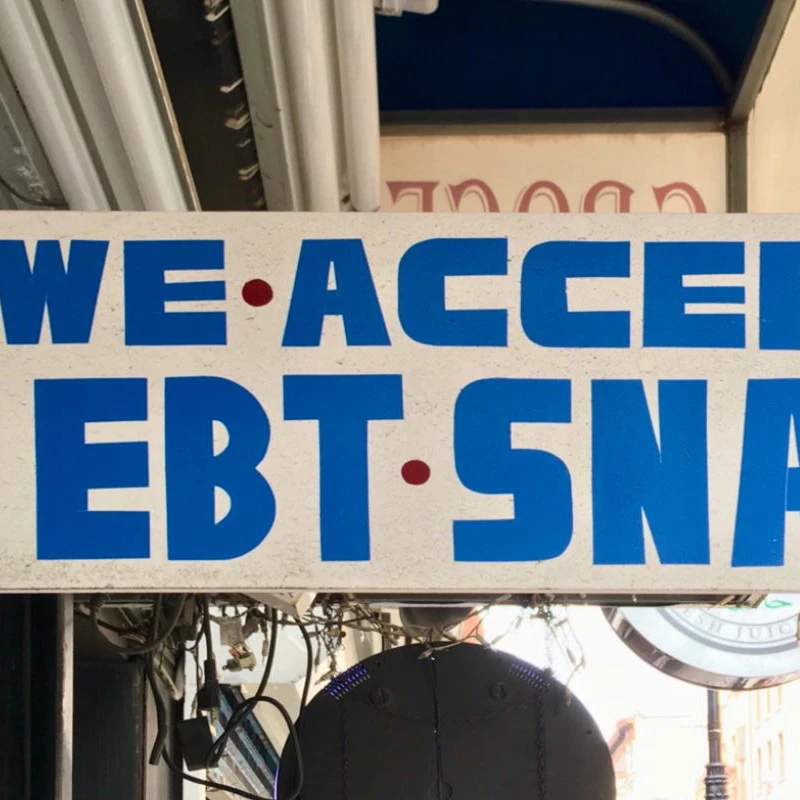
    The Trump administration is signaling a significant shift in how low-income Americans access food assistance. Plans are in motion to require millions of Supplemental Nutrition Assistance Program (SNAP) recipients to reapply for their benefits. Agriculture Secretary Brooke Rollins announced these forthcoming efforts, framing the move as a strategy to combat widespread fraud within the program.

    Ensuring Eligibility for Taxpayer-Funded Benefits

    During an interview with Newsmax, Rollins stated the USDA’s intention is to “have everyone reapply for their benefits, make sure that everyone that’s taking a taxpayer funded benefit through … food stamps, that they literally are vulnerable and they can’t survive without it.” While specific details on when this reapplication process will begin or what additional steps might be required remain unclear, the announcement comes after a government shutdown temporarily halted federal funding for SNAP.

    This lapse in funding drew criticism from conservative commentators and President Trump himself, who questioned the extent of federal spending on food assistance. SNAP currently serves nearly 42 million people and accounted for approximately $100 billion in fiscal year 2024.

    Addressing Fraud vs. Overstating the Problem

    While the administration highlights the risk of fraudulent claims, anti-hunger organizations argue that the issue of deception is often overstated. They point out that most recipients receive modest support, averaging about $6 per day. Cases of fraud, such as falsifying income or retailers illegally exchanging benefits for cash, are believed to represent a small fraction of the program’s overall activity.

    It’s worth noting that many states already require participants to recertify their income and household status frequently, sometimes as often as every six months. Families are also mandated to report significant changes in employment or earnings promptly. The USDA has yet to clarify how Rollins’ proposed federal reapplication mandate would differ from these existing state-level recertification policies.

    Broader Fiscal Control Efforts

    This initiative aligns with broader Republican efforts to demonstrate tighter fiscal control. The “One Big Beautiful Bill Act,” enacted in July, reduced SNAP funding by $186 billion and introduced stricter work requirements, marking a significant restructuring of the program. President Trump echoed these concerns, stating, “People that need it have to get it. I’m all for it. But people who are able-bodied can do a job — they leave their job because they figure they can pick this up, it’s easier. That’s not the purpose of it.”

    Furthermore, the secretary recently directed states to submit detailed personal information on SNAP participants, including Social Security numbers, a directive that is now facing legal challenges. Rollins also cited partial data from 29 states, claiming that “186,000 deceased men and women and children” are still receiving benefits.

    What are your thoughts on the proposed SNAP reapplication requirement? Share your perspective in the comments below!

  • New Funding Bill Bans Certain THC Products

    As the government reopens following the passage of a new funding bill, a controversial provision is set to significantly impact the burgeoning cannabis industry. President Donald Trump signed the legislation, which includes a measure that effectively re-criminalizes certain THC products previously considered legal under the 2018 farm bill.

    The Loophole Closes: What’s Banned?

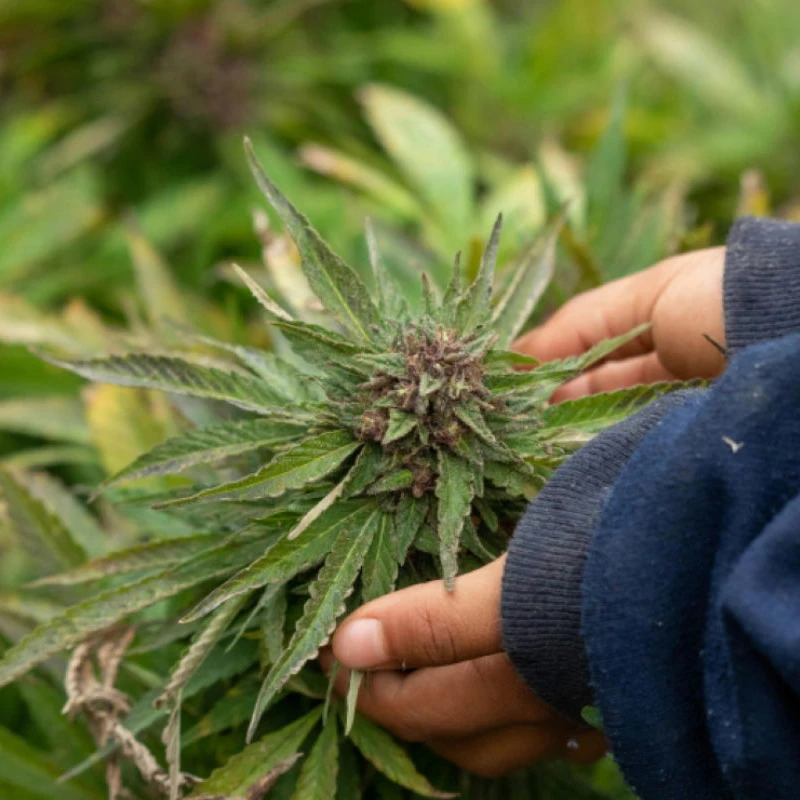
    The 2018 farm bill had allowed hemp products to contain a THC concentration exceeding 0.3%, as long as it wasn’t the delta-9 compound. However, conservative lawmakers argued that cannabis producers exploited this regulation, creating intoxicating products that were legally available nationwide. The new legislation closes this loophole, imposing a federal ban on the sale of “intoxicating” THC products, regardless of their concentration.

    This ban affects a wide range of products, including edibles like pills, food, and drinks, as well as lotions. Gas stations, convenience stores, and online retailers will be required to stop selling these items to consumers.

    Impact on Farmers and Entrepreneurs

    Opponents of the provision argue that it’s a major setback for the billion-dollar cannabis sector, particularly for hemp farmers and business owners. Senator Rand Paul voiced his strong opposition on the Senate floor, stating that the bill “cancels the collective decisions of hemp consumers and destroys the livelihoods of hemp farmers.”

    Furthermore, this ban could disproportionately affect Black entrepreneurs in the cannabis industry, who are already underrepresented. A 2017 survey by the Congressional Black Caucus indicated that only 4.7% of cannabis entrepreneurs identified as Black. The decline in hemp products could further stifle their growth and opportunities.

    Looking Ahead

    While Congress may explore amendments to the bill, the immediate effect is a potential rapid decline in the market for these hemp-derived THC products. This development underscores the ongoing regulatory challenges and debates surrounding cannabis at the federal level.

    What are your thoughts on the new ban on certain THC products? Do you think this is a necessary step, or will it harm businesses and consumers? Share your opinions in the comments below!
  • Senators Could Get $500K Each from Shutdown Bill

    In a move that has sparked significant outrage, a provision hidden within the bill that ended the recent government shutdown could potentially make some U.S. senators half a million dollars richer. While President Donald Trump signed the legislation to reopen the government, vowing to focus on affordability for Americans, critics are pointing to a clause that seems to benefit a select few.

    A ‘Slush Fund’ for Senators?

    The bill, officially titled the “Continuing Appropriations, Agriculture, Legislative Branch, Military Construction and Veterans Affairs, and Extensions Act, 2026,” contains a clause that allows U.S. senators to seek up to $500,000 in statutory damages. This compensation would be awarded if their phone records were subpoenaed without their knowledge. This provision has been slammed by Democrats as a ‘multi-million-dollar slush fund.’

    House Democratic Leader Hakeem Jeffries was particularly vocal, stating, ‘This is real-time corruption that’s on full display.’ He criticized the move, suggesting it reflects an attitude of entitlement, as if senators believe they are above the law. The timing is especially contentious, as Republicans reportedly couldn’t find funds to extend the Affordable Care Act tax credits for working-class Americans.

    Targeting Republican Senators

    The controversy stems from the fact that eight Republican senators had their phone records subpoenaed by former Department of Justice special counsel Jack Smith as part of the investigation into efforts to overturn the 2020 election. These senators are now in a position to potentially benefit financially from this newly enacted law.

    Senator Lindsey Graham, one of the Republicans whose records were subpoenaed, confirmed his intention to take advantage of the law, telling reporters, ‘And if you think I won’t settle this thing for $1 million…’ This statement further fueled the criticism from Democrats.

    Criticism from House Democrats

    U.S. Rep. Alexandria Ocasio-Cortez also condemned the provision, calling it unconscionable that Republicans would vote to ‘enrich’ themselves while millions of Americans face risks to their health insurance and potentially skyrocketing premiums. She highlighted the disparity between allocating funds for senators and the struggle to extend crucial Obamacare tax credit subsidies.

    The sentiment from House Democrats is that this provision is a clear example of prioritizing the powerful over everyday citizens, especially when compared to the lack of action on healthcare affordability. They argue the American people will ultimately reject such perceived hypocrisy.

    Speaker Johnson’s Response

    Interestingly, House Speaker Mike Johnson reportedly expressed frustration with Senate Republicans for including this provision without his full knowledge. According to ABC News, Johnson stated his intention to hold a standalone vote to remove the clause from the funding bill, expecting Senate colleagues to follow suit. This suggests internal disagreement within the Republican party regarding the provision.

    What are your thoughts on this controversial provision in the government funding bill? Share your views in the comments below!