Tag: @AP

  • Darlene Love Reflects on ‘Christmas (Baby Please Come Home)’

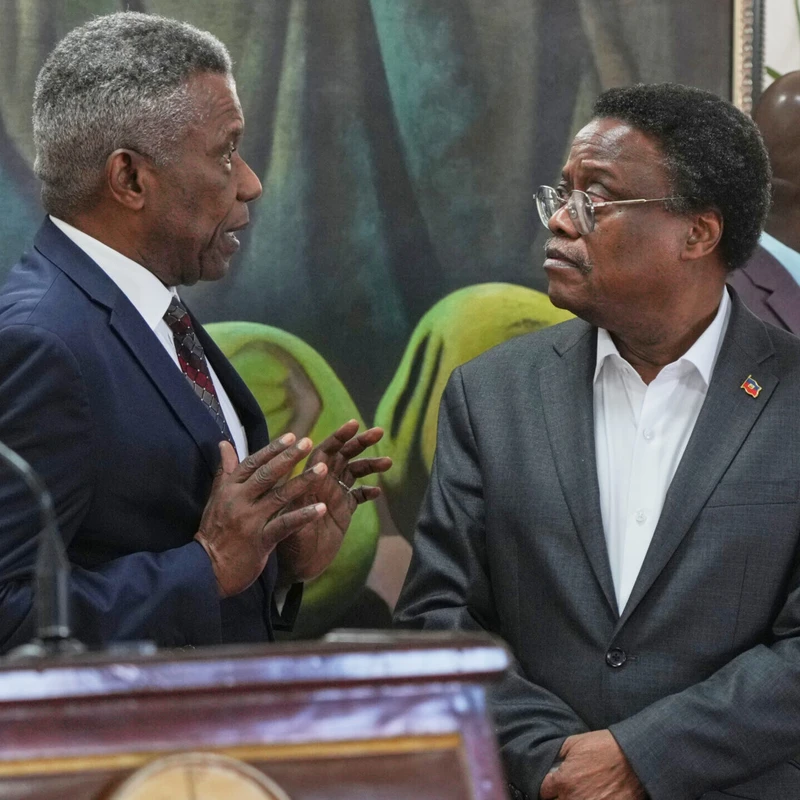
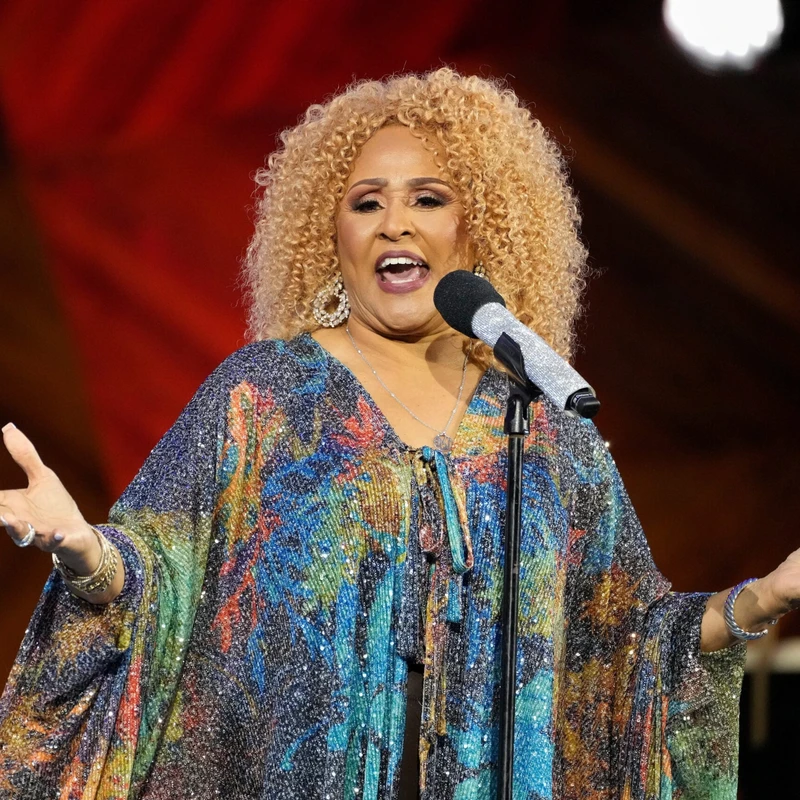
    For Darlene Love, the holiday season means one thing: her iconic song, “Christmas (Baby Please Come Home),” is everywhere! From the post office to the grocery store, the 84-year-old Rock and Roll Hall of Famer finds it “funny” that her 1963 hit is still a ubiquitous part of Christmastime. It’s a song that has rightfully earned its place alongside classics like Bing Crosby’s “White Christmas” and Mariah Carey’s “All I Want for Christmas Is You.”

    A Timeless Holiday Anthem

    Love’s connection to “Christmas (Baby Please Come Home)” is deep and personal. She famously performed the song for years on David Letterman’s late-night show, and continues to share its joy on programs like “The View” and “The Tonight Show Starring Jimmy Fallon.” Her youthful spirit and powerful mezzo-soprano voice still bring the song’s joyous roar to life, just as they did with hits like “He’s a Rebel.”

    The song was part of Phil Spector’s landmark 1963 Christmas album, “A Christmas Gift for You from Phil Spector.” While Spector’s later actions cast a dark shadow, Love recalls the recording session for “Christmas (Baby Please Come Home)” with a mix of exhaustion and triumph. Spector famously tried to create a winter atmosphere in the studio by using Christmas lights and lowering the temperature, a move Love questioned but ultimately worked due to the positive mood of everyone involved.

    Navigating a Complex Relationship with Phil Spector

    Love’s relationship with producer Phil Spector was complex, predating his later criminal convictions. She recounted how Spector infuriated her by releasing her rendition of “He’s Sure the Boy I Love” under another artist’s name without her consent. Despite this, and later suing him for unpaid royalties, Love spoke warmly of Spector, recalling moments where she’d playfully tease him or stand her ground when she felt a take was perfect.

    In her early 20s and already a mother, Love often acted as a protective figure for Ronnie Spector (then Ronnie Bennett) and Cher, who were also part of Spector’s musical world. She fondly remembers taking them out for hamburgers, defying the controlling boyfriends and embracing a sense of camaraderie.

    • Darlene Love’s “Christmas (Baby Please Come Home)” remains a holiday staple.
    • The song was released in 1963 on Phil Spector’s Christmas album.
    • Love had a complex working relationship with producer Phil Spector.
    • She was inducted into the Rock and Roll Hall of Fame in 2011.
    • Love also featured in the Oscar-winning documentary “20 Feet from Stardom.”

    The album “A Christmas Gift for You from Phil Spector” had a tragic release date, coinciding with President John F. Kennedy’s assassination. It took years for the album and “Christmas (Baby Please Come Home)” to gain widespread recognition, particularly after Love’s recurring performances on David Letterman’s show in the 1990s.

    When asked about other holiday songs she’d like to perform, Love immediately chose “Silent Night.” She finds its ability to evoke both peace and sadness, and its connection to the vastness of the night sky, deeply moving. It’s a sentiment that resonates with the enduring power of music to connect with listeners on a profound level.

    What does “Christmas (Baby Please Come Home)” mean to you during the holidays? Do you have any other favorite holiday songs that hold special meaning? Share your thoughts in the comments below!
  • Michael Jordan Testifies in NASCAR Trial

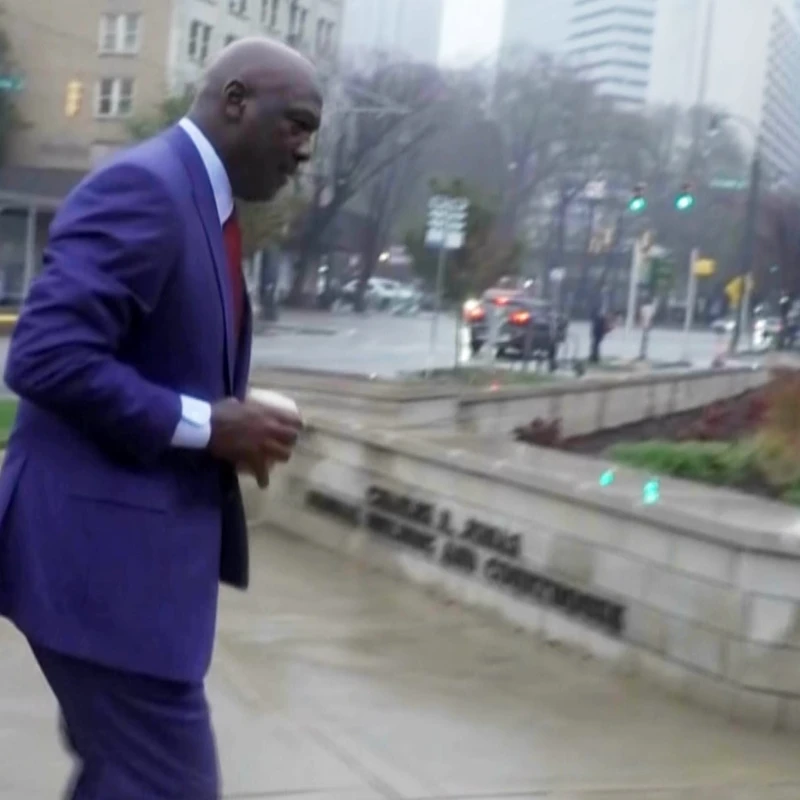
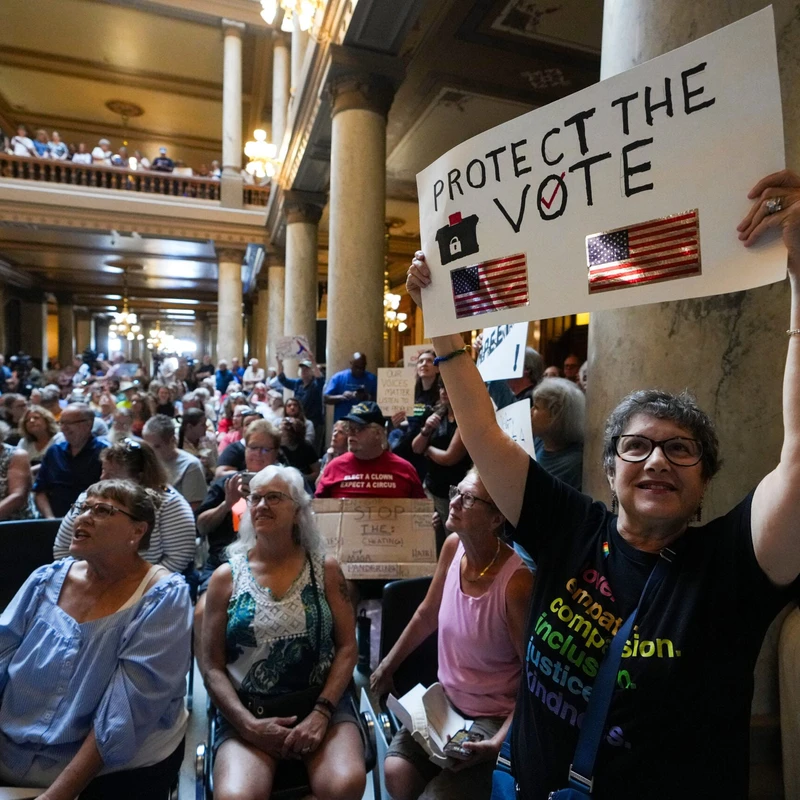
    Michael Jordan, a name synonymous with basketball greatness, recently stepped into a new arena: the witness stand. The legendary NBA star, now a NASCAR team co-owner, testified in a federal antitrust case against NASCAR itself. This isn’t just any legal battle; it’s a high-stakes challenge to NASCAR’s business practices, brought forth by Jordan’s race team, 23XI, and Front Row Motorsports.

    Challenging the Status Quo

    Jordan, known for his fierce competitiveness on the court, brought that same spirit to the courtroom. He explained his motivation for stepping forward, stating, “Someone had to step forward and challenge the entity. I felt I could challenge NASCAR as a whole.” This move signifies a bold stance against what the teams allege is monopolistic behavior by the racing giant.

    The 62-year-old basketball icon, who co-owns 23XI Racing with Denny Hamlin, traded his basketball jersey for a sharp dark blue suit. He adjusted the witness stand to fit his 6-foot-6 frame, captivating the packed courtroom with his every word. It’s a far cry from his six NBA championships with the Chicago Bulls, but equally significant in its own way.

    A Lifelong Fan’s Perspective

    Interestingly, Jordan revealed a lifelong passion for NASCAR, dating back to his childhood. He reminisced about attending races with his family in his home state of North Carolina and beyond, calling them ‘weekend vacations.’ This deep-rooted connection makes his current role as a team owner and his presence in this trial even more compelling.

    The courtroom buzzed with excitement, with fans gathering outside hoping for a glimpse of the legend. Even U.S. District Judge Kenneth Bell acknowledged the extraordinary attendance, quipping, “I take it Mr. Jordan is the next witness.” The atmosphere was electric, a mix of legal proceedings and celebrity spectacle.

    Nostalgic Moments and Legal Arguments

    During his testimony, Jordan shared personal anecdotes, including his early admiration for racing legends like Richard Petty and Cale Yarborough. He even playfully teased Denny Hamlin about being the ‘original No. 11.’ These lighter moments punctuated the serious legal arguments about the economics of NASCAR and the need for ‘shared responsibility of growth as well as loss’ between the series and its teams.

    The core of the lawsuit revolves around NASCAR’s ‘charters,’ which guarantee teams revenue and access to races. The plaintiffs, including Jordan’s 23XI, want these charters made permanent, a demand NASCAR has resisted. Jordan emphasized that the current economic model wasn’t truly beneficial for the teams, highlighting a perceived imbalance in how growth and losses are managed.

    The thing I see in NASCAR that I think is absent is a shared responsibility of growth as well as loss. — Michael Jordan

    A Cool Defense and a Fan’s Plea

    The cross-examination by defense attorney Lawrence Buterman offered a moment of humor. Buterman acknowledged the unique experience of questioning an icon, joking about making his 9-year-old think he was cool. Jordan’s witty reply, “You’re not wearing any Jordans today,” brought a smile to many faces before he was dismissed.

    Outside the courthouse, the passion of the fans was palpable. One spectator’s sign read, “NASCAR Your Fans Deserve Better,” a sentiment echoed by many. Even in the midst of a legal battle, Jordan took a moment to connect with fans, showing his characteristic charm and acknowledging their support.

    What do you think about Michael Jordan’s involvement in this NASCAR antitrust case? Does his testimony change your perspective on the situation? Let us know in the comments below!

  • Trump-Backed Map Sparks Indiana Redistricting Battle

    Get ready for some political fireworks in Indiana! The state’s House Republicans have just passed a new congressional map, heavily influenced by President Donald Trump. This move, approved by a 57-41 vote, is designed to give the GOP a significant advantage, potentially securing all nine of Indiana’s congressional seats. But the battle is far from over, as the map now heads to the state Senate, where its fate remains uncertain.

    A Swift and Controversial Process

    This new map, introduced just this past Monday, has drawn sharp criticism from Democrats who decry the rapid timeline. They contrast it with the months-long process and multiple public hearings held in 2021 when the current map was established. Democratic state Rep. Greg Porter voiced strong opposition, arguing that the proposed map would dilute the voting power of Black and brown communities in Indiana, particularly by cracking apart Marion County.

    The map’s core strategy involves splitting Indianapolis, the state’s capital and largest city, into four separate districts. This maneuver aims to dilute the Democratic vote within the city and potentially spread it across multiple Republican-leaning districts, thereby increasing the GOP’s chances of winning seats currently held by Democrats.

    Under Pressure from the White House

    Indiana lawmakers are reportedly facing considerable pressure from the White House to adopt this new map. Trump and other Republicans are pushing for mid-decade redistricting in several states to bolster their chances in the upcoming midterm elections. With Democrats needing only a few seat flips to gain control of the U.S. House, this redistricting effort is seen as a crucial move for the GOP.

    The legislation’s author, Republican state Rep. Ben Smaltz, stated that the map was provided by the National Republican Redistricting Trust, a key GOP redistricting entity. Smaltz suggested that this kind of partisan redistricting battle might become the ‘new normal’ in American politics, with states on both sides of the aisle redrawing maps to their advantage.

    The Senate Showdown

    The focus now shifts to the Indiana State Senate. While Republicans hold a majority, there’s internal division regarding mid-decade redistricting. Many GOP senators have previously opposed such measures. Governor Mike Braun, a Republican and an ally of Trump, has urged the Senate to act quickly and approve the map.

    Trump himself has weighed in, urging senators to pass the proposal ‘AS IS’ and even naming specific senators who he believes need ‘encouragement.’ The vote count in the 50-member Senate is critical, with Republicans needing at least 25 votes. The situation has become so contentious that senators on both sides have reportedly faced threats and ‘swatting’ attempts.

    The proposed map also targets other districts, potentially ousting Democratic U.S. Rep. Frank Mrvan by grouping his northwestern Indiana district with several Republican counties. This aggressive redrawing highlights the high stakes involved as both parties vie for control in the upcoming elections.

    What are your thoughts on Indiana’s new congressional map? Is this a necessary political strategy or an unfair manipulation of the electoral process? Share your opinions in the comments below!

  • 70 Years Later: The Evolution of Boycotting

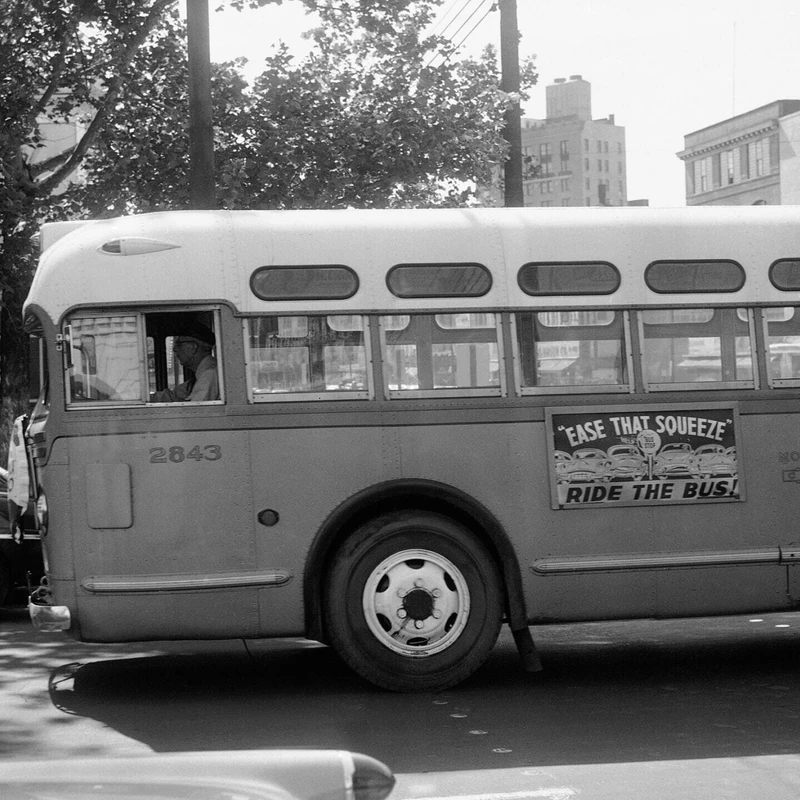
    Seventy years ago, on December 5, 1955, a quiet act of defiance sparked a movement that would change the course of American history. The Montgomery Bus Boycott, ignited by Rosa Parks’ refusal to give up her seat, saw 40,000 Black residents of Montgomery, Alabama, refuse to ride city buses for 381 days. Today, as the boycott marks its 70th anniversary, its legacy continues to inspire new forms of activism, demonstrating the enduring power of economic pressure and organized protest.

    From Walking to Selective Buying: The Evolution of Protest

    Doris Crenshaw, who was just 12 years old when she helped distribute flyers for the boycott, recalls the profound sense of urgency and unity. “We walked, and we kept walking,” she remembered, highlighting the immense dedication required. This spirit of sustained, nonviolent action, coupled with economic pressure, laid the groundwork for modern activism. NAACP President Derrick Johnson refers to these actions as “selective buying campaigns,” emphasizing the strategic use of consumer power.

    While the methods have evolved, the core principle remains the same: leveraging community economic power to drive social and policy change. Today, with the widespread use of social media, boycotts often manifest as digital calls to action, targeting corporations over their diversity initiatives or political stances. Organizers encourage consumers to “dig deep about where they want to spend their dollars,” making conscious choices about supporting businesses that align with their values.

    The Spirit of Montgomery Lives On

    Deborah Scott, CEO of Georgia Stand-Up, emphasizes that the underlying goal of boycotting – to enact change – has not wavered. Having organized around the anti-apartheid movement and worked to establish a holiday honoring Dr. Martin Luther King Jr., Scott learned from civil rights activist Rev. James Orange the importance of sustained effort and preparing the next generation of leaders. She stresses that true change requires more than just online engagement; it demands thoughtful action and commitment.

    Scott notes that the biggest shift in boycotting with younger generations is the focus on consumer purchasing power. “We’re encouraging people to really dig deep about where they want to spend their dollars,” she says. This approach empowers individuals to make a tangible impact by supporting businesses that demonstrate ethical practices and social responsibility.

    A New Generation Takes Action

    The legacy of the Montgomery Bus Boycott is being carried forward by young activists like Madison Pugh, an eighth-grader who, at 13, decided not to shop at Target after the company scaled back its diversity initiatives. Growing up in Montgomery, Pugh is deeply aware of the civil rights history surrounding her. “It’s saddening to the heart to know that a whole group of people weren’t allowed to go somewhere and have an education or be treated as humans because they were a different skin color,” she shared. “It definitely lets me know that the job will never be finished and you have to keep pushing.”

    Scott aims to connect the activism of the past with the present, reminding people that the civil rights movement is an ongoing struggle. The spirit of unity and collective action that fueled the Montgomery Bus Boycott continues to inspire movements for justice and equality today, proving that the power of the people, when organized, can indeed drive profound change.

    How do you participate in boycotts or selective buying today? Share your experiences and thoughts on modern activism in the comments below!

  • Netflix Buys Warner Bros. in $72B Deal!

    Get ready for a seismic shift in Hollywood! Netflix has just announced a monumental deal to acquire Warner Bros. Discovery’s studio and streaming operations for a staggering $72 billion. This isn’t just a business transaction; it’s a game-changer that will redefine how we watch movies and TV shows.

    A Streaming Powerhouse is Born

    Imagine Netflix, the king of on-demand streaming, joining forces with the powerhouse brands of Warner Bros. Discovery, including the prestige of HBO Max and the superhero universe of DC Studios. This massive acquisition brings two giants under one roof, promising an exciting, and perhaps a little overwhelming, future for content.

    Netflix has built its empire on delivering popular originals like ‘Stranger Things’ and ‘Squid Game’ directly to our living rooms. Meanwhile, Warner Bros. Discovery boasts a rich legacy of iconic films, beloved TV shows, and a vast library of content that has shaped entertainment for decades.

    The Financials and Timeline

    This colossal deal is valued at $27.75 per Warner share, bringing the total enterprise value to approximately $82.7 billion. It’s a significant investment, reflecting the immense value and potential of combining these two entertainment behemoths.

    The ink isn’t quite dry yet, though. The acquisition is slated to wrap up after Warner Bros. Discovery spins off its Discovery Global cable operations into a new, independent company. This is expected to happen in the third quarter of 2026, so we’ll have to wait a bit to see the full integration.

    What This Means for You

    So, what does this $72 billion deal mean for us as viewers? It could mean a more consolidated streaming world, potentially with fewer platforms to juggle. We might see more exclusive content from both Netflix and Warner Bros. libraries becoming available on a single service. It’s a move that could streamline our entertainment options but also raises questions about competition and creative diversity in the long run.

    What are your initial thoughts on Netflix acquiring Warner Bros. Discovery? Will this merger excite you or concern you? Share your opinions in the comments below!

  • Black Men Fired From Transport Boards Allege Discrimination

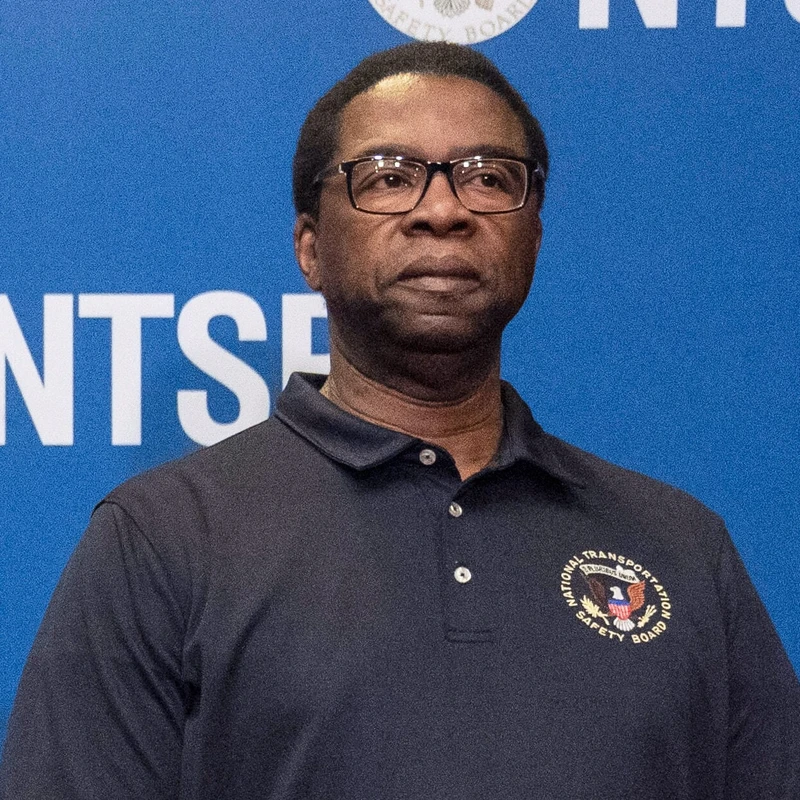
    A serious accusation is being leveled against the Trump administration: a pattern of discrimination against Black leaders in key government positions. Two Black men, Robert Primus and Alvin Brown, who previously served on influential transportation boards, are now suing, alleging their dismissals were unlawful and part of a broader purge of Black commissioners.

    Targeted Dismissals from Independent Agencies

    Primus, who served on the U.S. Surface Transportation Board (STB), and Brown, who was Vice Chairman of the National Transportation Safety Board (NTSB), were the only Black members on their respective boards when they were fired in August and May of 2025. Both men argue that their dismissals lacked the “good cause” required by law for removal from these independent agencies.

    Democracy Forward, a legal organization, has filed new discrimination claims on behalf of both men. “When you look at who has been removed without cause, and who has been left in place, the pattern is impossible to ignore: Black commissioners across the federal government have been summarily fired,” stated Brown. “My abrupt removal was unlawful, and it was discriminatory.”

    Legal Battles and Administration’s Defense

    The White House has not yet formally responded to Primus’ lawsuit but has previously stated that Trump acted within his legal rights. In Brown’s case, the administration has asked a judge to dismiss his lawsuit, arguing that the “for cause” protection for board members is unconstitutional, asserting the president’s right to choose his appointees freely.

    The firings have raised eyebrows, particularly at the NTSB, an agency tasked with investigating transportation disasters. Experts noted that dismissals from the NTSB are virtually unheard of. The agency is currently investigating numerous high-profile cases, including a deadly collision over Washington, D.C.

    Concerns Over Mergers and Competition

    Primus’s removal from the STB came shortly after Union Pacific proposed a massive $85 billion acquisition of Norfolk Southern railroad, a deal the board will soon consider. Primus had previously opposed Canadian Pacific’s acquisition of Kansas City Southern due to competition concerns, a stance that contrasts with Trump’s reported positive view of the Union Pacific deal.

    The lawsuits contend that these firings align with Trump’s broader rhetoric critical of diversity and inclusion, suggesting a preference for hiring white individuals. This pattern, the lawsuits argue, extends to other independent agencies like the Federal Reserve, Equal Employment Opportunity Commission, and Nuclear Regulatory Commission.

    Party Affiliation and Continued Service

    While party balance rules dictate that no more than three of the five board members can belong to the same party, the lawsuits highlight that other Democratic members on both the STB and NTSB were allowed to continue serving. Primus, a Democrat, was nominated by Trump, appointed chairman by Biden, and then saw his role shift under Trump’s second term. Brown, also a Democrat, was dismissed despite having a term scheduled to run through 2026, while a white Democratic member continued serving beyond his term’s expiration.

    What are your thoughts on these allegations of discrimination in government appointments? Do you believe the firings were politically motivated? Share your views in the comments below!

  • Trump’s Remarks Shock Somali Community

    President Donald Trump’s recent remarks targeting the Somali-American community have sent shockwaves of fear and disbelief through the United States’ largest Somali population, particularly in Minneapolis. The president’s harsh language, describing Somalis as “garbage” who “contribute nothing” and should be “out of here,” has deeply wounded a community that has established a significant presence in the U.S.

    A Community Under Fire

    In a statement made during a Tuesday Cabinet meeting, Trump declared, “I don’t want them in our country… we’re going to go the wrong way if we keep taking in garbage into our country.” He later doubled down, telling reporters, “Somalians should be out of here. They’ve destroyed our country.” He even dismissed Minneapolis Mayor Jacob Frey, a critic of his rhetoric, as a “fool,” stating he wouldn’t be proud to have the largest Somali population.

    These comments come shortly after reports surfaced about a potential targeted immigration enforcement operation in Minnesota focusing on Somalis living illegally in the U.S. However, many in the state’s Somali population are U.S. citizens, with a significant number born in the country. While some leaders reported anecdotal detentions, federal immigration officials did not immediately provide details.

    Rhetoric Echoes Past Attacks

    Hamse Warfa, a Somali-born entrepreneur and founder of the education nonprofit World Savvy, expressed his hurt and pride as an American citizen. He noted that such anti-immigrant rhetoric has been a recurring political tactic, recalling Trump’s vilification of Haitian migrants during the 2024 elections. “Last presidential election it was the Haitians and how they eat cats and dogs,” Warfa said. “The next iteration now is Somalis.”

    The Minneapolis-St. Paul area is home to approximately 84,000 people of Somali descent, representing nearly a third of the U.S. Somali population. These individuals have become integral to the Twin Cities, revitalizing neighborhoods, opening businesses, and gaining political prominence, including serving in the state Legislature and city councils. Democratic Rep. Ilhan Omar, herself a frequent target of Trump’s criticism, was also singled out by the president as “garbage.”

    Addressing Fraud and Fear

    The Somali community has also faced scrutiny due to past incidents involving fraud schemes targeting social service agencies, with dozens arrested, many of whom were Somali citizens. Trump recently labeled Minnesota a “hub of fraudulent money laundering activity,” referencing a report linking fraud money to the militant group al-Shabab, though federal prosecutors have not charged any defendants with supporting terrorism. These comments followed the administration’s announcement to halt asylum decisions after a shooting incident, raising broader questions about immigrants from various nations, including Somalia.

    In response to the president’s attacks, Somali leaders, along with Minnesota Governor Tim Walz and Mayor Frey, have pledged to protect the community. Democratic legislators and Minneapolis City Council members have called on Republican lawmakers to denounce the president’s rhetoric, emphasizing that history will judge their silence. Warfa expressed a desire for the rhetoric to cease, wishing to focus on his daughter’s college aspirations rather than being “spoken about as garbage, you know, by the president of the United States.”

    What are your thoughts on President Trump’s comments regarding the Somali-American community? How can we foster a more inclusive and respectful dialogue around immigration? Share your views in the comments below!

  • Judge Halts D.C. Immigration Arrests Without Warrants

    Big news out of the nation’s capital! A federal judge has just put a stop to widespread immigration arrests in Washington, D.C., unless officers have a warrant or clear probable cause that someone is an imminent flight risk. This is a significant win for civil liberties and immigrant rights groups who have been fighting against what they describe as indiscriminate enforcement.

    What Does This Injunction Mean?

    U.S. District Judge Beryl Howell granted a preliminary injunction, essentially blocking the Trump administration from conducting broad immigration arrests without proper legal justification. This ruling comes after a lawsuit filed by groups like the American Civil Liberties Union (ACLU) and other attorneys representing immigrants.

    Generally, immigration officers need an administrative warrant to make civil arrests. The law does allow for warrantless arrests, but only if there’s probable cause to believe the person is in the U.S. illegally and is likely to flee before a warrant can be secured. Judge Howell’s decision emphasizes that this standard wasn’t being met.

    Arguments from the ACLU and Plaintiffs

    The plaintiffs argued that federal officers were frequently seen patrolling neighborhoods with large Latino immigrant populations in D.C. They claimed these patrols often led to checkpoints and indiscriminate stops and arrests. To back their case, they presented sworn statements from individuals who said they were arrested without warrants or the required flight risk assessment.

    They also pointed to public statements from administration officials, suggesting a disregard for the probable cause standard. While the administration’s attorneys denied having a policy that allowed for such arrests, the judge found the plaintiffs had shown a “substantial likelihood of an unlawful policy and practice.”

    The Judge’s Strong Words

    Judge Howell, who was nominated by President Barack Obama, stated that the government’s “systemic failure to apply the probable cause standard, including the failure to consider escape risk, directly violates” immigration law. This is a pretty clear statement about the administration’s actions.

    Defendants’ systemic failure to apply the probable cause standard, including the failure to consider escape risk, directly violates” immigration law and the Department of Homeland Security’s implementing regulations. — U.S. District Judge Beryl Howell

    Beyond blocking the policy, the judge mandated that any agent conducting a warrantless civil immigration arrest in D.C. must document the specific facts supporting their belief that the person was a flight risk. This documentation must then be shared with the plaintiffs’ attorneys. This adds a layer of accountability to the process.

    A Pattern of Legal Challenges

    This isn’t the first time the ACLU has been involved in similar legal battles. Similar rulings have come from federal lawsuits in Colorado and California. While a previous restraining order in Los Angeles aimed at preventing stops based solely on race, language, or location was eventually lifted by the Supreme Court, this D.C. injunction represents a significant victory for immigrant rights advocates.

    What are your thoughts on this judge’s ruling and its implications for immigration enforcement in D.C.? Share your perspective in the comments below!

  • Trump Sends National Guard to New Orleans

    President Donald Trump announced that National Guard troops are slated to be sent to New Orleans. This deployment comes as the city anticipates a separate federal immigration crackdown, known as ‘Swamp Sweep,’ expected to begin this week. The move signals a significant federal surge in the city’s efforts to address crime.

    Governor’s Request and Federal Response

    The deployment follows a request made in September by Republican Louisiana Governor Jeff Landry. Landry, a strong Trump ally, asked the Trump administration for up to 1,000 troops to assist in combating crime. He informed reporters that he anticipates the National Guard’s arrival in New Orleans before Christmas.

    During a White House Cabinet meeting, Trump stated, ‘Gov. Landry — a great guy, a great governor — he’s asked for help in New Orleans. And we’re going to go there in a couple of weeks.’ While Trump confirmed the deployment, he did not specify the exact number of troops or the precise arrival date.

    Concerns Over Crime Rates and Federal Intervention

    Governor Landry has cited concerns about elevated violent crime rates as the primary reason for seeking federal assistance, despite local police officials reporting a decrease in crime. Landry also posted on social media welcoming the ‘Swamp Sweep’ operation, which targets immigration enforcement.

    However, opponents argue that the deployment of federal troops is unwarranted, particularly as New Orleans is reportedly on track for one of its safest years statistically since the 1970s. In September, Landry’s letter to Defense Secretary Pete Hegseth cited ‘elevated violent crime rates’ in New Orleans, Baton Rouge, and Shreveport, along with law enforcement shortages.

    Local Officials Express Reservations

    The decision has drawn criticism from some local officials. Mayor-elect Helena Moreno, a Democrat, has rejected the idea of a National Guard deployment, expressing concerns that federal immigration enforcement could lead to rights violations. While outgoing Mayor LaToya Cantrell’s office stated a willingness to collaborate with federal agencies, other officials worry about the impact on cultural traditions and community-police relations.

    U.S. Rep. Troy Carter, a Louisiana Democrat, strongly criticized the deployment, calling it a ‘political stunt’ that lacks transparency and coordination with local authorities. He argued that militarized forces unfamiliar with local laws and communities could lead to ‘dangerous mistakes.’

    Broader Context of Deployments

    New Orleans is not the only city where Trump has sought to deploy National Guard troops. Similar deployments or attempted deployments have occurred in cities like Los Angeles, Baltimore, Washington, and Memphis, Tennessee. In several instances, leaders in Democratic-led cities have pursued legal action to block such federal interventions.

    While New Orleans had a high per-capita homicide rate in 2022, crime statistics indicate a significant decrease in shootings, carjackings, and armed robberies since then. Despite a recent spike in homicides, the city is projected to have its lowest murder count in nearly 50 years, according to police data.

    What are your thoughts on the deployment of the National Guard to New Orleans? Do you believe federal intervention is necessary to combat crime? Share your views in the comments below!

  • Haiti Moves Closer to Elections After Key Law Adoption

    Big news is brewing in Haiti! After years of waiting, the country’s transitional government has just given the green light to a crucial electoral law. This is a massive step forward, potentially setting the stage for general elections to be held for the very first time since way back in 2016. Imagine the relief and hope this brings to a nation eager for democratic representation!

    A Path Towards Democratic Legitimacy

    This landmark decision by Haiti’s transitional presidential council means the government can finally release an official election calendar. For a while, there were whispers and fears that the council might delay the process to cling to power longer. However, Council President Laurent Saint-Cyr hailed the move as a “major decision,” emphasizing the need to let the Haitian people choose their leaders freely.

    Saint-Cyr took to X (formerly Twitter) to share his thoughts, stating, “We must finally offer the Haitian people the opportunity to freely and responsibly choose those who will lead them.” He added that by taking this step while focusing on restoring security, they are reaffirming their commitment to putting Haiti back on the path to democratic legitimacy and stability. It’s a powerful statement of intent for the nation’s future.

    Navigating Political Currents and Challenges

    The adoption of this electoral law comes at an interesting time, with some council members reportedly pushing for the ouster of Prime Minister Alix Didier Fils-Aimé. Notably, Fritz Alphonse Jean, a council member recently sanctioned by the U.S. government, is among those advocating for this change. There’s a prevailing sentiment that U.S. visa restrictions might be used as a tool to influence Haitian politics, adding another layer of complexity.

    It’s worth noting that three out of the seven voting council members were absent from the meeting where the law was approved, including Jean, according to reports from Le Nouvelliste newspaper. Despite these internal dynamics, Council member Frinel Joseph, who voted in favor, described the law’s approval as a “decisive turning point,” providing the essential legal and political framework needed for elections.

    The Road Ahead: Dates and Delays

    Haiti’s Provisional Electoral Council has set its sights on holding the first round of voting in August 2025, with the final round scheduled for December of the same year. However, the specter of ongoing gang violence looms large, and it’s a significant concern that these dates could be pushed back. The security situation remains a critical factor in the feasibility of holding free and fair elections.

    Adding to the timeline, the transitional presidential council is expected to step down by February 7, 2025, making way for democratically elected leadership. Haiti hasn’t held a general election since 2016, and the country has been without a president since Jovenel Moïse’s assassination in July 2021. The current transitional council was formed in the aftermath of that tragedy.

    What Does This Mean for Haiti?

    This adoption of the electoral law is more than just a bureaucratic step; it’s a beacon of hope for a country that has faced immense challenges. It signifies a collective move towards restoring democratic governance and providing the Haitian people with a voice in their future. While obstacles like gang violence and political maneuvering remain, this development is a crucial stride forward.

    What are your thoughts on Haiti’s journey towards elections? Share your insights in the comments below!