Category: Natural Disasters and Economic Impact

  • Hurricane Melissa Death Toll Hits 45 in Jamaica

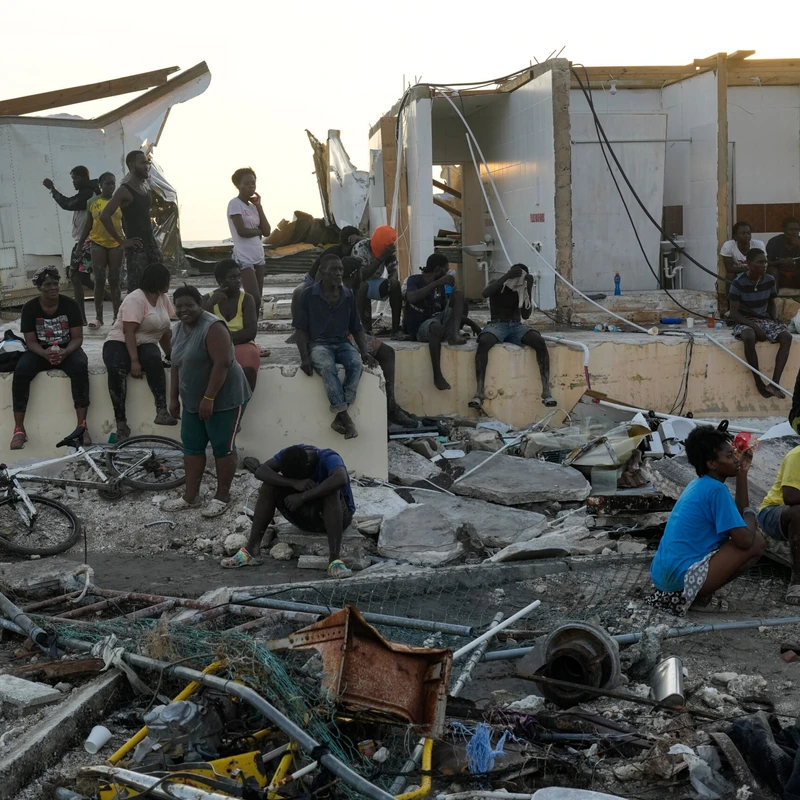
    The devastating impact of Hurricane Melissa continues to unfold in Jamaica, with the confirmed death toll tragically rising to 45. As rescue efforts press on, 15 individuals remain unaccounted for, and authorities fear the number of fatalities may increase. The catastrophic Category 5 storm made landfall on October 28th, leaving a trail of destruction across the western part of the island.

    Ongoing Rescue and Recovery Efforts

    Two towns are still completely cut off following the hurricane, making it incredibly challenging for officials to assess the full extent of the damage and reach those in need. Helicopters are currently air-dropping essential supplies like food and water to these isolated communities, according to Alvin Gayle, director general of Jamaica’s emergency management office.

    The storm’s fury has displaced an estimated 30,000 households. While many are seeking refuge with family or friends, 1,100 people are still residing in 88 emergency shelters that remain operational. Shelter remains a critical concern, with a significant number of tarpaulins yet to be delivered due to impassable roads.

    Infrastructure Challenges and Restorations

    The road to recovery is hampered by infrastructure damage. Nearly three dozen roadways are still blocked by debris, requiring continuous efforts from crews to clear them. On the positive side, essential services are slowly being restored. Mobile service is back for 50% of customers, and over 70% now have access to water.

    Power restoration is also progressing, with more than 60% of customers having their electricity back. Hugh Grant, president and CEO of Jamaica’s power company, called this a significant milestone given the widespread destruction. Notably, power was restored to Montego Bay’s international airport on Tuesday, a crucial step for aid and travel.

    Regional Impact: Cuba and Haiti

    Hurricane Melissa’s impact wasn’t confined to Jamaica. The powerful storm also made landfall in eastern Cuba, causing extensive damage to homes and crops. Over 54,000 people in Cuba are unable to return to their homes, with 7,500 currently in official shelters. The number of affected health facilities has surged to over 600, and damaged homes now number around 90,000.

    Southwestern Haiti also experienced severe flooding, with the hurricane blamed for at least 43 deaths in the region. Communities like Petit Goâve were hit particularly hard, with the U.N.’s World Food Program distributing aid to over 40,000 people.

    International Aid and Support

    International aid is flowing into the affected nations as they grapple with the aftermath. The U.S. government recently announced an additional $10 million for Jamaica and $2.5 million for Haiti, bringing the total U.S. aid to nearly $37 million for Jamaica, Haiti, Cuba, and the Bahamas. This support is vital for the long road to recovery.

    The recovery from Hurricane Melissa will be a long and challenging process. What are your thoughts on the international response to natural disasters like this? Share your views in the comments below.
  • Government Shutdown’s Economic Toll Revealed

    The longest federal government shutdown in U.S. history might be winding down, but its impact on an already fragile economy is undeniable. From missed paychecks for millions of federal workers to widespread flight cancellations, the shutdown has left a significant mark that won’t easily disappear.

    The Immediate Economic Fallout

    As of early November, approximately 1.25 million federal employees have gone without paychecks since October 1st. This financial strain has ripple effects, leading to reduced consumer spending at stores and restaurants, and likely impacting holiday travel plans. Large purchases are being postponed, further slowing economic activity.

    While federal workers are expected to receive back pay once the government reopens, some economic losses are permanent. Canceled flights won’t be rescheduled, missed dining experiences won’t be made up, and some planned purchases will simply never happen. Economists like Gregory Daco of EY note that this shutdown’s length and disruption to welfare programs and travel will leave a lasting imprint.

    Impact on Growth and Employment

    The Congressional Budget Office (CBO) projects that a six-week shutdown could reduce economic growth in the fourth quarter by about 1.5 percentage points, effectively halving the growth seen in the previous quarter. While the reopening is expected to boost first-quarter growth next year, an estimated $11 billion in economic activity will be permanently lost.

    The shutdown has also affected employment figures. Around 650,000 federal workers were not working, which is expected to temporarily boost the unemployment rate. However, these workers will be counted as employed again once the government reopens. The economic challenges are compounded by existing issues like sluggish hiring and inflation.

    Disruptions to Services and Benefits

    Beyond lost wages, the shutdown has disrupted crucial services. Government contract awards have slowed significantly, with an estimated $800 million in new contracts at risk daily. This impacts various sectors, including defense, NASA, and homeland security.

    Furthermore, the payment of SNAP (Supplemental Nutrition Assistance Program) benefits faced delays, affecting 42 million recipients. While some states managed to disburse benefits, the uncertainty created significant financial hardship for many households. Fortunately, the deal to reopen the government includes full funding for SNAP.

    Travel Chaos and Consumer Sentiment

    The travel industry has been hit hard. Airlines have canceled thousands of flights due to overworked air traffic controllers who have missed paychecks. Tourism Economics estimates that the shutdown could cost the travel industry $2.6 billion over six weeks, with canceled flights impacting hotels, restaurants, and related businesses.

    The shutdown has also taken a toll on consumer sentiment. A recent University of Michigan survey showed a sharp decline in optimism about personal finances and future business conditions, hitting a three-year low. This pessimism could further dampen consumer spending and slow economic growth.

    Impact on Federal Reserve Decisions

    The lack of economic data due to the shutdown has created uncertainty for the Federal Reserve. Key reports on unemployment, inflation, and retail spending have been delayed or canceled. This data gap could influence the Fed’s decision on interest rate cuts, potentially impacting borrowing and spending in the coming months.

    The economic consequences of the government shutdown are far-reaching. What do you think are the most significant long-term effects? Share your thoughts in the comments below!