Tag: Politics

  • Trump’s DEI Policies Harm Public Health: Report

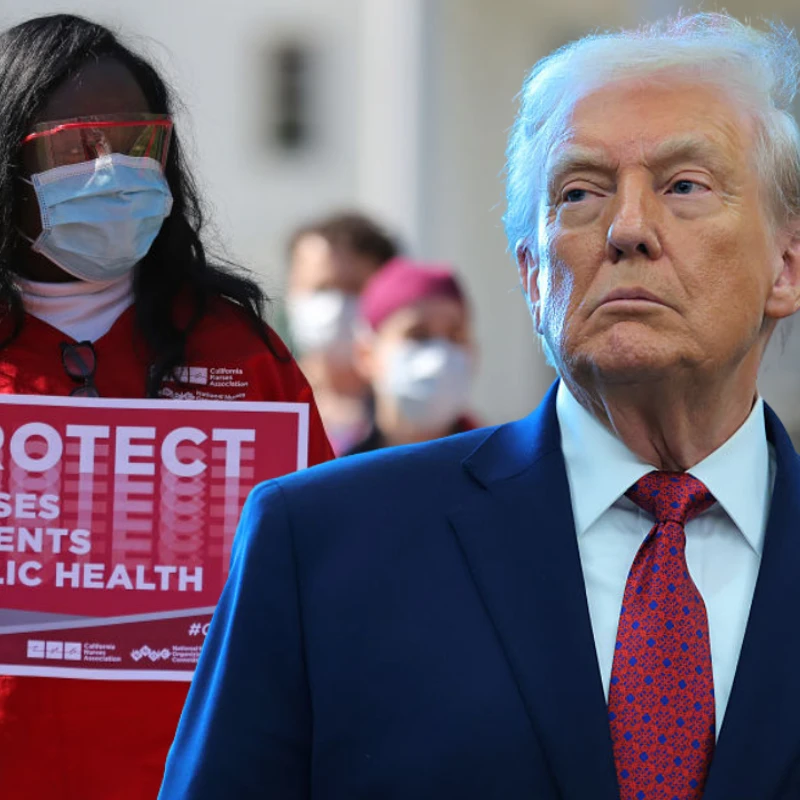
    The fight for diversity, equity, and inclusion (DEI) is not just a social issue; it’s increasingly being linked to the very foundation of our nation’s health. A new, eye-opening report from the Center for American Progress (CAP) suggests that former President Donald Trump’s executive actions targeting DEI have significantly weakened America’s public health infrastructure, making the country less healthy and safe.

    A Sweeping Rollback of Public Health Capacity

    The CAP analysis reveals a concerning trend: a combination of anti-DEI policies, changes to student loan access for medical degrees, and federal budget cuts have led to what the report calls “the most significant rollback of public health capacity and infrastructure since the creation of modern disease surveillance systems.” This is a stark warning about the long-term consequences of these policy shifts.

    Authored by CAP’s government affairs experts Peter Gordon and Alexandra Cogan, the report details how, during Trump’s second term, over 1,700 research and federal grants were terminated. Crucially, major cuts were made to health equity programs, including a vital team at the Centers for Disease Control and Prevention (CDC) focused on monitoring maternal mortality—a crisis that disproportionately affects Black women.

    Impact on Healthcare Careers and Economic Stability

    The Trump administration also imposed new restrictions on federal student loans for health professions. By reclassifying public health and nursing degrees as ‘nonprofessional,’ critics argue this move severely restricts the pipeline of future healthcare workers. This not only impacts the economic stability these careers provide, especially for Black professionals, but also has ‘severe economic consequences’ for the nation.

    Furthermore, the ‘One Big Beautiful Bill Act,’ a signature tax and spending law, enacted substantial cuts to health programs. The report estimates these cuts will cost American taxpayers billions in preventable healthcare expenses, ultimately making all communities less safe.

    Weakening Disease Surveillance and Global Health Ties

    The report points out that these policy decisions make it harder for public health professionals to implement crucial interventions, such as environmental justice monitoring. This could leave communities vulnerable to threats like contamination, reminiscent of the lead poisoning crisis in Flint, Michigan. The decision to withdraw from the World Health Organization (WHO) and eliminate the U.S. Agency for International Development (USAID) has also dismantled essential disease surveillance systems, critical tools used during the COVID-19 pandemic.

    While the targeting of DEI is often framed as an ideological battle, CAP emphasizes that the cuts to health services disproportionately harm Black and Brown communities, with ripple effects that impact everyone. The report warns that this creates a less prepared and informed public health system, potentially leading to emerging threats escalating into national emergencies.

    Deprived of the data needed to guide interventions, the next disease outbreak or pandemic will spread for longer before detection; environmental contamination will go unnoticed until children bear the consequences; and maternal mortality will continue rising, particularly in underserved areas. This policy-driven ignorance will cost lives and money. — Center for American Progress Report

    What are your thoughts on the findings of this report? How do you think DEI initiatives impact public health? Share your perspective in the comments below!
  • NY’s Free Childcare Program Gains National Attention

    When you think of childcare initiatives, you might not immediately picture rap superstars and Broadway legends. But in New York City, that’s exactly who’s helping to spread the word about a groundbreaking new program aimed at making life easier for working families. This isn’t just a local story; it’s capturing attention nationwide as families grapple with the ever-increasing cost of childcare.

    A Star-Studded Campaign for Childcare

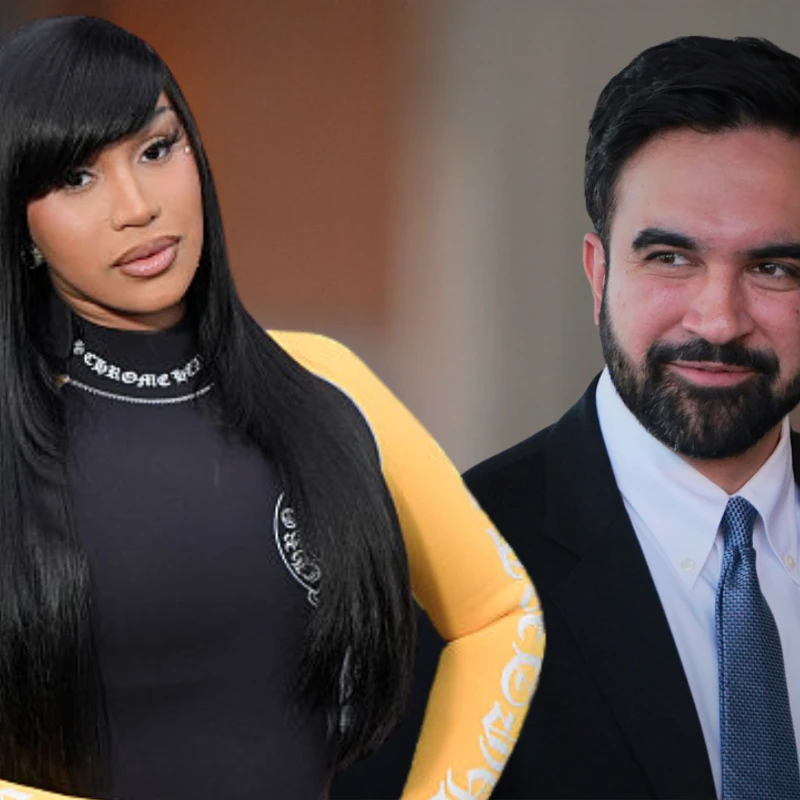
    Grammy-winning rapper Cardi B and Tony-winning playwright Lin-Manuel Miranda have joined forces for an unusual, yet impactful, assignment: helping New York City choose a jingle for its new childcare initiative. They were part of a contest to select finalists for a catchy tune promoting the city’s 2-K program, designed to offer free childcare seats for 2-year-olds.

    While the celebrity involvement might seem like a lighthearted celebrity news item, it’s actually highlighting a much larger, critical issue: the affordability of childcare. This program is a significant step in addressing the financial strain that childcare costs place on families across the country.

    Addressing a Nationwide Crisis

    Applications for New York’s 2-K program open on June 2, initially offering 2,000 free spots for 2-year-olds in select districts this fall. This initiative comes at a time when childcare expenses are a major burden for families everywhere. Many spend thousands of dollars annually, forcing some parents to postpone career goals, cut back on work hours, or even leave the workforce entirely.

    These challenges disproportionately affect Black families. Black women often have high labor force participation rates but are also more likely to be primary caregivers. For them, and many others, accessible and affordable childcare isn’t just a perk; it’s essential for enabling parents to work, study, and advance their careers.

    Why the Nation is Watching

    Policy experts and local leaders nationwide are closely observing New York’s program. While other cities like Washington, D.C., have invested in early childhood education, New York’s high-profile effort to expand public childcare access is particularly noteworthy, especially given the ongoing national concern about affordability.

    Mayor Zohran Mamdani’s administration has adopted an unconventional strategy to raise awareness, leveraging recognizable cultural figures like Cardi B and Lin-Manuel Miranda. With over 300 jingle submissions, the hope is that this celebrity endorsement will translate into genuine public engagement and understanding of a program that could profoundly impact working families.

    As debates about childcare costs continue across the country, New York’s rollout offers a potential preview of the benefits that expanded public investment in childcare could bring to parents, employers, and communities. For now, New Yorkers are voting on a jingle, but the bigger question on many families’ minds is whether truly affordable childcare will become a reality.

    What do you think about New York’s free childcare initiative? Do you believe celebrity involvement helps raise awareness for important social issues? Share your thoughts in the comments below!

  • Trump Halts Kennedy Center Plans After Name Removal

    President Donald Trump has officially pulled the plug on his ambitious plans to overhaul and rename the John F. Kennedy Center for the Performing Arts. The decision comes after a federal judge ordered the removal of Trump’s name from the institution, citing that such changes require Congressional approval.

    A Judicial Setback for Trump’s Renaming Efforts

    In a social media post on Friday, Trump declared he has “no interest” in continuing the project, which aimed to rename the performing arts center after himself and implement a significant renovation. The ruling by U.S. District Judge Christopher Cooper stated that the administration overstepped its authority by attempting to rebrand the landmark institution without Congressional consent.

    Judge Cooper specifically ordered that any signage bearing Trump’s name, alterations to the website, and official materials referring to it as the “Trump Kennedy Center” must be removed within two weeks. The judge emphasized that since Congress established the center as a memorial to John F. Kennedy, only Congress has the power to change its name.

    Trump Cites Opposition and Hands Over the Reins

    Trump framed his withdrawal as a response to political opposition, suggesting his hands were tied. He wrote, “Unless I am free to do what I do better than anyone else, bring this Institution back, physically, financially, and artistically, I have no interest in continuing what could only be a hopeless journey into ‘NEVER NEVER LAND.’” He indicated that Congress should now decide the center’s fate, criticizing “Radical Left Democrats” for prioritizing opposition over the institution’s well-being.

    Concerns Over Proposed Closure and Board’s Role

    Beyond the renaming controversy, Judge Cooper also voiced sharp criticism regarding the Kennedy Center Board of Trustees’ decision to close the venue for a two-year renovation starting in July. The judge questioned whether the board had adequately assessed the consequences of such a lengthy shutdown and fulfilled their legal duties.

    This proposed closure had already drawn criticism from arts advocates and lawmakers concerned about the disruption to performances, educational programs, and public access to this significant cultural institution. The ruling effectively halts these plans and places the decision-making power squarely in the hands of Congress.

    A Victory for the Rule of Law

    The legal challenge was initiated by Rep. Joyce Beatty, an ex officio member of the Kennedy Center Board. Beatty celebrated the ruling, calling it a win for the rule of law and the preservation of the center’s original purpose. She stated, “Today’s ruling rightly affirms that this administration’s efforts to rename and close the Center have no basis in law. The Kennedy Center is an institution that belongs to the American people, not to Donald Trump.”

    What are your thoughts on the court’s decision regarding the Kennedy Center? Share your views in the comments below!

  • Trump Eyes Freedom 250 Fest; Calls Himself ‘THE GOAT’

    Well, #Socialites, it looks like Donald Trump might be stepping in to save the day – or at least, his version of it! With the Freedom 250 Festival, celebrating America’s 250th anniversary, facing a mass exodus of artists, Trump is throwing his hat in the ring, even calling himself ‘THE GOAT’ and eyeing a potential MAGA rally takeover.

    The festival, slated to run from June 25 to July 10 on the National Mall in Washington D.C., initially boasted a lineup including Flo Rida, The Commodores, Vanilla Ice, and more. However, by May 30, over half the artists had reportedly backed out, despite organizers insisting the event is ‘inherently nonpolitical.’

    Trump’s ‘GOAT’ Declaration and Rally Plans

    Taking to Truth Social, Trump didn’t hold back. He expressed understanding for artists getting ‘the yips’ and proposed he himself could be the main attraction. He declared himself ‘THE GOAT’ – the Greatest Of All Time – and the ‘Number One Attraction anywhere in the World.’

    He wrote, ‘I am thinking about bringing the Number One Attraction anywhere in the World… DONALD J. TRUMP, to take the place of these highly paid, Third Rate “Artists,” and give a major speech, rallying the Country forward like I have done ever since being President!’

    A ‘MAGA Rally’ Instead?

    In a follow-up post, Trump suggested canceling the festival altogether and instead hosting a ‘GIANT MAKE AMERICA GREAT AGAIN RALLY’ for the 250th anniversary. He criticized the artists as ‘overpriced singers, who nobody wants to hear, whose music is boring, and yet who do nothing but complain.’

    He instructed his representatives to explore the feasibility of an ‘AMERICA IS BACK Rally’ in Washington D.C., emphasizing, ‘Only Great Patriots invited — It will be a Wild and Beautiful Celebration of America!’

    Kennedy Center Drama and Physical Exam Results

    Trump also used his platform to rant about the ongoing drama surrounding the Kennedy Center. He claimed he canceled his involvement due to a ‘Highly Conflicted, Crooked Federal Judge’ who allegedly prevented him from investing his time and money to ‘MAKE THE CENTER GREAT AGAIN.’

    He lamented the center’s state, calling it ‘broken, unsafe, and $busted,’ and criticized Judge Cooper and his wife, Amy Jeffress, suggesting they should be ashamed and impeached. He also boasted about his recent physical examination and cognitive test results, stating they were ‘extremely good’ and that he scored a ‘perfect 30 out of 30’ on the cognitive test, calling it ‘extreme intelligence.’

    Trump concluded by advocating for mandatory high-difficulty cognitive tests for all presidential and vice-presidential candidates, suggesting Congress and the Democrats should demand it.

    What do you think about Donald Trump’s plans for the Freedom 250 Festival and his comments on the Kennedy Center? Share your thoughts in the comments below!

  • Trump Headlines Chaotic Freedom 250 After ‘Cancel It’ Call

    Talk about a plot twist! Donald Trump, who reportedly told organizers to scrap the Freedom 250 festival, is now slated to be its main headliner. This event, part of the nation’s 250th-anniversary celebration, has certainly had a bumpy ride from the start.

    A Festival in Turmoil

    The Freedom 250’s Great American State Fair was planned to run from June 25 to July 10 on Washington D.C.’s National Mall. However, the event quickly hit a snag when several performers began backing out as the connection to Trump became more apparent. What started with nine acts dwindled down significantly.

    By late May, only Vanilla Ice, Milli Vanilli, and Flo Rida remained from the original lineup. Artists like Martina McBride, Bret Michaels, Young MC, C+C Music Factory, The Commodores, and Morris Day & The Time either withdrew their participation or distanced themselves from the festival. Many cited that they initially believed it was a nonpartisan celebration before understanding the full scope of the organizing group and its political ties.

    From ‘Cancel It’ to ‘Main Event’

    Interestingly, before his appearance was officially confirmed, Trump himself took to Truth Social. He mentioned that artists were getting ‘the yips’ and suggested he was considering stepping in as ‘the Number One Attraction anywhere in the World.’ He even stated he was ‘ordering my Representatives to look at the feasibility’ of holding a rally instead.

    Then came the full Trump branding. He described himself as someone who draws larger audiences than Elvis, loves the country deeply, and is considered by some to be the Greatest President in History. He declared he would replace the ‘Third Rate Artists’ with a major speech to rally the country forward, just as he did during his presidency.

    The Fallout and the Headliner

    Trump didn’t stop there. He doubled down on his criticism of the artists who had exited, suggesting a ‘giant MAKE AMERICA GREAT AGAIN RALLY’ for 250 people would be better than ‘overpriced singers, who nobody wants to hear, whose music is boring.’ He explicitly wrote, ‘Cancel it,’ comparing the situation to his past disputes.

    Despite the initial calls for cancellation and the artist exodus, Freedom 250 adviser Danielle Alvarez confirmed that Trump will indeed headline the opening event on June 24, the day before the fair officially kicks off. However, a senior administration official described the event’s rollout to The New York Times as simply ‘a mess.’

    What do you make of Donald Trump headlining the Freedom 250 after calling for its cancellation? Let us know your thoughts in the comments below!

  • Trump Slams Judge Over Kennedy Center Renaming

    Former President Trump is lashing out after a federal judge blocked a controversial plan to rename the Kennedy Center and keep it open, despite alleged safety concerns. The ruling, which also halted a planned two-year renovation, triggered a furious response from the White House.

    Trump’s Scathing Rebuke of Judge Cooper

    Taking to Truth Social, Trump unleashed a sharp attack on U.S. District Judge Christopher Cooper, who was appointed by the Obama administration. Trump accused the judge of deliberately ignoring expert testimony regarding the structural integrity of the iconic performing arts venue in Washington, D.C.

    According to Trump, experts presented evidence of “rotting beams, parking areas that are subject to collapse, and various other Life and Safety problems.” He expressed disbelief that Judge Cooper was “not ‘swayed’” and “wants the Building to, incredibly, remain open and, therefore, dangerous.”

    Judge Cooper should be ashamed of himself! — Donald Trump

    Stepping Back from the Situation

    Adding to his strong condemnation, Trump declared he would no longer be involved in the situation, stating, “I cannot be involved with a situation where danger to the Public is allowed to flourish in plain and open sight.” This move effectively distances him from the ongoing controversy.

    What the Court Actually Decided

    Judge Cooper’s decision sided with Representative Joyce Beatty (D-Ohio), an ex officio board member who challenged both the proposed closure and the renaming. The court found that the Kennedy Center’s founding statute clearly dedicates the venue to President Kennedy and prohibits renaming it through a unilateral board vote.

    The ruling effectively halts the Trump administration’s agenda to renovate and rebrand prominent Washington landmarks, which has faced repeated legal challenges. This isn’t the first time the administration’s capital makeover plans have clashed with federal courts and congressional authority.

    Shifting Responsibility to Congress

    In response to the ruling, Trump announced he had directed the Commerce Department to transfer oversight of the building’s upkeep to Congress. This action effectively passes the responsibility along, framed by the administration as a move driven by public safety concerns. It remains unclear how or when Congress will address the situation.

    What are your thoughts on the judge’s ruling and former President Trump’s reaction? Do you believe the Kennedy Center is safe? Share your opinions in the comments below!

  • Trump’s Iran War: Impact on Black Americans

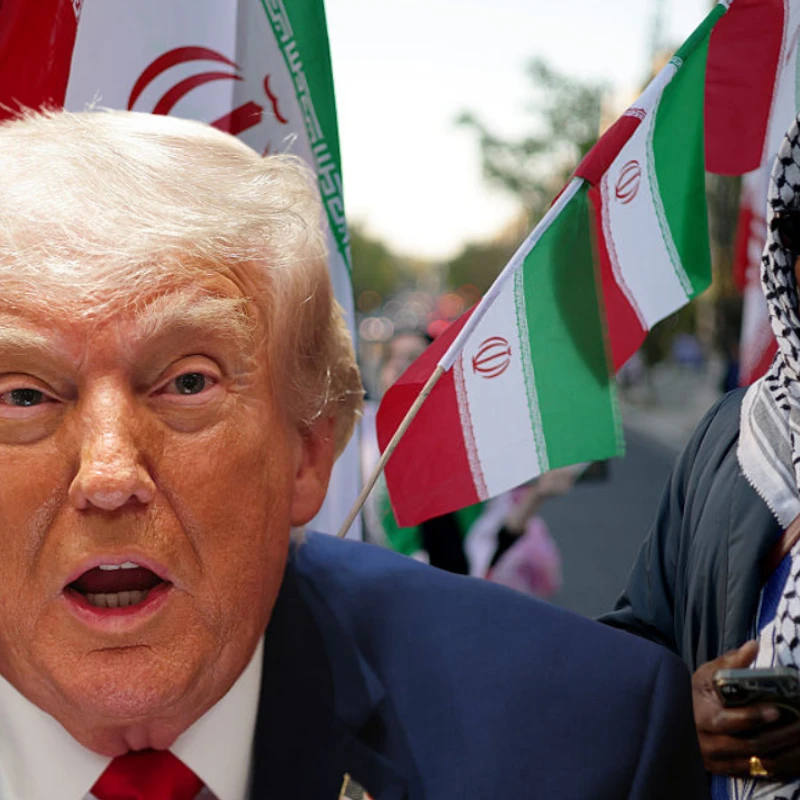
    President Donald Trump announced on Friday, May 29, 2026, that he was nearing a ‘final determination’ to end the United States’ war in Iran. However, national security and foreign policy experts are expressing skepticism about the feasibility of his ambitious goals, suggesting the reality is far more complex than publicly presented.

    This ongoing conflict is not only a significant drain on U.S. resources, costing at least $2 billion daily, but it’s also severely impacting the American economy. We’re seeing soaring gas prices averaging over $4.30 per gallon, continued inflation, and rising mortgage rates. These economic strains are affecting various industries, including farming, and are hitting Black Americans particularly hard.

    Disproportionate Impact on Black Communities

    Black households are already contending with generational disparities in wages and wealth. The current economic climate, exacerbated by Trump’s war, his tariffs on global imports, and cuts to essential federal programs like food and healthcare assistance, is intensifying these challenges. Experts warn that if the war isn’t resolved, underserved communities, which form the majority of the U.S., will continue to suffer immensely.

    Democratic strategist Ameshia Cross highlighted the disconnect between the administration’s rhetoric and the reality on the ground. ‘He continually [says] that affordability is a hoax, that this crisis is not a crisis, even though communities, specifically the Black community, are calling it out,’ Cross stated. Furthermore, she noted that following the Supreme Court’s decision on the Voting Rights Act, Black Americans are witnessing potential dilution of their votes through redistricting, diminishing their political power.

    Obstacles to Peace

    Achieving a peace deal requires intricate negotiations between the U.S. and Iran. Decades of complex hostility, broken agreements, and critical issues like Iran’s nuclear program, control over natural resources, and the strategic Strait of Hormuz (through which 20% of the world’s oil flows) stand as significant hurdles.

    Trump has publicly demanded that Iran forgo nuclear weapons, immediately open the Strait of Hormuz to all shipping without tolls, and dismantle its enriched nuclear material. However, experts like Asha Castleberry-Hernandez, a former Department of Defense appointee, believe Trump has limited international support for his approach, unlike former President Obama’s 2015 nuclear deal (JCPOA).

    Comparing Approaches: Trump vs. Obama

    Trump has frequently criticized Obama’s JCPOA as a ‘disaster.’ The Obama deal placed restrictions on Iran’s nuclear enrichment and established oversight, with sanctions as a consequence. In contrast, Trump aims for a complete cessation of nuclear weapons development. However, former intelligence analyst Victor LaGroon points out that nuclear capability can serve as leverage for a nation, providing a deterrent against invasion and a stronger voice in international affairs.

    Castleberry-Hernandez noted that while Pakistan offers some support, it’s insufficient for brokering a deal alone, thus delaying progress. LaGroon argued that Obama’s deal was more effective because it maintained U.S. influence and allowed for diplomatic engagement, which he believes is preferable to war.

    Ameshia Cross suggests Trump is attempting to craft a deal superior to Obama’s, which he dismantled in 2017. However, she points out that Iran made concessions under the Obama administration and, having gained momentum in the current conflict, is unlikely to relinquish everything now. Despite Trump’s claims of military success, Iran maintains control over the Strait of Hormuz, generating revenue through tolls.

    If Trump’s deal allows Iran to retain control of the Strait, experts like Castleberry-Hernandez believe it would be a less favorable outcome than Obama’s agreement, potentially embarrassing for Trump. Cross concludes that the U.S. currently lacks leverage, and despite Trump’s projections, the war’s end date remains uncertain.

    LaGroon predicts that any immediate deal struck by Trump will likely be superficial and unsustainable, given the history of failed agreements with Iran. He criticizes the administration’s lack of strategic diplomacy, stating Trump’s dictatorial approach won’t succeed. Regarding the economic impact, LaGroon warns that even if the war ends soon, gas prices won’t immediately decrease, and he believes Trump’s priorities lie with the war effort over American economic well-being, potentially harming Republicans in the upcoming election.

    What are your thoughts on the economic impact of the Iran war and President Trump’s approach to ending it? Share your views in the comments below!

  • Judge Orders Trump Name Removed from Kennedy Center

    In a significant ruling, a federal judge has delivered a sharp rebuke to the Trump administration, ordering the removal of Donald Trump’s name from the iconic Kennedy Center. The judge also blocked the venue’s planned two-year closure, throwing a wrench into the administration’s extensive makeover plans for the historic performing arts center.

    A Name Rooted in History

    The Kennedy Center has proudly borne its name since January 23, 1964. On that date, President Lyndon Johnson signed legislation officially redesignating the former National Cultural Center as a living memorial to the assassinated President John F. Kennedy. This renaming was a significant act, established by Congress, and the Center operates as an independent bureau of the Smithsonian Institution, funded by both federal appropriations and its own revenues.

    This historical and legal foundation is precisely why the Trump-appointed board’s unilateral decision to rename the venue proved to be constitutionally vulnerable. The law clearly states the Center is to be named for President Kennedy, and its name cannot be altered by the Board’s decision alone.

    Board Oversteps, Judge Rules

    The controversy began in February 2025 when Trump reportedly dismissed several existing Kennedy Center board members and appointed new ones, including former Attorney General Pam Bondi and U.S. Ambassador to India Sergio Gor. This new board then elected Trump as chair and approved both the name change and facility renovations. In December 2025, the board unanimously voted to rename the venue the “Donald J. Trump and John F. Kennedy Memorial Center for the Performing Arts,” with new lettering installed the very next day.

    The move immediately sparked legal challenges. Representative Joyce Beatty (D-Ohio) filed a lawsuit, asserting that her voting rights as a board member were violated when the Center’s bylaws were amended in 2025. U.S. District Judge Casey Cooper ultimately concluded that the law establishing the center is unambiguous: “Congress gave the Kennedy Center its name, and only Congress can change it.”

    14 Days to Remove Signage, Renovation Blocked

    Cooper’s ruling mandates that all Trump signage must be removed, and the name must be scrubbed from the Center’s website within a strict 14-day timeframe. Furthermore, the judge blocked the board’s planned July 6th closure for a $257 million renovation. The ruling stated that the board failed to adequately consider its legal duty to maintain ongoing programming, finding “no evidence that the Board took account of its full range of statutory obligations in determining that a wholesale shuttering of the Kennedy Center was appropriate.”

    What are your thoughts on this ruling and the renaming controversy? Share your opinions in the comments below!

  • NFL Star Abdul Carter Stands By Trump Rally Criticism

    NFL star Abdul Carter is standing firm on his decision to publicly call out his teammate, quarterback Jaxson Dart, for introducing Donald Trump at a recent rally. Carter, entering his second year with the New York Giants, believes some issues transcend the game of football, and this was one of them.

    Standing on Principles

    The second-year player found himself at the center of a storm after tweeting his reaction to Dart’s appearance with Trump. This move drew significant backlash from conservative media and individuals. However, Carter made it clear he doesn’t regret his actions and isn’t seeking an apology from Dart, who reportedly addressed the team about the situation.

    “I don’t want him to say he’s sorry,” Carter stated. “Stand on what you believe in, but it can’t be a problem when I stand on what I believe in. That’s all that matters to me. Long as we have that understanding? We’re good.”

    Why It’s ‘Bigger Than Football’

    Carter emphasized that his public stance was a matter of personal conviction. “Some things are bigger than football, and this is one of those things,” he explained. As a leader and a prominent face of the franchise, Carter feels Dart’s actions represent more than just himself; they reflect on the entire team.

    He felt it was his responsibility, based on his own beliefs, to make it clear to his teammates and the public that he opposes aligning with Trump. Carter was quick to add that this doesn’t mean animosity between him and Dart. They work closely together daily, and their team goals align.

    Trump’s Perspective

    Meanwhile, Donald Trump, in an upcoming interview, expressed little concern about any backlash Dart might face. He asserted that he has more supporters than detractors and suggested that any “harassment” Dart might endure is outweighed by the love he receives from his fans. Trump also noted that he and the 23-year-old quarterback had only met at the rally, where Trump reportedly made jokes about Dart’s appearance.

    What do you think about Abdul Carter’s stance? Share your opinions in the comments below!

  • Bondi Dodges Trump-Epstein Questions on Capitol Hill

    The controversy surrounding the release of Jeffrey Epstein’s case files took center stage on Capitol Hill this week, as former Attorney General Pam Bondi faced a closed-door interview with the House Oversight Committee. Lawmakers are investigating the Justice Department’s handling of the file release, which has been criticized for delays and the alleged exposure of personal information related to victims.

    A Contentious Hearing

    The dispute over the Epstein files has become a significant political issue, especially after Congress passed the Epstein Files Transparency Act. The Justice Department announced in January that it had released over 3 million additional pages, bringing the total production to nearly 3.5 million pages. However, the process has been far from smooth.

    According to reports, Bondi declined to answer direct questions regarding President Donald Trump’s specific involvement in the release process. In her opening statement, she stated that Deputy Attorney General Todd Blanche oversaw the effort and defended the administration’s actions, asserting that ‘justice and transparency in this matter have been delivered at the direction of President Trump and his administration.’

    Survivors Seek Compassion Amidst Political Rhetoric

    Democrats expressed frustration with the interview, with Rep. Dave Min calling it a ‘sham’ and noting that no substantive questions were being answered. Rep. James Walkinshaw specifically asked Bondi if Trump had prior knowledge of Epstein’s crimes, to which Bondi responded, ‘I’m not certain of the extent of his knowledge.’

    The hearing also brought the focus back to the survivors of Epstein’s abuse. Danielle Bensky, one of the survivors, shared her hope that Bondi would remember ‘her own humanity and our humanity’ and find compassion, emphasizing that the story is ‘bigger than political rhetoric.’ House Oversight Chair James Comer assured survivors that ‘we want justice for the survivors.’

    Transparency and Redaction Errors

    Bondi acknowledged the complexity of the file release, describing it as an ‘enormously complicated and labor-intensive process.’ She also conceded that redaction errors had occurred, yet she still characterized the Justice Department’s work as an ‘unprecedented commitment to transparency.’

    Adding to the drama, Democrats objected to the interview not being videotaped and released to the public, a decision Rep. Robert Garcia called ‘incredibly disappointing.’ While the transcript may offer some details, the persistent silence surrounding Trump’s direct role continues to be a major point of contention for survivors, lawmakers, and the public.

    What are your thoughts on the handling of the Epstein files and Pam Bondi’s testimony? Do you believe President Trump had prior knowledge? Share your views in the comments below!