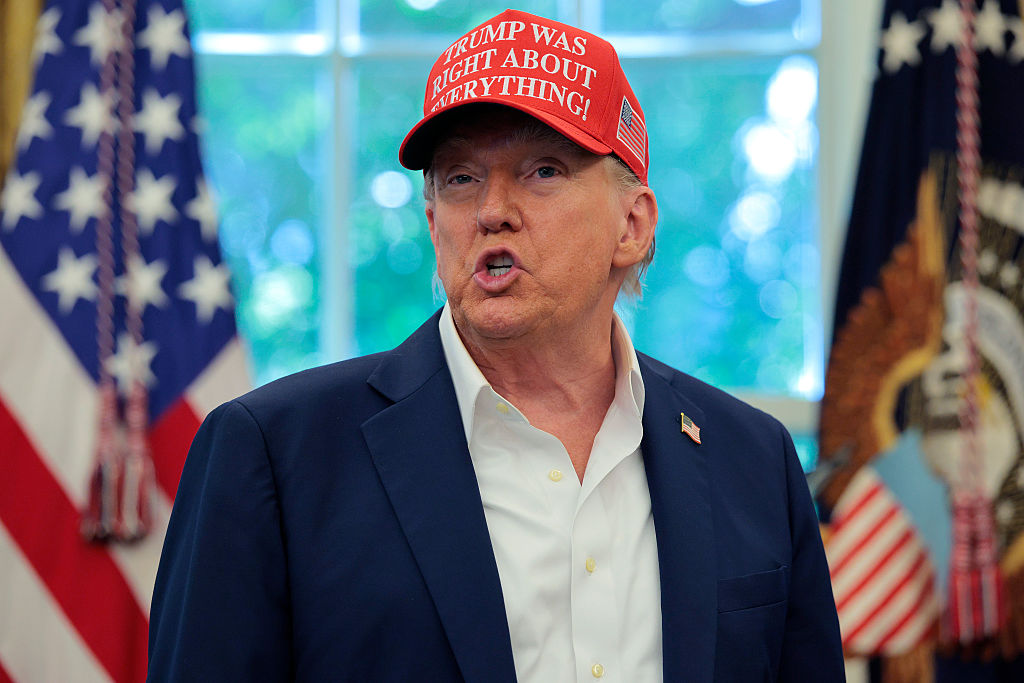
President Donald Trump announced his administration’s potential plan to target Chicago next for a federal crime crackdown, despite city data indicating a significant decrease in crime over the past year. Trump told reporters that Chicago is a “mess” with an “incompetent mayor” and that his administration would “straighten that one out, probably next.”
Contrasting Crime Data and Federal Plans
While Trump has voiced his intention to address crime in Chicago, city police data cited by Time reveals a notable decline. Since 2023, crime in Chicago has reportedly dropped by 15%, with fatal and nonfatal shootings down nearly 38% this year compared to the same period in 2024. Homicides and robberies have fallen by approximately 32%, and carjackings have decreased by almost 49%. These figures follow years of fluctuating crime rates.
Despite these positive trends, Trump has a long history of criticizing Chicago’s crime situation, dating back to 2013. During his first term, he deployed federal agents to the city under a Justice Department program aimed at curbing violence, an initiative that drew concern from local leaders and concluded after his presidency.
Legal Authority and Local Pushback
Trump’s remarks about Chicago follow his recent federalization of Washington, D.C.’s police department and deployment of National Guard troops, actions taken under the D.C. Home Rule Act of 1973, which grants the president emergency control. However, his authority to take similar actions in other cities is more limited, as state governments typically control their own police forces and National Guard units. Politico reported no official Pentagon orders for troop deployment to Chicago or New York, despite Trump naming them as potential targets.
Chicago Mayor Brandon Johnson rejected Trump’s comments, highlighting the city’s “historic progress” in reducing violence. Johnson criticized Trump’s approach as “uncoordinated, uncalled for, and unsound,” adding that unlawfully deploying the National Guard could inflame tensions and undermine trust between residents and law enforcement, which he deems crucial for safer communities.
Potential Federal Intervention and Community Response
If Trump were to implement similar actions in Chicago as seen in Washington, D.C., residents might expect an increased federal and military presence, potentially including checkpoints and heightened surveillance. Community organizers and legal experts advise residents to “Know Your Rights,” carry documentation, stay informed through trusted local news, connect with neighborhood networks and mutual aid groups, and document any encounters with law enforcement.
The contrast between the falling crime rates in Chicago and the President’s framing of the city as a symbol of urban violence sets the stage for a potential conflict between federal promises of force and local arguments for community-led progress.
What are your thoughts on President Trump’s focus on Chicago’s crime rates despite the recent declines? Do you believe federal intervention is necessary or counterproductive? Share your views in the comments below!
Leave a Reply