Category: Crime and Controversy

  • Taco Bell Shooting: Free Soda Dispute Sparks Gunfire

    You won’t believe the wild turn of events that unfolded at a Florida Taco Bell recently! What started as a simple request for drinks ended in gunfire, leading to the arrest of an employee. This incident serves as a stark reminder of how quickly things can escalate, even over something as small as a free soda.

    The Dispute Over a Free Drink

    The drama kicked off on a Monday in West Palm Beach when three women entered a local Taco Bell. According to reports, they initially asked for cups of water. However, investigators allege that one of the women then proceeded to the soda fountain and filled her cup with a soft drink instead of water.

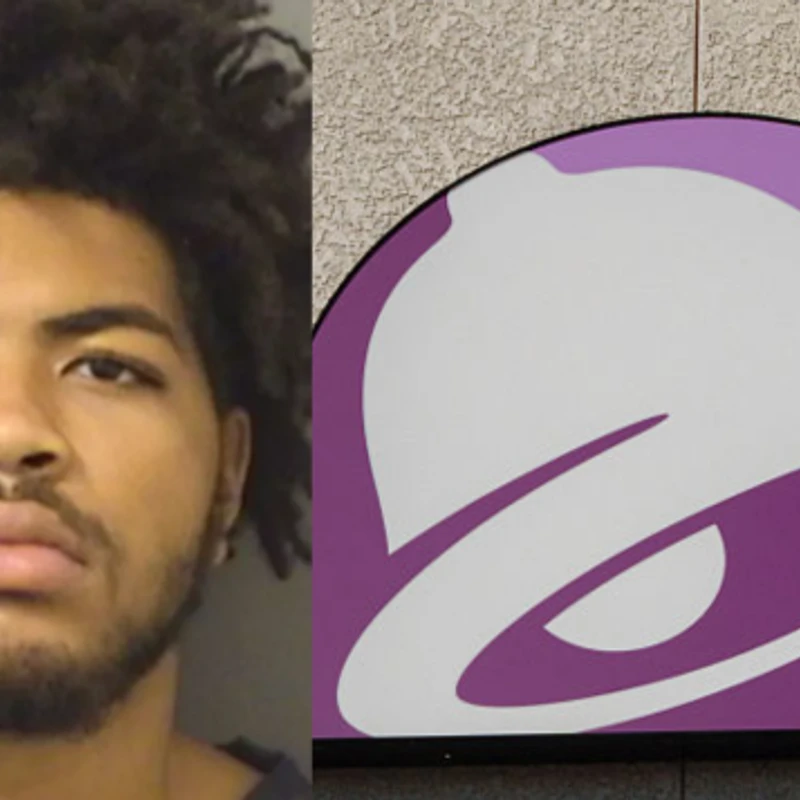
    This seemingly minor act sparked an immediate and intense reaction from a Taco Bell employee. Police identified the employee as 20-year-old D’Mari Jy’Quan Patterson. He reportedly began yelling at the women, setting the stage for a confrontation that would soon turn dangerous.

    Gunfire Erupts and Chasing Ensues

    The situation escalated rapidly, with the confrontation reportedly being captured on video by other customers present in the restaurant. In one of the disturbing clips, a firearm can allegedly be heard just moments before the first shot rang out. Investigators stated that one of the women was hit by a bullet and fell to the ground.

    A second woman sustained a graze wound, while the third woman managed to flee the scene. But the alleged violence didn’t stop there. Police claim Patterson pursued the third woman and fired another shot in her direction, which reportedly struck the restaurant’s window.

    Injuries and Legal Consequences

    Emergency services transported the two injured women to a local hospital for medical treatment. Thankfully, the third woman was not physically harmed. D’Mari Jy’Quan Patterson was subsequently arrested and charged with three counts of aggravated assault with a firearm.

    Authorities have not yet released details regarding whether Patterson was legally permitted to carry a firearm while on duty. The investigation into this shocking incident is ongoing, leaving many to wonder about the full circumstances surrounding this extreme reaction to a free soda.

    What are your thoughts on this wild Taco Bell incident? Share your reactions in the comments below!
  • Trump Admin Cuts Fentanyl Test Strip Funds

    In a move that has experts sounding the alarm, the Trump administration has decided to end federal funding for fentanyl test strips. These small, inexpensive tools are crucial for preventing overdose deaths, and their removal from federal grant eligibility is a major shift in drug policy. Let’s dive into what this means and why it’s causing concern.

    What Are Fentanyl Test Strips and Why Are They Important?

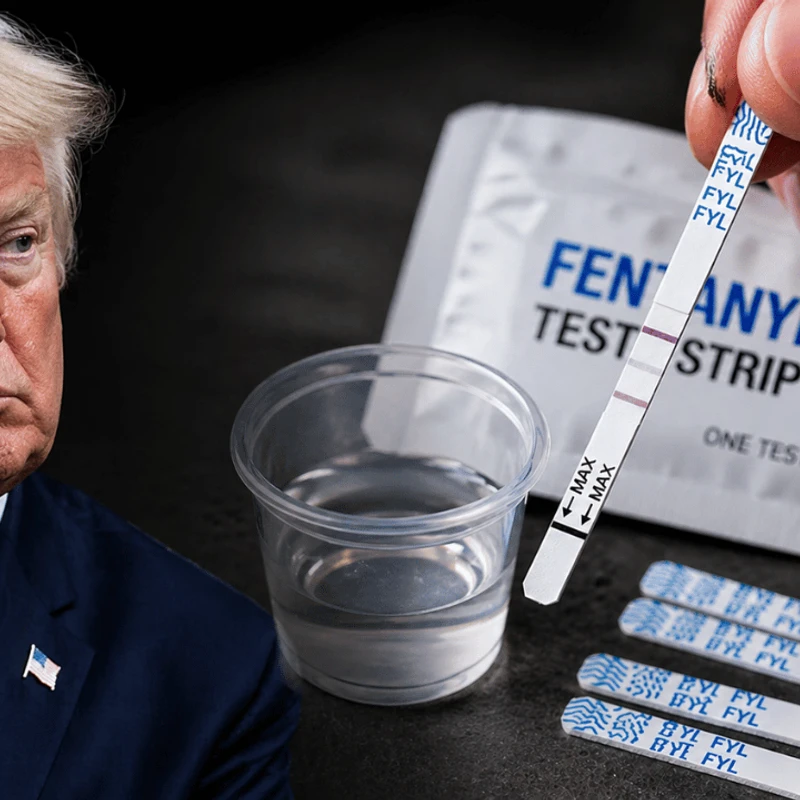
    Fentanyl test strips are simple devices that allow individuals to check if illicit drugs contain fentanyl or other dangerous substances like xylazine. For just about a dollar each, these strips can provide a critical warning, giving users a chance to avoid potentially lethal doses. With overdose fatalities surging nationwide, these strips have become a vital part of harm reduction strategies.

    The practice of using federal grant money to purchase and distribute these strips was first approved in 2021. Many states had already legalized the strips, recognizing their life-saving potential in the face of the ongoing opioid crisis. Supporters argue they have directly contributed to reducing overdose deaths by empowering users with information.

    The Administration’s Policy Shift

    However, the Substance Abuse and Mental Health Services Administration (SAMHSA) has issued a new directive. In an open letter to grant recipients, they stated that fentanyl test strips are no longer eligible for federal funding because they are “intended for use by people using drugs.” This marks a significant retreat from harm reduction strategies that had seen expansion in recent years.

    While community groups and outreach programs will lose access to these funds for public distribution, federal dollars can still be used to purchase test strips for use by public health staff, law enforcement, and medical personnel. This distinction suggests a move away from direct user access towards a more controlled, professional application.

    Focus on Treatment and Abstinence

    The administration has been clear about its priorities, emphasizing a desire to move away from harm reduction and focus instead on treatment and abstinence-centered recovery. Officials stated that federal funding should align with “common-sense public health strategies that focus on prevention, treatment, and long-term recovery.”

    Officials also described harm reduction as “an ideological concept … which has been used to advocate for policies that are incompatible with federal laws and inconsistent with this Administration’s priorities.” — Administration Officials

    Instead of test strips for users, federal officials are encouraging grantees to prioritize funding for naloxone (an overdose reversal medication), sharps disposal kits, and testing or vaccination programs for infectious diseases like HIV and hepatitis. This policy shift signals a broader ideological stance on how to combat the drug crisis.

    What do you think about this change in federal drug policy? Share your thoughts on the importance of fentanyl test strips in the comments below!

  • Dallas Man Arrested for Gruesome Beheading Over Washing Machine

    Sometimes, arguments escalate in the most unimaginable ways. In a truly shocking turn of events, a Dallas man has been arrested and charged with capital murder following a brutal incident that occurred on Wednesday, September 10, 2025. The alleged crime? The beheading of a 50-year-old man during a dispute over a broken washing machine.

    A Dispute Over Laundry Turns Deadly

    The incident reportedly took place at the Downtown Suites motel. According to witness accounts and an arrest affidavit, the suspect, identified as Yordanis Cobos-Martinez, was cleaning a room with a co-worker. The victim, Chandra Nagamallaiah, who was apparently a manager at the motel, entered the room and instructed Cobos-Martinez not to use a broken washing machine.

    This instruction apparently set off Cobos-Martinez. The affidavit states he became upset that Nagamallaiah was speaking to his co-worker and instructing her to translate. In a fit of rage, Cobos-Martinez allegedly exited the room, produced a machete, and began repeatedly cutting and stabbing the victim.

    A Brutal and Disturbing Attack

    As the attack unfolded, Nagamallaiah attempted to flee to his family, who were reportedly in the motel office. Despite his family’s presence and attempts to intervene, Cobos-Martinez allegedly continued his assault, ultimately beheading the 50-year-old manager. Disturbingly, reports indicate that Cobos-Martinez then kicked the victim’s head and allegedly disposed of it in a dumpster.

    I feel bad for his family because he got a wife, they came out and they didn’t know what to do, she was screaming, hollering, but I told her to get back because I didn’t know if he was going to attack her too. — Witness

    Arrest and Charges

    When police arrived at the scene, Cobos-Martinez was reportedly still armed with the machete. He was found in possession of the victim’s phone and keycard. During questioning, he confessed to killing Nagamallaiah. He has since been charged with capital murder and is being held at Dallas County Jail. Authorities have also placed him on an ICE hold, as he is identified as a Cuban national.

    This horrific incident serves as a stark reminder of how quickly a simple disagreement can spiral into unimaginable violence. Our thoughts are with the victim’s family during this incredibly difficult time.

    What are your thoughts on this disturbing crime? Share your reactions and concerns in the comments below.

  • Trump Targets Chicago Crime Despite Falling Rates

    President Donald Trump announced his administration’s potential plan to target Chicago next for a federal crime crackdown, despite city data indicating a significant decrease in crime over the past year. Trump told reporters that Chicago is a “mess” with an “incompetent mayor” and that his administration would “straighten that one out, probably next.”

    Contrasting Crime Data and Federal Plans

    While Trump has voiced his intention to address crime in Chicago, city police data cited by Time reveals a notable decline. Since 2023, crime in Chicago has reportedly dropped by 15%, with fatal and nonfatal shootings down nearly 38% this year compared to the same period in 2024. Homicides and robberies have fallen by approximately 32%, and carjackings have decreased by almost 49%. These figures follow years of fluctuating crime rates.

    Despite these positive trends, Trump has a long history of criticizing Chicago’s crime situation, dating back to 2013. During his first term, he deployed federal agents to the city under a Justice Department program aimed at curbing violence, an initiative that drew concern from local leaders and concluded after his presidency.

    Legal Authority and Local Pushback

    Trump’s remarks about Chicago follow his recent federalization of Washington, D.C.’s police department and deployment of National Guard troops, actions taken under the D.C. Home Rule Act of 1973, which grants the president emergency control. However, his authority to take similar actions in other cities is more limited, as state governments typically control their own police forces and National Guard units. Politico reported no official Pentagon orders for troop deployment to Chicago or New York, despite Trump naming them as potential targets.

    Chicago Mayor Brandon Johnson rejected Trump’s comments, highlighting the city’s “historic progress” in reducing violence. Johnson criticized Trump’s approach as “uncoordinated, uncalled for, and unsound,” adding that unlawfully deploying the National Guard could inflame tensions and undermine trust between residents and law enforcement, which he deems crucial for safer communities.

    Potential Federal Intervention and Community Response

    If Trump were to implement similar actions in Chicago as seen in Washington, D.C., residents might expect an increased federal and military presence, potentially including checkpoints and heightened surveillance. Community organizers and legal experts advise residents to “Know Your Rights,” carry documentation, stay informed through trusted local news, connect with neighborhood networks and mutual aid groups, and document any encounters with law enforcement.

    The contrast between the falling crime rates in Chicago and the President’s framing of the city as a symbol of urban violence sets the stage for a potential conflict between federal promises of force and local arguments for community-led progress.

    What are your thoughts on President Trump’s focus on Chicago’s crime rates despite the recent declines? Do you believe federal intervention is necessary or counterproductive? Share your views in the comments below!

  • Shilo Sanders Waived by Buccaneers After Ejection

    It’s been a tough week for Shilo Sanders. Just one day after being ejected from a preseason game for throwing a punch, the rookie safety has reportedly been waived by the Tampa Bay Buccaneers. This decision marks a significant setback for the young player’s NFL aspirations.

    A Short Stint in Tampa Bay

    The Buccaneers made the move on Sunday, ending Sanders’ brief tenure with the team. The son of Hall of Famer and Colorado coach Deion Sanders, and brother to Browns QB Shedeur Sanders, signed with Tampa Bay in April as an undrafted free agent. Despite securing a three-year deal worth nearly $3 million, he won’t be on the final roster.

    Sanders played under his father at the University of Colorado before entering the NFL draft. After going undrafted, he changed agents, hiring Drew Rosenhaus and Robert Bailey, who managed to get him a spot with the Buccaneers. His agents expressed hope that another team might claim him off waivers.

    The Preseason Ejection

    The decision to waive Sanders came less than 24 hours after his disqualification from the Buccaneers’ preseason finale against the Buffalo Bills. During the game, Bills tight end Zach Davidson delivered an aggressive block on Sanders, sparking a confrontation. In a moment of frustration, Sanders threw a punch directly in front of an official, resulting in an immediate penalty and his ejection.

    You can’t throw punches in this league. I mean, that’s inexcusable. They’re gonna get you every time. Gotta grow from that. — Todd Bowles, Buccaneers Head Coach

    Head coach Todd Bowles did not mince words after the game, calling the punch “inexcusable” and emphasizing the need for Sanders to learn from the incident.

    Looking Ahead

    Sanders recorded four tackles across three preseason games. Beyond his football career, he is also facing legal challenges, including an $11 million judgment from a past assault case, for which he filed for bankruptcy in 2023. His NFL future remains uncertain as he awaits a potential opportunity with another team.

    Do you think another NFL team will give Shilo Sanders a chance? What are your thoughts on his ejection and the Buccaneers’ decision? Share your opinions in the comments below!

  • Ring Camera Footage Leads to Husband’s Murder Charge

    A community is in shock and a family is demanding answers following the disappearance and subsequent discovery of Sheylla Cabrera, a 33-year-old mother from Lancaster. Disturbing Ring camera footage showing a man dragging a large, blanket-wrapped object from the couple’s home has become central to a homicide investigation, leading to murder charges against her husband, Jossimar Cabrera.

    Chilling Surveillance Footage and Tragic Discovery

    The incident came to light when neighbors shared Ring camera footage with local news outlets. The video appears to show Jossimar Cabrera, 36, dragging a large object wrapped in a blanket from their home just days before authorities found Sheylla’s body. Authorities were initially alerted to Sheylla’s disappearance on August 12. The following day, homicide detectives became involved due to the alarming surveillance footage.

    Tragically, on August 16, just four days after the initial report, Sheylla’s body was discovered partially concealed over an embankment in the Angeles National Forest. Officials noted that the body was wrapped in material similar to what was seen in the surveillance video, intensifying the focus on Jossimar Cabrera.

    International Manhunt and Extradition Warrant

    What began as a missing person case has tragically evolved into a homicide investigation with international implications. Jossimar Cabrera has been charged with one count of murder, with authorities believing he used a knife in the alleged killing of his wife. While he has not yet been taken into custody, officials suspect he fled the country to Peru with their three young sons shortly after Sheylla went missing.

    An extradition warrant has been issued to facilitate his return to the U.S. for prosecution. District Attorney Nathan J. Hochman stated, “The allegations against this man are horrific, and we will do everything possible to bring him back under our jurisdiction to be held accountable.” He emphasized the commitment to combating domestic violence and restoring stability to victimized families.

    Conflicting Stories and Protective Custody

    As investigators pieced together the timeline, they uncovered conflicting accounts from Jossimar regarding Sheylla’s disappearance. He reportedly blamed ICE, claimed she left with another man, and suggested she had an accident. Authorities also revealed that Jossimar allegedly fled to Peru with their three young sons shortly after Sheylla went missing. The children are currently in protective custody, with consulates from Mexico and Peru involved in efforts to secure their safety and Jossimar’s return. A man believed to be Jossimar was reportedly detained in Peru but later released pending formal charges.

    Sheylla’s mother had previously reported Jossimar for domestic violence in Peru and was planning to file a similar report in Lancaster before her daughter’s death. If convicted, Jossimar faces a maximum sentence of 26 years to life in state prison. Sheylla’s family is calling for justice, stating she was allegedly trying to protect herself and her children from escalating abuse.

    What are your thoughts on the role of surveillance technology in solving crimes like this? Share your opinions in the comments below.