Tag: Brandon Johnson

  • Chicago Mayor Limits Federal Troops with Executive Order

    Chicago Mayor Brandon Johnson has taken a firm stance against potential federal intervention, signing an executive order aimed at limiting the presence and actions of federal troops within the city. The order, titled the “Protecting Chicago Initiative,” seeks to ensure federal agents adhere to municipal policing roles and that citizens are informed of their rights should federal deployments occur.

    A United Front Against Federal Intervention

    This move comes as Mayor Johnson and Illinois Governor JB Pritzker have presented a united front in resisting federal overtures regarding crime in Chicago. Johnson expressed urgency, stating, “We have received credible reports that we have days, not weeks, before our city sees some kind of militarized activity by the federal government.” He emphasized that the city does not want to see “tanks in our streets” or families “ripped apart.”

    The executive order directs the city’s Department of Law to explore all legal avenues to resist federal actions that may overstep local authority. Naval Station Great Lakes, located near Chicago, is expected to serve as a staging or command center for federal agents, with troops anticipated to arrive by September 5th.

    Accountability Measures and Legal Questions

    The order includes specific measures to hold federal agents accountable. If federal agents deviate from guidelines similar to those followed by Chicago’s police force, Johnson plans to take legal action. This could include requiring federal agents to wear identifiable items like masks, body cameras, badges, and uniforms during engagements with citizens, and potentially withdrawing support from the Chicago Police Department for federal or military units.

    However, legal scholars like Julian Davis Mortenson from the University of Michigan raise questions about the extent to which a local government can impose its laws on federal operations. While acknowledging the order’s thoughtful nature, Mortenson notes the legal complexities of a state or city seeking to enforce municipal law on federal law enforcement activities, particularly if the federal authority is deemed valid.

    Despite these legal considerations, Mayor Johnson positions himself as a defender against what he describes as an “increasingly authoritarian and fascist federal government.” He asserted, “This executive order makes it emphatically clear this president is not going to come in and deputize our police department. We do not want to see tanks in our streets… And I don’t take orders from the federal government.”

    Broader Calls for Action

    Esiah Campos, a Lake County commissioner, echoed the sentiment, calling for state lawmakers and local mayors to ban the practice of housing ICE and Homeland Security agents who might “terrorize our people.” Campos stressed the need for action over mere statements, highlighting the personal impact of such policies on communities.

    What are your thoughts on Mayor Johnson’s executive order? Do you believe local governments should have the power to limit federal troop presence? Share your views in the comments below!
  • Trump Targets Chicago Crime Despite Falling Rates

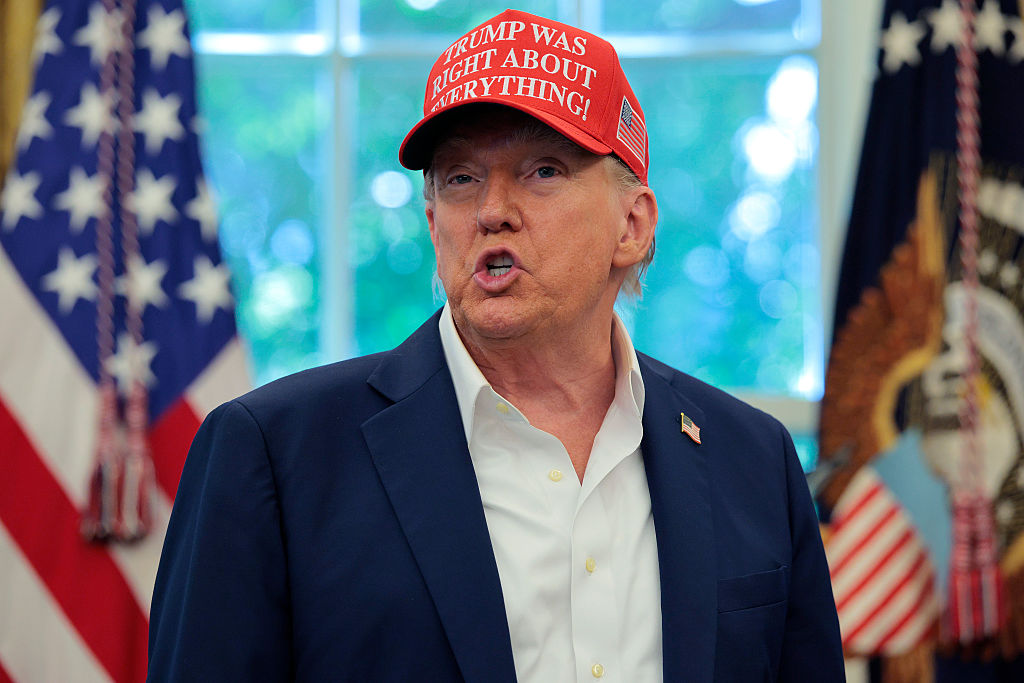
    President Donald Trump announced his administration’s potential plan to target Chicago next for a federal crime crackdown, despite city data indicating a significant decrease in crime over the past year. Trump told reporters that Chicago is a “mess” with an “incompetent mayor” and that his administration would “straighten that one out, probably next.”

    Contrasting Crime Data and Federal Plans

    While Trump has voiced his intention to address crime in Chicago, city police data cited by Time reveals a notable decline. Since 2023, crime in Chicago has reportedly dropped by 15%, with fatal and nonfatal shootings down nearly 38% this year compared to the same period in 2024. Homicides and robberies have fallen by approximately 32%, and carjackings have decreased by almost 49%. These figures follow years of fluctuating crime rates.

    Despite these positive trends, Trump has a long history of criticizing Chicago’s crime situation, dating back to 2013. During his first term, he deployed federal agents to the city under a Justice Department program aimed at curbing violence, an initiative that drew concern from local leaders and concluded after his presidency.

    Legal Authority and Local Pushback

    Trump’s remarks about Chicago follow his recent federalization of Washington, D.C.’s police department and deployment of National Guard troops, actions taken under the D.C. Home Rule Act of 1973, which grants the president emergency control. However, his authority to take similar actions in other cities is more limited, as state governments typically control their own police forces and National Guard units. Politico reported no official Pentagon orders for troop deployment to Chicago or New York, despite Trump naming them as potential targets.

    Chicago Mayor Brandon Johnson rejected Trump’s comments, highlighting the city’s “historic progress” in reducing violence. Johnson criticized Trump’s approach as “uncoordinated, uncalled for, and unsound,” adding that unlawfully deploying the National Guard could inflame tensions and undermine trust between residents and law enforcement, which he deems crucial for safer communities.

    Potential Federal Intervention and Community Response

    If Trump were to implement similar actions in Chicago as seen in Washington, D.C., residents might expect an increased federal and military presence, potentially including checkpoints and heightened surveillance. Community organizers and legal experts advise residents to “Know Your Rights,” carry documentation, stay informed through trusted local news, connect with neighborhood networks and mutual aid groups, and document any encounters with law enforcement.

    The contrast between the falling crime rates in Chicago and the President’s framing of the city as a symbol of urban violence sets the stage for a potential conflict between federal promises of force and local arguments for community-led progress.

    What are your thoughts on President Trump’s focus on Chicago’s crime rates despite the recent declines? Do you believe federal intervention is necessary or counterproductive? Share your views in the comments below!