Tag: Donald Trump

  • Trump’s DEI Policies Harm Public Health: Report

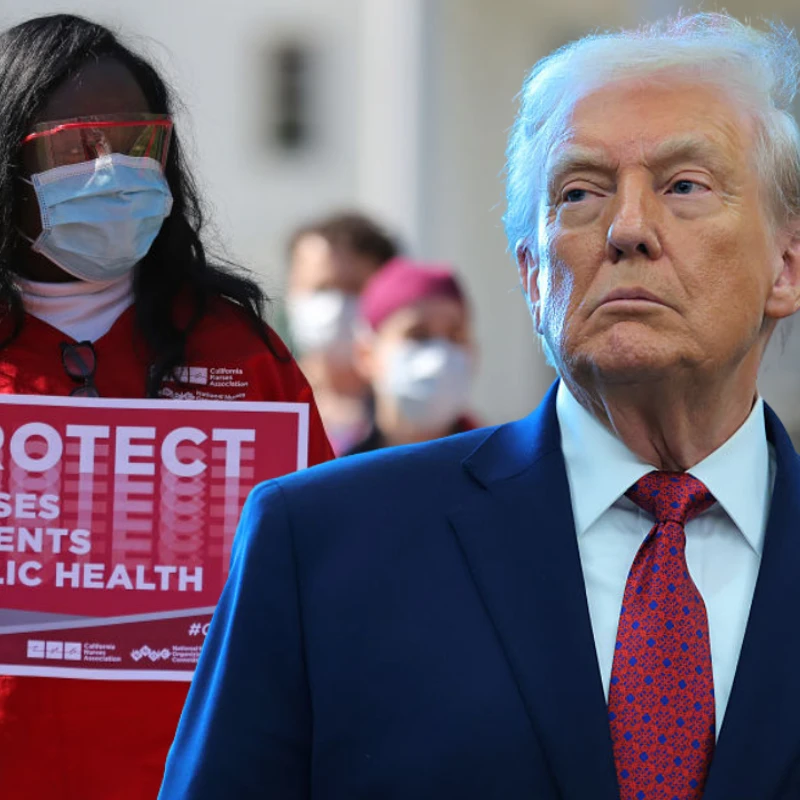
    The fight for diversity, equity, and inclusion (DEI) is not just a social issue; it’s increasingly being linked to the very foundation of our nation’s health. A new, eye-opening report from the Center for American Progress (CAP) suggests that former President Donald Trump’s executive actions targeting DEI have significantly weakened America’s public health infrastructure, making the country less healthy and safe.

    A Sweeping Rollback of Public Health Capacity

    The CAP analysis reveals a concerning trend: a combination of anti-DEI policies, changes to student loan access for medical degrees, and federal budget cuts have led to what the report calls “the most significant rollback of public health capacity and infrastructure since the creation of modern disease surveillance systems.” This is a stark warning about the long-term consequences of these policy shifts.

    Authored by CAP’s government affairs experts Peter Gordon and Alexandra Cogan, the report details how, during Trump’s second term, over 1,700 research and federal grants were terminated. Crucially, major cuts were made to health equity programs, including a vital team at the Centers for Disease Control and Prevention (CDC) focused on monitoring maternal mortality—a crisis that disproportionately affects Black women.

    Impact on Healthcare Careers and Economic Stability

    The Trump administration also imposed new restrictions on federal student loans for health professions. By reclassifying public health and nursing degrees as ‘nonprofessional,’ critics argue this move severely restricts the pipeline of future healthcare workers. This not only impacts the economic stability these careers provide, especially for Black professionals, but also has ‘severe economic consequences’ for the nation.

    Furthermore, the ‘One Big Beautiful Bill Act,’ a signature tax and spending law, enacted substantial cuts to health programs. The report estimates these cuts will cost American taxpayers billions in preventable healthcare expenses, ultimately making all communities less safe.

    Weakening Disease Surveillance and Global Health Ties

    The report points out that these policy decisions make it harder for public health professionals to implement crucial interventions, such as environmental justice monitoring. This could leave communities vulnerable to threats like contamination, reminiscent of the lead poisoning crisis in Flint, Michigan. The decision to withdraw from the World Health Organization (WHO) and eliminate the U.S. Agency for International Development (USAID) has also dismantled essential disease surveillance systems, critical tools used during the COVID-19 pandemic.

    While the targeting of DEI is often framed as an ideological battle, CAP emphasizes that the cuts to health services disproportionately harm Black and Brown communities, with ripple effects that impact everyone. The report warns that this creates a less prepared and informed public health system, potentially leading to emerging threats escalating into national emergencies.

    Deprived of the data needed to guide interventions, the next disease outbreak or pandemic will spread for longer before detection; environmental contamination will go unnoticed until children bear the consequences; and maternal mortality will continue rising, particularly in underserved areas. This policy-driven ignorance will cost lives and money. — Center for American Progress Report

    What are your thoughts on the findings of this report? How do you think DEI initiatives impact public health? Share your perspective in the comments below!
  • Trump Eyes Freedom 250 Fest; Calls Himself ‘THE GOAT’

    Well, #Socialites, it looks like Donald Trump might be stepping in to save the day – or at least, his version of it! With the Freedom 250 Festival, celebrating America’s 250th anniversary, facing a mass exodus of artists, Trump is throwing his hat in the ring, even calling himself ‘THE GOAT’ and eyeing a potential MAGA rally takeover.

    The festival, slated to run from June 25 to July 10 on the National Mall in Washington D.C., initially boasted a lineup including Flo Rida, The Commodores, Vanilla Ice, and more. However, by May 30, over half the artists had reportedly backed out, despite organizers insisting the event is ‘inherently nonpolitical.’

    Trump’s ‘GOAT’ Declaration and Rally Plans

    Taking to Truth Social, Trump didn’t hold back. He expressed understanding for artists getting ‘the yips’ and proposed he himself could be the main attraction. He declared himself ‘THE GOAT’ – the Greatest Of All Time – and the ‘Number One Attraction anywhere in the World.’

    He wrote, ‘I am thinking about bringing the Number One Attraction anywhere in the World… DONALD J. TRUMP, to take the place of these highly paid, Third Rate “Artists,” and give a major speech, rallying the Country forward like I have done ever since being President!’

    A ‘MAGA Rally’ Instead?

    In a follow-up post, Trump suggested canceling the festival altogether and instead hosting a ‘GIANT MAKE AMERICA GREAT AGAIN RALLY’ for the 250th anniversary. He criticized the artists as ‘overpriced singers, who nobody wants to hear, whose music is boring, and yet who do nothing but complain.’

    He instructed his representatives to explore the feasibility of an ‘AMERICA IS BACK Rally’ in Washington D.C., emphasizing, ‘Only Great Patriots invited — It will be a Wild and Beautiful Celebration of America!’

    Kennedy Center Drama and Physical Exam Results

    Trump also used his platform to rant about the ongoing drama surrounding the Kennedy Center. He claimed he canceled his involvement due to a ‘Highly Conflicted, Crooked Federal Judge’ who allegedly prevented him from investing his time and money to ‘MAKE THE CENTER GREAT AGAIN.’

    He lamented the center’s state, calling it ‘broken, unsafe, and $busted,’ and criticized Judge Cooper and his wife, Amy Jeffress, suggesting they should be ashamed and impeached. He also boasted about his recent physical examination and cognitive test results, stating they were ‘extremely good’ and that he scored a ‘perfect 30 out of 30’ on the cognitive test, calling it ‘extreme intelligence.’

    Trump concluded by advocating for mandatory high-difficulty cognitive tests for all presidential and vice-presidential candidates, suggesting Congress and the Democrats should demand it.

    What do you think about Donald Trump’s plans for the Freedom 250 Festival and his comments on the Kennedy Center? Share your thoughts in the comments below!

  • Trump’s Health: White House Says ‘Excellent’ Amid Concerns

    Late on a Friday night – a classic time for dropping news that might raise a few eyebrows – the White House physician, Dr. Sean Barbabella, put out a memo detailing President Trump’s recent three-hour checkup at Walter Reed Medical Center. The report paints a picture of a remarkably healthy 79-year-old, claiming he’s not just doing okay, but is practically thriving like a top athlete.

    Excellent Health or Just Good PR?

    Dr. Barbabella’s report states that Trump “remains in excellent health, demonstrating strong cardiac, pulmonary, neurological, and overall physical function.” This comes despite months of public observation noting visible signs of wear and tear, such as dark bruising on his hands and significant swelling in his legs during public appearances.

    The report offers explanations for these observations. The hand bruising is attributed to “dorsal hand ecchymosis,” a fancy term for thin skin from aspirin use and frequent handshaking. As for the leg swelling, which the White House previously acknowledged as chronic venous insufficiency, the report claims he’s “showing improvement from last year.”

    A Perfect Scorecard?

    Naturally, Donald Trump took to Truth Social to share his “perfectly” checked out health status. The report also included some rather impressive claims, such as Trump’s “cardiac age” being 14 years younger than his actual age, based on an electrocardiogram. He also reportedly aced the Montreal Cognitive Assessment with a perfect score of 30 out of 30.

    However, the report does touch on one area of reality: Trump’s weight. At 6-foot-3 and 238 pounds, he’s gained 14 pounds since last spring. His Body Mass Index (BMI) is 29.7, placing him just shy of the medical classification for obesity. The medical team did note that “preventive counseling was provided, including guidance on diet, recommendation to take a low-dose aspirin, increased physical activity and continued weight loss.”

    • Height: 6-foot-3
    • Weight: 238 pounds (up 14 lbs from last spring)
    • BMI: 29.7 (near obesity range)
    • Cardiac Age: Reportedly 14 years younger than actual age
    • Cognitive Assessment: Perfect score of 30/30

    What are your thoughts on President Trump’s latest medical report? Do you think the White House’s assessment aligns with what you’ve observed? Share your opinions in the comments below!

  • Trump’s Iran War: Impact on Black Americans

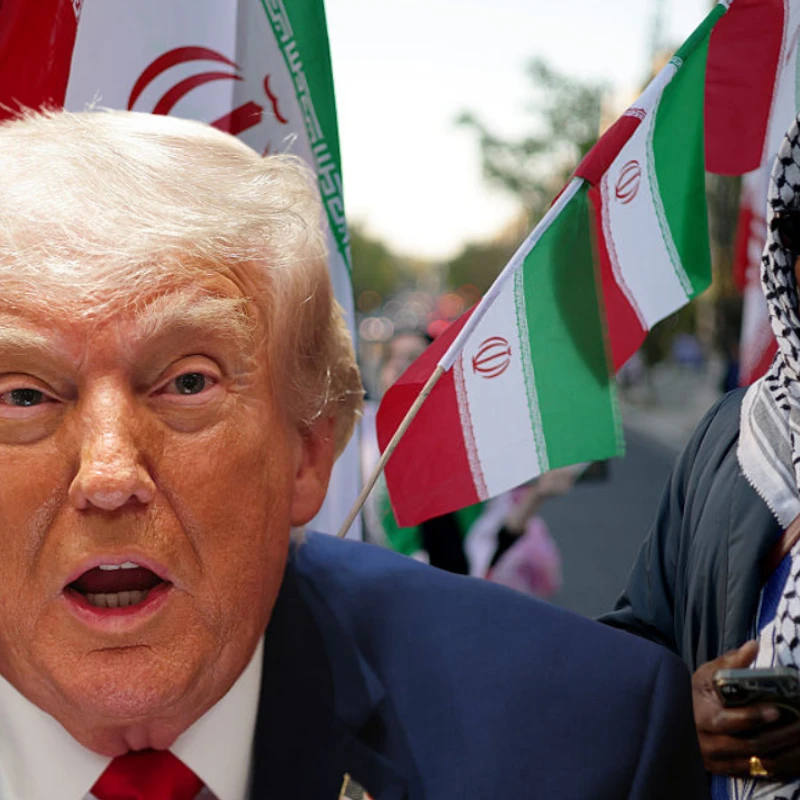
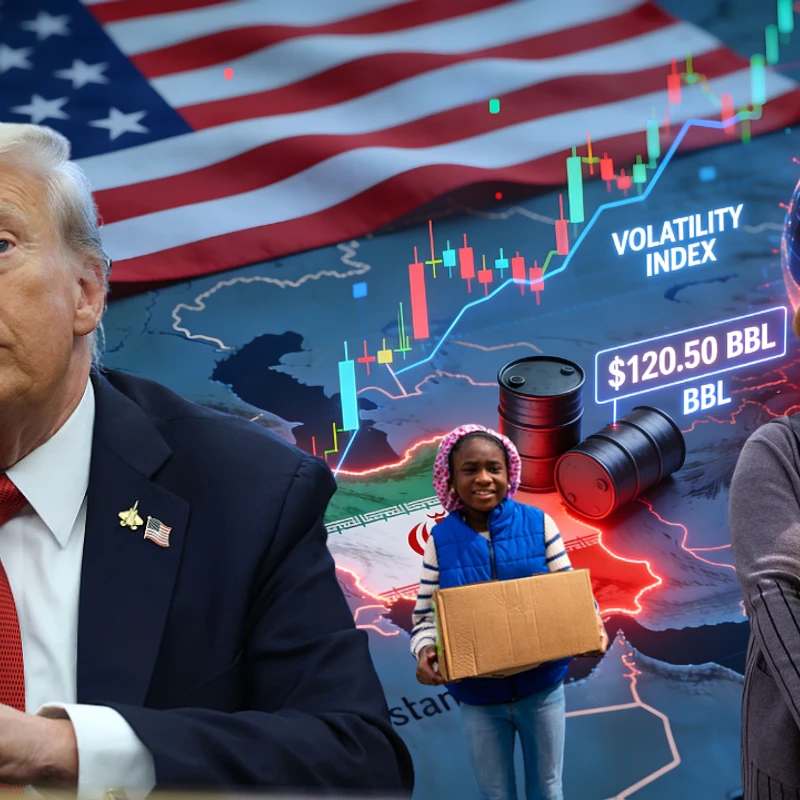
    President Donald Trump announced on Friday, May 29, 2026, that he was nearing a ‘final determination’ to end the United States’ war in Iran. However, national security and foreign policy experts are expressing skepticism about the feasibility of his ambitious goals, suggesting the reality is far more complex than publicly presented.

    This ongoing conflict is not only a significant drain on U.S. resources, costing at least $2 billion daily, but it’s also severely impacting the American economy. We’re seeing soaring gas prices averaging over $4.30 per gallon, continued inflation, and rising mortgage rates. These economic strains are affecting various industries, including farming, and are hitting Black Americans particularly hard.

    Disproportionate Impact on Black Communities

    Black households are already contending with generational disparities in wages and wealth. The current economic climate, exacerbated by Trump’s war, his tariffs on global imports, and cuts to essential federal programs like food and healthcare assistance, is intensifying these challenges. Experts warn that if the war isn’t resolved, underserved communities, which form the majority of the U.S., will continue to suffer immensely.

    Democratic strategist Ameshia Cross highlighted the disconnect between the administration’s rhetoric and the reality on the ground. ‘He continually [says] that affordability is a hoax, that this crisis is not a crisis, even though communities, specifically the Black community, are calling it out,’ Cross stated. Furthermore, she noted that following the Supreme Court’s decision on the Voting Rights Act, Black Americans are witnessing potential dilution of their votes through redistricting, diminishing their political power.

    Obstacles to Peace

    Achieving a peace deal requires intricate negotiations between the U.S. and Iran. Decades of complex hostility, broken agreements, and critical issues like Iran’s nuclear program, control over natural resources, and the strategic Strait of Hormuz (through which 20% of the world’s oil flows) stand as significant hurdles.

    Trump has publicly demanded that Iran forgo nuclear weapons, immediately open the Strait of Hormuz to all shipping without tolls, and dismantle its enriched nuclear material. However, experts like Asha Castleberry-Hernandez, a former Department of Defense appointee, believe Trump has limited international support for his approach, unlike former President Obama’s 2015 nuclear deal (JCPOA).

    Comparing Approaches: Trump vs. Obama

    Trump has frequently criticized Obama’s JCPOA as a ‘disaster.’ The Obama deal placed restrictions on Iran’s nuclear enrichment and established oversight, with sanctions as a consequence. In contrast, Trump aims for a complete cessation of nuclear weapons development. However, former intelligence analyst Victor LaGroon points out that nuclear capability can serve as leverage for a nation, providing a deterrent against invasion and a stronger voice in international affairs.

    Castleberry-Hernandez noted that while Pakistan offers some support, it’s insufficient for brokering a deal alone, thus delaying progress. LaGroon argued that Obama’s deal was more effective because it maintained U.S. influence and allowed for diplomatic engagement, which he believes is preferable to war.

    Ameshia Cross suggests Trump is attempting to craft a deal superior to Obama’s, which he dismantled in 2017. However, she points out that Iran made concessions under the Obama administration and, having gained momentum in the current conflict, is unlikely to relinquish everything now. Despite Trump’s claims of military success, Iran maintains control over the Strait of Hormuz, generating revenue through tolls.

    If Trump’s deal allows Iran to retain control of the Strait, experts like Castleberry-Hernandez believe it would be a less favorable outcome than Obama’s agreement, potentially embarrassing for Trump. Cross concludes that the U.S. currently lacks leverage, and despite Trump’s projections, the war’s end date remains uncertain.

    LaGroon predicts that any immediate deal struck by Trump will likely be superficial and unsustainable, given the history of failed agreements with Iran. He criticizes the administration’s lack of strategic diplomacy, stating Trump’s dictatorial approach won’t succeed. Regarding the economic impact, LaGroon warns that even if the war ends soon, gas prices won’t immediately decrease, and he believes Trump’s priorities lie with the war effort over American economic well-being, potentially harming Republicans in the upcoming election.

    What are your thoughts on the economic impact of the Iran war and President Trump’s approach to ending it? Share your views in the comments below!

  • Trump’s $1.776B Fund Blocked by Judge

    Hold up, #Socialites! It looks like there’s a major roadblock for Donald Trump’s massive $1.776 billion “Anti-Weaponization Fund.” U.S. District Judge Leonie Brinkema has stepped in, issuing an immediate freeze on the fund, effectively stopping any payouts to individuals who claim they were targeted by the previous administration.

    Where Did This Billion-Dollar Fund Come From?

    This colossal sum didn’t just materialize. It stems from a legal settlement where Trump, acting as a private citizen, sued the IRS for $10 billion over the leak of his tax returns. In a surprising turn, his own Department of Justice, reportedly led by former defense attorney Todd Blanche, agreed to this massive settlement. Not only did it grant Trump this substantial fund, but it also reportedly includes a clause preventing the IRS from auditing him or his family in the future.

    However, Judge Brinkema, a Clinton appointee based in Virginia, appears to have serious reservations about the legality and process behind this fund. She issued a temporary restraining order after the group Democracy Forward raised concerns, arguing that the Department of Justice lacks the legal authority to create such a payout scheme without congressional approval.

    Concerns Over Payouts and Beneficiaries

    For now, the money is effectively locked down. No official commission has been formed to manage the distribution, and no checks have been issued. Critics are already labeling this entire arrangement as a questionable “hustle,” suggesting it’s a way to use taxpayer money to create a private slush fund for political allies.

    Adding to the controversy, there are significant questions about whether the funds could potentially go to individuals convicted for their involvement in the January 6th Capitol attack. The administration has reportedly remained silent on this specific point, fueling further speculation and concern.

    The Road Ahead: A Courtroom Showdown

    Both sides are gearing up for a high-stakes legal battle. A court date is set for June 12th, where the future of this “Anti-Weaponization Fund” will be decided. Will the judge permanently dismantle the fund, or will the administration find a way to keep the money flowing to its intended recipients?

    What are your thoughts on this controversial settlement fund? Let us know in the comments below!

  • NFL Star Abdul Carter Stands By Trump Rally Criticism

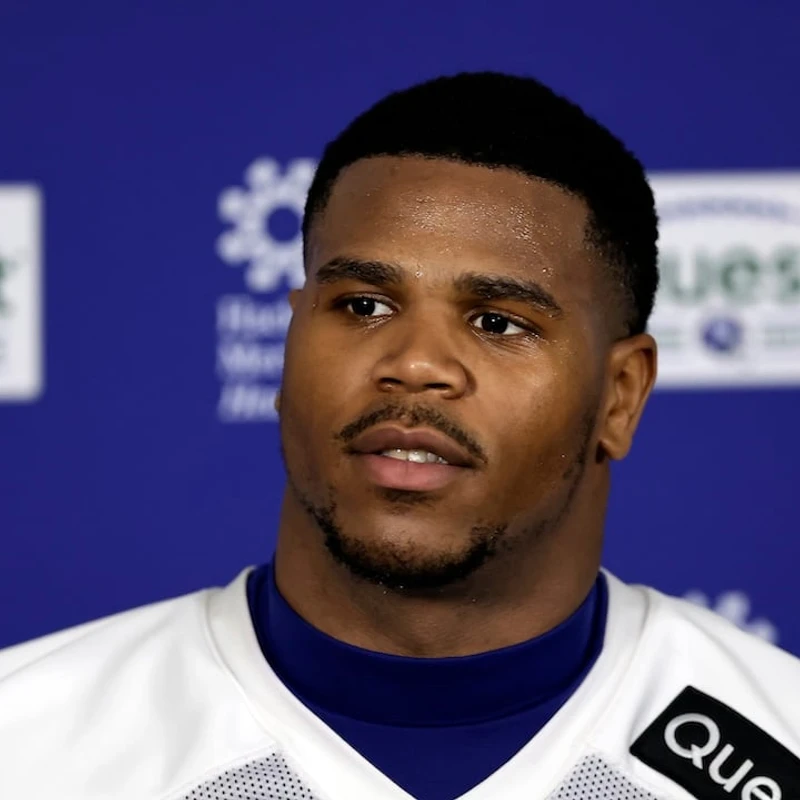
    NFL star Abdul Carter is standing firm on his decision to publicly call out his teammate, quarterback Jaxson Dart, for introducing Donald Trump at a recent rally. Carter, entering his second year with the New York Giants, believes some issues transcend the game of football, and this was one of them.

    Standing on Principles

    The second-year player found himself at the center of a storm after tweeting his reaction to Dart’s appearance with Trump. This move drew significant backlash from conservative media and individuals. However, Carter made it clear he doesn’t regret his actions and isn’t seeking an apology from Dart, who reportedly addressed the team about the situation.

    “I don’t want him to say he’s sorry,” Carter stated. “Stand on what you believe in, but it can’t be a problem when I stand on what I believe in. That’s all that matters to me. Long as we have that understanding? We’re good.”

    Why It’s ‘Bigger Than Football’

    Carter emphasized that his public stance was a matter of personal conviction. “Some things are bigger than football, and this is one of those things,” he explained. As a leader and a prominent face of the franchise, Carter feels Dart’s actions represent more than just himself; they reflect on the entire team.

    He felt it was his responsibility, based on his own beliefs, to make it clear to his teammates and the public that he opposes aligning with Trump. Carter was quick to add that this doesn’t mean animosity between him and Dart. They work closely together daily, and their team goals align.

    Trump’s Perspective

    Meanwhile, Donald Trump, in an upcoming interview, expressed little concern about any backlash Dart might face. He asserted that he has more supporters than detractors and suggested that any “harassment” Dart might endure is outweighed by the love he receives from his fans. Trump also noted that he and the 23-year-old quarterback had only met at the rally, where Trump reportedly made jokes about Dart’s appearance.

    What do you think about Abdul Carter’s stance? Share your opinions in the comments below!

  • Judge Blocks Trump’s $1.7B ‘Slush Fund’

    A significant legal victory has been achieved against a controversial $1.776 billion fund established by the Trump administration. Critics, who have labeled it a “slush fund” for individuals convicted in the Jan. 6, 2021 Capitol attack, are applauding a federal judge’s decision to block its operation.

    Judge Halts Controversial ‘Anti-Weaponization’ Fund

    On Friday, May 29, 2026, U.S. District Judge Leonie Brinkema ordered the Department of Justice to temporarily cease all actions related to the fund. This includes halting the transfer of money, reviewing claims, and disbursing any funds. The ruling came in response to a lawsuit filed by individuals and groups who claim the fund is unconstitutional and demonstrates “blatant partiality.”

    The plaintiffs argue that the “Anti-Weaponization Fund” is inherently biased, as it is exclusively available to claimants alleging they were targeted by “Democrat” administrations. They contend this ignores the current administration’s alleged “weaponization” of federal power against political opponents.

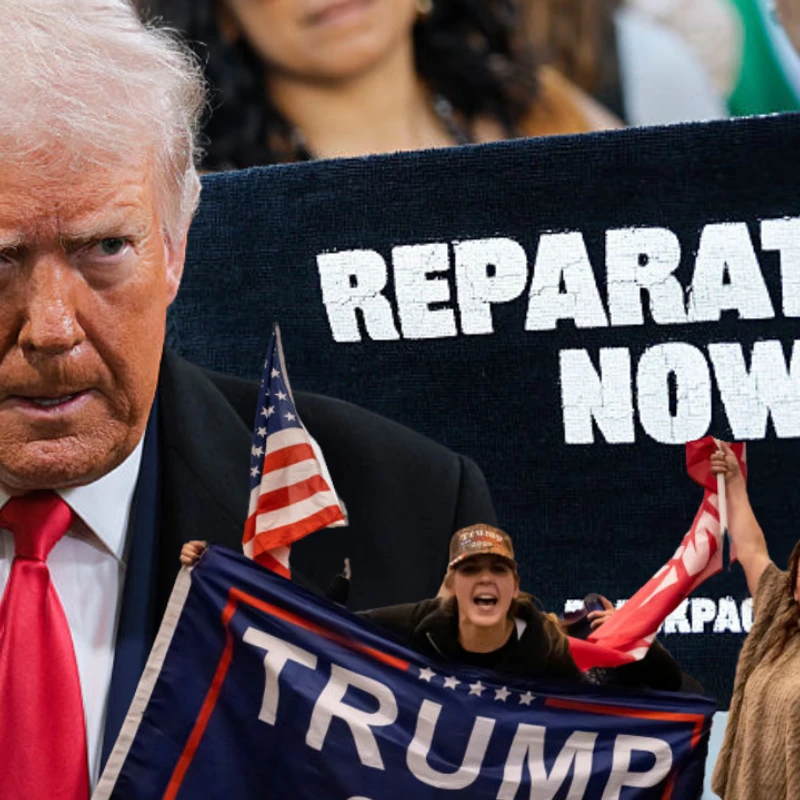
    Reparations Advocates Decry ‘Narrative Damage’

    Racial justice advocates and progressive Democrats have strongly condemned the fund since its inception. U.S. Reps. Jasmine Crockett and Ayanna Pressley have called it an “insult” to Black Americans seeking reparations for centuries of systemic harm. Dreisen Heath, founder of the Why We Can’t Wait Reparations Network, stated that while the judge’s order prevents immediate misuse of taxpayer funds, “the narrative damage is already done.”

    Heath elaborated that framing Jan. 6 defendants as victims distorts the reality of who the truly harmed parties are in this country. “We’ll keep fighting on all fronts to make sure the public channels their righteous anger where it belongs: into reparations for Black Americans,” she told TheGrio.

    Abuse of Existing Funds and Misappropriation of Terms

    Ironically, the fund was slated to use a Treasury Department judgment fund established in 1956, which has historically settled claims of racial discrimination against Black and Native American farmers. Heath criticized the settlement process, noting that the president suing himself and settling without a court ruling constitutes an “abuse of taxpayer money.”

    She also pointed out that characterizing the Trump fund as “reparations” undermines the legitimate fight for reparations for Black Americans. However, she acknowledged that the swiftness with which this fund was proposed highlights the potential for action when political will exists.

    Contrasting Grievances: Accountability vs. Avoiding Accountability

    Dr. Marcus Anthony Hunter, a reparations scholar, drew a clear distinction between the Trump fund and the movement for Black reparations. He explained that the former represents a demand to avoid accountability and receive funds based on grievances related to that avoidance. In contrast, reparations for American slavery aim to hold the government accountable for institutionalizing and sanctioning the enslavement of human beings.

    Adding to the legal challenges, two former Capitol and D.C. police officers, Harry Dunn and Daniel Hodges, who were injured on Jan. 6, have filed their own lawsuit. They argue the fund endangers their safety by potentially encouraging further violence and directly financing rioters who threatened their lives.

    What are your thoughts on the judge’s decision and the ongoing debate surrounding reparations versus the ‘anti-weaponization’ fund? Share your views in the comments below!

  • Inflation, Mortgage Rates Squeeze Black Households

    Black households are facing a double whammy as inflation and mortgage rates climb, creating a significant financial strain under the current economic climate. Recent economic data paints a challenging picture, indicating that these burdens are likely to persist, further widening existing wealth and wage gaps.

    Inflation Hits Hardest

    The latest figures show a concerning rise in the price index for consumer expenditures (PCE), hitting a nearly three-year high of 3.8%. This surge is largely driven by increased costs for essential goods and services, including gasoline, energy, housing, and utilities. Americans collectively spent an additional $111.1 billion in April alone. Compounding this issue, personal income saw a slight decrease month-to-month, meaning households have less disposable income to cope with rising prices.

    For Black households, who already navigate systemic disadvantages like wealth gaps, wage disparities, and limited access to well-paying jobs, these rising costs are particularly devastating. As Cantrell Dumas, a senior researcher at The Joint Center for Political and Economic Studies, stated, ‘Higher mortgage rates and rising inflation are a one-two punch for Black households.’

    Mortgage Rates Push Homeownership Further Away

    Adding to the financial pressure, the average rate for a 30-year fixed mortgage has climbed to 6.65%, its highest point since August 2025. This increase is causing many potential homebuyers to postpone their plans, leading to an 8.5% drop in mortgage applications. For Black families, who are already less likely to own homes and have limited financial savings, this trend makes the dream of homeownership increasingly unattainable.

    Dumas further explained, ‘Rising mortgage rates can push homeownership further out of reach. At the same time, higher prices for food, rent, utilities, and transportation leave families with less money to save.’ This creates a cycle where essential costs consume income, hindering the ability to build financial security.

    Broader Economic Impacts and Blame

    A report from The Joint Center highlighted that Trump’s economic policies, including attacks on DEI initiatives and federal workforce cuts, are contributing to a ‘Black recession.’ Public opinion reflects these concerns, with a New York Times/Sienna poll indicating that 83% of Black Americans disapprove of Trump’s job performance and 89% view the economy as poor or fair under his administration.

    Nadine Smith, president and CEO of Color Of Change, criticized the administration’s approach, stating, ‘The administration keeps pouring gasoline on the economy and then blaming families for getting burned.’ She added that policies related to wars and tariffs are driving up prices, disproportionately impacting Black families who are already facing higher costs for basic necessities and limited support.

    Alphonso David, president and CEO of the Global Black Economic Forum, echoed these sentiments, noting that an economy cannot work for everyone when families face simultaneous increases in living and borrowing costs. ‘For Black households, this is a double squeeze,’ he said, emphasizing the compounded pressure from inflation, higher mortgage rates, wage gaps, and limited access to affordable housing, ultimately leading to less savings, mobility, and opportunity.

    How are rising inflation and mortgage rates impacting your household finances? What steps do you believe can be taken to alleviate these pressures on Black families? Share your thoughts in the comments below!

  • White House UFC Cage: Trump’s Birthday Bash & America’s 250th

    Get ready for a truly unique celebration! The White House is gearing up for a monumental event, constructing a full-fledged UFC fighting cage right on the South Lawn. This isn’t just any party; it’s a multi-faceted celebration coinciding with President Donald Trump’s 80th birthday and the United States’ 250th anniversary. Talk about making an entrance!

    A Historic Celebration on the South Lawn

    Mark your calendars for June 14th, a date packed with significance. Not only does it mark President Trump’s milestone 80th birthday, but it’s also Flag Day, and a key date for America’s upcoming 250th anniversary. To commemorate these occasions, the White House is hosting ‘UFC Freedom 250,’ featuring some of MMA’s biggest stars in a series of exciting fights.

    Imagine the scene: an octagon set against the backdrop of the White House, with seating for thousands. President Trump himself mentioned the venue would accommodate 4,500 fans. Plus, the nearby Ellipse will transform into a Fan Fest, complete with massive screens broadcasting the action for an additional 50,000 to 100,000 spectators. It’s set to be an unforgettable spectacle!

    Weigh-ins and Fan Excitement

    The excitement isn’t limited to fight night. Even the weigh-ins are slated for a historic location: the Lincoln Memorial. President Trump has expressed his enthusiasm, noting the unprecedented interest in these UFC events, calling them ‘one of a kind.’

    The demand for tickets is reportedly through the roof, with Trump stating he’s ‘never seen anybody want anything so much as people want those tickets.’ This high level of anticipation underscores the unique nature of combining a presidential celebration with a major sporting event.

    The Trump-White Relationship

    This collaboration isn’t surprising given the long-standing relationship between President Trump and UFC President and CEO Dana White. Trump has previously hosted UFC events at his properties and has been a consistent presence at fights, both during and outside his presidencies.

    Dana White himself shared that the idea originated during a shared viewing of an event. Trump reportedly suggested, ‘We should do a fight at the White House,’ envisioning an event for America’s 250th. The wheels were in motion almost immediately, with White House logistics calls beginning just two days later.

    Rogan’s Reservations vs. White’s Honor

    While the event is generating buzz, not everyone is thrilled. Joe Rogan, host of ‘The Joe Rogan Experience,’ has voiced his concerns. During a podcast discussion with former UFC fighter Josh Thompson and referee ‘Big’ John McCarthy, Rogan expressed his dislike for outdoor fights, citing potential issues like dehydration.

    McCarthy and Thompson chimed in, with Thompson specifically mentioning the attraction of bugs due to the lights. Rogan agreed, highlighting ‘the bugs’ as a significant concern. It seems the practicalities of an outdoor fight event are raising eyebrows.

    Dana White’s Perspective

    In contrast, Dana White feels a sense of honor being part of such a unique event. The opportunity to host a UFC event on the hallowed grounds of the White House, celebrating national milestones and a presidential birthday, is clearly a career highlight for him.

    What do you think about the White House hosting a UFC event? Share your thoughts in the comments below!

  • Trump Plans NBA Finals Visit Amid Boos and Protests

    Get ready for some potential drama courtside! Former President Donald Trump has announced plans to attend the NBA Finals to watch his hometown New York Knicks. However, if he shows up at Madison Square Garden, he might be met with a familiar sound: boos and protests.

    A Historic First, Perhaps?

    Trump told reporters that he was invited by numerous people, including Knicks/MSG owner Jim Dolan, and plans to attend one of the games. He noted the Knicks’ impressive performance, leading to their first championship appearance since 1999. If Trump attends, he would be the first sitting U.S. president to ever witness an NBA Finals game live.

    Cameron Trimble, founder and CEO of Hip-Politics and a former Biden White House official, commented on this potential first. “Trump always wants to be the first to do things,” Trimble told theGrio. He added that it’s ironic, given the NBA’s popularity and past presidential attendance by figures like Bill Clinton and Barack Obama.

    A Familiar Reception in New York

    However, Trump’s visit to New York, his birthplace, might not be entirely welcoming. Given his criminal conviction, clashes with local officials, and past incidents like the vandalism of his Trump Hotel, he’s likely to encounter the boos and protests that have become a common backdrop to his public appearances.

    “I think he’ll be met with resounding boos,” Trimble predicted. Trump has a history of being booed at major sporting events, including an NFL game in November 2025 and the U.S. Open men’s singles championship in New York City just two months prior. Even during his first term, he faced boos at the World Series.

    More Than Just a Game: A Political Play?

    Trimble suggests that Trump’s attendance might be less about enjoying the game and more about a political strategy. With low approval ratings, rising gas prices due to the war in Iran, and controversy surrounding the Epstein files, Trump may see this as a chance to connect with a universally popular event and inject himself into a moment of cultural significance.

    “I think Trump sees this as both an opportunity to do be first and attach his name and likeness to something that is universally popular,” Trimble explained. He’s interested to see if fans or athletes will voice their opinions, especially considering the NBA’s predominantly African American player base and its history of activism.

    The NBA’s Platform for Protest

    Trimble highlighted that the NBA, more than other leagues, has a strong culture of players speaking out on Black issues and minority concerns. He believes this moment could provide an opportunity for players to make a public demonstration on a global stage. The NBA Players Association could play a role in guiding players on how to navigate this situation.

    This wouldn’t be the first time NBA players have been critical of Trump; stars like LeBron James, Steph Curry, and Kevin Durant have voiced their opposition. It’s also worth noting that every NBA championship team during Trump’s presidency declined the traditional White House visit.

    He understands that if he can bait or potentially get one of them in a discussion or other folks in a discussion around any number one of the things that he’s doing that people are against, I think he welcomes that kind of fight. — Cameron Trimble

    Ultimately, Trimble believes that even if Trump faces public criticism, he might welcome the attention. It provides him with a platform to attack opponents and generate media headlines, serving as a distraction from other pressing issues. The NBA Finals could become another stage in the ongoing political discourse.

    Do you think Donald Trump’s attendance at the NBA Finals is more about sports or politics? Share your thoughts in the comments below!