Tag: Federal Crackdown

  • Trump Targets Chicago Crime Despite Falling Rates

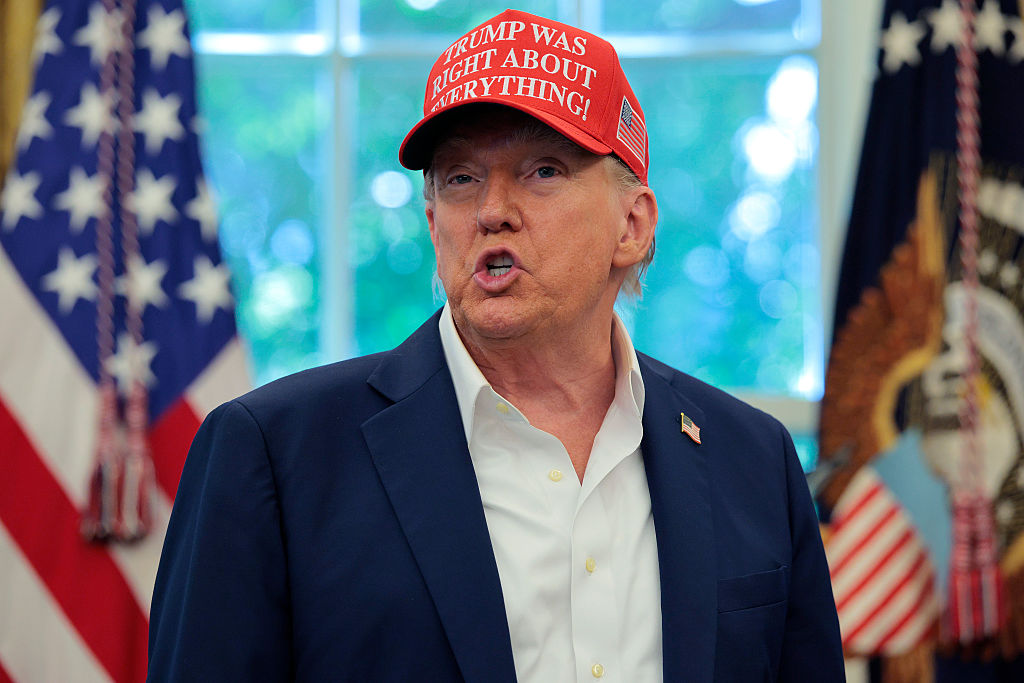
    President Donald Trump announced his administration’s potential plan to target Chicago next for a federal crime crackdown, despite city data indicating a significant decrease in crime over the past year. Trump told reporters that Chicago is a “mess” with an “incompetent mayor” and that his administration would “straighten that one out, probably next.”

    Contrasting Crime Data and Federal Plans

    While Trump has voiced his intention to address crime in Chicago, city police data cited by Time reveals a notable decline. Since 2023, crime in Chicago has reportedly dropped by 15%, with fatal and nonfatal shootings down nearly 38% this year compared to the same period in 2024. Homicides and robberies have fallen by approximately 32%, and carjackings have decreased by almost 49%. These figures follow years of fluctuating crime rates.

    Despite these positive trends, Trump has a long history of criticizing Chicago’s crime situation, dating back to 2013. During his first term, he deployed federal agents to the city under a Justice Department program aimed at curbing violence, an initiative that drew concern from local leaders and concluded after his presidency.

    Legal Authority and Local Pushback

    Trump’s remarks about Chicago follow his recent federalization of Washington, D.C.’s police department and deployment of National Guard troops, actions taken under the D.C. Home Rule Act of 1973, which grants the president emergency control. However, his authority to take similar actions in other cities is more limited, as state governments typically control their own police forces and National Guard units. Politico reported no official Pentagon orders for troop deployment to Chicago or New York, despite Trump naming them as potential targets.

    Chicago Mayor Brandon Johnson rejected Trump’s comments, highlighting the city’s “historic progress” in reducing violence. Johnson criticized Trump’s approach as “uncoordinated, uncalled for, and unsound,” adding that unlawfully deploying the National Guard could inflame tensions and undermine trust between residents and law enforcement, which he deems crucial for safer communities.

    Potential Federal Intervention and Community Response

    If Trump were to implement similar actions in Chicago as seen in Washington, D.C., residents might expect an increased federal and military presence, potentially including checkpoints and heightened surveillance. Community organizers and legal experts advise residents to “Know Your Rights,” carry documentation, stay informed through trusted local news, connect with neighborhood networks and mutual aid groups, and document any encounters with law enforcement.

    The contrast between the falling crime rates in Chicago and the President’s framing of the city as a symbol of urban violence sets the stage for a potential conflict between federal promises of force and local arguments for community-led progress.

    What are your thoughts on President Trump’s focus on Chicago’s crime rates despite the recent declines? Do you believe federal intervention is necessary or counterproductive? Share your views in the comments below!
  • Trump Calls D.C. ‘Hellhole’ Amid Crackdown

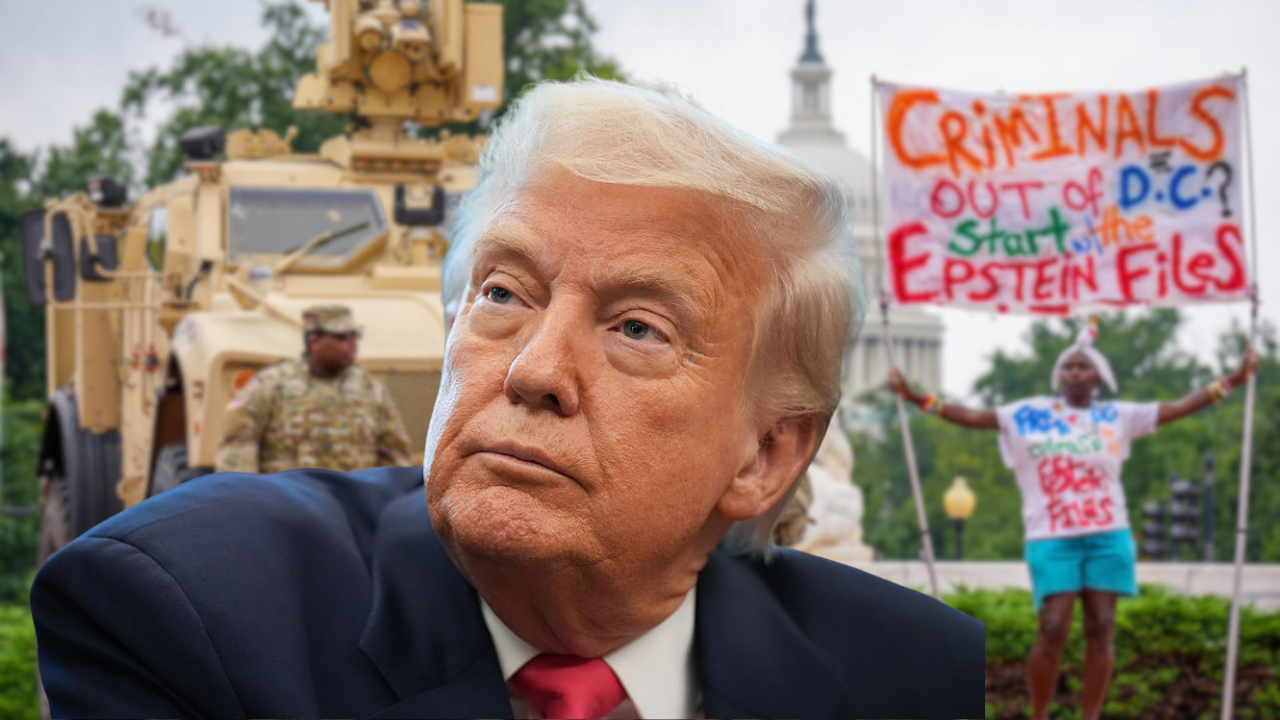
    President Donald Trump’s recent comments describing Washington D.C. neighborhoods as “slums” and a “hellhole” have drawn sharp criticism from residents and leaders, who argue the language reveals a bias against the city’s majority Black population. These remarks come amidst a controversial 30-day federal crime crackdown, which has seen hundreds of federal agents and National Guard soldiers deployed throughout the capital.

    Rhetoric Sparks Outrage and Concern

    Despite local police data indicating a 30-year low in crime rates prior to Trump’s intervention, the President declared a “situation of complete and total lawlessness” and vowed to “get rid of the slums.” When pressed for clarification, White House Press Secretary Karoline Leavitt stated Trump was referring to “the most dangerous communities… where, unfortunately, violence has ravaged these communities.” Trump himself told reporters that D.C. was a “hellhole” before his crackdown, asserting that “now it’s safe” and visitors “are not going to go home in a body bag.”

    Public safety advocate Gregory Jackson, a resident of Ward 8, called Trump’s descriptions “offensive, dangerous, and discriminatory,” emphasizing that D.C. neighborhoods are diverse communities, not “slums.” He highlighted the presence of young families, military personnel, and community-centric individuals in his neighborhood, finding the broad generalizations disrespectful. Courtney Snowden, a former D.C. deputy mayor and sixth-generation Washingtonian, echoed these sentiments, calling the President’s comments “appalling” and stressing that residents are committed citizens contributing to the city’s success.

    Questioning the Motives Behind the Crackdown

    Critics question the administration’s stated concerns about crime and the safety of D.C. residents, suggesting the crackdown is a pretext for a broader power grab. Jamal Holtz, president of the D.C. Young Democrats, pointed out that D.C. isn’t even among the top 10 most dangerous cities nationally. Markus Batchelor, political director at People For the American Way and a D.C. native, warned that using false pretenses to take over local matters and law enforcement in D.C. could be a precursor to similar actions in other cities across the nation.

    Critics argue that instead of collaborating with D.C. Mayor Muriel Bowser and local officials to build on existing progress in reducing crime, the Trump administration has opted for a heavy-handed, tough-on-crime approach. This strategy, they contend, has proven ineffective without complementary community intervention programs and investments, which the Trump administration has reportedly cut, including a $20 million security grant for D.C. and funding for community violence intervention strategies previously supported by the Biden administration.

    The militarization of D.C. streets, with armed National Guard troops and federal officers, is also raising concerns about the psychological impact on residents, particularly Black youth. Jackson noted that this presence reinforces negative stereotypes, making Black individuals feel like suspects rather than citizens. “Now you could just be walking home from school and be interrogated. Some folks are sitting on their porch and have officers running up on them,” he told theGrio, emphasizing how this treatment reinforces the perception that Black people are viewed as threats.

    What are your thoughts on the federal crackdown in D.C. and President Trump’s comments? Share your views in the comments below!

  • Trump Claims D.C. is ‘Safe,’ But Data Shows Otherwise

    President Donald Trump recently declared Washington D.C. “safe again” just a week after announcing a federal crackdown on crime in the nation’s capital. Citing calls from Democrats and others who have reportedly returned to dining out in the city, Trump claimed his actions, including deploying 800 National Guard troops and federalizing the local police, have dramatically improved safety.

    Contradictory Data on D.C. Safety

    However, the narrative of a revitalized D.C. dining scene doesn’t align with the latest data. Despite the President’s claims that restaurants have become “busier” since the crackdown began on August 11, reservation statistics paint a starkly different picture. OpenTable data reveals a significant drop in diners, with reservations down 25% following the announcement.

    The numbers show a clear negative trend: reservations were 27% below 2024 levels the day after Trump’s announcement, and by Wednesday, August 13, they had fallen by 31%. Even by Monday, despite the President’s optimistic statements, reservations remained 20% lower than the previous year.

    Local Officials Disagree with Claims

    D.C. Mayor Muriel Bowser has publicly refuted Trump’s claims, stating that “the facts on the ground don’t support this.” She questioned the logic behind deploying the military to police American citizens and emphasized that the city’s violent crime rates have actually declined to a 30-year low, according to the Metropolitan Police Department.

    Democratic strategist Joel Payne criticized the President’s actions as “stunt tactics in search of a crisis” and “political theater.” Payne suggested that instead of deploying military forces, Republicans could focus on reversing budget cuts to D.C. or supporting statehood, which he believes would offer more sustainable solutions. The deployment, he argued, serves as a pretext for potential authoritarian overreach in other areas.

    Do you believe President Trump’s actions have made D.C. safer? Share your thoughts in the comments below!