Tag: Lifestyle

  • Spring Cleaning Your Dating Life: Ditch Bad Habits

    Spring has sprung, and with it comes a renewed sense of energy and optimism! While you might be busy decluttering your home and wardrobe, it’s also the perfect time for a ‘spring cleaning’ of your dating life. If the colder months left you settling for less, consider this your official reset to ditch outdated habits and embrace a more intentional approach to finding connection.

    The Spring Dating Glow-Up

    Did you know the changing seasons can actually influence our approach to love? As the days get longer and sunlight increases, our bodies naturally produce more mood-boosting serotonin and dopamine. This translates to higher confidence, greater openness, and a desire for more meaningful connections. Suddenly, dating feels exciting again, not exhausting!

    But this seasonal shift isn’t just about feeling good; it’s about setting boundaries. With this fresh energy comes a commitment to protecting your peace and leaving behind behaviors and people who no longer serve you. It’s time to elevate your dating standards and expect the same energy you bring.

    Dating Norms to Leave in Winter

    • **Inconsistent Communication:** If someone only texts when it’s convenient or disappears for days, that’s not mysterious—it’s a red flag. This spring, prioritize clarity and intention in communication. You deserve someone who makes an effort.
    • **Last-Minute Energy:** Spontaneous plans are great, but constant last-minute invites (like a 9 PM “what are you doing tonight?”) show a lack of planning and effort. True effort is the baseline now, so expect someone to plan dates that align with your shared energy.
    • **Situationships Without Direction:** The “let’s just see where it goes” mentality can be a time-waster. Clarity is key for stronger emotional outcomes. If a connection isn’t growing, it’s likely stagnating.
    • **Emotional Unavailability:** Spring is about blooming, not being a placeholder for someone still healing. While compassion is important, don’t sacrifice your own needs for someone who isn’t ready for a genuine connection.
    • **Low-Effort Dates:** While dinner and drinks are classics, spring invites creativity! Think park picnics, art gallery visits, or exploring outdoor markets. If a potential partner isn’t willing to match your energy and creativity, they might not be the right fit.

    Embrace Alignment This Spring

    Ultimately, spring dating is about alignment. It’s about showing up authentically as yourself and expecting the same from the people you choose to spend time with. Update your dating profile, try new experiences, and stay open to possibilities, but never compromise on your standards.

    This season isn’t about entertaining just anyone; it’s about making space for connections that genuinely feel good and contribute positively to your life. So, go ahead, refresh your approach, and get ready for a dating season that truly blossoms!

    What dating habits are you ready to leave behind this spring? What are you looking for in a connection this season? Share your thoughts in the comments below!
  • BTS’s ‘Arirang’ Video Sparks Backlash Over Howard University Depiction

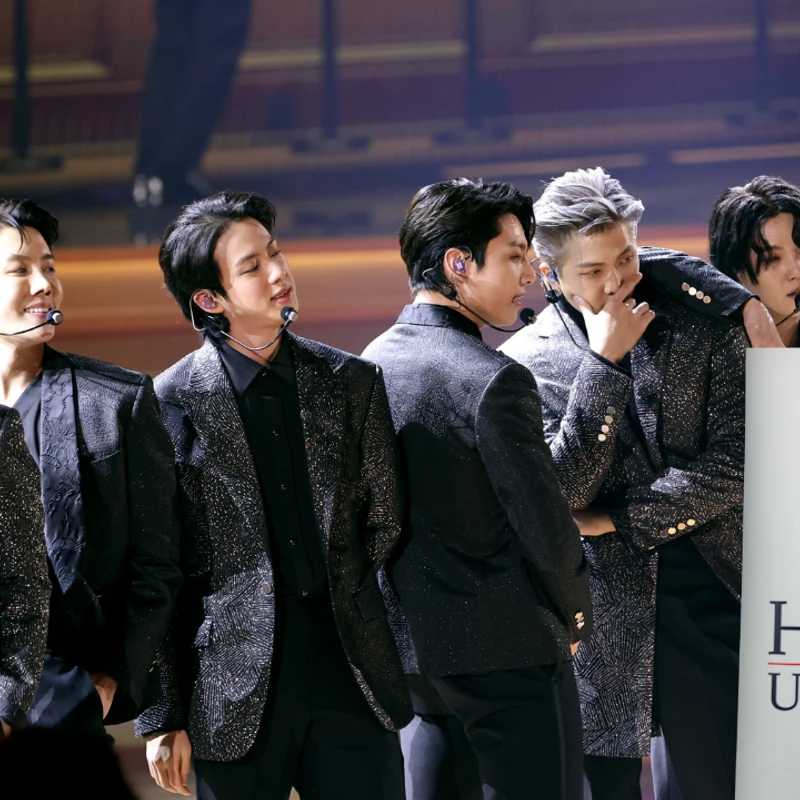
    K-Pop sensation BTS has ignited a social media firestorm with a promotional video for their new album, ‘Arirang.’ While intended to honor a unique piece of history involving Korean students at Howard University, the video’s depiction of the Historically Black University (HBCU) has drawn sharp criticism for its historical inaccuracies and perceived whitewashing.

    Howard University: A Historical Context

    The video references a fascinating historical event from May 8, 1896, documented in The Washington Post, about seven young Korean students who enrolled at Howard University. Stranded and without funds in Vancouver, they sought assistance from the Korean Minister in Washington D.C., who helped them travel to the capital. Howard University, founded in 1867, was established as a crucial educational sanctuary for Black Americans during a time of intense segregation.

    However, the historical context reveals that by 1896, Howard University, while primarily serving Black students, also became a refuge for other marginalized groups facing discrimination. The university’s commitment to diverse backgrounds has always been a cornerstone of its identity. The Korean students were reportedly welcomed and even provided free rooms.

    The Controversy: A Whitewashed Depiction

    The controversy arose when fans noticed that the crowd depicted in the promo video, set on what appears to be Howard’s campus, was predominantly white. This detail felt particularly jarring given that Howard is an HBCU, and in 1896, during segregation, its student body would have been overwhelmingly Black. Fans took to social media to point out this historical inaccuracy.

    BTS’s agency, Big Hit Music, included a disclaimer acknowledging the video as a “modern reimagining” that might “deviate from actual historical events.” Despite this, the visual representation of a predominantly white crowd at an HBCU during that era felt like a significant oversight, particularly to those familiar with the university’s history and mission.

    A Deeper Look at Cultural Inspiration

    The incident also brings to light a broader discussion within the K-Pop community regarding cultural appropriation. Throughout the years, some Korean artists have been inspired by elements of Black culture, leading to debates about whether this constitutes genuine appreciation or appropriation. Fans like Devin L., a Howard University alum and K-pop fan, expressed that K-pop often seems to offer “arm’s-length appreciation” rather than a full embrace of Black culture, despite its clear influences.

    The Korean students at Howard were noted for their singing abilities. Anthropologist Alice C. Fletcher even invited some to her home, where they reportedly made the first known audio recordings of Korean voices and music in the U.S., including the iconic Korean folk song “Arirang.” Howard University, known globally as “The Mecca,” has a legacy of welcoming diverse students and fostering cultural exchange, making the inaccurate depiction in the video particularly poignant.

    What are your thoughts on the BTS ‘Arirang’ video controversy? How important is accurate representation when artists draw inspiration from different cultures and historical settings? Share your views in the comments below!

  • 10 Ways Black Women Can Romanticize Life

    In a world that often feels chaotic and demanding, Black women are reclaiming their power by embracing self-care and intentional living. They’re not just surviving; they’re thriving by actively choosing to make their everyday experiences meaningful and beautiful. This powerful trend, known as ‘romanticizing life,’ is all about finding joy in the mundane and celebrating the present moment.

    What Does It Mean to Romanticize Your Life?

    Forget extravagant gestures or waiting for perfect circumstances. Romanticizing your life, as defined by social media, is about shifting your perspective. It’s choosing to see the beauty and significance in your daily routines, transforming ordinary moments into something extraordinary. This approach encourages us to be present, practice gratitude, and infuse our lives with personal meaning.

    Traditionally, Black women have been taught to prioritize others, often putting their own needs and joy on the back burner. This new mindset is a powerful invitation to make self-celebration a habit and to approach life with a fervor that doesn’t wait for major milestones. It’s about making the ordinary feel extraordinary, on your own terms.

    10 Intentional Ways to Romanticize Your Life

    • **Light A Candle:** Instantly shift the energy of a space and signal to your mind and body that the moment matters.
    • **Make Your Space Beautiful:** Curate your environment with art, organization, or fresh flowers to create a nurturing sanctuary.
    • **Get Dolled Up:** Honor yourself by dressing intentionally, turning everyday errands into a personal runway moment.
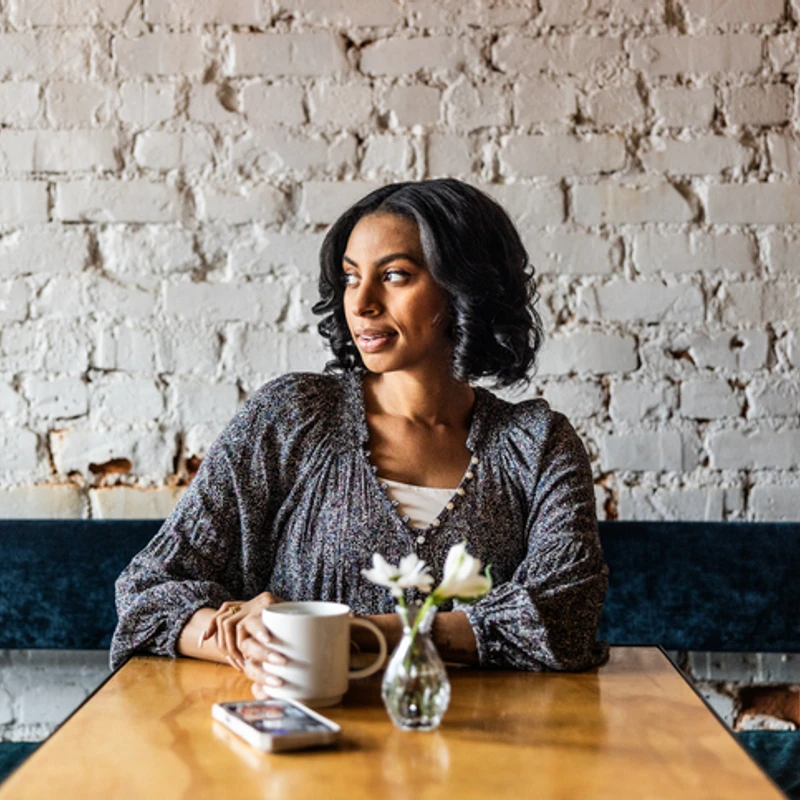
    • **Sip A Warm Beverage Slowly:** Transform your coffee or tea routine into a grounding ritual, savoring the stillness.
    • **Take A Pilates Class:** Connect with your body and mind through mindful movement, making wellness a devotion.
    • **Enjoy and Savor A Meal:** Experience nourishment fully, tasting and appreciating your food instead of eating on autopilot.
    • **Declutter Your Space:** Create mental clarity and emotional ease by clearing physical clutter, making room for peace.
    • **Develop a Beauty Routine:** Engage in daily self-care rituals that reinforce your worthiness of time and attention.
    • **Coffee Shop Solo Date:** Reframe solitude as a luxury, enjoying your own company and sparking creativity.
    • **Celebrate Small Wins:** Recognize progress beyond major milestones and find joy in everyday achievements.

    Romanticizing life isn’t about ignoring challenges or chasing an unattainable aesthetic. It’s about finding beauty in what already exists and cultivating a deeper connection with yourself and your surroundings. This trend feels powerful, necessary, and has the potential to create lasting positive change.

    Which of these ways to romanticize your life resonates most with you? Share your favorite intentional living tips in the comments below!

  • Simone Ledward Boseman on Chadwick’s Private Cancer Battle

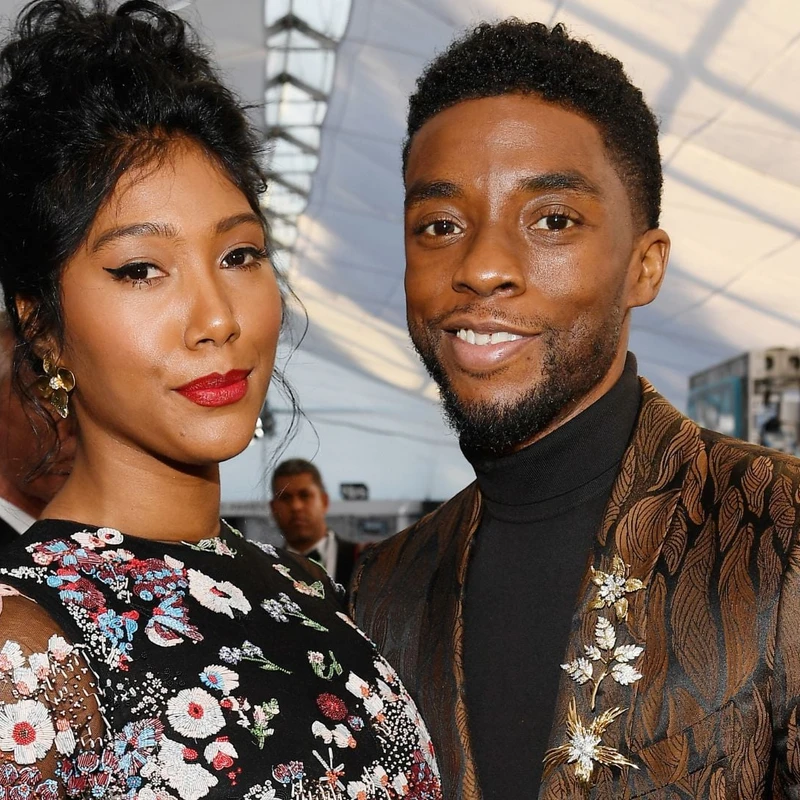
    It’s been nearly six years since the world lost the incredible Chadwick Boseman, but his legacy continues to inspire. Now, his widow, Simone Ledward Boseman, is offering a deeply personal look into his private battle with colon cancer and the reasons behind his decision to keep his diagnosis largely out of the public eye.

    A Sudden Diagnosis

    In a recent interview on “TODAY” with Craig Melvin, Simone revealed that the first signs of illness appeared just weeks before Chadwick’s diagnosis in 2016. She shared that she wasn’t even aware he was feeling unwell until he had already seen a doctor twice, describing the onset as feeling ‘very sudden.’

    Boseman, beloved for his iconic portrayal of T’Challa in “Black Panther,” was diagnosed with Stage 3 colon cancer at the young age of 39. Simone noted that his age made the diagnosis particularly shocking, as he wasn’t yet at an age where he’d typically consider a colonoscopy, highlighting how insidious early-stage cancer can be.

    Hope and Unwavering Commitment to Work

    Initially, the couple faced the challenging news with a sense of optimism, believing Chadwick would overcome the illness. Simone recalled, ‘To us, it was going to be a challenging moment, but something that he would come out on the other side of and be fine.’ There was little discussion about the possibility of a different outcome.

    Remarkably, Boseman continued to pour his energy into his craft throughout his treatment, which included surgeries and chemotherapy. Simone explained that his decision to keep his illness private was a deliberate choice. ‘Chad was not a person that would have wanted to be treated any differently because people knew that he was sick,’ she stated.

    A Year of Remission and a Lasting Legacy

    He experienced a brief remission in 2018, a period Simone described as ‘a beautiful year.’ Sadly, the cancer returned as Stage 4 later that year. Chadwick Boseman passed away in August 2020 at the age of 43, leaving a void felt by fans worldwide.

    Simone’s reflections offer a profound glimpse into Chadwick’s strength, his intentionality, and his unwavering commitment to his work, which she believes was a source of purpose during his toughest times. As she navigates grief, she shared, ‘The edges get less sharp… but it doesn’t go away,’ reminding us of the enduring impact of his life and the love they shared.

    What are your thoughts on Simone Ledward Boseman’s insights into Chadwick’s private battle? Share your reflections in the comments below.

  • Latto’s Pregnancy Announcement Sparks Debate

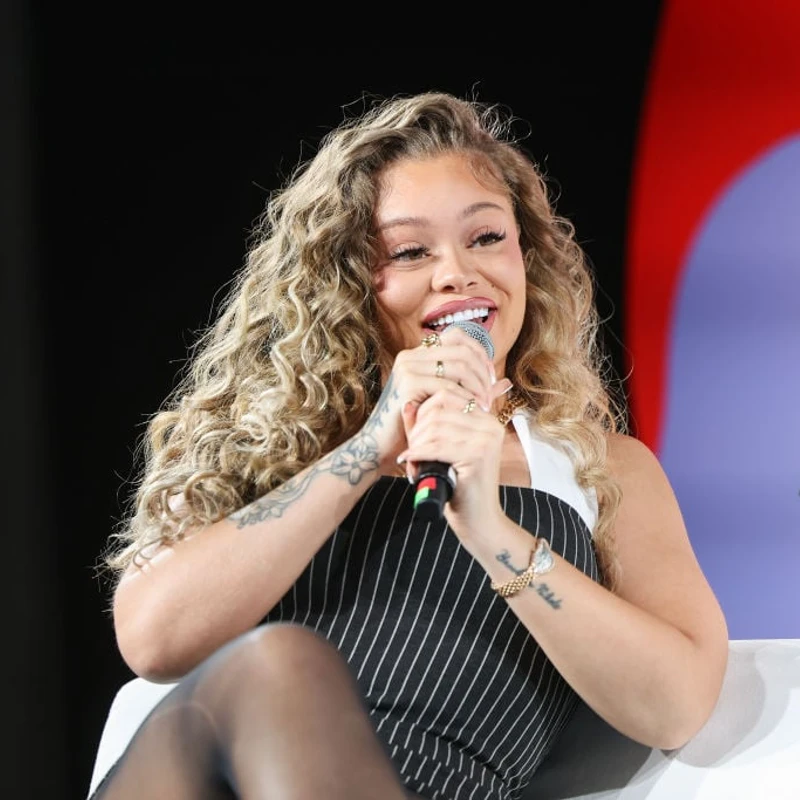
    Rapper Latto, known for her hit song ‘Big Energy’ and the memorable line ‘big mama, no kids,’ is about to become a ‘big mama with a kid’! After months of speculation about her stepping back from the spotlight, the artist confirmed her pregnancy in a unique way: through her new single and upcoming album cover.

    A Musical Announcement

    Latto dropped her new single ‘Business and Personal’ at midnight, where she proudly showcases her baby bump in various scenes. The internet, as it often does, was quick to react. While many fans and fellow stars like Angel Reese offered congratulations, a significant portion of social media users became fixated on a detail in the music video: a male hand cradling Latto’s stomach.

    Speculation Over a Mysterious Hand

    Even though the man’s face was not shown, online sleuths quickly speculated that the hand belonged to fellow rapper 21 Savage, whom Latto has been rumored to be dating for some time. This led to a flurry of online discussions, ranging from debates about the morality of pregnancy outside of marriage to questions about 21 Savage’s rumored marital status.

    Some users even expressed a sense of personal offense that Latto announced her pregnancy without explicitly revealing the father. The focus shifted from celebrating the exciting news of a new life to dissecting relationship statuses and perceived social norms.

    Setting Boundaries in the Digital Age

    The article points out that choosing not to ‘soft-launch’ or fully reveal a relationship is a personal boundary, and in today’s climate, it can even be a survival strategy. With increasing concerns about celebrity safety, the line between fan and threat has become dangerously thin. Female celebrities, in particular, face intense scrutiny and an often-unwarranted expectation to overshare personal details.

    The piece argues that we know these artists through their art, not necessarily their personal lives. The expectation that a public figure owes strangers the intimate details of their relationships simply because they stream their music is a form of entitlement. Given that pregnancy, especially for Black women, remains a dangerous and vulnerable experience regardless of fame or income, the news should be met with celebration.

    What are your thoughts on the online reaction to Latto’s pregnancy announcement? Should the focus be on the baby news or the relationship details? Share your perspective in the comments below!

  • LL Cool J Teams Up with Jeep for 85th Anniversary

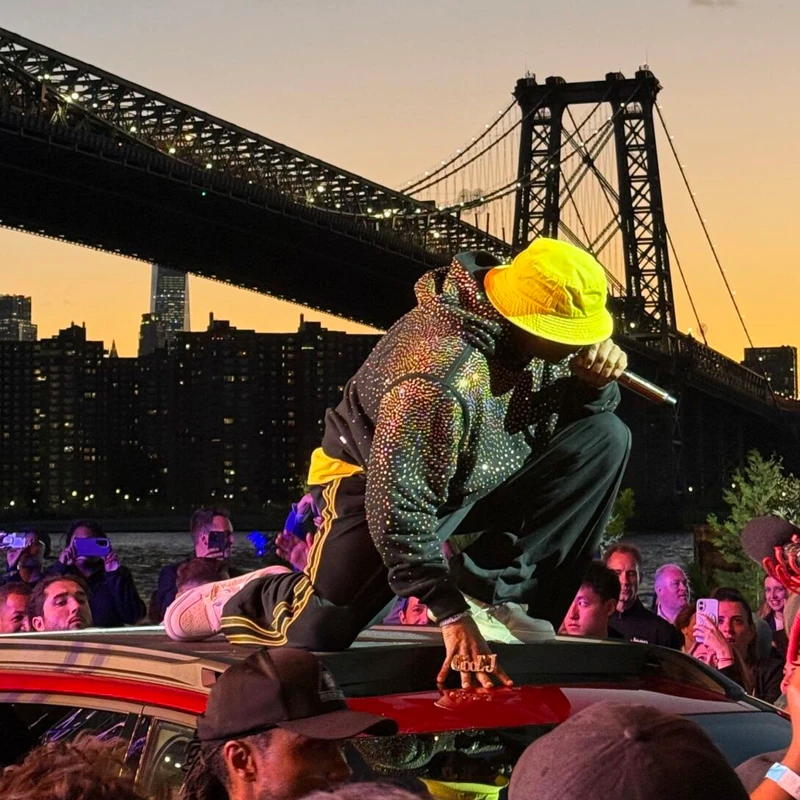
    Hip-hop legend LL Cool J is making a comeback, not just in music, but in the automotive world! In true “Don’t call it a comeback, I’ve been here for years” fashion, the iconic rapper has partnered with Jeep to celebrate the brand’s 85th anniversary. This collaboration aims to connect the storied American automaker with urban auto enthusiasts, leveraging LL Cool J’s enduring legacy.

    A Perfect Match: LL Cool J and Jeep

    For 2026, Jeep is commemorating its 85th year by reimagining its beloved Cherokee models. LL Cool J, a longtime Jeep 4×4 driver himself, expressed his honor in joining the brand. “We go way back, so it’s an honor to be part of the iconic Jeep Cherokee’s return,” he stated. “Our bond is built on mutual respect: style, originality, and always striving for the top.”

    This partnership is a strategic move for Jeep, aiming to bridge the gap between its adventurous heritage and the urban market. LL Cool J’s influence and connection to hip-hop culture make him an ideal ambassador to bring the brand closer to a diverse audience.

    The All-New 2026 Jeep Cherokee

    Building on the Cherokee’s legacy, which dates back to 1974 and pioneered the tall wagon segment that evolved into today’s SUVs, Jeep is investing heavily in its future. The 2026 Cherokee boasts impressive updates, including a fresh design, a combined 37 mpg, a 500-mile range per tank, and a 30% increase in cargo capacity. This efficiency is powered by an all-new 1.6-liter turbocharged 4-cylinder hybrid system with dual electric motors and standard 4WD across all trims.

    The SUV features the Jeep Active Drive I 4×4 system with a rear-axle disconnect, typically used for off-roading. While Jeep emphasizes on-road amenities, this system hints at its adventurous capabilities. The vehicle offers various driving modes via the Selec-Terrain traction management system, including Sand/Mud, Snow, Auto, and Sport. With a longer wheelbase and increased dimensions, the new Cherokee offers enhanced comfort and space for occupants and their gear. The base model starts at an MSRP of $36,995, with various trims like Laredo, Limited, and Overland ranging up to $45,995, including destination fees.

    Introducing the Next-Level 2026 Jeep Grand Cherokee

    Taking things up a notch, the 2026 Grand Cherokee aims to dominate the SUV market. It incorporates the strengths of the Cherokee but elevates them further. The refreshed design features Jeep’s signature 7-slot grille, updated headlights, and tweaked front and rear fascias. Jeep has also simplified the buying process, reducing configurations from 165 to just 10, including the 3-row Grand Cherokee L and a plug-in hybrid option.

    Powering the Grand Cherokee is the new 2.0-liter Hurricane 4 Turbo engine, delivering an impressive 324 horsepower and 332 pound-feet of torque. This engine, derived from motorsports technology, offers robust performance, though a slight turbo lag may be noticeable. Paired with an 8-speed paddle-shifting transmission, it achieves a 529-mile range and a 6,200-pound towing capacity. A 3.6-liter Pentastar V6 is also available. Bob Broderdorf, Jeep brand CEO, highlighted that the Grand Cherokee “continues to drive them forward today,” offering a blend of power, 4×4 capability, and amenities for both daily use and extraordinary adventures.

    Premium Features and Pricing

    For those seeking the ultimate luxury experience, the Grand Cherokee Summit trim is equipped with 21-inch rims, a contrasting black roof, Palermo leather seats, a front-passenger touchscreen, Quadra-Lift air suspension, and a stunning 19-speaker McIntosh premium audio system. New color options like Steel Blue, Copper Shino, and Fathom Blue add to the customization. Pricing for the Grand Cherokee ranges from $40,410 for the base Laredo to $62,190 for the Summit model, including destination charges.

    As LL Cool J aptly put it, “Don’t you call this a regular jam, I’m gonna rock this land.” The 2026 Jeep Cherokee and Grand Cherokee are poised to do just that, blending iconic heritage with modern innovation and a touch of hip-hop swagger.

    What do you think of the new Jeep Cherokee and Grand Cherokee models? Are you excited about LL Cool J’s partnership with the brand? Let us know in the comments below!

  • Black Men Wearing Bonnets: A Practical Choice?

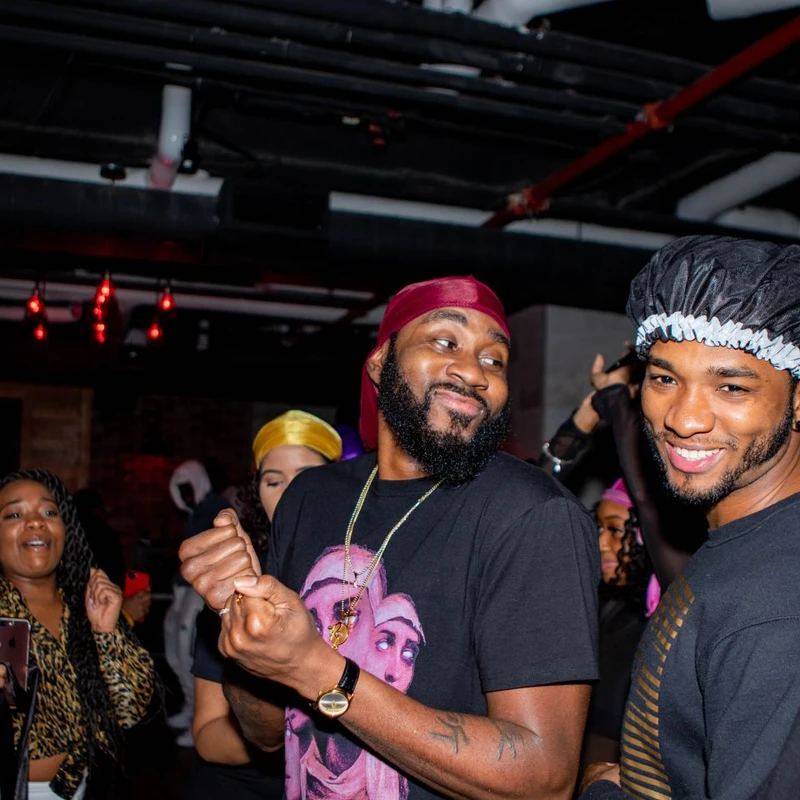
    It seems the conversation around bonnets has officially expanded beyond Black women. Now, some Black men are finding themselves on the receiving end of criticism for wearing them. But for many, especially younger generations, bonnets are simply a practical tool for hair care, much like they are for Black women.

    The Bonnet Debate: Practicality vs. Tradition

    For years, bonnets have been a staple in Black women’s hair care routines, cherished for their ability to retain moisture, protect hairstyles like braids and locs, and prevent friction damage. Now, many Black Gen Z and millennial men are adopting them for the same functional reasons. They see it as a straightforward way to maintain their hair, rather than a fashion statement.

    However, not everyone agrees. Some critics, like content creator Derekius Hawkins, express frustration, questioning why Black men aren’t sticking to more traditional options like durags or wave caps. Hawkins suggested bonnets have become a trend and even implied, without clear reasoning, that wearing them could influence young boys to ‘grow up gay.’ This sentiment has been widely dismissed as illogical.

    Historical Context of Head Coverings

    It’s important to remember that head coverings have a long history in Black male hair care. The durag, for instance, has roots tracing back to the United States and potentially even 19th-century Ethiopian soldiers. Historically, enslaved Africans and laborers used head coverings to protect their hair during work. The durag evolved from a functional item to a symbol of pride and identity during the Black Power movement.

    While durags are effective for compressing hair and maintaining styles like waves, they don’t always offer full coverage for the entire length of the hair. Bonnets, with their more encompassing design, provide greater protection, especially for those with longer hair who want to preserve their styles and prevent damage from dust and friction.

    Why Bonnets Make Sense for Some Men

    • **Fuller Hair Protection:** Bonnets cover more of the hair, protecting the shaft and ends.
    • **Moisture Retention:** Like durags, they help keep hair moisturized.
    • **Style Preservation:** Ideal for maintaining braids, locs, and other protective styles.
    • **Reduced Friction:** Protects hair from damage caused by friction with bedding or other surfaces.

    Many online commentators question why this debate garners so much attention when there are larger societal issues at play. As one user humorously pointed out, ‘Imagine spending your free time… worried about how young men protect their hair… these dudes probably bald at that.’ Content creators like Zavian Malloy humorously defend their choice, stating, ‘Argue with ya mother. Because I’m gonna wear a bonnet every time.’

    Ultimately, the goal for many is simply hair protection. Whether it’s a durag or a bonnet, the function is the same. The focus on gendered expectations for hair care items seems outdated. Black men are increasingly embracing the tools that best serve their hair needs, regardless of traditional norms.

    What are your thoughts on Black men wearing bonnets? Do you think it’s a practical choice or something else? Let us know in the comments below!

  • Dr. Judith Joseph: Finding Joy Amidst Trauma

    You might know Dr. Judith Joseph as the vibrant mental health expert who breaks down complex topics like anhedonia—the inability to feel joy—on social media. But behind her joyful public persona lies a personal journey through a period of profound lack of joy, an experience that ultimately inspired her to create a platform dedicated to mental well-being, especially for Black women.

    From Personal Struggle to Public Platform

    Dr. Joseph shared in an exclusive interview that during a time of personal anhedonia, where external life seemed good but internal joy was absent, she began to question how many others felt the same. She reflected on the tendency to be ‘pathologically productive,’ focusing on ‘doing’ rather than ‘being,’ a common struggle amplified by the collective trauma of the COVID-19 pandemic and ongoing societal pressures.

    The uncertainty of the pandemic, coupled with the national reckoning around racial injustice in 2020, created a period of immense collective trauma. Dr. Joseph noted that many are still grappling with the lingering effects of that uncertainty, yet are often told to simply ‘keep going.’ This resonates deeply, as mental health outcomes in America have seen a concerning decline, with rates of depression particularly high among Black women.

    Making Mental Health Accessible and Culturally Relevant

    Driven by these observations, Dr. Joseph, an award-winning psychiatrist based in New York City, launched her public platform in 2022. Her mission is to address the widespread lack of joy by making mental health concepts accessible and culturally relevant. She breaks down complex ideas in her videos, featured on major outlets, and through her podcast, ‘The Vault with Dr. Judith.’

    Her content ranges from clinical explanations to humorous illustrations, like a video where she dons a beard to discuss relationship dynamics. She has tackled topics such as the public policing of Black women’s joy, using Teyana Taylor’s Oscar appearance as an example, and explained conditions like borderline personality disorder, referencing Doja Cat’s claims.

    The Power of Joy and Resilience

    Dr. Joseph emphasizes that joy is an innate human capacity, encoded in our DNA. She believes that accessing joy is crucial for better physical health, stronger relationships, and more fulfilling careers. This resilience, she notes, is particularly evident in the history of Black women, who have historically found and celebrated joy even amidst immense hardship.

    She acknowledges the current difficulties Black women face, including systemic barriers, DEI rollbacks, and the maternal health crisis. Yet, she remains optimistic: ‘I do think joy is still possible.’ Redefining joy as more than just happiness—including simple acts like taking well-deserved rest—is key. Dr. Joseph argues that joyful individuals are often the ones who drive positive change, inspiring others to seek their own sources of happiness and fulfillment.

    How do you practice joy in your daily life, especially amidst challenges? Share your strategies in the comments below!

  • Gyrl Wonder Gala Celebrates Women of Impact

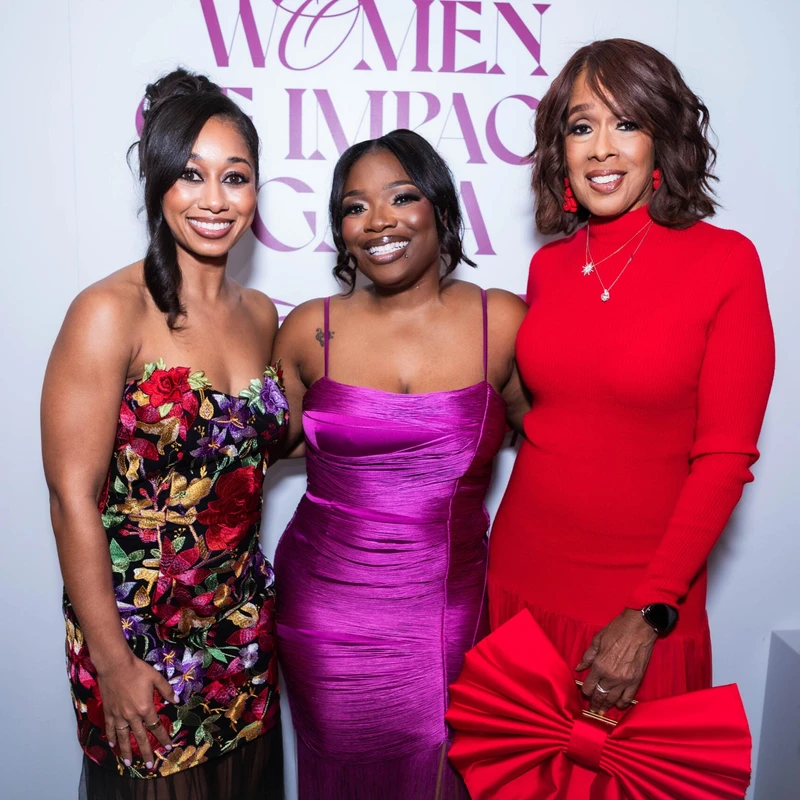
    Imagine a space where ambition, curiosity, and creativity are not just encouraged but actively nurtured. For 11 years, Tola Lawal’s non-profit organization, Gyrl Wonder (GW), has been creating just that – an innovative pipeline for ambitious young women of color. Recently, this incredible impact was celebrated at GW’s inaugural Women of Impact Gala, a night dedicated to honoring trailblazing women and investing in the next generation.

    The Vision Behind Gyrl Wonder

    Founder Tola Lawal describes Gyrl Wonder as the manifestation of her younger self – full of drive but lacking access to the resources needed to explore her potential. “GW is a reflection of what happens when you decide that ‘figuring it out on your own’ shouldn’t be the standard for the next generation,” she shared. It’s more than just a program; it’s community, access, exposure, and the crucial realization for young women that their dreams are not only valid but achievable.

    Through its leadership academy, programming, and scholarships, Gyrl Wonder has positively impacted over 3,500 young women. The Women of Impact Gala marked a significant milestone, celebrating these achievements while reinforcing the commitment to ensuring the doors opened by influential women remain accessible for future leaders.

    Honoring Trailblazers and Future Leaders

    The gala honored remarkable women who have shattered barriers, including media icon Gayle King, Olympic gymnast Jordan Chiles, beauty innovator Danessa Myricks, and Asia Milia Ware. The event also spotlighted outstanding young women from within the Gyrl Wonder organization, showcasing the direct impact of the programs.

    Honorees shared powerful messages. Jordan Chiles encouraged attendees, “You do not have to wait for permission to step into your power. Your voice is needed, your creativity is needed, your leadership is needed.” Danessa Myricks spoke about her brand being a response to those who feel unseen, hoping her presence signifies possibility. The room buzzed with a shared understanding of what it feels like to be overlooked despite immense potential.

    Navigating Challenges, Driven by Impact

    Lawal candidly discussed the challenges of building a nonprofit as a Black founder, navigating systems not always designed with them in mind and constantly advocating for equitable funding. Despite the shifting landscape of DEI commitments and resource challenges, her motivation remains strong. “It’s the emails from girls who landed internships they once thought were out of reach… It’s watching our alum come back and pour into the next generation,” she explained. “That’s where my strength comes from: the community, the transformation, and the responsibility.”

    Supporting Gyrl Wonder is more than just a donation; it’s an investment in generational change. It helps remove barriers related to access, not ambition, empowering young women to confidently step into internships, negotiate salaries, and ultimately, become the women who open doors for others. As Lawal concluded, “That’s the ripple effect of showing up for Gyrl Wonder. It starts with one ‘gyrl,’ but it never stops there.”

    What are your thoughts on the importance of organizations like Gyrl Wonder? How can we better support young women of color in achieving their dreams? Share your insights in the comments below!

  • Content Creators vs. Journalists: The Real Debate

    The lines between content creation and traditional journalism are becoming increasingly blurred, and the resulting debate is heating up. Following influencer Jake Shane’s widely criticized interviews at the Vanity Fair Oscars After Party, many are questioning the influx of content creators into traditional media spaces. This discussion gained significant traction when Tabitha Brown defended her fellow creators, sparking nuanced responses from both sides.

    Creators Defend Their Space

    Tabitha Brown took to Threads to express her support for content creators, stating, “Anybody can make content!” She emphasized that success in content creation doesn’t diminish one’s belonging in elevated spaces, celebrating creators who are “shaking up the world.” Her defense, however, also drew criticism, with some feeling she downplayed the value of traditional journalistic training.

    Comedian Franchesca Ramsey echoed the sentiment of opening doors, acknowledging her own career path benefited from traditional media taking a chance on creators. However, she also noted a concern: “I’ve seen too many influencers on red carpets who clearly aren’t prepared & unfortunately those are the clips that often go viral & perpetuate the idea that creators are undeserving.” She believes outlets should ensure creators are ready for these opportunities.

    Journalists’ Concerns: Job Loss and Eroding Standards

    For career journalists, the frustration runs deep. Jemele Hill, an Emmy-winning sports journalist, acknowledged the creativity of many content creators but highlighted the impact on seasoned Black entertainment journalists who are losing red carpet opportunities due to outlets prioritizing follower counts over journalistic ability. This shift comes at a time when the media industry is facing significant job cuts, with thousands laid off in 2025 alone, including a substantial portion of The Washington Post’s newsroom.

    The core issue for many reporters is not just job security but the erosion of clarity around what journalism truly entails. Journalism’s role is to serve the public, verify information, provide context, and challenge power—tasks that require specific training, ethics, and accountability. Content creation, while valuable for reflecting culture and entertainment, often prioritizes personal branding and speed over depth and accuracy.

    The Value of Different Roles

    The debate isn’t about whether creators have value; many, especially Black creators, possess significant entertainment and reporting skills honed through formal education and self-teaching. They’ve had to forge their own paths in an industry with shrinking entry points. As food influencer Tim Chin noted, “Some of our stories getting to our dreams may be unconventional… but this is our way, it’s a new social tech world….And this is a NEW WAY.”

    Platforms like TikTok and Tubi are increasingly validating this creator-driven path. However, the fundamental issue, as highlighted by La’Janeé a.k.a. The Docket Diva, is the “confusion of standards.” She argues that conflating journalism with content creation diminishes a craft vital for public protection and information, stating, “You can celebrate creators without pretending the standards don’t matter. They do.”

    The Path Forward: Standards and Truth

    Legacy media outlets play a role in this blurring by handing significant cultural moments to personalities who may lack the necessary journalistic discipline. This prioritizes personality and speed over quality and expertise, potentially weakening journalism in the long run. While there’s room for both journalists and creators, coexistence requires clear standards for informing the public. In an era of rapid misinformation, maintaining the integrity and truthfulness of journalism is paramount.

    What are your thoughts on the creator vs. journalist debate? Do you think the lines are becoming too blurred? Share your perspective in the comments below!