Tag: Lifestyle

  • UN Vote on Transatlantic Slave Trade as ‘Gravest Crime’

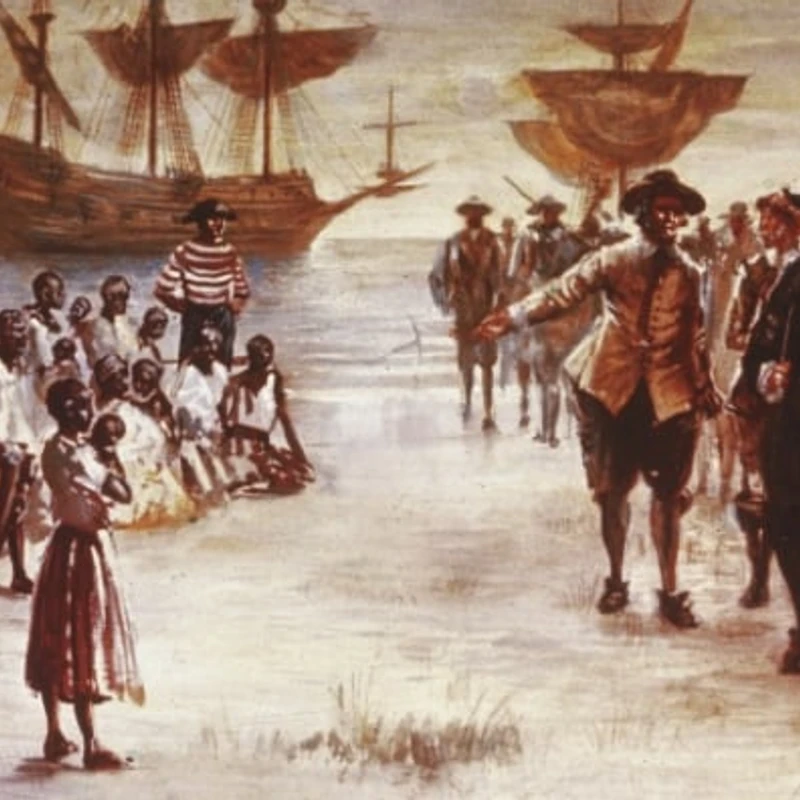
    For centuries, the brutal legacy of the transatlantic slave trade has cast a long shadow, impacting global economies and perpetuating racial disparities. Now, the world stands at a potential turning point. The U.N. General Assembly is set to vote on a resolution that could formally recognize this horrific period as “the gravest crime against humanity,” potentially opening new doors for discussions on reparations.

    A Formal Recognition of Historical Atrocity

    Proposed by Ghanaian President John Dramani Mahama, the resolution aims to provide formal international acknowledgment of the immense suffering caused by the slave trade. From the 1500s to the 1800s, millions of Africans were forcibly captured, endured the horrific Middle Passage, and were subjected to a brutal system of slavery whose profits helped build modern global industries and financial systems. This legacy continues to shape everything from Wall Street to the persistent racial wealth gap.

    Ghana’s Foreign Minister, Samuel Okudzeto Ablakwa, highlighted the ongoing impact, stating, “Many generations continue to suffer the exclusion, the racism because of the transatlantic slave trade, which has left millions separated from the continent and impoverished.” The resolution seeks to move the conversation about restitution from the sidelines into formal international policy.

    The Question of Reparations

    The push for reparations has long been a central demand for descendants of the enslaved. Studies attempting to quantify the economic impact often place the figure between $12 trillion and $14 trillion, considering the racial wealth gap and the value of unpaid labor. Media mogul Robert Johnson has suggested a starting point of $350,000 per eligible descendant, a figure echoed in research by University of Connecticut’s Thomas Craemer, who has also noted that such calculations often don’t include inflation or other compounding factors like denied land or generational discrimination.

    Proponents point to historical precedents where nations have offered reparations, such as Germany for Holocaust victims and the U.S. for Japanese internment camp survivors. If adopted, the U.N. resolution wouldn’t mandate reparations but would strongly urge member states to engage in dialogue about reparative justice. This could include formal apologies, artifact repatriation, financial compensation, and non-repetition guarantees.

    Challenges and Resistance

    Despite support from African Union, Caribbean Community nations, and Brazil, efforts like this have historically faced significant political resistance. Many countries that benefited from slave labor argue that current governments shouldn’t be financially liable for historical crimes. Notably, the European Union and the United States, major beneficiaries of the transatlantic slave economy, have indicated they do not plan to support the resolution.

    Advocates argue this resistance reflects a lack of global consensus on the scale of slavery’s modern impact and what constitutes meaningful accountability. President Mahama also connected this push to a broader global effort to downplay or erase the history of slavery and racism, citing concerns about how Black history is taught and discussed, particularly in the United States. A White House spokesperson, however, stated that former President Donald Trump had provided significant economic opportunities for Black Americans, stopping short of supporting formal apologies or restitution for slavery.

    What are your thoughts on the UN vote regarding the transatlantic slave trade? Do you believe formal recognition will advance the cause for reparations? Share your views in the comments below!
  • Black Leaders on DEI Rollbacks: ‘Backlash’ is Real

    It feels like a familiar story: we make strides forward, only to face a wave of backlash. That’s the sentiment echoing from prominent Black business leaders as corporate Diversity, Equity, and Inclusion (DEI) initiatives face significant rollbacks across America. They’re warning that the narrative around opportunity and progress is under serious challenge.

    A Familiar Pattern of Pushback

    This shift in corporate tone follows actions taken by the Trump administration to scale back federal DEI programs. This has, in turn, influenced both private sector companies and educational institutions. In the wake of these changes, several major corporations have begun to reduce or rework their diversity programs, signaling a broader retreat from inclusion efforts.

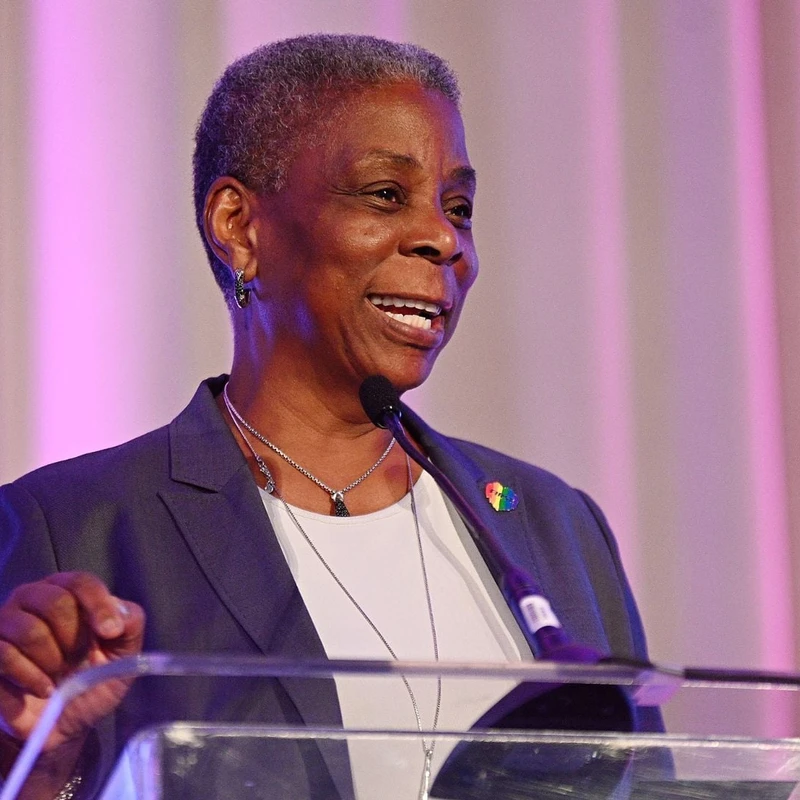
    For seasoned executives like Ursula Burns, this climate is both frustrating and all too familiar. She emphasizes that DEI efforts are crucial for dismantling systemic barriers, not for creating unfair advantages. “We’re talented individuals; we happen to have a skin color or a gender that’s different than the standard,” Burns stated, expressing her frustration at having to defend basic competence and the pursuit of opportunity.

    Historical Parallels and Continued Progress

    Jacob Walthour Jr., CEO of Blueprint Capital Advisors, views the current situation as part of a larger historical pattern. He argues that narratives highlighting Black contributions are often minimized during periods of social and economic advancement. “We make advancements, and then we hit one of these periods where we have to deal with the backlash,” Walthour explained, drawing parallels to eras like Reconstruction and Jim Crow.

    Despite the pushback, these leaders point out that measurable progress is still being made. For instance, there are more Black lawmakers in Congress than ever before, and representation is increasing in fields like venture capital and private equity. The key, they stress, is maintaining visibility and control over this progress.

    DEI as a Business Imperative

    Data is increasingly supporting the business case for diversity. Lisa Wardell highlighted that diverse teams aren’t just a moral goal; they are a proven advantage. “We now have data… 87% of teams make better choices if they’re diverse,” she shared, framing inclusion as a critical business imperative rather than a charitable act.

    Furthermore, new data reveals a continued surge in Black entrepreneurship, with Black women leading the way as the fastest-growing group of business owners. As the debate around DEI continues, many executives are urging a focus on long-term impact and economic growth, rather than short-term political shifts.

    What are your thoughts on the current state of DEI in corporate America? Share your perspective in the comments below!

  • Love Is Blind Star Wins $25K for Botched Baby Shower

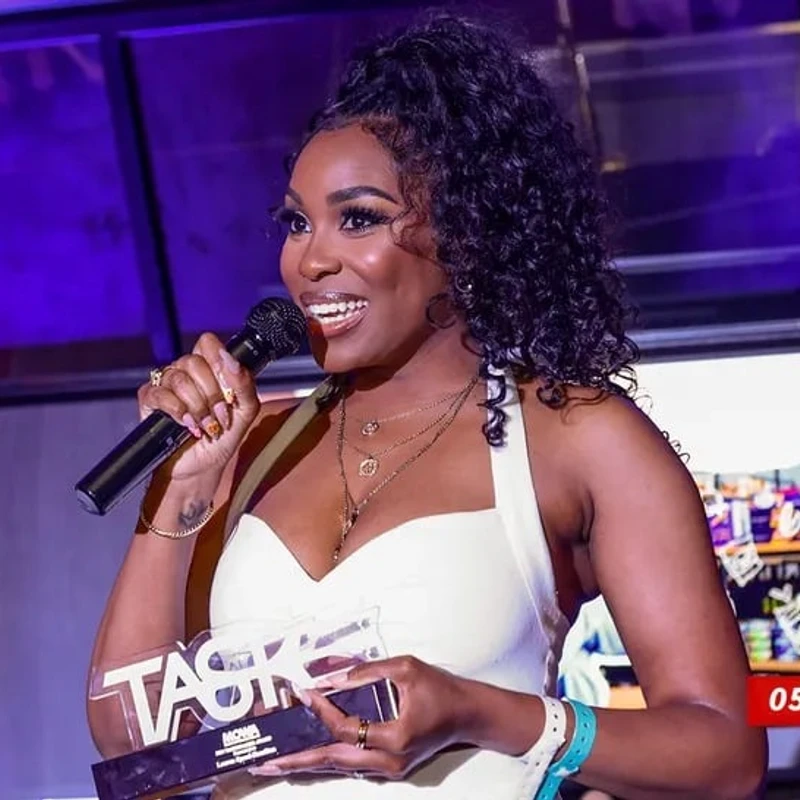
    Ever planned an event that just didn’t go as expected? For “Love Is Blind” star Lauren Speed-Hamilton, a dream baby shower turned into a costly nightmare, leading to a significant legal victory. She recently won a $25,000 judgment against an event planner after the celebration fell far short of the luxury experience she paid for.

    The Promise of a Luxury Baby Shower

    Lauren Speed-Hamilton, a fan favorite from the first season of Netflix’s “Love Is Blind,” entrusted event planner Marissa Lozada with her special day. She shelled out over $13,000 for what was advertised as a high-end, full-service baby shower. The expectation was a seamless, elegant event to celebrate her upcoming arrival.

    However, the reality of the August 2025 event was a far cry from the promise. According to court documents, the shower started almost an hour late. Guests experienced visible disorganization, with staff scrambling to set up, and the décor was incomplete. It was a far cry from the luxury experience Lauren had paid for.

    When Things Go Wrong: The Lawsuit Unfolds

    Adding to the disappointment, Lauren alleged that the event planner, Marissa Lozada, didn’t take accountability for the mishaps. Instead, she reportedly downplayed the issues, leaving Lauren feeling unheard and unsatisfied. This lack of resolution prompted Lauren to seek a 40% refund via a demand letter in September 2025.

    When the refund request didn’t resolve the situation, Lauren took the matter to court. The lawsuit detailed the alleged failures of the event planning service, highlighting the discrepancy between the promised luxury and the actual chaotic experience.

    A Default Judgment and a Legal Victory

    The court ultimately ruled in Lauren Speed-Hamilton’s favor. Because the event planner, Marissa Lozada, did not respond to the lawsuit, a default judgment was entered. This legal outcome awarded Lauren nearly $25,000, which covered not only the damages incurred but also attorney’s fees.

    This legal win comes after a significant personal milestone for Lauren and her husband, Cameron Hamilton. The couple, who famously met and married on “Love Is Blind,” welcomed their first child, a son named Ezra, in October 2025. It’s a testament to their enduring success story from the show.

    Will the Dispute Continue?

    While Lauren has secured a legal victory, the situation might not be entirely closed. The event planner has indicated an intention to challenge the claims, stating she disagrees with the accusations and believes the full context needs consideration. This suggests there could be further legal proceedings.

    Have you ever had an event planner fail to deliver? Share your experiences in the comments below!

  • 50 Black Queer Queens Ruling Our Hearts!

    As a wise woman once said, “I’m a literal Black queen.” And that sentiment perfectly captures the essence of why we’re dedicating this Women Crush Wednesday to 50 phenomenal Black queer women who are absolutely dominating our hearts and minds. These queens aren’t just having a moment; they are a movement, leading culture with their talent, confidence, and undeniable appeal.

    Celebrating Icons and Trailblazers

    From chart-topping musicians to groundbreaking actors and influential figures, this list is a testament to the power and diversity within the Black queer community. When artists like Doechii confirm their place in the LGBTQIA+ community, it sends ripples of inspiration, reminding us all that Black queer women are at the forefront, shaping our world with their artistry and authenticity.

    This week, we’re diving deep into our wildest fantasies to celebrate 50 of the hottest Black queer women who embody main character energy. They are artists, activists, athletes, and innovators, each leaving an indelible mark on their respective fields and inspiring countless others along the way.

    A Movement of Talent and Confidence

    1. Doechii
    2. Sydney Colson
    3. Queen Latifah
    4. Jerrie Johnson
    5. Alexandra Shipp
    6. Isis King
    7. Kehlani
    8. Nat Marshall
    9. Courie
    10. Ty Young
    11. Natasha Howard
    12. Janelle Monae
    13. Robin Roberts
    14. Tam Young
    15. Kiersey Clemons
    16. Wanda Sykes
    17. Willow Smith
    18. Sophia
    19. Jamilla and Que Svansson-Brown
    20. Honey Wheat
    21. Jozzy
    22. Chelsea Gray
    23. Jewell Loyd
    24. Jari Jones
    25. Nalu
    26. Nicole Williams
    27. Cynthia Erivo
    28. Lena Waithe
    29. Michelle
    30. KyannaAlexandra
    31. KC Artis-McCoy
    32. traveling.auntie
    33. Sharnika and Mahala Powers
    34. Tia Hogue
    35. Nique
    36. Tinashe
    37. Niecy Nash-Betts
    38. Jessica Betts
    39. Porsha Williams
    40. KWN
    41. Victoria Monet
    42. Jasmin A. Robinson
    43. DJ Passion
    44. Racquel Simone
    45. Sydney Mack
    46. Wellness.liss
    47. Morgz
    48. Lana Ja’Rae
    49. Choyce Brown
    50. The Innovator Wives

    This list represents just a fraction of the incredible Black queer women making waves. Each one is a testament to resilience, creativity, and the power of living authentically. They are breaking barriers, challenging norms, and inspiring future generations to embrace their true selves.

    More Than Just a Moment

    From the music charts to the silver screen, from the sports arena to the halls of activism, these women are proving that Black queer talent is not just a trend, but a fundamental force shaping our culture. Their confidence, their artistry, and their unwavering commitment to authenticity are what make them true icons.

    We celebrate their achievements, their courage, and the joy they bring into the world. They remind us that representation matters and that embracing our identities is the ultimate form of power.

    Who are your favorite Black queer queens dominating the culture right now? Did we miss anyone on our list? Share your must-know names in the comments below!

  • Alexia Moore Case: Why Black Women Must Pay Attention

    Imagine facing a murder charge simply for making a deeply personal decision about your own body. This is the stark reality for Alexia Moore, a Black woman in Georgia whose case is sending shockwaves through reproductive justice circles and should be on the radar of Black women everywhere. It’s a chilling reminder of the battles being fought for bodily autonomy.

    The Details of the Alexia Moore Case

    Alexia Moore, a mother of two and a military veteran, was arrested on March 4th and charged with murder. This charge stems from the suspicion that she used medication to induce her own abortion. The situation unfolded after she sought emergency care in late December for severe abdominal pain, where doctors delivered a premature baby who sadly survived for only a few hours.

    Prosecutors allege Moore used Misoprostol, a common medication for abortions, along with pain pills. She was reportedly brought to the ER by a friend after experiencing extreme pain. A hospital security guard, who also happened to be a retired law enforcement officer, filed the initial report that led to her arrest.

    Legal Battles and Questionable Evidence

    Moore was released on a $2,001 bond on March 23rd. The symbolic extra dollar was noted by judges who expressed skepticism about the strength of the murder charge, especially given the apparent lack of evidence. She faces charges including malice murder and possession of controlled substances.

    This case could potentially test Georgia’s six-week abortion ban, enacted in 2019. However, the legal proceedings are already raising serious questions about the interpretation and application of the law, particularly concerning the classification of Misoprostol.

    Misoprostol: Medication, Not a Controlled Substance

    Reproductive justice advocates are pushing back hard against the narrative. Monica Simpson, executive director of SisterSong, clarified that Misoprostol is *not* a controlled substance in Georgia. It’s an FDA-approved medication used for various reproductive health needs, including abortion care and miscarriage management.

    Pregnant people have a legal right to access it. When healthcare providers and prosecutors misrepresent the law to criminalize pregnant people, they are not upholding the law. They are weaponizing it. — Monica Simpson, Executive Director of SisterSong

    Simpson and others argue that Moore’s case is an example of healthcare laws being weaponized to criminalize pregnant individuals, particularly Black women.

    A ‘Canary in the Coal Mine’ for Black Women

    Karen Thompson, legal director for Pregnancy Justice, views this case as a critical warning sign. She stated that while Black women have long faced the criminalization of their reproductive health decisions, the pace and intensity are increasing, especially after the fall of Roe v. Wade in 2022.

    Thompson explained that the removal of federal protections has allowed states like Georgia to enact stricter bans, creating barriers to care and increasing the fear of legal consequences for seeking healthcare. This, she warns, will likely worsen maternal mortality rates, which disproportionately affect Black women.

    Reproductive Justice vs. Reproductive Rights

    The case underscores the importance of understanding reproductive justice, a concept rooted in the experiences of Black women. It goes beyond just the right to access abortion; it encompasses the right to have children, the right not to have children, and the right to parent children in safe and healthy environments. Criminalizing self-managed healthcare, advocates argue, does not protect families but rather endangers them.

    The Alexia Moore case highlights a critical fight for reproductive justice. What are your thoughts on the charges she faces and what this means for reproductive freedom? Share your perspective in the comments below.

  • Jay-Z’s Candid GQ Interview: Key Takeaways

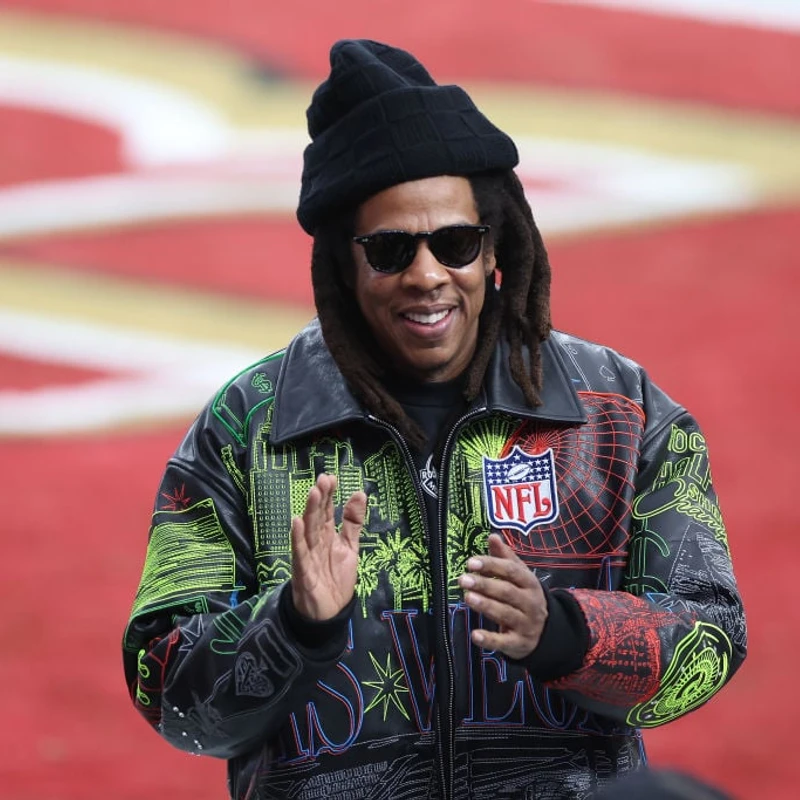
    It’s been nearly a decade since Jay-Z has given such an intimate and extensive interview, but fresh off selling out Yankee Stadium, HOV sat down with GQ for his first long-form conversation since 2017. In a surprisingly candid discussion with journalist Frazier Tharpe, the notoriously press-shy rapper opened up about a range of topics, from family life and rap rivalries to serious allegations. Here are eight key takeaways from this revealing conversation:

    1. Heartbroken and Enraged by Rape Allegations

    Jay-Z spoke candidly about the impact of a recent lawsuit alleging sexual assault. He described the experience as “hard. Really hard. I was heartbroken.” He expressed frustration with the current climate where consequences seem overlooked, stating the lawsuit “took a lot out of me.” Jay-Z admitted to feeling “uncontrollable anger,” emphasizing the gravity of such accusations and the need for certainty before making them.

    2. Beaming with Pride Over Blue Ivy’s Work Ethic

    Watching his daughter, Blue Ivy, transition from a cute cameo to a commanding stage presence has been a source of immense pride for Jay-Z. He was particularly impressed by her dedication to her dance performances during Beyoncé’s Renaissance and Cowboy Carter tours, noting it was the first time he saw her truly “fight” for something. Despite her natural talent as a pianist, he appreciates that she pursued dancing as a passion, not a chore.

    3. Unbothered by Drake vs. Kendrick Lamar Beef

    When the highly publicized rap beef between Drake and Kendrick Lamar erupted, Jay-Z found himself name-dropped and drawn into the online narrative. However, he expressed amusement and a distinct lack of concern about being pulled into someone else’s conflict. “What do I care about them two guys battling? What’s that got to do with me? Have at it,” he said, laughing. He playfully asserted his status, stating, “I’m f—king Jay-Z! … I’m f—king Hov. Respectfully.”

    4. Mixed Feelings About Present-Day Rap Beefs

    While acknowledging he participated in rap beefs in his youth, Jay-Z, now 56, finds himself less enthusiastic about them today. He believes that while the “sparring” can be exciting, the current landscape, especially with social media, brings too much negativity and can harm artists’ growth. He dislikes how these feuds can turn into personal attacks on character and wishes artists could generate similar excitement through collaborations instead.

    5. Regrets His Beef with Nas

    Reflecting on one of hip-hop’s most legendary rivalries, Jay-Z admitted he regrets his feud with Nas. He shared that the tensions had been “brewing” for years, leading to iconic tracks like “Takeover” and “Ether.” Ultimately, he expressed genuine fondness for Nas, calling him “a really nice guy” and acknowledging that “it takes growth to arrive at this place.”

    6. Stands Behind Super Bowl Halftime Show Choices

    Since Roc Nation began curating the Super Bowl halftime show, Jay-Z has faced criticism for his artist selections, from conservatives questioning Hispanic artists like Bad Bunny to hip-hop fans debating Kendrick Lamar’s solo headlining debut. Jay-Z remains unfazed, believing in showcasing “music in its totality.” He defends his choices by highlighting the global fame of the artists, stating he selects “the most famous people in the world” rather than lesser-known indie artists.

    7. Proud of J. Cole, Shuts Down Relationship Narrative

    Despite fan speculation about a strained relationship between Jay-Z and J. Cole, particularly after Cole’s “Old Dogs” track mentioned “no more record deals,” Jay-Z expressed immense pride in Cole’s journey. He clarified that their relationship isn’t negative, stating, “I’m actually super proud of him and what he’s done.” Jay-Z believes in allowing artists their own expression and journey, explaining that his approach with Cole was about letting him find his own way.

    8. Not Letting the ‘Billionaire = Bad Morals’ Narrative Stick

    As Jay-Z has achieved billionaire status, he’s encountered critics who argue that immense wealth is inherently corrupting. He firmly rejects this notion, stating, “I don’t give a f—k what you say. You can believe what you want to believe.” Jay-Z believes morality is defined by the individual, not by a dollar amount, calling the argument a “cop-out” that allows people to demonize a group without addressing systemic issues. He emphasized that his success was hard-earned “in spite of the way the system is set up,” and he uses his platform to help others.

    What was the most surprising revelation from Jay-Z’s GQ interview? Share your thoughts in the comments below!

  • The Ironic Rise of ‘He’s a Good Man, Savannah!’

    You’ve seen it everywhere – TikToks about amazing first dates, Threads comments praising thoughtful husbands, and Instagram Reels celebrating men who make women feel truly seen and cherished. The phrase that pops up like clockwork? “He’s a good man, Savannah!” It’s become the internet’s go-to affirmation for a man who’s genuinely stepping up. But here’s the kicker: the original context of this line is hilariously, and perhaps sadly, ironic.

    The Original Context: Not So Good

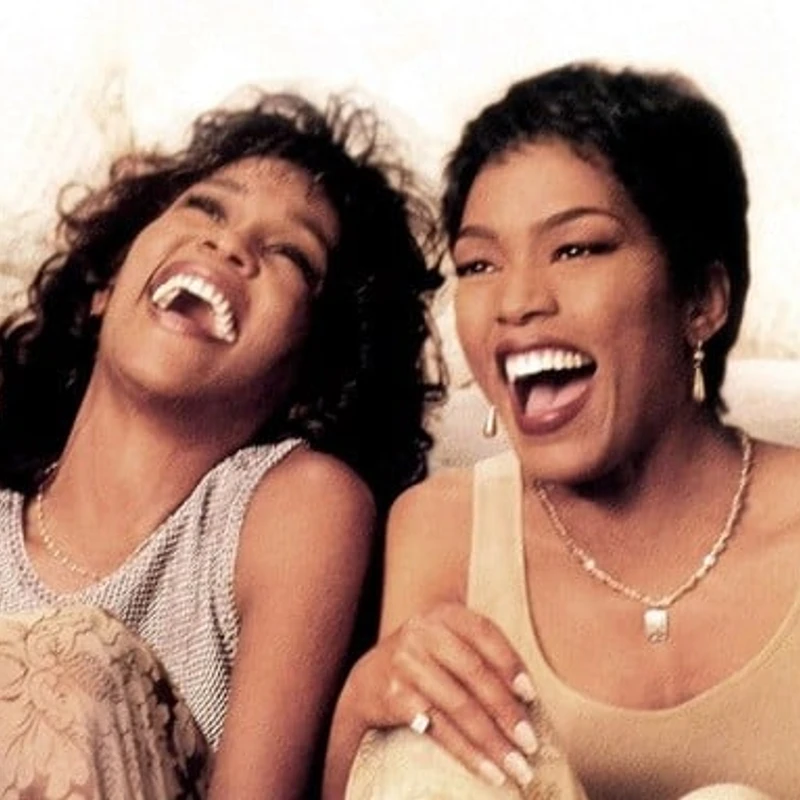
    In the 1995 classic film “Waiting to Exhale,” based on Terry McMillan’s novel and directed by Forest Whitaker, the line comes from Savannah’s mother. Savannah (played by Whitney Houston) is involved with Kenneth (Dennis Haysbert), a married man who repeatedly promises to leave his wife but never does. Her mother urges patience, reflecting a societal pressure from that era where simply having a partner was often seen as a form of security.

    The quote, “He’s a good man, Savannah. A good man. He’s just in a terrible situation,” is meant to push Savannah to settle. However, in the film, Kenneth is far from a “good man” by modern standards. He’s not publicly choosing Savannah, nor is he offering any real commitment or timeline. What her mother perceives as goodness is merely the familiar comfort of having a man, even one who isn’t truly available.

    A Shift in Meaning: Modern Love and Agency

    The fascinating part is how this quote has been reborn online. Today, when women use “He’s a good man, Savannah!” they mean it literally. They’re celebrating men who are passionate, transparent, devoted, and genuinely loving – qualities that were often sacrificed in the past for the sake of partnership. The quote now reflects a modern understanding of relationships, one that emphasizes mutual respect and emotional safety.

    This shift is a testament to decades of progress in women’s rights, agency, and conversations around emotional labor, boundaries, and healthy partnerships. The struggles of the four main characters in “Waiting to Exhale” – Bernadine (Angela Bassett) prioritizing her husband’s success, Gloria (Loretta Devine) facing loneliness, Robin (Lela Rochon) breaking negative patterns, and Savannah ultimately choosing herself – paved the way for these new expectations.

    The Decline of Bad Marriages

    The data supports this evolution. Recent U.S. Census Bureau figures show that only about 46% of American households are led by married couples, a significant drop from the 78% in the 1950s. While it might seem like marriage is declining, it’s more likely that *bad* marriages are becoming less acceptable. Women are increasingly unwilling to settle for relationships that don’t meet their needs for respect, partnership, and genuine love. Even Savannah’s mother, in today’s climate, might agree that settling for less isn’t the answer.

    What do you think about the evolution of the “He’s a good man, Savannah!” quote? Share your thoughts on modern relationships in the comments below!

  • Jesse Jackson’s Daughter Denies Spreading Family Drama

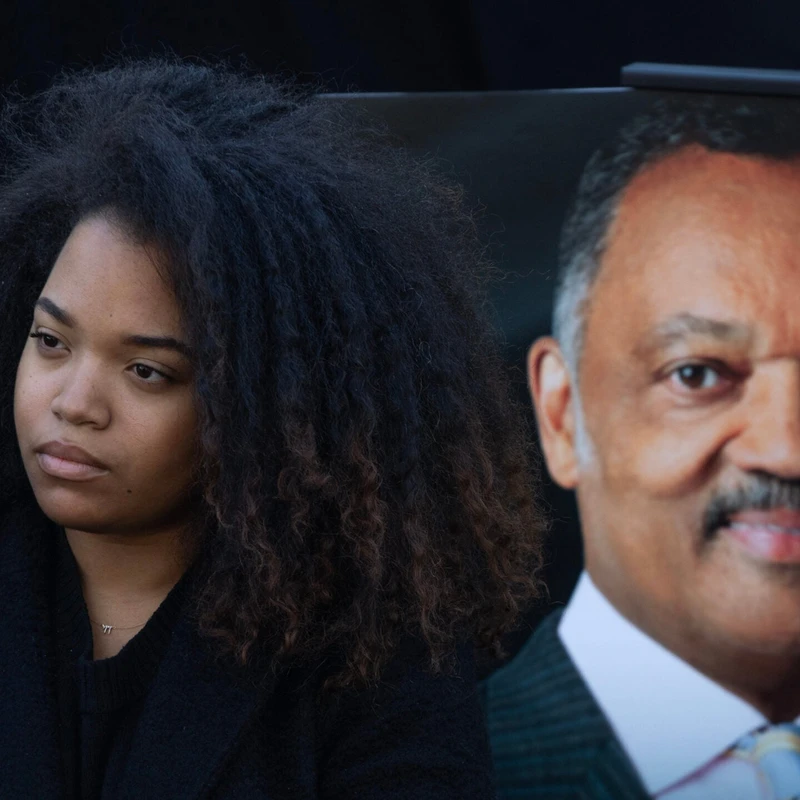
    In the wake of the passing of civil rights icon Rev. Jesse Jackson, his youngest daughter, Ashley Laverne Jackson, is stepping forward to set the record straight. She’s pushing back against false narratives and fabricated stories circulating online that falsely attribute statements to her regarding family matters and her father’s estate.

    Setting the Record Straight

    Following her father’s memorial service, Ashley took to Instagram to issue a clear statement. She emphasized her commitment to preserving her peace and voice, stating unequivocally that she has made no public comments about familial issues. She warned that any website, account, or individual claiming to have quotes from her is entirely fabricating them.

    Ashley described these false statements as “defamatory” and designed to spread misinformation and harm her reputation, as well as that of her family. This comes after several blog posts, particularly on Facebook, have spread rumors about the Jackson family, including incorrect details about Jesse Jackson’s estate, his will, and even suggesting Ashley and her mother were considered “unwanted baggage” and excluded from private services – claims she has proven false.

    Navigating Grief with Dignity

    The civil rights leader passed away on February 17 at the age of 84 after a battle with progressive supranuclear palsy. Ashley stressed that while her family is in the public eye, they are still human beings experiencing profound loss. She called the act of weaponizing their pain for social media engagement or peddling false narratives “predatory.”

    She reiterated that any words attributed to her that aren’t shared directly on her verified platforms or in an official interview are not hers. Ashley’s current focus is on navigating her grief privately, supporting her family, and honoring her father’s immense legacy with the dignity and care it deserves.

    A Note on the Memorial Service

    While Ashley is focused on family privacy, it’s worth noting that Rev. Jackson’s memorial service did involve some public discussion. Reports indicate that Jesse Jackson Jr. voiced criticism regarding remarks made by former Presidents Barack Obama and Joe Biden during the service, suggesting they used the occasion to target then-President Donald Trump. Jackson Jr. stated that these presidents “do not know Jesse Jackson” and that his father’s prophetic voice was never about partisan politics but about advocating for the marginalized.

    What are your thoughts on Ashley Jackson’s statement and the importance of respecting family privacy during times of grief? Share your views in the comments below!
  • Krystal Hardy Allen: Travel as Wellness for Black Women Leaders

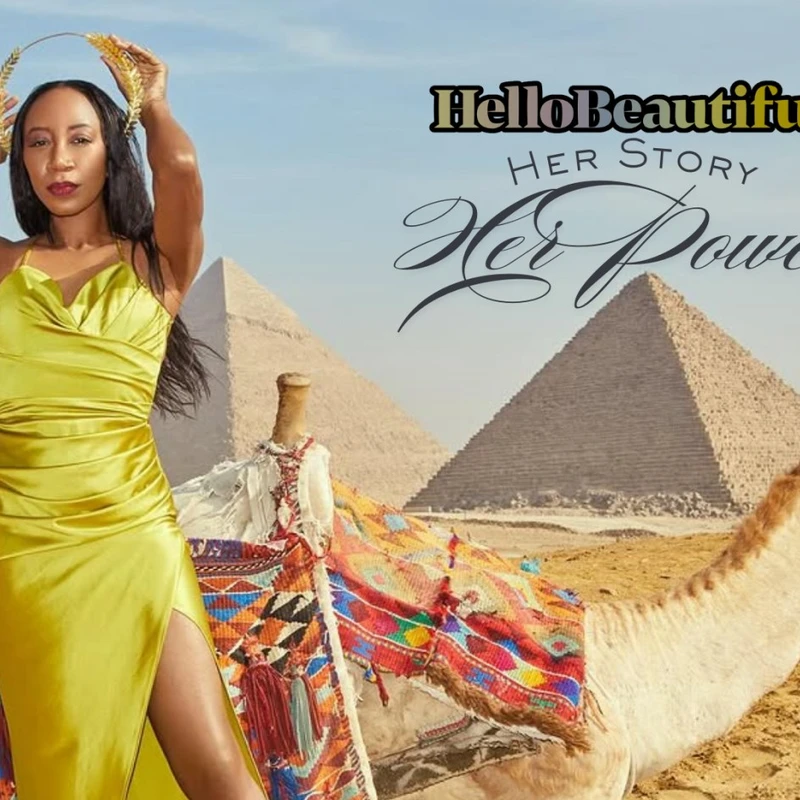
    In a world that often demands constant output from Black women, especially those in leadership roles, finding ways to recharge and reconnect is crucial. Krystal Hardy Allen, a prominent leader and entrepreneur, has found a powerful solution: intentional travel. For her, stepping onto a plane isn’t just about escaping; it’s a sacred act that represents possibility, freedom, and a vital component of her wellness and leadership strategy.

    Travel as Sacred Freedom

    Growing up in Selma, Alabama, a town rich with history, Krystal has a deep understanding of the historical context for Black women navigating the world. She describes travel as a sacred experience because it symbolizes a freedom that wasn’t always readily available. Before each flight, she prays, reciting Psalm 91 for assurance and safety for everyone on board. This ritual allows her to fully embrace the experience, whether exploring a new destination or deepening her appreciation for a familiar one.

    For Krystal, travel shifts her perspective from one of limitations to abundance. She finds God in nature, new cultures, and the sheer wonder of global transportation. It’s a reminder that life is bigger than daily responsibilities and that joy and curiosity are as vital as ambition for a thriving leader. This practice helps her shed the weight of expectations and return home feeling renewed and better equipped to handle her many roles.

    Refilling the Cup: Travel as a Leadership Strategy

    As a CEO, Krystal’s days are packed with meetings, speaking engagements, strategic planning, board governance, and supporting others. While she cherishes her work, she’s learned that constant giving without refilling leads to burnout. Travel has become her intentional way to replenish her energy and perspective. It provides the necessary distance from daily demands, allowing for reflection and clarity.

    She emphasizes that self-care and wellness aren’t afterthoughts but intentional practices woven into her year. Many of her most innovative ideas and clearest insights have emerged when she’s been away from her work. This allows her to lead from a place of clarity rather than exhaustion, benefiting not only herself but also her husband, family, clients, and the communities she serves. Travel is, therefore, a crucial part of her wellness strategy, enabling her to thrive as a Black woman in a world not always designed for her holistic well-being.

    Global Sisterhood and Deepened Identity

    Krystal’s travels, including profound experiences in places like Egypt and Switzerland, have deepened her connection to faith, legacy, and identity. Standing in ancient sites reminds her of her place in a larger historical narrative and inspires her to build a meaningful legacy that will endure. These moments foster stillness, deepen her faith, and strengthen her identity as a Black woman by highlighting the global reach of Black history and influence.

    She believes that rest, luxury, and exploration are not indulgences but necessities for Black women leaders. Historically, Black women have carried immense burdens, often taught that rest is optional. Krystal advocates for embracing softness, joy, and quality time with loved ones as forms of restoration. This approach allows for healing, reclaiming what history has tried to deny, and leading from a place of wholeness and inspiration.

    The Power of Traveling Together

    Traveling with other high-achieving Black women amplifies these benefits. Krystal describes these journeys as sacred spaces where powerful women can laugh, share stories, reminisce, reflect, and heal together. It’s a reminder that they are more than their titles and responsibilities. This global sisterhood involves encouraging each other to rest, celebrating wins, and holding space for challenges, reinforcing that they are not alone on their journeys.

    Experiencing different cultures and ways of life expands leadership and creativity. Krystal returns to her work with fresh ideas, renewed energy, and a bolder vision, inspired by the diverse approaches to life, art, education, and leadership she encounters globally. Travel reminds her that the world is vast and that there are countless ways to build systems, lead people, and create impact.

    What are your thoughts on Krystal Hardy Allen’s perspective on travel and wellness? How do you prioritize rest and exploration in your own life? Share your experiences in the comments below!

  • Nia Long Seeks Protection from Alleged Stalker

    It’s unsettling when personal safety is threatened, and actress Nia Long is currently navigating a difficult situation. She has officially filed for a restraining order against an individual she claims has been persistently stalking her for over two years, leading to repeated incidents at her Los Angeles home.

    Allegations of Harassment and Unwanted Attention

    According to court documents, the woman named in the filing, Carrie McDonald, allegedly believes she is in a romantic relationship with Long – a notion the actress vehemently denies. The alleged harassment includes persistent unwanted gifts, such as cards and flowers, and multiple uninvited visits to Long’s residence.

    The situation reportedly escalated on March 21st when McDonald allegedly appeared at Long’s home and rang the doorbell. This led to police being called to the scene, and McDonald was subsequently arrested. This wasn’t an isolated event; Long also detailed an incident from 2024 where McDonald allegedly showed up at her home late at night demanding entry.

    Protecting Family and Seeking Long-Term Safety

    In her filing, Nia Long expressed serious concerns for the safety of her immediate family, including her two children and her mother. She requested that the protection extend to them as well, highlighting the pervasive nature of the alleged threat.

    While a judge has currently denied the temporary restraining order, a crucial hearing is scheduled for April. At this hearing, both parties will have the opportunity to present their evidence, and the court will then decide whether to grant a more permanent protection order. This case underscores the ongoing challenges public figures face regarding personal safety and the serious issue of stalking.

    What are your thoughts on celebrity safety and the legal measures taken to address stalking? Share your perspective in the comments below.