Tag: Lifestyle

  • Hermès Birkin: The Handbag Outperforming Gold

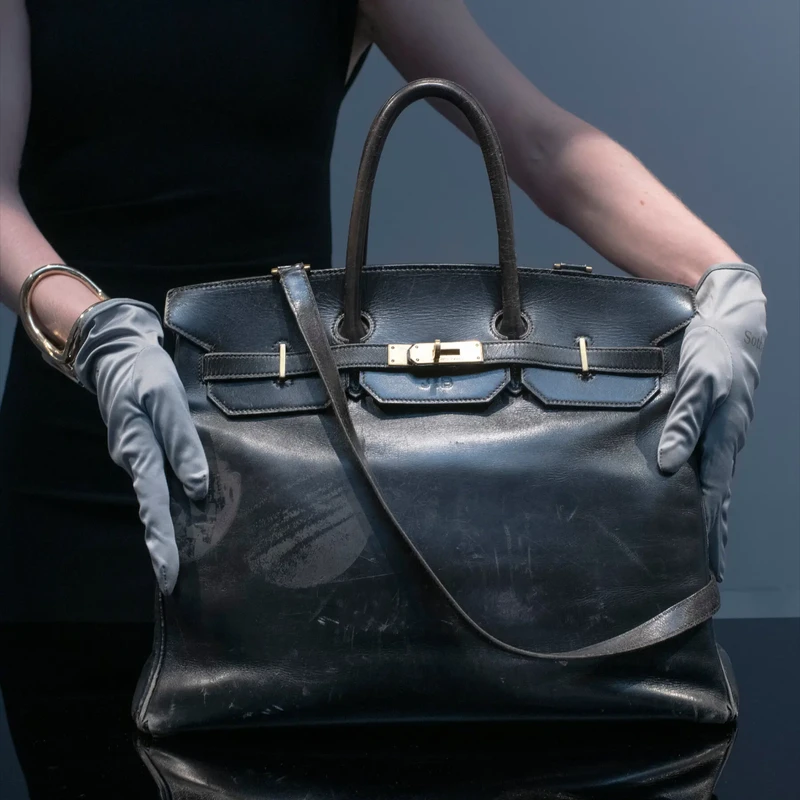
    Think your Hermès Birkin is just a stylish accessory? Think again. For over 40 years, this iconic handbag has quietly established itself as one of the most consistent appreciating assets available, outperforming traditional investments like gold and even the S&P 500. It’s a luxury item that’s also a serious financial play.

    From a Sketch to a Financial Powerhouse

    The Birkin’s story began in 1984 with a simple sketch on a plane by Jean-Louis Dumas, inspired by actress Jane Birkin’s need for a practical yet elegant bag. That initial $2,000 idea, a Birkin 40 in box calf leather, didn’t immediately set the fashion world ablaze. In the late 80s and early 90s, Chanel still dominated the luxury landscape, and the Birkin maintained a more low-key presence.

    However, Hermès strategically played the long game. Instead of rapid price hikes, they gradually increased prices over decades, carefully balancing inflation with intentionally limited supply. This steady approach built a strong foundation, setting the stage for the Birkin’s explosion in popularity during the 90s ‘It Bag’ era, further amplified by its iconic appearance on ‘Sex and the City’ in 2001, which created years-long waiting lists.

    The Numbers Don’t Lie: Birkin vs. Traditional Investments

    By 2026, the Birkin’s financial performance is undeniable. A Birkin 30, which retails for around $14,900, has seen a 645 percent increase since its inception. But the real story unfolds in the secondary market, where the same bag averages about $22,300, with some fetching significantly higher prices based on condition, color, and material. This means the bag often holds or even increases its value the moment it leaves the boutique.

    Studies reveal that the Birkin has delivered an average annual return of around 14.2 percent over decades. This impressive figure surpasses gold, which has experienced negative returns at times, and outperforms the S&P 500’s long-term average. Remarkably, the Birkin has never recorded a negative year in value, showcasing its unparalleled consistency.

    The Hermès Strategy: Scarcity and Craftsmanship

    This consistent appreciation isn’t luck; it’s a result of Hermès’ meticulous control over supply and demand. Each Birkin is handcrafted by a single artisan over nearly 20 hours, with production intentionally kept limited. Furthermore, purchasing a Birkin isn’t as simple as walking into a store; customers must build a purchase history, ensuring demand always outstrips supply. Hermès also never offers discounts, reinforcing the idea that prices only move in one direction: up.

    The Resale Market and Key Factors

    The resale market further solidifies the Birkin’s investment status. Sotheby’s has reported a surge in Birkin sales, with some collectors doubling their investment in just five years, especially for pristine bags in classic colors like black, gold, or étoupe. Rare pieces, such as the Himalaya crocodile Birkin, can command six-figure prices, and Jane Birkin’s original bag sold for an astonishing $10.1 million in 2025.

    • **Condition:** Never-carried bags command the highest premiums.
    • **Color:** Classic tones like black and gold tend to hold value better long-term than trendy colors.
    • **Material:** Exotic leathers like crocodile or ostrich can significantly increase value, though at a higher initial cost.
    • **Provenance:** The history and authenticity of the bag play a crucial role.

    An Alternative Asset Class

    Financial experts now view the Birkin less as a fashion item and more as an alternative asset. Its value doesn’t correlate with the stock market, offering diversification benefits. However, investing in a Birkin requires patience, proper storage, authentication, and understanding the nuances of the resale market – it’s a long-term strategy, not day trading.

    With retail prices continuing to climb and resale premiums remaining strong, the Hermès Birkin occupies a unique space in the luxury market. Its consistent, decades-long appreciation makes it a standout investment, proving that sometimes, the most valuable assets are the ones that blend timeless style with strategic scarcity.

    Do you own a Birkin, or aspire to? What are your thoughts on luxury handbags as investments? Share your insights in the comments below!

  • Black Midwives Sue Georgia Over Restrictive Laws

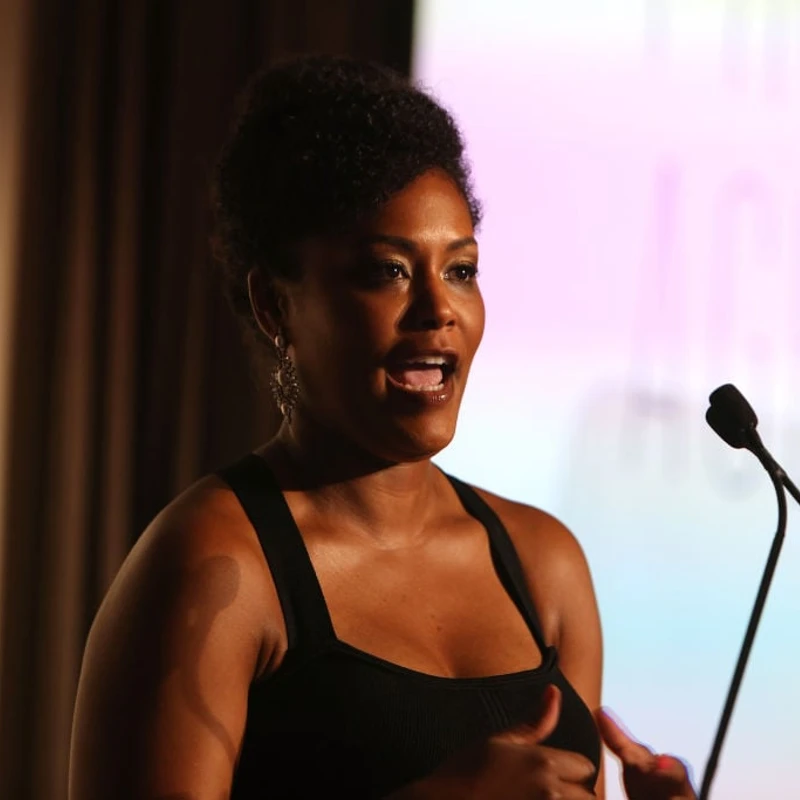
    A significant lawsuit has been filed against the state of Georgia by Black midwives and maternal health advocates. They argue that the state’s current laws unfairly restrict midwifery practices, effectively criminalizing birth workers and exacerbating an already critical maternal health crisis, particularly for Black women.

    A Personal Fight for Autonomy

    For midwife Jamarah Amani, the fight is deeply personal. Her own distressing hospital birth experience in Georgia, where her preferences were dismissed and she felt treated like a prisoner, fueled her passion for midwifery. This lack of autonomy is an all-too-familiar story for many Black women navigating the healthcare system. “I had no autonomy and was treated more like a prisoner than a patient,” Amani shared at a press conference. “I ended up laboring in the hospital bathroom so I could be in the position I knew was right for me.”

    This experience led Amani to pursue midwifery, but Georgia’s restrictive laws made it nearly impossible to practice there. Despite being licensed in Florida, she has been unable to practice in her home state for over 15 years. Now, she, along with fellow midwives Tamara Taitt and Sarah Stokely, are challenging these laws directly.

    Challenging Georgia’s Restrictive Laws

    The lawsuit, filed by the Center for Reproductive Rights, Covington & Burling LLP, and Mitchell Shapiro Greenamyre & Funt LLP, was announced just as Georgia lawmakers failed to pass HB520, a bill that could have decriminalized midwifery. Advocates see this failure as a reflection of a broader national reluctance to address the worsening maternal health crisis.

    Georgia’s laws are among the strictest in the nation. Midwives practicing without a nursing license face jail time and financial penalties, regardless of their training. Even certified nurse-midwives, who are qualified to deliver babies and prescribe medication, require costly physician oversight to practice independently. This has led to a severe shortage of care providers, with only three freestanding birth centers remaining in the state and many families traveling hours for services.

    The Impact on Black Mothers and Communities

    Tamara Taitt, executive director of the Atlanta Birth Center, highlighted the state’s failure to utilize a valuable workforce. “Georgia has a maternity care crisis, and the state continues to squander a workforce that could help change that,” she stated. “The solution is more midwives, and lawmakers need to let us practice.”

    The disparities are stark: Black women in the U.S. face significantly higher maternal mortality rates than white women. This is driven by systemic racism in healthcare, lack of access to providers, and a medical system that often dismisses the concerns of Black patients. Research consistently shows that increased access to midwives leads to better outcomes, including fewer C-sections and interventions, and more personalized care, especially for women of color and low-income families.

    Demanding Rights and Seeking Justice

    Nancy Northup, president of the Center for Reproductive Rights, emphasized the critical role of midwives: “We cannot solve the maternal health crisis without midwives—they are a key part of the solution in Georgia and nationwide.” She added, “These extreme restrictions are exacerbating the maternity care crisis and infringing on the rights of pregnant women who want to give birth with midwives.”

    Amani draws inspiration from historical activists like Aurelia Browder and Gladys Milton, who fought for their rights and paved the way for future generations. “We are not asking. We are demanding our rights,” Amani declared, continuing a legacy of Black midwives fighting for their traditions and the right to provide care. “Mamas want us. Families need us. And we’re here, ready to care for them. So it’s time for Georgia officials to get on board.”

    What are your thoughts on the lawsuit filed by Black midwives in Georgia? How can we better support maternal health and access to midwifery care? Share your views in the comments below!

  • Rebecca Crews Shares Parkinson’s Journey & Hope

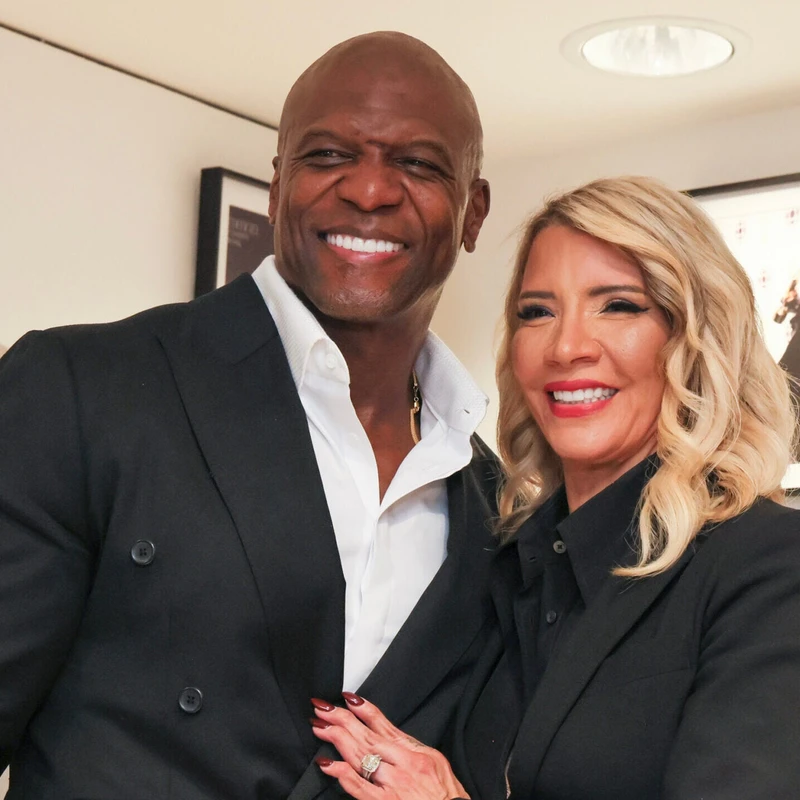
    It takes incredible strength to face a serious health challenge, and even more to share that journey with the world. Rebecca Crews, wife of actor Terry Crews, is doing just that, opening up about her decade-long battle with Parkinson’s disease and the glimmer of hope she’s found through a new medical breakthrough.

    A Decade of Living with Parkinson’s

    Rebecca was officially diagnosed with Parkinson’s disease in 2015, but the early warning signs—like tremors, stiffness, and memory issues—had been present for years before. This progressive neurological disorder affects movement and can also bring challenges like sleep disturbances and depression.

    Living with Parkinson’s has been a profound physical and emotional journey for Rebecca and her husband, Terry. She’s described moments of feeling completely overwhelmed, even experiencing days without sleep due to her symptoms. Terry, known for his roles on ‘America’s Got Talent’ and ‘Everybody Hates Chris,’ has called supporting his wife through this one of the most difficult experiences of their lives together.

    A Breakthrough Offers New Hope

    Despite the ongoing struggles, the couple now has renewed optimism thanks to a cutting-edge treatment: focused ultrasound. This non-invasive procedure uses precisely targeted sound waves in the brain to help reduce tremors, offering significant relief.

    Rebecca underwent this innovative therapy at Stanford University Hospital and has reported a remarkable improvement in her symptoms. While the treatment is still relatively new and not widely accessible, doctors are optimistic about its potential. Rebecca is scheduled for a second procedure later this year to address symptoms on the other side of her body.

    Beyond Parkinson’s: A Fighter’s Spirit

    Rebecca’s resilience extends beyond her Parkinson’s diagnosis. She also bravely battled breast cancer, undergoing a double mastectomy in 2020 and is now thankfully cancer-free. Even with these health challenges, she remains active and engaged in various projects, including a clothing line, a podcast, and an online church.

    She consistently credits Terry as her unwavering source of strength. The couple decided to share their story now to offer hope to others facing similar health battles, emphasizing that while a cure for Parkinson’s doesn’t exist yet, new treatments are making a real difference in improving quality of life.

    Sharing Hope and Inspiring Others

    Rebecca and Terry Crews’ willingness to share their personal health journey is incredibly inspiring. Their story highlights the importance of seeking new treatments, leaning on loved ones for support, and maintaining hope even in the face of significant adversity. It’s a powerful reminder that even with chronic conditions, life can still be lived fully and with purpose.

    What are your thoughts on Rebecca Crews’ inspiring journey and the advancements in Parkinson’s treatment? Share your perspective in the comments below!

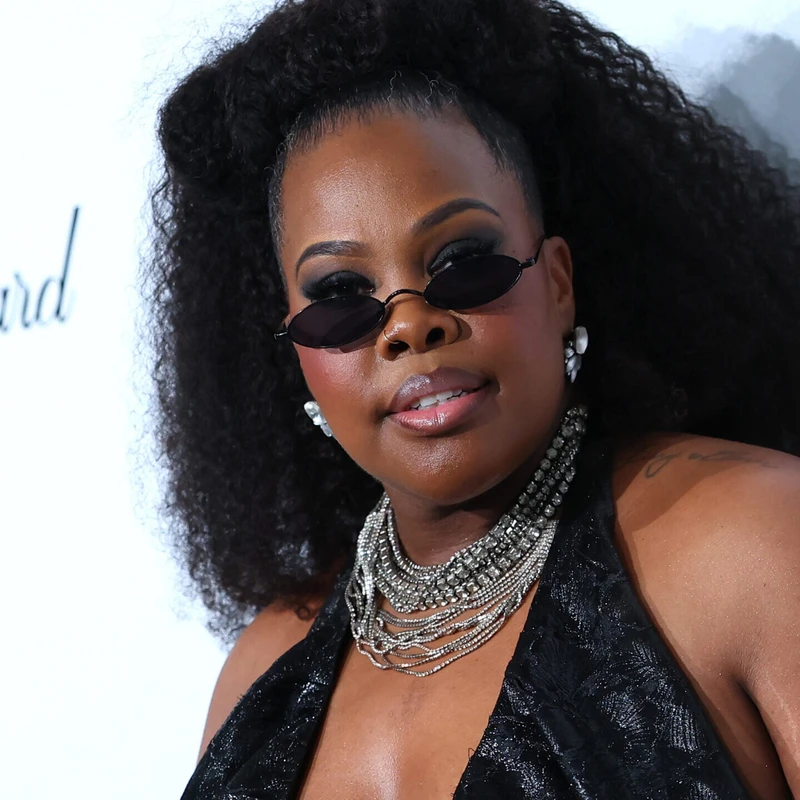
  • Amber Riley Questions Broadway’s Demands

    If you were hoping to see Amber Riley grace the Broadway stage anytime soon, you might want to temper those expectations. The talented actress and singer recently shared her reservations about returning to the demanding world of Broadway, sparking a crucial conversation about the industry’s status quo and the toll it takes on performers.

    Riley’s comments came in response to a Threads post by comedian Christina Brown, who highlighted the relentless pace faced by theater actors in New York City, especially after Megan Thee Stallion’s recent hospitalization for exhaustion during her run in “Moulin Rouge!” Brown argued that the schedule is “not sustainable nor healthy.”

    The Grueling Reality of Broadway

    Riley, who herself starred as Effie White in the Olivier Award-winning London West End revival of “Dreamgirls,” wholeheartedly agreed. “It’s not. That’s why when people hassle me about it, I say when the culture changes, maybe I’ll do it,” she commented. “But as of now, asking people to sing at the top of their range 8 shows a week without proper support or compensation, absolutely not.”

    She emphasized the physical risks involved, noting that even with extensive training, performers are susceptible to injury, particularly vocal cord damage. “You can have all the training in the world, which I do, and you can STILL injure. It’s not sustainable or healthy. Any ENT doctor will tell you that.”

    Beyond the Glamour: Exhaustion and Exploitation

    The dazzling spectacle of Broadway, with its thrilling music, dance, and immersive sets, is built upon a foundation of grueling rehearsals and demanding performance schedules. Performers often engage in eight shows a week, requiring peak physical and mental energy for every performance, regardless of the time of day. The adrenaline rush of performing can take hours to subside, leading to profound exhaustion that can feel akin to depression.

    Beyond the physical toll, there’s the emotional and financial strain. Many performers struggle with compensation that doesn’t adequately cover the true cost of their work, facing uncertainty about their next gig once a show closes. As Christina Brown pointed out, even with union protections, loopholes can be exploited, leaving performers feeling mistreated despite their dedication.

    The Fight for Fair Treatment

    The issue of fair treatment and compensation for Broadway performers has been a long-standing concern. Last year, Broadway narrowly avoided a strike when unions representing actors, stage managers, and musicians negotiated contracts with the Broadway League. Performers sought a larger share of the billions generated by the shows, highlighting the ongoing tension between labor and management.

    Riley’s comments, though met with some backlash and misinterpretations as diva-like demands, have resonated with many who agree that the system is often exploitative, particularly for Black women who are frequently among the most marginalized workers. The discourse unfortunately shifted towards criticizing Riley, rather than addressing the systemic issues of labor exploitation in theater.

    • Amber Riley expressed reluctance to return to Broadway due to grueling demands.
    • She cited the need for proper support, compensation, and healthier working conditions.
    • Performers face risks of physical injury (especially vocal cords) and extreme exhaustion.
    • The recent hospitalization of Megan Thee Stallion highlighted these concerns.
    • Broadway unions narrowly avoided a strike last year over contract negotiations.

    Riley expressed frustration with how her comments were twisted, stating, “They really posted it like I was some greedy diva demanding money and that it changes for me.” She ultimately decided to step back from the online discourse, seeking refuge in her personal “bubble.” Her willingness to speak out, however, has shed light on the critical need for change within the theater industry, advocating for a more sustainable and respectful environment for its artists.

    What are your thoughts on Amber Riley’s perspective on Broadway? Do you think the industry needs to change its practices to better support performers? Share your opinions in the comments below!

  • Marisa Renee Lee: Finding Hope Amidst Uncertainty

    In a world often filled with uncertainty, author Marisa Renee Lee reminds us that our capacity for hope is immense, but it requires a conscious belief that “better is possible.” She shares her profound insights in her latest book, “Waiting for Dawn: Living with Uncertainty,” drawing from deeply personal experiences.

    Redefining Grief Beyond Loss

    Lee’s journey to understanding hope wasn’t easy. While she experienced the pain of losing her mother at 25, it was a later diagnosis of Long COVID, nearly two decades later, that brought a new, unexpected dimension of grief. This experience prompted her to explore how life’s curveballs can lead to profound emotional challenges.

    In “Waiting for Dawn,” Lee offers strategies for navigating life when things don’t go as planned. A key element is recognizing that grief isn’t solely about death. She argues that we can grieve lost opportunities, like a career path not taken, or life experiences missed, such as marriage or having children. This broader definition of grief was first explored in her previous book, “Grief is Love: Living with Loss.”

    Embracing ‘Gray Grief’ and Recovery

    Lee introduces the concept of “Gray Grief” in her new book, describing it as the feeling that arises when unwanted changes are thrust upon us. This isn’t the joy of positive milestones like graduations or weddings, but rather the ambiguous loss often fueled by global instability. The political and economic uncertainties we face can significantly contribute to these feelings.

    Her own battle with Long COVID taught her the importance of a day-by-day approach to healing. Inspired by recovery models like Alcoholics Anonymous, Lee prioritizes making forward progress, acknowledging that even upon regaining full health, she won’t be the same person. This transformation, she believes, is a natural and acceptable part of the healing process.

    The Power of Community and Small Joys

    Recovery doesn’t have to be an isolated journey. Lee highlights the crucial role of community in supporting those experiencing grief. She suggests practical ways to help, such as assisting with daily tasks or bringing moments of joy into someone’s life. Even simple gestures, like sending funny memes or checking in via text, can make a significant difference.

    One such gesture, a mug with a sunrise design sent by a friend during her Long COVID battle, even inspired the cover of “Waiting for Dawn.” This gift made Lee feel loved, supported, and seen, underscoring the impact of thoughtful actions during difficult times.

    Hope as a Tangible Force

    Ultimately, Lee stresses that while healing isn’t always linear, hope is the essential key to navigating life’s most painful moments. It’s the gritty, tangible force that allows us to keep moving forward, no matter the present circumstances. Believing that life can and will improve, and taking action to support that belief, is the path to finding our way through.

    How do you cultivate hope in uncertain times? Share your strategies and thoughts in the comments below!

  • Gabrielle Union’s Heartfelt Tribute to Her Father

    It’s with a heavy heart that we share the news of Gabrielle Union’s father, Sylvester “Cully” Union Jr., passing away. The beloved actress took to social media on Saturday, April 4th, to share her grief and celebrate her father’s life, revealing he had been battling dementia.

    Gabrielle’s words painted a vivid picture of the profound emotional journey that comes with loving someone through the progression of dementia. She spoke of the bewildering mix of relief that his suffering has ended, coupled with the deep heartbreak of finality.

    The Painful Reality of Dementia

    The actress candidly described how dementia slowly chips away at a person, a process that no amount of preparation can truly ready you for. She explained how the condition can transform someone you know so well, from forgetting small details to losing fundamental abilities like swallowing or walking.

    It’s a brutal experience, as Gabrielle noted, where you cling to fleeting moments of recognition – a sustained gaze, a smile, or a hand squeeze – hoping for a glimpse of the person they once were. Yet, she emphasized that this struggle wasn’t who her father truly was.

    A Father’s Lasting Love

    Sylvester Union Jr. was 81 years old at the time of his passing. Gabrielle shared a touching anecdote from his 80th birthday, where she urged everyone to cherish their time with loved ones and to always show up and show love. Even as dementia progressed, her father found moments to express his enduring love.

    In a particularly poignant moment, he told Gabrielle, “I really love you.” Their conversation continued, with him asking about her mother and if she was happy. When she confirmed her happiness, he asked with a grin, “You not taking no shit are you?” To which she replied, “Never.” This exchange, filled with his love and a touch of his spirit, stayed with her all day.

    Celebrating an Imperfect, Beloved Man

    Gabrielle chose to celebrate her father as the “perfectly imperfect” man he was. He was someone who made mistakes, worked to grow and make amends, but also the vibrant life of every party, her first ally, and a pillar of support for his community.

    She extended her love and healing to others navigating similar losses, acknowledging that she’s not the first or last “Daddy’s girl” to go through this. Gabrielle finds solace in the belief that her father’s love is eternal and will continue to find her in every aspect of her life.

    How have you navigated the challenges of dementia with a loved one? Share your experiences and offer support in the comments below.

  • Trick Daddy’s AKA Performance Shut Down: Who’s to Blame?

    Things got awkward in Orlando when rapper Trick Daddy’s performance at an Alpha Kappa Alpha (AKA) Sorority conference was abruptly shut down mid-set. The incident has sparked a debate: who’s really to blame for the clash between the Miami rapper’s explicit lyrics and the sorority’s esteemed reputation?

    A Mismatched Booking?

    On Friday, April 3, members of AKA from across the South Atlantic region gathered for their annual conference in Orlando, Florida. After a day of networking and leadership activities, attendees were looking forward to some live music to keep the energy high. However, the performer chosen to uplift the crowd, clad in the sorority’s signature pink and green, was none other than Trick Daddy.

    Known for hits like “Nann” and “Thug Matrimony,” Trick Daddy delivered the kind of performance he’s famous for. Unfortunately, his signature raunchy lyrics and explicit requests, like asking attendees to put their hands up if they wanted their “p***y ate,” didn’t quite land with the audience. Many members were reportedly taken aback, with some videos showing attendees leaving the room in disbelief.

    Finger-Pointing Ensues

    The AKA leadership, specifically Southern Atlantic Regional Director Tiffany Moore Russell, placed the blame squarely on Trick Daddy. In a statement, Moore Russell claimed that despite multiple meetings detailing requirements for attire, language, and specific songs, the artist ignored them. “The language, lyrics, and the comments made by the artist were not acceptable,” she stated. “I ended the performance because of the disrespect for our organization and for our brand.”

    Trick Daddy, however, fired back in a lengthy video online, urging people not to “lie on my name.” He questioned the expectation of his performance, asking, “When it’s time for Trick Daddy to perform at your event, what the f– you think he gone to perform?” He argued that attendees who weren’t prepared for his style shouldn’t have been there.

    Was the Contract Clear?

    The core of the dispute seems to hinge on the specifics of the contract and the expectations set during booking. While the AKA leadership insists they outlined clear boundaries, Trick Daddy suggests his performance style is non-negotiable. Even if a heavily censored version was agreed upon, the question remains: would a toned-down Trick Daddy have satisfied the audience or the artist?

    It’s a classic case of differing expectations. While the sorority aimed for a respectful and uplifting atmosphere, Trick Daddy likely intended to bring his signature energy. The result was a performance that clearly didn’t align with the event’s tone, leaving both parties pointing fingers and the audience bewildered.

    Who do you think is more at fault in the Trick Daddy vs. Alpha Kappa Alpha situation? Share your thoughts in the comments below!

  • Corinne Bailey Rae’s Hit Song Becomes a Kids’ Book

    Remember that song that felt like a warm hug from your favorite friend? The one that instantly lifts your spirits and makes you want to embrace your true self? For many millennials, that’s Corinne Bailey Rae’s iconic hit, ‘Put Your Records On.’ Released two decades ago, this anthem of self-empowerment through music captured hearts worldwide, earning billions of streams and even Grammy nominations. Now, Corinne is bringing that magic to a whole new generation in a way that’s truly special.

    From Chart-Topper to Children’s Story

    That’s right, the beloved song has been transformed into a beautiful children’s book, also titled ‘Put Your Records On.’ Corinne, a mother of two, shared her heartfelt motivation: she wanted to pass on her deep love for music to young children. She explained in an exclusive interview with theGrio that music has always been a constant companion, capable of supporting us through every emotion, acting as a true friend no matter what life throws our way.

    This new book, illustrated by Gillian Eilidh O’Mara, takes readers on a delightful journey with a young girl named Bea. On a cozy Sunday afternoon, Bea’s great-aunt Portia uses her record collection to spark Bea’s imagination. The story beautifully explores themes of self-acceptance and emotional awareness, encouraging young readers to embrace their feelings.

    A Bridge Between Generations Through Music

    Corinne hopes the book serves as a bridge, inviting parents to share their own musical histories with their children. “I think [music is] such a good way to connect,” she mused. It offers a unique way to understand loved ones, revealing hidden sides and emotions through the songs they cherish. It’s a chance to connect on a deeper level, sharing stories and feelings that might otherwise remain unspoken.

    The book also emphasizes the importance of acknowledging the full spectrum of human emotions. Just as a rainbow displays a vibrant array of colors, people experience a wide range of feelings. Corinne highlights that it’s perfectly okay to feel any emotion and encourages sharing these feelings with trusted adults. Life isn’t always about putting on a happy face; it’s about navigating challenges and understanding that all feelings are valid.

    Representation Matters: Seeing Themselves as the Main Character

    A significant aspect of the book is the intentional creation of Bea as a Black girl. Corinne, reflecting on her own childhood in the 80s, remembers a scarcity of Black children represented in the books she read. Receiving books featuring characters who looked like her made her feel truly ‘seen.’ She passionately believes it’s crucial for young Black and brown children to see themselves as the protagonists of their own stories, not just as sidekicks.

    This focus on representation is deeply personal and aligns with her journey as a mother raising daughters. It’s about empowering children to see their own value and importance in the world, reflected in the stories they consume.

    The Enduring Magic of Records and Music Discovery

    Corinne’s own musical journey began with her father’s collection of 45s. These small records, often in plain sleeves, held a sense of mystery and magic. The only way to know their contents was to play them, transforming the ordinary and offering a powerful means of self-expression. She fondly recalls how these records felt like portals, taking her outside herself while also helping her discover who she was.

    Despite the evolution of music consumption, Corinne sees immense positives in today’s technology. She’s delighted by how easily young listeners can discover diverse genres like punk, metal, and classic rock, then delve deeper into the artists’ stories and aesthetics. The accessibility of music today means there’s no limit to what young minds can explore.

    A Song That Changed Everything

    Looking back at the 20 years since ‘Put Your Records On’ first hit the airwaves, Corinne remains in happy disbelief at its enduring impact. The song and her debut album propelled her from playing small gigs to performing for sold-out crowds worldwide, meeting musical heroes, and experiencing diverse cultures. “It transformed my life,” she shared, expressing her deep affection for the song that opened so many doors.

    The core message of self-discovery through music continues to resonate powerfully. Corinne emphasizes that the song’s theme of finding and being true to oneself was something she needed to hear back then, and it remains a guiding principle every time she performs it. Witnessing people from all walks of life, backgrounds, genders, and generations singing along is a testament to its universal appeal and profound connection.

    What are your favorite memories associated with ‘Put Your Records On’? Share your thoughts and how music connects you to your loved ones in the comments below!

  • Brandy on Ray J: ‘Loving Him From Afar’

    Brandy, the beloved R&B icon often called the “Vocal Bible,” is getting more personal than ever with the release of her new memoir, “Phases.” In it, she delves into her journey from young stardom to motherhood and even shares her final words with the late Whitney Houston. Now, she’s also opening up about her relationship with her younger brother, Ray J.

    Creating Space for Peace

    In a recent interview with Parade, Brandy revealed that she’s intentionally creating some distance from Ray J. She explained, “There is distance right now. There are a few things that he’s been doing in the public eye that I don’t condone, and I just feel like loving him from afar right now is best for me and my peace.” This decision comes as Ray J has faced several public challenges and controversies.

    Despite the current space between them, Brandy emphasized that her deep connection with her brother remains. “But my life with Ray and my connection with him is all throughout the book, and my love for him never wavers,” she assured readers. Her memoir explores their shared history, from growing up in Mississippi to navigating the complexities of Hollywood together.

    Navigating Ray J’s Public Struggles

    Ray J has been in the headlines frequently over the past few months. This includes an arrest in November following allegations of pulling a gun on his estranged wife, Princess Love, during a livestream, which resulted in misdemeanor charges and a restraining order. He also experienced a serious health scare, being hospitalized for pneumonia and heart pains, leading him to express fears about not making it past 2027.

    Adding to the public drama, Ray J has been involved in a legal battle with Kim Kardashian and Kris Jenner concerning a sex tape made in 2003. He also recently made controversial statements against rappers Shyne and Mase, who claimed to have been romantically involved with Brandy simultaneously. Ray J posted a now-deleted video threatening them, but Brandy quickly clarified that she could handle her own defense and did not condone his actions.

    A Sister’s Love and Boundaries

    Brandy’s stance highlights the difficult balance of family love and personal well-being. While she clearly loves her brother, she’s setting necessary boundaries to protect her own peace, especially given the public nature of his challenges. Her memoir, “Phases,” promises to offer even more insight into these complex family dynamics and her personal growth.

    What are your thoughts on Brandy’s decision to create distance from Ray J? Have you read her memoir ‘Phases’ yet? Share your opinions in the comments below!

  • Manon Breaks Silence on Black Girl Group Sidelining

    Remember when girl groups used to rule the charts? While the landscape has shifted, diverse ensembles like Fifth Harmony, Little Mix, and KATSEYE have emerged. However, beneath the surface of supposed equal representation, a disheartening pattern often emerges: the sidelining of Black women within these groups. Now, Manon Bannerman of KATSEYE is speaking out after a hiatus, shedding light on this persistent issue.

    KATSEYE, formed on Netflix’s ‘Pop Star Academy: Katseye,’ features members from various backgrounds. But Manon Bannerman, the group’s only Black member, recently took a “temporary hiatus” for health and wellbeing, sparking concern and reigniting conversations about how Black women are treated in the pop music industry.

    Manon’s Hiatus and Growing Concerns

    Following the announcement of her hiatus in February, Bannerman remained relatively quiet, offering only a brief statement reassuring fans she was safe. However, this week, she broke her silence on WeVerse, expressing gratitude for the support and stating she’s having “positive conversations” with HYBE and Geffen Records. She shared, “I’m happy, and I’m healthy. I’ll share more soon.”

    Adding fuel to the speculation, fans noticed Bannerman removed KATSEYE from her social media bio. This move has led many to wonder if her hiatus might signal a departure from the group, leaving fans questioning the true cost of representation when Black members are seemingly pushed to the margins.

    A Familiar Pattern: The ‘Token’ Black Member

    The situation with Manon echoes a long-standing narrative. Prior to her hiatus, Bannerman spoke candidly about the pressures of being the only Black member in an international group. She recalled feeling unfairly portrayed in the Netflix series, particularly with narratives around a “lack of work ethic.” “Being called lazy, especially as a Black girl, is not fair,” she shared with The Cut. “Now I feel like I always need to put in extra work to prove something.”

    This sentiment isn’t unique to Manon. Melody Thornton of the Pussycat Dolls spoke about the pressure to not be the “weakest link” and the need to “prevail through any adversity” because she was the Black member. Similarly, Normani, the sole Black member of Fifth Harmony, has been open about feeling overlooked and having to “do the most in order to be seen” during her time in the group.

    The Vicious Cycle of Tokenism

    Leigh-Anne Pinnock of Little Mix also compared her experience to working “10 times harder and longer to mark my place in the group because my talent alone isn’t enough.” She described it as a “vicious cycle” that Black members of girl groups continue to face. While these groups are often presented as symbols of sisterhood, this generational pattern highlights the damaging effects of tokenism.

    The experiences of Manon, Normani, Melody Thornton, and Leigh-Anne Pinnock paint a clear picture: the pressure on Black women in predominantly non-Black girl groups is immense. It raises critical questions about whether the industry is truly fostering inclusive environments or simply placing Black artists in positions where they must constantly over-exert themselves to be recognized.

    What are your thoughts on Manon’s situation and the broader pattern of Black women being sidelined in girl groups? Share your experiences and opinions in the comments below!