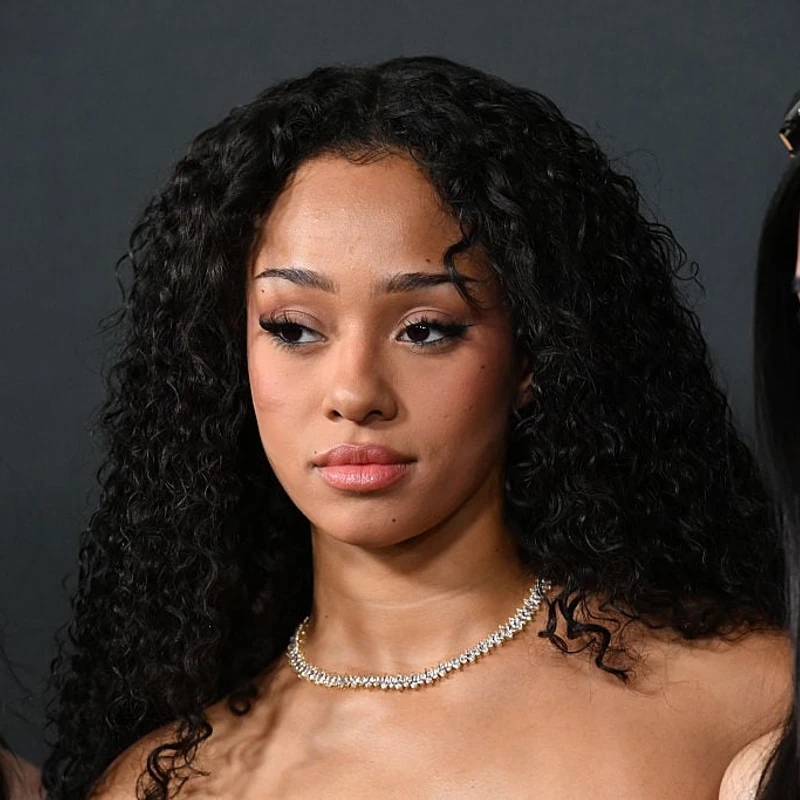
Remember when girl groups used to rule the charts? While the landscape has shifted, diverse ensembles like Fifth Harmony, Little Mix, and KATSEYE have emerged. However, beneath the surface of supposed equal representation, a disheartening pattern often emerges: the sidelining of Black women within these groups. Now, Manon Bannerman of KATSEYE is speaking out after a hiatus, shedding light on this persistent issue.
KATSEYE, formed on Netflix’s ‘Pop Star Academy: Katseye,’ features members from various backgrounds. But Manon Bannerman, the group’s only Black member, recently took a “temporary hiatus” for health and wellbeing, sparking concern and reigniting conversations about how Black women are treated in the pop music industry.
Manon’s Hiatus and Growing Concerns
Following the announcement of her hiatus in February, Bannerman remained relatively quiet, offering only a brief statement reassuring fans she was safe. However, this week, she broke her silence on WeVerse, expressing gratitude for the support and stating she’s having “positive conversations” with HYBE and Geffen Records. She shared, “I’m happy, and I’m healthy. I’ll share more soon.”
Adding fuel to the speculation, fans noticed Bannerman removed KATSEYE from her social media bio. This move has led many to wonder if her hiatus might signal a departure from the group, leaving fans questioning the true cost of representation when Black members are seemingly pushed to the margins.
A Familiar Pattern: The ‘Token’ Black Member
The situation with Manon echoes a long-standing narrative. Prior to her hiatus, Bannerman spoke candidly about the pressures of being the only Black member in an international group. She recalled feeling unfairly portrayed in the Netflix series, particularly with narratives around a “lack of work ethic.” “Being called lazy, especially as a Black girl, is not fair,” she shared with The Cut. “Now I feel like I always need to put in extra work to prove something.”
This sentiment isn’t unique to Manon. Melody Thornton of the Pussycat Dolls spoke about the pressure to not be the “weakest link” and the need to “prevail through any adversity” because she was the Black member. Similarly, Normani, the sole Black member of Fifth Harmony, has been open about feeling overlooked and having to “do the most in order to be seen” during her time in the group.
The Vicious Cycle of Tokenism
Leigh-Anne Pinnock of Little Mix also compared her experience to working “10 times harder and longer to mark my place in the group because my talent alone isn’t enough.” She described it as a “vicious cycle” that Black members of girl groups continue to face. While these groups are often presented as symbols of sisterhood, this generational pattern highlights the damaging effects of tokenism.
The experiences of Manon, Normani, Melody Thornton, and Leigh-Anne Pinnock paint a clear picture: the pressure on Black women in predominantly non-Black girl groups is immense. It raises critical questions about whether the industry is truly fostering inclusive environments or simply placing Black artists in positions where they must constantly over-exert themselves to be recognized.
What are your thoughts on Manon’s situation and the broader pattern of Black women being sidelined in girl groups? Share your experiences and opinions in the comments below!
Leave a Reply