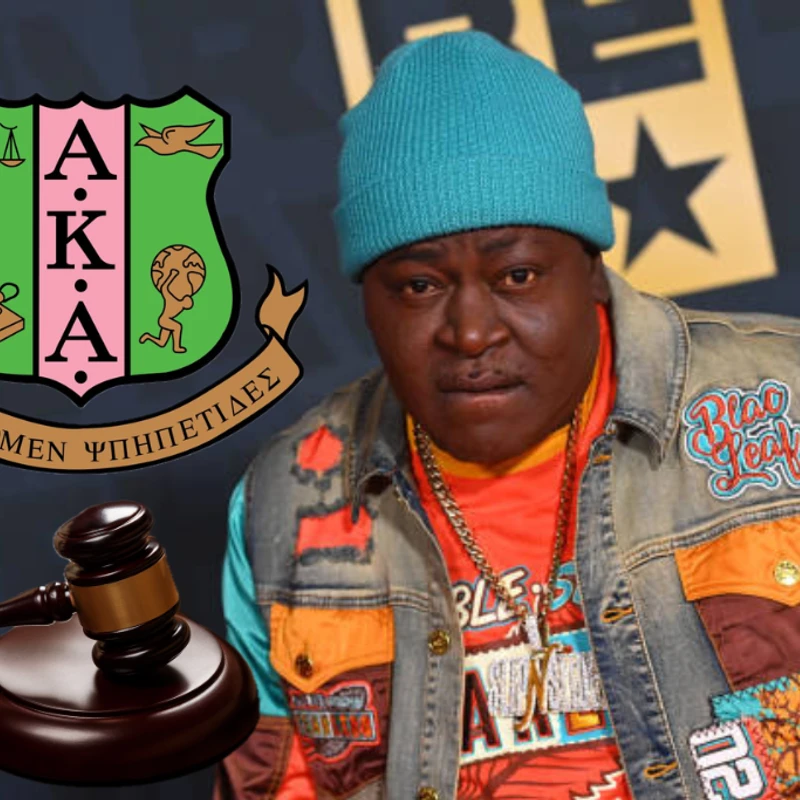
Things got awkward in Orlando when rapper Trick Daddy’s performance at an Alpha Kappa Alpha (AKA) Sorority conference was abruptly shut down mid-set. The incident has sparked a debate: who’s really to blame for the clash between the Miami rapper’s explicit lyrics and the sorority’s esteemed reputation?
A Mismatched Booking?
On Friday, April 3, members of AKA from across the South Atlantic region gathered for their annual conference in Orlando, Florida. After a day of networking and leadership activities, attendees were looking forward to some live music to keep the energy high. However, the performer chosen to uplift the crowd, clad in the sorority’s signature pink and green, was none other than Trick Daddy.
Known for hits like “Nann” and “Thug Matrimony,” Trick Daddy delivered the kind of performance he’s famous for. Unfortunately, his signature raunchy lyrics and explicit requests, like asking attendees to put their hands up if they wanted their “p***y ate,” didn’t quite land with the audience. Many members were reportedly taken aback, with some videos showing attendees leaving the room in disbelief.
Finger-Pointing Ensues
The AKA leadership, specifically Southern Atlantic Regional Director Tiffany Moore Russell, placed the blame squarely on Trick Daddy. In a statement, Moore Russell claimed that despite multiple meetings detailing requirements for attire, language, and specific songs, the artist ignored them. “The language, lyrics, and the comments made by the artist were not acceptable,” she stated. “I ended the performance because of the disrespect for our organization and for our brand.”
Trick Daddy, however, fired back in a lengthy video online, urging people not to “lie on my name.” He questioned the expectation of his performance, asking, “When it’s time for Trick Daddy to perform at your event, what the f– you think he gone to perform?” He argued that attendees who weren’t prepared for his style shouldn’t have been there.
Was the Contract Clear?
The core of the dispute seems to hinge on the specifics of the contract and the expectations set during booking. While the AKA leadership insists they outlined clear boundaries, Trick Daddy suggests his performance style is non-negotiable. Even if a heavily censored version was agreed upon, the question remains: would a toned-down Trick Daddy have satisfied the audience or the artist?
It’s a classic case of differing expectations. While the sorority aimed for a respectful and uplifting atmosphere, Trick Daddy likely intended to bring his signature energy. The result was a performance that clearly didn’t align with the event’s tone, leaving both parties pointing fingers and the audience bewildered.
Who do you think is more at fault in the Trick Daddy vs. Alpha Kappa Alpha situation? Share your thoughts in the comments below!
Leave a Reply