Tag: Lifestyle

  • Cardi B & Mayor Launch Free Child Care for 2-Year-Olds

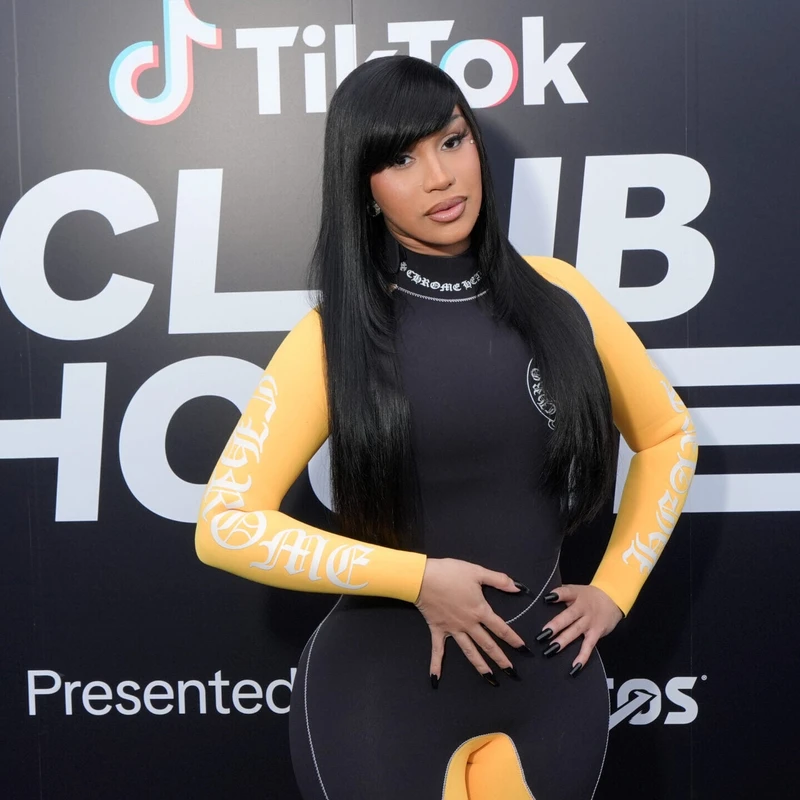
    Get ready, New York City parents! Your favorite rapper, Cardi B, is teaming up with Mayor Zohran Mamdani to bring a fantastic new program to life. Imagine free child care for your little ones – well, it’s happening! This exciting initiative, dubbed “2-K,” is set to expand early childhood education access for 2-year-olds across the city.

    What is the “2-K” Program?

    Building on the city’s existing pre-K and 3-K programs, the “2-K” initiative aims to fill a crucial gap by offering free child care specifically for 2-year-olds. This program is designed to ease the financial burden on families and ensure that even the youngest New Yorkers have access to quality early learning experiences.

    The program is slated to launch this fall, kicking off with an initial offering of approximately 2,000 seats. The first phase will focus on communities in the Bronx, an area where affordable child care has been a significant challenge for many families. Mark your calendars: enrollment is expected to open in June, giving parents ample time to apply before the new school year begins.

    Cardi B’s Personal Connection

    Cardi B isn’t just lending her star power; she’s bringing a deeply personal perspective to this initiative. Having grown up in New York City and now raising her own children, she understands firsthand the immense pressure and cost associated with child care. She highlighted how vital free child care is, especially for mothers, in balancing work and family life.

    I feel like free childcare is very important. Lack of support often limits opportunities for women. — Cardi B

    Her advocacy underscores the program’s potential to be a real game-changer, opening doors and creating more opportunities for parents, particularly women, who often bear the brunt of child care responsibilities.

    Making Early Education Accessible for All

    Mayor Mamdani views the “2-K” program as a cornerstone of his administration’s commitment to making early education more accessible and equitable across the city. This expansion is a significant step towards the long-term goal of universal child care access, with a special focus on underserved neighborhoods.

    To boost awareness and encourage participation, the city is launching a fun, citywide jingle contest. Residents are invited to create original songs promoting the “2-K” program. Cardi B will be a judge, adding an extra layer of excitement and visibility to this creative outreach effort. It’s a smart strategy to combine policy with cultural engagement, ensuring more families hear about and can benefit from this wonderful new resource.

    What’s Next for “2-K”?

    The success of this initial phase, with its 2,000 seats, will be closely watched. It will likely pave the way for further expansion in the coming years, bringing the benefits of free child care to even more families. This is a huge win for working parents and a testament to the power of collaboration between public figures and city leadership.

    What are your thoughts on the “2-K” program and Cardi B’s involvement? Share your opinions in the comments below!

  • Fan Encounters Blur Lines of Fame

    Remember when celebrities felt like distant stars? In today’s hyper-connected world, that distance has all but vanished. Social media and constant online presence have blurred the lines between public figures and their fans, leading to encounters that are sometimes uncomfortable, and increasingly, feel unsafe.

    When Fan Encounters Turn Unsettling

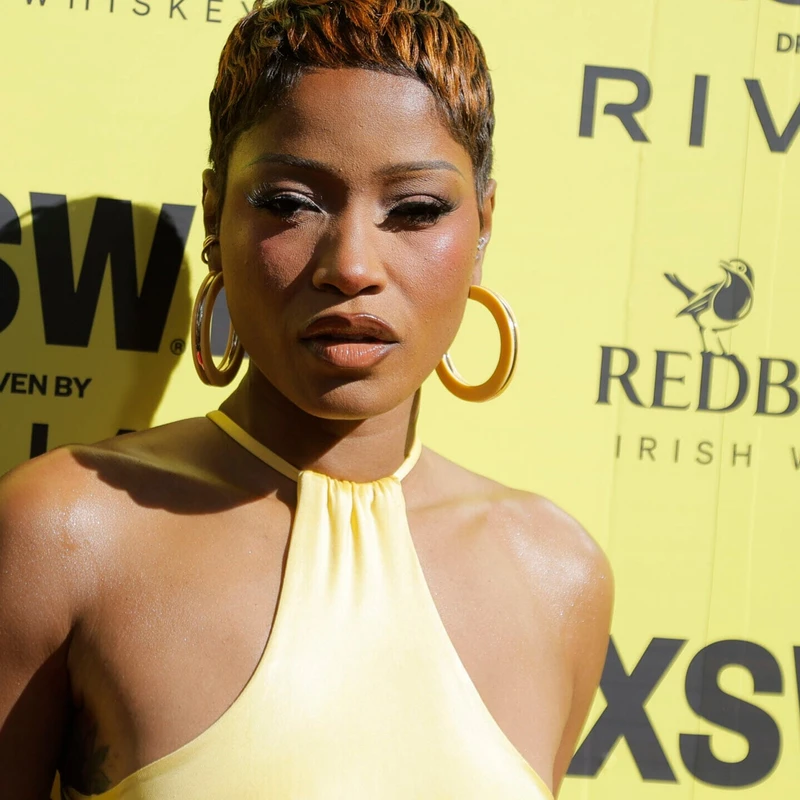
    Keke Palmer recently experienced this firsthand at SXSW. What she initially thought was a quirky fan interaction—a man proposing to her on one knee—quickly turned unnerving when she realized the sincerity in his eyes and his plea for help in getting her to say yes. Palmer noted the ring looked expensive, making the situation feel less like a joke and more like a genuine concern for the man’s well-being and her own safety.

    This incident isn’t isolated. Stars like Audra McDonald, Rihanna, and Natalia Bryant have faced boundary-crossing fan encounters, ranging from being followed home to having their homes targeted. The ease of access celebrities now offer, through vlogging, sharing personal updates, and engaging on platforms like TikTok, has fostered an environment where parasocial relationships can thrive.

    The Rise of the ‘Relatability Era’

    We’ve entered an era where celebrities are encouraged to be relatable, sharing intimate details of their lives to build a connection with their audience. This digital presence, while fostering a sense of closeness, also seems to have eroded the understanding of personal boundaries. The expectation is that celebrities should be constantly available and emotionally accessible.

    For Black celebrities, particularly Black women, this dynamic is often amplified by cultural expectations of extroverted warmth and accessibility. Having historically built communities with fans who felt a deep sense of shared investment, the pressure to maintain this connection can sometimes morph into a sense of entitlement from fans. When Black women deviate from this expected persona, they risk being labeled negatively more harshly than their peers.

    The Emotional Toll of Connection

    This intense connection isn’t just about autographs or selfies. Fans can project deep personal meaning onto celebrities’ work, sometimes leading to disclosures like Issa Rae’s experience with fans saying her show “saved their life.” While well-intentioned, such statements can place unexpected emotional pressure on creators, especially in public settings.

    In response to this intense scrutiny, some celebrities are opting for more privacy. Zendaya, for instance, has indicated she may not share details of her wedding to Tom Holland, seeking to keep some aspects of her life private. Keke Palmer herself acknowledged the need for public figures to be seen as human, urging for conversations about the realities of being an entertainer in the public eye.

    Navigating the Future of Fame

    As the lines continue to blur, the need for clear boundaries and mutual respect between celebrities and fans becomes increasingly crucial. The “relatability era” has brought stars closer to us, but it’s vital to remember that behind the screen and the persona, they are individuals deserving of privacy and safety.

    What are your thoughts on the evolving culture of fame and fan interactions? How can we foster healthier boundaries? Share your perspective in the comments below!

  • Reverse Racism Lawsuits vs. Wealth Gap Data

    Let’s cut through the noise for a moment. The narrative of ‘reverse racism’ being pushed by some right-wing law firms targeting programs designed to support Black communities isn’t just tired – it’s fundamentally dishonest. Every few weeks, it seems, a new lawsuit emerges, aiming to dismantle scholarships, grants, or business funds specifically created to uplift Black individuals. The playbook is always the same: sue, claim discrimination, and conveniently ignore history.

    The Unlevel Playing Field: A Historical Perspective

    But here’s the reality check: the reason these targeted programs exist is because the playing field has never been level. For Black Americans, the journey didn’t start with opportunity; it began with enslavement. This was followed by Jim Crow laws, the long and arduous fight for civil rights, and even when Black communities managed to build prosperity, history shows us that success was often met with violence and destruction, like the Tulsa Race Massacre or the Washington D.C. race riots. This isn’t ancient history; it’s the bedrock upon which current disparities are built.

    So, when people express confusion about programs specifically for Black communities, it often feels less like genuine confusion and more like a deliberate case of selective memory. The data paints a starkly different picture, one that these lawsuits conveniently overlook.

    The Stark Reality of the Wealth Gap

    Let’s talk numbers. As of 2025, Black Americans hold a mere 3.4 percent of the nation’s wealth, while White Americans hold a staggering 83.5 percent. This isn’t just a gap; it’s a chasm. The median Black family has a net worth of $44,100, compared to $282,310 for white families. When it comes to income, Black households earn about 60 percent of what white households earn – a statistic that hasn’t significantly improved in over fifty years.

    Even employment figures tell a similar story. Black unemployment hovers around 7.8 percent, more than double the 3.8 percent rate for white unemployment. It’s baffling that the focus isn’t on addressing these profound disparities but rather on dismantling the very few mechanisms designed to mitigate them.

    Policies That Built the Divide

    This wealth gap wasn’t an accident; it was systematically constructed. Policies like redlining deliberately excluded Black families from homeownership for decades. The GI Bill, often lauded for building the American middle class, largely shut out Black veterans in practice. While white families accumulated generational wealth through homeownership, Black families were systematically denied loans and opportunities.

    • Only about 2% of federally backed housing between 1934 and 1962 went to nonwhite families.
    • The highway system often cut through and destroyed Black neighborhoods, leading to displacement and wealth stripping.
    • Generational wealth builds on itself, and blocking one group from accumulating it for centuries has lasting ripple effects.

    So, when we ask why Black families lack the same level of generational wealth, the answer is straightforward: wealth begets wealth. When access to building that wealth has been systematically denied for generations, the impact doesn’t simply vanish because laws changed on paper.

    Targeted Support vs. Revisionist Claims

    This is precisely why programs exist – not because Black people ‘want special treatment,’ but because the starting line was never equal. Yet, we see lawsuits targeting funds for Black women entrepreneurs, scholarships from esteemed organizations like the Congressional Black Caucus, and initiatives aimed at closing gaps that remain glaringly real. The argument that these programs are discriminatory conveniently ignores centuries of documented exclusion.

    Labeling targeted support as ‘racism’ while overlooking systemic historical disadvantages isn’t accountability; it’s revisionism. Do Black people *want* to need these programs? Absolutely not. But the data unequivocally shows they still do. Until outcomes reflect anything close to fairness, pretending the system is already equitable doesn’t make it true. It simply serves to protect the existing imbalance.

    What are your thoughts on the current lawsuits targeting Black support programs? Do you believe they address systemic issues or create new ones? Share your perspective in the comments below!

  • Lawsuit Challenges CBCF Scholarships for Black Students

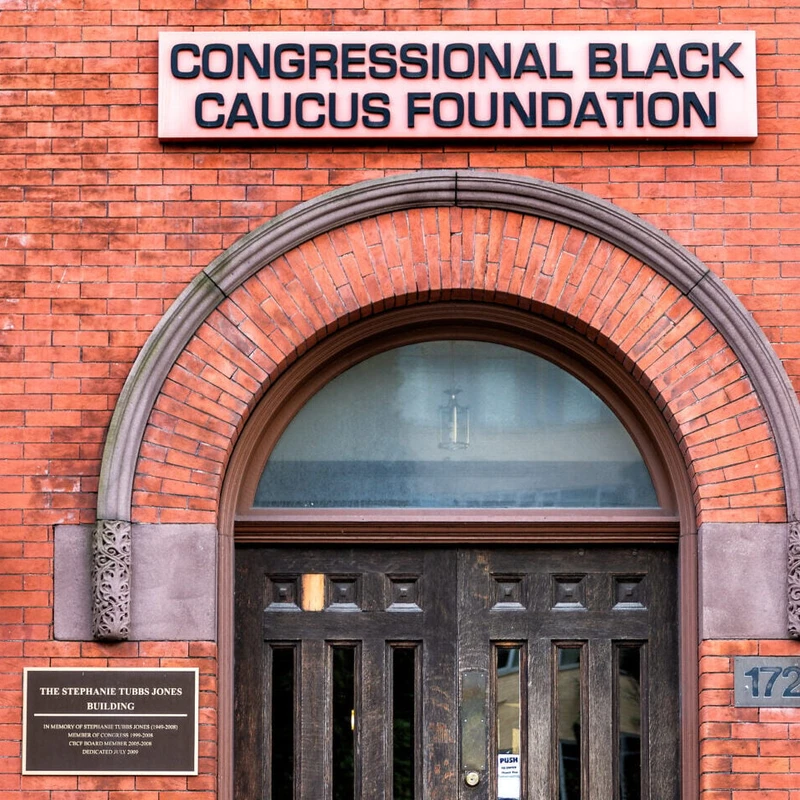
    For years, the Congressional Black Caucus Foundation (CBCF) has been a beacon of support for Black communities, particularly through its college scholarships aimed at helping students from underfunded schools. However, the organization is now facing a lawsuit from an anti-affirmative action group, the American Alliance for Equal Rights (AAER), which accuses the CBCF of racial discrimination.

    The Core of the Lawsuit

    The lawsuit, filed on Thursday, specifically targets the CBCF’s scholarships, arguing that awarding educational opportunities based on race is illegal. Edward Blum, president of AAER, stated in a press release, “Racial discrimination is wrong no matter which group it favors or harms. A scholarship program that tells students they are ineligible because of their race, and the race of their representatives, violates one of our nation’s oldest civil rights laws.”

    The AAER lawsuit takes particular issue with the “CBC Spouses Education Scholarship.” Since 1988, this program has awarded over $11 million to Black recipients, with more than 300 scholarships distributed annually. The foundation’s website describes these scholarships as supporting students who demonstrate leadership, community service, and academic talent.

    A Pattern of Legal Challenges

    The CBCF’s focus on supporting Black students is framed by the lawsuit as a violation of the Civil Rights Act of 1866. This legal challenge is part of a broader trend of lawsuits targeting organizations and programs designed to counteract historical discrimination against marginalized communities. This pattern has intensified since the Supreme Court’s decision to strike down affirmative action.

    AAER, led by Edward Blum, has been at the forefront of these legal battles. In 2023, they sued the Fearless Fund, a venture capital firm supporting Black female entrepreneurs, alleging its Strivers Grant program was discriminatory. A federal appeals court later ruled in AAER’s favor, leading to the program’s suspension. Similar lawsuits have been filed against law firms and other organizations accused of racial discrimination.

    Impact on Diversity Initiatives

    Legal experts note that AAER’s strategy involves a “three-pronged attack on diversity, equity, and inclusion (DEI):” first targeting higher education, then corporate diversity, and now focusing on race-based funding and grantmaking. The effects are already visible, with corporations and universities altering their DEI language and a reported 25% drop in scholarships with race, ethnicity, or gender criteria in a major database between March 2023 and June 2025.

    The lawsuit against the CBCF raises significant concerns about the potential impact on Black communities, especially Black youth, at a time when the racial wealth gap continues to widen. Attacks on organizations like the CBCF could undermine crucial support systems designed to address systemic inequalities.

    What are your thoughts on the lawsuit against the CBCF scholarships? Do you believe these programs are discriminatory or essential for addressing historical inequities? Share your views in the comments below!

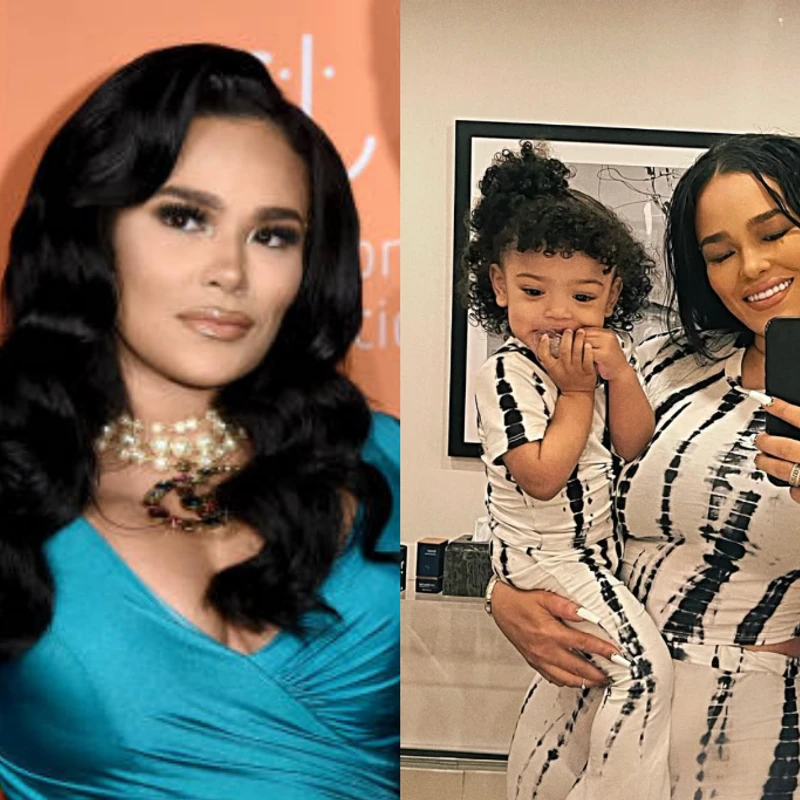
  • Emily B Shares Daughter’s Autism Diagnosis

    It’s not always easy to share deeply personal news, but sometimes the right moment arrives to open up. For Emily Bustamante, known to many as Emily B from “Love & Hip Hop,” that moment came on World Autism Awareness Day. She chose April 2nd to share a significant update about her youngest daughter, Journey Isabella, revealing that she is autistic and nonverbal.

    Emily B, who is 45, explained on Instagram that her five-year-old daughter experiences the world in a unique way. She also shared that Journey has sensory processing issues, adding another layer to her journey. The reality star expressed how this experience has profoundly changed her, noting moments of fear and immense learning, but ultimately, overwhelming love.

    More Than Just Autism: Journey’s Health Journey

    Journey Isabella, born in 2020, is Emily B’s fourth child and her third with rapper Fabolous. Beyond her autism diagnosis, Emily B also disclosed that Journey has a rare congenital condition known as PHACE syndrome. This condition, as described by Boston Children’s Hospital, involves a cluster of disorders often characterized by a significant infantile hemangioma.

    The announcement was timed perfectly with the launch of Emily B’s new organization, A Special Journey Foundation. This foundation is dedicated to supporting children facing autism and other complex diagnoses. Emily B stated her intention to share more about Journey’s experiences and advocate for autism awareness, emphasizing the importance of visibility.

    A Foundation Built on Love and Advocacy

    Emily B’s heartfelt post included a beautiful family photo shoot featuring herself with her children and grandchildren. Her eldest daughter, Taina Williams, a 28-year-old influencer, has two children of her own. The family’s support system is clearly strong as they navigate these important conversations.

    The launch of A Special Journey Foundation marks a significant step in Emily B’s commitment to making a difference. By sharing her family’s story, she hopes to foster greater understanding and provide resources for others on similar paths. It’s a powerful reminder that every child’s journey is unique and deserves recognition and support.

    What are your thoughts on Emily B’s announcement and the launch of A Special Journey Foundation? Share your insights in the comments below!

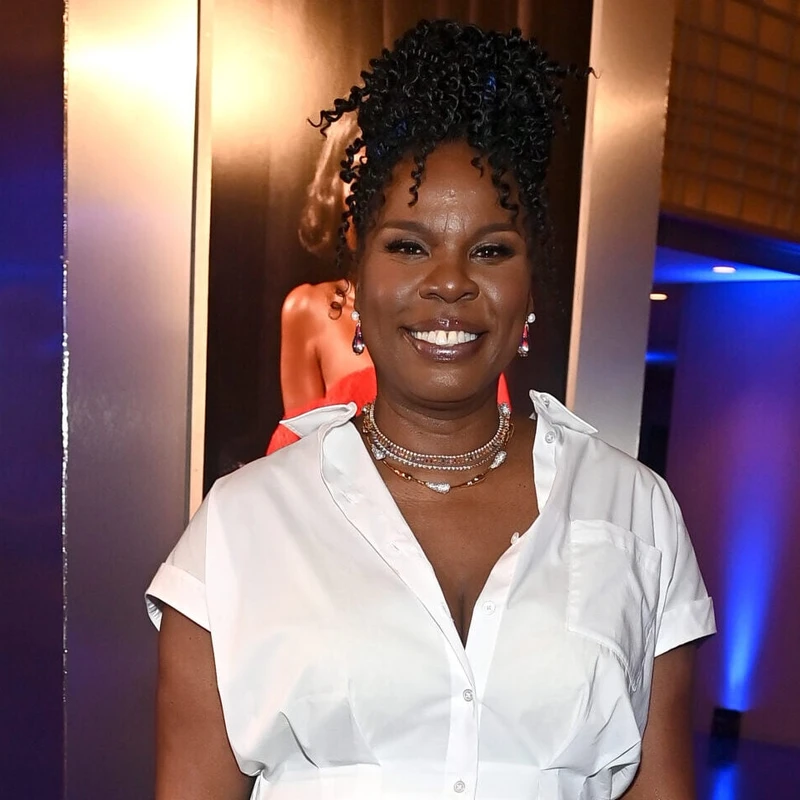
  • Leslie Jones Calls Marriage ‘Legalized Slavery’

    Ever wonder what happens when a comedian known for her unfiltered honesty sits down with another sharp-witted interviewer? You get pure, unadulterated gold, and that’s exactly what happened when Leslie Jones joined Ziwe. The “Saturday Night Live” alum didn’t hold back, sharing some seriously bold opinions on marriage and the trending “tradwife” movement that’s been making waves online.

    No Room for Submissiveness

    When the topic of being a traditional homemaker came up, Leslie was quick to shut it down. “I’m not submissive,” she declared, making it clear that role just isn’t her. She even shared a touching anecdote about her father, who raised her to be independent and never expected her to be “somebody’s wife.”

    This stance comes as social media platforms see a rise in creators like Nara Smith embracing a more traditional domestic lifestyle. While it’s a trend for some, it’s clearly not a path Leslie Jones is interested in walking.

    Marriage: ‘Legalized Slavery’?

    Leslie’s views on marriage itself are even more striking. Looking at the current state of unions, she remarked, “Most of the people that I know that’s gotten married are divorced now.” This led her to a provocative conclusion: “I think marriage is legalized slavery.”

    Ziwe, known for her satirical take on societal norms, was visibly taken aback by the statement. Leslie elaborated, suggesting that if a man expects his partner to be a “trad wife,” it’s akin to demanding subservience. “He might as well pull out a whip and a chain,” she added, emphasizing her point with characteristic bluntness.

    Advice for Young Fans

    When asked if she’d encourage young girls to get married, Leslie’s answer was a resounding “no.” Grinning at the camera, she confidently stated, “I wouldn’t get married, and I don’t think it’s beneficial for a woman at all.”

    Leslie Jones’ candid remarks have certainly stirred up a conversation about marriage, societal expectations, and female independence. It’s a perspective that challenges traditional views and encourages us to think critically about the roles we play in relationships.

    What are your thoughts on Leslie Jones’ controversial take on marriage? Do you agree or disagree? Share your perspective in the comments below!

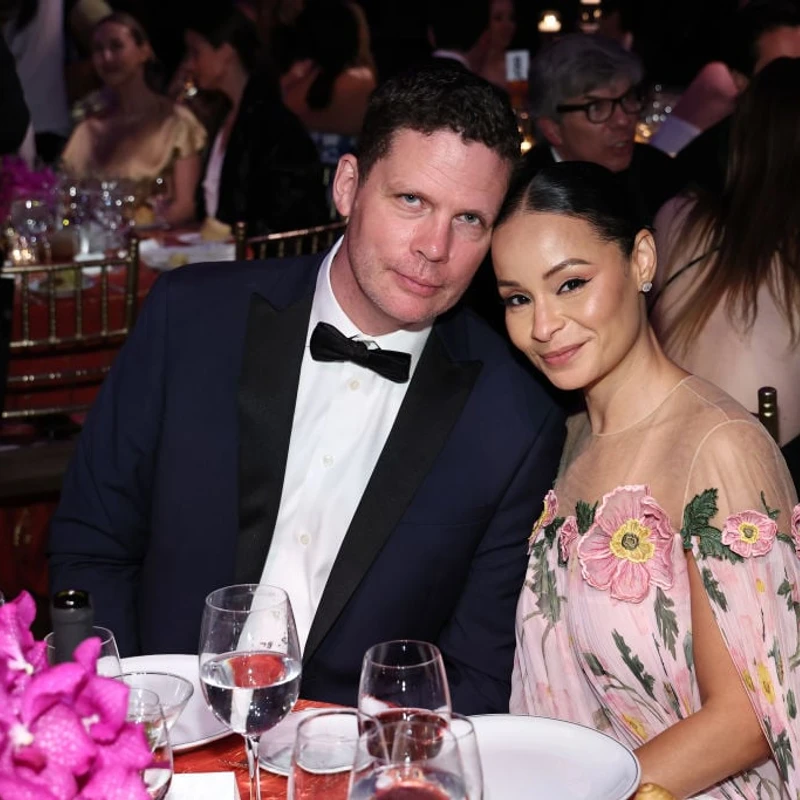
  • Sai De Silva’s Husband Files for Divorce

    It appears another Bravo relationship might be on the rocks. Sai De Silva, a familiar face from the rebooted “Real Housewives of New York,” is reportedly heading towards divorce. Her husband, David Craig, officially filed divorce papers in New York City earlier this week.

    A Nine-Year Marriage Comes to an End

    The couple, who have been married for nine years and share two children – daughter London, 14, and son Rio, 8 – met in 2009 during a chance encounter in Costa Rica. After navigating a period of long-distance dating, they eventually tied the knot in 2017.

    Sai De Silva joined the cast of “RHONY” for its fourteenth season, which saw a complete reboot of the show. Bravo aimed to refresh the franchise, introducing a new cast that included several women of color, like De Silva, Jessel Taank, and Ubah Hassan, in an effort to address diversity concerns and improve ratings following a challenging thirteenth season.

    From Influencer to Housewife

    Before gracing the Bravo screen, De Silva established herself as a successful influencer and content creator. Her lifestyle blog, “Scout The City,” garnered a significant following, and she shared her journey as a Brooklyn native, including her complex relationship with her late mother, on the show. While David Craig made appearances on “RHONY,” De Silva had previously mentioned his preference for privacy.

    Despite the fresh start for “RHONY,” the rebooted cast, including De Silva, did not significantly boost ratings. Consequently, Bravo announced another recast for the sixteenth season. De Silva, along with co-stars Jessel Taank and Erin Lichy, are confirmed to return, joined by new additions.

    The ‘Housewife-to-Divorce Pipeline’

    The split between De Silva and Craig adds to a well-known phenomenon among Bravo fans: the “Housewife-to-divorce pipeline.” Many stars from “The Real Housewives” franchises have seen their marriages end after joining the shows. This trend includes recent high-profile divorces, such as Kandi Burruss’s finalized settlement with Todd Tucker, whom she met and married during her time on “The Real Housewives of Atlanta.”

    What are your thoughts on Sai De Silva’s reported divorce? Do you think there’s a connection between being on reality TV and relationship struggles? Share your opinions in the comments below!
  • AI Used to Steal Black Influencer’s Content

    In a concerning development that highlights the growing anxieties around artificial intelligence, a Black influencer and entrepreneur has accused a white influencer of stealing her content and using AI to superimpose her own face onto it. This incident raises serious questions about authenticity, intellectual property, and the exploitation of Black creatives in the digital age.

    A Disturbing Discovery

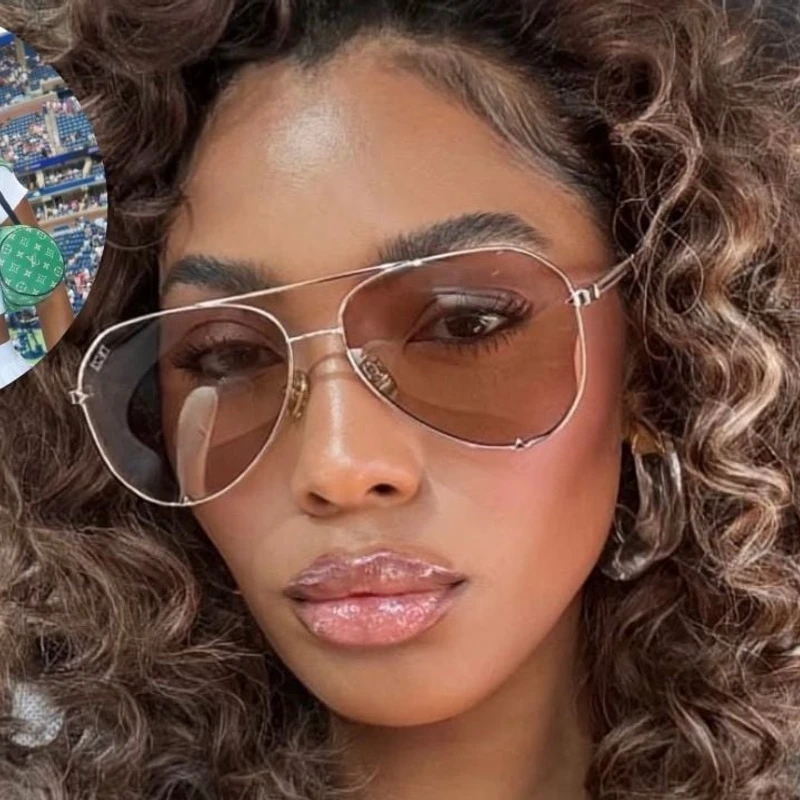
    Tatiana Elizabeth, a skincare founder and content creator, took to Threads to expose influencer Lauren Blake Boultier. Elizabeth shared a side-by-side comparison showing Boultier’s post, which was nearly identical to Elizabeth’s original content—down to the outfit, watch, bag, and even the photo angle. The most alarming aspect? Boultier had allegedly used AI to place her face onto Elizabeth’s body.

    Adding to the deception, Boultier had geotagged the location as Miami, implying she was at the Miami Open, when Elizabeth’s original photo was taken at the US Open two years prior. This wasn’t just a case of inspiration; it was a calculated attempt to replicate and claim another creator’s work.

    Accountability and the Bigger Picture

    Following Elizabeth’s public call-out, Boultier removed the post and sent a direct message apologizing. She claimed her team was experimenting with an AI tool and that the image was generated without her seeing the original. However, Elizabeth pointed out that this wasn’t an AI-generated influencer, but a real person using AI to steal. This explanation did little to quell the concerns about the ethical implications.

    Elizabeth, who has spent over a decade building her career, emphasized the disproportionate effort Black creatives often have to exert. She highlighted navigating spaces where she was often the only Black woman and the hard work it took to earn opportunities, like being invited to the US Open by Serena Williams. She described the act as ‘completely and utterly disrespectful’ to minimize the work of creators with smaller platforms.

    AI and the Erosion of Authenticity

    This incident underscores a broader issue within influencer culture, where authenticity is increasingly commodified. As AI tools become more sophisticated and accessible, the line between genuine experience and fabricated content blurs. This makes it harder for audiences to discern reality and easier for individuals to replicate the aesthetics and ‘vibe’ of Black culture without lived experience.

    Elizabeth warned that this trend risks further marginalizing Black women, who have been instrumental in shaping much of today’s internet culture. She urged everyone to be critical of what they see online, advising against creating insecurities based on potentially ‘fake lives’ presented by influencers.

    This is just a lesson for all of us to not believe everything that we see on the internet. Do not create insecurities within yourself based on things that you see online, because some people are living a very, very fake life. — Tatiana Elizabeth

    What are your thoughts on the use of AI in content creation and its impact on authenticity? Share your perspective in the comments below!

  • IVF Disparities: Black Women Face Lower Success Rates

    When we talk about Black maternal health, the focus often lands on the birthing process. But the disparities Black women face in healthcare start much earlier, even at conception. A new study from the University of Pennsylvania is shedding light on the significant gaps Black women experience with In Vitro Fertilization (IVF) treatment.

    The Persistent IVF Success Gap

    For years, data has shown that Black women have lower live birth rates from IVF compared to their white counterparts. However, the exact reasons behind this persistent gap have remained elusive. This latest research, published in “Fertility and Sterility,” delves deeper into the complexities.

    Researchers analyzed over 246,000 ovarian stimulation cycles. Surprisingly, they found that Black participants’ eggs produced high-quality embryos and they responded slightly better to the stimulation drugs. Yet, this group still had a lower birth rate (45%) compared to white women in the study (60%).

    Unpacking the Roadblocks

    Dr. Iris Tien-Lynn Lee, the study’s lead author, stated, “There’s clearly something happening that’s a roadblock to getting to the ultimate goal of bringing home a baby.” While the ovarian stimulation drugs themselves don’t seem to be the issue, the study points to other potential factors.

    These include increased risks for uterine fibroids in Black communities, exposure to endocrine-disrupting chemicals often found in hair relaxers, and environmental contaminants. Dr. Tia Jackson-Bey, a reproductive endocrinologist, noted the frustration of not knowing the precise cause, emphasizing that “the most frustrating thing is that we don’t know what, exactly,” is driving this disparity.

    Beyond the Science: Systemic Factors

    The study also highlights crucial non-medical factors. Systemic racism, financial inequalities, and health insurance barriers play a significant role. A 2025 statement from the American Society for Reproductive Medicine noted that Black women often seek fertility treatment at an older age than white women, which can impact ovarian reserve.

    Furthermore, a 2020 study found that Black women were more likely than other racial and ethnic groups to report race and income as barriers to fertility treatment. “Black women in health care experience worse outcomes in general,” explained Professor Tarun Jain, “We need to address these inequities at a broader level.”

    What are your thoughts on these findings regarding IVF disparities? How can we work towards more equitable healthcare for Black women? Share your insights in the comments below!

  • Zucot Gallery’s ‘Little’ Show Makes Big Impact

    Atlanta’s Zucot Gallery, a leading space for African American art, has opened its doors for ‘Little,’ an exhibition that proves great things truly come in small packages. This group show features 12 artists presenting a curated selection of smaller works, challenging the notion that impact is solely tied to size—or price tag.

    Big Impact from Small Canvases

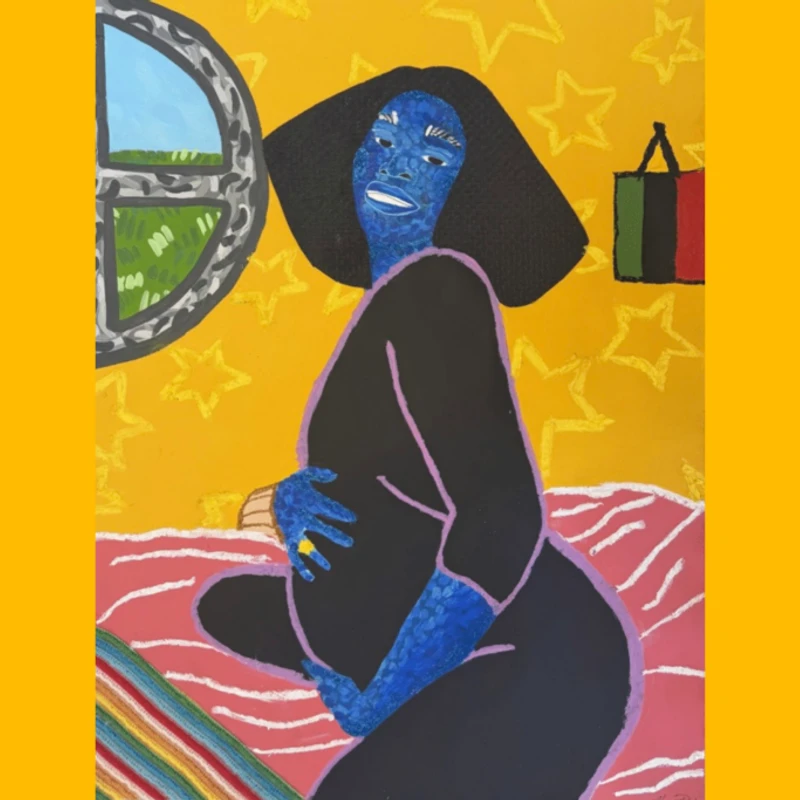
    The exhibition intentionally highlights artists who typically create much larger, and often more expensive, pieces. Think Jamaal Barber, known for prints that can stretch to four feet, or Honey Pierre, whose mixed-media art often towers at seven to eight feet. Even Pierre’s featured piece, ‘Big Mama,’ while smaller than her usual scale, is still a substantial mixed-media work composed of acrylic paint, oil pastel, and glitter on paper.

    The ‘Little’ exhibition is ambitious, especially considering the current economic climate. With Black Americans facing a 7.7 percent unemployment rate, art can feel like a luxury. Zucot Gallery aims to counter this by emphasizing the ‘impact and presence’ of smaller works, making art more accessible for first-time buyers, seasoned collectors looking for a new addition, and anyone seeking affordable artwork.

    A Curated Collection for All Buyers

    Onaje Henderson, co-owner of Zucot Gallery, shared that the show ‘fills the gap for a lot of interest’ and demonstrates resilience: ‘I think that it is a way to say, ‘no matter what’s thrown at us, we’re going to create a way, figure out a way, to make things relevant for the times.’

    The opening night saw an exceptional turnout, with collectors engaging with over 50 ‘Little’ artworks from 12 talented artists. These include Charly Palmer, Georgette Baker, Richard Clark, Aaron F. Henderson, Shanneil Clarke, Honey Pierre, Jordan Toombs, George Gailbreath, Marryam Moma, Jamaal Barber, Petie Parker, and Nathan Addley.

    Spotlight on Featured Artists

    Charly Palmer, perhaps the most recognized name in the exhibition, presents 11 acrylic on canvas pieces showcasing his signature style. His works, often featuring deeply pigmented Black figures with bold text, explore themes of Black joy and identity in spaces where Black people can simply ‘live their Black lives, unbothered.’ Standouts include pieces from his Martha’s Vineyard series, like ‘Masterpiece on the Bluff’ and ‘Mama and We,’ which evoke a sense of Black whimsy and relatable nostalgia.

    E. Richard Clark, an 82-year-old painter, offers a contrasting, pastoral vibe with his watercolor pieces. His ‘Quiltmaker Series’ and ‘Work Clothes’ evoke a sense of time, hardship, and resilience, reminiscent of the women quilters of Gee’s Bend. His work redeems the depicted hopelessness through the vitality of the embedded quilt imagery.

    Aaron Henderson brings vibrant energy with his Moko Jumbie paintings, using gouache on paper to depict these stilt dancers as symbols of liberation, resistance, and good vibes. His use of bright colors like lime, yellow, and magenta brings a spirited, performative, and restorative quality to his work, including his ‘Jazz’ series.

    Collagist Marryam Moma adds a touch of whimsy with her ‘Wunderland Noir’ series, featuring ink drawings on porcelain plates. Pieces like ‘Not Like Us’ and ‘La Vie En Rose’ showcase intricate details and prompt viewers to ponder the narratives within the art.

    Petie Parker’s negative paintings, like ‘Butter-Fly’ and ‘Vantage Point,’ offer a unique perspective. These works highlight young Black children and their environments in greyscale, effectively telling stories of resilience and hope, much like Deniece Williams’ song ‘Black Butterfly.’ Parker’s signature style, which elevates Blackness through dark hues, has already led to six sales before opening night.

    Have you visited Zucot Gallery’s ‘Little’ exhibition? Which artist’s work resonated with you the most? Share your thoughts in the comments below!