Tag: Lifestyle

  • Start Your April Garden Like A Pro

    Dreaming of a lush indoor jungle or a bountiful outdoor garden? April is your golden ticket to making it happen! With warmer soil, longer daylight hours, and those lovely spring rains, this month offers the perfect conditions to plant everything from delicate houseplants to hearty vegetables. Get ready to embrace your green thumb, even if you’re a total beginner!

    Easy Indoor Plants for a Breath of Fresh Air

    Bringing plants indoors isn’t just about aesthetics; it’s also a fantastic way to naturally filter your air and boost your mood. For beginners, resilience is key, and two stars shine brightly: Snake Plants and Spider Plants.

    Spider plants (Chlorophytum comosum) are incredibly forgiving. They thrive in indirect light, don’t mind if you forget to water them occasionally, and are easily propagated from their ‘babies’ or plantlets. Just ensure they have well-draining soil and aren’t overwatered, and they’ll reward you with lush greenery.

    Snake plants are equally low-maintenance. They tolerate low light conditions like a champ and only need watering when the soil is completely dry. Use a well-draining potting mix and a pot with drainage holes to prevent root rot, and keep them out of prolonged direct sun. These plants are practically indestructible, making them perfect for novice plant parents.

    Outdoor Delights: Quick-Growing Veggies for April

    If you’re ready to get your hands dirty outdoors, April is prime time for planting cool-season crops that grow relatively quickly. These are fantastic choices for beginners looking for satisfying results without a long wait.

    • **Lettuce:** One of the fastest growers, you can start harvesting baby leaves in about 30 days. Simply sow seeds directly into the soil and keep them moist.
    • **Radishes:** Ready in around 30 days, radishes are another speedy crop. Sow seeds directly into loose, well-drained soil and keep it consistently moist.
    • **Peas:** These spring favorites love cool soil and can handle light frost. Sow seeds 1-2 inches deep and provide support like a trellis early on.
    • **Carrots:** Easy to grow in loose, well-drained soil. Sow seeds directly, thin seedlings as they grow, and keep the soil moist.
    • **Spinach & Beets:** Both thrive in early spring. Spinach is ready in 40-50 days, while beets take about 50-70 days. Sow seeds directly and ensure consistent moisture (spinach) or well-drained soil (beets).

    For those in warmer climates or when the soil consistently reaches above 60°F (15°C), zucchini is another excellent, high-yield option. Just sow seeds directly and water regularly for a bountiful harvest.

    Starting a garden in April is incredibly rewarding, especially with these beginner-friendly options. Whether you’re aiming for vibrant indoor greenery or a productive outdoor patch, the key is choosing plants that are known for their resilience and ease of care. Happy planting!

    What are you planning to plant this April? Share your gardening goals in the comments below!

  • Student Orgs Fight Back Against DEI Funding Cuts

    Across college campuses nationwide, a battle is brewing. Universities are increasingly gutting funding and recognition for minority student organizations, often citing federal pressure and anti-DEI directives from the Trump administration. But students aren’t backing down – they’re fighting back against what they see as erasure and a dismantling of vital support structures.

    The University of Missouri’s Controversial Decision

    At the University of Missouri (Mizzou), the historic Legion of Black Collegians (LBC), the nation’s only Black student government, found itself stripped of its funding and university-sponsored status. This move, along with similar cuts to four other minority-focused groups, was framed by administrators as a compliance issue. However, for LBC president Amaya Morgan, it felt like a deliberate attempt to silence and marginalize Black students.

    Founded in 1968, the LBC has a long legacy of advocating for Black students’ rights and experiences on campus. It played a pivotal role in the 2015 movement that led to the resignation of the university president following racist incidents. Losing its university-sponsored status means the LBC may no longer have the required administrative engagement, potentially pushing their concerns ‘to the wayside.’

    Justification and Student Pushback

    University spokesperson Christopher Ave stated that the decision was made to comply with the Department of Justice’s new restrictions on DEI, referencing a memo that guides public institutions. Failure to comply, he warned, could risk significant federal funding. However, students quickly pointed out that the DOJ memo is guidance, not binding law.

    This isn’t the first time Mizzou has targeted the LBC. The university previously dissolved its Division for Inclusion, Diversity and Equity and attempted to force the LBC to rename its popular ‘Welcome Black BBQ’ event. When the LBC refused, the event was canceled altogether. The LBC expressed their frustration, stating the university is taking ‘calculated steps to push minority students further away.’

    A Wider Pattern: University of Alabama and Beyond

    This situation mirrors actions taken at other universities. Weeks prior, students at the University of Alabama filed a federal lawsuit challenging the suspension of their student-led Black and women-focused campus magazines, ‘Nineteen Fifty-Six’ and ‘Alice.’ The university also cited Attorney General Pam Bondi’s non-binding DEI memorandum as justification.

    Represented by the Legal Defense Fund (LDF), the ACLU of Alabama, and the Southern Poverty Law Center (SPLC), the students argue that suspending these publications constitutes viewpoint discrimination and violates the First Amendment. They emphasize that these magazines provide crucial spaces for exploring culture, building community, and reflecting on lived experiences, and silencing them sends a damaging message.

    The actions at Mizzou and Alabama are not isolated incidents but part of a broader pattern. While some institutions and corporations seem to be preemptively complying with anti-DEI pressures, the resilience and determination of young people fighting for their rights offer a refreshing counter-narrative. As the LBC put it, ‘This is the time to be loud, to fight, and to activate.’

    What are your thoughts on these university funding cuts impacting student organizations? Share your views in the comments below!

  • Black Women Work Harder, Earn Less: New Report

    For generations, the sentiment of having to “work twice as hard to get half as far” has resonated deeply within the Black community. Now, a comprehensive new economic report confirms this long-held reality, revealing that Black women continue to face substantial disparities in pay, wealth accumulation, and long-term financial security.

    The Economic State of Black Women

    The report, titled “The Economic State of Black Women in the United States” by The Joint Center for Political and Economic Studies, highlights a persistent paradox: Black women are leading in education and workforce participation but are not seeing equal economic returns. Authors state, “progress in human capital and workforce engagement has not translated into equal economic outcomes across racial and gender lines.”

    This data underscores that the issue isn’t a lack of ambition or effort. Instead, systemic gaps in pay, wealth-building opportunities, and economic protections continue to undervalue the contributions of Black women, even as they remain a crucial driving force in the labor market and their families’ financial stability.

    Key Findings on Pay and Wealth

    The report reveals that approximately 63% of Black women participate in the labor force, a higher rate than white, Asian, and Hispanic women. Furthermore, about two-thirds have attended college, with 38% holding bachelor’s degrees. Despite these educational achievements, the economic rewards fall short.

    In 2025, Black women working full-time earned a median of $942 per week, significantly less than white women ($1,108) and Asian women ($1,395). These disparities extend beyond weekly paychecks, impacting household income and retirement savings.

    Retirement Security and Poverty Rates

    Black women heading households with children reported the lowest median income among major racial groups at just $41,890. Worryingly, fewer than half report having any retirement savings. For women aged 55 to 59, Black women average about $129,933 in retirement savings, compared to $328,217 for white women.

    The consequences are stark: Black women over 65 are twice as likely to live in poverty as their white counterparts. The report indicates that roughly 17% of Black women aged 65 and older live in poverty, compared to about 8% of white women in the same age bracket. These disparities contribute to greater economic insecurity later in life.

    Pathways to Economic Mobility

    Closing these substantial economic gaps requires more than individual effort; it necessitates policy changes and workplace transformations. Researchers emphasize the need for expanded access to higher-paying jobs, strengthened pay equity protections, improved retirement benefits, and support for caregiving responsibilities that often hinder career progression.

    The report also stresses the importance of robust wealth-building opportunities, including fair lending practices and employer benefits that enable Black women to achieve lasting financial stability. As the authors conclude, understanding these economic realities is crucial for creating policies that foster mobility and security for Black women, who are integral to the nation’s economic and social fabric.

    What policies do you believe would best address these economic disparities for Black women? Share your thoughts in the comments below!

  • Keith Lee Eliminates Vendor Fees for FamiLee Day Fest

    Get ready, New Orleans! Social media sensation Keith Lee is bringing his influence offline with the inaugural FamiLee Day festival, and he’s making a groundbreaking decision to support local businesses. Lee has announced that all food vendor fees will be waived for the event, removing a significant barrier for independent entrepreneurs.

    Scheduled for May 16 at the UNO Lakefront Festival Grounds, FamiLee Day promises a vibrant mix of food, music, and family fun. Lee’s decision to eliminate vendor fees is particularly noteworthy, as these costs can often prevent small businesses from participating in festivals. By removing this hurdle, Lee is creating a more equitable opportunity for local vendors to showcase their talents and potentially profit from the event.

    Prioritizing Local Businesses

    “FamiLee Day is rooted in creating real opportunities for local businesses,” Lee stated. “By eliminating vendor fees, we’re prioritizing the success of our partners and ensuring they can fully benefit from the exposure, community engagement, and economic impact the festival is designed to generate.”

    The festival’s curated food village is set to highlight a diverse range of New Orleans eateries, offering them access to Lee’s massive TikTok following of over 17 million. This platform has already proven instrumental in boosting visibility and revenue for small food businesses, a phenomenon often dubbed the “Keith Lee effect.”

    More Than Just Food

    Beyond the culinary delights, FamiLee Day is designed as a full-day experience. Attendees can look forward to live performances from artists like Kirk Franklin, Mannie Fresh, Tobe Nwigwe, and Andra Day. The festival will also feature carnival rides and various family-centered activities, making it a comprehensive entertainment event.

    Lee’s approach signifies a shift in how creators can leverage their platforms to foster economic opportunity. Instead of extracting value, he’s using his influence to build a space where small businesses can thrive. This offline extension of his brand translates digital impact into tangible economic benefits for the community.

    Strong Demand and Future Blueprint

    The demand for FamiLee Day is already evident, with VIP tickets selling out quickly. This suggests that Lee’s online audience is eager to translate their digital support into real-world engagement. As the creator economy continues to evolve, Keith Lee’s model for FamiLee Day offers a compelling blueprint for merging influence with community-focused infrastructure.

    Are you planning to attend the FamiLee Day festival? What are your thoughts on Keith Lee waiving vendor fees? Let us know in the comments below!

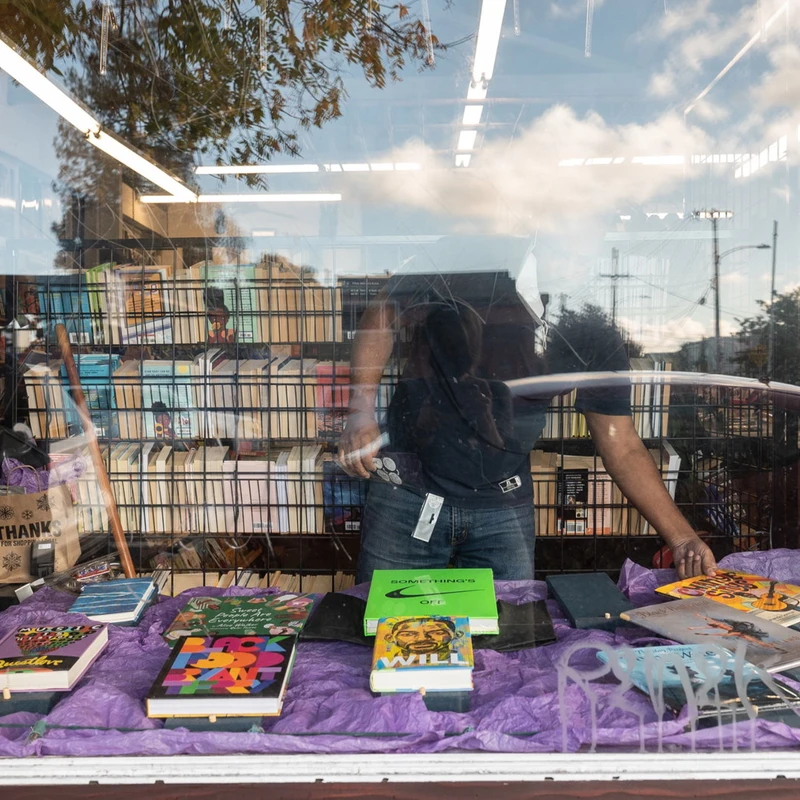
  • Celebrate National Black Bookstore Day: Support These Gems

    Mark your calendars! April 7th is officially National Black Bookstore Day, a celebration of the incredible independent bookstores that serve as cornerstones of Black culture, activism, and community. These aren’t just places to buy books; they are vibrant hubs for learning, connection, and the preservation of our rich histories.

    More Than Just Books: Community Anchors

    Black-owned bookstores have long been central to activism, civil rights movements, educational initiatives, and cultural preservation. They provide essential spaces for dialogue, host author events, and offer curated selections that reflect and celebrate Black experiences. The growth from just 54 Black-owned bookstores in 2010 to over 300 today is a powerful testament to the community’s support and the enduring value of these institutions.

    This initiative, powered by former Sacramento Mayor and NBA star Kevin Johnson (founder of the National Association of Black Bookstores and owner of Underground Books), shines a spotlight on the essential work these businesses do. Let’s celebrate by showing some love to these incredible spots!

    Must-Visit Black-Owned Bookstores Across the Nation

    • **Marcus Books (San Francisco, CA):** Established in 1960 by Julian and Raye Richardson, this is the oldest independent Black-owned bookstore in the U.S. Now in its second generation of leadership, it remains a vital center for education, activism, and African American literature and history.
    • **The Lit. Bar (The Bronx, NY):** Founded by Noëlle Santos in 2019, this unique bookstore-wine-bar hybrid is The Bronx’s only independent bookstore. Its mission is to combat “book deserts” and bring literary resources back to underserved communities.
    • **Hakim’s Bookstore (Philadelphia, PA):** Dawud Hakim established this Philadelphia institution in 1959, making it the city’s oldest Black-owned bookstore. Located in West Philadelphia, it specializes in Black historical and educational materials.
    • **Baldwin & Co. (New Orleans, LA):** Founded in the early 2020s by DJ Johnson, this contemporary bookstore and coffee shop has quickly become a community cornerstone, fostering literacy and cultural connection.
    • **Source Booksellers (Detroit, MI):** Janet Webster Jones founded this bookstore in 2002 with a focus on nonfiction, health, and social justice. It aims to empower individuals through knowledge and foster social change.
    • **MahoganyBooks (Washington, D.C.):** Founded by Derrick and Ramunda, MahoganyBooks started online in 2007 and opened its physical store in 2017. It’s a nationally recognized brand promoting “Black books matter” through curated selections and author events.
    • **Kindred Stories (Houston, TX):** Nikki High established this Black bookstore and community space in 2021, focusing its literary and programmatic work on Black women and social justice narratives.
    • **For Keeps Books (Atlanta, GA):** Founded by Rosa Duffy in 2018 in Atlanta’s historic Black district, this rare bookstore specializes in Black print culture and ephemera, aiming to protect essential archival materials.
    • **Brain Lair Books (South Bend, IN):** Kathy Burnette founded this children’s bookstore in 2019, dedicated to helping children find literature that reflects their own identities and offering diverse stories for all backgrounds.

    These bookstores are more than just retail spaces; they are vital cultural institutions that enrich our communities and preserve our stories. On National Black Bookstore Day, let’s make a conscious effort to support these incredible businesses, discover new reads, and connect with the vibrant literary world they offer.

    Which of these Black-owned bookstores have you visited, or which one are you adding to your list? Share your favorites and recommendations in the comments below!

  • Celebrate National Beer Day with These Black-Owned Breweries

    Happy National Beer Day! What better way to celebrate the world’s most popular alcoholic beverage than by supporting the Black entrepreneurs who are making their mark in the brewing industry? BLACK ENTERPRISE is highlighting some incredible Black-owned breweries that are not only crafting delicious beers but also driving diversity, innovation, and cultural development within the industry.

    Brewing Diversity and Flavor

    The beer industry continues to grow, and Black ownership is proving vital to its future. These breweries showcase a commitment to unique cultural approaches, community engagement, and expanding the horizons of craft beer. From Atlanta to Los Angeles and beyond, these brands are transforming the landscape.

    Featured Black-Owned Breweries to Support:

    • **Atlantucky Brewing (Atlanta, GA):** Born from the collaboration between Nappy Roots members Skinny DeVille and Fish Scales, and brewer Brandon Garnett, Atlantucky operates as a contract brewery while building its own facilities. They leverage music industry connections and host cultural events, participating in the “Black Is Beautiful” initiative to link their products with social impact.
    • **Beale Street Brewing Co. (Memphis, TN):** Founded by Kelvin Kolheim, this brewery integrates Memphis musical traditions into its brewing process. Each beer pairs specific styles with musical selections, featuring blues-themed packaging and narrative-driven taste profiles that pay homage to Beale Street’s rich musical heritage.
    • **Black Beauty Brewery (Bowie, MD):** Sheldon and Brittany Goins, a husband-and-wife team, founded this brewery in 2020. Sheldon turned his homebrewing hobby into a commercial business after losing his job during the pandemic, making it the first Black-owned brewery in Bowie, Maryland. They now sell products throughout the state.
    • **Black Horizon Brewing Company (Willowbrook, IL):** Charles St. Clair established this small-batch, community-focused brewery in the Chicago suburbs. They prioritize intentional partnerships, often working with Black brewers to increase their exposure and foster sustainable growth through local connections.
    • **Brown Girls Brew (New York City, NY):** Christina Thomas created this brand in 2021 to establish a space led by Black women within craft beer culture. Operating through pop-ups and community events rather than a traditional brewery, Brown Girls Brew focuses on inclusion and building community.
    • **Grown Folks (Los Angeles, CA):** Launched in 2024 by Danica Dias, this Black- and woman-owned beverage brand celebrates Louisiana Creole heritage. Grown Folks offers craft beer, including their Front Porch American light lager, and soul food-inspired hard seltzers like Peach Cobbler and Ambrosia flavors.
    • **Kitsune Brewing Co. (Phoenix, AZ):** Tyler Smith founded Kitsune Brewing Co., a craft beer brand known for its global branding approach and story-based marketing that incorporates Japanese elements. This demonstrates how Black-owned beer brands are exploring diverse conceptual influences and markets.

    On National Beer Day, let’s celebrate the innovation, passion, and cultural richness that Black-owned breweries bring to the industry. Supporting these businesses not only means enjoying a great cold one but also contributing to a more diverse and vibrant future for craft beer.

    Which of these Black-owned breweries have you tried, or which one are you excited to explore? Let us know your favorites and recommendations in the comments below!

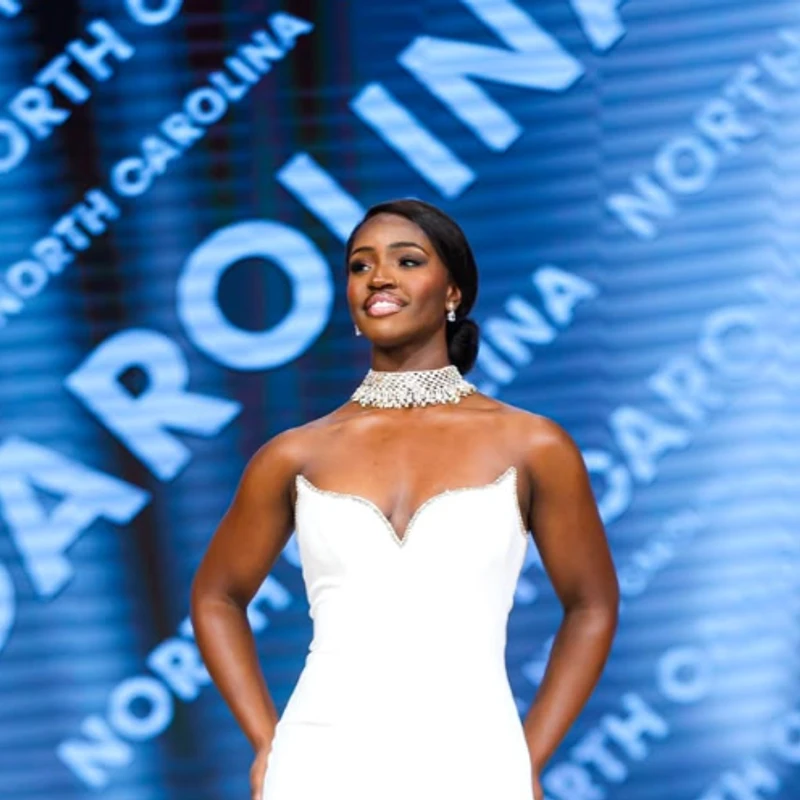
  • Miss North Carolina Carie Everett Dies at 22

    The community is mourning the loss of Carie Everett, the 22-year-old who made history as the first Liberian American and HBCU student to be crowned Miss North Carolina in 2024. Her passing, after a courageous battle with signet ring cell carcinoma, is shining a stark light on a growing and concerning trend: the rise of early-onset cancers in young people.

    A Legacy of Advocacy and Faith

    Her family shared the heartbreaking news via her Instagram, stating, “We are heartbroken to share that last night, the beautiful nightingale, Helen Carrie Everett, passed away after a courageous battle with cancer.” They remembered her for her inspiring spirit, her advocacy, and her unwavering faith, noting her final words were a proclamation of God’s goodness.

    Everett’s journey with cancer began shortly after she relinquished her Miss North Carolina crown in June 2025. Initially diagnosed with pneumonia due to persistent bloating and a cough, further tests revealed aggressive masses in her pelvic area, leading to the devastating cancer diagnosis. She shared her fear and shock with ABC11 in September 2025, but also her determination to hold onto her faith.

    The Alarming Rise of Early-Onset Cancers

    Carie Everett’s story tragically underscores a trend that scientists are increasingly observing: a significant rise in cancers diagnosed at younger ages. These are often referred to as ‘early-onset’ cancers. The American Cancer Society reports a startling 82% higher cancer rate in women under 50 compared to their male counterparts, representing a 51% increase since 2002.

    Cancers like colorectal, breast, and kidney cancer are among the more than 10 types of cancer showing a notable increase in adults between 20 and 50. Experts like Dr. Andrea Cercek from Memorial Sloan Kettering (MSK) Cancer Center note that many health issues are manifesting at younger ages than in previous generations.

    Potential Causes and Prevention

    While the exact causes remain under investigation, researchers like Dr. Cercek and Dr. Shanthi Sivendran from Yale’s cancer center hypothesize that environmental factors could be playing a significant role. However, a single definitive cause, or ‘smoking gun,’ has yet to be identified. This uncertainty makes prevention and early detection even more critical.

    Medical professionals are urging everyone, especially young adults, to be proactive about their health. This includes maintaining a healthy lifestyle and, crucially, undergoing regular screenings with primary care providers. A family history of cancer can be an additional risk factor, making consistent check-ups even more important.

    Carie Everett’s story is a powerful reminder of the importance of health awareness. What are your thoughts on the rise of early-onset cancers? Share your experiences or concerns in the comments below.

  • Study: Tumor Biology, Not Just Race, Affects Breast Cancer Survival

    We often hear about racial disparities in health, and breast cancer survival rates for Black women are a stark example. While Black women develop breast cancer slightly less often than white women, they face a significantly higher mortality rate. But new research is shedding light on a crucial factor: it’s not just about race, but the very nature of the tumors themselves.

    Unpacking the Tumor’s Biology

    A groundbreaking study, published in Nature Partners Journal Breast Cancer and led by Dr. Sonya Reid from Vanderbilt University Medical Center, reveals that Black women with the most common type of breast cancer (HR+HER2) are more prone to developing aggressive tumors. What’s more, these aggressive tumors are often misidentified as lower-risk in the early stages.

    Dr. Reid and her team analyzed data from over 1,000 women, equally divided between Black and white participants. Their findings suggest that while systemic factors like socioeconomic status do play a role in health outcomes, they don’t fully explain the survival gap. The key difference appears to lie in the genomic makeup of the tumors.

    The Power of Genomic Testing

    The study utilized advanced genomic testing tools, MammaPrint and BluePrint, which classify cancers based on genetic activity rather than just traditional pathology. These tests categorize tumors as low-risk (Luminal A), moderate-risk (Luminal B), and high-risk (Basal-type), providing a more accurate picture of potential recurrence and survival outcomes.

    Remarkably, genomic profiling reclassified about half of patients initially deemed low-risk into more aggressive categories. The research found that Black women in the study were more likely to have higher-risk tumor types, such as basal-type tumors (11% compared to 4.8% in white women), even after accounting for socioeconomic factors.

    Race vs. Tumor Type: What Drives Outcomes?

    The study’s most significant finding is that when patients were compared based on tumor subtype rather than race, their outcomes were strikingly similar. For instance, Black women with low-risk tumors had the same excellent 10-year recurrence-free survival rate (97.7%) as white women with low-risk tumors. This strongly supports the conclusion that tumor biology is a more powerful driver of outcomes than race alone.

    While this study is a major step forward, researchers acknowledge limitations, including variations in diagnosis periods and a lack of data on treatment adherence and comorbidities. However, the implications are clear: earlier and more widespread genomic testing could help identify aggressive cancers sooner, leading to better treatment decisions and potentially reducing the racial survival disparities.

    What are your thoughts on the importance of genomic testing in cancer treatment? Share your perspective in the comments below!

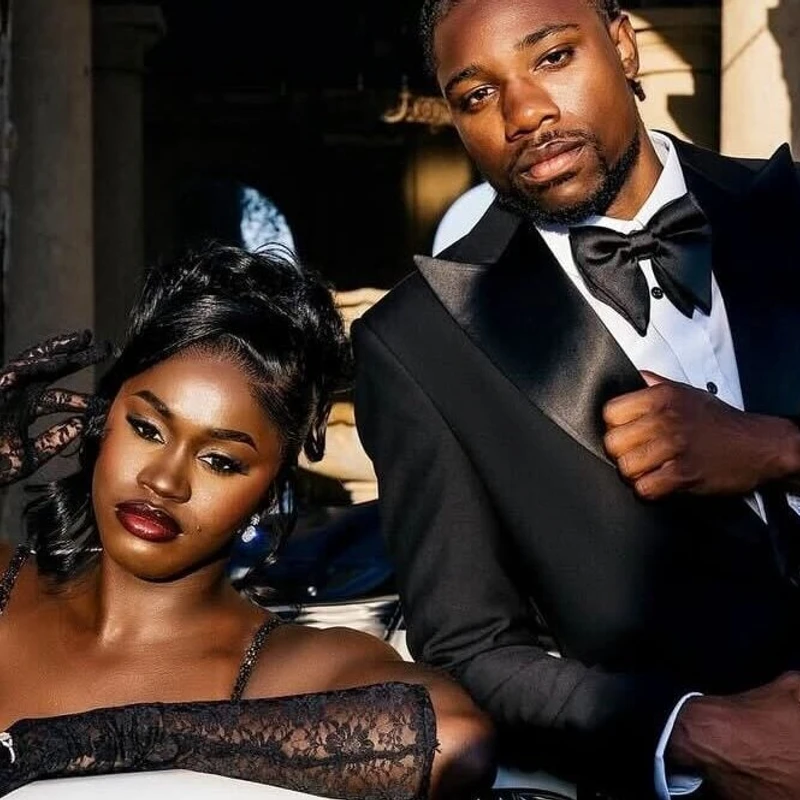
  • Olympic Stars Noah Lyles & Junelle Bromfield Marry

    Talk about a power couple! Olympic gold medalist Noah Lyles and bronze medalist Junelle Bromfield have officially tied the knot in a breathtaking ceremony that beautifully celebrated their heritage and Black love. The event, themed ‘shades of melanin,’ took place on April 4th in Trenton, Georgia.

    A Ceremony Rooted in Culture and Love

    The couple exchanged vows in a magical outdoor ceremony, bathed in soft, neutral tones. Junelle, who admitted to being nervous, was supported by Noah holding her vow book. Their union was a thoughtful blend of Bromfield’s Jamaican roots and Lyles’ Black American heritage, creating a rich tapestry of culture.

    Fashion played a starring role. Bride Junelle stunned in a custom princess gown by Black, Jamaican designer Pantora Bridal for the ceremony, later switching to a chic white lace corset mini dress for the reception. Noah complemented her perfectly, opting for a textured brown suit by Musika, inspired by his Met Gala look, with a custom anime-lined jacket for each groomsman – a nod to his passion.

    Honoring Loved Ones and Celebrating Joy

    The day also held moments of poignant remembrance. A seat was reserved for loved ones who couldn’t be present. In a touching surprise, Junelle received a photo pendant of her late mother to carry with her down the aisle, moving her to tears.

    The reception kicked into high gear with lively performances from the bridal party, including the groomsmen dancing to “Turnt Up” and bridesmaids grooving to Jamaican hits. The newlyweds shared their first dance to a mix of classic Jamaican and American tunes, followed by dances with their parents.

    A Love Story Years in the Making

    This beautiful wedding follows their engagement announcement in October 2024, after about two years of dating. However, their connection goes back further. Noah recalled that Junelle slid into his DMs in 2018 asking if he cooked, sparking a seven-year journey of love, separation, and eventual commitment.

    The celebration continued with a multi-tiered ombré brown cake, a live performance by gospel singer Tasha Cobbs, and a DJ keeping the dance floor packed. The night concluded with pizza, a spectacular fireworks display, and a gentle rainfall that added a touch of magic to the already enchanting evening.

    What do you think of Noah Lyles and Junelle Bromfield’s wedding celebration? Share your favorite details in the comments below!

  • Misty Copeland Finds Power in Perimenopause

    Imagine gracefully navigating life’s biggest stages, from the ballet floor to the red carpet. Now, imagine facing a new, internal shift that can feel just as demanding. Renowned ballet dancer Misty Copeland is doing just that, opening up about her experience with perimenopause and how embracing these changes has become a source of empowerment.

    From Dancer’s Discipline to Perimenopause Grace

    After years of pushing her body to its limits as a world-class dancer, Misty Copeland has learned to accept the natural evolution of her physical self. This mindset, honed through years of injury and growth, is now helping her approach perimenopause with a similar sense of understanding and self-compassion.

    “I think one thing that I have learned just from being a dancer is accepting the changes that naturally happen in my body,” Copeland shared with People magazine. It’s about being grounded and in touch with who you are, even as your body transforms.

    The Initial Denial and the Power of Conversation

    At 43, Misty Copeland admits she initially dismissed her symptoms – like sudden acne, brain fog, and insomnia – as just part of being a mom to a young child. She felt she was in denial about entering this new life phase, a sentiment many women her age can relate to.

    “I feel like a lot of women my age don’t wanna talk about it… And, like, it’s okay to accept and have the conversations and be really thoughtful about them,” she explained. This realization has highlighted the importance of open dialogue and support systems.

    It’s nice to have support and not feel embarrassed or ashamed that you’re going through these things as a woman. — Misty Copeland

    Copeland draws a parallel to teenage years and menstruation, questioning why societal norms often lead to hiding natural bodily experiences. She believes these are normal, even beautiful, parts of womanhood that deserve open discussion.

    Partnering for Support and Wellness

    This desire for open conversation and support inspired her partnership with Thorne for their new Perimenopause Complete supplement. This product aims to help women navigate mood, sleep, and balance during these transitional years.

    Copeland emphasizes the significance of her platform, particularly as a Black woman, to discuss self-care and important health conversations. She hopes to empower young women, especially women of color, by seeing her openly address these topics.

    Finding Control and Embracing the Present

    Ultimately, naming and understanding what’s happening internally has been a game-changer for Misty. It has fostered a sense of control and groundedness, allowing her to embrace this current phase of her life with confidence and positivity.

    What are your thoughts on Misty Copeland’s empowering approach to perimenopause? Share your experiences or insights in the comments below!