Tag: Black Women

  • Gift Guide: Embrace the ‘Soft Life’ with Black-Owned Brands

    The ‘Soft Life’ is more than just a fleeting trend; it’s a conscious choice to prioritize rest, peace, and overall well-being, moving away from the relentless hustle culture. As we embrace a season of cozy introspection, this gift guide is curated to help you cultivate calm and radiance. We’ve spotlighted the best essentials for embracing this lifestyle, all sourced from incredible Black women-owned brands.

    Section 1: Instituting the Sanctuary (Home & Ambiance)

    Transform your living space into a tranquil haven with gifts that focus on warmth, comfort, and soothing scents. These items are perfect for creating an atmosphere of serenity and relaxation.

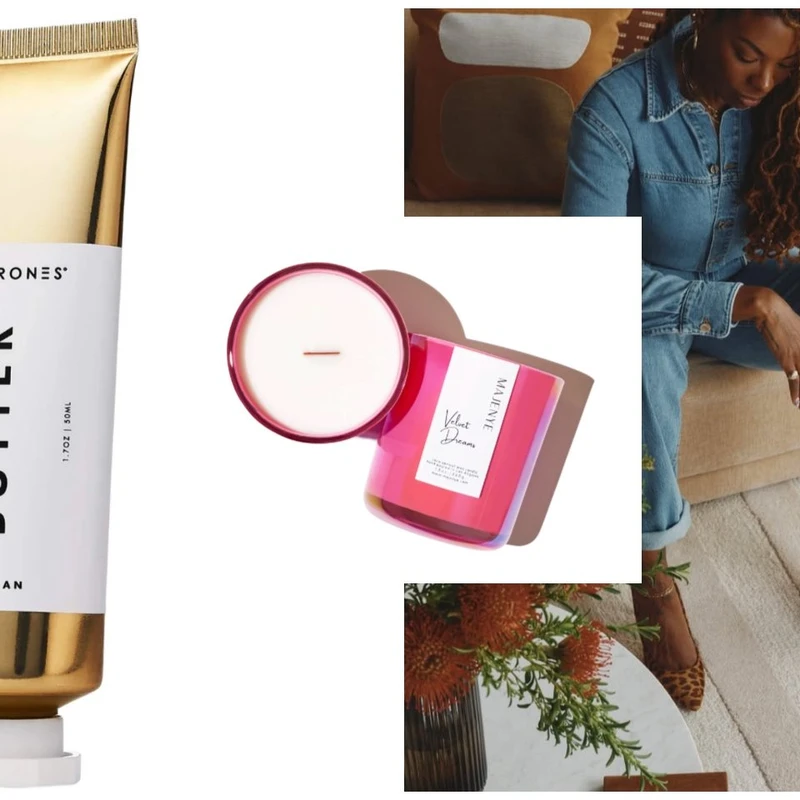
    • **Majenye’s Candles:** Hand-poured, clean-burning candles with complex, calming fragrances designed to elevate mood and space. They provide the perfect foundation for any self-care ritual, setting a serene and luxurious ambiance.
    • **Carmeon Hamilton x RUGS USA:** Thoughtfully designed area rugs that anchor a space with texture and color, inviting you to settle in. This collection grounds the home, creating a comfortable, aesthetically pleasing environment for rest.

    Section 2: Internal Reflection & Growth (Journals & Tools)

    The ‘Soft Life’ journey also involves significant internal work. These selections encourage journaling, self-discovery, and mindful introspection, providing tools for your inner journey.

    • **Journaling Adventure by Monique Maxwell:** A guided journal filled with prompts and exercises designed to encourage self-love, self-discovery, and mindful connection with one’s inner self. It facilitates the “date yourself” movement, turning reflection into an enjoyable adventure toward self-intimacy.
    • **Soil to Self by Breigh Jones-Coplin:** This offers a framework and guided process connecting emotional wellness with practical self-care techniques. It provides structured guidance for those new to deep self-reflection, ensuring introspection leads to actionable peace and growth.

    Section 3: Nourishment & Vitality (Teas & Supplements)

    Self-care truly begins from the inside out. These gifts focus on nourishing your body, reducing stress, and enhancing overall vitality.

    • **Teas With Meaning:** Organic, hand-crafted tea blends focused on wellness benefits, from relaxation to immune support. Enjoying a warm, comforting cup encourages slow sipping and mindfulness, perfect for winding down.
    • **Black Girl Vitamins:** High-quality, thoughtfully formulated vitamins and supplements tailored for the unique health needs of Black women. Prioritizing internal health is fundamental to the ‘Soft Life,’ ensuring energy and vitality for true well-being.

    Section 4: Body & Mind Restoration (Self-Care Essentials)

    Complete your self-care practice with products designed to soothe the body, calm the nervous system, and transform every bath or shower into a spa-like experience.

    • **BodyLove by Tal’s Magnesium Wellness Bundle:** This collection of topical magnesium products promotes deep relaxation, eases muscle tension, and improves sleep quality. Magnesium is nature’s relaxant, offering a direct path to calming the physical body and ensuring restorative rest.
    • **54Thrones Auntie Knows Best Holiday Bundle:** Featuring a full-size Non-Stripping Butter Cream Body Wash, Barrier Repair Cloud Cream, and African Beauty Butter. This rich, restorative blend is inspired by generations of Shea Butter traditions, offering an indulgent tribute to the women who taught us that beauty is a ritual.

    This holiday season, give the gift of self-care and radiance. These thoughtfully curated items from Black women-owned brands are perfect for anyone looking to embrace the ‘Soft Life’ and cultivate a deeper sense of peace and well-being.

    Which of these ‘Soft Life’ essentials are you adding to your wishlist? Share your favorites in the comments below!
  • HIV Crisis Overwhelms Black Women in South

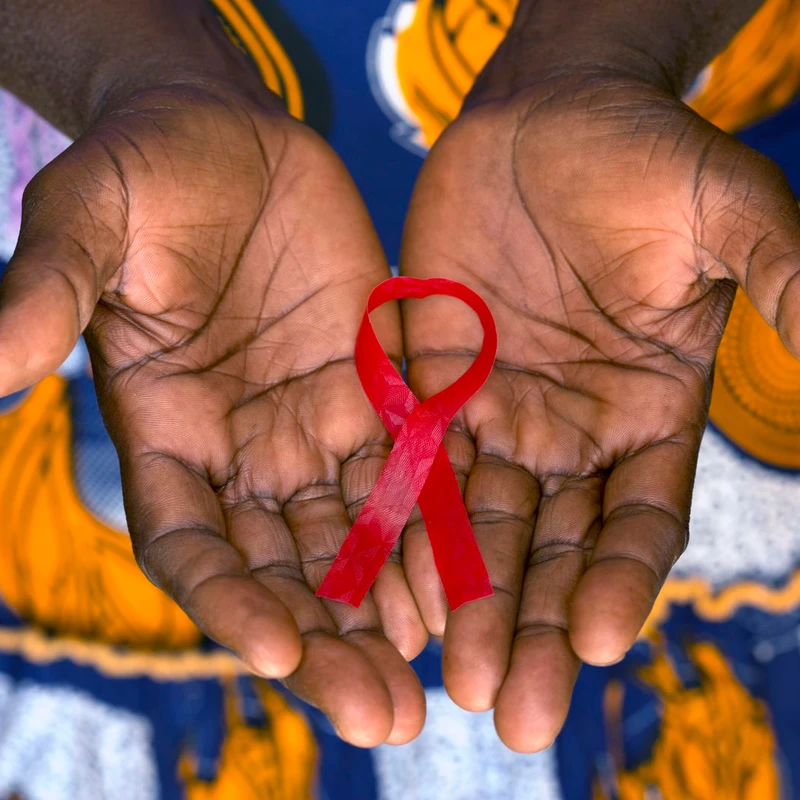
    Even with significant advancements in HIV treatment and prevention since the 1980s, the virus continues to cast a long shadow, disproportionately impacting Black communities in the American South. Alarmingly, the specific challenges faced by Black women within this crisis are often overlooked, despite their significant vulnerability.

    The Stark Realities of HIV in the South

    Recent data paints a concerning picture: in 2023 alone, over 39,000 new HIV cases were diagnosed in the U.S. and its territories among individuals aged 13 and older. While men accounted for 81% of these diagnoses, Black individuals represented 38% of all cases, and a staggering 51% were located in the South. For Black women, the numbers are particularly stark: they represented half of all HIV diagnoses among women, despite making up only 13% of the female population. The South bears the brunt of this epidemic, accounting for over half of all new diagnoses and 56% of HIV-related deaths, even though it represents roughly one-third of the U.S. population.

    Athena Cross, vice president and chief program officer at AIDS United, highlighted the overwhelming burden of HIV in the South. She noted that beyond the inherent risks, there’s often a lack of adequate education and awareness surrounding HIV prevention. “There is still a lot of stigma culturally across the South that prevents people from being willing to access care, or even be able to follow through on a diagnosis,” Cross stated.

    Barriers to Prevention and Care

    Many people underestimate the severity of HIV today due to the overall decline in cases since the 1980s. Historically, men have been the primary focus in discussions about HIV and the use of PrEP (pre-exposure prophylaxis) and sexual health services. While PrEP usage has seen recent growth, Black individuals constitute only 12% of users, with the South accounting for 39% of this group, and women making up a mere 9% of PrEP users.

    Compounding these issues are practical barriers, such as the limited number of hospitals and healthcare providers in rural Southern areas. This scarcity, combined with pervasive anti-LGBTQ+ stigma, fuels ongoing misinformation and ignorance about the disease. Tori Cooper, a Black woman from the South and director of community engagement at the Human Rights Campaign, shared her personal experience of seldom being offered an HIV test over the years, emphasizing the need for judgment-free healthcare providers who offer genuine love and support—a challenge for many.

    Leading the Charge for Change

    Fortunately, dedicated individuals and organizations are leading the charge for solutions. Masonia Traylor, an activist from Decatur, Georgia, who was diagnosed with HIV at 23, founded Lady BurgAndy Inc., a nonprofit dedicated to supporting women and youth affected by HIV/AIDS. Other vital initiatives include AIDS United’s Melanated Movement, which empowers young women to conduct educational programs on HBCU campuses, and SisterLove, a southeastern U.S.-based organization that has advocated for women’s AIDS, sexual, and reproductive justice for over 35 years.

    Rashad Burgess, vice president of corporate responsibility at Gilead Sciences, aptly summarized the situation: “HIV is not an evenly distributed virus. It really does impact some of the most vulnerable communities. And that was true four decades ago, and it’s still true today.” These efforts highlight the ongoing fight for health equity and the critical need to address the HIV crisis with targeted, community-focused solutions.

    What more can be done to address the HIV crisis impacting Black women in the South? Share your thoughts and ideas in the comments below.

  • Protecting Black Girls: Holidays & Beyond

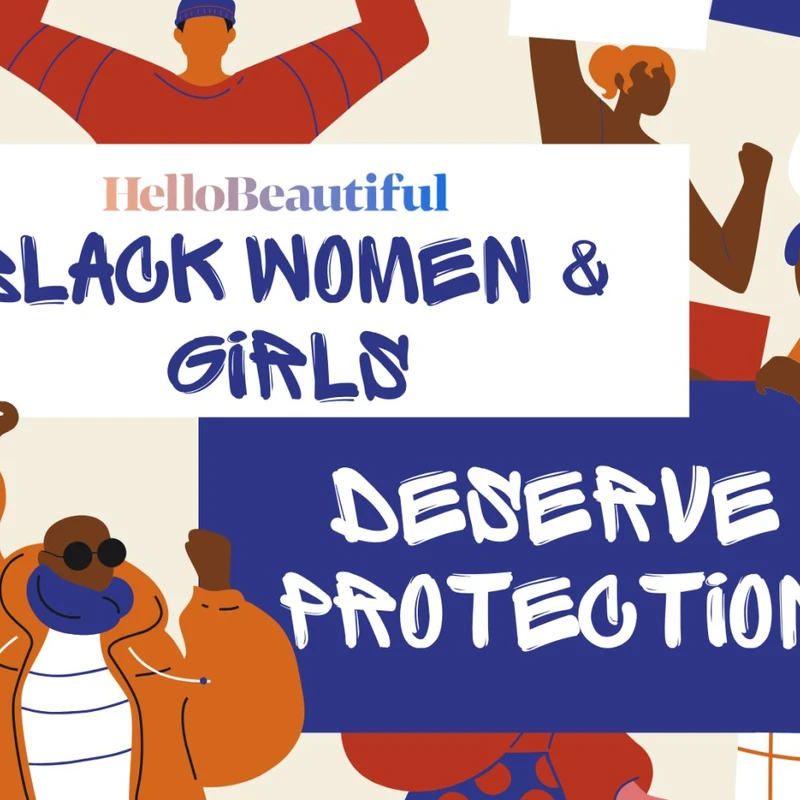
    As the holiday season approaches, many of us look forward to joy, family, and festive gatherings. However, for Black women, this time of year can unfortunately bring heightened risks, particularly for those experiencing intimate partner violence. Financial stress, emotional triggers, and isolation can create dangerous situations. This is precisely why Ujima: The National Center on Violence Against Women in the Black Community exists – to ensure Black women and girls are seen, heard, and protected.

    Ujima: Collective Work and Responsibility

    Founded by a dedicated group of advocates aiming to bridge the gap in culturally specific services, Ujima’s work is deeply connected to its name. ‘Ujima’ is a Swahili word meaning ‘collective work and responsibility,’ a Kwanzaa principle that perfectly embodies the organization’s mission: to mobilize the community to end gender-based violence against Black women and girls.

    Karma Cottman, Ujima’s founder, emphasizes the need for community-wide involvement. ‘It’s going to take our entire community,’ she states with calm urgency. ‘We need men and women working together to address domestic violence. If women are overwhelmingly the victims, then men must be part of ending it. It impacts all of us—our children, our families, our future.’

    A Vision Born From Lived Experience

    Before establishing Ujima, Cottman and her co-founders witnessed a recurring pattern in national and international gender-based violence programs: decisions were made *about* Black women, not *with* them. ‘We sat in rooms where no one looked like us, even though the policies being created disproportionately impacted us,’ Cottman explains. Recognizing that Black women are two and a half times more likely to be murdered by an intimate partner, they knew there was a critical need for research, advocacy, and programs that truly reflect Black women’s lived experiences and healing journeys.

    Holistic Protection: Beyond Physical Safety

    Ujima’s concept of safety extends far beyond physical security. Cottman defines protection as holistic, encompassing physical, emotional, financial, and spiritual well-being. For Black women, true protection means having autonomy over their finances, mental health, and spiritual lives, and feeling safe to seek support without blame.

    This shift from crisis response to comprehensive wellness influences Ujima’s policy advocacy and community healing programs. Initiatives like ‘Healing the Healers’ provide survivors and advocates with spaces to rest and recharge, challenging the harmful ‘strong Black woman’ trope that often leads to the erasure of vulnerability. Cottman stresses, ‘It’s okay to prioritize yourself. It’s okay to ask for help.’

    Navigating Unsafe Homes and Holiday Pressures

    Cottman advises listening without judgment when someone discloses abuse, emphasizing that the most dangerous time for a survivor is often during separation. During the holidays, Ujima experiences an increase in calls due to factors like extended time at home, limited escape routes, financial pressures, and complex family dynamics. The pressure to ‘keep the peace’ can unfortunately silence critical needs.

    • **Know the Warning Signs:** Look out for isolation, financial control, excessive monitoring, or emotional manipulation.
    • **Check on Your Strong Friends:** Those who appear to have it all together might be silently struggling.
    • **Understand Safety Planning:** Help survivors identify safe places to go, people to call, and ways to exit safely.

    Rewriting the Narrative: Language and Wellness as Resistance

    Cottman highlights the power of language, noting how terms like ‘angry’ or ‘strong’ can harm Black women by teaching the world they don’t deserve softness. Black girls, she points out, are often adultified from a young age. Ujima works to change this narrative through education and advocacy, ensuring Black women are seen as storytellers and leaders, not just statistics. They also aim to model healthy relationships, as many young people lack positive examples in their immediate environment.

    For Black women, wellness has often been viewed as a luxury, but Ujima reframes it as a revolutionary act of survival. Through programs like ‘Healing the Healers’ and ‘Connected & Protected,’ they create spaces for Black women to reclaim their wholeness, emphasizing that emotional, physical, and spiritual well-being is revolutionary. Cottman’s advice for prioritizing wellness includes making yourself a priority, saying no, reconnecting after isolation, and trusting your intuition.

    Building a Future of Support

    In the face of challenges to culturally specific services, Ujima’s mission is both personal and political. Their ‘Power of 10’ initiative encourages supporters to form small giving circles to fund safety programs nationwide. Cottman concludes, ‘Our work only happens in community and in sisterhood. That’s how we heal. That’s how we protect each other.’

    How can you contribute to collective work and responsibility in your community? Visit ujimacommunity.org to learn more or donate. If you or someone you know needs help, call the National Domestic Violence Hotline at 1-800-799-7233.

  • New Moon in Scorpio: A Time for Transformation

    Black women, get ready for a profound cosmic event! The second New Moon of fall is here, entering the intense and transformative sign of Scorpio. Arriving on November 20th (or November 19th for those on Pacific Time), this celestial alignment promises to shake up our lives, urging us toward deeper shifts and personal rebirth.

    Understanding the Power of the New Moon

    New Moons traditionally mark a time for new beginnings, fresh energy, and setting intentions. It’s a cosmic invitation to plant seeds for the future and align with our deepest desires. This particular New Moon, however, carries a unique intensity due to Scorpio’s association with transformation, emotional depth, and uncovering hidden truths.

    Following a fall season already marked by significant energetic shifts—like October’s relationship-focused New Moon in Libra and November’s Super Moon illuminating themes of romance and purpose—this Scorpio New Moon asks us to delve even deeper. Expect heightened emotions, intense self-reflection, and potentially surprising revelations.

    Scorpio’s Influence: Intensity and Emotional Depth

    Scorpio is known for its emotional intensity, its connection to secrecy, and its profound capacity for transformation. For Black women navigating this New Moon, expect emotions to stir—both the comfortable and the challenging. This energy will bring deep-seated feelings and subconscious patterns to the surface, pushing us to confront aspects of ourselves we may have been avoiding.

    Scorpio’s influence encourages us to shed old layers of identity, face our fears, and embrace the unknown. While opportunities for change may arise, they might feel disorienting or appear unexpectedly. The energy could feel like a whirlwind, with shifts happening rapidly.

    Unexpected Revelations with Uranus Retrograde

    Adding another layer of dynamic energy, Uranus is currently in retrograde. This planetary movement can trigger sudden and unexpected changes, potentially disrupting our sense of stability and prompting us to rethink our approach to freedom and independence. This period might also bring hidden information to light, impacting both personal lives and broader cultural or political landscapes.

    The alignment of Uranus with the Sun, Moon, and Mercury retrograde suggests that significant revelations could surface, potentially leading to major shifts in pop culture or political spheres. Paying close attention to emerging news and social media trends during this New Moon could offer clues to key moments unfolding in the coming weeks.

    Pluto’s Role in Emotional Transformation

    Pluto, the planet of transformation, is also playing a crucial role. Its harmonious alignment with the Sun, Moon, and Mercury retrograde will support our ability to embrace change and adapt. This cosmic configuration makes it easier to detach from outdated identities, unhealthy attachments, and limiting beliefs, paving the way for a more authentic self.

    Pluto’s energy invites us to explore our emotional depths and transform our inner world, making this an ideal time for emotional healing and shedding old wounds. Whether it’s healing from past relationships, releasing trauma, or simply evolving emotionally, this New Moon offers a potent opportunity for deep personal growth.

    Embrace Intuition and Rebirth

    Scorpio is deeply connected to themes of rebirth and renewal. Under this New Moon, trusting your intuition is paramount. Your inner wisdom can guide you through changes and lead to profound self-understanding. Use this transformative energy to engage in practices that support your reinvention, whether through journaling, meditation, or ceremony. For Black women, this is a chance to reconnect with ancestral wisdom and harness the power of manifestation.

    Astrologer Kyle Thomas emphasizes that a New Moon offers a chance to consciously build new patterns and plans. This is the perfect moment to release what no longer serves you and open space for new opportunities in love, career, or personal growth.

    Love, Finances, and Reinvention

    Themes of love and relationships will likely surface, prompting an examination of how we connect with others and whether our relationships align with our true selves. It’s a time to assess needs within partnerships and what must be released for evolution. Striking a balance between giving and receiving is crucial, as Scorpio energy focuses on how we share resources.

    Financial reinvention is also a key theme. This New Moon encourages setting new financial goals, creating solid budgets, and focusing on long-term security. With Mercury retrograde still influencing us, it’s an ideal time to reflect on what truly brings happiness and peace, resetting priorities and structuring finances around essential needs.

    How are you planning to harness the transformative energy of the New Moon in Scorpio? Share your intentions and manifestation plans in the comments below!

  • Black Women Lead: Future Hinges on Listening

    In a year filled with challenging headlines and a sense of moving backward, a critical question echoes across Black communities: Who is truly standing with us? As two women dedicated to fighting for equity, we see the exhaustion and the demand for accountability, especially from young voters and Black women who feel their labor has sustained systems that often overlook them.

    Clarity Amidst Disillusionment

    Recent polling from “The Highland Project,” conducted with “Brilliant Corners Research and Strategy,” reveals a stark reality: 8 out of 10 Black women voters believe America is worse off than it was just a few years ago. This isn’t apathy; it’s a clear recognition that Black women’s priorities have been acknowledged in words but rarely reflected in structural change. Their top concern? The erasure of Black history, which worries 83% of them—even more than economic instability.

    We’ve witnessed this firsthand. Young people are turning away from politicians who fail to meet them on their terms, platforms, and realities. On a larger scale, data shows Black women are disproportionately affected by the economic downturn. Fifty-five percent feel their wages aren’t keeping pace with the cost of living, half are impacted by job cuts personally or through family, and nearly half don’t feel financially prepared for retirement. In April alone, Black women lost 106,000 jobs—the highest number of any demographic.

    Reimagining Power and Prosperity

    Despite these economic uncertainties, “The Highland Project’s” polling reveals that Black women remain deeply committed to collective well-being. They are actively reimagining prosperity beyond just higher incomes, envisioning a future with abundant choices, financial freedom, thriving health, and a strong sense of shared belonging. This vision is being built through new leadership models that prioritize collective needs, treating rest as essential, care as valuable currency, and freedom as a shared investment.

    Our organizations, “Rise” and “The Highland Project,” are working to build the infrastructure that communities have long been denied. We’re mobilizing millions of students and designing sustainable pathways to wealth and belonging. This work is fueled by proprietary data showing Black women are becoming more intentional about how they invest their money and energy, with 77% citing economic uncertainty as a top worry.

    Listening as a Form of Leadership

    This moment demands a new kind of listening—one that invests in Black women rather than extracts from them. Frameworks like “Black Women’s Best” demonstrate that when Black women are centered, everyone benefits. The policies and leaders we need are already here, waiting to be resourced, trusted, and amplified. To those shaping policy and public priorities, we offer a reminder: our commitment has never wavered. Our collective future hinges on whether institutions will finally match that commitment by listening to and investing in the women who have consistently kept democracy alive.

    We are no longer waiting for permission. We are leading, as we always have: with care, courage, and a clear vision for what comes next. Because when Black women are sustained, everyone is sustained. This investment offers not just a chance to survive the future, but the power to build it.

    What does leadership mean to you in today’s world? How can institutions better listen to and invest in the communities they serve? Share your thoughts in the comments below!

  • Kamala Harris: Democrats Take Black Women for Granted

    Being the first often comes with immense pressure, and for Black women, that weight can feel exponentially heavier. Former Vice President Kamala Harris, who has navigated this reality throughout her historic career, is speaking out with remarkable candor, particularly following the release of her new book, “107 Days.” In a recent conversation, she didn’t hold back, pointing out a critical issue within her own party.

    A Candid Admission: Taken for Granted?

    During a conversation series with entrepreneur Tamira Chapman, featuring Melissa Butler of The Lip Bar and strategist Kiaira Nixon, Harris was asked about the tension Black women often face between their identity and their goals. Her response was direct: “I think the Democratic Party has taken Black women for granted.”

    She elaborated, emphasizing that there are specific issues deeply impacting Black women that should be top priorities for the party. Harris highlighted her own efforts as Vice President to make these issues central, citing Black maternal mortality as a prime example.

    Prioritizing Women’s Health and Identity

    Reflecting on her 107-day presidential campaign, Harris noted the high stakes involved in addressing women’s health concerns, including postpartum care, fibroids, and maternal healthcare. She contrasted this with the current administration’s actions, criticizing the cutting of funding for research that specifically mentions ‘woman’ or ‘Black.’

    Harris firmly stated her commitment to embracing her identity, asserting, “I am never going to shy away from who I am. I’m never going to feel burdened that, because of who I am in terms of my race and my gender, that I should pretend not to be.”

    Lessons from the Campaign Trail

    Looking back at the 2024 presidential race, Harris acknowledged the intense criticism she faced, much of which she believes was an attempt to distract from her policy positions and qualifications. Despite the election’s outcome, she stressed the ongoing need for action and unity.

    She recalled the optimism and sense of possibility from her campaign, urging everyone to hold onto that spirit. Harris encouraged people to channel that energy into action, whether through peaceful protest, electoral involvement, volunteering, or simply being present and engaged in their communities. She believes that individual actions, when modeled consistently, can have a profound, exponential impact.

    What are your thoughts on Kamala Harris’s statement? Do you agree that the Democratic Party needs to better prioritize Black women? Share your views in the comments below!

  • Mario Defends Love for Black Women

    For many millennials, R&B singer Mario was a childhood crush, and his fanbase largely consists of Black women. So, when news broke about his relationship and upcoming baby with his fair-skinned girlfriend, Esmeralda Rios, some fans expressed disappointment, leading to a narrative that Mario “hates Black women.” Now, the singer is directly addressing these claims.

    Addressing the Narrative Head-On

    During a recent appearance on Cam Newton’s “Funky Friday” podcast, Mario was asked point-blank if he had any issues with Black women. His response was a clear and resounding, “No. No sir, I don’t, never have.” He emphasized the importance of the Black women in his life, particularly his grandmother, whom he described as his hero and a source of understanding the strength and soul of Black women.

    Mario acknowledged that his relationship with his late mother, who battled drug addiction, was more complex and shaped his views on trust and relationships. He also noted that he has dated Black women in the past, and he understands why the question arises, especially given the online discourse surrounding Black men dating outside their race.

    The Importance of Black Women in His Life

    Mario referenced an Instagram story where he pushed back against the “slander” he felt was directed at Black women online. He wrote, “I’m so tired of the black women slander in the comments about how I don’t like black women and how black women aren’t loved!!” He firmly stated, “Black women are loved and needed.” He expressed confusion over the belief that Black women aren’t loved, pointing out the many thriving Black couples who don’t receive the same negative attention.

    He admitted that while he receives “crazy messages,” they don’t personally hurt him. However, he finds it “confusing” when many Black women express similar sentiments. Mario concluded by reaffirming his deep connection to his fanbase: “The core of my fans is Black women. Black women raised me. Black women were the first ones to tell me I’m amazing… So my relationship with Black women is evolving. It’s evolving every day.”

    What are your thoughts on Mario’s response to the online criticism? Do you believe his relationship impacts his love for Black women? Share your perspective in the comments below!

  • Black Women’s Optimism Post-Harris Loss

    It’s been one year since Kamala Harris’ historic presidential campaign concluded with a loss to Donald Trump. For many, especially Black women who poured immense energy into her candidacy, the outcome was deeply disappointing. LaTosha Brown, co-founder of Black Voters Matter, described the period following the election as a time of “economic avalanche” and an “eroding of democracy,” particularly concerning the “attack on Black representation.”

    From Devastation to Renewed Hope

    Political analyst Reecie Colbert, a strong advocate for Harris’ campaign, echoed this sentiment, calling Trump’s re-election “devastating.” She expressed disbelief that the country would “choose a degenerate in chief over an exceptionally qualified woman.” However, a year later, a different narrative is emerging. Many Black women are finding renewed hope, spurred by significant and historic wins for Black female candidates in the 2025 general elections.

    The election of the first-ever Black female mayors in cities like Detroit, Albany, Syracuse, and Kansas City demonstrates that Black women remain electable and influential figures within the Democratic Party, even in the post-2024 landscape.

    Paving the Way: Harris’ Enduring Legacy

    Donna Brazile, a longtime Democratic strategist and former DNC chair, emphasized the lasting impact of Harris’ campaign. “Kamala Harris famously said: ‘I may be the first, but I am not going to be the last.’ While she didn’t make it to the number one position, her statement signified a powerful commitment to paving the way for future generations of women and marginalized groups in leadership positions,” Brazile told theGrio.

    Brazile believes that Harris’ example serves as a “rallying cry for continued breakthroughs.” She envisions a future where women in top leadership roles are the norm, not the exception, underscoring the need for persistent efforts in both campaigning and cultural change to achieve equitable representation across all levels of government.

    Economic and Social Concerns

    Despite the electoral progress, a sense of urgency persists among Black women. Many feel the economic repercussions of President Trump’s policies and the broader impacts of his MAGA agenda. A study by The Highland Project revealed that dissatisfaction with the country’s direction is at historic highs among Black women voters. Eighty-eight percent believe the economy is worsening, and half have experienced job cuts, with over 300,000 Black women reportedly losing jobs during the Trump era due to anti-DEI initiatives.

    Other significant concerns include the erasure of Black history (83%), the rising cost of goods due to tariffs (81%), the expense of higher education (77%), deportations without due process (77%), and the erosion of voting rights (75%). As Reecie Colbert puts it, “The bullseye is always on the Black woman.”

    Resilience and Future Aspirations

    Colbert notes that Black women are uniquely positioned to “pivot, and now in a position to invest in themselves and figure out their next steps before everybody else is out.” LaTosha Brown suggests that the current challenges faced by Black women are, in part, a response to their organizing power and past successes. She points to the increasing diversity in Congress as evidence of this power, arguing that President Trump’s actions aim to “consolidate power” across government branches.

    While Harris is not currently in the White House, she remains a vocal critic and continues to engage publicly, particularly through her memoir, “107 Days.” When asked about future presidential aspirations, she stated, “I am not done.” Although some in Democratic circles express skepticism about her chances for a comeback, political analysts like Colbert argue it’s premature to dismiss her, noting her strong historical performance and continued frontrunner status in polls.

    Brown dismisses the notion that a past loss disqualifies Harris, reminding us that “The sitting president lost and he won.” She believes Harris has “as good of a chance as anybody else” and emphasizes that “disinformation” often aims to make voters doubt their own power. “When you count us out, that’s when we come in strong and hard,” Brown stated.

    Looking ahead, Brown remains optimistic that electing a Black woman or any woman as president is inevitable, given the country’s shifting demographics and attitudes. “The politics will eventually change to meet that moment,” she predicts.

    What are your thoughts on the future of Black women in leadership? Do you believe Kamala Harris will run for president again? Share your perspectives in the comments below!

  • Wanda Sykes Prioritizes Hiring Black Women

    Comedian and producer Wanda Sykes is making waves with her straightforward approach to hiring. At Variety’s Power of Women event, Sykes openly shared her preference for hiring Black women, believing they bring invaluable strengths to creative projects.

    A Commitment to Uplifting Black Women

    Sykes expressed that hiring and empowering women, particularly Black women, brings her immense personal joy. “My joy is when I’m able to hire somebody. And you know who I like to hire? Women,” she stated. “I’ll be upfront with you. . . I’m hiring the woman. That’s just how I operate. And I’ll be honest with you, if she’s a Black woman — oh, pssh. Girl, you got the job.”

    She emphasized the importance of representation and advocacy, especially in the current political climate. Sykes plans to continue creating projects, both in her stand-up and through her production work, that highlight the capabilities of powerful women. “We’re at a moment in time where, with everything that’s going on in the government, we need to create projects where life imitates art,” she explained.

    Addressing Industry Inequities

    Sykes’s hiring philosophy directly addresses the significant gender gap in Hollywood. Statistics show that women hold only about 33% of television writing-room positions and a mere 25% of show-runner roles. Sykes is actively working to change this narrative by prioritizing the staffing of women and African American writers and creatives in her own projects.

    This intentional approach is gaining attention as the industry faces increased scrutiny over diversity and inclusion in its creative teams. The Writers Guild of America (WGA) is monitoring these shifts, and Sykes’s remarks serve as both an inspiration and a challenge to the status quo. She believes that when women succeed, the entire community benefits.

    When women thrive, the community thrives. We make everyone around us better, we do. — Wanda Sykes

    What are your thoughts on Wanda Sykes’s hiring philosophy? Do you think more industry leaders should adopt similar practices? Share your views in the comments below!

  • Jasmine Crockett Questions Trump’s Focus on Black Women

    In a sharp response to Donald Trump’s recent “low-IQ” remark, Rep. Jasmine Crockett (D-TX) has questioned the former president’s consistent focus on her and other women of color. Crockett suggested that Trump’s repeated targeting might stem from past personal experiences, humorously wondering which Black woman might have hurt him in the past.

    Questioning the Obsession

    During an interview with CNN’s Kaitlan Collins, Crockett dismissed Trump’s insult, questioning his own intellectual credentials. “I’m waiting on a reporter to finally ask him what is his IQ. He doesn’t even know what a low IQ is,” she stated, adding that Trump’s own academic achievements were likely due to his privileged background rather than merit. Crockett highlighted the unusual nature of a sitting president consistently focusing his attention on two women of color in the House, suggesting he feels threatened.

    Crockett pointed out that this pattern of targeting Black women extends beyond herself and Rep. Alexandria Ocasio-Cortez (D-NY), citing the administration’s past criticisms of figures like New York Attorney General Letitia James. “And that is why we have seen the attacks on Black women in general from this administration,” Crockett asserted. “I don’t know what Black woman hurt him in his past, honey, but it is really taking him through it.”

    A Pattern of Confrontation

    This isn’t the first time Crockett has publicly challenged Trump and his supporters on what she describes as racist rhetoric. She has previously referred to him as a “wannabe Hitler.” The feud between Crockett, Ocasio-Cortez, and Trump loyalist Rep. Marjorie Taylor Greene (R-GA) also made headlines in 2024 after Greene attacked Crockett’s appearance during a committee hearing, prompting a defense from AOC.

    Meanwhile, Ocasio-Cortez has cleverly used Trump’s insults as a fundraising opportunity, sending out emails that mockingly reference his comments and the idea of cognitive tests. The ongoing exchanges highlight the sharp political divisions and the personal nature of some of the rhetoric in today’s political climate.

    What do you think about Rep. Crockett’s response and her observations about political targeting? Share your views in the comments below!