Tag: Black Women

  • Two Black Women Drive Cleveland’s Affordable Housing Boom

    In Cleveland, Ohio, two remarkable Black women are making significant strides in addressing the critical need for affordable housing. Shelia Wright and Angela Thi Bennett, the co-owners of Frontline Development Group, have embarked on a mission to foster real estate development that not only provides housing but also enhances wealth generation within their community.

    Transforming Cleveland’s East Side

    Their first major project, Gordon Crossing, is a mixed-income apartment building located on Cleveland’s East 101st Street. Tenants began moving into the development in 2026, marking a significant achievement for Wright (Frontline president) and Bennett (vice president and general counsel), who are deeply invested in creating better opportunities for their community, starting with the fundamental need for housing.

    Wright and Bennett, both successful women with MBA and law degrees who grew up on Cleveland’s East Side, launched Frontline Development Group in 2018. They represent a rare segment of the real estate industry, as Black real estate developers constitute only about 0.40% in the United States. Their commitment is particularly impactful in historically disinvested Black neighborhoods like Central, Hough, and Fairfax.

    People Development Through Real Estate

    Frontline Development Group’s mission extends beyond just building structures; it’s about “people development,” as Bennett puts it. They are committed to ensuring that minority contractors and workers are included in all their projects, fostering economic participation within the community. “These are our people. We’re going to make sure that they’re able to economically participate in this development,” Bennett stated.

    Their dedication is evident in the high demand for their projects. Over 1,300 people applied for the 54 units at Gordon Crossing. Their next development, Gateway 66, is an 80-unit mixed-income apartment complex planned for the Hough neighborhood, with construction set to begin in August. This project will include units for both working-class and middle-class renters, addressing the significant demand for affordable housing in the city.

    What do you think about the work of Shelia Wright and Angela Thi Bennett? How important is it to have developers focused on community impact? Share your thoughts in the comments below!

  • Dr. Khama Ennis: Championing Black Women in Medicine

    Imagine being in a room full of professionals, and you’re the only one who looks like you. For many Black women in medicine, this isn’t just a fleeting thought – it’s a recurring reality. Dr. Khama Ennis, an emergency physician and the visionary behind the award-winning ‘Faces of Medicine’ project, recognized this systemic issue not as a personal inconvenience, but as a critical ‘systemic emergency.’

    From Personal Experience to a Powerful Movement

    Dr. Ennis’s journey into medicine was driven by a clear goal: to become a doctor. It wasn’t until her final year of medical school that she encountered her first Black woman physician. Later in her career, she found herself as one of only two Black women in an entire hospital. This profound lack of representation sparked a mission.

    She realized she couldn’t be the sole barrier to future Black women entering the field. With Black women making up a mere 2.8% of U.S. physicians, Dr. Ennis felt compelled to act. ‘Faces of Medicine’ was born from this desire to showcase the real lives, challenges, and triumphs of Black women physicians, making the path to medicine visible and accessible for others.

    Why Representation is a Life-or-Death Issue

    Dr. Ennis emphasizes that the lack of representation in medicine goes far beyond a simple diversity statistic. It’s a matter of life and death, directly impacting health disparities. Shockingly, Black women are three to four times more likely to die during childbirth than white women, a statistic that persists regardless of education or socioeconomic status.

    This disparity highlights the critical need for health equity and, crucially, for patients to see physicians who look like them. Having diverse healthcare teams not only improves patient outcomes but also fosters better connections and understanding. When colleagues share similar backgrounds, it can lead to more empathetic and effective care.

    The Emotional and Professional Weight

    The statistic of 2.8% hasn’t budged much in decades, meaning Black women physicians often carry an ‘invisible tax.’ Dr. Ennis describes the feeling of being ‘the only one’ in a space, constantly tasked with raising awareness about health equity, often in isolation. This added burden, on top of the already demanding work of medicine, contributes to higher burnout rates.

    The decision to transition from her demanding role in emergency medicine wasn’t easy, partly due to this feeling of responsibility. However, Dr. Ennis realized that creating a platform to share diverse stories was a more sustainable and impactful way to drive change than solely relying on her individual presence.

    A Tapestry of Stories, A Legacy of Change

    Initially planning a memoir, Dr. Ennis expanded ‘Faces of Medicine’ to encompass a wide array of experiences. The project features stories from first-generation graduates, immigrants, and individuals who overcame immense obstacles, like being undocumented or facing repeated setbacks on standardized tests. The message is clear: the path to becoming a physician is diverse and achievable for many.

    The path is different for everybody; that is what I really wanted to show. — Dr. Khama Ennis

    She also honors the legacy of pioneers like Dr. Rebecca Lee Crumpler, the first Black woman physician in the U.S., whose story was largely unknown until recently. This project is about honoring those who paved the way and actively pulling forward the next generation, embodying the principle of ‘reach back and pull forward.’

    Fueling Change Through Authentic Storytelling

    Mission-driven, donor-funded storytelling is a powerful tool for systemic change. ‘Faces of Medicine’ operates without corporate agendas, driven purely by the goal of improving health equity and increasing representation. Small donations from individuals fuel this vital work, ensuring the stories are told authentically and from the heart.

    Dr. Ennis hopes the project sparks crucial conversations within hospitals and medical schools. It’s not just about increasing numbers, but about retaining and supporting the diverse talent already present. By highlighting the unpaid labor and undue burdens often placed on underrepresented physicians, the project aims to foster environments where everyone can thrive.

    What are your thoughts on the importance of representation in healthcare? Share your experiences or insights in the comments below!

  • Dr. Sha Battle: 10 Years of Black Women’s History Month

    While International Women’s Month often takes center stage, Dr. Sha Battle noticed a glaring omission: the lack of focus on Black women. Instead of accepting this oversight, she took initiative, creating International Black Women’s History Month in April 2016. Now celebrating its 10th anniversary, her creation has become a vital platform for recognizing and honoring the often-unsung achievements of Black women worldwide.

    From Identified Gap to Global Movement

    Dr. Battle’s journey began with a simple, yet profound realization: “I thought we already had a Black Women’s History Month, but found quickly that we didn’t, so I proceeded to do so.” This direct approach, identifying a need and filling it, embodies the “main character energy” that has propelled her initiative forward. When it launched, the concept wasn’t immediately understood by everyone, but its core mission resonated deeply with many.

    The inspiration stemmed from Dr. Battle’s research into Black women’s history. She consistently encountered stories of incredible women whose contributions had been overlooked or erased from mainstream narratives. “I kept coming across Black women that have done incredible things, none of which I had learned about in school,” she shared, fueling her determination to create a space for their recognition.

    Radical Inclusivity: Beyond the Famous

    At the heart of International Black Women’s History Month is the annual Black Women’s History Month Awards. However, Dr. Battle’s vision extends far beyond celebrating only well-known figures. Her approach is radically inclusive, aiming to recognize women making significant impacts in their communities through quiet, world-changing work – not just those with public platforms or bestselling books.

    “This initiative impacts each and every of us,” she states. “It’s not just for those who have made grandiose contributions, but those who have been a mentor, or are committed to taking care of their family and community. They are to be celebrated and supported as well.”

    Expanding Reach and Investing in the Future

    Over the past decade, Dr. Battle’s mission has grown significantly. The initiative has been embraced by Afro-Caribbean islands and officially adopted by the NAACP in Vancouver, demonstrating its expansion across the diaspora. This growth signifies that the movement has become a shared claim of heritage and recognition.

    As she marks this milestone, Dr. Battle is focused on the future, particularly on empowering the next generation. Plans are underway to launch scholarships and grants, providing tangible resources for young Black women leaders. “Representation without investment is just aesthetics,” she emphasizes, highlighting her commitment to substantive support.

    What does International Black Women’s History Month mean to you? Share your thoughts on Dr. Sha Battle’s impactful initiative in the comments below!

  • Family Seeks Answers in Murder of Pregnant Ashanti Allen

    The grieving family of Ashanti Allen is demanding answers after the 23-year-old, who was eight months pregnant, was found murdered in a Houston park. Their anguish is compounded by the fact that the alleged assailant, Kevin Faux, 24, had a history of violence against Ashanti and was reportedly released from jail just two months prior to her death.

    Questions Surrounding Faux’s Release

    Edward Allen, Ashanti’s father, expressed his frustration and confusion, stating, “This is not his first rodeo, okay, he’s done this before.” He questioned the system, asking, “We need to know what’s going on behind closed doors with our kids. If we only knew what was going on, we would not be standing here talking to you.”

    A Pattern of Violence and a Plea Deal

    Court records reveal a disturbing pattern: Faux was charged with assault-continuous family violence in September 2025, with accusations of at least two other violent acts against Allen. Despite the severity of these charges, which could have led to a minimum two-year prison sentence as a third-degree felony, Faux accepted a plea deal on February 19. This resulted in the charges being reduced to a Class A misdemeanor, with a sentence of 280 days in county jail, and credit for 143 days served.

    Adding to the concern, Faux also faced charges in 2019 for assault with a deadly weapon and a misdemeanor assault in 2021. The fact that he was free and allegedly responsible for Ashanti’s death, after being reported missing for six days, has ignited outrage and calls for accountability.

    Community Demands Answers

    Victim advocate Andy Kahan emphasized the community’s need for answers, stating, “There’s a lot of questions. Certainly, Ashanti deserves answers, the community deserves answers.” Ashanti’s mother revealed she was unaware of Faux’s violent history until her daughter went missing, expressing that if she had known, “he would have never been around my daughter.”

    Ashanti Allen’s tragic death is part of a disturbing trend of Black women being killed by partners or known individuals. Recent high-profile cases, such as the deaths of Dr. Cerina Fairfax and Vice Mayor Nancy Metayer Bowen, underscore the urgent need for systemic change and greater protection for women.

    • Ashanti Allen, 23 and eight months pregnant, was found murdered in Houston.
    • Her alleged killer, Kevin Faux, had a history of violence against her and others.
    • Faux was reportedly released from jail just two months before Allen’s death after accepting a plea deal.
    • His prior charges included assault-continuous family violence, assault with a deadly weapon, and misdemeanor assault.
    • The family is demanding answers about how Faux was free and seeking justice for Ashanti.

    The family’s quest for answers highlights critical questions about the justice system’s handling of domestic violence cases and the need for better protocols to prevent repeat offenses. Ashanti Allen and her unborn child deserved a future, and her family’s pain is a stark reminder of the work still needed to ensure safety and accountability.

    What steps do you believe are necessary to prevent similar tragedies? Share your thoughts on how the justice system can better protect victims of domestic violence in the comments below.

  • Justin Fairfax Tragedy Highlights Vulnerability of Black Women

    In the wake of the devastating news that former Virginia Lieutenant Governor Justin Fairfax allegedly shot and killed his wife, Dr. Cerina Wanzer Fairfax, before taking his own life, a disturbing pattern emerged. By midday, many were already rushing to eulogize Fairfax, describing him with terms like “dear brother,” “smart,” and “gracious.” This immediate rush to sanitize his image, rather than focus on the gravity of his alleged actions and the life of his victim, highlights a deeply concerning societal tendency.

    Protecting Harmful Men Over Acknowledging Victims

    As many Black women have rightly pointed out on social media, this response, while outrageous, is sadly not new. Society frequently rushes to protect the humanity of men who have caused significant harm, particularly to Black women, instead of fully acknowledging the pain and damage inflicted. We’ve seen this pattern repeat with public figures like Chris Brown, R. Kelly, Dr. Dre, Russell Simmons, Floyd Mayweather Jr., and Eric Adams.

    These character references, while perhaps intended to offer context, only serve to complicate the narrative. They risk reshaping how the violence is understood, shifting focus away from the perpetrator’s choices and the harm caused. Framing the incident as merely a “domestic situation” or attributing it solely to a “messy divorce” inadvertently places blame elsewhere, absolving the man who allegedly chose violence.

    Mental Health vs. Societal Violence

    The conversation was further muddied by some, including commentator Roland Martin, who suggested mental health issues as a primary cause, rather than acknowledging the broader societal issue of violence against Black women. Even former Republican delegate Tim Anderson revisited past sexual assault allegations against Fairfax, framing them in a way that seemed to lament the derailment of his political career rather than the alleged assaults themselves.

    This focus on Fairfax’s potential political future, and the way past allegations complicated it, overshadows the ultimate tragedy: the loss of Cerina Wanzer Fairfax. She was a dentist, a mother of two, a community member, a friend, and a daughter—a life brutally cut short by someone who had vowed to love and protect her.

    The Unprotected Reality for Black Women

    Black women have long voiced that they do not feel protected—not by institutions, not by society, and often not by Black men. This sentiment is tragically underscored when considering that Black women are disproportionately affected by intimate partner violence and femicide. The recent weeks have seen a heartbreaking number of Black women killed or dying under mysterious circumstances at the hands of loved ones, including Ashlee Jenae, Coral Springs Vice Mayor Nancy Metayer, and transwoman Davonta Curtis.

    The response to the Fairfax tragedy, occurring amidst these other devastating losses, only serves to prove the ongoing vulnerability Black women face. It highlights the urgent need for a societal shift that prioritizes the safety and humanity of victims, especially Black women, over the reputation or perceived potential of those who cause harm.

    How do you feel about the way society responds to accusations of violence against public figures, particularly when Black women are involved? Share your thoughts in the comments below.

  • Karen S. Carter Named New Dow CEO

    In a landmark move for corporate America, Karen S. Carter has been named the new Chief Executive Officer (CEO) of Dow, a major U.S. chemical company. This historic appointment makes her the first Black woman to lead such a prominent company in the chemical industry. Carter, an alumna of Howard University, officially steps into the role on July 1, succeeding Jim Fitterling.

    A Trailblazer in Corporate Leadership

    Carter’s promotion to CEO is a significant milestone, placing her among a select group of women leading Fortune 500 companies. According to Chemical & Engineering News, she is the first Black woman to hold this position at a major U.S. chemical firm. This achievement highlights the growing, albeit slow, diversity within top corporate leadership.

    Richard David, Dow’s independent lead director, expressed strong confidence in Carter’s abilities. He described her as a ‘disciplined, highly respected leader with a deep understanding of Dow’s businesses and customers,’ emphasizing her readiness to guide the company into its ‘next chapter of growth and value creation.’

    Decades of Experience at Dow

    Carter brings over 30 years of experience within Dow to her new role. In her previous position as Chief Operating Officer (COO), she was instrumental in overseeing business and operational performance across various company lines. Her leadership also focused on strengthening customer engagement and driving innovation.

    Before her tenure as COO, Carter served as president of Dow’s Packaging & Specialty Plastics division, the company’s largest operating segment. This extensive background provides her with a comprehensive understanding of Dow’s operations and market position.

    A Vision for the Future

    Expressing her deep honor and excitement, Carter stated her commitment to leading Dow into its next phase. ‘Dow has extraordinary people, world-class assets and leading positions in the markets we serve,’ she remarked. Her focus remains on delivering innovative solutions, long-term value for stakeholders, and accelerating the company’s transformation to set new competitive standards.

    Carter also looks forward to continuing her partnership with Jim Fitterling, who will transition to the role of Executive Chair. Together, they aim to advance Dow’s strategy and achieve its key priorities. Carter’s appointment is not just a personal achievement but a significant moment for diversity in corporate leadership, inspiring many aspiring Black women in business.

    What are your thoughts on Karen S. Carter’s historic appointment as Dow CEO? Share your reactions in the comments below!

  • 15 Black Women Superheroes Who Rule

    For too long, the world of superheroes felt a bit… limited. While iconic figures like Wonder Woman paved the way, the comic book landscape was slow to truly showcase the power and depth of Black women. But times have changed! We’ve moved past the days when Black heroines were just background players. Now, they’re leading the charge, showcasing incredible intelligence, style, and heroism that demands the spotlight.

    This evolution didn’t happen overnight. It’s a story of groundbreaking characters and creative shifts that pushed the boundaries of what superhero stories could be. From DC’s Nubia and Bumblebee to Marvel’s Storm and Monica Rambeau, these women have become forces to be reckoned with. And with the rise of publishers like Milestone, characters like Rocket brought a fresh, grounded perspective. It’s time to celebrate these icons, innovators, and underrated gems who prove that heroism comes in every shade and every story.

    The Icons Who Command the Spotlight

    When you think of powerful Black women in comics, some names immediately come to mind. These characters aren’t just strong; they embody leadership, resilience, and a unique sense of style that makes them unforgettable.

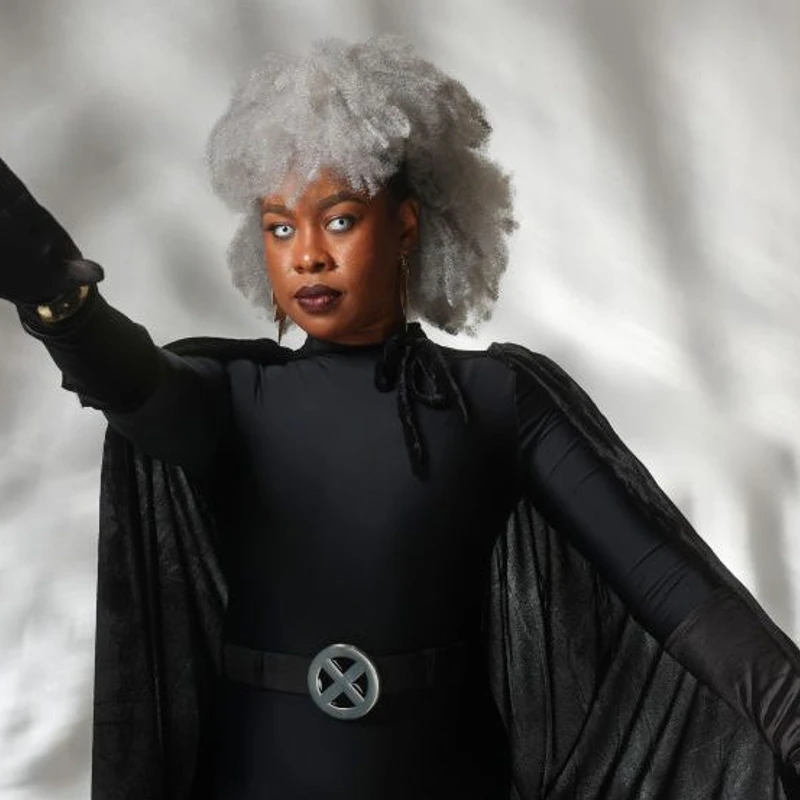
    • **Storm (Ororo Munroe):** A mutant powerhouse who commands the weather, Storm is a natural leader, carrying herself with regal grace and fighting with the ferocity of a warrior. She’s been a goddess, a captain, and an undeniable icon for Marvel’s X-Men.
    • **Vixen (Mari McCabe):** This DC legend uses the Tantu Totem to channel the abilities of any animal. Think cheetah speed, gorilla strength, and unparalleled agility. Plus, she’s a fashion-forward globe-trotter who holds her own with the Justice League – talk about style and substance!
    • **Nubia:** A true turning point for DC, Nubia is recognized as the first Black female superhero. Originally Wonder Woman’s twin, she’s evolved into a powerful Amazonian queen, bringing her own rich history and symbolism to the forefront.
    • **Monica Rambeau (Photon/Spectrum/Captain Marvel):** A former harbor patrol officer, Monica can transform into pure energy. This allows for incredible speed, energy blasts, and phasing abilities. Her extensive leadership history with the Avengers makes her one of Marvel’s most vital Black heroines.

    Innovators and Genius Inventors

    Heroism isn’t just about brute strength or cosmic powers; it’s also about brilliant minds and innovative spirit. These characters prove that intellect and ingenuity are superpowers in their own right.

    • **Bumblebee (Karen Beecher-Duncan):** DC’s first African-American female superhero, Karen is a genius inventor who designed her own super-suit. Her tech grants her flight, enhanced strength, and powerful stinger blasts, proving brains are just as crucial as any other power.
    • **Rocket (Raquel Ervin):** A cornerstone of Milestone Comics, Rocket brings a grounded, real-life Black girl’s perspective. Teaming up with Icon, her inertia belt allows her to fly and manipulate kinetic energy, making her a relatable and dynamic hero.
    • **Shuri:** Known from the big screen, Shuri is Wakanda’s princess and chief scientific mind. In the comics, she’s not only a genius inventor but has also wielded the Black Panther mantle, blending intellect, royalty, and warrior prowess.
    • **Ironheart (Riri Williams):** This newer-gen hero is a teenage super-genius from Chicago who built her own advanced armor. Riri steps into the hero lane powered by her brilliance and courage, proving that you don’t need innate superpowers to make a massive impact.

    The Next Generation of Powerhouses

    The future of heroism is bright, and these characters are leading the way with unique abilities and compelling stories that resonate with modern audiences. They carry legacies while forging their own paths.

    • **Thunder (Anissa Pierce):** Daughter of Black Lightning, Anissa can increase her density for near-invulnerability and possesses super strength. She’s a tough, heavy-hitting hero with a strong family legacy.
    • **Lightning (Jennifer Pierce):** Jennifer channels electrical powers, making her one of DC’s most promising young heroes. She represents the next wave, carrying both legacy and immense potential.
    • **Moon Girl (Lunella Lafayette):** Marvel’s ‘smartest person in the world,’ Lunella is a child prodigy who can also switch consciousness with Devil Dinosaur. She brings humor, heart, and genius-level chaos to the superhero world.
    • **Misty Knight:** A former police officer and ace detective, Misty combines martial arts, marksmanship, and a super-strong bionic arm. Her toughness feels earned, making her a standout even among gods and mutants.
    • **Sojourner “Jo” Mullein:** A groundbreaking Green Lantern, Jo is the first Black queer woman to hold the mantle. Her story blends cosmic policing with politics and mystery, feeling both epic and deeply human.
    • **Naomi McDuffie:** This breakout DC hero started as a Superman fan before discovering her own extraordinary abilities and connection to the DC Universe. Her modern, stylish, and curious nature makes her instantly relatable.
    • **Oya/Temper (Idie Okonkwo):** This Nigerian mutant can manipulate temperature, creating extreme heat or cold. Her story is deeply tied to her trauma and the struggle of learning to live with immense power, adding significant emotional weight.

    These 15 Black women superheroes are more than just characters; they are symbols of progress, representation, and the ever-expanding definition of what it means to be a hero. They bring diverse perspectives, incredible powers, and compelling narratives that enrich the comic book universe and inspire fans everywhere.

    Who are your favorite Black women superheroes? Did we miss any of your must-know icons? Share your thoughts and recommendations in the comments below!

  • Multiple Myeloma: What Black Women Need to Know

    Imagine getting a diagnosis that shatters your world. For Maui Bigelow, that moment came on December 11, 2017, when Dr. Thomas Neal looked her in the eyes and said, ‘Ms. Bigelow, you have cancer.’ This wasn’t just any cancer; it was Multiple Myeloma, a blood cancer that, while rare overall, disproportionately affects Black women. Maui’s story is a powerful call to awareness and a testament to resilience.

    The Silent Battle Before the Diagnosis

    For years, Maui battled symptoms she couldn’t quite explain: persistent pain, overwhelming fatigue, and a general sense that something was deeply wrong. Like many Black women, she pushed through, attributing her discomfort to uterine fibroids. But the truth was far more serious. Multiple Myeloma, a cancer of the plasma cells in the bone marrow, had taken root.

    The diagnosis was a profound shock, a moment that ‘broke my spirit momentarily.’ The fear was immense, but it also served as a catalyst. Quoting Susan L. Taylor, Maui realized, ‘In every crisis there is a message.’ This diagnosis was her crisis, forcing change and a new perspective on life.

    The Stark Reality for Black Women

    Here’s a critical point: Multiple Myeloma isn’t rare for Black women. We are twice as likely to be diagnosed compared to white women. Yet, despite this higher risk, we are often underrepresented in awareness campaigns, underdiagnosed, and our symptoms are frequently dismissed. Maui herself experienced this, being made to feel ‘crazy’ before finally getting a diagnosis.

    The initial shock of a cancer diagnosis can be paralyzing, leading to thoughts of death and grief for loved ones. But Maui chose a different path. She decided she deserved to live, not just survive. Her journey became about living intentionally, embracing discipline, and fighting back with everything she had.

    5 Crucial Things Every Black Woman Needs to Know

    1. **Higher Risk Means Awareness is Key:** Black women face a greater risk of Multiple Myeloma, but are diagnosed later. Our symptoms are often minimized or attributed to stress or aging. Advocate for yourself and trust your body.
    2. **’Just Stress’ Isn’t Always the Answer:** Persistent fatigue, bone pain, and frequent illnesses can be subtle signs of Multiple Myeloma. Listen to your body’s whispers before they become screams. Don’t dismiss these symptoms.
    3. **Early Detection is a Game-Changer:** Smoldering Multiple Myeloma, the early stage, requires monitoring. Early diagnosis provides crucial time to understand your body, make informed decisions, and be proactive.
    4. **Lifestyle is a Powerful Strategy:** Beyond medical care, how you eat, move, manage stress, and rest are vital. Maui made significant lifestyle changes, including diet and exercise, to support her body’s fight.
    5. **You Define Your Healing Journey:** There’s no single path to healing. Explore your options, ask questions, and choose what’s best for you, whether traditional, holistic, or a combination. Healing is physical, mental, emotional, and spiritual.

    Maui’s journey highlights that while cancer may be part of her story, it doesn’t define her. She emphasizes that a crisis can disrupt, redirect, or transform you. Her powerful message to Black women is clear: ‘You have cancer. Cancer does not have you.’

    What are your thoughts on Maui’s message about Multiple Myeloma awareness? Share your experiences or questions in the comments below!

  • Wife’s ‘Homegirls Account’: Smart Savings or Sneaky?

    Imagine this: a husband casually mentions his wife has a savings account with her friends, one he knows nothing about. Cue the internet firestorm! Suddenly, it’s a debate about marriage, trust, and a woman’s right to her own financial independence. But what if this isn’t about secrecy, but about survival and solidarity? For many Black women, this isn’t a new concept; it’s a time-honored way of navigating life, together.

    Marriage is a Partnership, Not a Financial Takeover

    The husband in the viral video didn’t seem upset, just curious. And honestly, that’s a healthy reaction. Marriage is a partnership, but it doesn’t automatically mean every single dollar you earn or save becomes communal property. Transparency is key when household funds are involved, but personal discretionary money? That’s a different conversation.

    Think about it: if you decide to invest your personal funds in a group trip, a shared hobby, or even a small business venture with friends, that’s your choice. If that investment grows and benefits everyone involved, it doesn’t magically transform into joint marital assets. It’s still your money, used for shared goals outside the immediate household budget.

    The Line Between Privacy and Deception

    Let’s be clear: there’s a difference between having a personal savings account and hiding financial struggles from your partner. Sitting on a fortune while your household is in crisis is not okay. Likewise, secretly diverting joint funds is a breach of trust. But a ‘homegirls account’? That’s more like business capital for a collective.

    This isn’t hush money or an escape fund siphoned from the family budget. It’s pooled resources for shared goals, and treating it as a casual slush fund would be irresponsible to everyone involved. This money often has other women counting on it for group trips, emergencies, or shared experiences. It’s not meant to be casually liquidated for minor inconveniences.

    Why Black Women Value Financial Autonomy

    For Black women, financial independence isn’t just a buzzword; it’s often a necessity born from generations of experience. Many of us were raised by women who understood what it meant to be financially trapped, unable to leave difficult situations because they lacked resources. The pandemic further highlighted the importance of having a safety net and the ability to leave if needed.

    Having ‘a little something on the side’ isn’t about planning an exit strategy from a marriage, but about ensuring you’re never trapped. Our elders fought for options, and we’re now equipped to fund our freedom responsibly. As Candi Staton famously sang, ‘Young hearts run free’ – and we now have the means to support that freedom.

    Challenging Perceptions of Independence

    Black women often face judgment when they prioritize their own security. Wanting financial stability can be labeled as demanding, and enjoying nice things as materialistic. Yet, many women are already funding their own lifestyles and responsibilities. The idea that a woman’s ‘bare minimum’ expectation should be a cheap coffee date ignores the reality of bills, children, and existing commitments.

    Instead of understanding, some men resort to shaming. But the truth is, Black women are valuable, and they’re no longer pretending otherwise. This isn’t about being demanding; it’s about recognizing your own worth and ensuring your financial well-being.

    Community and Cultural Roots

    A ‘homegirls savings account’ is deeply rooted in Black culture. Practices like Susus, rotating savings clubs, and rent parties have always been about pooling resources and supporting the community. It’s a practical solution to a common problem: friendships strained or broken over money.

    Think about group trips where finances can create awkwardness. When everyone contributes consistently to a shared fund, everyone can participate fully and create lasting memories without shame. Even friends facing temporary financial setbacks can still join in because they invested earlier.

    Navigating Trust and Expectations

    If a man says, ‘If you don’t tell me everything, you don’t trust me,’ it’s worth examining. Trust doesn’t require complete financial ownership. Your friends confide in you, and that trust doesn’t automatically extend to your partner, as they didn’t choose him. Unless this financial privacy directly impacts the household negatively, there’s no obligation to share every detail.

    Marriage doesn’t erase your past relationships or your individual identity. While it might seem like a double standard, it reflects a reality where men, especially breadwinners, often have more assumed financial authority. Until societal expectations are truly equal, Black women are justified in protecting their financial autonomy and community ties.

    Redefining Partnership

    This isn’t about hiding money from husbands; it’s about expanding the definition of partnership. It acknowledges that while romantic relationships are vital, they aren’t the sole source of our support system. Prioritizing friendships and community in a meaningful way is something to be celebrated, not scrutinized.

    Marriage shouldn’t mean surrendering financial autonomy, community investment, or the parts of yourself that existed before your partner. If this practice makes someone uncomfortable, the issue might not be the account itself, but a resistance to the idea that women are increasingly securing their own futures without seeking permission.

    What are your thoughts on a ‘homegirls savings account’? Do you think it’s a smart move for financial independence or a sign of mistrust? Share your perspective in the comments below!
  • Alaina Hoskins: Affirmations in a Bottle

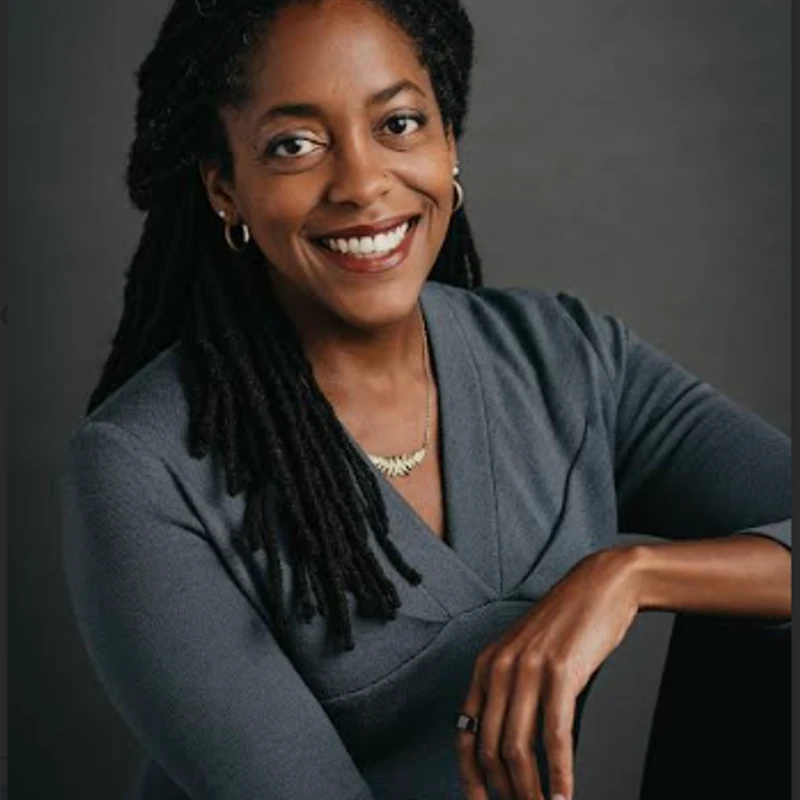
    If you ever doubted that your best days are ahead of you, let Alaina Hoskins be your inspiration. At 57, she’s not just living; she’s thriving. Hoskins is a perfumer, an entrepreneur, a soon-to-be magna cum laude college graduate, a newly initiated Delta Sigma Theta Sorority, Inc. member, a mother, and the founder of The Strongest Fragrance Bar. Her journey is a powerful testament to reinvention, especially after facing immense loss.

    From Loss to Launch: A New Beginning

    Hoskins openly shares her age, believing it offers hope to others. She navigated a very public and difficult divorce that led to the loss of her marriage, homes, and financial stability. Yet, on the other side of that devastation, she found a new path. “I reinvented myself. I started over,” she told theGrio, emphasizing that this difficult period was not her end.

    Her passion for perfume making spans over 30 years, initially a personal gift before becoming a business. For years, she channeled her creativity into other ventures, including a career as a hairstylist and authoring her 2016 book, “Behind Church Doors: Overcoming Church Hurt.” A pivotal moment came with a styling gig for a Nike campaign celebrating strong women, which led to a five-year role as Gloria James’ personal stylist. This experience, celebrating feminine strength, planted the seeds for her entrepreneurial journey.

    Affirmations in a Bottle

    At 54, Hoskins launched The Strongest Fragrance Bar with a mission to empower women and girls. “We call it affirmations in the bottle,” she explained. The idea is simple yet profound: wear a scent that not only smells good but also shifts your atmosphere and helps you embody the feelings you desire, even if you’re not feeling them initially. It’s about boosting confidence and intention.

    The brand’s initial collection featured five scents: Compassion, Fearless, Ambitious, Empowered, and Selfless. These fragrances are more than just pleasant aromas; they are intentions carried on the skin. Most recently, Hoskins expanded her unique concept with a groundbreaking collection dedicated to the Divine 9 Greek organizations.

    A Fragrant Tribute to the Divine 9

    Inspired by her own experience pledging Delta Sigma Theta Sorority, Inc. at the University of the District of Columbia, Hoskins created “Crimson.” This led to the development of what may be the first fragrance collection honoring all nine organizations of the National Pan-Hellenic Council. While designed as a love letter to Black Greek organizations, the scents are crafted for anyone to enjoy, with names like “Standard” (Alpha Phi Alpha), “Simply Pretty” (Alpha Kappa Alpha), “Ikonik” (Kappa Alpha Psi), “Instinct” (Omega Psi Phi), “Noble” (Phi Beta Sigma), and “Eloquence” (Zeta Phi Beta).

    Investing in Legacy and Future

    Hoskins’ commitment extends beyond fragrance; she’s dedicated to investing in legacy through scholarships for single mothers attending Historically Black Colleges and Universities (HBCUs). This cause is deeply personal, stemming from her own experience of becoming homeless and a single mother after her 25-year marriage ended. She worked tirelessly to ensure her daughters’ futures weren’t derailed by their hardship.

    She understands the critical importance of scholarships, having witnessed students drop out due to financial struggles or unexpected parenthood. “I wanted to give back,” she stated, aiming to make life easier for students who might otherwise be forced to abandon their educational dreams. Her business, therefore, is more than just a venture; it’s a message of resilience and support.

    Hoskins’ journey is a powerful reminder that it’s never too late to start over, no matter how broken or far behind you may feel. Grounded in her faith, she sees her life experiences—the divorce, public humiliation, professional setbacks, homelessness, and welfare—not as defeats, but as purposeful detours. “Everything is new,” she reflects, embracing this vibrant new chapter. “If I can do it, you can do it.”

    What inspires you most about Alaina Hoskins’ story? Share your thoughts on her journey and her message of hope for women in the comments below!