Tag: Black Women

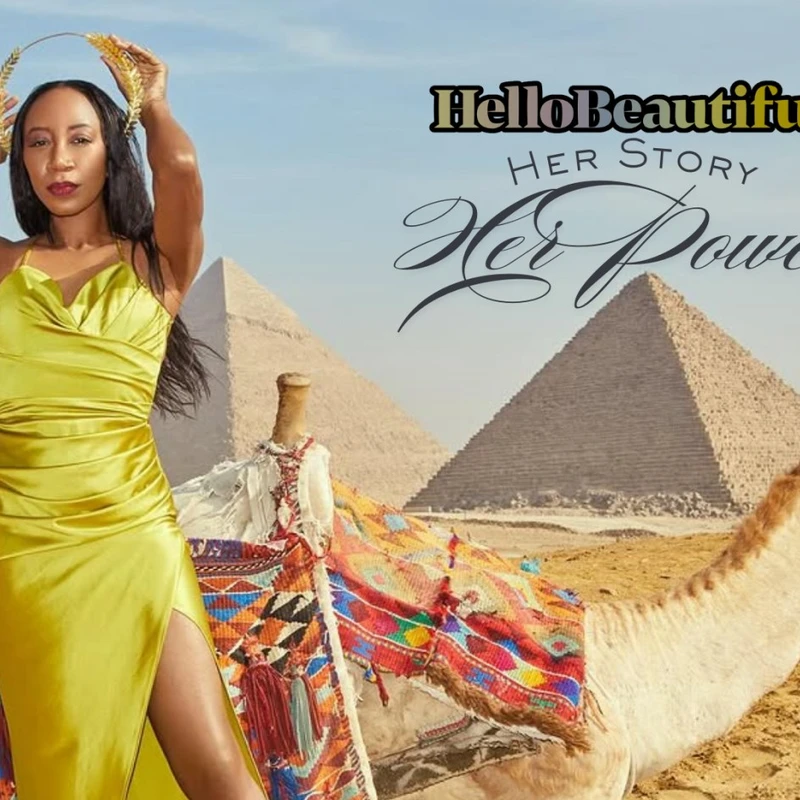
  • Krystal Hardy Allen: Travel as Wellness for Black Women Leaders

    In a world that often demands constant output from Black women, especially those in leadership roles, finding ways to recharge and reconnect is crucial. Krystal Hardy Allen, a prominent leader and entrepreneur, has found a powerful solution: intentional travel. For her, stepping onto a plane isn’t just about escaping; it’s a sacred act that represents possibility, freedom, and a vital component of her wellness and leadership strategy.

    Travel as Sacred Freedom

    Growing up in Selma, Alabama, a town rich with history, Krystal has a deep understanding of the historical context for Black women navigating the world. She describes travel as a sacred experience because it symbolizes a freedom that wasn’t always readily available. Before each flight, she prays, reciting Psalm 91 for assurance and safety for everyone on board. This ritual allows her to fully embrace the experience, whether exploring a new destination or deepening her appreciation for a familiar one.

    For Krystal, travel shifts her perspective from one of limitations to abundance. She finds God in nature, new cultures, and the sheer wonder of global transportation. It’s a reminder that life is bigger than daily responsibilities and that joy and curiosity are as vital as ambition for a thriving leader. This practice helps her shed the weight of expectations and return home feeling renewed and better equipped to handle her many roles.

    Refilling the Cup: Travel as a Leadership Strategy

    As a CEO, Krystal’s days are packed with meetings, speaking engagements, strategic planning, board governance, and supporting others. While she cherishes her work, she’s learned that constant giving without refilling leads to burnout. Travel has become her intentional way to replenish her energy and perspective. It provides the necessary distance from daily demands, allowing for reflection and clarity.

    She emphasizes that self-care and wellness aren’t afterthoughts but intentional practices woven into her year. Many of her most innovative ideas and clearest insights have emerged when she’s been away from her work. This allows her to lead from a place of clarity rather than exhaustion, benefiting not only herself but also her husband, family, clients, and the communities she serves. Travel is, therefore, a crucial part of her wellness strategy, enabling her to thrive as a Black woman in a world not always designed for her holistic well-being.

    Global Sisterhood and Deepened Identity

    Krystal’s travels, including profound experiences in places like Egypt and Switzerland, have deepened her connection to faith, legacy, and identity. Standing in ancient sites reminds her of her place in a larger historical narrative and inspires her to build a meaningful legacy that will endure. These moments foster stillness, deepen her faith, and strengthen her identity as a Black woman by highlighting the global reach of Black history and influence.

    She believes that rest, luxury, and exploration are not indulgences but necessities for Black women leaders. Historically, Black women have carried immense burdens, often taught that rest is optional. Krystal advocates for embracing softness, joy, and quality time with loved ones as forms of restoration. This approach allows for healing, reclaiming what history has tried to deny, and leading from a place of wholeness and inspiration.

    The Power of Traveling Together

    Traveling with other high-achieving Black women amplifies these benefits. Krystal describes these journeys as sacred spaces where powerful women can laugh, share stories, reminisce, reflect, and heal together. It’s a reminder that they are more than their titles and responsibilities. This global sisterhood involves encouraging each other to rest, celebrating wins, and holding space for challenges, reinforcing that they are not alone on their journeys.

    Experiencing different cultures and ways of life expands leadership and creativity. Krystal returns to her work with fresh ideas, renewed energy, and a bolder vision, inspired by the diverse approaches to life, art, education, and leadership she encounters globally. Travel reminds her that the world is vast and that there are countless ways to build systems, lead people, and create impact.

    What are your thoughts on Krystal Hardy Allen’s perspective on travel and wellness? How do you prioritize rest and exploration in your own life? Share your experiences in the comments below!
  • Deeply Rooted Dance Theater Celebrates 30 Years

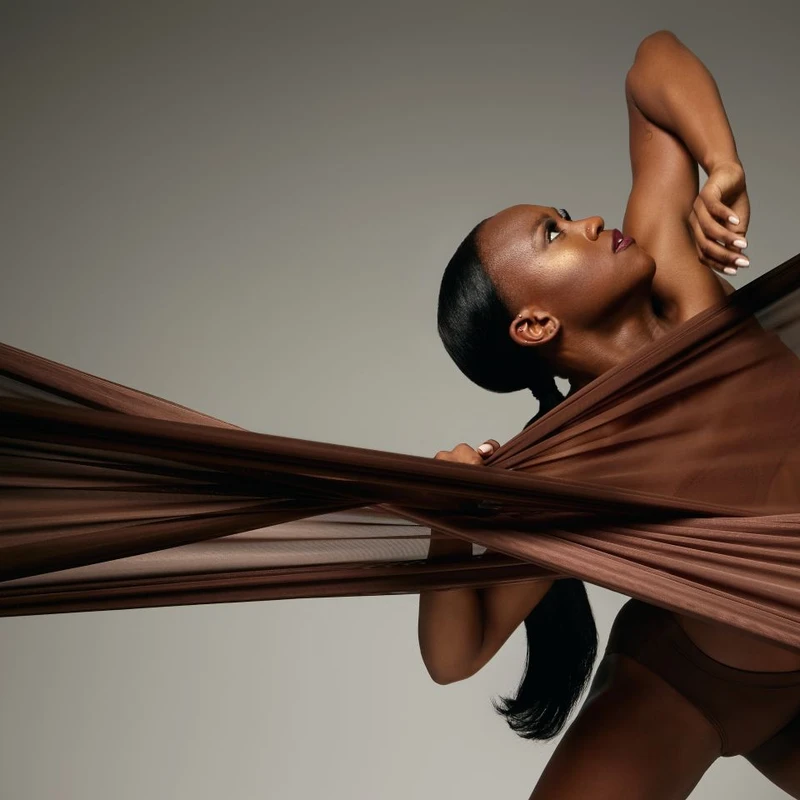
    Chicago’s Deeply Rooted Dance Theater is celebrating a remarkable milestone: 30 years of bringing Black stories to life through the powerful medium of dance. This anniversary season is not just about performances; it’s a testament to their enduring commitment to community, cultural memory, and the profound language of movement.

    Dance as a Powerful Narrative Tool

    For artistic director Nicole Clarke-Springer, dance offers a unique way to connect with audiences. “Sometimes seeing is believing,” she shared with MadameNoire. “If you can see yourself and see what’s going on in real time, it has a different impact than just reading about it.” In an era where Black history is often contested or erased, dance provides an undeniable, visceral experience that engages viewers on multiple levels—combining movement, music, and emotion to create something truly unforgettable.

    Executive director Makeda Crayton emphasizes that dance creates an indelible mark, engaging multiple senses to imprint stories onto memory. She likens it to remembering a significant event through all sensory inputs, suggesting that dance similarly leaves a lasting, personal impression, especially for Black audiences.

    Reclaiming the Body and Self Through Movement

    In a society that often polices Black bodies, dance offers a radical act of self-reclamation. Clarke-Springer points to West African dance traditions, where movement is not just expressive but restorative, awakening strength and vulnerability. Crayton, who transitioned from dancer to executive director, highlights the importance of motion in combating sedentary lifestyles and the need for rituals that nurture the spirit and prioritize wellness.

    Deeply Rooted extends this invitation to move beyond professional dancers through programs like Mature H.O.T. Women (Holistic, Optimistic, and Triumphant). This initiative provides a space for women of all backgrounds to reconnect with themselves, free from societal roles, celebrating their bodies and reclaiming their sense of self—an act that itself serves as a powerful form of resistance.

    Joy and Resistance as Protest

    The company’s 30th-anniversary theme, “Love, Joy, and Resistance,” is deeply embodied in their work. “I think just being joyful and being Black is protest,” Clarke-Springer stated. In a world that often limits the expression of Black womanhood, joy and self-love become radical acts. Crayton further grounds this by emphasizing that Deeply Rooted tells stories from their own community, asserting their presence and contributions to society.

    Their performances are designed to be inclusive and participatory, fostering a sense of community akin to a family reunion. This approach, exemplified by an audience singing and clapping along during a performance set to Quincy Jones’s music, creates an inviting and deeply resonant experience.

    Building the Future on Sacred Ground

    The commitment to community comes with challenges, particularly balancing accessibility with the rising costs of producing high-quality dance. Deeply Rooted relies on grants, donations, and partnerships, navigating a funding landscape that can be difficult for smaller arts organizations. Crayton candidly describes the extensive labor involved in grant applications and reporting.

    Despite these hurdles, the company is forging ahead, advocating for equitable funding processes. A significant development is the upcoming Deeply Rooted Center for Black Dance and Creative Communities on Chicago’s South Side. This multi-million dollar facility will feature studios, performance spaces, and community areas, serving as a home for other small dance organizations and intentionally built near the historic Robert Taylor Homes site.

    The center aims to be a place where dance is used as a vehicle for personal growth and self-discovery. As Deeply Rooted Dance Theater embarks on its next chapter, it stands as a testament to the power of history, community, and vision, reminding us that dance is culture, testimony, and a path back to ourselves.

    How has dance impacted your life or community? Share your thoughts and experiences in the comments below!

  • 10 Ways Black Women Can Romanticize Life

    In a world that often feels chaotic and demanding, Black women are reclaiming their power by embracing self-care and intentional living. They’re not just surviving; they’re thriving by actively choosing to make their everyday experiences meaningful and beautiful. This powerful trend, known as ‘romanticizing life,’ is all about finding joy in the mundane and celebrating the present moment.

    What Does It Mean to Romanticize Your Life?

    Forget extravagant gestures or waiting for perfect circumstances. Romanticizing your life, as defined by social media, is about shifting your perspective. It’s choosing to see the beauty and significance in your daily routines, transforming ordinary moments into something extraordinary. This approach encourages us to be present, practice gratitude, and infuse our lives with personal meaning.

    Traditionally, Black women have been taught to prioritize others, often putting their own needs and joy on the back burner. This new mindset is a powerful invitation to make self-celebration a habit and to approach life with a fervor that doesn’t wait for major milestones. It’s about making the ordinary feel extraordinary, on your own terms.

    10 Intentional Ways to Romanticize Your Life

    • **Light A Candle:** Instantly shift the energy of a space and signal to your mind and body that the moment matters.
    • **Make Your Space Beautiful:** Curate your environment with art, organization, or fresh flowers to create a nurturing sanctuary.
    • **Get Dolled Up:** Honor yourself by dressing intentionally, turning everyday errands into a personal runway moment.
    • **Sip A Warm Beverage Slowly:** Transform your coffee or tea routine into a grounding ritual, savoring the stillness.
    • **Take A Pilates Class:** Connect with your body and mind through mindful movement, making wellness a devotion.
    • **Enjoy and Savor A Meal:** Experience nourishment fully, tasting and appreciating your food instead of eating on autopilot.
    • **Declutter Your Space:** Create mental clarity and emotional ease by clearing physical clutter, making room for peace.
    • **Develop a Beauty Routine:** Engage in daily self-care rituals that reinforce your worthiness of time and attention.
    • **Coffee Shop Solo Date:** Reframe solitude as a luxury, enjoying your own company and sparking creativity.
    • **Celebrate Small Wins:** Recognize progress beyond major milestones and find joy in everyday achievements.

    Romanticizing life isn’t about ignoring challenges or chasing an unattainable aesthetic. It’s about finding beauty in what already exists and cultivating a deeper connection with yourself and your surroundings. This trend feels powerful, necessary, and has the potential to create lasting positive change.

    Which of these ways to romanticize your life resonates most with you? Share your favorite intentional living tips in the comments below!

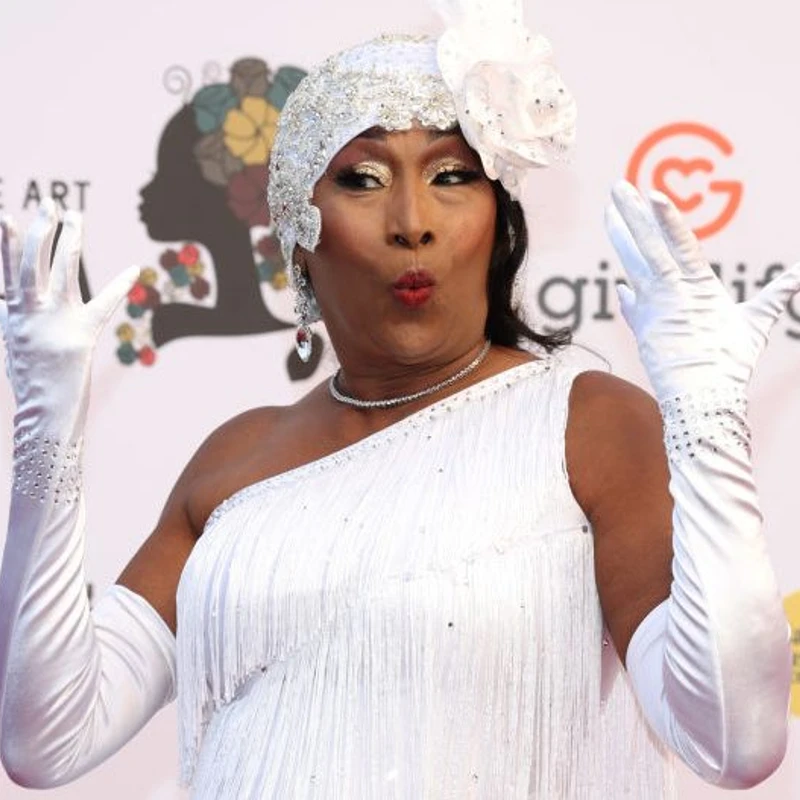
  • Kiki Shepard: A Tribute to the ‘Showtime at the Apollo’ Star

    We’re deeply saddened to mark the passing of Kiki Shepard, a true icon who graced our screens and lives with unparalleled elegance. News of her departure on Monday, March 16, 2026, at the age of 74, has left many reflecting on the incredible legacy she built – one that many can only dream of achieving.

    A Star on ‘Showtime at the Apollo’

    From her roots in Tyler, Texas, Kiki Shepard became a national treasure. When she joined the hit series ‘Showtime at the Apollo’ in 1987, alongside co-hosts like Steve Harvey and Sinbad, television was forever changed. Her presence on stage was captivating, exuding grace, poise, and impeccable style that matched her vibrant personality. She wasn’t just a co-host; she was an integral part of the show’s heartbeat, a television mother figure for many who eagerly awaited her appearances.

    It seemed Kiki was destined for the stage, a path perhaps paved by her early dance lessons, her sister’s Miss USA title, and parents who deeply appreciated the arts. This foundation gave us the Kiki Shepard we knew and loved – a star who made every act feel like a winner just by being present.

    More Than a Host: A Mentor and Advocate

    Kiki Shepard was instrumental in introducing the world to generational talent, including D’Angelo and Lauryn Hill. Comedian Gabriel Iglesias once shared how Kiki saved him from a potentially rough set by advising him to change his “too loud” shirt, trusting her judgment implicitly. This anecdote highlights not just her role as a host, but her genuine care for the performers.

    Beyond her television career, which concluded with her final lap on the classic variety show in 2002, Kiki dedicated herself to impactful work. In 2006, she founded the KIS Foundation, Inc. This organization tirelessly raised awareness, provided support, and advocated for families affected by sickle cell disease. Though she didn’t have the disease herself, her commitment as a champion for the cause, especially within the Black community, was unwavering.

    A Legacy of Sisterhood and Service

    As a proud member of Delta Sigma Theta Sorority, Incorporated, sisterhood was deeply ingrained in Kiki’s spirit. Her humanity, evident in the outpouring of love and memories following her passing, touched countless lives. She exuded an aura that captivated audiences for decades, and it’s certain she entered the heavenly gates with that same bold, unforgettable presence.

    Kiki Shepard was more than just our Vanna White; she was an undeniable, once-in-a-lifetime, beautiful Black woman. Now an ancestor, her impact will be cherished and remembered forever. Her 74 years were a testament to giving her all to this world. Job well done, my good and faithful servant.

    What are your favorite memories of Kiki Shepard on ‘Showtime at the Apollo’ or her advocacy work? Share them in the comments below!

  • McDonald’s Faces Racial Bias Lawsuit from Black Execs

    Fast-food giant McDonald’s is heading back to court as a federal judge has given the green light for a racial bias lawsuit filed by two former Black executives. Victoria Guster-Hines and Domineca Neal are accusing the company of subjecting them to racial slurs and retaliation after they raised complaints about their treatment.

    The ‘Angry Black Women’ Allegation

    The core of the lawsuit, filed in 2020, centers on allegations that a regional president used harmful language. This included criticizing “Black woman attitude” and describing one of the plaintiffs, along with other employees, as “angry Black women.” U.S. District Judge Mary Rowland ruled that these specific accusations are serious enough to move forward as a hostile work environment claim.

    In her ruling, Judge Rowland noted the significant harm such epithets can carry, especially when uttered by a supervisor. This decision allows the case to proceed, focusing on these specific claims of discriminatory language.

    Claims Dismissed, Others Move Forward

    While the judge allowed the racial slur claims to advance, she did dismiss other allegations from Guster-Hines and Neal. Specifically, claims that they were unfairly passed over for promotions were dismissed due to insufficient evidence that they were the most qualified candidates for those roles.

    A spokesperson for McDonald’s expressed satisfaction with the dismissal of these promotion-related claims, stating, “the evidence will show the remaining claims against McDonald’s USA are without merit.” However, the company still faces the significant challenge of defending against the racial bias allegations.

    A Pattern of Discrimination Claims

    This lawsuit adds to a growing list of discriminatory claims leveled against the fast-food giant. In 2025, McDonald’s settled an undisclosed case with a former Black security executive who alleged he was forced out after criticizing CEO Chris Kempczinski. The CEO had reportedly blamed the parents of a shooting victim for their child’s death via text, later apologizing for his “narrow worldview.”

    Furthermore, media mogul Byron Allen launched a massive $110 billion lawsuit, accusing McDonald’s of excluding Black-owned media from its advertising budget. While McDonald’s eventually agreed to purchase ads from Allen’s companies, the suit highlighted broader concerns about the company’s advertising practices.

    What are your thoughts on these ongoing discrimination claims against McDonald’s? Share your perspective in the comments below!

  • Black Women Entrepreneurs: Growth Driven by Necessity

    Black women are emerging as the fastest-growing demographic of entrepreneurs in the nation. A recent report from Wells Fargo highlights this significant trend, revealing a substantial increase in both the number of Black women-owned businesses and their revenue between 2024 and 2025.

    Record Growth Driven by Ambition and Necessity

    The Wells Fargo report indicates that Black women-owned employer businesses saw a 13% growth, with revenue increasing by nearly 6%. For businesses without employees, the growth was even more pronounced, with a 13% rise in number and an 8% surge in revenue. This growth significantly outpaces that of female-owned businesses overall, which grew at a rate of 4.4% during the same period.

    However, the narrative behind this impressive growth is complex. It’s not solely driven by ambition but also by necessity. The American workforce experienced significant disruption last year due to mass layoffs across various sectors, cuts to diversity, equity, and inclusion (DEI) initiatives, and the increasing adoption of artificial intelligence (AI), all contributing to workforce reductions.

    Disproportionate Impact on Black Women in the Workforce

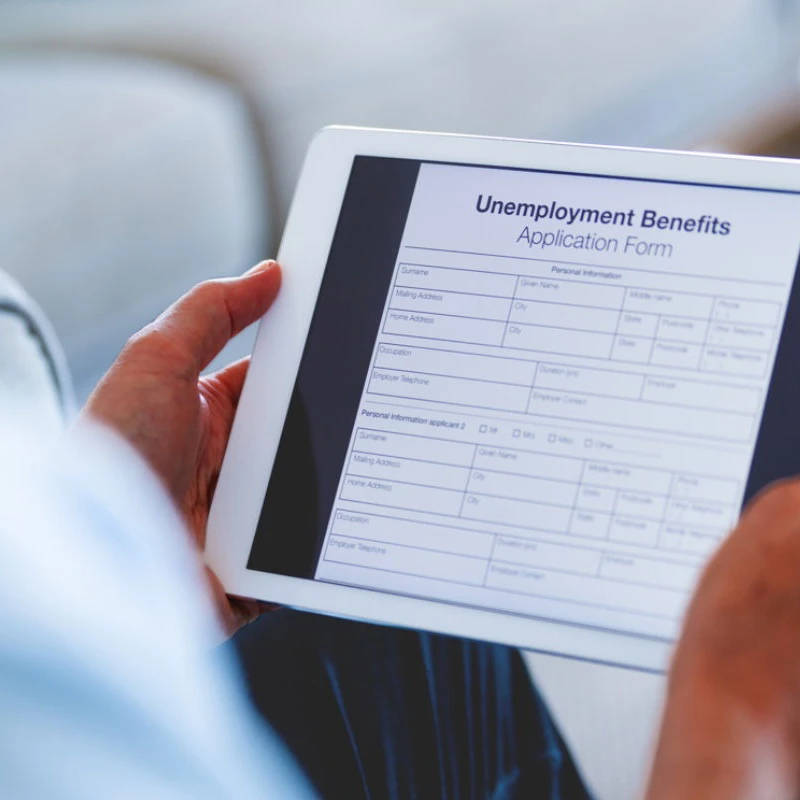
    It’s no secret that Black women were among the most affected by these workforce changes. Unemployment rates for Black women climbed from 5.4% to 7.3% by December 2025, largely due to federal job cuts that disproportionately impacted them. U.S. Bureau of Labor Statistics data indicates that over 300,000 Black women lost their jobs, compelling many to seek alternative means of financial support.

    Labor economist Valerie Wilson noted the unique severity of this decline for Black women, stating to the New York Times, “You don’t see that same loss with Black men, you don’t see that same loss with other groups of women. It was a sharp and unique decline in employment for Black women.” Rep. Ayana Pressley echoed these concerns in September, calling the situation “discriminate harm” and emphasizing its targeted nature: “None of this is by accident… This is discriminate harm. It is precise and it is targeted.”

    What are your thoughts on the rise of Black women entrepreneurs? How can we better support these businesses and address the systemic issues that contribute to job loss? Share your insights in the comments below!

  • Terrica Lynn Smith: From Homelessness to Real Estate Mogul

    In honor of Women’s History Month, Terrica Lynn Smith’s story emerges as a compelling testament to the power of faith, resilience, and intentional reinvention. Smith, a nationally recognized real estate investor and developer based in New Orleans, has transformed her life from overcoming significant personal barriers, including abuse and homelessness, to leading multi-million-dollar development projects.

    A Journey Forged Through Adversity

    Smith encapsulates her identity as “one of faith, resilience, reinvention, and purpose.” Her journey demanded growth beyond comfort zones and unwavering self-trust, even when the path forward was unclear. These defining moments were not solely about personal achievement but about recognizing her “responsibility to rise, to heal, to build, and to make space for other women to do the same.”

    Her most challenging period, living “under a bridge,” solidified her resolve. Driven by the determination to break cycles and build a better future, Smith found strength in her faith, her child, and the belief that her life could transcend her circumstances. This resilience fuels her drive, proving that rising from the hardest places is possible.

    Defining Power Through Intention and Influence

    For Smith, power means “owning who I am without apology.” She defines female power not through control, but through intention and truth—standing firmly in one’s convictions and moving with purpose. Her power is evident in her resilience, her ability to build after setbacks, and her influence in opening doors for others. “Power matters most to me when I can share it—when it helps another woman see what is possible for her life, too,” she explains.

    Smith’s vision extends beyond her own success; she hopes to inspire other women by showing them that their past does not disqualify them and that their stories can be a source of strength. She draws inspiration from historical figures like Harriet Tubman, Sarah Rector, Madam C.J. Walker, and Oprah Winfrey, each representing different facets of strength—courage, ownership, success born from struggle, and transforming pain into purpose. For Smith, “Community among women means connection, support. The kind of strength that reminds you that you do not have to carry everything alone.”

    • Terrica Lynn Smith is a real estate investor, developer, and mentor based in New Orleans.
    • She overcame homelessness and abuse to build a business with a portfolio exceeding $60 million.
    • Smith emphasizes faith, resilience, and intentional reinvention as core to her identity.
    • She believes power lies in owning one’s truth and using influence to help others.
    • Her message to women is to start before feeling ready and to embrace growth through discomfort.

    What lessons from Terrica Lynn Smith’s journey resonate most with you? Share your thoughts in the comments below!

  • ADHD Research Ignores Black Women: A Dangerous Gap

    For over two centuries, the behaviors associated with what we now call ADHD have been documented. Yet, in nearly 60 years of formal study, the experiences of Black women with ADHD have been almost entirely overlooked. This isn’t just an academic oversight; it’s a dangerous research gap that directly impacts diagnosis, treatment, and the daily lives of millions.

    The Cost of Being Misunderstood

    When research doesn’t reflect reality, the consequences are profound. While studies estimate that 15% of Black people in the U.S. have ADHD, the data often fails to capture the specific experiences of Black women. This lack of representation means diagnostic criteria and treatment protocols may not be adequately calibrated for them.

    The harm begins early. Black girls are already disproportionately disciplined in schools, facing higher rates of suspension than their White peers. When undiagnosed ADHD symptoms like talkativeness or distractibility are misinterpreted as defiance or “attitude,” these risks are amplified, potentially leading to misdiagnoses like conduct disorder instead of ADHD. This not only limits access to crucial support but also reinforces harmful stereotypes.

    A Double Burden: Gender and Racial Bias

    Research indicates that Black women are less likely than Black men to receive an ADHD diagnosis. This points to a “double tax”: the historical underrepresentation of women in ADHD studies combined with racial bias embedded within diagnostic systems. These frameworks were often built without considering the unique experiences of Black women.

    This misunderstanding extends to home and community. Many Black women with ADHD share stories of their symptoms being dismissed by family as “not real” or simply an “excuse.” The cultural narrative of the “strong Black woman” or “superwoman” schema, which emphasizes resilience and competence, can make it difficult for women to acknowledge overwhelm or seek help, often leading them to mask their symptoms or internalize struggles as personal failures.

    Addressing the Blind Spots in Research

    While there’s growing awareness about how ADHD presents differently in women, including the role of hormones like estradiol, these findings rarely intersect with research specifically on Black women. This oversight risks creating treatment frameworks that are poorly calibrated from the outset.

    Recent years have seen progress, with new diagnoses among women nearly doubling and the development of accessible resources like those from Understood.org. However, these efforts are just beginning to address decades of neglect. True progress requires dedicated funding and research that explicitly centers Black women across all life stages.

    The Path Forward: Actionable Solutions

    Closing this research gap demands more than just awareness. It requires:

    • **Centering Black Women in Research:** Explicitly funding studies that focus on their experiences across the lifespan.
    • **Re-examining Diagnostic Criteria:** Training clinicians to recognize and mitigate diagnostic bias.
    • **Developing Culturally Responsive Tools:** Creating accessible resources that resonate with the cultural context of Black women.
    • **Holistic Studies:** Moving beyond limited contexts (like pregnancy or motherhood) to examine Black women with ADHD more broadly.

    Only by ensuring Black women are visible and represented in ADHD science can we begin to build a future where diagnosis, treatment, and support are truly equitable and effective for everyone.

    What are your thoughts on the research gap in ADHD concerning Black women? Share your experiences or insights in the comments below.

  • Lawmakers Demand Action on Black Women’s Unemployment

    A concerning trend in the labor market has prompted lawmakers to demand answers. Democratic representatives, led by Rep. Yvette D. Clarke (D-NY), are pressing the U.S. Department of Labor to address the escalating unemployment crisis disproportionately affecting Black women. Citing alarming data, they are calling for immediate action to combat this economic displacement.

    Alarming Statistics Highlight a Growing Crisis

    A letter sent to Labor Secretary Lori Chavez-DeRemer and Acting Director Loretta Greene, co-signed by 19 lawmakers including Reps. Robin Kelly (IL), Bonnie Watson Coleman (NJ), and Ayanna Pressley (MA) of the Congressional Caucus on Black Women and Girls (CCBWG), highlights striking statistics. Data from the Bureau of Labor Statistics (BLS) reveals that Black women have experienced a significant decline in employment, with rates rising from 5.1% to 6.1% in April 2025 alone – a steeper increase than any other demographic group.

    The letter emphasizes that these numbers represent a “crisis of economic displacement for thousands of mothers, caregivers, and heads of households.” The lawmakers express concern that budget and political attacks on the BLS could undermine its ability to provide accurate, disaggregated data, hindering policymakers’ capacity to understand and address the full scale of the challenges faced by Black women workers.

    Economic Impact and Educational Attainment

    While some reports suggest a large number of Black women have left the workforce, career strategists like Andrew McCaskill point out a more complex reality. Employment rates for Black women saw a substantial drop, yet the official number of those leaving the workforce is smaller and reflects a different timeframe. McCaskill noted the alarming trend: “Black women have some of the highest educational attainment rates, yet they’re losing jobs at roughly twice the rate of white and Asian women. That’s a red flag.”

    This situation raises questions about the economy’s ability to absorb highly skilled Black women, many of whom are concentrated in the public sector. Their job losses are seen as indicators of deeper issues within industries that are meant to provide stability.

    A Call for Comprehensive Assessment and Action

    The lawmakers’ demand includes a thorough review of these “troubling” trends. They seek a “comprehensive assessment of their impact on Black women in the workforce” and the identification of necessary remedial actions. Rep. Clarke specifically emphasizes the need to restore the importance of “accurate, disaggregated labor data on Black women and other underrepresented groups” to inform policy decisions.

    The letter concludes by underscoring the foundational role Black women’s labor plays in society: “Black women’s labor has long been the backbone of our classrooms, hospitals, and communities. To ignore the economic crisis facing them now would be to disregard the very foundation of our nation’s progress.” A response from the Department of Labor is expected by December 15th.

    What measures do you believe are most effective in addressing the unemployment crisis among Black women? How can policymakers ensure accurate data collection for underrepresented groups? Share your insights in the comments below!

  • First Friend Married? You Might Feel Alone

    You’ve said ‘I do,’ and everyone expects pure bliss, right? More joy, more stability, more companionship. But what happens when you’re the first in your friend group to get married? Suddenly, the people who helped shape you might feel like you’ve entered a different dimension. Instead of celebrating with you, they seem unsure how to fit you into their lives anymore. It’s a lonely feeling that no one really prepares you for.

    The ‘Same Me’ Struggle

    At 28, I found myself constantly reassuring my friends that I was still the same person, even with a wedding ring. It’s exhausting to have to explain, ‘Yes, I still want to go out with you girls,’ or ‘My partner is totally fine with me having my own social life.’ Why does marriage automatically mean your social life has to shrink? Why do we assume you lose the community that supported you all along?

    Marriage and family therapist Bree Jenkins explains that friendships can feel imbalanced after one person marries before the others because a new family unit is forming. This transition, often called the ‘storm,’ requires everyone to renegotiate boundaries. Questions arise: ‘Am I still a priority? What does hanging out look like now? Where do I fit in your life?’ These shifts are natural as priorities change.

    Navigating the ‘Lone Wolf’ Phase

    The discomfort others feel about your significant life changes can create distance. Within eight months of getting married, I felt excluded from conversations and plans, wondering how to bridge that gap. It felt lonely trying to balance who I was with who I was becoming. The days of being available for 2 a.m. venting calls were over, as my husband slept beside me.

    Jenkins suggests being upfront: ‘You are all critical to me. You can call me if I can’t talk, and I’ll always be happy to find time to connect.’ Ironically, I started experiencing unanswered calls from friends in serious relationships too. They, too, had allocated certain hours to their partners, a boundary I had to respect. Adapting means sending a text and anticipating a response the next day.

    Vulnerability is Key

    Jenkins emphasizes that vulnerability is crucial. ‘It can be very isolating when you still desire and want to maintain your super important connections,’ she notes. Being vulnerable means telling your friends, ‘Hey, yes I’ve been boo’d up in the house… but I need my girlfriend time.’

    The time spent with close girlfriends is unmatched, offering a reset and renewed energy. Jenkins points out that often, our friends don’t know how to support us because *they* haven’t changed – *we* have. Openness and setting clear guidelines are essential for your community to support you through this transition.

    Marriage Doesn’t Mean You’re Boring

    Some friends assume your interests have changed, like you wouldn’t still enjoy certain shows or day parties. While some women do drastically change after marriage, adopting a ‘good wife’ persona, it’s frustrating to think marriage makes you modest or disconnected from your past self. I’m a ‘lover girl,’ but I won’t let every conversation be solely about my partner. There’s room for both romance and friendships.

    Intentionality is Everything

    Marriage hasn’t made me less social; it’s made me more intentional. I check in, send texts, voice notes, plan hangouts months in advance, and even picked up online gaming to stay connected. My community mattered long before my marriage, and I want them to matter forever.

    Being the first to marry means stepping into vulnerability first, reassuring friends that you still need them, and giving and asking for grace. Marriage itself didn’t isolate me; the silence around how friendships shift did. It’s time to break that silence. As Jenkins advises, ‘At the end of the day, just be transparent. Say, ‘Hey girls, don’t leave me out.’’

    Have you experienced shifts in your friendships after getting married or seeing a friend get married first? How did you navigate it? Share your stories and advice in the comments below!