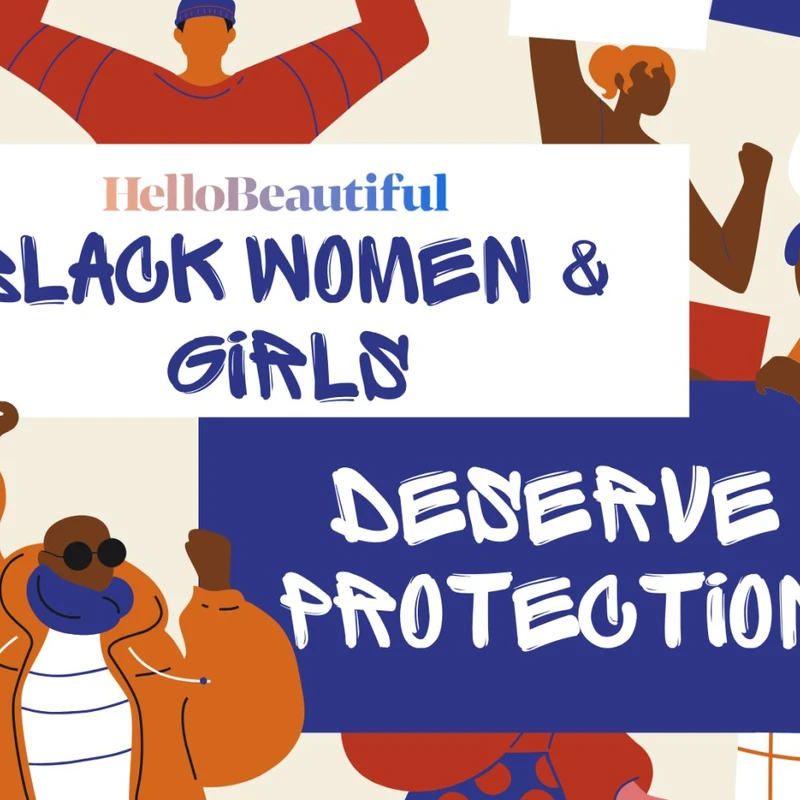
As the holiday season approaches, many of us look forward to joy, family, and festive gatherings. However, for Black women, this time of year can unfortunately bring heightened risks, particularly for those experiencing intimate partner violence. Financial stress, emotional triggers, and isolation can create dangerous situations. This is precisely why Ujima: The National Center on Violence Against Women in the Black Community exists – to ensure Black women and girls are seen, heard, and protected.
Ujima: Collective Work and Responsibility
Founded by a dedicated group of advocates aiming to bridge the gap in culturally specific services, Ujima’s work is deeply connected to its name. ‘Ujima’ is a Swahili word meaning ‘collective work and responsibility,’ a Kwanzaa principle that perfectly embodies the organization’s mission: to mobilize the community to end gender-based violence against Black women and girls.
Karma Cottman, Ujima’s founder, emphasizes the need for community-wide involvement. ‘It’s going to take our entire community,’ she states with calm urgency. ‘We need men and women working together to address domestic violence. If women are overwhelmingly the victims, then men must be part of ending it. It impacts all of us—our children, our families, our future.’
A Vision Born From Lived Experience
Before establishing Ujima, Cottman and her co-founders witnessed a recurring pattern in national and international gender-based violence programs: decisions were made *about* Black women, not *with* them. ‘We sat in rooms where no one looked like us, even though the policies being created disproportionately impacted us,’ Cottman explains. Recognizing that Black women are two and a half times more likely to be murdered by an intimate partner, they knew there was a critical need for research, advocacy, and programs that truly reflect Black women’s lived experiences and healing journeys.
Holistic Protection: Beyond Physical Safety
Ujima’s concept of safety extends far beyond physical security. Cottman defines protection as holistic, encompassing physical, emotional, financial, and spiritual well-being. For Black women, true protection means having autonomy over their finances, mental health, and spiritual lives, and feeling safe to seek support without blame.
This shift from crisis response to comprehensive wellness influences Ujima’s policy advocacy and community healing programs. Initiatives like ‘Healing the Healers’ provide survivors and advocates with spaces to rest and recharge, challenging the harmful ‘strong Black woman’ trope that often leads to the erasure of vulnerability. Cottman stresses, ‘It’s okay to prioritize yourself. It’s okay to ask for help.’
Navigating Unsafe Homes and Holiday Pressures
Cottman advises listening without judgment when someone discloses abuse, emphasizing that the most dangerous time for a survivor is often during separation. During the holidays, Ujima experiences an increase in calls due to factors like extended time at home, limited escape routes, financial pressures, and complex family dynamics. The pressure to ‘keep the peace’ can unfortunately silence critical needs.
- **Know the Warning Signs:** Look out for isolation, financial control, excessive monitoring, or emotional manipulation.
- **Check on Your Strong Friends:** Those who appear to have it all together might be silently struggling.
- **Understand Safety Planning:** Help survivors identify safe places to go, people to call, and ways to exit safely.
Rewriting the Narrative: Language and Wellness as Resistance
Cottman highlights the power of language, noting how terms like ‘angry’ or ‘strong’ can harm Black women by teaching the world they don’t deserve softness. Black girls, she points out, are often adultified from a young age. Ujima works to change this narrative through education and advocacy, ensuring Black women are seen as storytellers and leaders, not just statistics. They also aim to model healthy relationships, as many young people lack positive examples in their immediate environment.
For Black women, wellness has often been viewed as a luxury, but Ujima reframes it as a revolutionary act of survival. Through programs like ‘Healing the Healers’ and ‘Connected & Protected,’ they create spaces for Black women to reclaim their wholeness, emphasizing that emotional, physical, and spiritual well-being is revolutionary. Cottman’s advice for prioritizing wellness includes making yourself a priority, saying no, reconnecting after isolation, and trusting your intuition.
Building a Future of Support
In the face of challenges to culturally specific services, Ujima’s mission is both personal and political. Their ‘Power of 10’ initiative encourages supporters to form small giving circles to fund safety programs nationwide. Cottman concludes, ‘Our work only happens in community and in sisterhood. That’s how we heal. That’s how we protect each other.’
How can you contribute to collective work and responsibility in your community? Visit ujimacommunity.org to learn more or donate. If you or someone you know needs help, call the National Domestic Violence Hotline at 1-800-799-7233.
Leave a Reply