Tag: Black Women

  • 25 Thoughtful Graduation Gifts for Black Women

    Graduation is a huge milestone – a mix of excitement, nerves, and the sudden pressure to have your entire life planned out. While cash is always welcome, the most impactful gifts are those that offer a graduate a little extra confidence, comfort, or even a good laugh as they step into adulthood. Forget just the cap and gown; here are 25 graduation gift ideas specifically curated for the amazing Black women in your life, designed to help them navigate their next chapter.

    Practical Essentials for the Real World

    Adulthood often comes with unexpected challenges, like a dead phone battery at the worst possible moment or a midnight need for scissors. These practical gifts ensure they’re prepared:

    1. **1. A First Apartment Survival Kit:** Fill a box with essentials like batteries, scissors, tape, paper towels, measuring cups, pain reliever, light bulbs, and a small toolkit. It’s the ultimate ‘I care about your future’ gift.
    2. **2. A Portable Charger:** A lifesaver for travel, commuting, or job hunting. A dead phone can feel like being stranded, and a reliable portable charger is a weekly necessity. The VEEKTOMX Portable Charger is a budget-friendly option.
    3. **3. A Basic Toolbox:** Every graduate will eventually need a screwdriver. A small toolbox with essential tools is surprisingly empowering for furniture assembly and minor repairs.
    4. **4. Professional Clothing:** A sharp blazer, classic shoes, or a timeless watch can boost confidence for interviews and new professional environments.
    5. **5. A High-Quality Water Bottle:** Staying hydrated becomes surprisingly important. A durable, stylish water bottle is a practical accessory they’ll carry everywhere.

    Gifts for Comfort and Confidence

    The transition to adulthood can be stressful. These gifts offer comfort, encourage self-care, and build confidence:

    1. **6. A Luxury Blanket:** Adults develop an attachment to good blankets surprisingly quickly. A soft, oversized blanket provides comfort during stressful times or late-night work sessions.
    2. **7. Noise-Canceling Headphones:** Perfect for commuting, studying, or dealing with loud roommates. They create essential pockets of peace. The JBL Tune 770NC headphones offer great features for blocking out distractions.
    3. **8. A Low-Maintenance Plant:** Symbolizing growth and optimism, plants like snake plants or pothos are hard to kill, making them ideal for busy graduates.
    4. **9. Professional Headshots:** A polished headshot can significantly enhance LinkedIn profiles, resumes, and networking efforts, presenting them confidently in the professional world.
    5. **10. A Reliable Laptop:** If you’re looking to splurge, a good laptop is an essential tool for job searching, graduate school, freelancing, and daily adult responsibilities. It supports productivity and independence.

    Experiences and Sentimental Treasures

    Sometimes, the most memorable gifts aren’t physical objects. These ideas focus on creating experiences and preserving memories:

    1. **11. A Mini Espresso Machine:** Instantly elevates mornings and adds a touch of sophistication. Pair it with gourmet coffee beans or a fun mug. The CASABREWS CM5418 is a quality option.
    2. **12. A High-Quality Carry-On Bag:** Graduates often enter their ‘travel era.’ A durable, stylish carry-on is perfect for work trips, weekend getaways, or self-discovery journeys.
    3. **13. A Subscription Service:** Gifts that keep on giving! Consider meal kits, audiobook memberships, snack boxes, streaming services, or meditation apps for ongoing convenience and joy.
    4. **14. A Digital Photo Frame:** Preload it with cherished memories – childhood photos, college adventures, family moments. The Aura 10″ HD Digital Picture Frame allows unlimited photo sharing.
    5. **15. A Framed Handwritten Letter:** One of the most meaningful gifts, costing almost nothing. Share favorite memories, advice, or admired qualities for a keepsake they’ll treasure forever.
    6. **16. Cooking Classes:** Help them move beyond frozen meals and instant noodles. Learning to cook builds confidence and essential life skills.
    7. **17. A Weekend Getaway:** An experience gift that allows graduates to relax, celebrate, and reset before embarking on their next phase.
    8. **18. Purchase Movie Tickets or Museum Passes:** Remind them that fun still matters! Concert tickets, museum passes, or comedy show tickets encourage enjoyment during potentially stressful times.
    9. **19. A Kitchen Upgrade:** Gifts like air fryers, rice cookers, or blenders are practical luxuries graduates might not buy for themselves but will love for making meals easier and more enjoyable.
    10. **20. A Membership to Something Interesting:** Museum memberships, climbing gym passes, or national park passes encourage exploration of new hobbies and experiences.
    11. **21. A Future Time Capsule:** Have friends and family contribute letters, predictions, and advice for the graduate to open years later – a gift of future nostalgia.
    12. **22. A Personalized Recipe Book:** Compile family recipes and comfort meals into a book with handwritten notes for a deeply sentimental connection to home.

    Financial Foundations and Future Planning

    Setting them up for financial success is a gift that truly lasts:

    1. **23. An Emergency Fund Contribution:** Help them start an emergency fund or contribute to a high-yield savings or retirement account. It’s invaluable financial preparation.
    2. **24. A ‘Things Nobody Taught You’ Binder:** Adulthood lacks an instruction manual. Compile tips on taxes, budgeting, laundry, cooking, insurance, and basic home repairs for a practical, humorous guide.
    3. **25. A Journal:** Post-grad life brings many questions. A journal provides a space to process thoughts, goals, and dreams, serving as a fascinating reminder of their growth over time.

    Ultimately, the best graduation gifts are thoughtful, supportive, and tailored to the individual. Whether practical, sentimental, or experience-based, a well-chosen present can make the transition into adulthood feel less overwhelming and far more memorable.

    What’s the most memorable graduation gift you’ve ever given or received? Share your ideas and experiences in the comments below!

  • Kennedy Ryan’s ‘Score’ Centers Black Women’s Mental Health

    Imagine a world where stories about Black women don’t just end well, but where their struggles, particularly with mental health, are seen, understood, and supported. Author Kennedy Ryan is crafting just that world, and her latest novel, ‘Score,’ is a powerful testament to this vision. Released on May 19, 2026, this book offers a much-needed spotlight on an often-overlooked aspect of life for Black women.

    A Necessary Portrait of Mental Illness

    ‘Score,’ the second installment in Ryan’s Hollywood Renaissance series, centers on Verity, a young Black woman navigating emerging adulthood and her first manic episode while attending a fictional HBCU. This setting is far from incidental. The transition to college, with its unique pressures, is a critical period where mental health challenges often first emerge, especially for young adults.

    The statistics are stark: Black and Latinx students face significant financial hurdles in accessing mental health care, and the pervasive stigma within the community often prevents young Black women from seeking help. While over half of Black college students report significant mental health concerns, a mere 30 percent receive treatment. The internalized pressure of the ‘Superwoman Schema’—the expectation to always appear strong and unbothered—further complicates this issue.

    Authenticity and Nuance in Storytelling

    Kennedy Ryan has described ‘Score’ as one of her most challenging books to write, precisely because she was committed to portraying Verity’s experience with authenticity and nuance. She conducted extensive research, interviewing individuals with bipolar disorder, their families, partners, and clinicians. The result is a deeply humanizing portrayal that avoids reducing Verity’s journey to a mere plot device or a simple tragedy.

    I get to write a world where things end well for us. — Kennedy Ryan

    Ryan masterfully weaves Verity’s mental health journey into the fabric of her full life. Her friendships are depicted with genuine affection and realistic imperfections, her family is present and supportive (though not without their own struggles), and her second-chance romance with Monk is layered with emotional depth. This holistic approach shows professional treatment complemented by the crucial roles of community, partnership, and vulnerability.

    Beyond the Crisis: A Holistic Approach

    This emphasis on a holistic approach resonates deeply with the work of supporting students of color. As Dr. Ashley Stewart notes, it takes a village—one that extends far beyond campus counseling centers. Educating faculty, staff, peers, and families is essential to identify needs and offer support *before* a crisis point is reached. Waiting for a crisis means valuable time and pieces of a young person’s well-being are lost.

    Verity’s arc, as she integrates her diagnosis into her sense of self, friendships, and romantic relationships, is a powerful and moving narrative in contemporary fiction. It stands in contrast to mainstream narratives that often flatten Black women with mental illness into cautionary tales, stripping them of their desire, ambition, and joy. Ryan ensures Verity’s diagnosis shapes her world but never defines her worth.

    If ‘Score’ has moved you, let it inspire action. How can you better support the young Black women in your life? Check in, challenge stigma, and advocate for accessible mental health care. Share your thoughts and commitments in the comments below!

  • Unlearning Church Rules on Sex & Sensuality

    For many raised in the church, the message was clear: sex is sacred, reserved for marriage, and best kept quiet. But what happens when you reach that sacred destination and find that enjoying intimacy still feels taboo? This piece explores the journey of unlearning restrictive church teachings about sex and sensuality, and reclaiming pleasure as a vital part of faith and self.

    From Aspiration to Disruption: Visible Christian Intimacy

    The author recalls watching Erica Campbell’s wedding as a teenager, seeing her as the epitome of a “saved Black woman doing things the right way.” Over time, Campbell’s openness about her active sex life with her husband, her embrace of her curves, and her sensuality have been disruptive. For those raised in similar environments, this candidness challenges the ingrained notion that faith and open enjoyment of sexuality are incompatible.

    Millennials often lacked visible examples of Christian couples who openly enjoyed their intimacy while remaining deeply faithful. Couples like KevOnStage and Melissa Fredericks, or younger pairs like Jayla and Tony Henry, are now expanding this visibility by speaking candidly about attraction, sex, and the effort required to maintain connection. This provides a glimpse into a reality often left unspoken.

    The Legacy of Purity Culture

    Growing up, the messaging around sex was often about avoidance and suppression, not about understanding desire as something sacred or connected to worship. Even seemingly subtle acknowledgments, like T.D. Jakes’ ‘Sacred Love Songs’ CD, existed in a realm of hushed knowledge, reinforcing that intimacy should remain tucked away.

    The author recounts a high school sermon titled “The Best Sex of Your Life,” which offered a clarifying perspective: sex within marriage, free from shame and fear, would be the most fulfilling. This contrasted sharply with the prevailing message that sex was simply something to be avoided and that one’s body needed to be managed, often with the male gaze in mind. Verses about modesty were frequently used to police women’s bodies, often misconstrued from their original context addressing wealth and status.

    Reclaiming Agency and Pleasure

    LuzCelenia Arce describes how ‘sexy’ was often treated as a threat within Christian circles, both to male purity and women’s own. This indoctrination can lead to struggles with self-esteem and a disconnect from one’s body. The theology often centered male pleasure, leaving women unsure of their own needs and desires, or believing sex ends when their partner’s does.

    Arce points out that this doctrine also impacts men, teaching them that women’s bodies are triggers for inevitable urges, rather than fostering responsibility for their own gaze. This creates a confusing dynamic where sexual women are deemed immoral, yet the “good” Christian wife is expected to be un-sexual. Many were taught premarital sex was sinful, a framing challenged by scholars who note the original text may refer to prostitution rather than consensual premarital intimacy.

    The author’s own journey, marked by divorce, led to a process of deprogramming, decentering the male gaze, and decolonizing her thinking. Reclaiming her sensuality began with simple acts, like taking boudoir photos for herself, realizing she could feel sexy without needing an audience. This personal redefinition of ‘sexy’ involves embracing her body’s legacy, honoring her desires, and experiencing pleasure without shame.

    Ultimately, the piece argues that if the church encourages waiting for marriage, it must also prepare individuals for the intimacy that follows. This includes teaching self-awareness, embracing sexuality, and fostering mutual responsibility rather than solely enforcing restraint. True healing, Arce suggests, begins with coming back into one’s own body.

    How have your experiences shaped your views on sex, faith, and sensuality? Share your thoughts and journey in the comments below!

  • Black Woman Hospitalized After Atlantic City Hotel Incident

    A disturbing incident at the Hard Rock Hotel & Casino Atlantic City has brought renewed attention to issues of racial profiling and excessive force. A Philadelphia-area woman, Camillia Williams, is hospitalized with significant injuries after being tackled by multiple security guards, an event captured on video that has since gone viral.

    A Paying Guest’s Ordeal

    Williams, a repeat guest at the hotel, reportedly encountered issues with her room key card not working. When she went to the front desk to file a complaint, Atlantic City police were called. Officers discovered an old DUI warrant from 2012, leading to her processing and release on a disorderly conduct summons.

    The situation escalated when Williams and her daughter, Samirah Mungin, returned to the hotel to retrieve their belongings. Video footage shows Williams being tackled near the guest elevators by several security guards, while her daughter pleaded for them to stop. Mungin emphasized that they were paying guests and not criminals, and that her mother, who is 5’4″ and 160 pounds, posed no threat.

    Injuries and Investigation

    The physical confrontation resulted in Williams suffering a dislocated leg, bruising, and limited mobility in her wrists. Her daughter expressed frustration with the immediate assumption of fault placed on victims in such incidents, particularly Black women.

    In response to the viral video and public outcry, Hard Rock has suspended several security guards pending a thorough investigation. The hotel issued a statement emphasizing that guest and team safety are top priorities and referred further questions to the Atlantic City Police Department due to the ongoing investigation.

    Community Support and Legal Action

    A GoFundMe campaign has been established to help cover Williams’ legal representation and medical expenses. This incident highlights a recurring pattern of disproportionate scrutiny and aggression faced by Black individuals in public spaces, often requiring viral footage to prompt institutional responses.

    The hotel has reportedly reached out to Williams to address the situation. As the investigation unfolds, the focus remains on accountability and ensuring the safety and respect of all guests.

    What are your thoughts on this incident? Share your perspective in the comments below.

  • ‘Is God Is’ Sparks Debate on Black Women’s Rage

    A new film, “Is God Is,” has hit theaters, and it’s already igniting a firestorm of discussion on social media. Directed by Aleasha Harris and starring a powerhouse cast including Kara Young, Mallori Johnson, Janelle Monáe, Erika Alexander, Vivica A. Fox, and Sterling K. Brown, the movie centers on two sisters seeking revenge for their mother’s abuse. While the film aims to give a voice to Black women’s rage and trauma, its violent themes and portrayal of Black men have drawn mixed reactions.

    A Narrative of Resistance

    Harris explained that the story was born out of a personal need for a narrative where Black women fight back. “I need to have in the world a narrative in which a Black woman fights back, right, in which a Black woman’s rage and anger is given center stage and is no-holds-barred,” she told TheGrio. “That’s medicine to me.” The film’s tagline, “Make your daddy dead, real dead,” has particularly drawn criticism, but Harris emphasizes it’s not a literal instruction but a symbolic exploration of confronting deep-seated pain.

    Actress Kara Young echoed this sentiment, viewing the film as a “righteous way for us to collectively be here together in all of our collective rage and joy, and the roots of the rage and the trauma to release.” The intention, she shared, is to show that Black women and girls deserve love and to be taken seriously.

    Social Media’s Divided Response

    The film’s portrayal of an abusive father, played by Sterling K. Brown, who set his wife on fire, has been particularly polarizing. Some social media users have taken issue with the representation of Black men, questioning if the film unfairly depicts them. One user tweeted, “I don’t think Black women would appreciate a film about young Black man trying to kill their mother and she was played by say Viola Davis.”

    However, many others have pointed out the film’s unfortunate timeliness, given the recent headlines about Black women falling victim to domestic violence and the rising rates of femicide within Black communities. As one user noted, “Black people are not a monolith until its television and film and there’s a complex or inherently evil black character, then it’s ‘poor representation of us as a collective.’” This highlights a perceived double standard in how complex characters are received.

    Reflecting Realities and Sparking Dialogue

    The film’s stars hope that the layered storytelling will encourage audiences to engage in deeper conversations. Janelle Monáe described the movie as a “love letter to the complications of life and love, and our love letter to black women and girls.” Sterling K. Brown added that the film’s release coinciding with current events offers an opportunity to “enter into a conversation” and understand different perspectives, particularly between Black men and Black women.

    Ultimately, “Is God Is” isn’t presented as a solution to societal problems but rather as a “salve” for deep wounds. It draws from real-life experiences, including the harrowing reality of femicide, and aims to prompt viewers to think differently and consider perspectives they might not have encountered before. As Harris put it, the hope is for a deeper understanding, not a quick fix.

    Have you seen ‘Is God Is,’ or are you planning to? What are your thoughts on the film’s themes and the social media reactions? Share your perspective in the comments below!

  • The Jenesis House: A Self-Care Sanctuary for Black Women

    Imagine a place where Black women can finally exhale, a sanctuary designed specifically for their restoration and well-being. That place exists, and it’s called The Jenesis House (TJH). Located in the spiritually charged landscape of Sedona, Arizona, this Black woman-owned wellness estate is more than just a retreat; it’s a profound statement that Black women deserve softness, stillness, and dedicated care.

    A Haven Rooted in Self-Preservation

    For many Black women, the demands of navigating a world often marked by racism and sexism mean that rest is frequently sacrificed or feels undeserved. The author, an entrepreneur, daughter, sister, friend, mother, and wife, shares this common experience. Witnessing the prevalence of stress-related illnesses within the community underscores the critical need for radical self-care, making it not just an option, but a necessity. The decision to visit TJH was, therefore, an act of self-preservation.

    Stepping onto the TJH grounds felt like entering a different realm. The author describes an immediate sense of peace, where shoulders dropped and jaws unclenched. It was a palpable shift, a welcoming embrace that spoke a familiar, yet often ignored, language: ‘I see you, sis. I’ve got you. Slow down.’

    Thoughtfully Designed for Restoration

    The Jenesis House, owned by Jenesis Laforcarde, has quickly become a sought-after destination since opening. The five-acre estate exudes tranquility, featuring a main house, tea house, meditation areas, a bath house, spa, treehouse, and approximately ten guest rooms. The decor, inspired by Laforcade’s Afro-Asian heritage, incorporates warm wood tones, organic textures, and a serene aesthetic designed to promote relaxation.

    TJH offers a comprehensive range of wellness services, including spa treatments, journaling, meditation, yoga, breathwork, culinary experiences, Reiki, and pool-floating meditation. The author particularly enjoyed the sound bowl and tea meditations, nourishing meals prepared by a Black woman chef, and the breathtaking backdrop of the red rock mountains during yoga sessions.

    • Sound Bowl Healing: A deeply relaxing and grounding experience.
    • Tea Meditation: A mindful practice savoring nourishing teas.
    • Yoga: Practicing amidst stunning natural scenery.
    • Hiking: Connecting with nature on a peaceful trail.
    • Japanese Bath Ritual: A serene soak in an outdoor tub surrounded by nature.

    Lessons Learned and Inspired Action

    The author’s visit to TJH was more than just a vacation; it was a profound journey back to herself. The retreat served as a sanctuary, highlighting the immense benefits of slowing down. The most impactful takeaway was experiencing a space intentionally created by a Black woman, for Black women, understanding their unique needs for thriving. While she couldn’t take the physical estate home, she brought back invaluable inspiration and insights.

    Inspired by her experience, she plans to incorporate healthier recipes, commit to daily moments of stillness, and recreate the Japanese bath ritual at home. The core message she carries forward is the vital importance for Black women to actively create, participate in, and claim intentional spaces that nurture and serve them. “Our lives depend on it,” she emphasizes.

    Have you ever experienced a retreat that deeply impacted you? Share your thoughts on the importance of culturally affirming wellness spaces like The Jenesis House in the comments below!

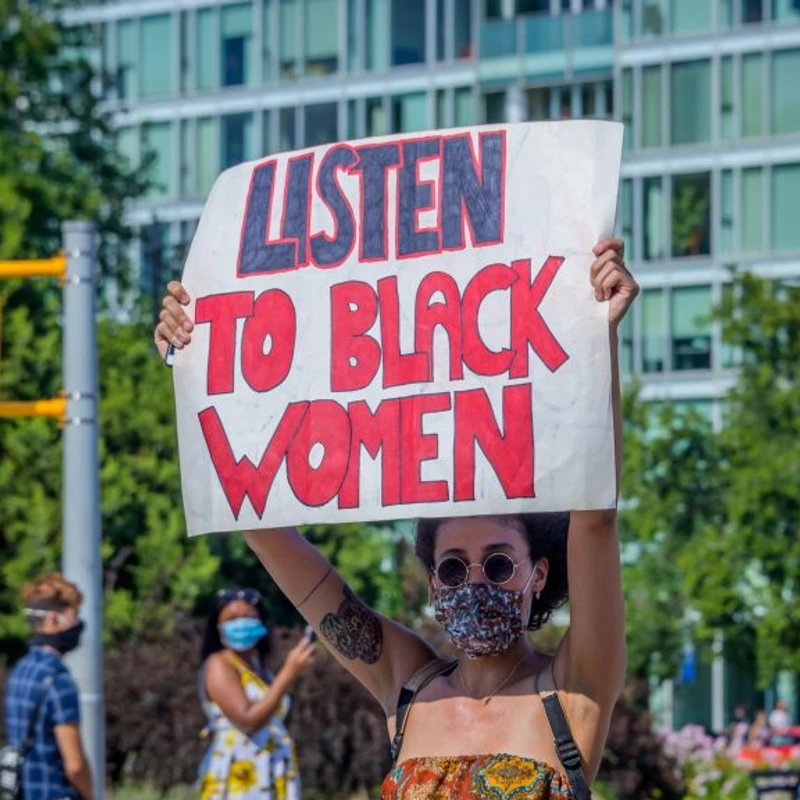
  • Why ‘Listen To Black Women’ Is Crucial Amidst Rising Misogynoir

    There’s a concept known as a “death surge” – a final burst of energy before an end. In America, this metaphor seems to apply to the intensifying struggles against anti-Blackness and patriarchy. While global protests and political shifts signal their vulnerability, these systems are fighting back, and unfortunately, Black women bear the brunt of this violent resistance.

    The Toll of Systemic Oppression

    Therapist and educator Dr. LaNail R. Plummer explains that Black women are uniquely positioned within these oppressive structures. Their very existence is intertwined with and weaponized by the systems that oppress them, leading to a “massive psychological and emotional toll.” This means their lived experiences are often the very foundation of the oppression they face.

    This metaphorical “death surge” of whiteness and misogyny has devastating consequences. We’re seeing alarming rates of job loss among Black women, decreased business funding, and a tragic rise in Black femicide. Headlines in 2026 alone have highlighted horrific acts of domestic violence, with prominent figures like Florida Vice Mayor Nancy Metayer Bowen and Dr. Cerina Fairfax among the victims.

    Voices Unheard, Pleas Unanswered

    Despite their high levels of education and active participation in seeking work, Black women face significant unemployment. Congresswoman Ayanna Pressley highlighted this on the House floor, calling it a “glaring warning sign for where our economy is headed.” Historically, Black workers, especially women, have served as the “canaries in the coal mine” for economic downturns.

    The digital creator Lynae Vanee questioned whether the “Black Manosphere” mirrors the toxicity of MAGA, describing a feeling of being worn down rather than heard. Artist SHAVONE powerfully articulates this struggle in her song “TRIUMPH,” lamenting, “Black women in America, who gon’ cherish us? / Spoiled men perish us / Drownin’ in a sea of lust / They not really seein’ us.” These artistic expressions highlight a deep-seated need for validation and recognition.

    Finding Rest and Community

    Licensed professional counselor Tamara Thomas offers two crucial solutions for Black women: rest and community. She emphasizes that Black women are exhausted from carrying the weight of work, home, and community responsibilities. Thomas encourages challenging the cultural notion that rest equals laziness, advocating for a deeper separation from obligations.

    Crucially, Thomas stresses the importance of finding “communities of rest”—support systems like places of worship, girlfriend groups, or supportive family members. She warns against seeking rest only in isolation, highlighting the need for safe spaces where Black women can express their exhaustion and seek help. This is vital for healing the growing lack of trust between single Black men and women, often stemming from past experiences with infidelity and domestic violence.

    Intertwined Fates: Black Women and National Progress

    Failing to listen to and trust Black women has dire consequences, not just for them, but for the nation’s progress. From Shirley Chisholm and Coretta Scott King to Stacey Abrams and Justice Ketanji Brown Jackson, Black women have consistently been pivotal figures in America’s journey toward democracy. The “Strong Black Woman” trope, while often a source of resilience, also imposes an immense expectation.

    The dismissal and demeaning of Black women are, therefore, fatal for everyone. As the forces of whiteness and misogyny intensify their “death surge,” they target the very population essential for their own existence, while simultaneously seeking to destroy the population others will inevitably turn to for guidance when faced with the question: “What now?” The instruction to “Listen To Black Women” is not just a plea; it’s a necessity for collective survival and progress.

    How can we better ensure Black women’s voices are heard and valued? Share your thoughts and strategies in the comments below!

  • Texas Senate Candidate Tackles Black Maternal Mortality Crisis

    In a significant move timed with Mother’s Day, Texas Senate candidate James Talarico has unveiled a comprehensive policy plan designed to confront the alarming maternal mortality crisis, with a particular focus on the disproportionate impact on Black women. Talarico, a Texas State Representative, is aiming to bring this critical issue to the forefront of national policy discussions.

    Addressing a Critical Health Disparity

    The United States faces the highest maternal mortality rate among wealthy nations, and the statistics for Black women are particularly dire. They are three times more likely to die from childbirth or postpartum complications than other racial groups. Alarmingly, while rates have decreased for white, Hispanic, and Asian women, they have actually risen for Black women, according to the CDC.

    Talarico’s plan directly addresses this disparity by proposing several key initiatives. Central to his strategy is the guarantee of nationwide paid maternity leave legislation, ensuring new mothers have adequate time to recover and bond with their newborns without facing financial hardship. This is coupled with a commitment to improving data collection and investing in crucial maternal health research.

    A Multi-faceted Approach to Maternal Care

    Beyond paid leave, Talarico’s proposal emphasizes enhancing provider training to ensure healthcare professionals are equipped to treat the most affected patients. He also advocates for better data collection through maternal mortality review committees (MMRCs) in every state, enabling a clearer understanding of the crisis and informing policy decisions that properly represent Black and brown communities.

    This initiative has garnered support from fellow lawmakers, including Texas State Rep. Toni Rose, who championed bipartisan legislation (HB12) to extend Medicaid and CHIP postpartum coverage. Rose stated, ‘The maternal mortality crisis in Texas and across our nation is unacceptable, and Black women are bearing the heaviest burden.’ She expressed confidence in Talarico’s commitment to fighting for this cause in Washington.

    Expanding Healthcare Access

    Talarico’s vision extends to broader healthcare access, including proposals to extend Medicare to all ages and restore Affordable Care Act tax credits. His plan mandates that states extend Medicaid coverage for pregnant and postpartum women up to 12 months and expand federal grant programs to educate women about their healthcare options and connect them with vital resources.

    The proposal also aims to eliminate maternal care deserts by ensuring insurance coverage for doula and midwife services, expanding telemedicine access, and funding programs to recruit and retain maternal care providers, especially from underserved areas. Furthermore, he seeks to extend eligibility for the WIC program and bolster the Healthy Start Program for comprehensive family support.

    Engaging Key Voting Blocs

    Talarico’s focus on the Black maternal health crisis is strategically aimed at building support among Black voters in Texas, a demographic crucial for Democratic success in the state. Having previously led fights against racist redistricting and for criminal justice reforms, Talarico emphasizes that addressing issues like maternal health is essential because ‘Black communities have been overlooked, undervalued, and taken for granted by both parties.’

    What are your thoughts on James Talarico’s plan to address the Black maternal mortality crisis? Share your opinions in the comments below!

  • WNBA Star Monique Billings’ Core Strength Secrets

    Monique Billings, now in her ninth WNBA season and first with the Indiana Fever, is more than just a talented athlete; she’s a beacon of wellness and strength. Crediting her success to faith, core values, and a commitment to movement, Billings is sharing her exclusive tips for building a powerful core that supports both on-court performance and overall well-being.

    Faith, Movement, and Clean Eating: The Pillars of Strength

    Billings emphasizes a holistic approach to wellness, centered around three key pillars: “Faith, movement, good food.” She finds that journaling helps her stay grounded, reflecting on her growth and recognizing answered prayers, which provides clarity during challenging times. This self-awareness is crucial for her elite performance on the court.

    Knowing when to take breaks, step away from social media, or simply find stillness—whether in her apartment, on a walk, or in nature—is vital for Billings. “It’s just being in tune with myself. I’m very in tune with knowing what I need, knowing when I need it, always trying to just listen to myself,” she explains. Journaling further aids this process, allowing her to process thoughts, goals, and areas for improvement.

    The Power of Protein and Plant-Based Choices

    During the off-season, Billings partnered with Silk, the official plant-based beverage brand of the Big Ten conference. This collaboration aligns perfectly with her focus on clean eating and consuming nutritious foods. “It’s a product that I have been drinking since a young girl,” Billings shared, noting the full-circle nature of the partnership. She highlights the importance of plant-based protein, especially for athletes, and appreciates Silk’s 13 grams of protein per serving.

    Billings enjoys experimenting with Silk products, from smoothies to adding original milk to her tea. This mindful approach to nutrition ensures she fuels her body with clean, delicious, and protein-rich options.

    Billings’ Core-Building Playbook

    For those aspiring to build a strong core like Billings, she offers practical advice: “Heavy lifting has been great for me.” Having trained since she was 13, she emphasizes the importance of working up to heavier weights, potentially with a trainer. Her father served as her lifelong trainer, a privilege she acknowledges.

    • **Heavy Lifting:** Essential for developing core strength, starting gradually and potentially with professional guidance.
    • **Clean Eating & Balance:** Aim for 90% clean, healthy whole foods, while allowing for occasional “treats” to maintain balance.
    • **Protein Intake:** Ensure adequate protein, especially plant-based options like Silk, to support muscle building and recovery.

    By combining consistent training, mindful nutrition, and a strong sense of self, Monique Billings continues to inspire on and off the court, proving that a strong core is built through dedication and a balanced lifestyle.

    What are your favorite core-strengthening exercises? Share your tips and tricks in the comments below!

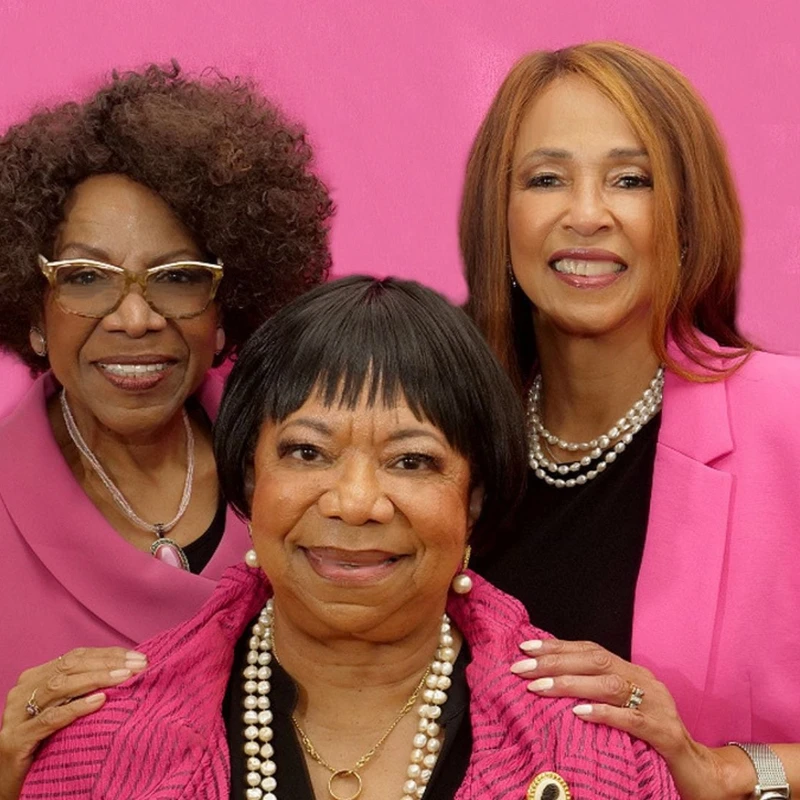
  • ‘Next Little Black Book’ Updated for Black Women Leaders

    In a professional landscape marked by significant layoffs, the rollback of DEI initiatives, and a shifting political climate, three veteran executives have updated a leadership guide specifically for Black women. The newly republished “The Next Little Black Book of Success” aims to provide a roadmap for navigating today’s complex workplace, offering timeless lessons on resilience, leadership, and overcoming loss.

    A Timely Update for a Crucial Audience

    Co-authors Elaine Meryl Brown, a Daytime Emmy Award-winning writer and executive producer, and Rhonda Joy McLean, president and CEO of RJMLEADS LLC, have decades of experience navigating professional spaces not always designed for them. They are joined by the legacy of their late co-author, Marsha Haygood, who passed away earlier this year. The original 2010 edition sold over 60,000 copies, and this updated version addresses contemporary challenges like mass layoffs, the impact of AI on industries, and a political environment that can feel openly hostile to Black women in professional roles.

    “This book is a roadmap to the future,” McLean stated. “We really try to anticipate changes in the workplace, changes in the workforce — we talk about AI. We talk about trying to be an authentic Black woman in the workplace.”

    The Power of Soft Skills and Self-Leadership

    Central to the book’s message, honed over nearly two decades, is the argument that the skills crucial for workplace survival and advancement are often not the ones formally taught. Brown emphasizes that these essential ‘soft skills’ are universally applicable to Black women at any career stage. “It’s the hard skills that really get us in the door, but it’s the soft skills that really sustain us,” Brown explained. “And our mantra for this book — the first person you lead is yourself.”

    The authors also address the complexities of generational differences in the workplace. Brown notes that Millennials, Gen X, Gen Y, and Boomers all approach work and problem-solving differently, highlighting the need for mutual listening and collaboration. Achieving this requires more than just professionalism; it demands understanding the distinction between being liked and being respected.

    Lessons Forged Through Personal Experience

    McLean’s own experiences underscore the book’s themes. Integrating an all-white high school in North Carolina in 1965, she faced hostility but found strength in community with the two other Black girls who joined her. This early lesson in resilience taught her the importance of standing firm against ignorance and fear, even when isolated.

    Decades later, as one of the few Black women in 1980s New York law firms, McLean encountered assumptions and was often mistaken for support staff. She learned the hard way that waiting for others to define her role was not an option, sharing a poignant anecdote about refusing to serve coffee to male colleagues, asserting her professional standing despite the painful and uncomfortable dynamics.

    Addressing Workplace Dynamics and Grief

    These experiences inform the book’s chapter, “Don’t Be the Office Mammy,” which tackles the tendency for Black women to prioritize others’ needs over their own, often without seeking credit. The authors caution that while helpfulness is valued, failing to promote oneself or take credit in corporate America can lead to professional invisibility.

    The book also delves into leading through personal loss. McLean wrote a chapter on grief while navigating the devastating loss of her stepdaughter to cancer, followed by her husband’s death just months later. She credits her friends, family, and co-authors for supporting her through a period where she couldn’t write. Brown and McLean later reciprocated this support when Haygood battled her illness, with the authors stepping in to help complete her work.

    This experience reinforced their belief in the foundational importance of relationships – friends, family, and faith. Haygood’s presence is felt throughout the book, with her chapters included and her voice resonating on every page, even after her passing in January.

    Expanding the Definition of Loss and Building Networks

    The concept of grief is expanded in the book to include professional losses, such as job displacement due to DEI rollbacks or demotions that diminish one’s sense of value. McLean emphasizes that these are significant losses that require grieving.

    For Black women facing these challenges, the authors stress the importance of proactive relationship building. “You need to not have waited until you were laid off to have a network of people who can help you,” McLean advises, encouraging connections from high school, college, church, and sororities. Brown adds the crucial point of diversifying one’s network beyond familiar circles to include people of different backgrounds and beliefs.

    Ultimately, McLean expresses deep admiration for the creativity and resourcefulness of Black women, likening their ability to make much out of little to the biblical story of the loaves and fishes. She believes this inherent skill is often underestimated.

    The insights from “The Next Little Black Book of Success” were recently shared in an in-person discussion hosted by the Alpha Kappa Alpha Sorority, Incorporated® – Rho Gamma Omega Chapter in New Jersey, moderated by TheGrio’s Natasha S. Alford. This event highlighted the urgent need for conversations around leadership and advancement, especially in the current climate.

    What lessons from ‘The Next Little Black Book of Success’ resonate most with you? How do you build and maintain your professional network? Share your thoughts and strategies in the comments below!