Tag: Black Women

  • London Powers’ Murder: Did Police Inaction Contribute?

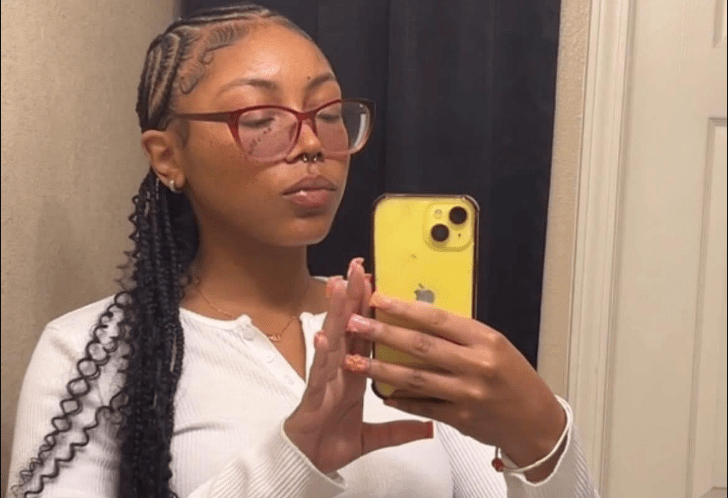
    A devastating tragedy has struck the North Carolina Central University community. London Powers, a 21-year-old student, was shot and killed by her ex-boyfriend, Damien Tinsley, 23. The circumstances surrounding her death are particularly heartbreaking, as her family alleges that Powers had repeatedly sought help from the police before the fatal incident.

    A Plea for Help That Went Unanswered?

    According to reports, the incident occurred at the Camden Pointe apartments. Powers was reportedly trying to move out of her shared apartment with Tinsley when he unexpectedly arrived, leading to an argument. Her friend, Shiann Boyd, recounted the terrifying moments, stating that Powers tried to call 911.

    Boyd shared that Powers managed to say her address and mention that Tinsley had a gun before the call was cut short. Tragically, Tinsley allegedly shot Powers before turning the gun on himself. Boyd, who was on the phone with police during the ordeal, described her desperate pleas for help.

    Previous Incidents and Parental Concerns

    Powers’ mother, Tia Powers, revealed to WRAL that her daughter had contacted the police multiple times regarding Tinsley’s behavior. She also stated that this wasn’t the first time Tinsley had been violent towards her daughter; he had previously shot at London a few weeks before her death, grazing her. Despite these prior incidents and her daughter’s calls for help, the family questions whether the police response was adequate.

    “When they get a call from a female saying that her life is in danger, they should show up and show out right away. Because maybe this could’ve been avoided,” Tia Powers stated, expressing her anguish and frustration.

    Remembering London Powers

    Friends and colleagues remember London Powers as a kind, generous, and hardworking student. North Carolina Central University released a statement describing her as a “vibrant, hard-working and supportive student” who was dedicated to her social work studies and campus life. She was actively involved in her community and had aspirations to focus on adolescent and mental health.

    This tragic event raises critical questions about police response times and the seriousness with which domestic violence calls are treated, particularly when a victim has previously sought assistance. The loss of London Powers is a profound tragedy, and her family’s concerns highlight a larger societal issue.

    What are your thoughts on the police response in London Powers’ case? Share your perspective in the comments below.

  • A Love Letter to Women Choosing Not to Have Children

    To the woman who sees the baby shower invitations and smiles through the well-meaning but persistent “When are you having kids?” questions – I see you. Your life path doesn’t align with the traditional roadmap, and that’s not just okay, it’s powerful. You’re not broken, you’re not behind, you’re living with intention, and you are absolutely not alone.

    Challenging the Narrative: You Don’t Owe Anyone a Baby

    There’s a unique pressure, especially on Black women, to birth, nurture, and be the constant pillar of strength. From grandmothers eager for grandchildren to aunts discussing timelines, the expectation to follow a certain path can feel overwhelming. But here’s the truth: you don’t need to justify your ‘why.’ Your life is yours to design, not a blueprint handed down by others.

    You might adore children, perhaps you’re the favorite auntie, a dedicated teacher, or a supportive godmother. But motherhood isn’t the sole measure of a woman’s worth or completeness. Choosing a different journey doesn’t diminish your womanhood; it defines it on your own terms.

    Rewriting the ‘Strong Black Single Mother’ Trope

    Black women have often been cast in roles we never auditioned for, like the endlessly resilient “strong Black single mother” who carries the world with a smile. While this narrative highlights incredible strength, it can overshadow the reality that not every woman desires motherhood, nor should they be expected to sacrifice their well-being to fit a stereotype.

    Choosing not to follow this particular story isn’t a rejection of your community; it’s an act of authorship. You’re creating a different narrative where your desires are as important as your perceived duties. This is about reclaiming your story and defining your own legacy.

    Sovereignty and Safety in Choice

    In today’s world, the decision not to become a mother can be as much about survival and sovereignty as it is about personal desire. With the overturning of Roe v. Wade and subsequent abortion bans, restricted states have seen alarming increases in maternal and infant mortality, disproportionately affecting Black mothers. Policies that strip away bodily autonomy create dangerous pressure points, as seen in tragic cases where women’s lives were prolonged against their families’ wishes for the sake of a fetus.

    There is no universally ‘right’ time to be forced into motherhood, nor is there a ‘safe’ policy when autonomy is denied. Your body, your future, and your boundaries matter profoundly. Choosing not to carry life doesn’t make you less, it makes you sovereign.

    What are your thoughts on the societal pressures surrounding motherhood? Share your perspective in the comments below!

  • 300,000 Black Women Out of Workforce: An Economic Crisis

    It’s a deeply distressing reality: in just one quarter, over 300,000 Black women have exited or been pushed out of the workforce, according to alarming data from the U.S. Bureau of Labor Statistics. This means that within a mere 90 days, hundreds of thousands of individuals who are heads of households, parents, caregivers, and vital contributors to local economies have lost their livelihoods.

    The Devastating Impact of Job Losses

    These job losses are attributed to various factors, including government efficiency cuts and a broader attack on diversity, equity, and inclusion (DEI) initiatives. When you add these 300,000 women to the more than 518,000 Black women who haven’t returned to the workforce since the COVID-19 pandemic, the scale of economic devastation facing Black women and their families becomes starkly clear. The unemployment rate for Black women currently stands at over 6.4%, significantly higher than the national average of 4.1%.

    It’s crucial to remember that official unemployment figures often don’t account for those who have stopped actively seeking work, meaning the true unemployment rate for Black women could be even higher. Yet, there’s a concerning lack of media coverage that humanizes these women or explores how they are coping with job loss and federal cuts.

    The Economic Fallout and Systemic Issues

    Gender economist Katica Roy highlights the severe economic consequences, noting that the decline in Black women’s labor force participation in the last three months alone has resulted in a $37 billion drop in the Gross Domestic Product. This economic blow is compounded by the persistent gender pay gap: Black women working full-time, year-round earn only 66 cents for every dollar earned by white, non-Hispanic men.

    While some Black women may turn to entrepreneurship, this isn’t a guaranteed solution if businesses don’t scale. Many who lost jobs didn’t opt for early retirement; they face diminished resources for self-care, family support, economic contribution, and generational wealth. This comes at a time when federal government cuts are reducing essential support systems like healthcare, childcare, and education.

    A Call for Race and Gender-Conscious Policies

    The disproportionate suffering of Black women in terms of economic mobility, pay equity, and health disparities is a critical issue, often met with derision rather than support. Despite being one of the most educated demographics, their plight remains largely unaddressed. This data should serve as an urgent call for gender and race-conscious policies. Policies that are race-neutral risk further harming marginalized communities, as our fates are interconnected. The struggles faced by Black women often foreshadow broader societal challenges. It is imperative to support Black women to ensure the well-being and progress of the entire nation.

    What are your thoughts on the alarming number of Black women leaving the workforce? How can policy changes address this crisis? Share your insights in the comments below!