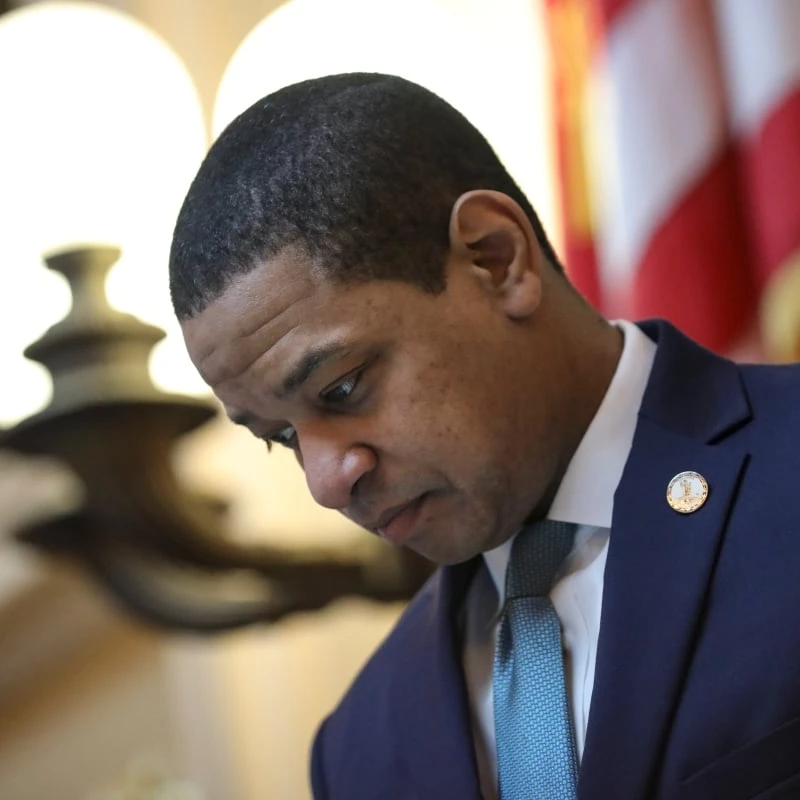
In the wake of the devastating news that former Virginia Lieutenant Governor Justin Fairfax allegedly shot and killed his wife, Dr. Cerina Wanzer Fairfax, before taking his own life, a disturbing pattern emerged. By midday, many were already rushing to eulogize Fairfax, describing him with terms like “dear brother,” “smart,” and “gracious.” This immediate rush to sanitize his image, rather than focus on the gravity of his alleged actions and the life of his victim, highlights a deeply concerning societal tendency.
Protecting Harmful Men Over Acknowledging Victims
As many Black women have rightly pointed out on social media, this response, while outrageous, is sadly not new. Society frequently rushes to protect the humanity of men who have caused significant harm, particularly to Black women, instead of fully acknowledging the pain and damage inflicted. We’ve seen this pattern repeat with public figures like Chris Brown, R. Kelly, Dr. Dre, Russell Simmons, Floyd Mayweather Jr., and Eric Adams.
These character references, while perhaps intended to offer context, only serve to complicate the narrative. They risk reshaping how the violence is understood, shifting focus away from the perpetrator’s choices and the harm caused. Framing the incident as merely a “domestic situation” or attributing it solely to a “messy divorce” inadvertently places blame elsewhere, absolving the man who allegedly chose violence.
Mental Health vs. Societal Violence
The conversation was further muddied by some, including commentator Roland Martin, who suggested mental health issues as a primary cause, rather than acknowledging the broader societal issue of violence against Black women. Even former Republican delegate Tim Anderson revisited past sexual assault allegations against Fairfax, framing them in a way that seemed to lament the derailment of his political career rather than the alleged assaults themselves.
This focus on Fairfax’s potential political future, and the way past allegations complicated it, overshadows the ultimate tragedy: the loss of Cerina Wanzer Fairfax. She was a dentist, a mother of two, a community member, a friend, and a daughter—a life brutally cut short by someone who had vowed to love and protect her.
The Unprotected Reality for Black Women
Black women have long voiced that they do not feel protected—not by institutions, not by society, and often not by Black men. This sentiment is tragically underscored when considering that Black women are disproportionately affected by intimate partner violence and femicide. The recent weeks have seen a heartbreaking number of Black women killed or dying under mysterious circumstances at the hands of loved ones, including Ashlee Jenae, Coral Springs Vice Mayor Nancy Metayer, and transwoman Davonta Curtis.
The response to the Fairfax tragedy, occurring amidst these other devastating losses, only serves to prove the ongoing vulnerability Black women face. It highlights the urgent need for a societal shift that prioritizes the safety and humanity of victims, especially Black women, over the reputation or perceived potential of those who cause harm.
How do you feel about the way society responds to accusations of violence against public figures, particularly when Black women are involved? Share your thoughts in the comments below.
Leave a Reply