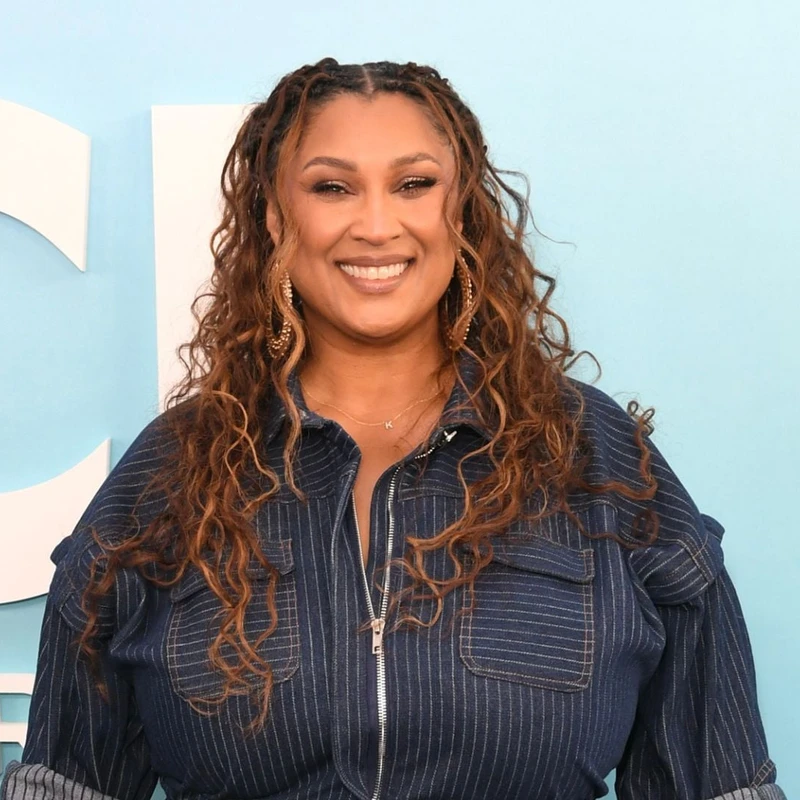
Imagine a world where stories about Black women don’t just end well, but where their struggles, particularly with mental health, are seen, understood, and supported. Author Kennedy Ryan is crafting just that world, and her latest novel, ‘Score,’ is a powerful testament to this vision. Released on May 19, 2026, this book offers a much-needed spotlight on an often-overlooked aspect of life for Black women.
A Necessary Portrait of Mental Illness
‘Score,’ the second installment in Ryan’s Hollywood Renaissance series, centers on Verity, a young Black woman navigating emerging adulthood and her first manic episode while attending a fictional HBCU. This setting is far from incidental. The transition to college, with its unique pressures, is a critical period where mental health challenges often first emerge, especially for young adults.
The statistics are stark: Black and Latinx students face significant financial hurdles in accessing mental health care, and the pervasive stigma within the community often prevents young Black women from seeking help. While over half of Black college students report significant mental health concerns, a mere 30 percent receive treatment. The internalized pressure of the ‘Superwoman Schema’—the expectation to always appear strong and unbothered—further complicates this issue.
Authenticity and Nuance in Storytelling
Kennedy Ryan has described ‘Score’ as one of her most challenging books to write, precisely because she was committed to portraying Verity’s experience with authenticity and nuance. She conducted extensive research, interviewing individuals with bipolar disorder, their families, partners, and clinicians. The result is a deeply humanizing portrayal that avoids reducing Verity’s journey to a mere plot device or a simple tragedy.
I get to write a world where things end well for us. — Kennedy Ryan
Ryan masterfully weaves Verity’s mental health journey into the fabric of her full life. Her friendships are depicted with genuine affection and realistic imperfections, her family is present and supportive (though not without their own struggles), and her second-chance romance with Monk is layered with emotional depth. This holistic approach shows professional treatment complemented by the crucial roles of community, partnership, and vulnerability.
Beyond the Crisis: A Holistic Approach
This emphasis on a holistic approach resonates deeply with the work of supporting students of color. As Dr. Ashley Stewart notes, it takes a village—one that extends far beyond campus counseling centers. Educating faculty, staff, peers, and families is essential to identify needs and offer support *before* a crisis point is reached. Waiting for a crisis means valuable time and pieces of a young person’s well-being are lost.
Verity’s arc, as she integrates her diagnosis into her sense of self, friendships, and romantic relationships, is a powerful and moving narrative in contemporary fiction. It stands in contrast to mainstream narratives that often flatten Black women with mental illness into cautionary tales, stripping them of their desire, ambition, and joy. Ryan ensures Verity’s diagnosis shapes her world but never defines her worth.
If ‘Score’ has moved you, let it inspire action. How can you better support the young Black women in your life? Check in, challenge stigma, and advocate for accessible mental health care. Share your thoughts and commitments in the comments below!
Leave a Reply