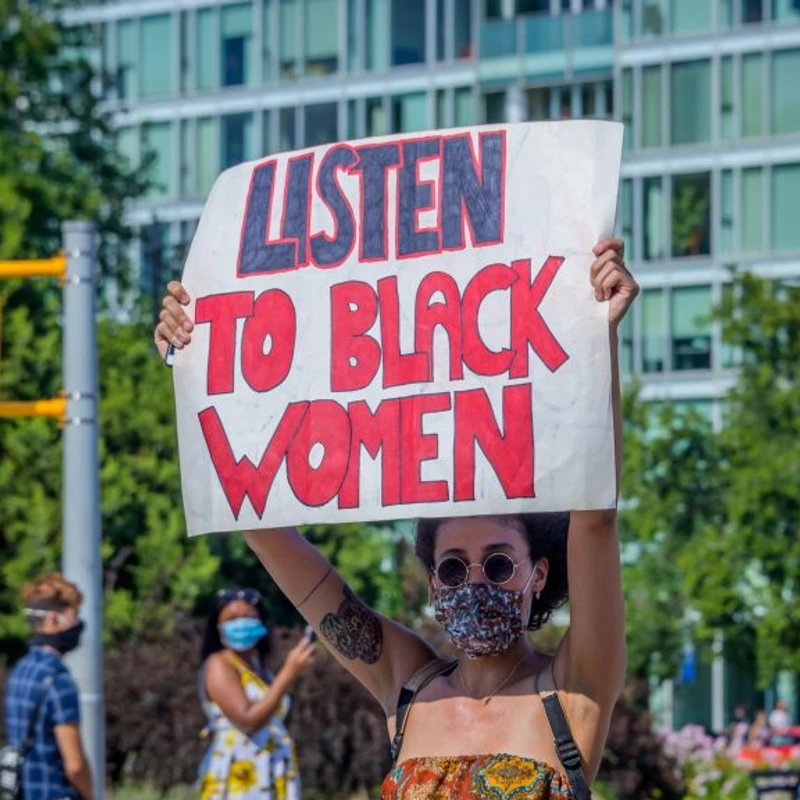
There’s a concept known as a “death surge” – a final burst of energy before an end. In America, this metaphor seems to apply to the intensifying struggles against anti-Blackness and patriarchy. While global protests and political shifts signal their vulnerability, these systems are fighting back, and unfortunately, Black women bear the brunt of this violent resistance.
The Toll of Systemic Oppression
Therapist and educator Dr. LaNail R. Plummer explains that Black women are uniquely positioned within these oppressive structures. Their very existence is intertwined with and weaponized by the systems that oppress them, leading to a “massive psychological and emotional toll.” This means their lived experiences are often the very foundation of the oppression they face.
This metaphorical “death surge” of whiteness and misogyny has devastating consequences. We’re seeing alarming rates of job loss among Black women, decreased business funding, and a tragic rise in Black femicide. Headlines in 2026 alone have highlighted horrific acts of domestic violence, with prominent figures like Florida Vice Mayor Nancy Metayer Bowen and Dr. Cerina Fairfax among the victims.
Voices Unheard, Pleas Unanswered
Despite their high levels of education and active participation in seeking work, Black women face significant unemployment. Congresswoman Ayanna Pressley highlighted this on the House floor, calling it a “glaring warning sign for where our economy is headed.” Historically, Black workers, especially women, have served as the “canaries in the coal mine” for economic downturns.
The digital creator Lynae Vanee questioned whether the “Black Manosphere” mirrors the toxicity of MAGA, describing a feeling of being worn down rather than heard. Artist SHAVONE powerfully articulates this struggle in her song “TRIUMPH,” lamenting, “Black women in America, who gon’ cherish us? / Spoiled men perish us / Drownin’ in a sea of lust / They not really seein’ us.” These artistic expressions highlight a deep-seated need for validation and recognition.
Finding Rest and Community
Licensed professional counselor Tamara Thomas offers two crucial solutions for Black women: rest and community. She emphasizes that Black women are exhausted from carrying the weight of work, home, and community responsibilities. Thomas encourages challenging the cultural notion that rest equals laziness, advocating for a deeper separation from obligations.
Crucially, Thomas stresses the importance of finding “communities of rest”—support systems like places of worship, girlfriend groups, or supportive family members. She warns against seeking rest only in isolation, highlighting the need for safe spaces where Black women can express their exhaustion and seek help. This is vital for healing the growing lack of trust between single Black men and women, often stemming from past experiences with infidelity and domestic violence.
Intertwined Fates: Black Women and National Progress
Failing to listen to and trust Black women has dire consequences, not just for them, but for the nation’s progress. From Shirley Chisholm and Coretta Scott King to Stacey Abrams and Justice Ketanji Brown Jackson, Black women have consistently been pivotal figures in America’s journey toward democracy. The “Strong Black Woman” trope, while often a source of resilience, also imposes an immense expectation.
The dismissal and demeaning of Black women are, therefore, fatal for everyone. As the forces of whiteness and misogyny intensify their “death surge,” they target the very population essential for their own existence, while simultaneously seeking to destroy the population others will inevitably turn to for guidance when faced with the question: “What now?” The instruction to “Listen To Black Women” is not just a plea; it’s a necessity for collective survival and progress.
How can we better ensure Black women’s voices are heard and valued? Share your thoughts and strategies in the comments below!
Leave a Reply