Tag: Mental Health Awareness Month

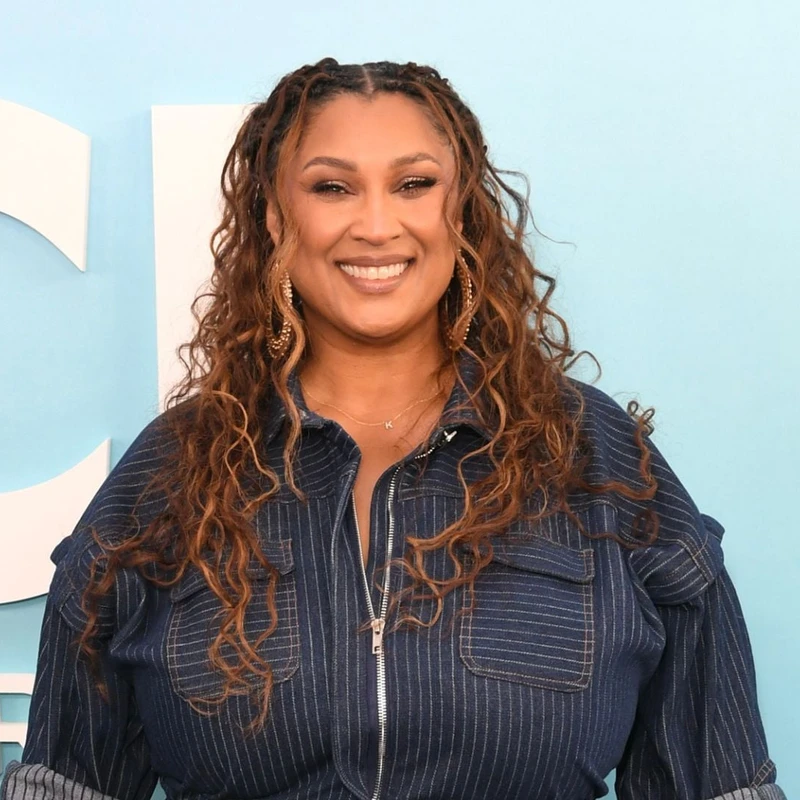
  • Kennedy Ryan’s ‘Score’ Centers Black Women’s Mental Health

    Imagine a world where stories about Black women don’t just end well, but where their struggles, particularly with mental health, are seen, understood, and supported. Author Kennedy Ryan is crafting just that world, and her latest novel, ‘Score,’ is a powerful testament to this vision. Released on May 19, 2026, this book offers a much-needed spotlight on an often-overlooked aspect of life for Black women.

    A Necessary Portrait of Mental Illness

    ‘Score,’ the second installment in Ryan’s Hollywood Renaissance series, centers on Verity, a young Black woman navigating emerging adulthood and her first manic episode while attending a fictional HBCU. This setting is far from incidental. The transition to college, with its unique pressures, is a critical period where mental health challenges often first emerge, especially for young adults.

    The statistics are stark: Black and Latinx students face significant financial hurdles in accessing mental health care, and the pervasive stigma within the community often prevents young Black women from seeking help. While over half of Black college students report significant mental health concerns, a mere 30 percent receive treatment. The internalized pressure of the ‘Superwoman Schema’—the expectation to always appear strong and unbothered—further complicates this issue.

    Authenticity and Nuance in Storytelling

    Kennedy Ryan has described ‘Score’ as one of her most challenging books to write, precisely because she was committed to portraying Verity’s experience with authenticity and nuance. She conducted extensive research, interviewing individuals with bipolar disorder, their families, partners, and clinicians. The result is a deeply humanizing portrayal that avoids reducing Verity’s journey to a mere plot device or a simple tragedy.

    I get to write a world where things end well for us. — Kennedy Ryan

    Ryan masterfully weaves Verity’s mental health journey into the fabric of her full life. Her friendships are depicted with genuine affection and realistic imperfections, her family is present and supportive (though not without their own struggles), and her second-chance romance with Monk is layered with emotional depth. This holistic approach shows professional treatment complemented by the crucial roles of community, partnership, and vulnerability.

    Beyond the Crisis: A Holistic Approach

    This emphasis on a holistic approach resonates deeply with the work of supporting students of color. As Dr. Ashley Stewart notes, it takes a village—one that extends far beyond campus counseling centers. Educating faculty, staff, peers, and families is essential to identify needs and offer support *before* a crisis point is reached. Waiting for a crisis means valuable time and pieces of a young person’s well-being are lost.

    Verity’s arc, as she integrates her diagnosis into her sense of self, friendships, and romantic relationships, is a powerful and moving narrative in contemporary fiction. It stands in contrast to mainstream narratives that often flatten Black women with mental illness into cautionary tales, stripping them of their desire, ambition, and joy. Ryan ensures Verity’s diagnosis shapes her world but never defines her worth.

    If ‘Score’ has moved you, let it inspire action. How can you better support the young Black women in your life? Check in, challenge stigma, and advocate for accessible mental health care. Share your thoughts and commitments in the comments below!
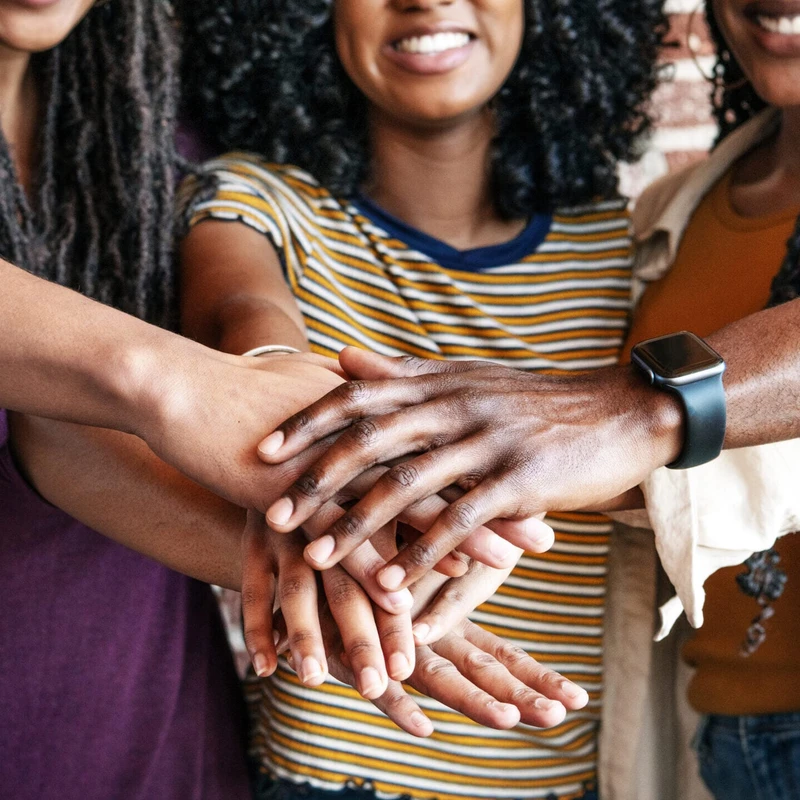
  • Community: Key to Black Mental Health

    In a world that often feels heavy, especially for Black Americans navigating collective grief and systemic challenges, the path to better mental health might not solely lie in individual self-care. Dr. Raquel Martin, a licensed psychologist and professor, emphasizes that the answer might be found in each other – in the strength and healing power of community.

    The Weight of Collective Grief

    As Mental Health Awareness Month begins, it arrives at a critical time. Dr. Martin points out that many are carrying a significant collective burden. She highlighted April as a particularly difficult month for Black women, marked by distressing headlines about femicide, which also deeply impacts Black men who may feel powerless. This emotional toll is compounded by broader societal issues, like the recent gutting of the Voting Rights Act.

    This shared experience of hardship underscores the need for connection. “The biggest message that I’ve been pushing is the aspect of community,” Dr. Martin shared. She advocates for creating “liberation-based ecosystems” where mutual support is paramount.

    Barriers to Care and the Power of Connection

    Statistics show that roughly one in five Black Americans experiences mental illness, yet over half of those who might need therapy never seek it. While systemic barriers to accessing care are well-documented, Dr. Martin highlights that a lack of community also plays a significant role. The National Alliance on Mental Illness’s theme this year rightly centers on community as a vital source of support and connection.

    Dr. Martin wisely notes, “Therapy does not have a monopoly on healing.” Whether one chooses spirituality, therapy, or activism, community is the essential thread that weaves through and strengthens the healing process. In a society that often requires Black individuals to mask their true selves, finding affirming spaces is essential for genuine well-being.

    Finding Safe Spaces to Heal

    Without spaces that truly affirm the Black experience, the constant need to code-switch and perform can be incredibly isolating. “The isolation is one of the things that makes it so hard for us, feeling like, not only are we going through this, we’re going through it alone,” she explained. Safe havens, designed with the Black experience in mind, allow individuals to finally let their guard down, name their struggles – from microaggressions to systemic despair – and realize they are not alone.

    This shared understanding can create a powerful foundation for navigating difficult emotions and fostering resilience. Community can manifest in countless ways: through close friends, church groups, organizations like the NAACP or Urban League, or even shared hobbies like book clubs, sports, or game nights.

    Leveraging Social Media and Activism

    Social media, when used intentionally, can also be a powerful tool for finding both mental health resources and community. Dr. Martin, who has built a substantial online presence sharing mental health insights, likens online discernment to protecting personal information – not everyone deserves access. “Social media, when done well, is very helpful, because it’s so accessible,” she stated, noting its reach allows her to help more people than traditional therapy alone might permit.

    Beyond digital spaces, activism offers another vital avenue. Channeling feelings of anger, sadness, or hopelessness into organizing or joining existing movements can build community while restoring a crucial sense of agency. “I prescribe activism as much as I prescribe coping skills, because a lot of us are feeling hopelessness and powerlessness, and activism is the epitome of taking that power back,” Dr. Martin emphasized.

    Community as Joy and Family

    Ultimately, communities are not just for validating pain; they are also vibrant sources of joy. They are places where individuals can feel safe to be their authentic selves, without the need to shrink or alter their identity. Over time, these connections can blossom into chosen family, offering support in unexpected ways – from helping raise children to providing life-changing opportunities or offering clearer self-perception.

    Dr. Martin powerfully concludes, “We are a collectivist people. As someone who specializes in Black health and well-being, we’re a collectivist culture, and a lot of us are getting bogged down by what’s happening in the system… When does the system serve us? We always have each other.”

    How has community played a role in your mental well-being? Share your experiences and thoughts in the comments below!