Tag: HBCU

  • HBCU Founders Pitch in Times Square

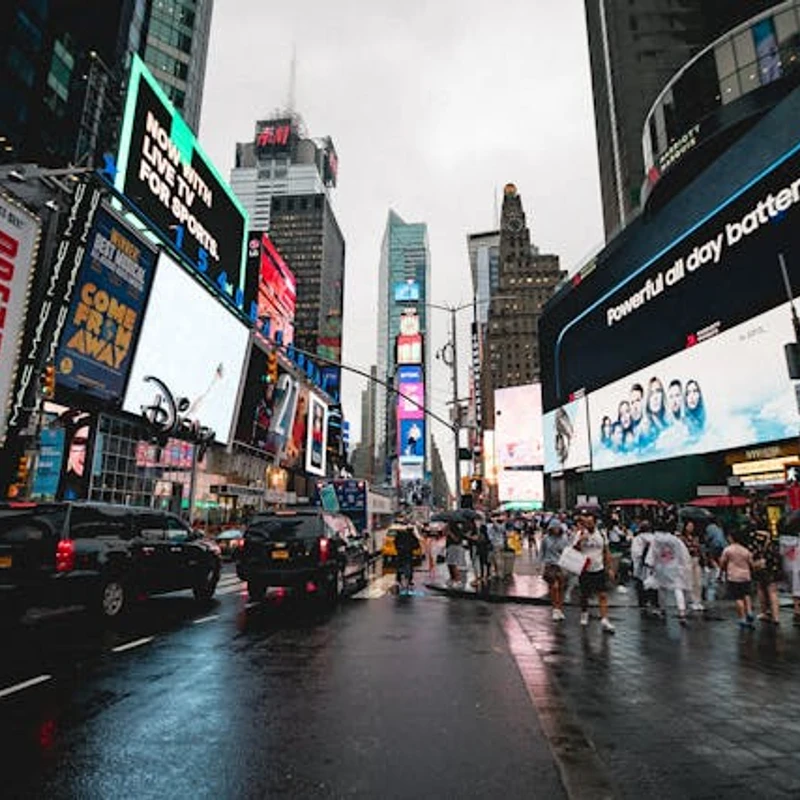
    Get ready for a groundbreaking event! For the first time ever, aspiring entrepreneurs from Historically Black Colleges and Universities (HBCUs) will showcase their innovative ideas in the heart of New York City – Times Square. This historic pitch competition is set to take place during New York Tech Week this June.

    A Landmark Event for Black Founders

    Venture for T.H.E.M., in partnership with The DM Firm and the Times Square Alliance, is organizing the inaugural HBCU Pitch Competition. Scheduled for June 6th as part of the Activate LIVE! showcase, the event aims to spotlight emerging founders and innovators from HBCUs, providing them with unprecedented visibility and access to investment opportunities.

    Organizers highlighted that the choice of Times Square is strategic. With over 300,000 visitors flocking to the area on summer weekends, participating founders will gain exposure on one of the most recognizable public stages in the nation. This initiative is a significant step towards creating more equitable access to capital and networking for Black entrepreneurs.

    Meet the Innovators

    The competition will feature five entrepreneurs hailing from various HBCUs. Among them are Peter Iwuh from Morgan State University, founder of Tykoon AI, a platform focused on NIL and athlete brand management; and Daryl Riley Jr. from North Carolina A&T State University, who is behind the fashion technology company Tendaji.

    Other promising founders include Taylor Davis from Howard University, creator of the restaurant discovery app Troodie, and Carolyn Alston from Bowie State University, founder of the conversational card game Communic8 It! These entrepreneurs represent the diverse talent emerging from HBCUs across different sectors.

    Expert Judges and a Mission for Equity

    Judging the pitches will be a panel of esteemed executives and leaders from prominent organizations such as Moët Hennessy, Base 11, the NBA Foundation, and the Milken Institute. Venture for T.H.E.M., a Maryland-based accelerator, is dedicated to supporting founders from underserved communities through mentorship, funding access, and business development programs.

    What do you think about this initiative to support HBCU founders? Share your thoughts in the comments below!
  • HBCU Students Shine at AI Innovation Challenge

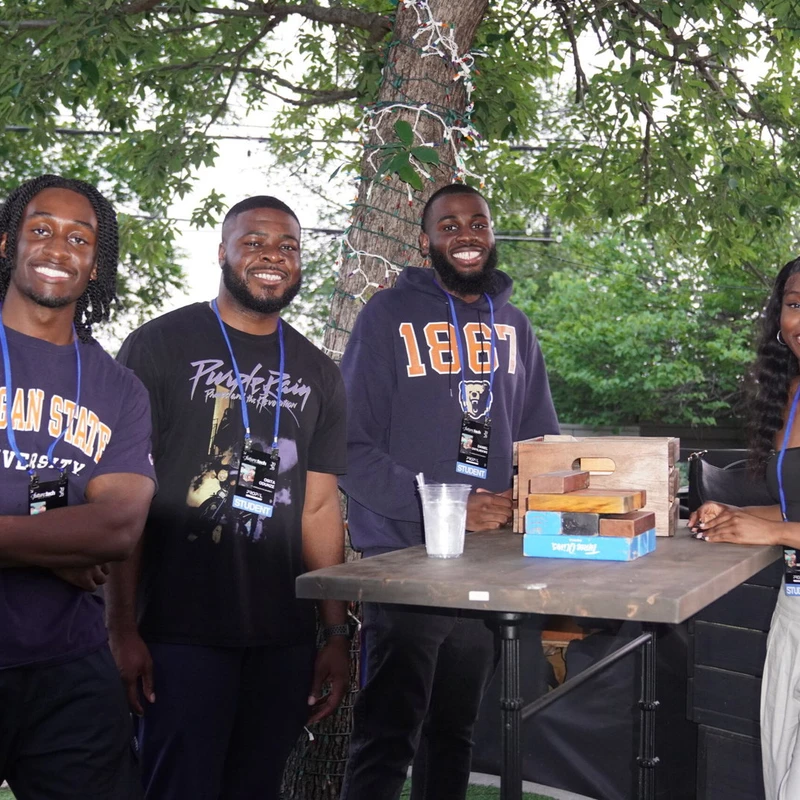
    Imagine tackling real-world problems with cutting-edge artificial intelligence before you even graduate. That’s exactly what talented students from Historically Black Colleges and Universities (HBCUs) are doing, thanks to initiatives like the PROPEL Center’s Future of Tech Innovation Challenge. It’s a powerful testament to the bright minds emerging from these institutions.

    Morgan State Takes Top Honors

    The inaugural PROPEL Center Future of Tech Innovation Challenge saw teams from across the nation present their AI-powered solutions. Emerging victorious was the “Hax Lab” team from Morgan State University, who not only impressed judges but also secured a $35,000 prize. For Fikewa Akindolire, a rising junior and honors information systems major at Morgan State, the experience was invaluable.

    Akindolire, who aspires to be an AI/machine learning product manager, shared that the challenge reaffirmed her career goals. “Being able to see a product from inception all the way to fruition, prototyping and actually being able to pitch it—that’s exactly what I want to do,” she told BLACK ENTERPRISE. This hands-on experience is crucial for preparing students for the future of the tech industry.

    A Hub for HBCU Innovation

    Supported by tech giants like Apple and Southern Company, the PROPEL Center serves as a global hub dedicated to preparing HBCU students for careers in technology. The Future of Tech Innovation Challenge brought together 70 finalists from 17 HBCUs, who worked in teams to develop AI-driven solutions for sectors like education, energy, health, cybersecurity, and media technology.

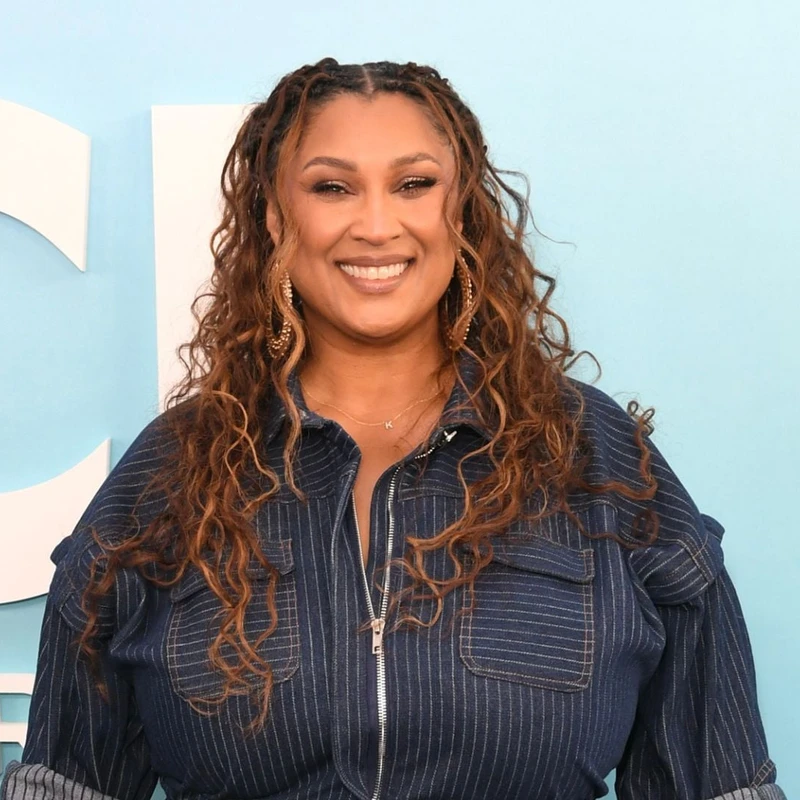
    Harriette K. Burrell, Vice President of Operations and Chief Strategy Officer at PROPEL Center, highlighted the program’s mission: “We are building a new standard for HBCU innovation, one that positions students not just as learners, but as creators, problem-solvers, and future leaders in AI and technology.” The event underscored the potential of HBCU students to make significant contributions to the tech landscape.

    Recognizing Top Talent

    1. 1st Place: “Hax Lab” (Morgan State University) – $35,000
    2. 2nd Place: “The Planeteers” (Fisk University) – $25,000
    3. 3rd Place: “Team ABS” (Huston-Tillotson University) – $15,000

    The challenge wasn’t just about winning prizes; it was about fostering meaningful connections and building skills. Students networked with industry leaders, collaborated across disciplines, and gained invaluable experience presenting their ideas. This initiative, along with others like BLACK ENTERPRISE’s BE SMART HBCU Hackathon, plays a vital role in increasing the representation of Black professionals in the tech industry.

    As Burrell noted, the creativity and vision displayed by these students are inspiring, reinforcing the critical importance of investing in HBCU talent to shape the future leaders of technology. The “Hax Lab” team plans to use their winnings for investments, graduate school, business ventures, and supporting those experiencing homelessness, demonstrating a commitment to giving back.

    What are your thoughts on the innovative AI solutions developed by these HBCU students? Share your excitement for the future of tech in the comments below!

  • Kennedy Ryan’s ‘Score’ Centers Black Women’s Mental Health

    Imagine a world where stories about Black women don’t just end well, but where their struggles, particularly with mental health, are seen, understood, and supported. Author Kennedy Ryan is crafting just that world, and her latest novel, ‘Score,’ is a powerful testament to this vision. Released on May 19, 2026, this book offers a much-needed spotlight on an often-overlooked aspect of life for Black women.

    A Necessary Portrait of Mental Illness

    ‘Score,’ the second installment in Ryan’s Hollywood Renaissance series, centers on Verity, a young Black woman navigating emerging adulthood and her first manic episode while attending a fictional HBCU. This setting is far from incidental. The transition to college, with its unique pressures, is a critical period where mental health challenges often first emerge, especially for young adults.

    The statistics are stark: Black and Latinx students face significant financial hurdles in accessing mental health care, and the pervasive stigma within the community often prevents young Black women from seeking help. While over half of Black college students report significant mental health concerns, a mere 30 percent receive treatment. The internalized pressure of the ‘Superwoman Schema’—the expectation to always appear strong and unbothered—further complicates this issue.

    Authenticity and Nuance in Storytelling

    Kennedy Ryan has described ‘Score’ as one of her most challenging books to write, precisely because she was committed to portraying Verity’s experience with authenticity and nuance. She conducted extensive research, interviewing individuals with bipolar disorder, their families, partners, and clinicians. The result is a deeply humanizing portrayal that avoids reducing Verity’s journey to a mere plot device or a simple tragedy.

    I get to write a world where things end well for us. — Kennedy Ryan

    Ryan masterfully weaves Verity’s mental health journey into the fabric of her full life. Her friendships are depicted with genuine affection and realistic imperfections, her family is present and supportive (though not without their own struggles), and her second-chance romance with Monk is layered with emotional depth. This holistic approach shows professional treatment complemented by the crucial roles of community, partnership, and vulnerability.

    Beyond the Crisis: A Holistic Approach

    This emphasis on a holistic approach resonates deeply with the work of supporting students of color. As Dr. Ashley Stewart notes, it takes a village—one that extends far beyond campus counseling centers. Educating faculty, staff, peers, and families is essential to identify needs and offer support *before* a crisis point is reached. Waiting for a crisis means valuable time and pieces of a young person’s well-being are lost.

    Verity’s arc, as she integrates her diagnosis into her sense of self, friendships, and romantic relationships, is a powerful and moving narrative in contemporary fiction. It stands in contrast to mainstream narratives that often flatten Black women with mental illness into cautionary tales, stripping them of their desire, ambition, and joy. Ryan ensures Verity’s diagnosis shapes her world but never defines her worth.

    If ‘Score’ has moved you, let it inspire action. How can you better support the young Black women in your life? Check in, challenge stigma, and advocate for accessible mental health care. Share your thoughts and commitments in the comments below!

  • Bowie State University Celebrates Largest Graduating Class

    This past May 22, 2026, wasn’t just another graduation day for Bowie State University; it was a historic milestone! The university celebrated its Spring 2026 commencement, marking the largest graduating class in its long and distinguished history. This event was a powerful testament to legacy, ambition, and the enduring significance of Historically Black Colleges and Universities (HBCUs).

    A Record-Breaking Achievement

    Bowie State proudly honored a remarkable 887 graduates. This impressive number includes 696 undergraduate students, 160 master’s degree recipients, and 31 doctoral graduates. As Maryland’s first HBCU, founded way back in 1865, this achievement carries extra weight, underscoring the university’s continued growth and impact over more than 160 years.

    The university continues to prepare students for leadership roles across a wide array of vital industries, from education and healthcare to technology and business, demonstrating its commitment to shaping future leaders.

    More Than Just Numbers: The Spirit of HBCUs

    Beyond the impressive statistics, the energy surrounding the ceremony truly captured the vital role HBCUs play in cultivating Black excellence, ambition, and community. Bowie State President Dr. Aminta H. Breaux celebrated the Class of 2026’s resilience and determination, stating, “Their accomplishments speak to the strength of Bowie State’s academic programs and our commitment to developing graduates who lead, innovate, and serve in a global society.”

    Keynote Address and Student Spotlights

    The commencement featured a powerful keynote address from renowned scholar and author Dr. Michael Eric Dyson. He urged graduates to envision their futures vividly, emphasizing that “If your mind isn’t already there, your body isn’t going to be there when you arrive.” Dyson also encouraged civic engagement and using their voices for change, rallying them to “Be a bulldog, BSU!”

    The ceremony also highlighted outstanding students like Luciano Saavedra, a communications major and future U.S. Army Signal Corps officer; Deborah Lee, who earned a Doctor of Education in Educational Leadership; and Lindsey George, a computer science major and accomplished student-athlete. Maryland Governor Wes Moore also sent a video message.

    Honoring Legacy and Future Generations

    Bowie State also paid tribute to its past by posthumously awarding a Doctor of Education to Clyde Doughty Jr. and celebrating its Golden Graduates from the class of 1976. The university proudly noted that alumni from the classes of 1976 and 1977 established a scholarship endowment that has grown significantly, supporting future students.

    As these graduates officially joined Bowie State’s expansive alumni network, the ceremony underscored the vital and ongoing role HBCUs play in shaping leaders, preserving legacy, and paving the way for generations to come.

    What are your thoughts on Bowie State’s historic achievement? Share your congratulations and reflections in the comments below!

  • Morgan State Nurses Ace NCLEX Amid Shortage

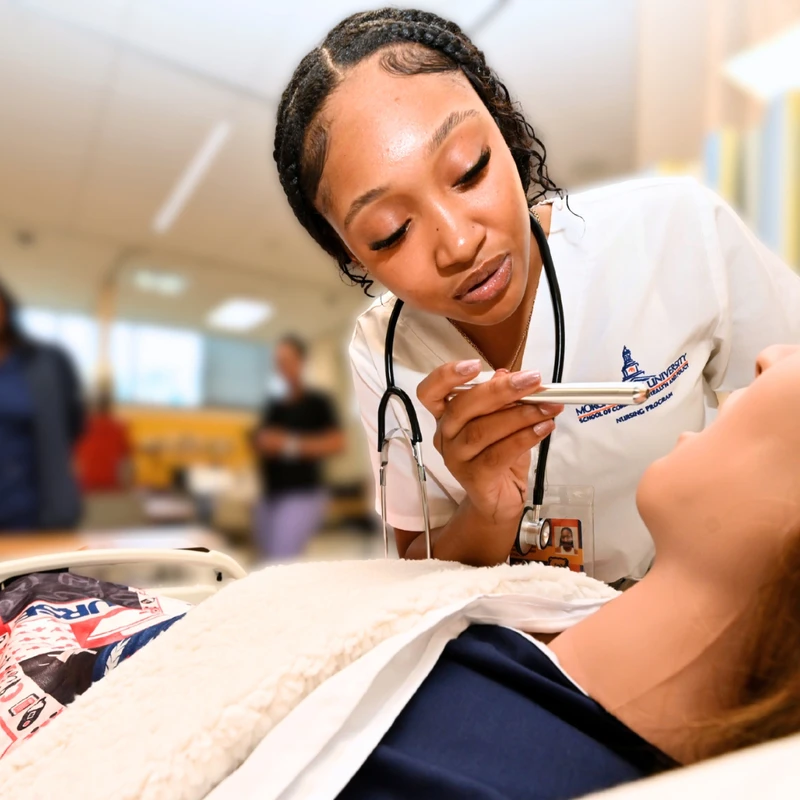
    In a time when the healthcare industry is facing a significant nursing shortage and debates around diversity initiatives are heating up, Morgan State University’s nursing program is celebrating a monumental achievement: a perfect 100% pass rate on the NCLEX-RN licensure examination for its 2025 Bachelor of Science in Nursing graduates. This isn’t just a win for the university; it’s a beacon of Black excellence when the country needs skilled and culturally competent Black nurses more than ever.

    Exceeding Expectations

    The Maryland Board of Nursing’s 2026 fiscal report confirmed that every single Morgan State graduate who took the NCLEX-RN exam this academic year passed on their first attempt. This outstanding result significantly surpasses the state and national average pass rates, which hover around 87% and 86%, respectively. It’s a testament to the hard work and dedication of both the students and the faculty.

    Dr. Maija Anderson, DNP, chair of the Department of Nursing at Morgan, emphasized the significance of this success. “This moment represents both validation and responsibility,” she stated. “Our faculty and students have worked with focus and purpose to reach this level of performance, but we view it as a foundation—not a finish line.”

    Addressing the Critical Nursing Shortage

    This success comes at a crucial time. Projections indicate an 8% decrease in registered nurses by 2026, potentially creating a gap of over 263,000 RNs nationwide. Factors like burnout, an aging workforce, and increased stress are contributing to shortages across the country. The American Association of Colleges of Nursing highlights these challenges, underscoring the urgent need for well-trained nursing professionals.

    The Importance of Diversity in Healthcare

    Beyond the numbers, the need for diversity within the healthcare field is paramount. As communities become more aware of how racial biases can affect medical care, patients are actively seeking providers who understand their cultural backgrounds. Platforms like “Find A Black Doctor” have emerged to help patients mitigate the risk of discrimination.

    Dr. Anderson highlighted Morgan State’s commitment to this: “Our graduates leave Morgan not only with the academic and clinical preparation required for practice, but with a clear understanding of the communities they will serve—bringing cultural awareness and patient-centered perspective to care that reflects the realities of diverse populations.”

    A Counterpoint to Opposition

    While the push for representation faces opposition, with groups like Do No Harm challenging platforms promoting racial concordance, Morgan State’s perfect NCLEX pass rate stands as a powerful counter-argument. This achievement demonstrates that high standards and diversity can, and do, go hand-in-hand.

    Morgan State isn’t just meeting standards; it’s exceeding them. By producing highly skilled, culturally competent Black nurses, the university is making a tangible difference for patients who may have historically faced disparities in care. In a world grappling with both a nursing shortage and persistent racial inequities in healthcare, these graduates are entering the profession exactly when they are needed most.

    What are your thoughts on the importance of diversity in healthcare and Morgan State’s achievement? Share your perspective in the comments below!

  • Virginia Church Funds Mizzou Black Student Gov’t After DEI Cuts

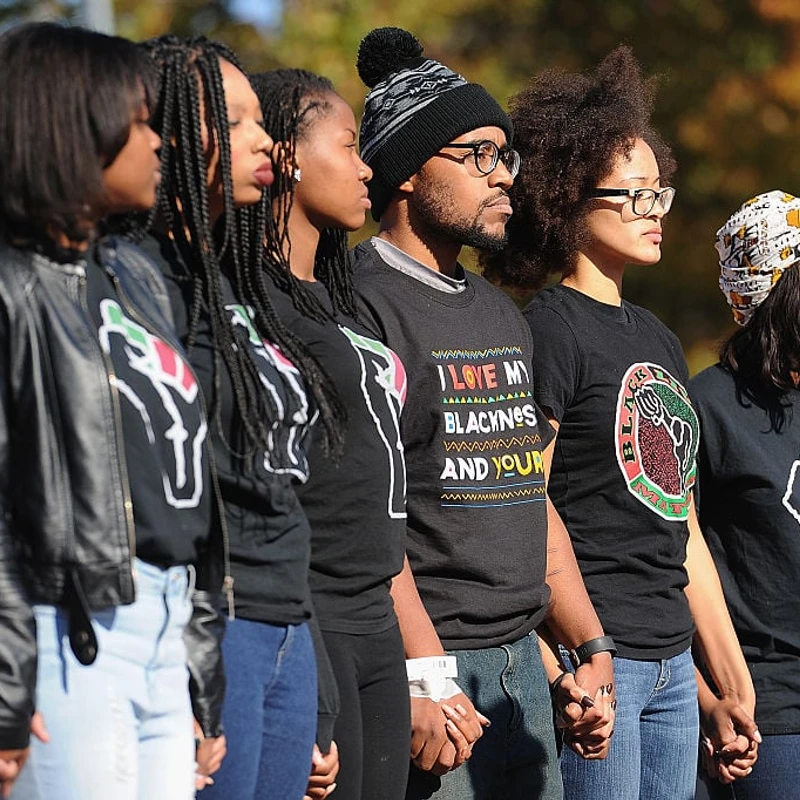
    When the University of Missouri (Mizzou) decided to end designated funding for its historic Black student government, the Legion of Black Collegians (LBC), help arrived from an unexpected, yet deeply resonant, source: Alfred Street Baptist Church in Alexandria, Virginia. This Black institution, nearly 900 miles away, has stepped in to provide crucial financial support, demonstrating the power of community solidarity in the face of institutional cutbacks.

    Community Steps In Where University Steps Back

    The university cited federal restrictions tied to diversity, equity, and inclusion (DEI) programs as the reason for ending annual funding for the LBC and several other identity-based student organizations starting in July. However, Rev. Dr. Howard-John Wesley, senior pastor of Alfred Street Baptist Church, announced on Sunday that the church would fully fund the LBC. “Although they’ve been defunded by the government, we have decided we are not going to let that student organization fail to have programming,” Wesley stated in a video shared online.

    This decision quickly gained traction on social media, symbolizing a powerful act of self-determination. “So I wanted to let you know that Alfred Street Baptist is funding the Legion of Black Collegians on the campus of the University of Missouri so that this government and this administration knows when you won’t support us, we will support our own,” Wesley continued. “We take care of our own people.”

    The Impact of DEI Rollbacks on Campus

    Mizzou’s decision, first reported in April, affects five multicultural student organizations, including the LBC, the Association of Latin American Students, the Asian American Association, the Queer Liberation Front, and FourFront. While the university stated these groups can still apply for funding, they will no longer receive direct, designated support. Officials pointed to a Department of Justice memo restricting DEI practices as a key factor.

    For the LBC, founded in 1968 to provide a voice for Black students at Mizzou, this funding cut represents a significant blow. The organization views the move as “intentional erasure” and a calculated step to distance minority students from the university community. This sentiment is echoed by Black student organizations nationwide who are grappling with shrinking institutional support amid broader DEI program rollbacks.

    A Legacy of Support and Resistance

    Alfred Street Baptist Church’s intervention is more than just a donation; it’s a powerful reminder of the vital role Black churches, alumni networks, and community organizations have historically played in filling the gaps left by institutions that Black students are often expected to rely on. Across the country, colleges are dismantling or revising DEI programs under political and legal pressure, often framing these changes as compliance. However, for Black students, the impact is deeply personal: fewer resources, less protected space, and diminished visible support on campuses where they may already be underrepresented.

    The situation at Mizzou carries particular weight due to the university’s history with Black student activism. In 2015, Black students’ protests against racism led to the resignation of the university system’s president. Nearly a decade later, the struggle over who funds and protects Black student life on campus continues, with Alfred Street Baptist Church now answering the call with decisive action.

    What are your thoughts on universities cutting DEI funding and the role of community organizations in supporting student groups? Share your views in the comments below!

  • MacKenzie Scott’s HBCU Gifts: Billions Given, List Missed

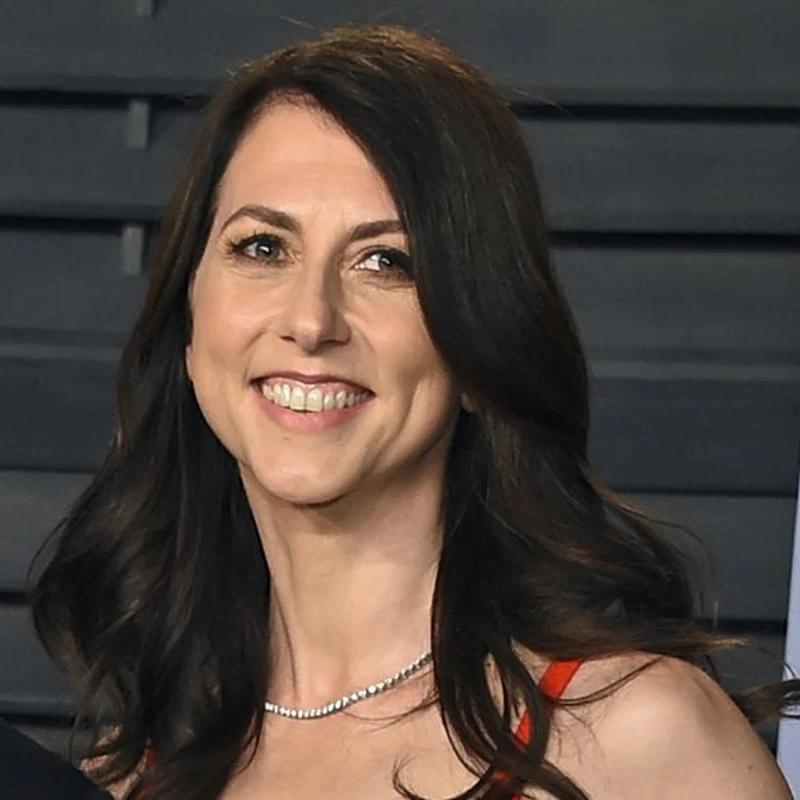
    MacKenzie Scott has been a powerhouse in the philanthropic world, making headlines for her massive donations. In 2025 alone, she reportedly gave away a staggering $7.2 billion, with over $1 billion specifically directed towards Historically Black Colleges and Universities (HBCUs). Yet, in a surprising turn of events, she was left off The Chronicle of Philanthropy’s prestigious Philanthropy 50 list. So, what’s the story behind this omission?

    The Mystery of the Missing Name

    According to AfroTech, the reason for Scott’s absence from the list wasn’t a lack of generosity. Instead, The Chronicle of Philanthropy cited insufficient public information regarding the amount of money Scott placed into donor-advised funds. This detail highlights a fundamental tension in the world of philanthropy: traditional rankings often depend on public disclosure and clear accounting, while Scott has cultivated a giving model centered on quiet, trust-based investments.

    Scott and her representatives reportedly declined to provide the necessary information for the ranking. This decision speaks volumes about her approach – she prioritizes moving quietly, offering substantial sums with minimal restrictions, and trusting organizations to understand and address their communities’ most pressing needs.

    Transformational Impact on HBCUs

    For HBCUs, Scott’s unique approach has been nothing short of revolutionary. As TheGrio has extensively covered, her substantial gifts have reshaped the landscape of philanthropic investment in Black higher education. In 2025 alone, reports highlighted her significant contributions, including an $80 million gift to Howard University, $38 million to Spelman College, $63 million to Morgan State University, and $50 million to Winston-Salem State University, among others.

    The impact goes beyond the dollar amount. Many of Scott’s donations are unrestricted, empowering institutions to allocate funds towards critical areas like strengthening endowments, supporting students, investing in faculty, and upgrading infrastructure. This freedom allows HBCUs, which have historically faced underfunding compared to predominantly white institutions, to pursue their own strategic goals without being constrained by external funding priorities.

    Prioritizing Impact Over Recognition

    Scott herself has pushed back against the notion that generosity should solely be measured by public rankings or sheer dollar totals. In a December 2025 essay, she wrote that while her $7.166 billion in donations was significant, it represented only a small fraction of the overall care being shared within communities. This perspective clearly explains why her absence from the Philanthropy 50 list is so complex.

    By traditional metrics, Scott is undoubtedly one of the nation’s most impactful philanthropists. However, her focus appears to be on the tangible results of her giving rather than the accolades. For the HBCUs that have benefited from her support, the true story isn’t about whether she made a list, but about what her unprecedented confidence and substantial financial backing are making possible for their future.

    What do you think about MacKenzie Scott’s approach to philanthropy? Does her absence from the list diminish her impact? Share your thoughts in the comments below!
  • Morgan State Nursing Program Tops Maryland

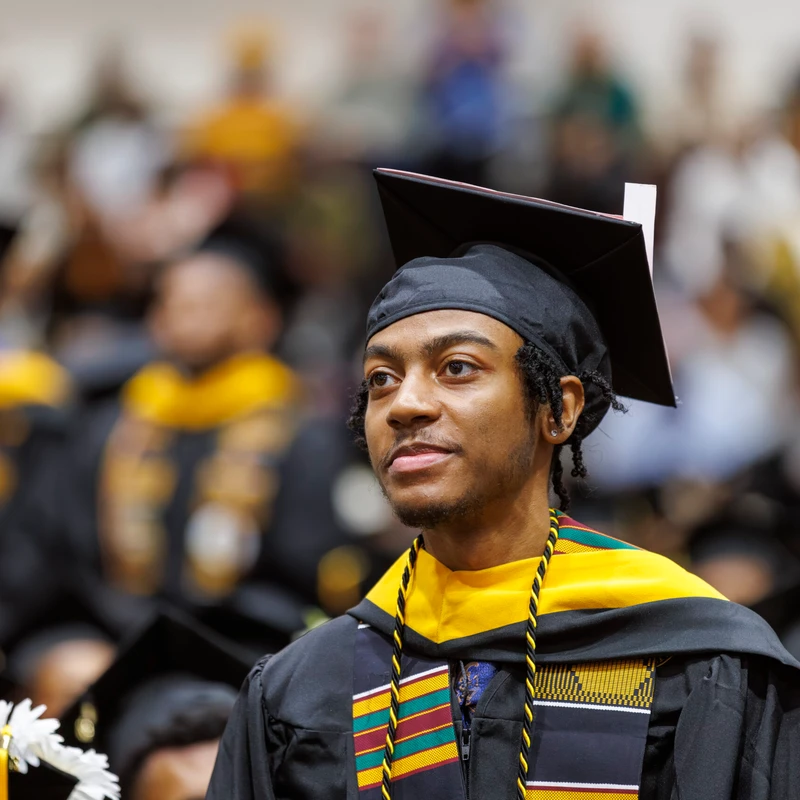
    Big news for Morgan State University! Their nursing program has officially been named the top program in Maryland for the 2025-2026 academic year. This incredible accomplishment comes on the heels of outstanding student performance, culminating in a perfect pass rate on a crucial national exam.

    A Perfect Score on the NCLEX-RN

    The Baltimore-based institution reported a flawless 100% first-time pass rate on the National Council Licensure Examination for Registered Nurses (NCLEX-RN) for its 2025 Bachelor of Science in Nursing graduates. This impressive statistic, confirmed by the Maryland Board of Nursing, has secured Morgan State’s position as the highest-performing nursing program in the state.

    This isn’t just a state-level win; it’s a nationally significant achievement. Only a small handful of nursing schools across the country have reported such perfect licensure pass rates in the latest reporting period. It truly highlights the dedication and quality of education provided at Morgan State.

    Years of Dedication Pay Off

    University officials attribute this success to years of strategic curriculum redesign, expanding clinical training partnerships, and increased investment in simulation-based learning. Dr. Kim Dobson Sydnor, Dean of the School of Community Health and Policy, stated, “This achievement affirms the strength, discipline, and intentionality of a program that has steadily built toward this level of excellence.”

    This milestone comes at a critical time, as the nation faces a significant nursing shortage. Factors like an aging population, workforce attrition, and growing healthcare demands have created staffing gaps, particularly in states like Maryland, where hospitals are increasingly relying on new graduates. Morgan State’s success is vital in addressing these healthcare workforce needs.

    Building on Success

    Looking ahead, the university aims to ensure the sustainability of this high level of performance. Dr. Maija Anderson, DNP, APRN, Chair of the Department of Nursing, emphasized, “Our faculty and students have worked with focus and purpose to reach this level of performance, but we view it as a foundation—not a finish line.” The goal is not just to maintain this success but to build upon it, further elevating graduates and the nursing profession.

    This outstanding achievement by Morgan State University’s nursing program is a testament to their commitment to excellence and a beacon of hope in addressing the national demand for skilled and well-prepared registered nurses.

    What are your thoughts on Morgan State’s incredible nursing program success? Share your congratulations in the comments below!

  • ‘A Different World’ Sequel Coming to Netflix

    Get ready to head back to Hillman College! After years of anticipation, Netflix is officially bringing a sequel to the beloved sitcom ‘A Different World’ to screens this fall. Production has wrapped in Atlanta, promising a nostalgic yet fresh look at life on the iconic fictional HBCU campus.

    A New Generation at Hillman

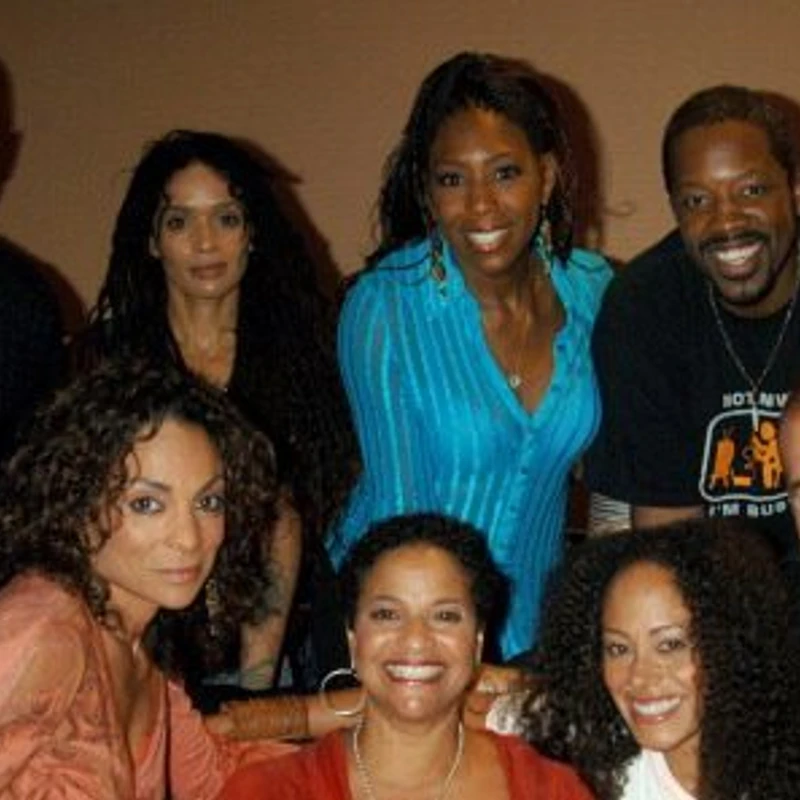
    The new series will follow Deborah, the rebellious daughter of original characters Whitley Gilbert and Dwayne Wayne, played by Maleah Joi Moon. Fans will be thrilled to know that Jasmine Guy and Kadeem Hardison are reprising their iconic roles as Whitley and Dwayne, respectively. The show will explore Deborah’s freshman year as she navigates college life, aiming to forge her own identity beyond her legendary parents’ legacy.

    The series is set to consist of 10 half-hour episodes, offering a perfect blend of new stories and familiar faces. This format is ideal for reintroducing the timeless themes of ‘A Different World’ to a new audience while satisfying longtime fans.

    An All-Star Cast and Creative Team

    The cast lineup is truly impressive, featuring a mix of returning favorites and exciting newcomers. Alongside Jasmine Guy, Kadeem Hardison, and Maleah Joi Moon, the series will welcome back Cree Summer, Darryl M. Bell, Jenifer Lewis, Jada Pinkett Smith, and Glynn Turman. Newcomers Chibuikem Uche, Jordan Aaron Hall, and Alijah Kai Haggins are set to represent the next era of Hillman students.

    The creative team also boasts deep connections to the original show. Debbie Allen, who directed many episodes of the original ‘A Different World,’ returns as an executive producer and director. Showrunner Felicia Pride expressed the emotional significance of wrapping production, praising the cast and crew for their dedication and heart.

    A Timely Return for a Beloved Series

    Netflix has confirmed the sequel will premiere in the fall of 2026, a fitting time for Hillman College to welcome a new class. For many, ‘A Different World’ was more than just a sitcom; it was a groundbreaking portrayal of Black college life on television. Now, a new generation is about to experience that unique magic.

    Are you excited for the ‘A Different World’ sequel? What are your favorite memories from the original series? Share them in the comments below!

  • Morgan State Nursing Program Hits 100% Pass Rate

    Big news for Morgan State University! Their nursing program has officially earned the title of the best in Maryland, thanks to an incredible accomplishment. For the 2025 graduating class, every single student in the bachelor’s in nursing program achieved a perfect 100% first-time pass rate on the NCLEX-RN licensure examination.

    Exceeding Expectations

    This outstanding result means the entire cohort of test-takers passed on their very first attempt, significantly outperforming both state and national averages. It’s a remarkable feat that highlights the dedication and quality of education provided at this esteemed Historically Black College and University (HBCU).

    This isn’t the first time Morgan State’s nursing program has hit this milestone; they also achieved a 100% pass rate back in 2018. Dr. Kim Dobson Sydnor, dean of the School of Community Health and Policy, emphasized the program’s intentionality, stating, “This achievement affirms the strength, discipline, and intentionality of a program that has steadily built toward this level of excellence.”

    Top-Ranked and Recognized

    In recognition of this stellar performance, the Maryland Board of Nursing has officially named Morgan State University as a top-ranked nursing program for the 2025-2026 academic year. Further data from Mountain Measurement, Inc. places the HBCU in the 97th percentile among Maryland’s pre-licensure nursing programs, which includes 31 different programs.

    Dr. Maija Anderson, chair of the Department of Nursing, views this success as both a validation and a call to action. “Our faculty and students have worked with focus and purpose to reach this level of performance, but we view it as a foundation—not a finish line,” she explained. The goal, she added, is to sustain and build upon this success to further elevate graduates and the nursing profession.

    Cultivating Culturally Aware Care

    Dr. Anderson also highlighted the unique perspective Morgan State graduates bring to patient care. “Our graduates leave Morgan not only with the academic and clinical preparation required for practice, but with a clear understanding of the communities they will serve—bringing cultural awareness and patient-centered perspective to care that reflects the realities of diverse populations,” she noted.

    What are your thoughts on Morgan State University’s nursing program achieving a 100% pass rate? Share your congratulations in the comments below!