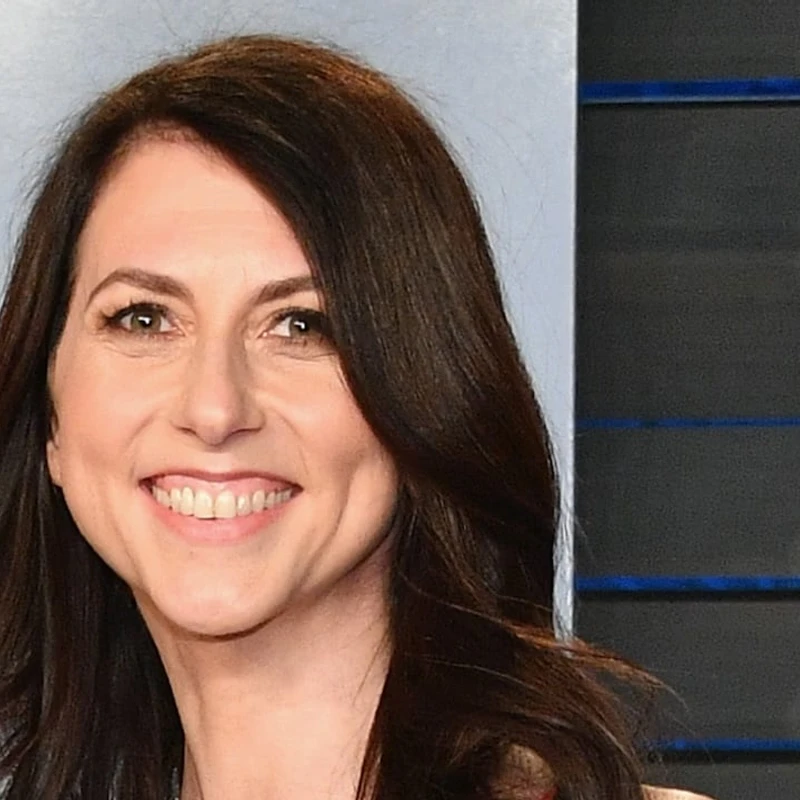
MacKenzie Scott isn’t just giving money; she’s investing in the future of higher education, particularly at Historically Black Colleges and Universities (HBCUs). Since 2020, she’s donated over $1 billion to these vital institutions, a move that signifies a profound ‘trust-based’ faith in their mission and potential.
A Billion-Dollar Commitment to HBCUs
In 2025 alone, Scott’s generosity poured over $700 million into HBCUs. This massive influx of funds comes at a critical time, especially as discussions around Diversity, Equity, and Inclusion (DEI) face challenges. Scott’s actions clearly aim to amplify and support Black colleges and organizations.
Her commitment extends beyond individual institutions. In 2025, she notably donated $70 million each to the Thurgood Marshall College Fund and the United Negro College Fund, organizations crucial to supporting Black students and educators nationwide.
The Power of ‘Trust-Based’ Philanthropy
What makes Scott’s donations stand out is their ‘no strings attached’ nature. In an essay shared on Yield Giving, she explained that her philanthropic mindset was shaped by personal experiences in college – a dentist offering free care and a roommate loaning her money to prevent dropping out. These acts of kindness demonstrated the immense ripple effect of support.
It is these ripple effects that make imagining the power of any of our own acts of kindness impossible. — MacKenzie Scott
This philosophy translates into her giving, empowering HBCUs to allocate funds toward scholarships, facility upgrades, endowments, and other critical needs as they see fit. It’s a powerful vote of confidence in their leadership and vision.
The Full List of Benefiting HBCUs
Scott’s extensive support since 2020 includes substantial donations to a wide array of HBCUs. Here’s a breakdown of the institutions that have received her transformative gifts:
- Alabama State University: $38 million (2025)
- Alcorn State University: $42 million (2025)
- Bowie State University: $50 million (2025); $25 million (2020)
- Claflin University: $20 million (2020)
- Clark Atlanta University: $38 million (2025); $15 million (2020)
- Delaware State University: $20 million (2020)
- Dillard University: $19 million (2025), $5 million (2020)
- Elizabeth City State University: $42 million (2026); $15 million (2020)
- Hampton University: $30 million (2020)
- Howard University: $80 million (2025); $40 million (2020)
- Lincoln University (PA): $20 million (2020)
- Morehouse College: $20 million (2020)
- Morgan State University: $63 million (2025); $40 million (2020)
- Norfolk State University: $50 million (2025); $40 million (2020)
- North Carolina A&T State University: $45 million (2020)
- Prairie View A&M University: $63 million (2025); $50 million (2020)
- Spelman College: $38 million (2025); $20 million (2020)
- Tougaloo College: $6 million (2020)
- Tuskegee University: $20 million (2020)
- University of Maryland Eastern Shore (UMES): $38 million (2025)
- Virginia State University: $50 million (2025)
- Voorhees University: $19 million (2025)
- Winston-Salem State University: $50 million (2025)
- Xavier University of Louisiana: $38 million (2025); $20 million (2020)
Breaking down the numbers, Scott donated $451 million in 2020 and a staggering $676 million in 2025 (over $740 million including the United Negro College Fund). With recent contributions like the $42 million to Elizabeth City State University, her total giving to HBCUs surpasses $1.1 billion over the past six years.
Paying It Forward: A Legacy of Support
Scott’s own experiences, including mentorship from literary giant Toni Morrison, have clearly shaped her approach to giving back. She learned the value of passionate devotion to multiple callings and is now extending that principle to students at historic institutions across the country. Her ‘trust-based’ philanthropy is not just financial aid; it’s an investment in potential and a powerful affirmation of the enduring importance of HBCUs.
What do you think about MacKenzie Scott’s approach to donating to HBCUs? Share your thoughts on this ‘trust-based’ model in the comments below!
Leave a Reply