Tag: HBCUs

  • Why Black Parents Are Choosing Black Schools

    Have you ever thought about how much schools shape our kids? It’s more than just math and reading; it’s about identity, confidence, and how they see themselves in the world. For Black parents, especially those navigating predominantly white institutions, this can be a complex journey. The Netflix series ‘Forever’ sheds light on this reality, showing how Black mothers bond over the shared understanding that their children might not find the same affirmation in these environments as they would in spaces that celebrate their Blackness.

    The show follows seniors Keisha and Justin, and their mothers, as they deal with racial microaggressions. It’s a stark reminder that schools aren’t neutral. Black students often face stereotypes like the ‘angry Black girl’ or ‘aggressive Black boy,’ leading to higher suspension and expulsion rates. Even when Black students are academically prepared, they’re less likely to access advanced courses and rarely encounter affirming curriculum.

    The Toll of Racial Battle Fatigue

    Constantly having to defend one’s identity and navigate racial hostility takes a significant toll. This cumulative stress is what scholars call ‘racial battle fatigue.’ It impacts both the mental and physical health of Black children, who deserve an educational environment where they feel seen, valued, and supported.

    With restrictions on teaching race expanding nationwide, Black students are increasingly losing access to accurate representations of their history and culture. This lack of affirmation can have lasting effects, often requiring institutions like Historically Black Colleges and Universities (HBCUs) to play catch-up in repairing nearly two decades of accumulated harm.

    A Conscious Choice for Black Education

    This is why many Black parents, like the author, are making a deliberate choice to invest in Black K-12 schools, particularly public ones. It’s not about sacrificing their children’s academic future; it’s about recognizing the data that supports the benefits of culturally affirming environments. Decades of research show that parental involvement is a key factor in student success, and the absence of families with social and political capital from public schools can lead to disinvestment.

    The author argues that public education, designed as an equalizer, is weakened when families with means opt out. This trend disproportionately affects Black schools, which are already facing challenges. The growing popularity of HBCUs demonstrates the deep value Black families place on spaces where students can feel culturally grounded, intellectually supported, and socially affirmed.

    Investing in Identity and Community

    Before the landmark Brown v. Board of Education decision, Black students were educated in segregated but deeply affirming environments led by Black educators. These schools nurtured both intellect and identity, producing generations of professionals and laying the foundation for the Black middle class. The author shares a personal connection through her grandmother, who thrived in such an environment.

    Choosing a school where a child’s Blackness is the norm, not an exception or a diversity statistic, is not an act of sacrifice. It’s a powerful investment in their sense of self, their community, and their future. It ensures they are set up for success, whether they head to college like Keisha or take a different path like Justin.

    What factors do you consider when choosing a school for your children? Share your thoughts and experiences in the comments below!

  • 15 HBCUs Launch Research Coalition to Boost Funding

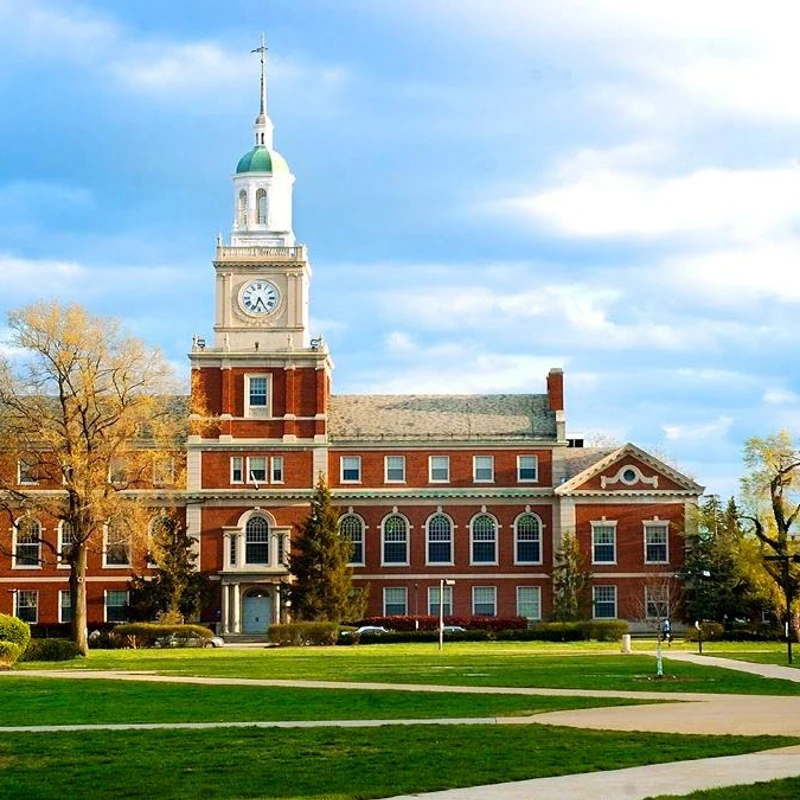
    A significant development is underway in the world of higher education as 15 historically Black colleges and universities (HBCUs) have united to form the Association of HBCU Research Institutions (AHRI). This groundbreaking coalition aims to amplify research capabilities, increase access to federal funding, and propel more HBCUs toward the prestigious R1 research classification.

    Strengthening HBCU-Led Research

    AHRI’s core mission is to bolster HBCU-led research across critical areas impacting communities nationwide, including health, science, education, justice reform, agriculture, technology, and economic development. This initiative is a crucial step for HBCUs, which have historically produced vital research despite receiving a disproportionately smaller share of national research investments.

    The coalition is designed to equip member institutions with the tools to enhance their research infrastructure, attract top faculty talent, expand research opportunities for students, and successfully compete for larger grants. Achieving higher research classifications can significantly influence how universities are perceived, funded, and supported, often leading to greater access to federal grants, corporate partnerships, and national academic influence.

    Addressing Funding Disparities

    The launch of AHRI comes at a time when discussions about equity in higher education and research funding are more critical than ever. A 2025 report highlighted a stark reality: HBCUs received only 0.91 percent of federal research and development expenditures in fiscal year 2023, despite representing 3.2 percent of all four-year degree-granting institutions. AHRI aims to directly address this disparity.

    For HBCUs, increasing research capacity is also a matter of representation. More Black scholars, students, and communities will have the opportunity to shape the research questions, solutions, and policies that influence the nation.

    Founding Members and Leadership

    The founding members of AHRI represent a significant portion of HBCU research activity. They include Morgan State University, Clark Atlanta University, Delaware State University, Florida A&M University, Hampton University, Jackson State University, North Carolina A&T State University, Prairie View A&M University, South Carolina State University, Southern University, Tennessee State University, Texas Southern University, Virginia State University, the University of Maryland Eastern Shore, and Howard University. Notably, Howard University is the only HBCU currently holding the top R1 research designation, while many others possess R2 status (high research activity).

    The coalition’s leadership includes Morgan State President David K. Wilson as the inaugural board chair, Prairie View A&M President Tomikia P. LeGrande as vice chair, and Howard University Interim President Wayne A. I. Frederick as interim president. This leadership team brings substantial experience and influence to the organization. AHRI will also partner with the Association of American Universities (AAU), with its offices co-located with AAU to foster closer collaboration.

    Support for Research Infrastructure

    A crucial boost for AHRI comes in the form of a three-year, $1.05 million grant from the Harvard & the Legacy of Slavery Initiative. This funding, along with technical support from Harvard’s Office of the Vice Provost for Research, will help member schools strengthen their research administration, compliance systems, grant processes, and overall infrastructure. This support is vital for addressing long-standing resource gaps and enabling HBCUs to compete effectively.

    Why R1 Status Matters

    The R1 classification signifies “very high research activity” and a robust doctoral research enterprise. For HBCUs, achieving this status means more than just prestige; it unlocks access to larger grants, fosters stronger partnerships, expands graduate programs, and creates new opportunities for students. Furthermore, increased research capacity can lead to significant economic benefits, including patents, startups, policy changes, and advancements in technology and workforce development.

    HBCUs often focus on critical issues like health disparities, environmental justice, and education gaps that may be overlooked elsewhere. More funding for their research means more support for solutions grounded in the lived experiences of affected communities.

    A New Era for HBCU Innovation

    The formation of AHRI challenges outdated perceptions of HBCUs, highlighting their significant contributions to science, engineering, medicine, and policy. This coalition provides a unified platform for HBCUs to showcase their research prowess, secure necessary resources, and build lasting research strength. It sends a clear message to government agencies, corporations, and philanthropies that investing in HBCU research is an investment in national innovation and problem-solving.

    The impact for students could be transformative, offering more lab opportunities, paid research positions, graduate school preparation, and clearer career pathways in high-demand fields where Black talent is often underrepresented. The inaugural AHRI research symposium, “Expanding the Research Mission of HBCUs,” marks the beginning of this ambitious journey, with future efforts focused on measurable outcomes like increased grant applications and expanded student opportunities.

    What are your hopes for the future of HBCU research now that this coalition has launched? Share your thoughts in the comments below!

  • 15 HBCUs Unite to Achieve R1 Research Status

    Big news in the world of higher education! Fifteen Historically Black Colleges and Universities (HBCUs) have joined forces to create a new association with a powerful goal: achieving R1 research status. This groundbreaking initiative, known as the Association of HBCU Research Institutions (AHRI), aims to equip these vital institutions with the resources and capabilities needed to conduct high-level research.

    What is R1 Status and Why Does It Matter?

    So, what exactly is R1 status? It’s the highest tier of research classification awarded by the Carnegie Classification of Institutions of Higher Education. Achieving this designation typically means a university invests heavily in research and confers a significant number of doctoral degrees. Why is this a big deal? R1 status unlocks access to substantial federal funding and grants, making it easier to attract top-tier students and faculty.

    Currently, Howard University is the only HBCU holding this prestigious R1 designation. While 13 other HBCUs are at the R2 tier, this new association is designed to provide shared support and a collaborative pathway for those with the potential to reach the R1 level.

    A Historic Collaboration Fueled by Philanthropy

    This ambitious endeavor is partly fueled by a wave of philanthropic investments, including significant donations from figures like MacKenzie Scott. These contributions are creating a unique opportunity for HBCUs to truly compete with Predominantly White Institutions (PWIs) in the realm of research.

    The AHRI held its inaugural symposium on April 29th at the Association of American Universities headquarters in Washington, D.C. This partnership isn’t just about resources; it’s about leveling the playing field and ensuring students from all backgrounds can engage in cutting-edge academic pursuits. Even institutions like Harvard are lending support, providing technical and research infrastructure assistance, including a $1.05 million grant over three years.

    Focusing on Research That Matters

    Beyond the pursuit of federal grants and top talent, advocates highlight that R1 status allows HBCUs to focus on research areas that other institutions might overlook. This means critical issues impacting Black communities, from healthcare advancements to economic growth, could receive greater attention and funding.

    “We are so thrilled and happy. It’s the first time in the history of American higher education that a group of HBCUs has elevated themselves to the elite ranks of research institutions.” — David K. Wilson, President of Morgan State University

    As these institutions unite, they are issuing a powerful call for equity in academia. The sentiment, echoed by former Brown University and Prairie View A&M University president Ruth Simmons, is that collaboration and shared knowledge make everyone stronger. This collective effort marks a significant step forward in advancing research and ensuring a more equitable future for higher education.

    What do you think about this historic collaboration among HBCUs? Share your thoughts on the importance of R1 status in the comments below!

  • MacKenzie Scott’s $1B+ HBCU Donations: A ‘Trust-Based’ Faith

    MacKenzie Scott isn’t just giving money; she’s investing in the future of higher education, particularly at Historically Black Colleges and Universities (HBCUs). Since 2020, she’s donated over $1 billion to these vital institutions, a move that signifies a profound ‘trust-based’ faith in their mission and potential.

    A Billion-Dollar Commitment to HBCUs

    In 2025 alone, Scott’s generosity poured over $700 million into HBCUs. This massive influx of funds comes at a critical time, especially as discussions around Diversity, Equity, and Inclusion (DEI) face challenges. Scott’s actions clearly aim to amplify and support Black colleges and organizations.

    Her commitment extends beyond individual institutions. In 2025, she notably donated $70 million each to the Thurgood Marshall College Fund and the United Negro College Fund, organizations crucial to supporting Black students and educators nationwide.

    The Power of ‘Trust-Based’ Philanthropy

    What makes Scott’s donations stand out is their ‘no strings attached’ nature. In an essay shared on Yield Giving, she explained that her philanthropic mindset was shaped by personal experiences in college – a dentist offering free care and a roommate loaning her money to prevent dropping out. These acts of kindness demonstrated the immense ripple effect of support.

    It is these ripple effects that make imagining the power of any of our own acts of kindness impossible. — MacKenzie Scott

    This philosophy translates into her giving, empowering HBCUs to allocate funds toward scholarships, facility upgrades, endowments, and other critical needs as they see fit. It’s a powerful vote of confidence in their leadership and vision.

    The Full List of Benefiting HBCUs

    Scott’s extensive support since 2020 includes substantial donations to a wide array of HBCUs. Here’s a breakdown of the institutions that have received her transformative gifts:

    • Alabama State University: $38 million (2025)
    • Alcorn State University: $42 million (2025)
    • Bowie State University: $50 million (2025); $25 million (2020)
    • Claflin University: $20 million (2020)
    • Clark Atlanta University: $38 million (2025); $15 million (2020)
    • Delaware State University: $20 million (2020)
    • Dillard University: $19 million (2025), $5 million (2020)
    • Elizabeth City State University: $42 million (2026); $15 million (2020)
    • Hampton University: $30 million (2020)
    • Howard University: $80 million (2025); $40 million (2020)
    • Lincoln University (PA): $20 million (2020)
    • Morehouse College: $20 million (2020)
    • Morgan State University: $63 million (2025); $40 million (2020)
    • Norfolk State University: $50 million (2025); $40 million (2020)
    • North Carolina A&T State University: $45 million (2020)
    • Prairie View A&M University: $63 million (2025); $50 million (2020)
    • Spelman College: $38 million (2025); $20 million (2020)
    • Tougaloo College: $6 million (2020)
    • Tuskegee University: $20 million (2020)
    • University of Maryland Eastern Shore (UMES): $38 million (2025)
    • Virginia State University: $50 million (2025)
    • Voorhees University: $19 million (2025)
    • Winston-Salem State University: $50 million (2025)
    • Xavier University of Louisiana: $38 million (2025); $20 million (2020)

    Breaking down the numbers, Scott donated $451 million in 2020 and a staggering $676 million in 2025 (over $740 million including the United Negro College Fund). With recent contributions like the $42 million to Elizabeth City State University, her total giving to HBCUs surpasses $1.1 billion over the past six years.

    Paying It Forward: A Legacy of Support

    Scott’s own experiences, including mentorship from literary giant Toni Morrison, have clearly shaped her approach to giving back. She learned the value of passionate devotion to multiple callings and is now extending that principle to students at historic institutions across the country. Her ‘trust-based’ philanthropy is not just financial aid; it’s an investment in potential and a powerful affirmation of the enduring importance of HBCUs.

    What do you think about MacKenzie Scott’s approach to donating to HBCUs? Share your thoughts on this ‘trust-based’ model in the comments below!

  • MacKenzie Scott’s $1B+ HBCU Giving Transforms Philanthropy

    MacKenzie Scott is not just making headlines for personal milestones; she’s fundamentally changing the game in philanthropy. Her latest wave of generosity, including a $42 million gift to Elizabeth City State University, has pushed her total contributions to Historically Black Colleges and Universities (HBCUs) past a staggering $1 billion. This isn’t just a large sum; it’s a powerful statement about investing in Black higher education.

    A Billion-Dollar Milestone for HBCUs

    The $1 billion mark represents one of the most significant and sustained investments in HBCUs in recent memory. Since 2020, Scott has consistently provided substantial, often unrestricted gifts. This approach empowers institutions to allocate funds where they are needed most, whether for scholarships, campus improvements, or endowment growth, bypassing the typical restrictions often attached to traditional donations.

    Chancellor S. Keith Hargrove Sr. of Elizabeth City State University expressed profound gratitude, stating, “Gifts like this do more than provide resources; they accelerate momentum.” This sentiment highlights how Scott’s funding allows institutions to pursue their missions with greater boldness and agility.

    Transforming Philanthropy with Autonomy

    What sets Scott’s giving apart is her emphasis on autonomy. Unlike traditional philanthropy, which often comes with stringent reporting requirements or donor-directed priorities, Scott trusts the leadership of the institutions she supports. This model provides not only crucial capital but also the freedom to innovate and address urgent needs.

    Her contributions span dozens of HBCUs, with many gifts ranking among the largest single donations in each institution’s history. This strategic distribution demonstrates a deep commitment to bolstering Black higher education across the board.

    • $38 million to Alabama State University (2025)
    • $50 million to Bowie State University (2025)
    • $80 million to Howard University (2025)
    • $63 million to Morgan State University (2025)
    • $50 million to Norfolk State University (2025)
    • $63 million to Prairie View A&M University (2025)
    • $38 million to Spelman College (2025)
    • $50 million to Winston-Salem State University (2025)

    Measurable Impact and Shifting Expectations

    The results of Scott’s investments are tangible. Institutions receiving her funding have reported increased enrollment, improved student retention rates, and expanded program offerings. This demonstrates that flexible capital can indeed lead to concrete, positive outcomes.

    Beyond the direct impact, Scott’s approach is also reshaping broader expectations for large-scale giving. Having committed to donating at least half of her fortune, she has distributed billions to various causes, with her focus on HBCUs signaling a long-term investment in institutions that have historically achieved remarkable results with limited resources.

    A Rare and Transformative Support

    In an era where higher education faces political pressures, funding challenges, and rising costs, the kind of unrestricted support Scott provides is exceptionally rare. For many HBCUs, it’s not just helpful; it’s transformative. As these institutions continue to navigate opportunities and obstacles, Scott’s billion-dollar milestone serves as a powerful reminder of how impact can be measured and achieved.

    What do you think about MacKenzie Scott’s approach to philanthropy and its impact on HBCUs? Share your thoughts in the comments below!

  • Warnock, Britt Introduce Bill for HBCU Funding

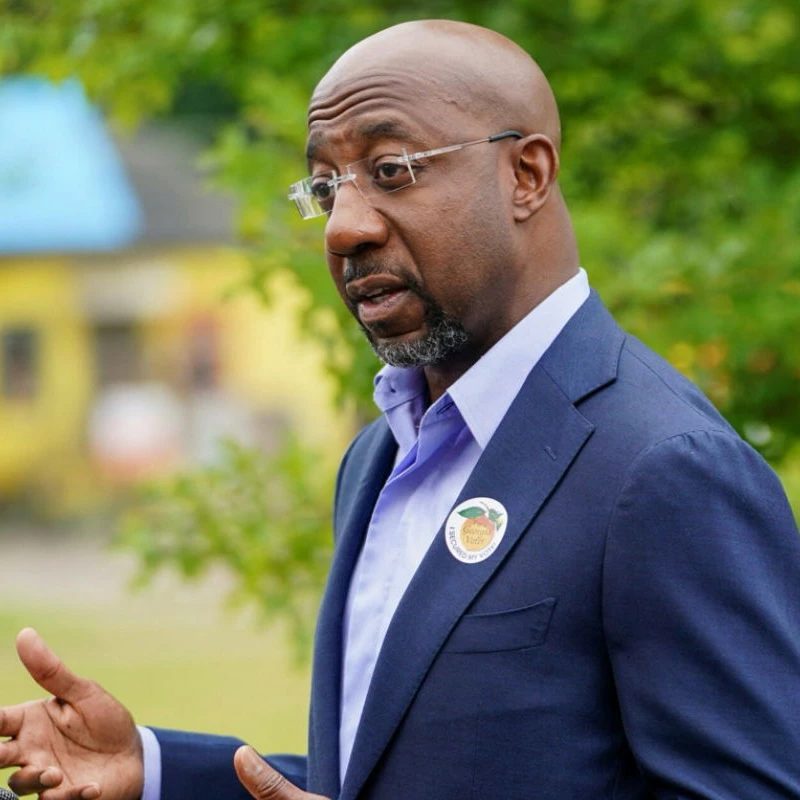
    In a significant move to bolster support for Historically Black Colleges and Universities (HBCUs), Senator Raphael Warnock (D-GA) and Senator Katie Britt (R-AL) have introduced a bipartisan bill aimed at expanding federal funding opportunities. This collaborative effort seeks to address the historical underfunding of these vital institutions, particularly in research and development.

    The HBCU Research Capacity Act

    The newly proposed legislation, titled the HBCU Research Capacity Act, aims to create a federally coordinated website. This platform would serve as a central hub for information on STEM research and development funding opportunities specifically tailored for HBCUs. The goal is to streamline access to these crucial resources, which have historically been difficult for HBCUs to navigate.

    Senator Warnock, an alumnus of Morehouse College, highlighted the significant contributions HBCUs make to research and development despite often lacking adequate resources. He expressed pride in working with Senator Britt, whose home state of Alabama boasts the highest number of HBCUs in the country (14), to make securing federal dollars for research efforts more accessible.

    Addressing Funding Disparities

    The statistics underscore the urgency of this legislation. While HBCUs enroll a significant portion of Black undergraduate students (8.5%) and produce a substantial number of Black STEM graduates (nearly 18%), they receive less than 1% of the nation’s $60 billion in federal research and development funding. The bill aims to dismantle barriers to research funding and enhance students’ access to grants and resources.

    Senator Britt echoed Warnock’s sentiments, stating, “I’ve seen firsthand how impactful these institutions are (and) I am a fierce advocate for their funding… I’m proud to co-lead this commonsense legislation with Senator Warnock, which will help these institutions grow their research capacity and continue paving the way for generations of students.”

    Support from Advocacy Groups

    The initiative has received praise from organizations like the United Negro College Fund (UNCF). Lodriguez Murray, senior vice president of public policy and government affairs for UNCF, called the bill a “great first step” toward improving access to research funding and breaking down long-standing barriers. However, he also emphasized the need for continued efforts to ensure all HBCUs, including those not classified as R1 research institutions, are fully supported in building their research capacity.

    Key Provisions of the Bill

    • Establishes a federally coordinated website for HBCU STEM R&D funding opportunities.
    • Aims to streamline federal funding processes for HBCUs.
    • Requires the education secretary to assign staff to administer the clearinghouse.
    • Mandates an annual report to Congress on the initiative’s progress.
    • Introduced as a bipartisan effort by Senators Warnock and Britt.

    The introduction of the HBCU Research Capacity Act marks a positive development in the ongoing advocacy for equitable funding for these historically significant institutions. It represents a commitment to ensuring HBCUs have the resources they need to thrive and continue their crucial role in educating future leaders and innovators.

    What are your thoughts on the HBCU Research Capacity Act? How else can we support HBCUs in securing research funding? Share your ideas in the comments below!

  • Kentucky State’s Polytechnic Pivot Sparks Debate

    Kentucky State University (KSU), the state’s only public Historically Black College and University (HBCU), is at a crossroads. Facing operational challenges, a new bill passed by the Kentucky Senate proposes a significant shift: transforming KSU into a polytechnic institution. While proponents argue this could save the university, critics fear it might erase its vital HBCU identity.

    A Bill to Redefine an Institution

    Senate Bill 185, which passed unanimously in the Senate, outlines a five-year plan to transition KSU into a polytechnic school. This model emphasizes workforce-driven learning, which would mean a drastic reduction in traditional liberal arts programs, leaving only 10 in-person academic offerings. The bill also proposes increased admission standards, potentially leading to reduced enrollment and faculty cuts.

    Lawmakers like Sen. Chris McDaniel view this as a necessary step for survival, stating, “This was not the time to close Kentucky State, but rather to be a partner in the redefinition of this institution.” However, this redefinition has sparked significant backlash from students, alumni, and community supporters who fear the loss of KSU’s historical significance as an HBCU.

    Protests and Concerns Over Legacy

    Protests have erupted at the state capitol, with graduates expressing deep concern. “When you evolve, you enhance and grow,” shared one KSU graduate with WKYT. “The concern is that we may preserve the university but redefine what it is in the process.” The fear is that in the pursuit of longevity, the very essence of what makes KSU an HBCU could be lost.

    KSU President Dr. Koffi Akakpo, however, has welcomed the change, framing it as “another chapter” in the university’s long history of evolution. He assured the community that this repositioning aligns with the university’s historical responsiveness to the needs of Kentucky, stating, “This moment should be understood not as a break from who we are, but as another chapter in who we are becoming.”

    Despite these assurances, the division remains. While some see the polytechnic focus as a path to financial stability and relevance, others worry about the potential “whitewashing” of an institution that has played a crucial role in educating Black students for generations. As the bill moves to the House, the debate continues over whether this transformation will truly benefit KSU or fundamentally alter its identity.

    What are your thoughts on Kentucky State University’s potential shift to a polytechnic institution? Should the focus be on preserving its HBCU legacy or ensuring its financial future? Share your perspective in the comments below!

  • HBCU Stars Shine in March Madness 2026

    March Madness 2026 wasn’t just about the upsets and buzzer-beaters; it was also a historic moment for Historically Black Colleges and Universities (HBCUs). For the first time since 1994, three HBCU basketball programs earned bids to the NCAA Tournament, bringing national attention to the incredible talent emerging from these institutions. Let’s shine a spotlight on the standout players who made this season unforgettable.

    Howard University: A Dynamic Duo

    Howard University’s run in March Madness was powered by some serious talent. Graduate guard Bryce Harris, hailing from Brentwood, New York, was a force to be reckoned with, averaging an impressive 17.3 points, 6.9 rebounds, and 2.5 assists per game during the 2025-26 season. He was the go-to scorer for the Bison throughout their campaign and tournament run.

    Complementing Harris was forward Cedric Taylor III from Atlanta, Georgia. Taylor provided a steady second scoring option, averaging 17.2 points, 6.7 rebounds, and 3.1 assists. His interior scoring and rebounding were crucial for Howard’s success. Additionally, senior forward Zennia Thomas, a transfer from Kentucky, led Howard’s offense with 15.2 points and over seven rebounds per game, guiding them to the tournament with a key performance against Ohio State.

    Tennessee State University: Leadership and Scoring

    Tennessee State University’s journey to the NCAA Tournament was spearheaded by the leadership of senior guard Aaron Nkrumah. From Worcester, Massachusetts, Nkrumah’s scoring prowess and knack for steals were instrumental in TSU clinching both the OVC regular season and tournament championships. He’s recognized as an elite two-way guard, capable of scoring and disrupting opponents defensively.

    Guard Travis Harper II, from Columbus, Georgia, provided a reliable scoring punch alongside Nkrumah. Averaging 17.3 points with 40.1% three-point shooting, Harper was a dependable perimeter shooter and offensive producer for the Tigers throughout the 2025-26 season.

    Prairie View A&M University: Offensive Firepower

    Prairie View A&M University boasted one of the top scorers among HBCUs in Dontae Horne. This 22-year-old guard from Memphis, Tennessee, averaged an impressive 20.1 points, 4.5 rebounds, and 2.9 assists during the 2025-26 season. Horne was the primary offensive engine for the Panthers, leading them into March Madness.

    Guard Tai’Reon Joseph, from Baton Rouge, Louisiana, also played a crucial role for Prairie View A&M. Averaging 17.7 points and 2.3 rebounds per game, Joseph stepped up to lead the team in scoring during their NCAA Tournament game, showcasing his steady perimeter shooting.

    Southern University’s Defensive Anchor

    While not all HBCUs made it to the NCAA Tournament, Southern University’s DeMya Porter made a significant impact. This forward from Bogue Chitto, Mississippi, led her team in scoring with 9.7 points per game, adding over five rebounds and 1.1 blocks. Porter was the anchor of Southern’s defense and was instrumental in their SWAC tournament victory.

    These athletes represent the dedication, skill, and competitive spirit thriving within HBCU basketball programs. Their performances in the 2026 March Madness tournament not only brought excitement to their respective schools but also highlighted the growing strength and national impact of HBCU athletics.

    Who were your favorite HBCU players to watch during March Madness 2026? Share your thoughts and shoutouts in the comments below!

  • 3 HBCUs Make NCAA Tournament History

    Get ready for March Madness, because this year’s NCAA Division I Men’s Basketball Tournament features a historic milestone! For the first time since 1994, three Historically Black Colleges and Universities (HBCUs) have earned bids to compete. Howard University, Tennessee State University, and Prairie View A&M University are set to make their mark on the tournament, marking a significant achievement for HBCU athletics.

    A Return to a Historic Milestone

    This remarkable feat hasn’t been seen in over three decades. The last time three HBCU teams qualified for the NCAA Tournament was in 1994, when Texas Southern, Tennessee State, and North Carolina A&T made the cut. Now, in 2026, Tennessee State is joined by Howard and Prairie View A&M, bringing renewed excitement and representation to the prestigious tournament.

    Howard University and Prairie View A&M University are both entering the tournament as No. 16 seeds, participating in the play-in “First Four” games that kick off the event. Tennessee State University enters as a No. 15 seed in the 68-team field. This collective presence highlights the growing strength and competitiveness of HBCU basketball programs.

    Road to the Tournament

    Tennessee State University, making its first appearance in 32 years, enters the Midwest bracket as a No. 15 seed to face No. 2 Iowa State. The Tigers are coming off a strong season, winning the Ohio Valley Conference title—their first since the 1994-1995 season—with a 15-5 conference record and an impressive 23-9 overall record.

    Howard University, also a No. 16 seed, will compete in a play-in game against fellow No. 16 seed University of Maryland, Baltimore County (UMBC) on March 17. The winner will advance to face the No. 1 seed in the Midwest Bracket, the University of Michigan. Howard secured their spot by winning the Mid-Eastern Athletic Conference (MEAC) Tournament Final, finishing the season with a 23-10 overall record and an 11-3 conference record.

    Prairie View A&M University, the third HBCU in the tournament, is also a No. 16 seed. They will play Lehigh University in another First Four matchup for the chance to advance and face No. 1 seed Florida in the South bracket. The Panthers posted an 18-17 overall record and a 9-9 conference record, clinching the Southwestern Athletic Conference (SWAC) Men’s Basketball Tournament championship this season.

    Tournament Schedule and Significance

    The first round of the NCAA Tournament, featuring the 64-team bracket, begins on Friday, March 21. Subsequent rounds include the second round the following week, followed by the Sweet 16, and culminating in the championship game on April 6. The presence of three HBCU teams is not only a testament to their athletic prowess but also a significant moment for representation and pride within the Black community.

    Which HBCU team are you rooting for in this year’s NCAA Tournament? Let us know your predictions in the comments below!

  • Marshall Faulk Named Southern University Football Coach

    HBCU athletics are getting a major boost with the hiring of legendary NFL players, and Marshall Faulk is the latest to join the ranks. Southern University has officially introduced the NFL Hall of Famer as its 22nd head football coach, bringing a powerful winning mentality to the Jaguars’ gridiron.

    A Winning Message for the Jaguars

    At his introductory press conference on December 1st, Faulk shared a simple yet impactful message: “Winners win.” This sentiment underscores his approach as he takes the helm, just two days after the Jaguars secured a thrilling 28-27 victory over Grambling State in the 52nd annual Bayou Classic at the Caesars Superdome.

    Faulk, who officially becomes the 22nd man to lead the Southern University football program, joins a growing trend of former NFL stars transitioning into college coaching roles, following in the footsteps of figures like Michael Vick at Norfolk State and DeSean Jackson at Delaware State. As a first-time college head coach, Faulk acknowledges that questions about his coaching abilities are inevitable.

    Facing Expectations and Building the Team

    When asked about expectations, Faulk responded with characteristic humility and confidence: “You know, and I know this is my first head coaching job. You can’t give answers to anything like that. You know, it’s like anything else, just wait and see. Time will tell.” His immediate tasks include assessing his players, assembling a coaching staff, and implementing strategies to elevate the team’s performance.

    Despite the team finishing the past season with a challenging 2-10 record, Faulk holds high expectations for himself and the program. He quoted, “I also understand to whom much is given, much is expected.” Faulk expressed a lack of fear, reiterating his core belief: “Winners win. And if you’re a winner, then you win. And at every level, somehow, some way, I found a way to find the win, and that’s what we’re going to do.”

    What are your predictions for Southern University under Coach Marshall Faulk? Share your thoughts in the comments below!