Category: HBCU Support and Athlete Milestones

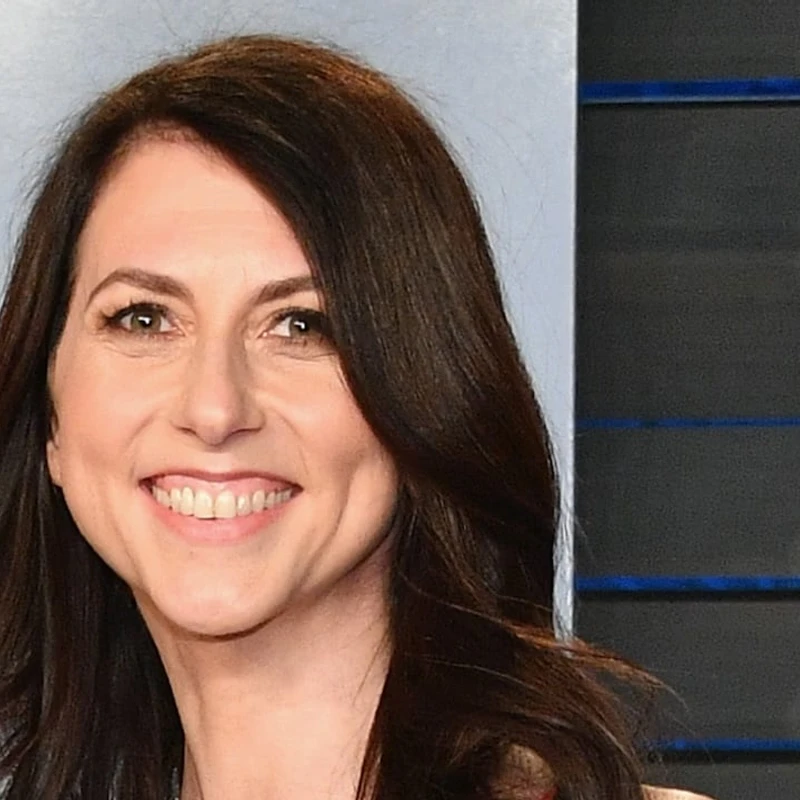
  • MacKenzie Scott’s $1B+ HBCU Donations: A ‘Trust-Based’ Faith

    MacKenzie Scott isn’t just giving money; she’s investing in the future of higher education, particularly at Historically Black Colleges and Universities (HBCUs). Since 2020, she’s donated over $1 billion to these vital institutions, a move that signifies a profound ‘trust-based’ faith in their mission and potential.

    A Billion-Dollar Commitment to HBCUs

    In 2025 alone, Scott’s generosity poured over $700 million into HBCUs. This massive influx of funds comes at a critical time, especially as discussions around Diversity, Equity, and Inclusion (DEI) face challenges. Scott’s actions clearly aim to amplify and support Black colleges and organizations.

    Her commitment extends beyond individual institutions. In 2025, she notably donated $70 million each to the Thurgood Marshall College Fund and the United Negro College Fund, organizations crucial to supporting Black students and educators nationwide.

    The Power of ‘Trust-Based’ Philanthropy

    What makes Scott’s donations stand out is their ‘no strings attached’ nature. In an essay shared on Yield Giving, she explained that her philanthropic mindset was shaped by personal experiences in college – a dentist offering free care and a roommate loaning her money to prevent dropping out. These acts of kindness demonstrated the immense ripple effect of support.

    It is these ripple effects that make imagining the power of any of our own acts of kindness impossible. β€” MacKenzie Scott

    This philosophy translates into her giving, empowering HBCUs to allocate funds toward scholarships, facility upgrades, endowments, and other critical needs as they see fit. It’s a powerful vote of confidence in their leadership and vision.

    The Full List of Benefiting HBCUs

    Scott’s extensive support since 2020 includes substantial donations to a wide array of HBCUs. Here’s a breakdown of the institutions that have received her transformative gifts:

    • Alabama State University: $38 million (2025)
    • Alcorn State University: $42 million (2025)
    • Bowie State University: $50 million (2025); $25 million (2020)
    • Claflin University: $20 million (2020)
    • Clark Atlanta University: $38 million (2025); $15 million (2020)
    • Delaware State University: $20 million (2020)
    • Dillard University: $19 million (2025), $5 million (2020)
    • Elizabeth City State University: $42 million (2026); $15 million (2020)
    • Hampton University: $30 million (2020)
    • Howard University: $80 million (2025); $40 million (2020)
    • Lincoln University (PA): $20 million (2020)
    • Morehouse College: $20 million (2020)
    • Morgan State University: $63 million (2025); $40 million (2020)
    • Norfolk State University: $50 million (2025); $40 million (2020)
    • North Carolina A&T State University: $45 million (2020)
    • Prairie View A&M University: $63 million (2025); $50 million (2020)
    • Spelman College: $38 million (2025); $20 million (2020)
    • Tougaloo College: $6 million (2020)
    • Tuskegee University: $20 million (2020)
    • University of Maryland Eastern Shore (UMES): $38 million (2025)
    • Virginia State University: $50 million (2025)
    • Voorhees University: $19 million (2025)
    • Winston-Salem State University: $50 million (2025)
    • Xavier University of Louisiana: $38 million (2025); $20 million (2020)

    Breaking down the numbers, Scott donated $451 million in 2020 and a staggering $676 million in 2025 (over $740 million including the United Negro College Fund). With recent contributions like the $42 million to Elizabeth City State University, her total giving to HBCUs surpasses $1.1 billion over the past six years.

    Paying It Forward: A Legacy of Support

    Scott’s own experiences, including mentorship from literary giant Toni Morrison, have clearly shaped her approach to giving back. She learned the value of passionate devotion to multiple callings and is now extending that principle to students at historic institutions across the country. Her ‘trust-based’ philanthropy is not just financial aid; it’s an investment in potential and a powerful affirmation of the enduring importance of HBCUs.

    What do you think about MacKenzie Scott’s approach to donating to HBCUs? Share your thoughts on this ‘trust-based’ model in the comments below!

  • Mo’ne Davis Joins Indianapolis Clowns, Continues Baseball Journey

    Remember Mo’ne Davis? The young phenom who made history by throwing a shutout in the Little League World Series is back in the headlines, and this time, she’s stepping into a professional baseball role with the Indianapolis Clowns. This move isn’t just a comeback; it’s a powerful connection to Black baseball’s rich history and a step forward for women in the sport.

    More Than Just a Baseball Move

    At 24, Mo’ne Davis has officially signed with the Indianapolis Clowns, a new club in the entertainment-focused Banana Ball league. This isn’t about reliving past glory; Davis has been steadily building her sports career for over a decade, navigating the intense pressure that came with becoming a national symbol at just 13 years old. Her journey continued after Little League, showcasing her dedication and evolution as an athlete.

    Her time at Hampton University was a crucial part of this development. Playing middle infield for the Lady Pirates, she posted an impressive .333 batting average in her freshman season while studying communications. This foundation is key, proving her latest opportunity didn’t come out of nowhere but is the result of years of hard work long after the initial spotlight faded.

    The HBCU Connection: A Deeper Meaning

    For the HBCU community, Davis’s story resonates deeply. She didn’t just visit Black college culture; she lived it. During her years at Hampton, she embraced the unique sense of community and belonging that defines the HBCU experience. Her positive reflections on attending an HBCU and encouragement for others to consider it make this professional signing even more meaningful.

    When an HBCU athlete like Davis signs a pro deal, it’s a win not just for her but for the institutions that nurture such talent. It serves as another powerful example that HBCUs produce athletes with range, visibility, and the staying power to break down barriers.

    The Legacy of the Indianapolis Clowns

    The name “Indianapolis Clowns” carries significant historical weight in Black sports. Originally a memorable franchise in the Negro Leagues, the Clowns were known for blending serious baseball with showmanship. The team even won a league title in 1950 and hosted legendary players like Hank Aaron and Satchel Paige.

    What makes Davis’s signing particularly poignant is the franchise’s history with women trailblazers. The original Clowns featured pioneers like Toni Stone, Connie Morgan, and Mamie Johnson – Black women who played in the Negro Leagues, challenging both racism and sexism. The modern Banana Ball Clowns aim to honor this legacy, meaning Davis is stepping into a brand that represents Black innovation, showmanship, and women refusing to be excluded from baseball.

    Shaping the Future of Women’s Baseball

    This move also comes at a pivotal time for women’s baseball. Just months ago, Davis was selected 10th overall in the inaugural Women’s Pro Baseball League (WPBL) Draft. The WPBL aims to be the premier professional women’s baseball league in the U.S., and Davis is already a prominent face associated with its launch. Her academic achievements, including degrees from Hampton and Columbia University, further underscore her multifaceted path.

    With this dual visibility in Banana Ball and the WPBL, Davis is putting a spotlight on women’s baseball, with an HBCU-rooted Black woman at the center. This story is more than a novelty; it’s a testament to growth, reinvention, and the expanding possibilities for athletes who are given the platform.

    Lessons for the HBCU Conversation

    Mo’ne Davis’s journey offers a valuable lesson for how we discuss success within the HBCU sphere. It reminds us that athletic careers can be layered, encompassing media attention, cultural relevance, professional opportunities, and legacy-building simultaneously. Her story highlights a crucial truth in Black college sports: talent is abundant, but exposure is key. When platforms expand, so do the possibilities.

    Her signing with the Indianapolis Clowns is a full-circle moment that looks firmly toward the future. It connects a former Hampton athlete to a historic Black baseball brand while keeping her visible as women’s professional baseball gains momentum. It’s a story about history, legacy, women in sports, and the enduring power of becoming more than the moment that first made you famous.

    What are your thoughts on Mo’ne Davis’s new role with the Indianapolis Clowns? How important is this for the future of women’s baseball and HBCU athletes? Share your views in the comments!