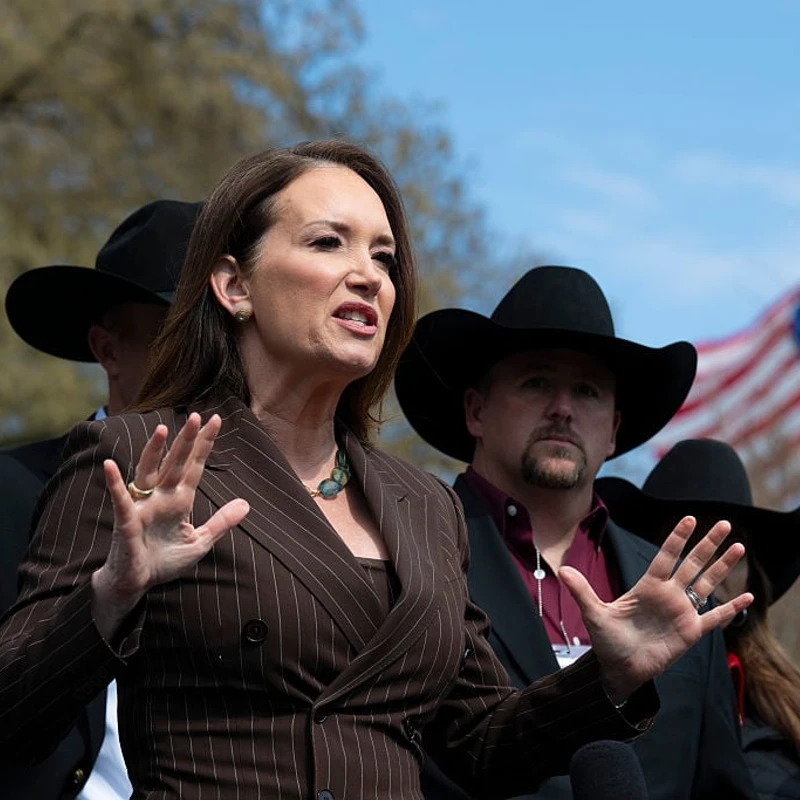
U.S. Secretary of Agriculture Brooke Rollins has drawn sharp criticism for her statement that access to healthy food is the “civil rights issue of our time.” Critics argue there is a stark irony in this pronouncement, especially considering the Trump administration’s substantial cuts to vital nutrition programs like SNAP (Supplemental Nutrition Assistance Program) and WIC (Supplemental Nutrition Program for Women, Infants, and Children).
Contradictory Policies: Declared Priorities vs. Funding Cuts
Rollins, speaking with Newsmax and referencing a discussion with Alveda King (niece of Dr. Martin Luther King Jr.), stated, “The civil rights issue of our time is not having the healthy food…the health that’s needed to really live the American Dream, like Dr. [Martin Luther] King mentioned back in the ’60s.” She outlined proposed changes, including stricter stocking standards for retailers receiving SNAP funds, requiring them to double the amount of healthy food offered, removing “fraudsters” from SNAP, and shrinking the program to focus on those most in need. However, these proposed changes come amidst major cuts to USDA programs that Black farmers critically relied upon.
Nadine Smith, president and CEO of Color Of Change, called Rollins’ statement “laughable if it wasn’t so dangerous.” Smith argued, “Civil rights are about ensuring people can live with dignity. This regime just pushed the largest SNAP cut in history while claiming to address a nutrition crisis.” The “One, Big, Beautiful Bill Act” (OBBBA), passed by Republicans, enacted historic cuts of $187 billion over 10 years to SNAP, a program utilized by over 11 million Black Americans monthly. The law also expanded work requirements and eligibility limits, impacting recipients based on age or perceived ability to work, though advocates point out factors like homelessness and foster care instability hinder employment.
Exemptions Removed and Political Pressure
Ironically, the OBBBA eliminates exemptions previously available to veterans, those aging out of foster care, individuals experiencing homelessness, and those in areas with limited job opportunities, according to an Urban Institute analysis. Furthermore, the Trump administration has reportedly used USDA services to pressure states into complying with its political agenda, including threats to withhold school lunch funds from districts or states supporting LGBTQ+ or immigrant communities.
Smith criticized this tactic: “Slashing the programs that help people eat or threatening access to food for schools that support the civil rights of transgender students is not about nutrition or justice — it is about control, plain and simple.” Additional significant cuts include restrictions on the USDA’s ability to increase benefits beyond inflation. The Center on Budget and Policy Priorities estimates that Trump’s 2026 budget could cut $1.3 billion from WIC food benefits, affecting over 5 million recipients, and another $1 billion from programs that allowed schools and food banks to purchase fresh produce directly from local farmers.
Political Motivations and Impact on Vulnerable Populations
Democratic strategist Ameshia Cross views Rollins’s statements as a political maneuver to “lessen the blow for the midterms.” Cross believes the Republican party’s actions—supporting the Big, Beautiful Bill Act, reducing SNAP, and opposing expanded student access to college—demonstrate a lack of care for these issues. “If it is sheerly the civil rights issue of our time, which I do think hunger, housing, employment, education, are all civil rights issues of our time, what I know was that this Republican Party… they don’t care,” Cross stated.
What are your thoughts on the USDA’s proposed changes and funding cuts? Do you agree that access to healthy food is a civil rights issue? Share your opinions in the comments below!
Leave a Reply