Tag: Trump Administration

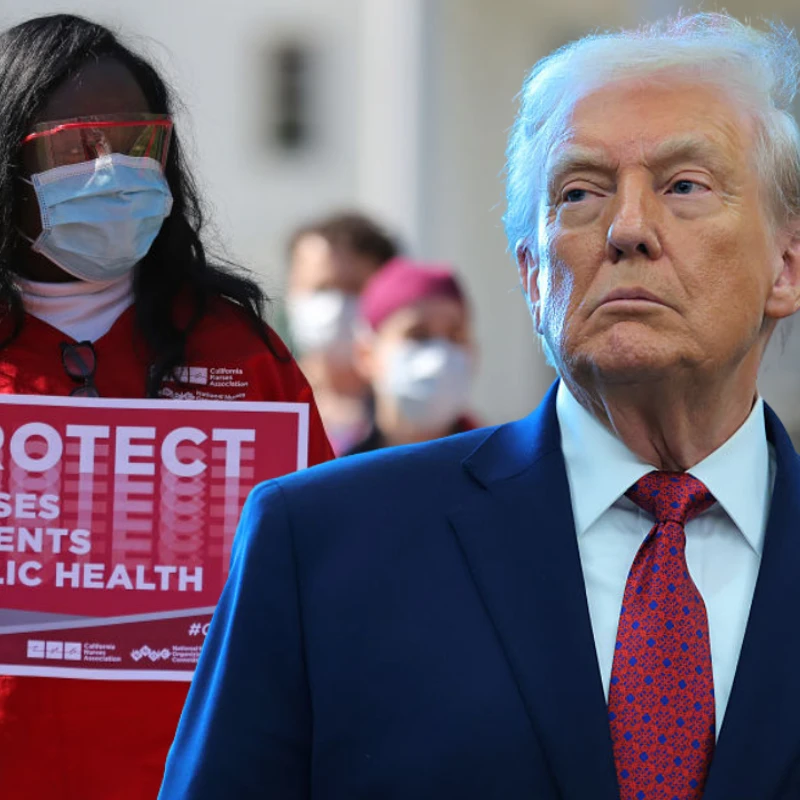
  • Trump’s DEI Policies Harm Public Health: Report

    The fight for diversity, equity, and inclusion (DEI) is not just a social issue; it’s increasingly being linked to the very foundation of our nation’s health. A new, eye-opening report from the Center for American Progress (CAP) suggests that former President Donald Trump’s executive actions targeting DEI have significantly weakened America’s public health infrastructure, making the country less healthy and safe.

    A Sweeping Rollback of Public Health Capacity

    The CAP analysis reveals a concerning trend: a combination of anti-DEI policies, changes to student loan access for medical degrees, and federal budget cuts have led to what the report calls “the most significant rollback of public health capacity and infrastructure since the creation of modern disease surveillance systems.” This is a stark warning about the long-term consequences of these policy shifts.

    Authored by CAP’s government affairs experts Peter Gordon and Alexandra Cogan, the report details how, during Trump’s second term, over 1,700 research and federal grants were terminated. Crucially, major cuts were made to health equity programs, including a vital team at the Centers for Disease Control and Prevention (CDC) focused on monitoring maternal mortality—a crisis that disproportionately affects Black women.

    Impact on Healthcare Careers and Economic Stability

    The Trump administration also imposed new restrictions on federal student loans for health professions. By reclassifying public health and nursing degrees as ‘nonprofessional,’ critics argue this move severely restricts the pipeline of future healthcare workers. This not only impacts the economic stability these careers provide, especially for Black professionals, but also has ‘severe economic consequences’ for the nation.

    Furthermore, the ‘One Big Beautiful Bill Act,’ a signature tax and spending law, enacted substantial cuts to health programs. The report estimates these cuts will cost American taxpayers billions in preventable healthcare expenses, ultimately making all communities less safe.

    Weakening Disease Surveillance and Global Health Ties

    The report points out that these policy decisions make it harder for public health professionals to implement crucial interventions, such as environmental justice monitoring. This could leave communities vulnerable to threats like contamination, reminiscent of the lead poisoning crisis in Flint, Michigan. The decision to withdraw from the World Health Organization (WHO) and eliminate the U.S. Agency for International Development (USAID) has also dismantled essential disease surveillance systems, critical tools used during the COVID-19 pandemic.

    While the targeting of DEI is often framed as an ideological battle, CAP emphasizes that the cuts to health services disproportionately harm Black and Brown communities, with ripple effects that impact everyone. The report warns that this creates a less prepared and informed public health system, potentially leading to emerging threats escalating into national emergencies.

    Deprived of the data needed to guide interventions, the next disease outbreak or pandemic will spread for longer before detection; environmental contamination will go unnoticed until children bear the consequences; and maternal mortality will continue rising, particularly in underserved areas. This policy-driven ignorance will cost lives and money. — Center for American Progress Report

    What are your thoughts on the findings of this report? How do you think DEI initiatives impact public health? Share your perspective in the comments below!
  • Trump’s Iran War: Impact on Black Americans

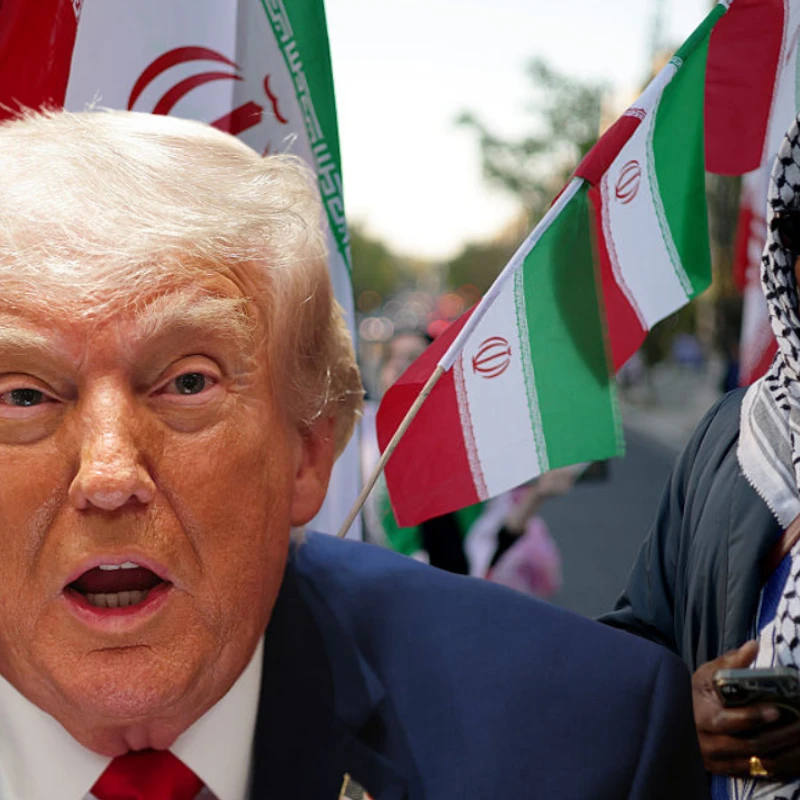
    President Donald Trump announced on Friday, May 29, 2026, that he was nearing a ‘final determination’ to end the United States’ war in Iran. However, national security and foreign policy experts are expressing skepticism about the feasibility of his ambitious goals, suggesting the reality is far more complex than publicly presented.

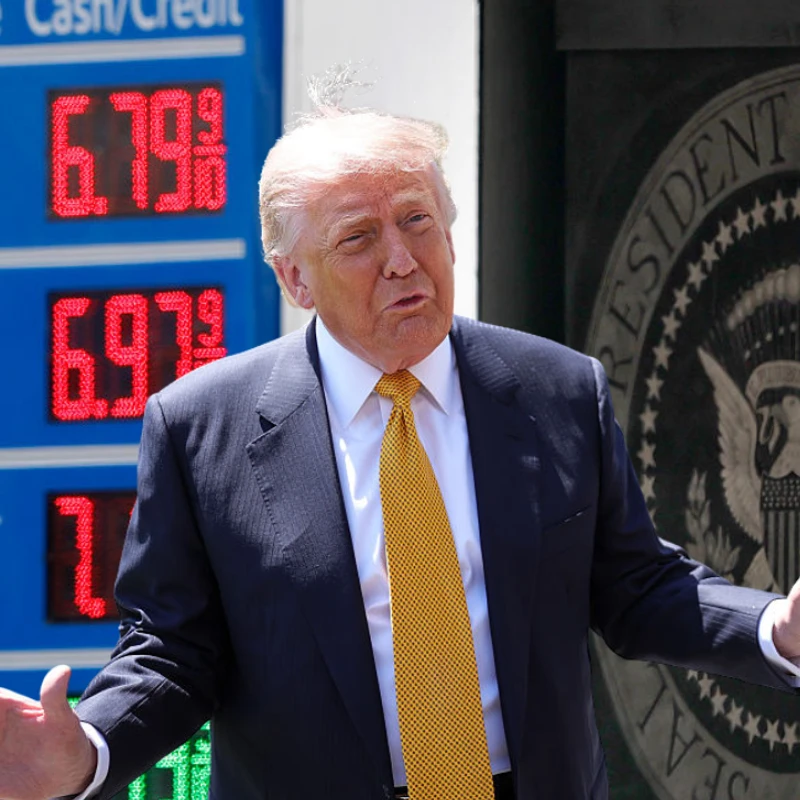
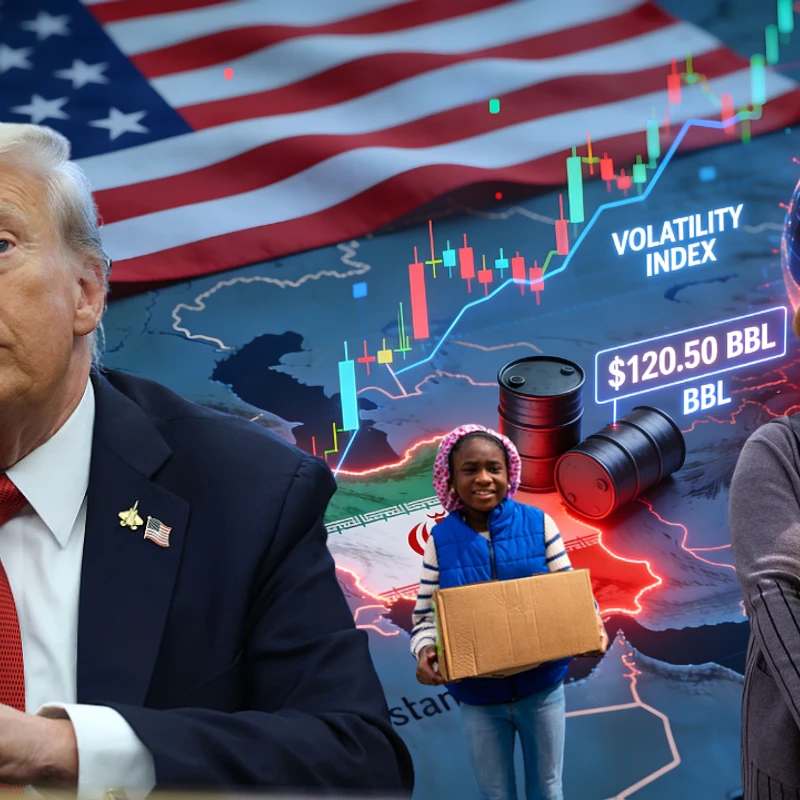
    This ongoing conflict is not only a significant drain on U.S. resources, costing at least $2 billion daily, but it’s also severely impacting the American economy. We’re seeing soaring gas prices averaging over $4.30 per gallon, continued inflation, and rising mortgage rates. These economic strains are affecting various industries, including farming, and are hitting Black Americans particularly hard.

    Disproportionate Impact on Black Communities

    Black households are already contending with generational disparities in wages and wealth. The current economic climate, exacerbated by Trump’s war, his tariffs on global imports, and cuts to essential federal programs like food and healthcare assistance, is intensifying these challenges. Experts warn that if the war isn’t resolved, underserved communities, which form the majority of the U.S., will continue to suffer immensely.

    Democratic strategist Ameshia Cross highlighted the disconnect between the administration’s rhetoric and the reality on the ground. ‘He continually [says] that affordability is a hoax, that this crisis is not a crisis, even though communities, specifically the Black community, are calling it out,’ Cross stated. Furthermore, she noted that following the Supreme Court’s decision on the Voting Rights Act, Black Americans are witnessing potential dilution of their votes through redistricting, diminishing their political power.

    Obstacles to Peace

    Achieving a peace deal requires intricate negotiations between the U.S. and Iran. Decades of complex hostility, broken agreements, and critical issues like Iran’s nuclear program, control over natural resources, and the strategic Strait of Hormuz (through which 20% of the world’s oil flows) stand as significant hurdles.

    Trump has publicly demanded that Iran forgo nuclear weapons, immediately open the Strait of Hormuz to all shipping without tolls, and dismantle its enriched nuclear material. However, experts like Asha Castleberry-Hernandez, a former Department of Defense appointee, believe Trump has limited international support for his approach, unlike former President Obama’s 2015 nuclear deal (JCPOA).

    Comparing Approaches: Trump vs. Obama

    Trump has frequently criticized Obama’s JCPOA as a ‘disaster.’ The Obama deal placed restrictions on Iran’s nuclear enrichment and established oversight, with sanctions as a consequence. In contrast, Trump aims for a complete cessation of nuclear weapons development. However, former intelligence analyst Victor LaGroon points out that nuclear capability can serve as leverage for a nation, providing a deterrent against invasion and a stronger voice in international affairs.

    Castleberry-Hernandez noted that while Pakistan offers some support, it’s insufficient for brokering a deal alone, thus delaying progress. LaGroon argued that Obama’s deal was more effective because it maintained U.S. influence and allowed for diplomatic engagement, which he believes is preferable to war.

    Ameshia Cross suggests Trump is attempting to craft a deal superior to Obama’s, which he dismantled in 2017. However, she points out that Iran made concessions under the Obama administration and, having gained momentum in the current conflict, is unlikely to relinquish everything now. Despite Trump’s claims of military success, Iran maintains control over the Strait of Hormuz, generating revenue through tolls.

    If Trump’s deal allows Iran to retain control of the Strait, experts like Castleberry-Hernandez believe it would be a less favorable outcome than Obama’s agreement, potentially embarrassing for Trump. Cross concludes that the U.S. currently lacks leverage, and despite Trump’s projections, the war’s end date remains uncertain.

    LaGroon predicts that any immediate deal struck by Trump will likely be superficial and unsustainable, given the history of failed agreements with Iran. He criticizes the administration’s lack of strategic diplomacy, stating Trump’s dictatorial approach won’t succeed. Regarding the economic impact, LaGroon warns that even if the war ends soon, gas prices won’t immediately decrease, and he believes Trump’s priorities lie with the war effort over American economic well-being, potentially harming Republicans in the upcoming election.

    What are your thoughts on the economic impact of the Iran war and President Trump’s approach to ending it? Share your views in the comments below!

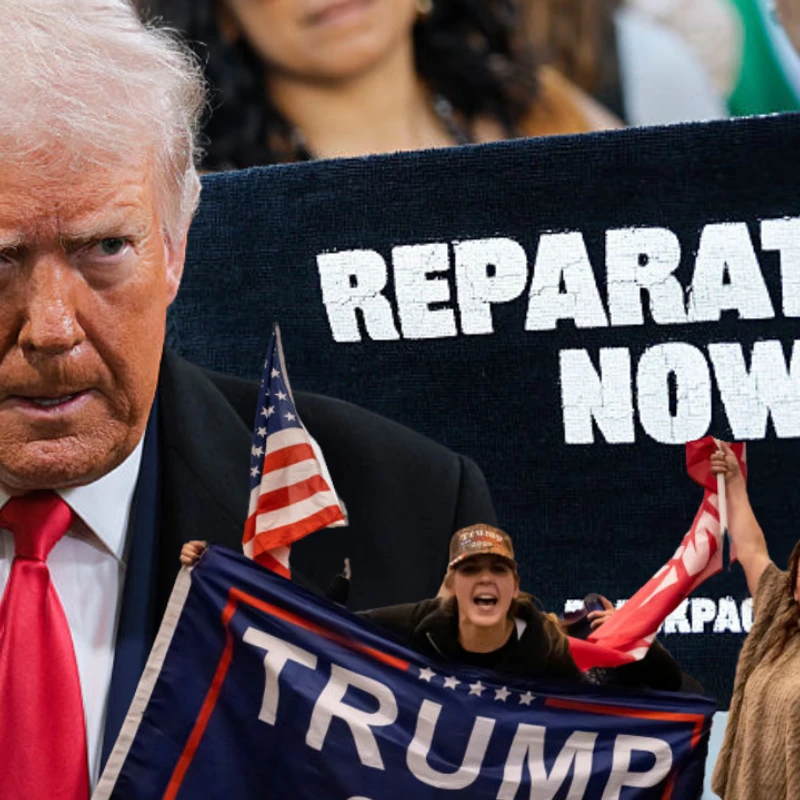
  • Judge Blocks Trump’s $1.7B ‘Slush Fund’

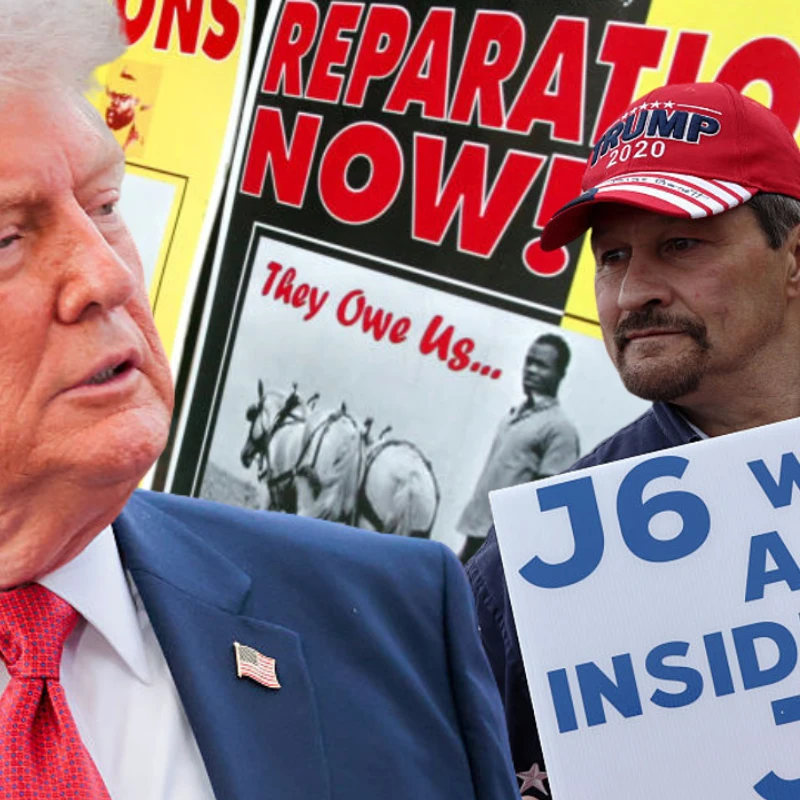
    A significant legal victory has been achieved against a controversial $1.776 billion fund established by the Trump administration. Critics, who have labeled it a “slush fund” for individuals convicted in the Jan. 6, 2021 Capitol attack, are applauding a federal judge’s decision to block its operation.

    Judge Halts Controversial ‘Anti-Weaponization’ Fund

    On Friday, May 29, 2026, U.S. District Judge Leonie Brinkema ordered the Department of Justice to temporarily cease all actions related to the fund. This includes halting the transfer of money, reviewing claims, and disbursing any funds. The ruling came in response to a lawsuit filed by individuals and groups who claim the fund is unconstitutional and demonstrates “blatant partiality.”

    The plaintiffs argue that the “Anti-Weaponization Fund” is inherently biased, as it is exclusively available to claimants alleging they were targeted by “Democrat” administrations. They contend this ignores the current administration’s alleged “weaponization” of federal power against political opponents.

    Reparations Advocates Decry ‘Narrative Damage’

    Racial justice advocates and progressive Democrats have strongly condemned the fund since its inception. U.S. Reps. Jasmine Crockett and Ayanna Pressley have called it an “insult” to Black Americans seeking reparations for centuries of systemic harm. Dreisen Heath, founder of the Why We Can’t Wait Reparations Network, stated that while the judge’s order prevents immediate misuse of taxpayer funds, “the narrative damage is already done.”

    Heath elaborated that framing Jan. 6 defendants as victims distorts the reality of who the truly harmed parties are in this country. “We’ll keep fighting on all fronts to make sure the public channels their righteous anger where it belongs: into reparations for Black Americans,” she told TheGrio.

    Abuse of Existing Funds and Misappropriation of Terms

    Ironically, the fund was slated to use a Treasury Department judgment fund established in 1956, which has historically settled claims of racial discrimination against Black and Native American farmers. Heath criticized the settlement process, noting that the president suing himself and settling without a court ruling constitutes an “abuse of taxpayer money.”

    She also pointed out that characterizing the Trump fund as “reparations” undermines the legitimate fight for reparations for Black Americans. However, she acknowledged that the swiftness with which this fund was proposed highlights the potential for action when political will exists.

    Contrasting Grievances: Accountability vs. Avoiding Accountability

    Dr. Marcus Anthony Hunter, a reparations scholar, drew a clear distinction between the Trump fund and the movement for Black reparations. He explained that the former represents a demand to avoid accountability and receive funds based on grievances related to that avoidance. In contrast, reparations for American slavery aim to hold the government accountable for institutionalizing and sanctioning the enslavement of human beings.

    Adding to the legal challenges, two former Capitol and D.C. police officers, Harry Dunn and Daniel Hodges, who were injured on Jan. 6, have filed their own lawsuit. They argue the fund endangers their safety by potentially encouraging further violence and directly financing rioters who threatened their lives.

    What are your thoughts on the judge’s decision and the ongoing debate surrounding reparations versus the ‘anti-weaponization’ fund? Share your views in the comments below!

  • Inflation, Mortgage Rates Squeeze Black Households

    Black households are facing a double whammy as inflation and mortgage rates climb, creating a significant financial strain under the current economic climate. Recent economic data paints a challenging picture, indicating that these burdens are likely to persist, further widening existing wealth and wage gaps.

    Inflation Hits Hardest

    The latest figures show a concerning rise in the price index for consumer expenditures (PCE), hitting a nearly three-year high of 3.8%. This surge is largely driven by increased costs for essential goods and services, including gasoline, energy, housing, and utilities. Americans collectively spent an additional $111.1 billion in April alone. Compounding this issue, personal income saw a slight decrease month-to-month, meaning households have less disposable income to cope with rising prices.

    For Black households, who already navigate systemic disadvantages like wealth gaps, wage disparities, and limited access to well-paying jobs, these rising costs are particularly devastating. As Cantrell Dumas, a senior researcher at The Joint Center for Political and Economic Studies, stated, ‘Higher mortgage rates and rising inflation are a one-two punch for Black households.’

    Mortgage Rates Push Homeownership Further Away

    Adding to the financial pressure, the average rate for a 30-year fixed mortgage has climbed to 6.65%, its highest point since August 2025. This increase is causing many potential homebuyers to postpone their plans, leading to an 8.5% drop in mortgage applications. For Black families, who are already less likely to own homes and have limited financial savings, this trend makes the dream of homeownership increasingly unattainable.

    Dumas further explained, ‘Rising mortgage rates can push homeownership further out of reach. At the same time, higher prices for food, rent, utilities, and transportation leave families with less money to save.’ This creates a cycle where essential costs consume income, hindering the ability to build financial security.

    Broader Economic Impacts and Blame

    A report from The Joint Center highlighted that Trump’s economic policies, including attacks on DEI initiatives and federal workforce cuts, are contributing to a ‘Black recession.’ Public opinion reflects these concerns, with a New York Times/Sienna poll indicating that 83% of Black Americans disapprove of Trump’s job performance and 89% view the economy as poor or fair under his administration.

    Nadine Smith, president and CEO of Color Of Change, criticized the administration’s approach, stating, ‘The administration keeps pouring gasoline on the economy and then blaming families for getting burned.’ She added that policies related to wars and tariffs are driving up prices, disproportionately impacting Black families who are already facing higher costs for basic necessities and limited support.

    Alphonso David, president and CEO of the Global Black Economic Forum, echoed these sentiments, noting that an economy cannot work for everyone when families face simultaneous increases in living and borrowing costs. ‘For Black households, this is a double squeeze,’ he said, emphasizing the compounded pressure from inflation, higher mortgage rates, wage gaps, and limited access to affordable housing, ultimately leading to less savings, mobility, and opportunity.

    How are rising inflation and mortgage rates impacting your household finances? What steps do you believe can be taken to alleviate these pressures on Black families? Share your thoughts in the comments below!

  • Pressley, Advocates Slam Trump’s “Attack” on Black Economy

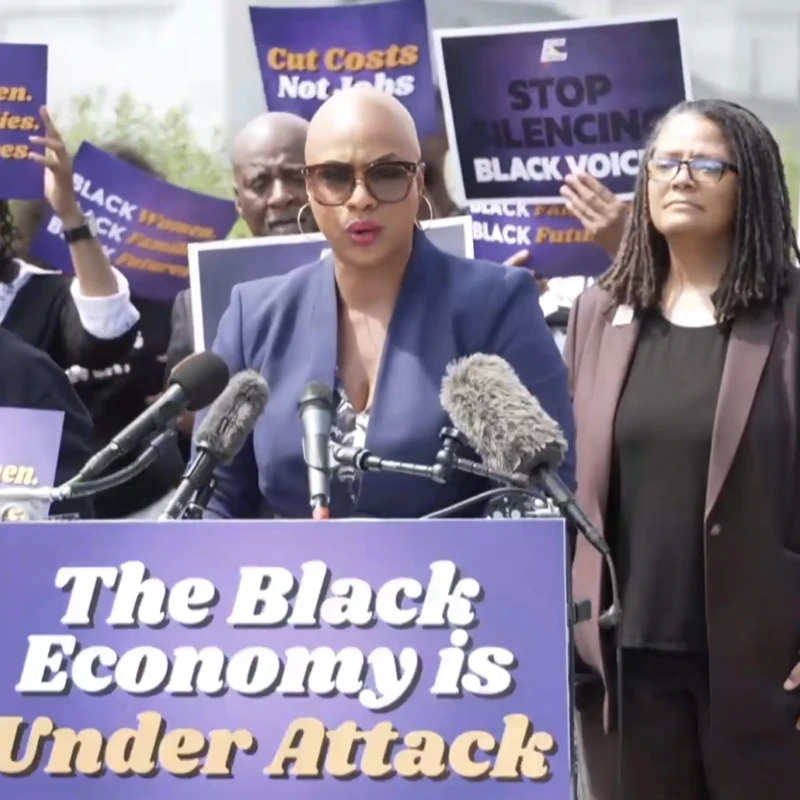
    Racial justice advocates and U.S. Rep. Ayanna Pressley are sounding the alarm, calling the Trump administration’s policies a direct “attack on the Black economy.” Descending on Capitol Hill, they highlighted rising Black unemployment rates and the disproportionate impact of the affordability crisis on Black communities, arguing that specific policies are deliberately causing harm.

    Policies Under Fire

    During a press conference hosted by Rep. Pressley (D-Mass.), coalition groups including the NAACP, Color of Change, the National Urban League, and The Joint Center for Political and Economic Studies voiced their concerns. They pointed to the administration’s significant cuts to the federal workforce, its anti-Diversity, Equity, and Inclusion (DEI) agenda, and the rollback of civil rights enforcement as key drivers of economic hardship for Black Americans.

    “The state of the Black economy is under attack,” Pressley declared, emphasizing that these policies are exacerbating existing systemic economic harm and the current affordability crisis affecting everything from groceries to housing and gas prices. Participants held signs reading “Stop Silenceing Black Voices” and “Cut Costs. Not Jobs,” underscoring their message.

    Economic Realities vs. Administration Claims

    Nadine Smith, president and CEO of Color of Change, stated, “Black families across this country are being told to believe in an economy they cannot feel.” She stressed that people cannot be lied to about their financial realities, citing rising grocery bills, rent, and layoffs as evidence that the economy is not strong for many Black households. The numbers, she added, confirm the lived experiences of the community.

    Dedrick Asante-Muhammad, president of the Joint Center for Political and Economic Studies, presented findings from his organization’s report warning of a potential “Black recession.” He noted the attacks on programs designed to ensure equal opportunity and highlighted that by the end of 2025, Black unemployment had climbed to 7.5%, significantly higher than the national rate of 4.4% and white unemployment at 3.8%.

    Policy Choices and Proposed Solutions

    Asante-Muhammad also criticized Trump’s “One Big Beautiful Bill Act,” arguing it disproportionately benefits the wealthy while cutting investments in essential programs like Medicaid and nutrition assistance. He emphasized that policy choices create these outcomes and that different choices can lead to positive change, calling for policies that bridge past inequalities and foster future prosperity for all.

    When asked about priorities should Democrats regain control, Rep. Pressley advocated for massive investments in affordable housing, restoration of student debt cancellation, and rebuilding agencies that support Black-owned businesses. She also called for addressing algorithmic biases and restoring federal jobs denied to Black workers. Pressley refuted Trump’s claim that immigrants were taking “Black jobs,” asserting that the real culprits are policies enacted by figures like Trump and Elon Musk that have dismantled the federal workforce.

    Pressley further condemned the Trump DOJ’s actions against the Southern Poverty Law Center and current voting rights battles targeting majority-Black districts as attacks on Black infrastructure and the Black community as a whole. She urged people of all political affiliations, especially within the Democratic party, to “give a damn” and speak out unapologetically on issues affecting Black Americans.

    What are your thoughts on the current state of the Black economy and the policies being discussed? Share your views in the comments below.

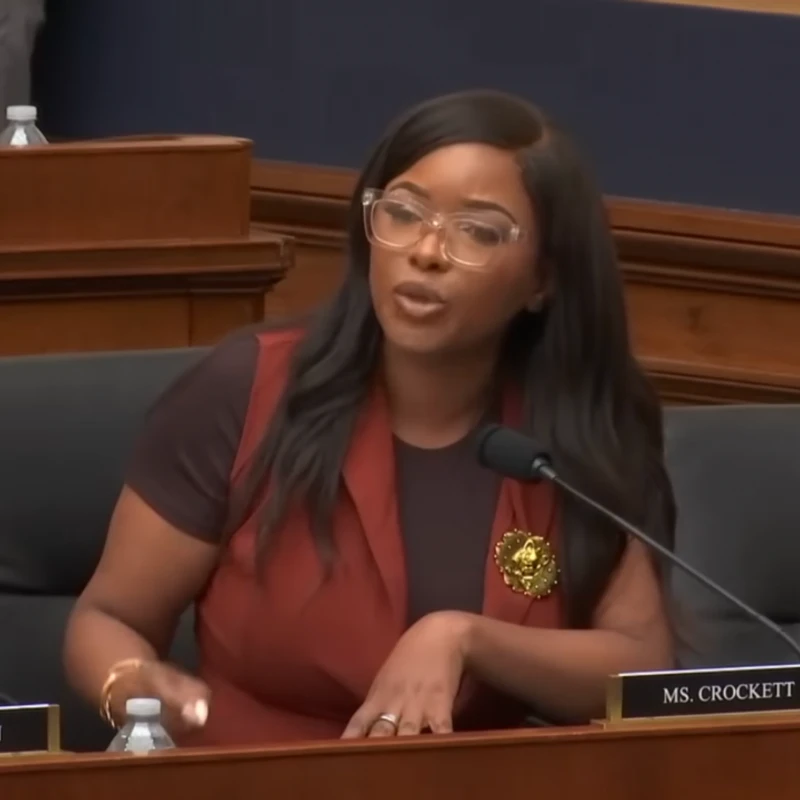
  • Crockett Slams GOP Over Jan. 6 Fund, ‘Rewarding White Supremacy’

    U.S. Representative Jasmine Crockett (D-Texas) has sharply criticized Republicans and the Trump administration, accusing them of hypocrisy and actively rewarding white supremacy. Her strong words came during a House Judiciary Committee hearing focused on the Southern Poverty Law Center (SPLC), an organization that investigates and exposes hate groups.

    A ‘Slush Fund’ for Extremists?

    Crockett specifically targeted a $1.7 billion “anti-weaponization” fund established by the Trump administration. She argued that this fund is essentially a “slush fund” intended to benefit militia groups like the Proud Boys and Neo-Nazis, whom she unequivocally identified as white supremacists. She pointed out that these very groups participated in the January 6, 2021, attack on the U.S. Capitol, fueled by false claims of a rigged election.

    During the hearing, Crockett pressed witnesses on whether these militia groups should be classified as white supremacist organizations. While many hesitated, Maya Wiley, President and CEO of The Leadership Conference on Civil and Human Rights, affirmed that both the Proud Boys and Neo-Nazis are indeed white supremacists. “Let me be clear. Proud Boys are freaking white supremacists. Neo-Nazis are too. And this president, who loves to coddle white supremacists, has decided that they should be given checks,” Crockett declared.

    Hypocrisy and Historical Parallels

    Crockett highlighted what she sees as a stark contradiction: the nation struggles to consider reparations for Black Americans, yet allocates significant funds to organizations associated with white supremacy. “You’re telling me the two billion dollars in the same country that …still hasn’t thought that reparations made sense for Black folk in this country, but at the same time, they’ve decided that people that are in organizations that are absolutely white supremacy organizations should get our tax dollars because they decided to tear apart or attempt to tear apart our democracy. They are being rewarded.”

    She drew parallels to historical injustices, referencing the Jim Crow era and suggesting that current policies, such as passport fees potentially acting as a barrier to voting, resemble poll taxes. Crockett argued that efforts to control historical education in schools are designed to keep people ignorant of the past, including the legacy of slavery and the ongoing fight for civil rights.

    Empowerment Through Racist Rhetoric?

    Crockett connected the Republican Party’s policies and rhetoric to the ideologies of white supremacist groups, citing a list of mass shootings and police killings motivated by anti-Black hate. She named victims like Ahmaud Arbery and George Floyd, the 2015 Charleston church massacre, and the 2022 Buffalo grocery store shooting as examples of violence fueled by such ideologies.

    Furthermore, she criticized the weakening of the Voting Rights Act and the subsequent redrawing of electoral maps that diminish the voting power of Black Americans. Crockett asserted that these actions, alongside the alleged funding of extremist groups, are designed to disempower minority communities and maintain a system that benefits certain ideologies over constitutional rights and true democracy.

    What are your thoughts on Rep. Crockett’s statements regarding the Jan. 6 fund and white supremacy? Share your perspective in the comments below!
  • Trump Rollbacks Undermine Criminal Justice Reform

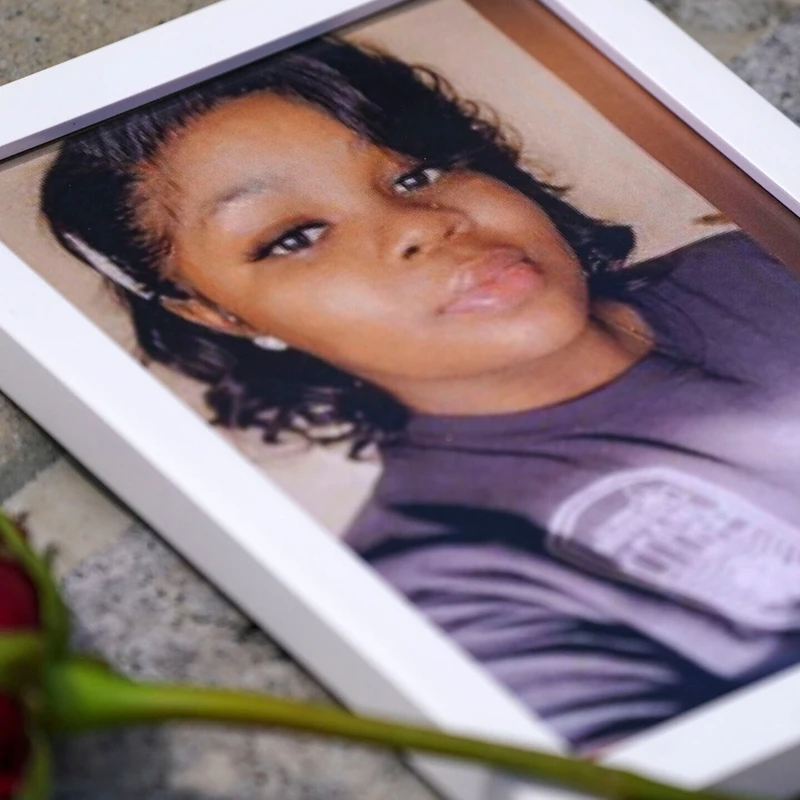
    Remember the wave of criminal justice reform that swept across the nation? Fueled by the tragic deaths of George Floyd, Breonna Taylor, and so many others, communities pushed for change, demanding an end to state-sanctioned violence. They organized, they advocated, and they won significant victories. But now, those hard-won gains are under serious threat.

    Dismantling Accountability: The Trump Administration’s Actions

    In just sixteen months, the Trump administration has taken several alarming steps that systematically dismantle the progress made. On its first day back in office, the National Law Enforcement Accountability Database (NLEAD) was scrapped. This crucial system tracked federal officer misconduct, aiming to prevent officers fired for abuse from being rehired elsewhere.

    Furthermore, Biden-era restrictions on dangerous no-knock warrants—the same tactic used in Breonna Taylor’s killing—were rescinded. In April 2025, over 370 Department of Justice grants, totaling more than $800 million, were terminated. These funds supported vital community violence intervention, gun violence prevention, victim services, and crime reduction programs.

    The Real Danger of Eliminating NLEAD

    The elimination of NLEAD isn’t just an abstract policy change; it has real-world consequences. Consider Timothy Loehmann, the officer who shot and killed 12-year-old Tamir Rice. Fired for falsifying his application, he was later hired by another department. Without a national database to track such misconduct, officers with problematic histories can simply move to new communities, posing a continued threat.

    This lack of transparency leaves the public vulnerable and without recourse. The data is clear: communities thrive not with more police, but with more resources. Investing in stable housing, quality schools, accessible healthcare, and trusted community organizations demonstrably reduces violence far more effectively than increased policing.

    Community Investments vs. State Violence

    The termination of community violence intervention (CVI) grants is particularly concerning. These programs are not mere feel-good initiatives; they are proven to yield significant community benefits. Studies show that for every dollar invested in violence prevention, communities see a return of $7 to $19. Cities like Newark and Detroit have seen dramatic drops in violent crime and significant cost savings directly linked to these CVI programs.

    These rollbacks are happening concurrently with aggressive ICE operations, which Human Rights Watch has documented as violent and racially targeted. The data consistently shows that investing in community care, not state violence, is the path to safety. The argument that reduced police presence automatically leads to more crime is simply not supported by evidence.

    The real question isn’t about police versus no police; it’s about whether we’re willing to fund the conditions that foster true safety. Pouring billions into a system that data shows consistently fails the communities it’s meant to serve is not a sustainable solution. We owe it to the victims of unchecked law enforcement and to future generations to demand better and build the community safety we deserve.

    What steps do you believe are most crucial for building safer communities? Share your thoughts and ideas in the comments below!

  • Trump’s $1.7B Fund: An Insult to Black Americans?

    A newly established $1.7 billion fund, reportedly earmarked for pro-Trump protesters charged in the Jan. 6 attack on the U.S. Capitol, is drawing sharp criticism from civil rights leaders and racial justice advocates. They argue that using taxpayer dollars to support political allies, while federal reparations legislation for descendants of slaves remains stalled, is not only an insult to Black Americans but also a profound moral inversion.

    A Stark Contrast in Government Priorities

    Dr. Bernice King, CEO of the King Center and daughter of Dr. Martin Luther King Jr., powerfully stated, ‘When this nation can create billion-dollar funds for political allies and supporters, but still will not address reparations for the descendants of slaves, that is not incapacity. That is choice.’ This sentiment is echoed by many who see the swift allocation of funds for Jan. 6 defendants as a stark contrast to the decades-long struggle for reparations.

    Dr. Marcus Anthony Hunter, a reparations scholar and UCLA professor, finds the situation particularly offensive. ‘Black Americans have spent generations demanding repair for real around state-backed harm, and we’re often told to wait, prove, study, and justify our pain,’ he told theGrio. ‘But when Trump’s allies claimed they were wronged, the federal government suddenly finds nearly $1.8 billion. That tells Black America exactly whose pain the government is willing to recognize, how and why.’

    Hypocrisy and the Fight for Justice

    The fund, framed by Trump and his allies as an ‘anti-weaponization’ initiative, is seen by critics as hypocritical. Many Jan. 6 defendants, some of whom have since reoffended, are accused of crimes including assaulting law enforcement officers and seditious conspiracy. U.S. Rep. Ayanna Pressley (D-Mass.) called the fund a ‘slap in the face to Black people who’ve been fighting for reparations after centuries of enslavement, segregation, [and] ongoing discrimination.’

    Pressley, a lead sponsor of H.R. 40—a bill aimed at studying the impacts of slavery and recommending reparations—emphasized the historical injustices faced by Black Americans. ‘400 years of labor for free, and we never got our 40 acres and a mule, and we are still harmed by practices like redlining and appraisal bias. And so we are long overdue for reparations,’ she stated.

    Abuse of Taxpayer Funds and Undermining Reparations

    Dreisen Heath, a reparations researcher, pointed out that the fund is based on an existing Treasury judgment fund previously used for Black and Native American farmers who faced discrimination. She described the process of Trump settling with himself using this fund, without a court ruling, as an ‘abuse of taxpayer money.’ Heath also noted the lack of clear eligibility criteria and the extended claim period, suggesting a politically motivated timeline.

    Heath cautioned against characterizing the Trump fund as ‘reparations,’ stating it ‘completely undermines and weaponizes what real reparations are.’ However, she acknowledged that the swiftness of the fund’s creation demonstrates the potential for significant financial transfers when there is political will, offering a glimpse of what could be possible for Black Americans seeking actual remedies.

    An Insult to Black Veterans and a Cheapening of Justice

    The insult extends to Black veterans, according to Richard Brookshire, CEO of the Black Veterans Project. He highlighted the systematic denial of disability pay to Black veterans and argued that Trump’s fund for ‘treasonous rioters’ is a hypocritical act that adds injury to those already suffering systemic discrimination.

    Dr. Hunter further elaborated on the fundamental difference between the Jan. 6 fund and reparations. ‘On the J6er side is a demand to not be held accountable and to receive funds based on your grievances around that accountability, where reparations… are to make the government and the state accountable for institutionalizing, sanctioning, and constitutionalizing the enslavement of other human beings,’ he explained. He concluded that such funds ‘undermine reparations by cheapening the concept of repair,’ which is rooted in historical injustices like stolen labor and government-backed violence, not simply facing consequences.

    What are your thoughts on the $1.7 billion fund and its implications for the reparations movement? Do you agree with the critics that it’s an insult to Black Americans? Share your perspective in the comments below!
  • Trump on Inflation: ‘I Don’t Think About’ Americans’ Finances

    In a recent statement that has raised significant concerns, President Trump declared he doesn’t ‘think about’ the financial struggles of Americans, particularly as inflation hits Black households the hardest. This comes at a time when the U.S. is experiencing its highest inflation rate in three years, largely driven by the conflict in Iran.

    Inflation’s Disproportionate Impact

    The latest Consumer Price Index report from the Department of Labor shows a 3.8% year-over-year increase in inflation, with energy, shelter, and food costs all rising. For Black Americans, these rising costs exacerbate existing economic disparities. The Black unemployment rate has also remained at pandemic levels for five years, currently standing at 7.3%.

    Nadine Smith, president and CEO of Color Of Change, highlighted this disparity, stating, ‘Every price surge lands on us harder because the ground was never level to begin with.’ This sentiment underscores the long-standing economic challenges faced by Black communities.

    Trump’s Stance on Economic Concerns

    When questioned by reporters about whether he considered the economic pain of Americans while negotiating an end to the war in Iran, Trump’s response was blunt: ‘Not even a little bit.’ He emphasized that his sole focus regarding Iran was preventing them from acquiring nuclear weapons, adding, ‘I don’t think about Americans’ financial situation. I don’t think about anybody.’

    These remarks come just months before the midterm elections, where control of Congress is at stake. Democrats have been quick to criticize the president’s apparent disregard for the economic well-being of his constituents, pointing to policies like federal job workforce cuts and attacks on DEI initiatives that disproportionately affect Black workers.

    Reactions from Leaders and Advocacy Groups

    U.S. Rep. Hakeem Jeffries, the Democratic leader of the House of Representatives, condemned Trump’s statement, calling the war in Iran ‘reckless’ and stating, ‘Donald Trump just made clear he doesn’t give a damn.’ He questioned when the public would have ‘had enough.’

    Civil rights leaders echoed these sentiments. NAACP President and CEO Derrick Johnson criticized the economy under Trump, noting skyrocketing inflation and rising unemployment. Alphonso David, president and CEO of the Global Black Economic Forum, pointed out how global instability directly impacts marginalized communities, who often have the least financial cushion to absorb such shocks.

    • Inflation driven by rising gas prices and increased costs for food and shelter.
    • Black households disproportionately affected due to existing wage and wealth gaps.
    • President Trump states he does not consider Americans’ financial situations when dealing with foreign policy.
    • Criticism from Democrats and advocacy groups ahead of the midterm elections.

    The comments highlight a significant disconnect between the administration’s foreign policy priorities and the immediate economic pressures faced by many Americans, especially within the Black community. As the election approaches, these economic concerns are likely to play a crucial role.

    What are your thoughts on President Trump’s remarks about the economy? How do you think rising inflation is impacting your community? Share your views in the comments below!

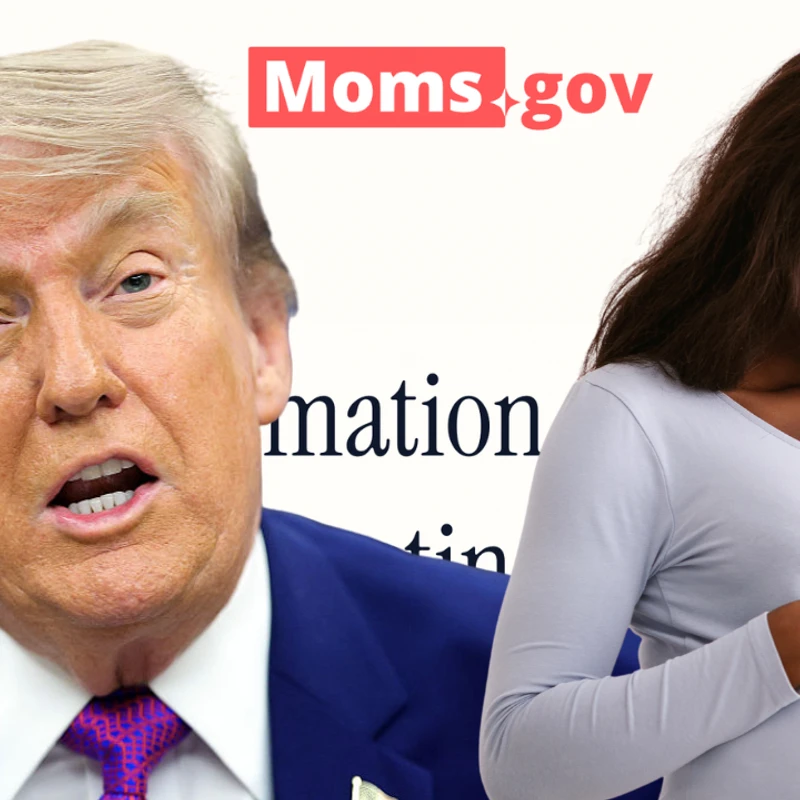
  • White House Silent on Black Maternal Crisis

    The White House recently rolled out new initiatives aimed at supporting mothers and expecting families with the launch of Moms.gov. While the platform offers resources and information, a significant omission has drawn sharp criticism: the failure to acknowledge the ongoing Black maternal mortality crisis. This oversight comes at a time when Black women continue to face alarmingly disproportionate rates of death from childbirth and pregnancy complications.

    Moms.gov Launch Amidst Crisis

    The administration’s new website, Moms.gov, is designed to provide “Resources, Information, and Help for New and Expecting Mothers.” President Donald Trump, alongside administration officials and Republican lawmakers, held a press conference to highlight actions focused on lowering costs for families, expanding fertility care access, and supporting mothers. A new Labor Department rule aims to ensure employers offer fertility treatment options through health insurance.

    Dr. Mehmet Oz, the administrator for the Centers for Medicare and Medicaid Services (CMS), also pointed out the higher maternal mortality rate in rural areas, stating, “Your zip code should not determine your mortality rate if you’re having a baby.” However, the critical issue of racial disparities in maternal health was conspicuously absent from the rollout’s messaging.

    The Unacknowledged Crisis

    The statistics are stark: Black women experience maternal mortality rates three to nearly four times higher than their white, Hispanic, and Asian counterparts. According to the CDC, the rate for Black women was 50.3 deaths per 100,000 live births, a figure significantly higher than for other racial groups. This is not a minor issue; it’s a national crisis.

    U.S. Representative Summer Lee (D-Pa.), whose district has some of the highest maternal death rates in the country, voiced strong criticism. “An administration that refuses to even acknowledge the Black maternal mortality crisis has no business pretending it cares about mothers,” she told theGrio. She highlighted that her district sees Black women dying at rates two to three times higher than white women.

    Policy Priorities Under Scrutiny

    Rep. Lee pointed to other administration priorities that she believes undermine efforts to address this crisis. “Instead of addressing those systemic failures with urgency, the Trump administration has made it a priority to end diversity, equity, inclusion, and accessibility programs, cancel research, cut Medicaid and SNAP, attack child care, threaten reproductive healthcare, and propose cuts to life-saving programs like Healthy Start,” she stated.

    She further questioned the administration’s approach to DEI, noting that programs were instructed to remove words like “Black” from funding applications. “If you attack DEI and then we have a crisis that impacts one population over another, but you cannot direct specific spending or research or interventions to that population, how do you solve the problem?” Lee queried. TheGrio’s request for comment from the White House regarding targeted policies for Black maternal health disparities went unanswered.

    What are your thoughts on the White House’s approach to maternal health? Do you believe specific attention to the Black maternal mortality crisis is necessary? Share your views in the comments below!