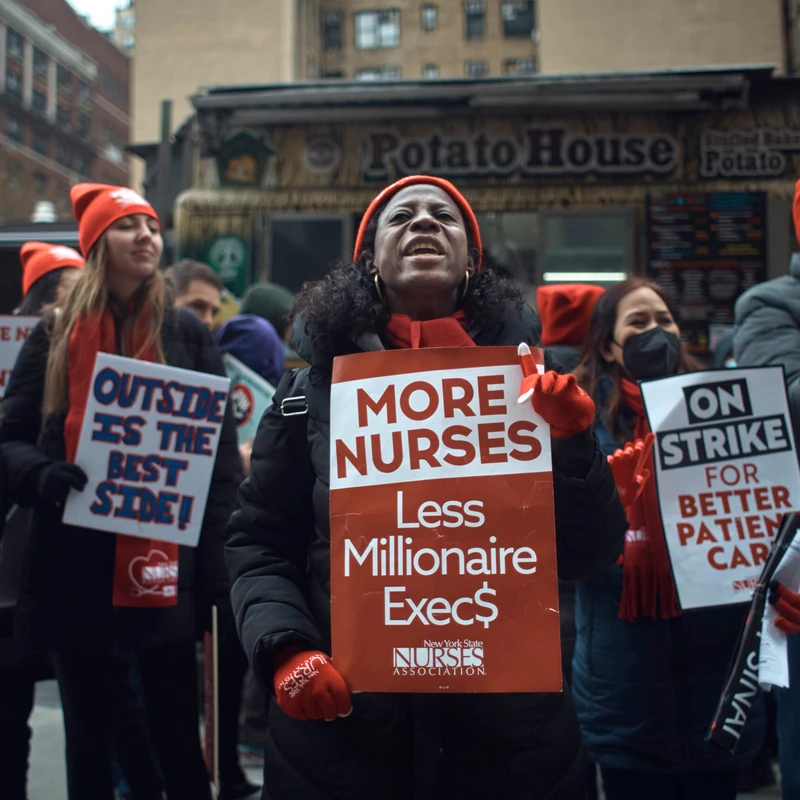
A significant update to the federal student loan system, part of President Donald Trump’s “One Big Beautiful Bill Act” signed on July 4, is raising alarms among advocates. The reforms set new borrowing limits for graduate student loans, specifically reclassifying nursing as non-“professional.” This change could have a profound impact on the healthcare industry and, critically, on Black Americans who are underrepresented in nursing but vital to addressing health disparities.
Reclassifying Nursing and Its Consequences
Under the new Department of Education rules, nursing students pursuing degrees will no longer be eligible for the previous annual borrowing maximum of $50,000. This reclassification also affects other professions like physical therapists, accountants, architects, educators, and social workers. However, the impact on nursing is particularly concerning for Black communities.
Currently, Black nurses make up only 7.8% of the nursing workforce, falling below the Black population percentage of 13%. For those aspiring to become Licensed Practical Nurses (LPNs), where Black individuals constitute 29.1%, a graduate nursing degree is often a requirement. Critics argue that this reclassification undermines the pipeline for much-needed nurses and creates barriers for students, especially those from working-class backgrounds who already face steep tuition costs and limited support.
Economic Impact and Inflation Concerns
Brandon Weathersby, a spokesperson for American Bridge 21st Century, criticized the bill, calling it “packed with poison pills meant to strip opportunity from working-class people.” He stated, “Stripping nursing degrees of professional status will weaken the entire pipeline for much-needed nurses and shut out students who already face steep tuition and limited support.” This change comes at a time when Black unemployment reached 7.5% this year, its highest since the pandemic, with Black women losing over 300,000 jobs. Healthcare remains one of the few sectors with consistent job and wage growth, making these reforms particularly detrimental.
Advocates argue that making advanced nursing education more expensive and difficult to access will limit opportunities for better-paying jobs in an economy still struggling with inflation. “Health care is one of the only sectors still adding good jobs, and instead of opening that path, Trump is making it harder and more expensive for nurses at every stage to pursue advanced practice roles and the opportunities that come with them,” Weathersby added.
Addressing the Gap and Racial Bias
The Department of Education has dismissed these criticisms as “fear mongering,” citing data that 95% of nursing students borrow below the new annual loan limits. However, experts point out that the capped amount of $100,000 for graduate students (or $20,500 annually) is insufficient, especially for private institutions that can cost up to $33,000 per year. This leaves a significant financial gap, particularly for students of color and women of color who are disproportionately reliant on student loans for nursing degrees.
This issue is compounded by the existing racism within the nursing profession. Advocates argue that having more Black nurses is crucial for addressing health disparities, especially for Black women facing high maternal mortality rates. “This is an important profession and one that has life or death consequences for people across this country,” stated one expert. Barriers to higher education in nursing ultimately harm an industry that is increasingly in need of diverse perspectives and experiences.
What are your thoughts on the impact of these student loan reforms on the nursing profession and Black communities? Do you think the government should reconsider these changes? Share your opinions in the comments below!
Leave a Reply