
Tag: Student Loans

  • Trump Policy Links Student Loans to Job Salaries

    What if your choice of major could determine your access to federal student loans? That’s the reality facing students under a new policy unveiled by the Department of Education on May 3rd. This administration is implementing a rigid ‘Value-Based’ funding model that ties financial aid eligibility to post-graduation salary benchmarks, sparking significant controversy.

    The ‘Earnings Threshold’ and Its Impact

    The core of this new policy is the ‘Earnings Threshold.’ Under these rules, federal financial aid will be revoked for degree programs whose graduates don’t meet specific salary requirements within five years of finishing their studies. While presented as a consumer protection measure, critics argue it unfairly penalizes students who choose socially vital but lower-paying professions.

    Fields like social work, education, community nursing, and the arts are particularly vulnerable. For students passionate about these areas, or those attending smaller regional colleges and minority-serving institutions, this policy creates immense uncertainty. It risks incentivizing a shift away from ‘passion-led’ public service roles towards high-profit corporate sectors, potentially limiting access to higher education for many.

    Concerns for Educational Institutions and Students

    The implications extend to educational institutions themselves. If colleges are forced to shutter programs to maintain federal funding eligibility, students in certain regions might lose access to essential degrees, like early childhood education. Furthermore, the new mandatory Financial Fact Sheets are being criticized for reducing the college experience to a mere financial transaction, overshadowing the civic and intellectual value of higher learning.

    Organizations like the American Association of Colleges for Teacher Education have voiced strong concerns. They predict that if education degrees aren’t recognized as ‘professional,’ enrollment in graduate programs could plummet, leading to higher dropout rates and exacerbating shortages in critical teaching roles.

    A Narrowed Educational Future?

    This federal shift coincides with a broader trend towards efficiency in education, such as three-year degree programs. However, the combination of accelerated learning and these new federal ROI sanctions could lead to a more narrowly focused educational landscape. Future graduates might find themselves steered into highly specialized tracks solely to meet federal salary quotas, potentially diminishing the breadth and depth of knowledge gained.

    This policy raises critical questions about what we value in higher education – is it purely economic return, or does it also encompass personal growth, societal contribution, and intellectual development?

    What are your thoughts on this new policy? Should student loan eligibility be tied to potential future earnings? Share your perspective in the comments below!
  • Trump Student Loan Reforms Impact Black Nurses

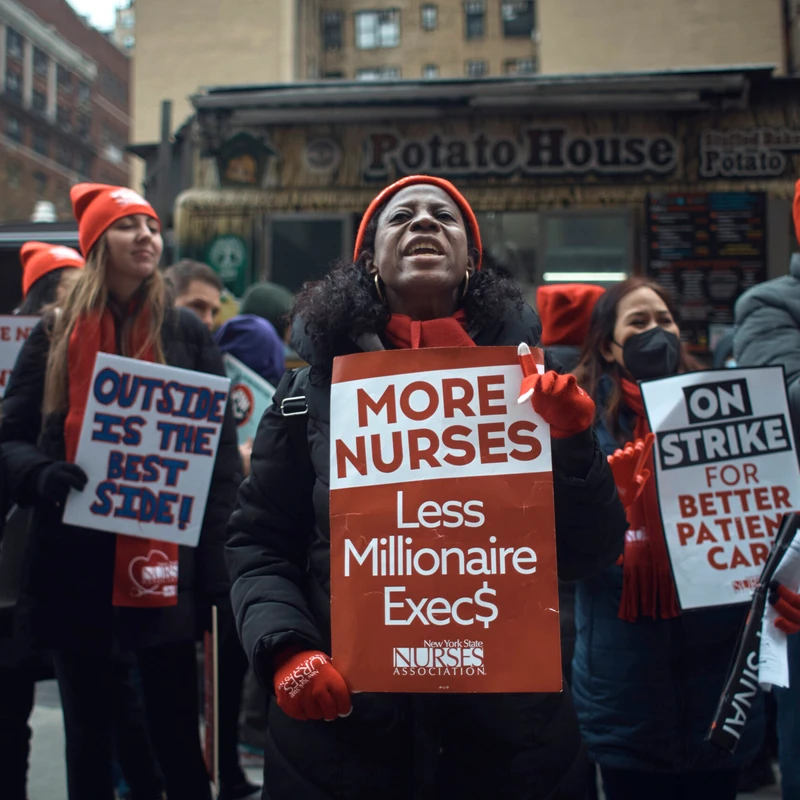
    A significant update to the federal student loan system, part of President Donald Trump’s “One Big Beautiful Bill Act” signed on July 4, is raising alarms among advocates. The reforms set new borrowing limits for graduate student loans, specifically reclassifying nursing as non-“professional.” This change could have a profound impact on the healthcare industry and, critically, on Black Americans who are underrepresented in nursing but vital to addressing health disparities.

    Reclassifying Nursing and Its Consequences

    Under the new Department of Education rules, nursing students pursuing degrees will no longer be eligible for the previous annual borrowing maximum of $50,000. This reclassification also affects other professions like physical therapists, accountants, architects, educators, and social workers. However, the impact on nursing is particularly concerning for Black communities.

    Currently, Black nurses make up only 7.8% of the nursing workforce, falling below the Black population percentage of 13%. For those aspiring to become Licensed Practical Nurses (LPNs), where Black individuals constitute 29.1%, a graduate nursing degree is often a requirement. Critics argue that this reclassification undermines the pipeline for much-needed nurses and creates barriers for students, especially those from working-class backgrounds who already face steep tuition costs and limited support.

    Economic Impact and Inflation Concerns

    Brandon Weathersby, a spokesperson for American Bridge 21st Century, criticized the bill, calling it “packed with poison pills meant to strip opportunity from working-class people.” He stated, “Stripping nursing degrees of professional status will weaken the entire pipeline for much-needed nurses and shut out students who already face steep tuition and limited support.” This change comes at a time when Black unemployment reached 7.5% this year, its highest since the pandemic, with Black women losing over 300,000 jobs. Healthcare remains one of the few sectors with consistent job and wage growth, making these reforms particularly detrimental.

    Advocates argue that making advanced nursing education more expensive and difficult to access will limit opportunities for better-paying jobs in an economy still struggling with inflation. “Health care is one of the only sectors still adding good jobs, and instead of opening that path, Trump is making it harder and more expensive for nurses at every stage to pursue advanced practice roles and the opportunities that come with them,” Weathersby added.

    Addressing the Gap and Racial Bias

    The Department of Education has dismissed these criticisms as “fear mongering,” citing data that 95% of nursing students borrow below the new annual loan limits. However, experts point out that the capped amount of $100,000 for graduate students (or $20,500 annually) is insufficient, especially for private institutions that can cost up to $33,000 per year. This leaves a significant financial gap, particularly for students of color and women of color who are disproportionately reliant on student loans for nursing degrees.

    This issue is compounded by the existing racism within the nursing profession. Advocates argue that having more Black nurses is crucial for addressing health disparities, especially for Black women facing high maternal mortality rates. “This is an important profession and one that has life or death consequences for people across this country,” stated one expert. Barriers to higher education in nursing ultimately harm an industry that is increasingly in need of diverse perspectives and experiences.

    What are your thoughts on the impact of these student loan reforms on the nursing profession and Black communities? Do you think the government should reconsider these changes? Share your opinions in the comments below!

  • Student Loan Forgiveness Tax Hike Looms

    For millions of Americans pursuing student loan forgiveness, there’s a looming financial cliff. A crucial provision in the American Rescue Plan that made forgiven federal student loans tax-free is set to expire at the end of 2025. This expiration could leave borrowers facing substantial tax liabilities, potentially costing them thousands of dollars.

    The Tax Implications of Forgiveness

    Under the current law, forgiven federal student loan debt is exempt from federal income tax until December 31, 2025. However, starting January 1, 2026, without legislative intervention, borrowers whose remaining balances are forgiven could be taxed on the forgiven amount. This could translate into unexpected tax bills, with estimates suggesting potential liabilities of $70,000 or more for some low-income borrowers under Income-Driven Repayment (IDR) plans.

    Analysis from Protect Borrowers indicates that if forgiveness pushes a borrower into a higher tax bracket, their tax obligation could increase by $14,000 to $17,000 or more. For families earning around $50,000 who receive cancellation under an IDR plan, additional federal tax liabilities could range from $5,800 to $10,000.

    A Call for Action

    Lawmakers are raising alarms about the potential consequences. Senator Elizabeth Warren and other Democratic colleagues have urged the Treasury Department and IRS to utilize existing legal authorities to prevent these “surprise tax hikes.” They warn that families who have diligently paid off loans for decades could face significant tax bills, potentially as high as $10,000 in many cases, starting next tax year if Congress doesn’t act.

    The risk is particularly acute for Black and Latina women, who often begin repayment with higher loan balances and are disproportionately represented among defaulted loans with compounding interest. The legislative clock is ticking, and advocates stress the need for Congress to extend the tax exemption beyond 2025.

    Navigating the Uncertainty

    Until Congress intervenes, borrowers are advised to confirm the timing of their eligibility for loan cancellation. Considering tax-planning strategies is also crucial, as an estimated 1.3 million borrowers could reach forgiveness after 2025 and face the potential tax hit. Without an extension, a program designed for debt relief could inadvertently increase debt for many.

    What are your thoughts on the potential tax implications of student loan forgiveness? Share your concerns and strategies in the comments below!

  • Trump Admin to Cancel Student Loan Debt

    Big news for millions of student loan borrowers! In a significant policy shift, the Trump administration has announced it will cancel certain student loan debts. This decision comes after a legal agreement was reached between the Department of Education and the American Federation of Teachers (AFT), potentially bringing relief to those caught in the complexities of federal repayment programs.

    A Pivot on Student Debt Relief

    This move marks a notable change for the Trump administration, which had previously restricted or paused access to student debt relief through federal Income-Driven Repayment (IDR) plans. An estimated 2 to 2.5 million borrowers who met the criteria for loan forgiveness were affected by earlier policy changes. The new agreement aims to allow these borrowers to resume their path toward debt forgiveness.

    The agreement provides much-needed legal clarity and allows the resumption of loan cancellations under specific IDR plans. This is a welcome development for many who have been navigating the often confusing landscape of student loan repayment.

    Who Qualifies for Relief?

    The Department of Education will be resuming loan cancellations for borrowers enrolled in two specific Income-Driven Repayment (IDR) plans. Eligibility typically requires borrowers to have made 20 to 25 years of consecutive qualifying payments, depending on when their loans were originated and which plan they are enrolled in.

    Eligible borrowers will begin receiving notifications from the Department of Education starting in October. These communications will detail their options, including how to accept forgiveness or, if they choose, to opt out. The agreement also addresses borrowers eligible for relief in 2025.

    Addressing Tax Implications

    A crucial aspect of this announcement relates to the taxability of forgiven student loan debt. A temporary tax rule, approved by President Joe Biden, which made IDR forgiveness tax-free, is set to expire in December 2025. Without this provision, borrowers could face substantial tax bills on the amount forgiven.

    Fortunately, due to current government processing delays and ongoing litigation under this new agreement, eligible borrowers will not be forced to pay this pending tax penalty. This ensures that the relief provided by loan cancellation isn’t offset by unexpected tax burdens.

    Are you eligible for student loan debt cancellation under these new plans? What are your thoughts on this policy change? Share your experiences and opinions in the comments below!

  • Career Karma Acquired by Climb Credit

    In a move set to enhance opportunities within the tech sector, Career Karma, the platform known for guiding individuals into tech careers, has been acquired. Climb Credit, a student payment platform, is the new owner, with the acquisition aiming to streamline the journey for aspiring tech professionals and the educational institutions that serve them.

    Strengthening the Path to Tech Careers

    Founded in 2018 by CEO Ruben Harris and chief product officer Timur Meyster (with co-founder and CTO Artur Meyster having stepped down in 2024), Career Karma has already made a significant impact. The platform provides users with insights into roles that match their career goals, offers personalized coaching, and connects them with top bootcamps tailored to their financial needs and learning pace. Harris shared on LinkedIn that Career Karma has assisted millions of users and aims to reach a billion within the next decade.

    The acquisition by Climb Credit is intended to bolster discovery tools for students, personalize support during enrollment, and increase overall efficiency for both learners and schools. For educational institutions, this partnership promises improved “enrollment outcomes through 1:1 advising from Career Karma advisors” and access to more “qualified, better-matched prospective students with insights on their financial readiness.”

    Expanding Horizons with TripleTen Partnership

    Adding another layer to this development, TripleTen, an online coding bootcamp focused on career changers, will also join as a partner. This collaboration further strengthens the ecosystem designed to support individuals transitioning into new careers, particularly in tech.

    Casey Powers, CEO of Climb Credit, expressed enthusiasm for the acquisition, stating in a press release, “For over a decade, Climb has worked to remove financial, informational, and motivational barriers to career education. This acquisition isn’t just about scaling — it’s about impact. We’re building a platform that serves students across many different industries, from healthcare to the skilled trades, reflecting the diverse opportunities learners are pursuing today. Together, we’re helping learners not only finance their education but confidently choose the right path for their future.”

    Focus Shifts to OutRival

    Ruben Harris described the acquisition as a “milestone” and indicated that the founders’ focus will now shift entirely to OutRival. OutRival, also created by the Career Karma founders, is an AI-powered platform designed to replace traditional interactive voice response systems and business process outsourcing with conversational AI agents. This allows teams to concentrate on relationship-building rather than routine tasks. Harris noted that OutRival is already handling over a million calls monthly for respected universities across the country.

    What are your thoughts on this acquisition and its potential impact on the EdTech landscape? Share your insights in the comments below!

  • What to Do About Student Loan Wage Garnishment

    The pause on federal student loan collections has ended, and for the millions of borrowers in default, wage garnishment is a real possibility. The Department of Education began collecting unpaid student loan debt in May 2025, and unlike private lenders, the government has significant powers to recoup these funds. If you’re facing wage garnishment for defaulted federal student loans, it’s crucial to understand your rights and options.

    Understanding Wage Garnishment

    Wage garnishment occurs when your employer is legally ordered to withhold a portion of your paycheck to pay off a debt. For federal student loans in default, your loan servicer can order your employer to withhold up to 15% of your disposable pay. Importantly, the servicer does not need a court order to initiate this process, but you are entitled to 30 days’ notice before garnishment begins. This notice should explain your rights to challenge the garnishment or explore alternatives.

    If you’re unsure about your loan status, you can check your account on StudentAid.gov. If your dashboard indicates “default,” you are at risk of wage garnishment, and you should see a warning at the top of the page. Acting quickly is essential to protect your income.

    Options to Get Out of Default

    If your wages are being garnished or you’re at risk, there are several ways to get out of default and avoid having your pay withheld. One primary strategy is to bring your loan back into good standing through one of these methods:

    • **Pay your loan balance in full:** While often impractical due to the large sums involved, this is the most direct way to resolve default.
    • **Loan Rehabilitation:** To rehabilitate your loan, you must make nine voluntary, on-time payments within 20 days of the due date over a 10-month period. Your loan servicer will determine affordable payment amounts.
    • **Loan Consolidation:** You can consolidate a defaulted federal loan into a new Direct Consolidation Loan. This requires agreeing to repay the new loan under an income-driven repayment (IDR) plan or making three consecutive voluntary, on-time payments on the defaulted loan before consolidating.

    Both loan rehabilitation and consolidation are generally beneficial options. It’s important to note that Direct Consolidation Loans are specifically offered by the Department of Education and differ from private debt consolidation loans, which may not be suitable for borrowers in default and could lead to the loss of federal borrower benefits.

    Other Strategies to Avoid Withholding

    Beyond getting out of default, there are other ways to potentially avoid wage garnishment:

    • **Negotiate your loan repayment:** You can try to reach a voluntary agreement with your lender for payment terms, but this requires their consent and making the first payment within 30 days of receiving the garnishment notice.
    • **Request a hearing:** You have the right to request a hearing to challenge the validity of the debt or argue that garnishment would cause extreme financial hardship. You can also argue if you’ve had limited employment history after involuntary separation. Requests must be submitted in writing, postmarked within 30 days of the default notice, and include supporting documentation.

    Exploring Payment Plans and Relief

    Consider signing up for **income-driven repayment (IDR) plans**, which cap your monthly payments based on your income. While some IDR options are currently on hold, you can still sign up, and some plans may result in a $0 monthly payment. Contact your loan servicer for details and application procedures.

    You may also be able to **pause payments** through deferment or forbearance. Deferment can prevent interest accrual on subsidized loans, while interest accrues on all loans during forbearance. Your eligibility for these options depends on specific circumstances, so consult your loan servicer.

    If you have other debts, **debt settlement** might provide financial flexibility to manage your student loans. This involves negotiating with creditors to pay less than the full amount owed. Even considering **bankruptcy** for other debts could free up funds to address student loans and avoid garnishment, as student loans are typically difficult to discharge in bankruptcy.

    If you’re at risk of wage garnishment, it’s crucial to act swiftly. Explore these options and contact your loan servicer to develop a plan. What steps are you taking to manage your student loan debt? Share your strategies in the comments below!

  • Natasha Rothwell’s ‘Delulu’ Manifestation

    Actress, writer, and producer Natasha Rothwell has shared a powerful story about manifestation and overcoming financial hurdles. Long before her breakout roles, Rothwell carried a fake $40,000 check in her wallet, a tangible reminder of her goal to pay off her student loans.

    Manifesting Financial Freedom

    In a recent interview with CNN, the Emmy-nominated star revealed that this seemingly “delulu” act was a crucial part of her mindset. While struggling paycheck to paycheck, sometimes even relying on discarded MetroCards to get home, she would look at the check and remind herself, “One day, I am gonna be able to cash this check and pay off (my loans).”

    Rothwell recalled the emotional impact of graduating with a theater degree during a recession, which left her constantly worried about survival. The moment she finally received her first big paycheck, she closed out her Sallie Mae account, check in hand. “Money is emotional,” she told CNN, reflecting on the significance of that moment.

    From Teacher to Star

    Rothwell explained that freeing up the mental energy previously consumed by financial worries allowed her to focus on bigger dreams and career ambitions. Before her iconic role as Kelli Prenny on Issa Rae’s “Insecure,” Rothwell worked as a high school drama teacher in the Bronx and later joined “Saturday Night Live” as a writer.

    Her transition from the “Insecure” writers’ room to the screen earned her an NAACP Image Award. She has since garnered Emmy nominations for her work on “The White Lotus” and created, produced, and starred in the Hulu series “How to Die Alone.” Beyond her entertainment career, Rothwell is also an advocate for marginalized groups in Web3.

    The Power of Belief

    Rothwell’s journey highlights the profound impact of mindset and belief. The $40,000 check, which she playfully admits might have been “pretty delulu,” served as a powerful anchor for her hope and focus during uncertain times. It’s a testament to how visualizing and believing in your goals can pave the way for achieving them.

    What are your favorite manifestation techniques or stories? Share your thoughts and experiences in the comments below!