Tag: Technology

  • Kareem Abdul-Jabbar Shoots for STEAM Education

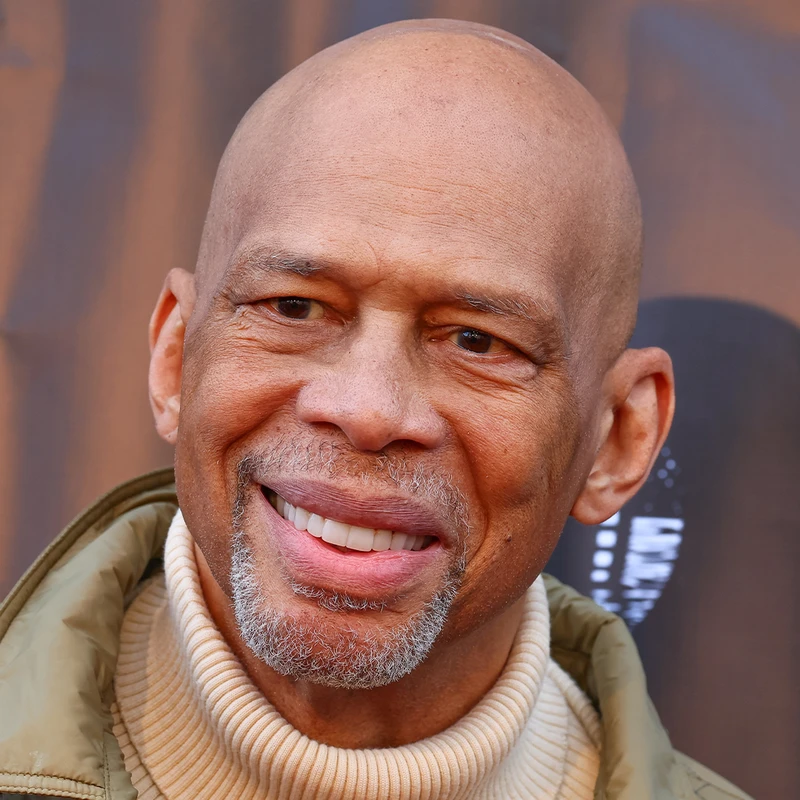
    You know Kareem Abdul-Jabbar as a legendary NBA player, once the league’s all-time leading scorer. But did you know he’s now using his platform to give young people a different kind of winning opportunity? Through his Skyhook Foundation, Kareem is dedicated to bringing Science, Technology, Engineering, Arts, and Mathematics (STEAM) education to underserved youth.

    After an incredible basketball career where he scored an astounding 38,387 points (a record held until LeBron James broke it in 2023), Abdul-Jabbar is focused on providing a “shot that can’t be blocked” for the next generation. His Skyhook Foundation, launched in 2010, has already made a significant impact, reaching over 15,400 young individuals.

    Camp Skyhook: An Immersive STEAM Experience

    The foundation’s flagship program, Camp Skyhook, is a fantastic example of this commitment. This five-day immersive experience, designed for fourth- and fifth-graders, is a hands-on curriculum developed in partnership with the Los Angeles Unified School District, UCLA, and NASA Armstrong Flight Research Center. It’s all about sparking curiosity and making learning fun.

    Set against the beautiful backdrop of the Clear Creek Outdoor Education Center in the Angeles National Forest, the camp goes beyond textbooks. It fosters collaboration through activities like hiking, swimming, skits, and campfires, creating a well-rounded and memorable educational adventure.

    Expanding Access Through New Partnerships

    Kareem Abdul-Jabbar often draws parallels between his own childhood experiences and the opportunities he wants to provide. He recalled a memorable museum visit from his youth, stating, “When I was a kid and we got to go to the Museum of Natural History and it was an incredible day. And it’s my pleasure to be able to give these kids a day similar to that…”

    The foundation’s mission to make STEAM accessible is gaining even more momentum. In November 2025, a significant partnership was announced with Inside the Outdoors, the environmental education program of the Orange County Department of Education, and its philanthropic arm. This collaboration aims to unlock new learning opportunities and further broaden the reach of STEAM education.

    A Legacy of Giving Back

    Abdul-Jabbar shared his vision for the impact of this education: “Giving you a shot that can’t be blocked means that, when you learn the things that you want to learn, you’re going to have a great living, and you’re going to enjoy what you’re doing for the rest of your life.” This sentiment was highlighted during a celebration at Edison Elementary, marking the new partnership.

    During the event, Abdul-Jabbar didn’t just talk about the future; he actively contributed to it. He awarded students with 3,000 Adidas shoes and backpacks, personally handing some out at the school’s Research & Innovation Center. It’s a powerful reminder that investing in education is investing in a brighter future for everyone.

    What do you think about Kareem Abdul-Jabbar’s commitment to STEAM education? Share your thoughts in the comments below!

  • PwC’s AI Talent Hunt: The Engineer Shortage

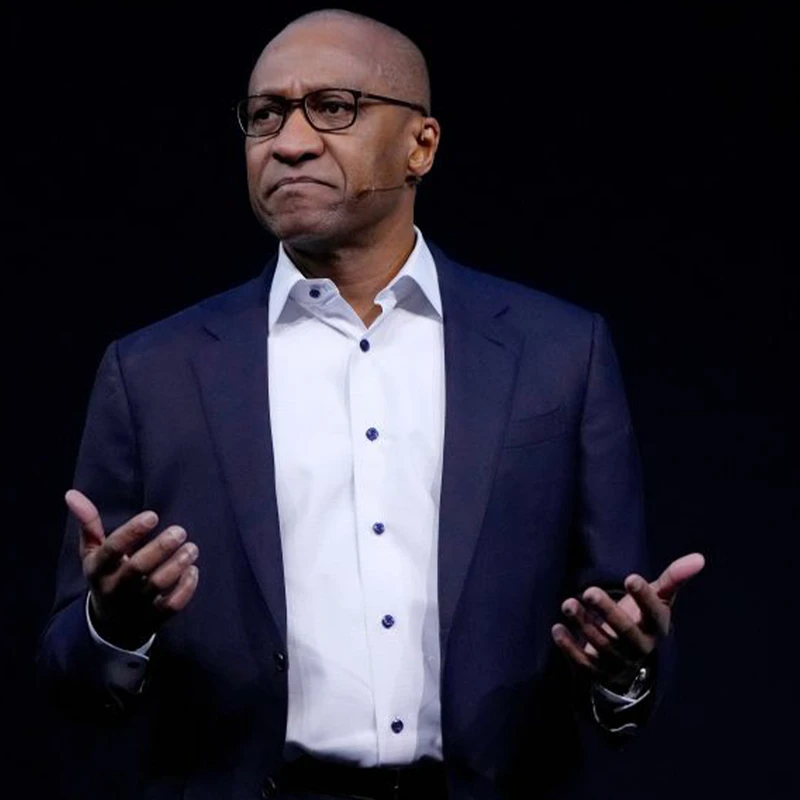
    Imagine a company needing hundreds of a specific, highly skilled professional, but simply can’t find them. That’s the reality facing PwC, one of the world’s leading professional services networks. Global Chairman Mohamed Kande recently shared that the firm is desperately seeking AI engineers, but the talent pool just isn’t deep enough to meet their ambitious goals.

    PwC, often referred to as one of the ‘Big Four’ accountancy firms, is rapidly expanding its AI and technology-driven services. This strategic shift means they’re looking for a significant number of engineers to fuel this growth. As Kande put it to the BBC, “We are looking for hundreds and hundreds of engineers. We just cannot find them.”

    Shifting Hiring Strategies in the Age of AI

    This talent crunch has forced PwC to re-evaluate its hiring approach. Instead of focusing primarily on entry-level graduates, the firm is now prioritizing specialized technology talent. This makes sense, as their core strategy involves helping clients integrate AI, transform their operations, and upskill their workforces to leverage these powerful new tools.

    The rise of artificial intelligence has dramatically reshaped the job market. Kande noted that plans made just a few years ago, like hiring 100,000 people over five years, are now looking unrealistic due to AI’s impact. The skills needed are changing, and the demand for AI expertise is skyrocketing.

    Workforce Adjustments and Industry Trends

    This shift towards AI specialization has led to some workforce adjustments at PwC. In 2024 alone, the firm reduced its global headcount by over 5,600 roles. Furthermore, an internal presentation from August 2025 indicated plans to cut graduate hiring by more than 30% over the next three years, citing “transformation efforts” and the “impact of AI.”

    Kande assured that while the hiring landscape is changing, PwC is committed to ensuring its workforce has the right skill sets for the evolving job market. However, this contrasts with some of its Big Four competitors. For instance, EY has significantly boosted its hiring of technologists, adding 61,000 since 2023.

    Financial Performance Amidst Transformation

    PwC’s financial growth also reflects the challenging economic climate and its ongoing transformation. For the fiscal year ending June 30, the firm reported a global revenue of $56.9 billion, a 2.7% increase from the previous year. While Kande described this as a “solid performance,” it lags behind the growth rates of rivals like Deloitte and EY.

    The struggle to find enough qualified AI engineers highlights a broader industry challenge. As businesses increasingly rely on artificial intelligence, the demand for specialized talent will only continue to grow. This talent shortage could significantly impact the pace of AI adoption and innovation across various sectors.

    What do you think about the AI talent shortage? Are you seeing similar trends in your industry? Let us know in the comments below!

  • UAE Pledges $1B for AI in Africa

    Get ready for a major leap forward in African technology! The United Arab Emirates (UAE) has announced a groundbreaking initiative, pledging a massive $1 billion to bolster AI infrastructure across the continent. This ambitious plan aims to revolutionize key sectors like education, healthcare, and climate adaptation.

    A Vision for AI in Development

    The announcement came during the G20 leaders’ summit held in Johannesburg, South Africa, on November 22nd. While the UAE isn’t a G20 member, its Minister of State, Saeed Bin Mubarak Al Hajeri, was invited by South African President Cyril Ramaphosa. During the summit, Minister Hajeri unveiled the “AI for development initiative.”

    This initiative is more than just a promise; it’s backed by a substantial $1 billion commitment. The funds are earmarked to help African nations build the essential infrastructure needed to integrate and leverage artificial intelligence effectively. Minister Hajeri emphasized the UAE’s perspective, stating, “We consider AI not just as a future industry but a cornerstone of humanity’s future.”

    Building the Future, Together

    The UAE’s dedication to Africa is not new. Over the past four years, starting in 2020, the nation has already invested over $118 billion on the continent. This latest AI initiative signals a strategic focus on technological advancement as a driver for growth and progress.

    Beyond this continent-wide pledge, Abu Dhabi, the UAE’s capital, is planning to develop a massive 10-square-mile UAE-U.S. AI Campus. This ambitious project, a collaboration with Emirati AI company G42 and U.S. partners, is set to become the largest data center deployment outside the United States. It’s a clear sign of the UAE’s commitment to becoming a global hub for AI innovation and research.

    A Milestone for Global AI

    This partnership is seen as a major step towards achieving U.S. AI dominance, as noted by Commerce Secretary Howard Lutnick. Tahnoun bin Zayed Al Nahyan, UAE National Security Advisor and Chairman of G42, highlighted the collaborative spirit, calling the agreement a testament to the ongoing partnership and the UAE’s dedication to pioneering innovation. The goal is clear: to foster global collaboration in AI and deliver transformative benefits for all of humanity.

    What are your thoughts on the UAE’s $1 billion AI investment in Africa? How do you think it will impact the continent’s development? Share your insights in the comments!

  • Miami Founders Get Six-Figure AWS Investment

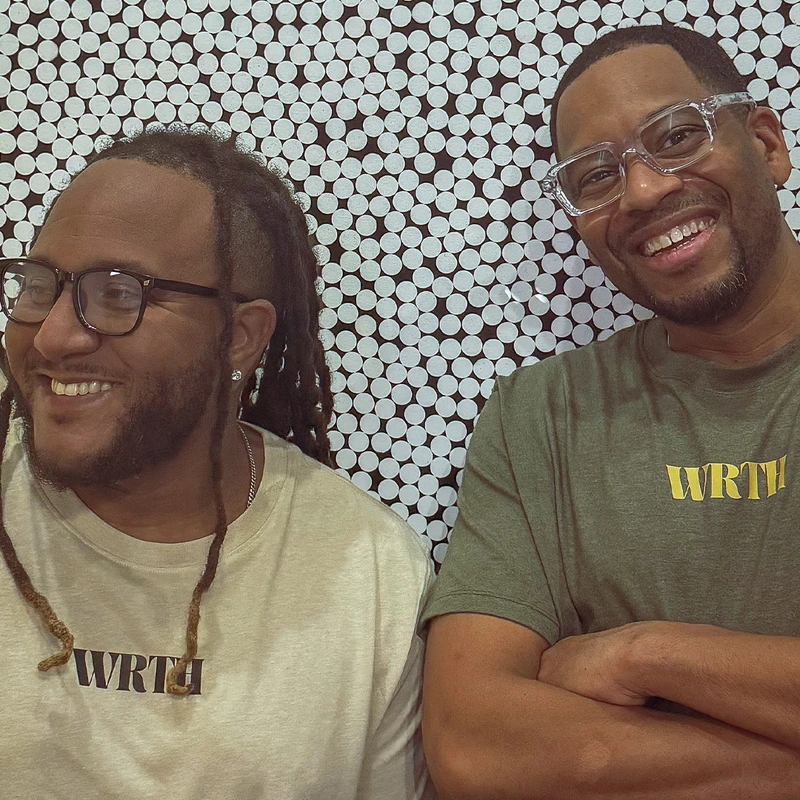
    Big news for Miami’s tech scene! Entrepreneurs Justin Elliott and Jahreem Samuels have secured a significant six-figure investment from Amazon Web Services (AWS) for their groundbreaking venture, WRTH. This innovative platform is being hailed as the world’s first AI and blockchain-verified commerce platform, poised to transform how businesses operate online.

    From Shared Pain Points to a Unified Vision

    Elliott and Samuels’ paths converged through shared challenges in their respective industries. Elliott, with a background in mechanical engineering, marketing, and web development, spent a decade as a full-time DJ before the pandemic prompted a shift back to tech. He sought a profession that wasn’t tied to physical presence, leading him to connect with Samuels.

    Samuels, a serial entrepreneur since high school, had already achieved significant success with Sneaker Buyers, scaling the business from selling out of a trunk to a storefront with over $10 million in sales. However, he faced a major hurdle: the tedious process of authenticating, valuing, and inventorying items using multiple systems. “How can I scale this?” he wondered, struggling to find a single platform that could streamline his operations.

    WRTH: The Solution Born from Necessity

    Elliott, who experienced similar frustrations managing luxury items like Rolexes and Patek Philippes using up to eight different systems, found common ground with Samuels. After a two-hour conversation, they realized they could build a solution together. “If this problem hasn’t been solved since then, how can we figure out how to solve this problem?” Elliott recalled thinking. This led to the development of WRTH, launched in 2024.

    WRTH is an AI-powered, blockchain-verified e-commerce operating system designed to be highly customizable. It understands commerce across various sectors, including service, resale, fashion, automotive, and collectibles. The platform boasts over 50 AI agents capable of handling tasks like pricing assessment, inventory valuation, fulfillment optimization, customer support, analytics, and fraud management across more than 15 sales channels.

    The Power of AI and Blockchain

    The integration of blockchain verification is key to WRTH’s offering, ensuring item authentication, ownership tracking, and fraud resolution by linking sellers to their personal wallets. Elliott explained the significance of this technology: “We’re at the precipice of where AI and blockchain is actually emerging in a way that makes sense… It’s a lot of focus on tokenization of assets. That means taking the world’s things and putting them on [blockchain] so that they have provenance.”

    This provenance allows for tracking and proving ownership, unlocking liquidity in assets and facilitating faster transactions with verified records. Elliott added, “We’re building the infrastructure… so that every business… are equipped to be able to keep up with the trends, not get left behind, and also increase their revenue by taking advantage of the new ways that things are being done and just make business fair equitable and up to the times.”

    AWS Investment Fuels Global Growth

    The recent six-figure investment from AWS, secured through the AWS Activate startup program, is a major boost for WRTH. The funding, along with over $100,000 in credits, will be instrumental in scaling the company globally, particularly to support a major client that attracts over 20 million monthly users. Elliott highlighted the necessity of AWS’s robust infrastructure, stating, “We needed that infrastructure to scale… We’re building out a custom marketplace solution for a client that gets over 20 million users to their site a month… We needed the infrastructure to be able to handle that kind of load.”

    WRTH is currently in beta testing and is set to officially launch on December 3rd, just in time for Miami’s Art Basel. The company also aims to close its pre-seed funding round, seeking to raise $2 million, which will further solidify its position in the market.

    What are your thoughts on the potential of AI and blockchain in revolutionizing e-commerce? Do you think WRTH will live up to its ‘world’s first’ claim? Share your insights in the comments below!

  • Ex-Athlete Launches AI Sports Management Platform

    Imagine having all the crucial data and insights needed to manage athletes and teams right at your fingertips. That’s exactly what former professional football player Darrick Johnson is bringing to the sports world with his new AI-powered platform, Sherpa.

    From the Field to the Tech World

    Johnson’s journey is a testament to perseverance and adaptability. After a brief stint playing football in Canada, he returned home and, facing a quiet phone, decided to pivot. Armed with a business degree, he dove headfirst into tech sales, making an impressive 100 calls a day for 18 months before landing a role at Dell.

    His passion for sports never waned. Within a year at Dell, he launched a sports agency, but it ultimately failed, leading him to sleep in his car for eight months. Undeterred, he re-entered the tech sector, eventually finding his way to Microsoft, where he became deeply involved in Artificial Intelligence initiatives.

    Sherpa: The Salesforce for Sports

    Working with various Silicon Valley organizations, Johnson noticed a gap: few tech companies were specifically catering to the needs of sports teams and agencies. Drawing on his firsthand experience as an athlete and his newfound expertise in AI, he spent years developing Sherpa. His ambition? To create the “Salesforce for sports teams and sports agents.”

    Built on Microsoft Azure AI, Sherpa is an all-in-one software designed for athletes at all levels, from collegiate to professional. It aims to streamline the management of contracts, assess brand alignment for endorsements, and facilitate Name, Image, and Likeness (NIL) deals.

    Key Features of Sherpa

    • **Deal Agent:** Analyzes potential deals to determine if they are at market value.
    • **Marketing Agent:** Develops customized campaigns for players and brands.
    • **Compliance Agent:** Ensures NIL contracts and professional agreements meet legal and regulatory standards.
    • **Scouting & Recruiting Agents:** Work together to identify and recruit promising prospects.
    • **Sherpa Edge (AI Video Software):** Analyzes game footage, tags clips, and generates instant insights.
    • **Financial Agent:** Manages contracts, budgets, and spending, providing analytics for strategic decisions.

    The platform’s insights sync in real-time, providing organizations with a unified system for making faster, smarter decisions regarding scouting, recruiting, NIL opportunities, and player evaluations. Johnson emphasizes that while a platform for athletes themselves might come later, the immediate focus is empowering those dedicated to the sports industry.

    Future Growth and Vision

    Sherpa is already being adopted by several Power 5 collegiate athletic programs, with plans to expand to Historically Black Colleges and Universities (HBCUs). Johnson is actively seeking seed funding, with plans to raise a round by April or May 2026, and a Sherpa mobile app is also in the works.

    He’s backed by a strong team, including Rashaad Reynolds (Chief Revenue Officer), Lakevious Battle (Chief Technology Officer), and Julian Dowell (Chief Product Officer), whose collective experience adds authenticity and depth to Sherpa’s development. This blend of athletic insight and technological prowess is poised to make a significant impact on the future of sports management.

    What are your thoughts on AI transforming the sports industry? How do you see platforms like Sherpa changing the game for athletes and agents? Share your opinions in the comments below!

  • Crypto’s Rise in Pop Culture

    Forget the trading charts and complex algorithms for a moment. Cryptocurrency and its related technologies, like NFTs (Non-Fungible Tokens), have officially stepped into the mainstream spotlight, becoming a surprising co-star in music, fashion, and film. What was once confined to niche online communities is now gracing red carpets, dominating playlists, and even funding the next big movie.

    Music’s New Beat: NFTs and Direct Fan Engagement

    The music industry, notorious for its complex royalty systems, is finding a new rhythm with crypto. Artists are increasingly turning to NFTs to sell their music directly to fans. This isn’t just about selling a song; it’s like releasing a limited-edition vinyl record, but with a digital smart contract ensuring authenticity and ownership. This model allows artists to bypass traditional labels and retain a larger share of their earnings.

    While the crypto market can be volatile – with significant drops impacting major coins like Ethereum and Solana – this hasn’t deterred creators. In fact, reports show that NFT-based music platforms are thriving, offering smaller artists a way to connect with fans and provide them with true digital ownership of their favorite tracks. The affordability of minting NFTs, influenced by network transaction costs (like those on Ethereum), directly impacts how accessible this technology is for musicians.

    Fashion’s Digital Fabric: Authenticity and Exclusivity

    Fashion has always been about making a statement, and blockchain technology is its latest canvas. Designers are exploring tokenized collections that bridge the gap between the digital and physical worlds. Imagine owning a virtual dress for a metaverse fashion show that also unlocks a real-world counterpart delivered to your doorstep.

    The luxury market is paying close attention, recognizing the value of authenticity, traceability, and exclusivity that blockchain offers. Major fashion houses are rolling out NFT-based loyalty programs, rewarding customers with digital badges for attending shows or purchasing sustainable items. These badges can be traded or redeemed, creating new forms of status symbols. Brands like Gucci and Prada are already experimenting with NFTs to grant access to exclusive virtual and physical collections, with upcoming network upgrades like Ethereum’s Fusaka promising faster, cheaper transactions – perfect for fashion’s digital evolution.

    Film’s New Script: Funding and Fan Investment

    Beyond Hollywood’s typical sequels, blockchain is emerging as a compelling new narrative for the film industry. Producers are leveraging crypto to fund projects, track expenditures transparently through smart contracts, and even allow fans to own a piece of the film itself. This transparency is a major draw for investors, especially independent filmmakers who can launch tokenized campaigns to gauge audience demand before production even begins.

    This approach not only secures funding but also fosters a deep emotional and financial investment from the audience, creating a built-in fanbase from script to screen. Despite market fluctuations, NFT-based crowdfunding for films has shown remarkable resilience, proving that transparency and community backing are powerful assets.

    Beyond the Volatility: A Permanent Shift

    While crypto’s price swings often make headlines, the underlying blockchain technology continues to advance. Regulatory bodies are increasingly exploring tokenized collateral and stablecoins, signaling a broader acceptance of blockchain-based financial infrastructure. This evolution promises greater liquidity and wider adoption of digital assets.

    Ultimately, crypto’s integration into pop culture is less about hype and more about expression and empowerment. It’s democratizing creative ownership, allowing artists to claim their work and fans to feel a genuine connection to the art they love. As blockchain technology becomes more accessible, the fusion of crypto and pop culture is creating a shared digital stage where more creators can participate and thrive.

    How do you see crypto impacting your favorite music, fashion, or film? Share your thoughts in the comments below!
  • Emma Grede: AI-Proof Your Career Now

    In today’s rapidly evolving professional landscape, staying ahead means embracing new technologies. SKIMS founding partner Emma Grede is a prime example, sharing her proactive approach to navigating the impact of artificial intelligence on careers. Her message is clear: we must ‘AI-proof’ our professional lives, and there’s no time to waste.

    Emma Grede’s ‘AI Day’ Strategy

    Grede, who co-founded the massively successful SKIMS with Kim Kardashian and Jens Grede, revealed her personal strategy during Axios’ annual BFD dealmaking summit. She dedicates one full day every six weeks to what she calls an ‘AI day.’ This isn’t just about dabbling; it’s a focused effort to understand and integrate new AI tools into her workflow.

    She doesn’t just keep this knowledge to herself. Grede actively encourages the women within her company to adopt similar habits, recognizing that collective adaptation is key. “We have no choice but to AI-proof our careers,” she stated, highlighting the urgency of the situation.

    From Inspiration to Action

    Grede’s deep dive into AI wasn’t an overnight decision. It was sparked by a conversation with ‘Shark Tank’ investor Mark Cuban on her podcast, ‘Aspire.’ Cuban shared his extensive use of various AI applications, which prompted Grede to explore formal learning opportunities. She even pursued coursework at prestigious institutions like the Wharton School at the University of Pennsylvania and Harvard University.

    Her motivation was simple: she realized she needed to get up to speed. “I need to figure this out, because I’m using AI like a 42-year-old woman,” she admitted, reflecting on her initial approach. This personal drive led her to implement practical incentives, like offering cash bonuses to employees who successfully incorporated AI into their work two years ago.

    The Economic Impact of AI Skills

    The demand for AI skills in the broader job market is undeniable. A report from labor market intelligence firm Lightcast found that job postings for non-technical roles requiring AI experience offered salaries approximately 28% higher than those without. That translates to an average annual difference of about $18,000, showcasing a significant financial incentive for upskilling.

    Grede’s commitment to continuous learning underscores a vital point: future-proofing not only individual careers but also entire organizations. As she puts it, “We have to future-proof our organizations and ourselves.”

    What steps are you taking to ‘AI-proof’ your career? Share your strategies and insights in the comments below!

  • Prismm Secures $1M for Digital Inheritance Vault

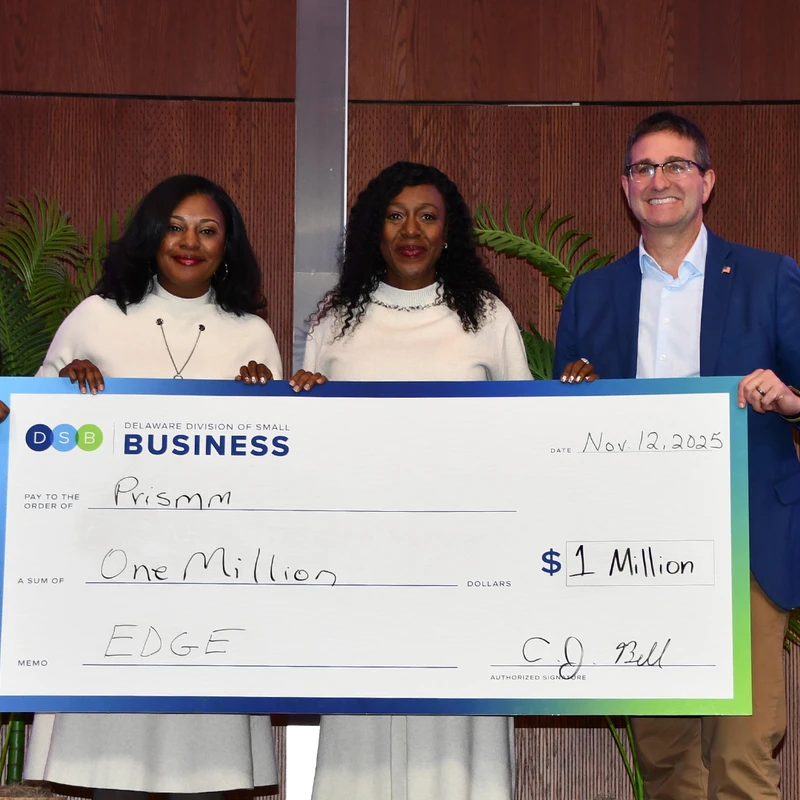
    In a significant move for families navigating life’s most challenging moments, Prismm, a Black-woman-owned digital inheritance vault, has secured $1 million in federal funding. This funding is set to bolster their mission of protecting critical records and streamlining the inheritance process, especially as Baby Boomers prepare to transfer an estimated $84 trillion to heirs in the coming years.

    What is Prismm?

    Prismm functions as a transaction-enabled digital vault, designed to securely store essential documents and information crucial during emergencies or after a loved one’s passing. Users can upload vital records, property details, financial account information, and designate beneficiaries or trusted individuals with specific access levels. The platform utilizes robust encryption to ensure data security.

    The company aims to help financial institutions protect their assets and automate the often-complex inheritance transfer process. This is particularly timely, considering the massive wealth transfer projected to occur by 2045, according to Cerulli Associates.

    The Genesis of Prismm

    The inspiration for Prismm struck founder and CEO Martha Underwood in 2017 following Hurricane Irma. Witnessing her mother’s struggle to locate crucial documents and access bank accounts after her father’s incapacitation highlighted a critical gap in crisis preparedness. This personal experience, amplified by the realities of the COVID-19 pandemic, fueled Underwood’s drive to create a solution.

    As a former technology executive, Underwood developed Prismm to equip banks, wealth advisors, and credit unions with the tools to prevent the prolonged loss of access to funds that often follows a death. “We’re more than a digital vault, we’re a continuity platform,” Underwood stated, emphasizing its role in preserving financial stability and providing peace of mind to caregivers, who are often women.

    Funding and Future Growth

    Prismm has been awarded $1 million in federal funding through Delaware’s State Small Business Credit Initiative, specifically from the EDGE 2.0 Competition. They also received an additional $125,000 EDGE 2.0 grant. This capital infusion will be instrumental in scaling their banking partnerships and enhancing their AI-powered document intelligence for greater accuracy and speed.

    The company has also relocated its headquarters to Newark, Delaware, while maintaining a satellite office in Birmingham, Alabama. Underwood expressed excitement about making Delaware a hub for generational wealth transfer innovation, noting the immense economic opportunity presented by the upcoming wealth transfer event.

    What are your thoughts on digital solutions for managing inheritance? Share your experiences and opinions in the comments below!

  • IRS Adopts Salesforce AI After Staff Cuts

    In the wake of significant staffing reductions earlier this year, the Internal Revenue Service (IRS) is stepping up its use of artificial intelligence. The agency is preparing to roll out Salesforce-powered AI agents across various departments, aiming to modernize its systems and manage workloads more efficiently.

    AI Agents to Assist IRS Employees

    This new technology, part of Salesforce’s Agentforce program, is designed to help IRS employees handle customer requests more effectively. According to Salesforce executive Paul Tatum, these AI agents operate with strict limitations – they can’t make final decisions or distribute funds. Instead, they’re built to assist with tasks like finding information, summarizing documents, and supporting customer interactions.

    The goal is to reduce delays and ease the burden in areas that often experience backlogs. While the AI agents tackle time-consuming administrative duties, IRS staff will remain in control, overseeing final reviews and critical actions. This approach ensures that human oversight remains central to the process.

    Modernizing Government Technology

    Rob Fitzpatrick, senior counsel in the IRS Office of Chief Counsel, noted that the agency began modernizing its technology infrastructure back in 2023. This shift towards AI aligns with broader trends seen across other government institutions. The recent workforce changes, which saw around 12,000 staff departures, were likely influenced by a combination of factors.

    This restructuring also involved the closure of the IRS’s Office of Civil Rights and Compliance, with remaining employees being reassigned. The IRS workforce has seen considerable fluctuation in recent years, with numbers increasing under the Biden administration before recent reductions.

    Adapting to Workforce Changes

    The implementation of Salesforce AI agents represents the IRS’s latest strategy to adapt to its evolving workforce. While the IRS hasn’t released public statements on the program, Salesforce has confirmed the system’s built-in safeguards and the necessity of human oversight.

    What are your thoughts on the IRS using AI agents? Share your perspective in the comments below!

  • TikTok’s ‘Danish Deception’: A Scamming Husband’s Story

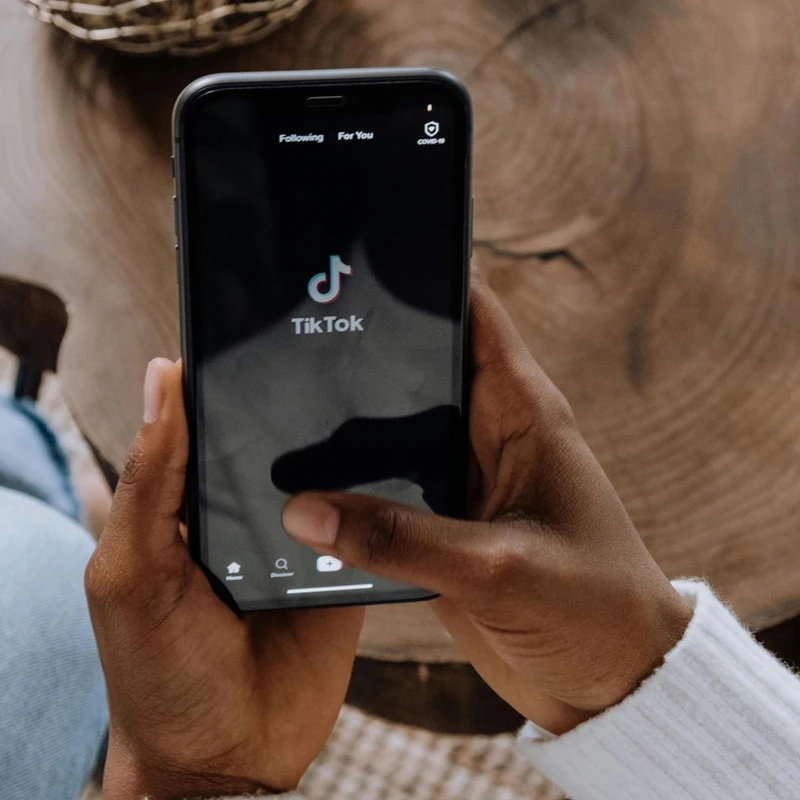
    In the age of viral storytelling, a new saga has captured TikTok’s attention: ‘The Danish Deception.’ This 25-part series, shared by Dallas-based content creator Onyeka Ehie, details her harrowing experience with a husband who allegedly swindled her, her family, and a friend out of a staggering $300,000 in cryptocurrency.

    A Whirlwind Romance Turns Sour

    Ehie, a former contestant on ‘The Bachelor,’ described meeting her Danish suitor, Martin Fredsgaard Andersen, during a trip. What began as a whirlwind romance, complete with meeting families and exchanging vows, soon took a dark turn. Andersen reportedly claimed to be an Olympian with Danish royalty ties and a successful tech career, painting a picture of wealth and stability.

    However, beneath the charming facade, Ehie began loaning Andersen money for various financial issues. The amounts escalated into tens of thousands, and Andersen even reached out to Ehie’s friends and family for funds without her full knowledge. The situation unraveled further when Ehie discovered his gambling addiction and his extensive scamming activities, which included defrauding someone in her circle of $300,000 in cryptocurrency.

    Backlash and Debate Over Victimhood

    While Ehie shared her story with the intention of protecting others from similar scams, her narrative has sparked significant backlash and debate online. Some viewers have praised her vulnerability and authenticity in sharing such a painful experience. However, a vocal segment of critics argue that Ehie may not be as much of a victim as she claims.

    Critics point to Ehie’s initial descriptions of her ex-husband’s physical attributes, like his “blue eyes and blonde hair,” suggesting a preference for whiteness that may have blinded her to red flags. Content creators have even accused her of seeking an “ego boost” and prioritizing proximity to whiteness over genuine trust. Some believe the scams were obvious from the start, and her desire for a certain type of partner clouded her judgment.

    Protecting Others or Seeking Attention?

    Despite the criticism, Ehie remains firm in her resolve to warn others about Andersen, whom she calls a “professional international con artist.” She stated in a TikTok post, “I do not want to be complicit in him continuing to hurt other people.” Their divorce was finalized on November 4th, but the story continues to resonate and divide opinions across social media.

    The ‘Danish Deception’ saga raises complex questions about trust, perception, and the nature of victimhood in the digital age. Whether viewed as a cautionary tale or a bid for attention, it’s a story that has certainly left its mark.

    What are your thoughts on ‘The Danish Deception’? Do you believe Onyeka Ehie is a victim, or were the red flags too obvious? Share your perspective in the comments below!