Tag: Technology

  • Lil Wayne Unfazed by AI, Believes in Human Superiority

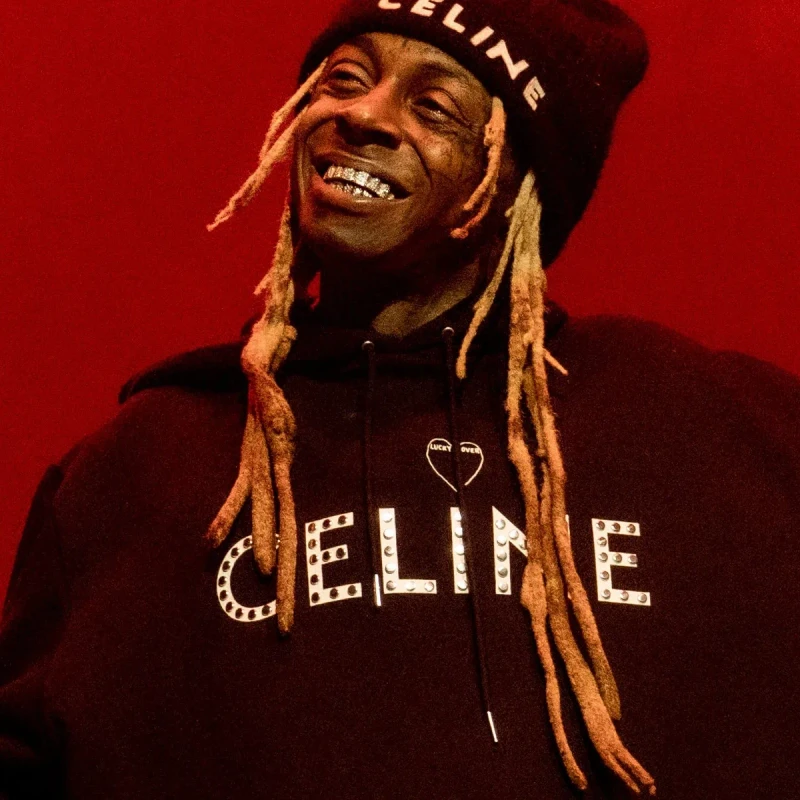
    Lil Wayne is sharing his perspective on artificial intelligence (AI), making it clear that he’s not threatened by the technology’s advancements. In a recent appearance on Cam Heyward’s podcast, “Not Just Football,” the legendary rapper discussed his views on AI, revealing a surprising fondness for it, primarily because he believes human skills still surpass its capabilities.

    Confidence in Human Creativity Over AI

    Wayne stated, “I love that A.I. is what it is. I love to be able to stand right next to whoever A.I. is […] and I know I’m still better.” He recalled experimenting with AI by generating verses to test its output. “They all sucked,” he admitted, which only reinforced his belief that AI cannot replace human artistry. He advises those concerned about job displacement by AI to focus on improving their own skills.

    This perspective comes as Lil Wayne prepares for his “Tha Carter” 20th Anniversary Tour, celebrating his iconic album series. The tour, which will feature special guests 2 Chainz and The Game, is set to begin in late June in Bangor, Maine, and will cover various cities across North America before concluding in October.

    Reflections on Recovery and Artistic Authenticity

    Wayne has also been open about his personal journey with substance abuse. In a 2023 interview on Lil Yachty’s “A Safe Place” podcast, he revealed he was in recovery from a pill addiction. “I thought I’d never stop popping pills, but I stopped popping pills,” he shared, while also noting his continued use of lean. His candidness highlights a commitment to authenticity, both in his music and in sharing his personal experiences.

    His views on AI reflect a confidence in the enduring value of human creativity and experience, suggesting that while technology can assist, it cannot replicate the genuine artistry and personal narrative that define a true artist. This perspective resonates with fans who appreciate his raw honesty and unique artistic voice.

    What are your thoughts on Lil Wayne’s perspective on AI versus human creativity? Do you agree that human skills will always surpass AI in the arts? Share your opinions in the comments below!

  • Facebook’s ‘Creator Fast Track’ Program Launched

    Facebook is rolling out a new initiative designed to fast-track the success of established creators on its platform. The social media giant has introduced the “Creator Fast Track” program, which promises guaranteed pay and enhanced content reach, aiming to help creators scale their presence and monetize their work more effectively.

    Boosting Creator Earnings and Reach

    The program is a direct response to creator feedback indicating that transitioning to Facebook and building a community from scratch can be a daunting process. Yair Livne, VP of Creator Product at Facebook, explained in a briefing, “We wanted to be able to address creators’ concerns that it would be a hard road to onboard onto Facebook and build a community from scratch and build a following.” The Creator Fast Track program is designed to alleviate these onboarding challenges.

    In 2025 alone, Facebook reported paying creators nearly $3 billion, marking a significant 35% increase from the previous year. This new program aims to further incentivize and support creators, particularly those already successful on other platforms.

    Program Perks and Eligibility

    Participants in the Creator Fast Track program will enjoy several key benefits. These include increased reach for eligible Reels and a three-month period of guaranteed pay. The monthly compensation can range from $1,000 to $3,000, depending on the creator’s existing following.

    Creators with at least 100,000 followers on platforms like Instagram, TikTok, or YouTube will qualify for the $1,000 monthly payment. Those who boast over 1 million followers on these platforms will receive the higher $3,000 monthly compensation. Livne noted that creators don’t necessarily need to produce entirely new content for the program, stating, “You don’t need to create exclusive, brand-new content for this program to meet our initial posting conditions… if you have a great back catalog of best hits, we would love to get that as well.”

    Long-Term Monetization Opportunities

    Beyond the initial Fast Track period, creators will also be admitted into Facebook’s Content Monetization program. This will provide them with opportunities for additional earnings after the program concludes, ensuring continued support for their growth on the platform.

    Interested creators can apply for the program via a dedicated link provided by Facebook. This initiative signals Facebook’s commitment to attracting and retaining top talent by offering tangible financial incentives and a streamlined path to success.

    Are you a creator looking to expand your reach on Facebook? What are your thoughts on the ‘Creator Fast Track’ program? Share your insights in the comments below!

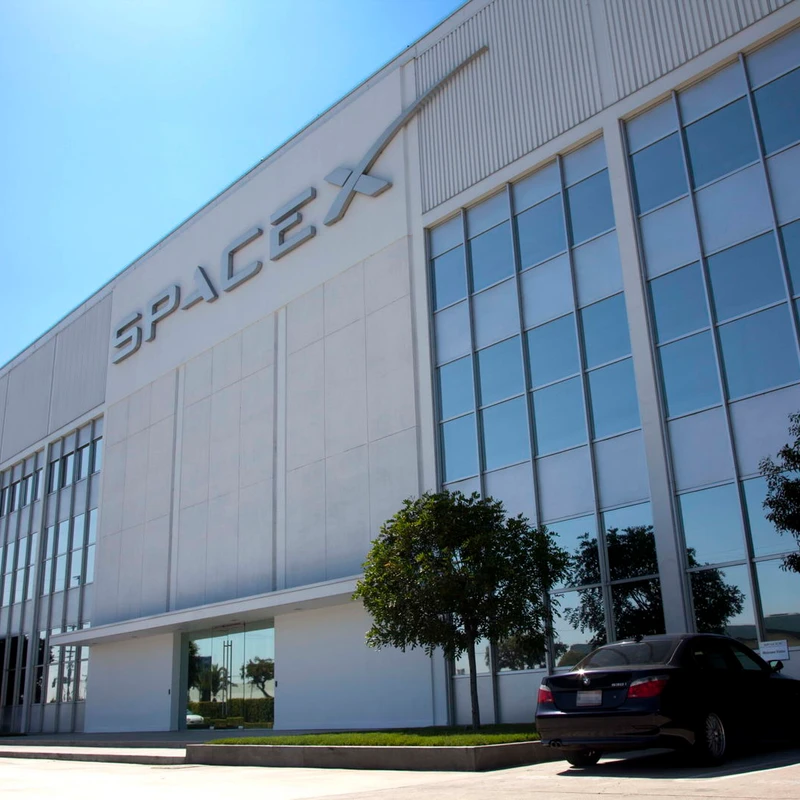
  • SpaceX’s Dominance in Commercial Space Launches

    Remember when space exploration was solely the domain of government agencies? Those days are long gone! Since the Soviet Union launched Sputnik 1 in 1957, the landscape has dramatically shifted. Today, private companies are not just launching satellites and operating orbital constellations, but also ferrying astronauts to the International Space Station and even pioneering space tourism. For investors, this burgeoning space industry presents exciting opportunities, and one company, in particular, is leading the charge: SpaceX.

    The Rapid Growth of Space Launches

    The pace of space exploration is accelerating at an unprecedented rate. Tracking space launches involves metrics like orbital launches (reaching speeds for at least one orbit) and spacecraft launches (crossing the 50-mile altitude mark). The amount of payload sent into orbit, measured in kilograms, has also surged. As recently as 2015, U.S. orbital launches were rare, often numbering in the single digits annually. Fast forward to today, and launches are happening roughly every 30 hours worldwide, with the U.S. leading the way. The total upmass sent to orbit has more than quintupled between 2020 and 2025, reaching over 3,000 tons, with SpaceX’s Starlink satellites forming the bulk of U.S. payloads.

    SpaceX’s Unrivaled Market Share

    When you look at who’s launching these rockets and carrying all this valuable payload, the answer increasingly points to SpaceX. While competitors like United Launch Alliance (ULA), Rocket Lab, and Europe’s Arianespace are active, SpaceX’s numbers are staggering. In 2025, for instance, SpaceX conducted an astounding 171 launches, dwarfing Rocket Lab’s 20, ULA’s 6, and Arianespace’s 7. This dominance is the result of a remarkable journey for SpaceX, which went from being on the brink of bankruptcy in 2008 to becoming the first private company to orbit a spacecraft in 2010.

    SpaceX’s market share in commercial space contracts reached an impressive 45% by 2017 and has only grown since. The company has consistently broken launch records throughout the 2020s, now accounting for roughly 80% of all U.S. space launches. Their commercial launch pace and market capture are truly remarkable:

    • 2020: 25 commercial launches, 64% market share
    • 2021: 32 commercial launches, 59% market share
    • 2022: 57 commercial launches, 72% market share
    • 2023: 92 commercial launches, 80% market share
    • 2024: 130 commercial launches, 84% market share
    • 2025: 161 commercial launches, 82% market share

    Global Launch Landscape and Investor Opportunities

    While the U.S. leads in space exploration, China’s launch activity is accelerating, and Russia’s has slowed considerably. However, the U.S. remains the undisputed leader, with over 7,600 launches between 2010 and 2023. This robust growth in commercial space launches signifies a booming industry, albeit one that is high-risk and high-reward, with companies often operating at a loss during development phases.

    For investors, the space sector offers various avenues. Established players like Boeing and Lockheed Martin (part of ULA) are well-known defense contractors with significant space operations. Rocket Lab is another prominent player. If SpaceX goes public, it will undoubtedly be a major focus. Beyond these, ‘newspace’ companies like AST SpaceMobile, BlackSky, and Planet Labs offer high-growth potential but also carry significant risk. For those seeking diversified exposure, space-focused ETFs, such as the ARK Space Exploration & Innovation ETF (ARKX), provide a way to invest in a broad range of space stocks, from established giants to promising startups.

    What are your thoughts on the future of commercial space launches and SpaceX’s role in it? Share your insights in the comments below!

  • AI’s Impact on Small Businesses: Lost Clients & Future Strategies

    Artificial intelligence (AI) is no longer a futuristic concept; it’s here, and it’s actively changing how businesses operate. For entrepreneurs, this means navigating a complex relationship with AI – one filled with potential opportunities but also significant challenges. A recent survey by UPrinting reveals a stark reality: one in four business owners have lost clients in the past year because customers opted for AI tools instead of their professional services. This shift is forcing business owners to adapt, stay competitive, and find ways to integrate automation without losing the essential human touch that defines their work.

    When AI Becomes the Competition

    The rise of AI-powered tools has empowered consumers to become DIY experts overnight. Just as YouTube tutorials once democratized skills like graphic design, AI now offers instant solutions for tasks like logo generation. This convenience often outweighs the perceived value of human expertise, leading to a direct loss of business for many service providers. According to UPrinting’s study, 25% of business owners have experienced this firsthand.

    However, this disruption isn’t solely a threat; it’s also a catalyst for innovation. Many entrepreneurs are responding with creativity and resilience. They’re doubling down on the unique value they offer – expertise, judgment, and genuine human connection – qualities that machines simply can’t replicate. Furthermore, many are strategically integrating AI into their own processes to enhance efficiency and stay competitive, learning to coexist with the very technology that’s reshaping their industries.

    Balancing Technology with Trust and Authenticity

    As AI becomes more embedded in daily operations, a significant concern emerges: maintaining authenticity. A substantial 65.5% of business owners worry that over-reliance on AI could make their business feel less personal. For small and medium-sized businesses, authenticity is their superpower. They’ve cultivated loyal customer bases through personal relationships and genuine interactions – elements that algorithms struggle to replicate. In fact, consumers are increasingly fatigued by generic AI-generated content, often perceiving it as lazy or impersonal.

    The key lies in finding the right balance. Business owners are learning to use AI as a support system, not a replacement for their brand’s unique personality. This might involve customizing communications, ensuring real people remain in customer-facing roles, or leveraging AI for behind-the-scenes efficiency. The ultimate goal is to innovate without sacrificing the trust that forms the bedrock of their business.

    AI as a Marketing and Customer Service Powerhouse

    When it comes to marketing content, nearly half (46%) of small business owners see AI as a significant help. From social media posts and blog articles to email campaigns, AI marketing tools offer a powerful way to save time and increase visibility. Many small business owners juggle multiple roles, and content creation often falls by the wayside. Generative AI tools bridge this gap, enabling consistency and creativity without the need for expensive agencies. AI is becoming a valuable creative partner, transforming hours of work into minutes and freeing up entrepreneurs to focus on growth, strategy, and customer relationships.

    For higher-earning businesses (those making $150,000+ annually), AI’s biggest impact is seen in customer support. As businesses scale, the demand for fast, consistent communication intensifies. AI-powered chatbots and virtual assistants enable smaller teams to provide 24/7 responsiveness without a proportional increase in staff. This isn’t about replacing human agents but enhancing the customer experience. By automating frequently asked questions and streamlining routine requests, human staff can focus on complex, high-value interactions, leading to quicker resolutions and happier customers.

    Gen Z’s Concerns and Senior Managers’ Boundaries

    Not all business owners are embracing AI without reservation. One in five Gen Z entrepreneurs express significant worry about AI-driven misinformation and its potential impact on their brand reputation. Having grown up amidst the rise of fake news and deepfakes, this generation is acutely aware of how quickly misinformation can spread and the difficulty of correcting it. They prioritize brand credibility and view AI as both a powerful tool and a potential risk, often opting for a more transparent and carefully overseen approach.

    Similarly, human judgment remains paramount in critical areas like hiring. The survey found that 50% of senior managers refuse to delegate hiring or performance decisions to AI. They are wary of biased algorithms and understand that people management requires empathy and context, not just data points. While not anti-AI, they are pro-accountability, ensuring fairness and preserving company culture by keeping the final say in human hands.

    The Path Forward: Human Resilience in the Age of AI

    The UPrinting study highlights that business owners are thinking critically about how to leverage AI effectively without sacrificing their unique identity. While AI presents new hurdles, it also unlocks innovative ways to connect with customers, drive growth, and serve them more intelligently. The future of business isn’t solely about AI; it’s about human resilience, adaptability, and the enduring value of genuine connection.

    How is AI impacting your business or industry? Share your experiences and insights in the comments below!
  • AI Predicts and Prevents Weather Disasters

    The insurance industry is at a crossroads. With climate change fueling more frequent and intense weather events like hurricanes and wildfires, traditional risk assessment models are struggling to keep pace. This has led to a surge in costly home insurance claims, threatening financial stability and the very promise of protection that policyholders rely on. But a powerful new solution is emerging: the integration of artificial intelligence (AI), machine learning (ML), and Big Data is transforming insurance from a reactive process to a proactive strategy focused on risk prediction and prevention.

    A New Era for Home Insurance: Beyond ZIP Codes

    For homeowners, insurance has always been about protection from the unexpected. Historically, this meant relying on broad actuarial averages based primarily on ZIP codes, property age, and construction type. This approach was inefficient, often leading to homeowners who invested in property resilience subsidizing those who didn’t. More critically, it struggled to keep up with hyper-localized, rapidly escalating climate risks.

    AI-driven data models are changing this dramatically. Instead of a single, generalized risk score, insurers can now create a “digital twin” of individual properties. This allows for unprecedented granularity in assessing hazards, leading to more equitable and personalized premiums. Homeowners who invest in mitigation efforts, like impact-resistant roofing or water-flow monitoring systems, can see direct reductions in their coverage costs, creating a powerful incentive for resilience.

    AI Tackles Major Catastrophes: Hail, Hurricanes, Wildfires, and Floods

    The financial impact of weather-related disasters is staggering, with annual insured losses reaching hundreds of billions. AI is proving invaluable across the spectrum of major catastrophic events by processing vast amounts of data with incredible speed and accuracy.

    • **Hail Storms:** AI analyzes satellite imagery, drone footage, and high-resolution radar to predict hail formation with precision. It assesses individual property vulnerability based on roof material, age, and shape, enabling insurers to offer incentives for upgrades and timely maintenance.
    • **Hurricanes:** Generative AI models can run thousands of hurricane simulations in minutes, providing real-time ensemble forecasts. Post-event, AI-powered computer vision analyzes aerial imagery for instant damage assessments, streamlining claims triage.
    • **Wildfires:** AI models ingest data on soil moisture, topography, wind forecasts, and historical patterns to generate accurate Wildfire Risk Scores. This allows insurers to recommend specific mitigation steps for properties, like creating defensible space, and offer fairer premiums for resilient homes.
    • **Floods:** AI revolutionizes flood prediction with hyperlocal inundation models that integrate real-time rainfall data and high-resolution elevation models. This enables near real-time alerts to policyholders and rapid identification of exposed properties for claims processing.

    Streamlining Claims and Building Resilience

    Beyond prediction and prevention, AI is also transforming the claims process. Natural Language Processing (NLP) helps summarize claim narratives and flag key details, accelerating initial responses. Computer Vision (CV) analyzes imagery to automatically assess damage, speeding up estimates and reducing the need for immediate physical inspections. Anomaly detection algorithms help mitigate fraud, protecting the policy pool while ensuring legitimate claims are processed swiftly.

    The insurance industry is shifting from being a passive payer of losses to an active partner in building community resilience. AI and ML are not just about efficiency; they are the foundation for a more precise, proactive, and equitable homeowners insurance model. By leveraging granular data, encouraging pre-incident action, and improving the post-catastrophe experience, insurers are safeguarding both their financial health and the security of communities in an increasingly unpredictable climate. The era of reactive insurance is ending; the age of AI-driven resilience has begun.

    What are your thoughts on AI’s role in preventing weather catastrophes? Do you think this technology will make insurance more accessible and affordable? Share your views in the comments below!

  • iHeartRadio Bans AI Music, Launches ‘Guaranteed Human’

    In a bold move that sets it apart in the rapidly evolving digital landscape, iHeartRadio has announced it will not be playing AI-generated music featuring synthetic vocalists. The company is doubling down on human connection, launching a new initiative called ‘Guaranteed Human’ for its podcasts and programming.

    Prioritizing Authenticity Over AI

    Tom Poleman, iHeartRadio’s chief programming officer and president, stated in a letter that the company values the companionship, connection, and authenticity that only humans can provide. “iHeart is one of the last truly human entertainment sources,” Poleman explained, emphasizing that AI simply can’t replicate that genuine human touch that listeners crave.

    This decision comes at a time when AI artists are gaining traction. For instance, Solomon Ray, an AI soul singer created by Christian Hip-Hop artist Christopher “Topher” Townsend, has amassed over 324,000 monthly listeners and even topped iTunes’ Christian and gospel charts. Another AI artist, Xania Monet, created by Telisha Jones, has secured a multi-million dollar deal with Hallwood Media.

    The ‘Guaranteed Human’ Program

    While iHeartRadio isn’t shunning AI entirely – they’re embracing it for productivity and distribution tools – they are drawing a firm line at synthetic voices in music and AI personalities. The ‘Guaranteed Human’ program will be integrated into their programming, with stations encouraged to create fun, nonchalant ‘sweepers’ that end with the phrase ‘Guaranteed Human.’ These will be dropped into programming hourly to reinforce the brand’s commitment.

    Poleman highlighted that a significant majority of consumers (around 90%) actively seek media created by real people. “‘Guaranteed Human’ is a core part of our brand,” he noted, stressing that it’s not just a tagline but a promise to their listeners. This initiative aims to ensure that every interaction listeners have with iHeartRadio feels genuine and human.

    Why This Matters to Listeners

    In an era where AI is increasingly capable of mimicking human creativity, iHeartRadio’s decision is a powerful statement about the enduring value of human artistry and connection. For listeners who tune in for companionship and authenticity, this commitment ensures that the voices and music they love will remain undeniably human.

    What do you think about iHeartRadio’s ‘Guaranteed Human’ program? Do you prefer human-created music and content over AI-generated alternatives? Share your thoughts in the comments below!

  • AT&T Scales Back DEI Amid FCC Deal Approval

    In a significant shift, AT&T has announced it is dismantling its Diversity, Equity, and Inclusion (DEI) policies. This move comes as the telecommunications giant seeks approval from the Federal Communications Commission (FCC) for a major deal. The company’s decision is influenced by recent executive orders, Supreme Court rulings, and guidance from the U.S. Equal Employment Opportunity Commission (EEOC).

    No More DEI Roles or Training

    According to a letter shared on X, AT&T explicitly stated that it “does not and will not have any roles focused on DEI.” This means that positions specifically dedicated to DEI initiatives are being eliminated. Furthermore, the company plans to remove all DEI training programs and internal/external messaging related to these efforts.

    AT&T emphasized its commitment to a merit-based system, stating, “AT&T has always stood for merit-based opportunity, and we are pleased to reaffirm our commitment to equal employment opportunity and nondiscrimination today.” The company aims to foster an environment free from discrimination, aligning with current legal frameworks.

    The $1.02 Billion UScellular Deal

    This policy adjustment is directly linked to AT&T’s November 2024 agreement to purchase wireless spectrum licenses from UScellular for a substantial $1.02 billion. CNN reports that this deal requires FCC approval, and the current administration has reportedly made the dismantling of DEI programs a condition for such approvals.

    This move by AT&T follows a broader trend. The administration previously struck down federal DEI initiatives in January, prompting many corporations to re-evaluate their own policies to ensure compliance. Companies are working to align their practices with the evolving regulatory landscape.

    Other Carriers Making Similar Shifts

    AT&T isn’t the only major player in the wireless industry making changes. Verizon also recently shifted its stance on DEI. In May, Verizon’s Chief Legal Officer noted that while the company remains committed to valuing unique strengths, the “regulatory and policy landscape surrounding diversity, equity, and inclusion has changed.”

    Interestingly, just one day after Verizon’s letter, the company received approval to purchase Frontier Communications for $20 billion, expanding its reach significantly. This suggests a potential correlation between policy adjustments and regulatory approvals in the sector.

    A Growing Corporate Trend

    AT&T and Verizon join a growing list of prominent companies that are scaling back or restructuring their DEI efforts. Major corporations like Amazon, Meta, McDonald’s, and Lowe’s have also been reported to be making similar adjustments to their diversity and inclusion programs.

    What are your thoughts on AT&T’s decision to dismantle its DEI policies? Do you think this trend will continue across other major corporations? Share your perspective in the comments below!

  • Her Fantasy Box Hits $100M: A Wellness Empire Built on Purpose

    Imagine turning a deeply personal struggle into a thriving business that not only helps others but also achieves monumental success. That’s exactly the inspiring journey of Kayla Rowe, the brilliant mind behind Her Fantasy Box. This plant-based feminine hygiene and wellness brand has just shattered a major milestone, crossing an incredible $100 million in total sales. And guess what? It’s even earned a shout-out from none other than Cardi B!

    From Personal Pain to Purposeful Business

    Kayla Rowe, a University of South Florida alum with a public health background, didn’t set out to build a business empire. Her path was forged through personal experience. In 2021, she endured the heartbreak of a miscarriage at five months pregnant. This profound event shifted her perspective dramatically.

    “That was very hard for me,” Rowe shared. “After that happened, I became more aware of everything, what I was eating, putting on my body, [and] I just became more cognizant and aware of health.” This newfound awareness became the bedrock for her future venture.

    Introducing Her Fantasy Box: Safety and Wellness First

    Just a year after her personal loss, Rowe launched Her Fantasy Box. The brand’s core mission? To provide plant-based feminine hygiene and wellness products that are safe, transparent, and prioritize women’s health. Rowe was adamant about excluding toxic ingredients like parabens and phthalates, which can negatively impact reproductive health.

    The product line is impressive, featuring items like Healthy Box Probiotics, Everywhere Deodorant, and Vita C Bright — Turmeric Body Wash. One standout product, the Body Splash — Skin Smoothing Body Oil, even caught the eye of superstar Cardi B, who raved about its skin-softening qualities.

    As Rowe puts it, “Women’s care doesn’t just stop at the vagina. We’re creating a full self-care ecosystem.” This holistic approach is clearly resonating with customers.

    TikTok Fuels Explosive Growth

    Her Fantasy Box’s meteoric rise has been significantly boosted by TikTok. The platform has become a powerhouse for the brand, making it the top feminine hygiene and wellness brand there. With a dedicated following of over 388,000 users and millions of likes, the brand’s presence is undeniable.

    The numbers speak for themselves: as of October 31st, Her Fantasy Box had already generated more than $19.9 million on TikTok Shop alone. Rowe emphasizes the speed at which information travels on platforms like TikTok, highlighting the intentionality behind every product formulation.

    This incredible success on social media, combined with a commitment to quality and purpose, has propelled the brand to over $100 million in total sales. It’s a testament to Rowe’s vision and dedication.

    More Than Just Products: Building a Community

    Beyond the impressive sales figures, Kayla Rowe has cultivated something even more valuable: a community. Her Fantasy Box provides a safe space for women to share their experiences, knowledge, and resources related to improving their overall health. It’s a powerful example of how entrepreneurship can foster connection and empowerment.

    What do you think about Kayla Rowe’s inspiring journey with Her Fantasy Box? Share your thoughts on purpose-driven businesses in the comments below!

  • Fanbase & Pocstock: Earn While Training AI

    Ever wished you could get paid for the content you create, not just for likes and views, but for helping shape the future of technology? Well, Fanbase and Pocstock are making that a reality! This exciting new partnership aims to let users earn money by training Artificial Intelligence (AI) on their own creative work.

    Fanbase: Paying Creators from Day One

    Founded in 2018 by Isaac Hayes III, Fanbase has always been about empowering creators. Based in Atlanta, GA, their social media platform is designed to pay users from the very first day they start posting. Whether it’s videos, photos, audio, or stories, Fanbase ensures that your content has monetary value right out of the gate.

    This commitment to creator compensation makes them a natural fit for their new collaborator, Pocstock. Pocstock is a global company focused on diversity in stock content, offering royalty-free images, videos, and illustrations that represent Black, Hispanic, Asian, and Indigenous people, as well as individuals with disabilities.

    The Power of AI and the Need for Ethical Training

    Pocstock has been at the forefront of ensuring diversity in AI training data. CEO Steve Jones emphasized the critical nature of AI development, stating, “AI is not born intelligent. It learns to mimic human intelligence by being trained using massive amounts of data. It can learn to be racist from the data it receives…” This highlights the importance of using curated, diverse datasets to prevent biased AI outcomes.

    Pocstock secured $500,000 in seed funding in 2023, partly to integrate AI and enhance their diversity-imaging solutions. Their focus is on ensuring that AI models are trained responsibly and ethically, a mission that aligns perfectly with Fanbase’s creator-centric approach.

    A Win-Win for Creators and AI Development

    Through this partnership, AI will be trained on the vast array of content shared on Fanbase. Users who opt-in to contribute their content will be compensated for their role in building the future of AI. This is a groundbreaking opportunity for creators to directly benefit from the burgeoning AI economy.

    Isaac Hayes III expressed his excitement, stating, “This collaboration with Pocstock allows us to honor that value by making sure users are compensated for the content that helps build the future of AI and the entire social media ecosystem.” Steve Jones added, “We want to make sure our community has a real place in the AI economy. Not just as consumers, but as producers.”

    • Creators can earn money by allowing their content to train AI models.
    • Fanbase ensures users are compensated for their contributions.
    • Pocstock provides ethically sourced, diverse data for AI training.
    • This partnership opens doors for creators in the AI economy.

    This collaboration is a significant step towards a more equitable AI landscape, ensuring that the creators whose content fuels these powerful technologies are recognized and rewarded. It’s a smart move for both Fanbase and Pocstock, and a fantastic opportunity for users.

    Are you a Fanbase user? Will you opt-in to train AI with your content? Let us know your thoughts in the comments!

  • Teen Founder Scales Platform for UGC Creators

    Talk about inspiring! A young Black college student is celebrating a major milestone: the second anniversary of his platform, Vidovo, which is revolutionizing how brands connect with user-generated content (UGC) creators. Elijah Khasabo, who launched Vidovo at just 19, is proving that drive and determination can turn humble beginnings into incredible success.

    From Broke Teen to Tech Entrepreneur

    Khasabo, a student at UMass Amherst, recently shared his journey on LinkedIn, reflecting on how Vidovo transformed a challenging period in his life into a story of triumph. “I was at one of my LOWEST points. No connections, nothing handed to me, and no reason anyone should’ve taken me seriously,” he wrote. “It didn’t matter that I had nothing. I had the drive, and honestly, that was enough to start.”

    Vidovo’s mission is simple yet powerful: to help brands discover and hire UGC creators for innovative content, while also simplifying the hiring and management process. It ensures that brands get high-quality, effective content, and creators gain exposure and build relationships with reputable companies.

    The Power of Bootstrapping

    Khasabo acknowledged the “struggle was real” in scaling Vidovo, especially as a bootstrapped venture. “Bootstrapping has tested everything, patience, confidence, even sanity some days, but it’s made me who I am,” he shared. “I don’t think I’d have the discipline or edge I do now without it. It’s truly forced me to grow up fast.”

    His hard work and intentional efforts have clearly paid off. With Fortune projecting Vidovo to hit a $1 million revenue milestone in 2025, Khasabo is on track to make history as a teen founder. “Brands are showing up. Creators are thriving. It’s all coming together, and it makes me so damn happy,” he expressed.

    The Future of Content Creation

    As Khasabo continues to pursue his Bachelor’s in marketing, his focus remains on expanding Vidovo’s operations. He aims to help even more brands and creators achieve their goals, solidifying his platform’s role in the evolving landscape of content creation and digital marketing.

    What do you think about Elijah Khasabo’s success with Vidovo? Are you a brand looking for UGC creators, or a creator seeking exposure? Share your experiences and thoughts in the comments below!