Tag: Technology

  • Adonica Shaw Redesigns Medical Device for Safer Childbirth

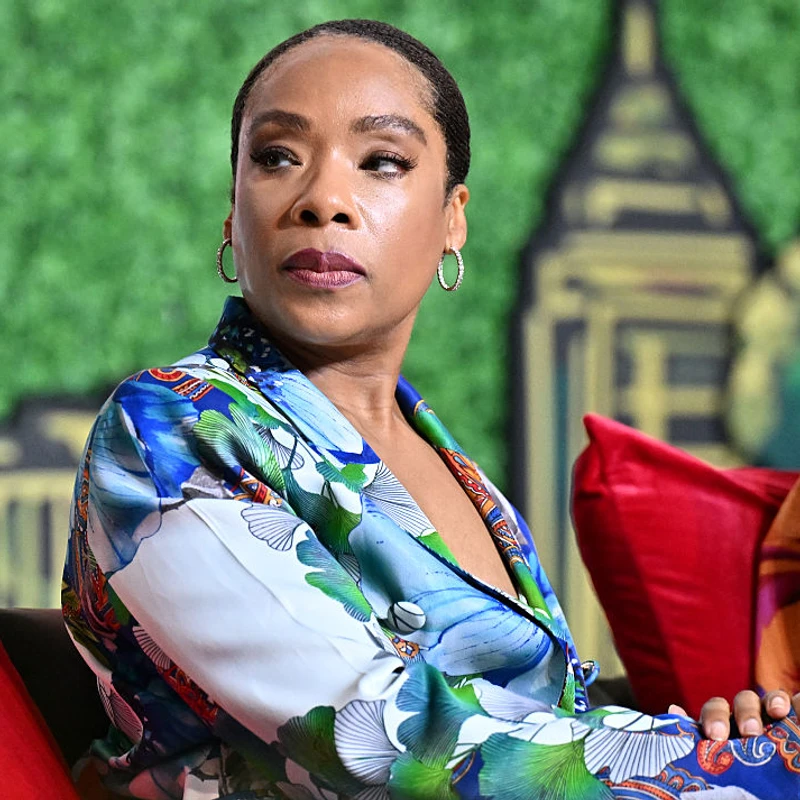
    Meet Adonica Shaw, a visionary entrepreneur whose personal journey through childbirth complications has led her to redesign critical medical tools. Inspired by her own experiences with preeclampsia and postpartum challenges, Shaw is making significant strides in improving maternal and infant safety during high-risk deliveries.

    From Lived Experience to Innovation

    Shaw’s path began after a difficult childbirth experience in 2017, where she faced severe postpartum complications and a lack of adequate guidance. This challenging period fueled her desire to create supportive spaces, leading to the launch of Wingwomen Inc., a SaaS platform for women discussing reproductive health. However, following the overturning of Roe v. Wade, user engagement waned, prompting Shaw to pivot her focus.

    With a background in design, midwifery training completed in 2025, and certification as a doula, Shaw founded Operyx™. Her initial innovation was the redesign of the vaginal speculum, leading to the AI-driven NINA platform, which earned her the FemTech Device of the Year award. Her work now encompasses over 20 women’s health innovations and dozens of ergonomic surgical tools.

    The Shawryx Titanium Obstetric Forceps

    Shaw’s latest groundbreaking invention is the Shawryx Titanium Obstetric Forceps. Historically, forceps, if misused, can lead to serious complications like cerebral palsy or nerve damage. Shaw recognized this risk and wondered if a redesign, using lighter titanium instead of heavy stainless steel and incorporating insights from past malpractice lawsuits, could reduce these adverse outcomes.

    Her innovative forceps feature ergonomic handles designed to reduce hand strain and improve control, supporting neutral wrist alignment. The refined blades are engineered to minimize trauma to both mother and baby. Available in stylish colors like gold, rose gold, blue, and champagne, the forceps are compatible with current obstetric training methods. Shaw proudly notes she may be the first woman of color to redesign and manufacture ergonomic obstetric forceps, incorporating modern ergonomics and safety engineering.

    A New Era for Women’s Health Tools

    Shaw emphasizes the unique advantage of designing tools from a female perspective, stating, “Given that all of the other iterations of the tool were generally made by men… they’ve never had a tool like that inserted into them.” She aims to shift the narrative from Black women being subjects of medical experimentation to becoming inventors and authorities in designing healthcare tools. Her work is not intended to be political but acknowledges its groundbreaking nature in a historically male-dominated field.

    Looking ahead, Shaw plans to partner with surgeons at major hospitals to introduce the Shawryx forceps and gather further feedback. She has also developed the Calibryx Titanium Atraumatic Forceps for cardiology, inspired by Dr. Michael Debakey’s designs, showcasing her expanding impact across different medical fields. These tools are set to become available in Brazil and Thailand soon.

    What do you think about Adonica Shaw’s innovative approach to medical device design? Share your thoughts in the comments below!

  • Black Creator Launches AI Animated Series ‘Synth City’

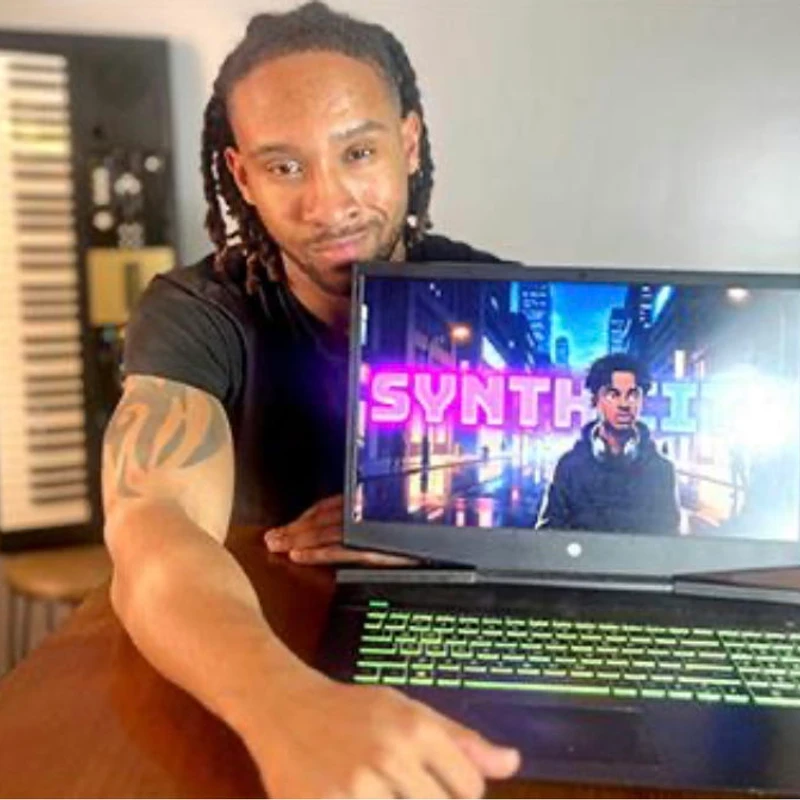
    In a world where major studios are still grappling with the implications of artificial intelligence in Hollywood, a young Black creator has already forged his own path. Meet Tierre Hummons, a 22-year-old visionary who has launched ‘Synth City,’ an AI-powered animated series that’s delivering studio-quality content without the massive budgets. This project isn’t just about cutting-edge tech; it’s a powerful statement on ownership and building infrastructure for Black creatives in entertainment.

    More Than Just Technology: A Story of Ownership

    Hummons, a recent graduate of the University of Cincinnati, developed ‘Synth City’ using a blend of AI, original music, custom-built systems, and a direct-to-audience distribution strategy. This approach creates a scalable blueprint for Black ownership in the entertainment industry, proving that groundbreaking content can be produced independently.

    The series itself centers on Caden, a gifted college music producer trying to escape the allure of the drug economy. However, he finds himself pulled back in by a local artist-turned-dealer who relies on his beats. ‘Synth City’ doesn’t glorify street life; instead, it delves into the real economic pressures, psychological struggles, and survival decisions faced by young creatives striving for legitimate careers.

    Reframing the Producer’s Role

    A key theme in ‘Synth City’ is reframing the often-overlooked role of the music producer. While artists typically capture the spotlight, it’s the producers who architect the sonic landscapes that define global music. Hummons’ series highlights the ambition, sacrifices, and moral dilemmas faced by these strategists, especially when success is pursued from underserved communities.

    Hummons strategically employed AI not as a shortcut, but as a powerful equalizer. By integrating animation tools, AI-assisted rendering, original scoring, and direct digital distribution, he built a vertically integrated system. This means full creative control without the need for outside investors, licensing deals, or compromises.

    Expanding Cultural Influence

    The impact of ‘Synth City’ is growing. National recording artist Jhonni Blaze is set to feature in upcoming episodes, bridging the gap between independent animation and established music talent. Furthermore, collaborations with Diamond of Crime Mob, known for the iconic track ‘Knuck If You Buck,’ underscore the show’s authentic connection to hip-hop culture.

    • Creator-owned intellectual property
    • AI-powered cost efficiency
    • Independent digital distribution
    • Long-term franchise scalability

    In an era where Black creatives often drive culture but lack ownership, ‘Synth City’ offers a compelling alternative model. Hummons bypassed traditional gatekeepers by building his own ecosystem, demonstrating how emerging technologies can empower creators. As AI continues to reshape the media landscape, ‘Synth City’ stands as a pioneering example of how Black innovators can lead the future of entertainment, entirely on their own terms.

    What do you think about Tierre Hummons’ innovative approach with ‘Synth City’? Share your thoughts on AI’s role in independent entertainment in the comments below!

  • Meta & YouTube Found Liable in Addiction Lawsuit

    In a decision that could reshape the digital landscape, Meta and YouTube have been found liable in a lawsuit concerning social media addiction. This landmark ruling, which one advocate has dubbed “Big Tech’s Big Tobacco moment,” holds the tech giants accountable for intentionally designing addictive features that negatively impact young users’ well-being.

    A Verdict for Accountability

    The lawsuit, filed by a young woman identified as Kaley (KGM), alleged that compulsive use of Meta’s platforms (Instagram, Facebook, WhatsApp) and Google’s YouTube led to severe anxiety, body dysmorphia, and even suicidal thoughts. The jury’s verdict on March 25 found both companies liable for intentionally designing addictive platforms that harmed the 20-year-old plaintiff’s mental health.

    Sarah Gardner, CEO of the Heat Initiative, celebrated the verdict, stating, “For the parents whose children died as a result of social media harms, today’s verdict is a huge step toward truth, justice, and accountability.” She emphasized that the harm caused by these companies has now been proven in a court of law.

    Damages and Defense Strategies

    The plaintiff was awarded $6 million in damages: $3 million in compensatory damages and another $3 million in punitive damages. This award reflects the jury’s finding that Meta and Google acted with “malice, oppression, or fraud” in their platform designs. Meta is expected to cover 70% of the award, with Google covering the remaining 30%.

    Both companies have stated their commitment to youth safety and plan to appeal the decision. Meta argues that “teen mental health is profoundly complex and cannot be tied to a single app,” while Google contends that YouTube is a streaming platform, not social media, and was responsibly built. However, advocates believe this verdict could pave the way for hundreds of similar lawsuits.

    Broader Implications for Big Tech

    This Los Angeles verdict follows another recent New Mexico jury finding Meta liable for exposing children to harmful content, including explicit material and predators. With another major case against Meta and other social media companies set to begin in federal court in June, the pressure on Big Tech to address the mental health impacts of their platforms is mounting.

    The decision serves as a critical moment, potentially signaling a shift in how social media companies are held accountable for the design choices that influence user behavior and mental well-being. It raises important questions about responsibility, regulation, and the future of digital engagement for young people.

    What are your thoughts on this lawsuit verdict? Do you believe social media platforms are intentionally designed to be addictive? Share your opinions in the comments below!

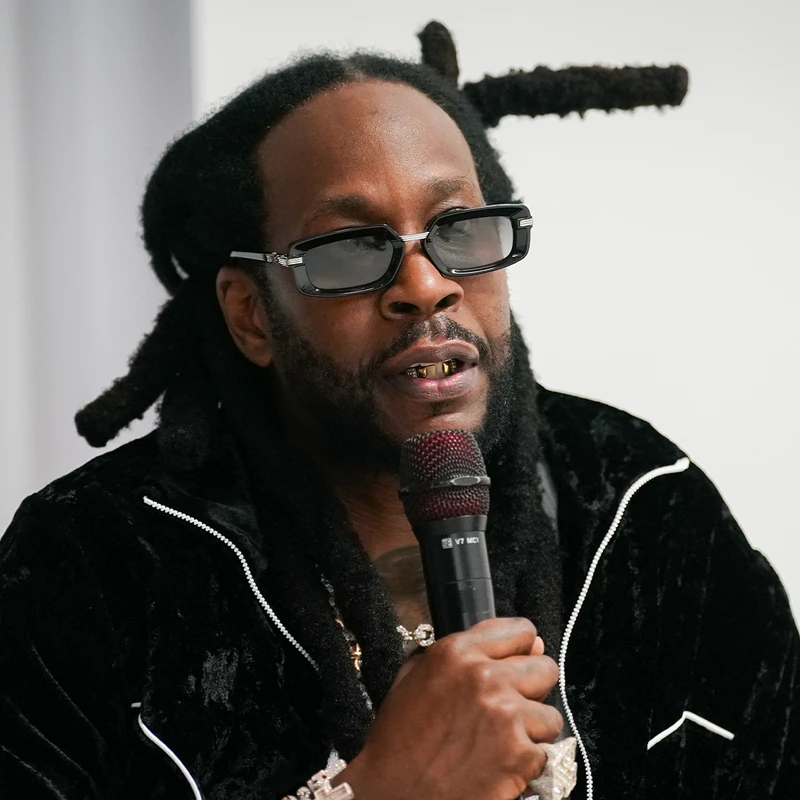
  • 2 Chainz’s Secret to Smart Investing: SpaceX!

    Ever wonder how some of your favorite artists diversify their income beyond the stage? Well, rapper and entrepreneur 2 Chainz just dropped a major hint about one of his most successful ventures. It turns out, this hip-hop icon is also a savvy investor, and he’s revealed that getting in on the ground floor of SpaceX was a game-changer for his portfolio.

    An Early Bet on the Stars

    During a recent appearance on the popular “Earn Your Leisure” podcast, 2 Chainz, whose real name is Tauheed Epps, confirmed his early investment in Elon Musk’s groundbreaking aerospace company, SpaceX. Founded in 2002, SpaceX has revolutionized the space industry with its reusable rockets and ambitious missions, even making history by being the first private company to send astronauts to the International Space Station in 2020.

    How did he get such an exclusive opportunity? 2 Chainz explained that his connections in private equity played a crucial role. “I know some PE guys that, when it came across their desk, they would give me the opportunity,” he shared. He likened the feeling of getting into SpaceX early to his experience with Bitcoin, emphasizing the potential for massive returns.

    The Power of Early Investment

    The rapper stressed that timing is everything in the investment world. “You can’t wait for that IPO, huh?” podcast host Troy Millings asked, hinting at the potential for SpaceX to go public soon. While the company hasn’t IPO’d yet, speculation is rife, with reports suggesting it could aim to raise over $75 billion and achieve a staggering $1.75 trillion valuation.

    This strategic move into aerospace is just one piece of 2 Chainz’s diverse investment strategy. He also highlighted his investments in the artificial intelligence company Anthropic and the sustainable bottled water brand ZenWater as other smart financial decisions.

    Beyond the Music: A Business Mogul

    With a reported net worth of $12 million, 2 Chainz (Tauheed Epps) is proving that success in the music industry can be a springboard for significant wealth creation through smart business acumen. His ability to identify and invest in high-growth potential companies like SpaceX demonstrates a keen understanding of future market trends.

    It’s inspiring to see artists leverage their platforms and resources to build lasting financial legacies. 2 Chainz’s journey into tech investing offers a valuable lesson for anyone looking to grow their wealth beyond traditional avenues.

    What do you think about 2 Chainz’s investment in SpaceX? Share your thoughts on celebrity investing in the comments below!

  • Cardi B Tackles Inbox Anxiety with Yahoo AI

    We’ve all been there: drowning in emails, sticky notes, and endless reminders, feeling the pressure to keep up with everything. Cardi B is bringing this relatable chaos to life in a new, humorous campaign for Yahoo Mail, highlighting a very real modern struggle: inbox anxiety.

    Conquering Chaos with AI

    In the new “Cardi B Busy” commercial, directed by Maya Table, the Grammy-winning artist perfectly embodies the feeling of being overwhelmed. The ad visually represents modern burnout, showing Cardi juggling her many roles as an artist, entrepreneur, and mom, all while her inbox explodes with notifications. It’s a comedic yet poignant portrayal of trying to manage it all.

    The turning point comes when her manager, Patientce Foster, introduces Yahoo Mail’s new AI-powered Planner feature. This innovative tool is designed to transform cluttered inboxes into organized, actionable to-do lists, bringing order to the chaos. A signature Cardi B touch is included with a reminder to “laugh at my haters,” adding her unique flair to the campaign.

    Fighting ‘FOMSI’ with Technology

    At the heart of the campaign is the concept of “FOMSI” – the Fear of Missing Something Important. This modern digital anxiety is particularly relevant today, as emails often serve as calendars, task managers, and communication hubs all in one. Yahoo’s Planner tackles FOMSI by using AI to extract key information from emails, converting them into reminders, deadlines, and scheduled tasks within a single, manageable system.

    Authenticity Meets Innovation

    The campaign effectively uses Cardi B’s authentic personality and humor to make new technology feel less intimidating and more like a valuable lifestyle upgrade. As Yahoo’s Chief Marketing Officer Josh Line explained, the goal is to help users “stay on top of what matters” without feeling overwhelmed. By running the campaign across platforms like TikTok, Instagram, and YouTube, Yahoo meets its audience where they are, turning a common digital stressor into an entertaining and practical solution.

    Do you struggle with inbox anxiety? How do you manage your emails and tasks? Share your tips and thoughts in the comments below!

  • Lil Wayne on AI: ‘Do Your Job Better’

    In a world increasingly shaped by artificial intelligence, many are wondering about its impact on jobs and creativity. Rapper Lil Wayne, however, isn’t worried about AI taking over his spot. He believes that instead of fearing the technology, people should focus on improving their own skills.

    Lil Wayne’s Confidence in His Talent

    During an appearance on the “Not Just Football with Cam Heyward” podcast, Lil Wayne expressed his confidence in his unique abilities. He stated that while he appreciates AI, he doesn’t believe it can currently replicate the creative process behind his iconic hits, like “A Milli.”

    “I love it. I love that AI is what it is. I love to be able to stand right next to whoever AI is… and I’m still better,” Wayne shared. He recounted how a friend introduced him to AI’s ability to generate verses in his style, prompting him to test it himself on various devices and platforms, including Proto, known for its AI avatars.

    Testing AI’s Capabilities

    Lil Wayne admitted he’s tried asking AI to create verses in his likeness multiple times. “Give me a verse like Lil Wayne,’” he recalled asking. Despite trying on phones, computers, and even a commercial project, he found the results lacking. “They all suck. So we going to be OK,” he concluded, reinforcing his belief in his own irreplaceable talent.

    Advice for the Fearful

    When asked directly if he felt AI could replace him, Wayne responded with a firm “not at all.” He then offered straightforward advice to anyone feeling anxious about AI potentially taking their jobs, whether they’re musicians or in other professions. “If you’re a janitor, and you’re fearing that AI will take your job, do your job better,” he urged.

    This perspective emphasizes personal growth and skill enhancement as the key to navigating technological advancements. Lil Wayne’s stance suggests that embracing innovation while honing one’s craft is the best strategy for staying relevant in any field.

    What do you think about Lil Wayne’s advice on AI? Do you agree that focusing on improving your skills is the best approach? Share your thoughts in the comments!

  • Howard & Bowie State Launch $4M AI Initiative

    Get ready for a major boost in AI education at Historically Black Colleges and Universities (HBCUs)! Howard University and Bowie State University are joining forces on an exciting $4 million initiative designed to equip students and faculty with the skills needed to navigate and innovate in the rapidly evolving world of Artificial Intelligence.

    Introducing ASCEND-AI: Bridging the Gap

    The initiative, aptly named ASCEND-AI (Advancing Student and Collaborative Educator Networks for Digital AI Integration), is spearheaded by LaTanya Brown-Robertson, associate dean for academic innovation and student success at Howard’s College of Arts and Sciences. Bolstered by a significant grant from the U.S. Department of Education, ASCEND-AI is set to impact approximately 400 undergraduate and graduate students, along with 50 faculty members at each campus annually.

    The core goals are ambitious: to significantly increase AI literacy, enhance the evaluation of AI-generated misinformation and “hallucinations,” and foster the ethical use of AI technologies. Furthermore, the program aims to prepare participants for innovation and entrepreneurship within the AI landscape.

    Empowering Faculty and Students

    A key component of ASCEND-AI involves training faculty members and providing them with the necessary resources to seamlessly integrate AI-related modules into their existing courses. This hands-on approach will allow students to directly apply AI concepts to their coursework, making the learning process more relevant and impactful.

    Industry demands for AI-ready professionals and leaders, whereas universities currently are behind in producing AI-ready graduates. The ASCEND-AI grant focuses on addressing this gap and it will help Bowie State University faculty and students develop AI fluency, i.e., develop knowledge, skills and abilities to use and collaborate with AI systems ethically, safely, efficiently and effectively. — Azene Zenebe, Professor of Information Systems, Bowie State University

    Bianca J. Jackson, founder & CEO of BrickRose Exchange and ASCEND-AI’s external evaluator, emphasized the initiative’s broader significance. She highlighted that the focus isn’t just on who builds AI tools, but crucially, who shapes their use. Jackson believes HBCU students are not merely future workers but “future creators and stewards of AI systems” who will define opportunities for their communities.

    Collaborative Workshops and Future Expansion

    Looking ahead, ASCEND-AI plans to host three large-scale collaborative workshops each year. These events will bring students and faculty from both Howard and Bowie State together for engaging AI-use competitions, showcasing innovation in research, teaching, and problem-solving. The initiative also has plans to expand its reach by including secondary school teachers in its third year, further broadening the impact of AI education.

    What are your thoughts on the importance of AI literacy in higher education? How do you think initiatives like ASCEND-AI can shape the future of tech? Share your insights in the comments below!

  • Judge Blocks Fawn Weaver’s Bankruptcy Filing

    It appears Fawn Weaver’s attempt to navigate financial challenges through bankruptcy has hit a major roadblock. A U.S. Bankruptcy Judge has officially blocked her Chapter 11 filing, stating it directly violates previous court orders related to the receivership of Uncle Nearest’s assets.

    The Receivership and Weaver’s Announcement

    As previously reported, a court-appointed receiver, Phillip G. Young Jr., has been overseeing the assets of the whiskey brand since August 2025. This action followed an alleged default on over $108 million in loans. Despite this, Weaver took to Instagram on March 17th to announce, ‘The receivership of Uncle Nearest is done,’ expressing gratitude for her team.

    Legal Actions and Debt Claims

    Around the same time, Fawn, Keith, and their investment company, Grant Sidney, filed a lawsuit against the lender, Farm Credit, in New York. They allege the lender engaged in a ‘smear campaign’ with false accusations that damaged the brand’s reputation. In parallel, Fawn Weaver filed for Chapter 11 bankruptcy, listing unsecured obligations of over $13 million. However, reports suggest the company’s actual debt is closer to $99 million.

    Judge’s Decision and Violation of Orders

    The bankruptcy filing was ultimately blocked on March 19th by U.S. Bankruptcy Judge Suzanne Bauknight. The judge pointed out that Fawn Weaver’s role under the receivership was limited to marketing and management. Filing for bankruptcy, without the approval of the receiver and the now-non-existent board of directors, directly contravened the orders set by U.S. District Judge Charles Atchley Jr., who is overseeing the main case.

    This ruling underscores the complexities of the ongoing legal situation surrounding Uncle Nearest and its founder. The court’s decision emphasizes the importance of adhering to established receivership protocols.

    What are your thoughts on this legal development for Fawn Weaver and Uncle Nearest? Share your insights in the comments below!

  • NAACP Report: Inequality Shapes US Health

    Did you know your zip code might be a bigger predictor of your health than your genes? A groundbreaking new report from the NAACP, titled ‘ACE Your Health,’ dives deep into this very question, revealing how systemic inequalities profoundly shape health outcomes across the United States. This isn’t just data; it’s a powerful look at the real-world conditions affecting millions.

    A Grassroots Look at Community Health

    Backed by rigorous analysis from Sanofi, the ‘ACE Your Health’ report is one of the most extensive grassroots assessments of community health resources to date. It compiles responses from nearly 23,000 individuals across 47 states, Washington D.C., and Puerto Rico. This massive data set offers crucial insights into the challenges faced in under-resourced and historically underserved neighborhoods.

    The goal? To equip local leaders, policymakers, advocates, and health systems with the evidence needed to drive real, meaningful change. As Tanisha M. Sullivan, Sanofi’s head of external engagement and health equity strategy, stated, “The most powerful innovations happen when we act with communities, not just for them, to address the root causes of health inequity.”

    Structural Inequities Persist

    While many respondents reported access to basic neighborhood resources like grocery stores (94%) and felt safe (71%), the data reveals persistent structural inequities. A staggering 63% of respondents reported having at least one chronic condition, with rates increasing with age and decreasing with income. This underscores the deep connection between socioeconomic status and health burden.

    Lower-income individuals are less likely to live near quality hospitals and face greater challenges with housing costs and reliable transportation. Even digital access, crucial for telehealth and economic opportunities, shows disparities, with lower-income households more often relying on cellular data or public Wi-Fi.

    Chronic Stress and Healthcare Trust

    These combined factors contribute significantly to chronic stress, identified as the most dominant influence on health. Financial strain, unsafe environments, caregiving duties, and discrimination were cited as major drivers. While trust in local healthcare providers is generally high (76%), only one in three Black or African American respondents felt truly understood, with many reporting feeling dismissed.

    The report pinpoints five key areas for focused advocacy and investment: housing and environmental conditions, transportation access, affordable and culturally responsive care, food availability, and addressing chronic stress and caregiving demands.

    Turning Findings into Action

    Dr. Chris Pernell, director of the NAACP Center for Health Equity, emphasized the report’s significance: “This report confirms what our communities have been saying for generations: your zip code can be a more powerful determinant of your health than your genetic code.” He stressed that addressing the root causes—like moldy apartments, unreliable transportation, and financial insecurity—is crucial, stating, “We cannot treat our way out of this crisis.”

    The NAACP intends to leverage these findings to guide its advocacy, support targeted investments, and empower communities to take a more active role in shaping their own health futures. This report serves as a vital roadmap for creating healthier conditions, not just treating the resulting illnesses.

    What are your thoughts on the ‘ACE Your Health’ report? How can we work together to address health inequities in our communities? Share your ideas in the comments below!

  • DoorDash Settlement: NY Drivers May Get Payout

    DoorDash is involved in a significant $16.75 million settlement that could benefit numerous delivery workers in New York. The settlement follows an investigation by New York’s attorney general’s office, which uncovered issues concerning how customer tips were being allocated.

    Investigation Reveals Misleading Tipping Practices

    The investigation found that DoorDash had been crediting customer tips towards the guaranteed payment offered to drivers, rather than paying tips in addition to base earnings. Furthermore, both Dashers and customers were reportedly misled about the distribution of these tips, with many believing tips would serve as extra compensation.

    This practice raised concerns about fair pay and transparency within the gig economy. Alex Beene, a financial literacy instructor, highlighted the importance of such settlements, stating, “This settlement brings to light concerns from not just those who use food delivery apps for consumption, but also those who work through them. They want to ensure they’re being fairly paid, and all additional pay, like tips, goes to the right area.”

    Eligibility and Claim Process

    To qualify for the settlement, individuals must have worked as a DoorDash delivery driver in New York between May 2017 and September 2019. Additionally, they must meet the condition that some or all of their customer tips were applied to their guaranteed payment. Claimants also needed to have received a notice from the settlement administrator. The deadline for submitting claims was February 13, 2026.

    For those who qualify and meet the criteria, payouts are being managed by Atticus Administration LLC. Payments, distributed bimonthly via check, ACH, Venmo, Zelle, or prepaid card, are only issued to claimants whose share amounts to at least $10. Atticus Administration LLC will also be the point of contact for any questions regarding the claimant funds.

    Impact on Nearly 63,000 New York Workers

    The settlement affects approximately 63,000 New York delivery workers who were impacted by DoorDash’s tipping policies during the specified period. This case underscores the growing attention on fair labor practices within the gig economy and the importance of transparency in compensation.

    Were you a DoorDash driver in New York between May 2017 and September 2019? Do you think this settlement adequately addresses the tipping issues? Share your thoughts in the comments below!