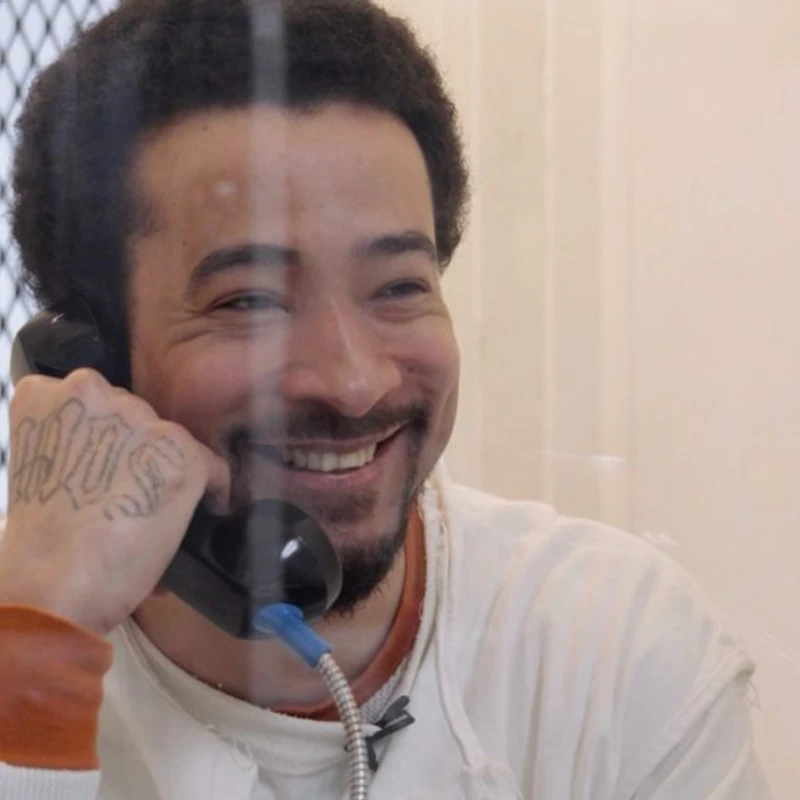
Imagine facing the ultimate penalty – execution – based not on concrete evidence of your direct actions, but on the lyrics of songs you wrote. This is the grim reality for James Broadnax, a 37-year-old Black man in Texas, who is scheduled for execution on April 30th unless Governor Greg Abbott intervenes. His case highlights a disturbing trend: the increasing use of rap lyrics as evidence in criminal proceedings, often leading to severe sentences, including the death penalty.
A Tainted Trial and a Controversial Sentence
Broadnax was convicted of murder for his involvement in a 2008 robbery near Dallas that resulted in the deaths of Matthew Butler and Stephen Swan. While it’s acknowledged that Broadnax was present and involved in the robbery, the prosecution’s case for the death penalty hinged on proving “future dangerousness.” This proved challenging, as Broadnax was only 19 at the time of the crime, had a history of abuse, and possessed only a minor marijuana charge.
To meet this burden, prosecutors introduced 40 pages of Broadnax’s rap lyrics. Despite many containing themes of redemption and love, the State selectively presented lyrics focused on violence and illicit behavior, aiming to paint him as a “psychopathic killer.” Crucially, these lyrics were never used during the trial itself, raising questions about their relevance to the murder charges. The jury, which was nearly all-white after an initial attempt to exclude Black jurors, asked to review the lyrics multiple times before returning a death sentence.
The Weaponization of Art
This reliance on artistic expression as evidence is not unique to Broadnax’s case. Research uncovered by Killer Mike and Erik Nielson reveals over 800 cases since the late 1980s where rap lyrics were used against defendants, including more than 30 death penalty cases. This practice disproportionately affects young Black and Latino men, raising serious First Amendment concerns and highlighting racial inequities within the justice system.
The use of rap lyrics is particularly concerning because no other fictional or musical genre faces such scrutiny in court. While political polarization often divides opinions, both conservatives alarmed by First Amendment violations and progressives concerned about racial injustice have found common ground in advocating for reform. States like California and Louisiana have already enacted laws to regulate the admission of creative expression as evidence, aiming to ensure prosecutors rely on relevant, meaningful evidence rather than artistic works.
A Cousin’s Confession and a Plea for Mercy
Adding another layer of complexity, Broadnax’s cousin, Demarius Cummings, who is serving a life sentence for his role in the crime, has recently come forward with a sworn affidavit admitting he was the shooter. This confession is supported by physical evidence, including DNA found on the murder weapon’s grip belonging only to Cummings, not Broadnax. This new information raises serious questions about the original trial’s findings and the basis for Broadnax’s death sentence.
Broadnax has reportedly been a model prisoner since his conviction, further challenging the “future dangerousness” assessment. As the execution date looms, a coalition of artists, including Young Thug, T.I., Fat Joe, and Travis Scott, have filed amicus briefs urging the Supreme Court to stay his execution. The plea now rests with Governor Abbott to show mercy and uphold the principles of the First Amendment, recognizing that Broadnax’s art was weaponized, stripping away his humanity.
What are your thoughts on the use of rap lyrics in court and James Broadnax’s case? Share your opinions in the comments below.
Leave a Reply