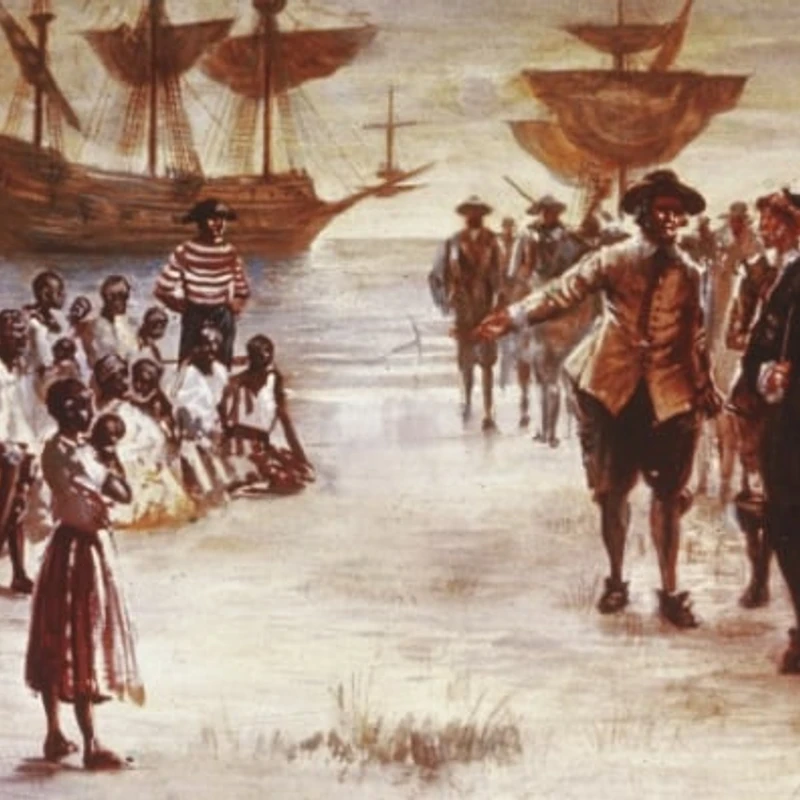
For centuries, the brutal legacy of the transatlantic slave trade has cast a long shadow, impacting global economies and perpetuating racial disparities. Now, the world stands at a potential turning point. The U.N. General Assembly is set to vote on a resolution that could formally recognize this horrific period as “the gravest crime against humanity,” potentially opening new doors for discussions on reparations.
A Formal Recognition of Historical Atrocity
Proposed by Ghanaian President John Dramani Mahama, the resolution aims to provide formal international acknowledgment of the immense suffering caused by the slave trade. From the 1500s to the 1800s, millions of Africans were forcibly captured, endured the horrific Middle Passage, and were subjected to a brutal system of slavery whose profits helped build modern global industries and financial systems. This legacy continues to shape everything from Wall Street to the persistent racial wealth gap.
Ghana’s Foreign Minister, Samuel Okudzeto Ablakwa, highlighted the ongoing impact, stating, “Many generations continue to suffer the exclusion, the racism because of the transatlantic slave trade, which has left millions separated from the continent and impoverished.” The resolution seeks to move the conversation about restitution from the sidelines into formal international policy.
The Question of Reparations
The push for reparations has long been a central demand for descendants of the enslaved. Studies attempting to quantify the economic impact often place the figure between $12 trillion and $14 trillion, considering the racial wealth gap and the value of unpaid labor. Media mogul Robert Johnson has suggested a starting point of $350,000 per eligible descendant, a figure echoed in research by University of Connecticut’s Thomas Craemer, who has also noted that such calculations often don’t include inflation or other compounding factors like denied land or generational discrimination.
Proponents point to historical precedents where nations have offered reparations, such as Germany for Holocaust victims and the U.S. for Japanese internment camp survivors. If adopted, the U.N. resolution wouldn’t mandate reparations but would strongly urge member states to engage in dialogue about reparative justice. This could include formal apologies, artifact repatriation, financial compensation, and non-repetition guarantees.
Challenges and Resistance
Despite support from African Union, Caribbean Community nations, and Brazil, efforts like this have historically faced significant political resistance. Many countries that benefited from slave labor argue that current governments shouldn’t be financially liable for historical crimes. Notably, the European Union and the United States, major beneficiaries of the transatlantic slave economy, have indicated they do not plan to support the resolution.
Advocates argue this resistance reflects a lack of global consensus on the scale of slavery’s modern impact and what constitutes meaningful accountability. President Mahama also connected this push to a broader global effort to downplay or erase the history of slavery and racism, citing concerns about how Black history is taught and discussed, particularly in the United States. A White House spokesperson, however, stated that former President Donald Trump had provided significant economic opportunities for Black Americans, stopping short of supporting formal apologies or restitution for slavery.
What are your thoughts on the UN vote regarding the transatlantic slave trade? Do you believe formal recognition will advance the cause for reparations? Share your views in the comments below!
Leave a Reply