Tag: Lifestyle

  • Black Professionals Exit Corporate America

    Are you feeling the corporate grind? You’re not alone. A growing number of Black professionals are making the bold decision to leave the traditional corporate world behind, choosing instead to bet on themselves and forge their own paths. This isn’t about failure; it’s a deliberate pivot towards careers that align with their values, prioritize their well-being, and offer a sense of control they couldn’t find in the C-suite.

    Seeking Authenticity and Fulfillment

    For many, the decision to leave comes after years of navigating workplaces where they felt overlooked, undervalued, or unsupported. Figures like Bozoma Saint John, who held high-profile roles at Netflix, Uber, and Apple, found herself rejecting the constant pressure to shrink her identity or “tone down” her Blackness. She’s now thriving as CEO of her hair brand, Eve by Boz, and a cast member on “The Real Housewives of Beverly Hills.”

    Similarly, Tristan Walker, formerly of Andreessen Horowitz, left to found Walker & Company Brands and Bevel, which were later acquired by Procter & Gamble. Melissa Butler, a former Wall Street professional, ditched the corporate hustle because she “couldn’t be myself” and felt judged for her appearance. She now owns the popular vegan lipstick brand, Lip Bar.

    The Entrepreneurial Leap: Motivations and Challenges

    This trend reflects a broader movement, with many Black professionals turning to entrepreneurship. A 2022 study highlighted key drivers: financial support (48%), flexibility (46%), and a lack of fulfillment at work (30%). The COVID-19 pandemic further accelerated this shift, encouraging many to launch their own businesses.

    However, the path isn’t without its hurdles. Systemic barriers, particularly limited access to financial capital, remain significant challenges. The study revealed that many Black entrepreneurs feel the need for a white person on their leadership team to secure funding, struggle with financing, and face discrimination during the application process. A majority rely solely on personal savings to fund their ventures.

    Navigating Corporate Pressures and DEI Shifts

    Beyond the entrepreneurial challenges, the corporate environment itself presents unique pressures for Black professionals. The feeling of being “the only one in the room,” the need for code-switching, and the emotional labor of navigating predominantly white spaces take a toll. Regina Lawless, a former head of DEI at Instagram, shared how she felt compelled to alter her appearance and speech to be perceived as professional, sacrificing her authenticity.

    Adding to these pressures, many companies have recently scaled back or eliminated Diversity, Equity, and Inclusion (DEI) initiatives, partly in response to political shifts. This rollback has had a disproportionate impact, with significant job losses reported among Black women, particularly those with college degrees in the public sector.

    Redefining Success on Their Own Terms

    Despite these setbacks, the narrative is one of resilience and self-determination. Black professionals are actively choosing not to remain in environments that limit them. Whether through launching innovative businesses, offering consulting services, or building powerful brands, they are taking control of their careers, creating their own opportunities, and redefining what success truly looks like.

    Are you considering a career change or starting your own business? What are your thoughts on the challenges and opportunities for Black professionals today? Share your insights in the comments below!

  • 8 Ways to Save on Gas as Prices Soar

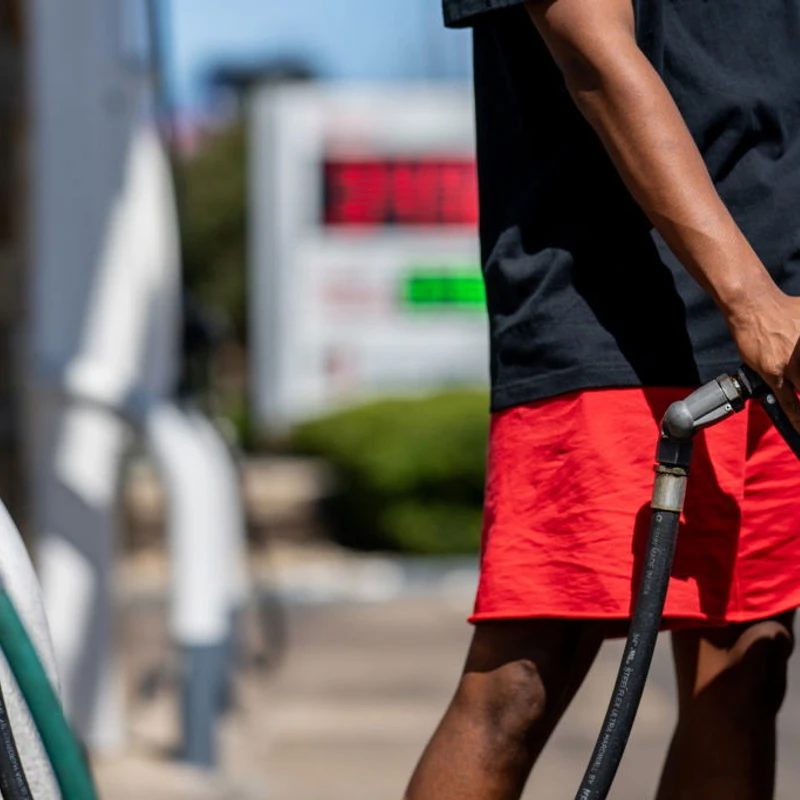
    Are you feeling the pinch at the pump? Gas prices are climbing, with the national average hovering around $3.98 a gallon and potentially hitting $4 soon – a level not seen since 2022. This surge, largely attributed to global conflicts impacting oil prices, adds another layer of financial stress, especially for Black Americans already navigating inflation. But don’t despair! BLACK ENTERPRISE is here with practical tips to help you cut down on fuel costs.

    Smart Strategies for Saving at the Pump

    Managing your money is tough enough without unpredictable price hikes. Fortunately, there are several actions you can take to offset the impact of rising gasoline costs. Let’s explore how you can keep more money in your pocket.

    1. Combine Your Errands

    One of the simplest ways to reduce driving time and fuel consumption is to plan your trips efficiently. Try to group all your necessary tasks into a single outing. Instead of multiple short trips, make one longer, more productive journey.

    2. Utilize Gas Apps

    Technology can be your ally! Apps like AAA, Gas Guru, and GasBuddy can help you locate the cheapest gas prices in your area. A few minutes of searching can lead to significant savings over time.

    3. Pay with Cash

    Some observers suggest that paying for gas with cash instead of a credit card can lead to savings. While some stations might charge a fee for credit card use, paying cash often bypasses these extra costs. It’s a small change that can add up.

    4. Skip the Premium Gas

    Unless your car’s manufacturer specifically recommends it, higher-octane premium gasoline often isn’t necessary. Research indicates that most vehicles don’t benefit from it, so you can likely save money by sticking to the regular grade.

    5. Explore Fuel Rewards Programs

    Many grocery stores and national gas station chains offer fuel discounts to their loyal customers. Look for programs in your area and be sure to link your purchases to the same account to maximize your savings.

    6. Drive More Cautiously

    Aggressive driving habits can seriously impact your gas mileage. Data shows that rapid acceleration and sudden braking can reduce fuel efficiency by 15% to 40%. Smooth, steady driving not only saves gas but also reduces wear and tear on your vehicle.

    7. Reduce Your Driving

    The most effective way to save on gas is simply to drive less. Consider carpooling, walking, biking, or using public transportation whenever possible. If your job allows, working from home more often can also make a significant difference.

    8. Maintain Your Vehicle

    Proper vehicle maintenance is crucial for both fuel economy and engine performance. Simple tasks like ensuring your tires are properly inflated, replacing air filters regularly, and using the recommended oil grades can enhance your car’s fuel efficiency and trim gas usage.

    With gas prices continuing to climb, these strategies can make a real difference in your budget. Which of these tips will you be implementing first? Share your thoughts and any other money-saving gas tips in the comments below!

  • Gender Pay Gap Widens, Black Women Face Long Road to Equity

    Equal Pay Day is here again, and unfortunately, the news isn’t what we’d hoped for. The gender pay gap isn’t just persistent; it’s actually widening for the second year in a row. This trend is particularly concerning for Black women, who face a daunting timeline for achieving pay equity.

    The Widening Gap: Stark Realities

    Recent data from the U.S. Census Bureau reveals that women working full-time, year-round are now earning just 81 cents for every dollar earned by men. This is a step back from the 83 cents reported last year and 84 cents in 2022. The situation is even more dire when we look at racial disparities.

    While white women earn about 81 cents on the dollar, Black women are earning significantly less, often just over 70 cents. The Institute for Women’s Policy Research (IWPR) highlights that Black women working full-time, year-round earn only 66.5 cents for every dollar earned by white men. At this rate, pay disparities for Black women may not close until the year 2183 for full-time workers, and even later, 2224, for all workers.

    Why the Stagnation? Systemic Issues at Play

    Dr. Jamila K. Taylor, president and CEO of IWPR, points out that without major policy changes, the median pay for Black women (around $48,984) won’t match that of white men for generations. This isn’t just about current earnings; it impacts wealth-building and economic security for future generations of Black women and girls.

    A key factor contributing to the widening gap is that men’s pay has increased over the past few years, while women’s earnings have remained largely stagnant. For Black women specifically, the earnings ratio has barely budged in the last decade, moving from 63 cents in 2015 to just 65 cents in 2025 per dollar earned by white men.

    Education Doesn’t Erase Disparity

    The pay gap persists across all educational levels. Black women with bachelor’s degrees earn only 62.7% of what white men with similar qualifications make. This disparity shrinks slightly for those with master’s (64.4%) and professional degrees (59.0%), but the gap remains significant.

    Furthermore, Black women face unique workplace barriers stemming from compounding racism and sexism. They are more likely to experience workplace harassment and are often held to higher performance standards. Stereotypes, like being labeled ‘angry,’ and the historical undervaluation of care work—a sector employing many Black women—also contribute to lower pay.

    The Path Forward: A Holistic Approach

    Achieving pay equity for Black women requires a comprehensive strategy. The IWPR suggests measures like banning salary history questions to prevent past discrimination from carrying over, expanding access to paid leave, and supporting child and elder care services. These changes not only benefit Black women but also strengthen the entire workforce.

    What policy changes do you believe are most crucial for closing the gender pay gap? Share your thoughts in the comments below!

  • Howard University Launches Cardi B Course

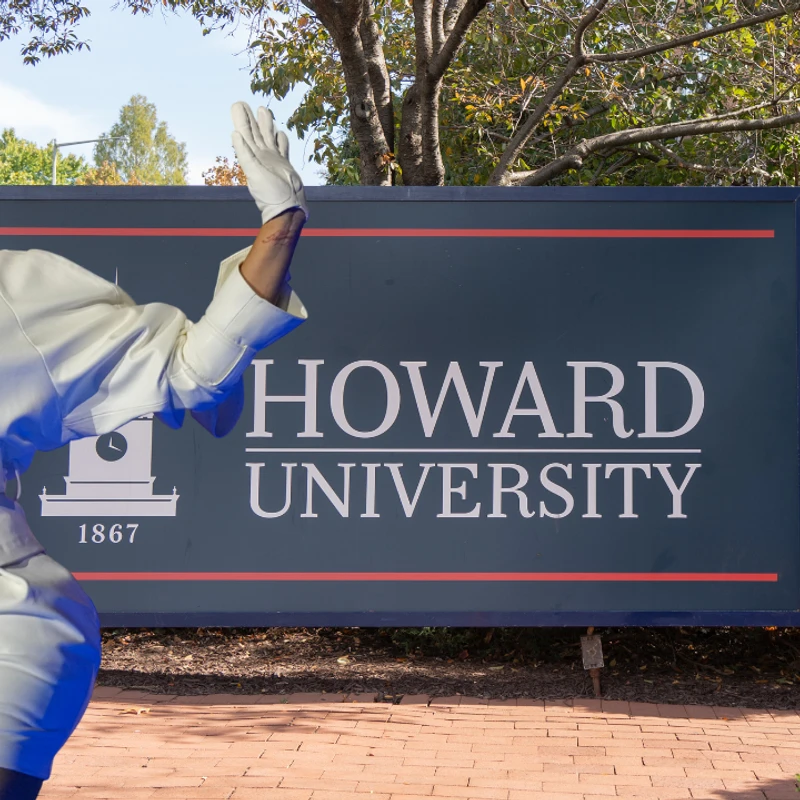
    Get ready for a semester of drama – the academic kind! Howard University is set to explore the multifaceted career of rap superstar Cardi B with a brand-new course this fall. In partnership with Warner Music, the university is launching “The Cardi B: Am I The Drama? The Art, Production, Marketing and Cultural Impact” course, delving into the artist’s significant influence.

    Culture Meets Curriculum

    Professor Jasmine Young, director of the Warner Music Blavatnik Center for Music Business at Howard, sees this course as a vital step in modern music education. “Students deserve a proactive, immersive learning environment where the lessons are current, culturally relevant, and rooted in real strategy—not just textbooks,” she told TheGrio. “Cardi B is the prototype for Music Business Success.”

    This three-credit course promises an interdisciplinary approach, blending music, business, marketing, media, gender studies, production, and cultural theory, all centered around the Bronx rapper. The curriculum will specifically analyze the rollout of Cardi B’s highly anticipated second studio album, released in November 2025, examining the buzz around her music, personal life, and legal matters at the time.

    A Hip Hop Feminist Lens

    Co-taught by Dr. Msia Kibona Clark, Associate Professor of African Studies, and Prof. Pat Parks, Theatre Arts Administration Area Coordinator, the course will utilize a hip hop feminist perspective. Students will examine how Cardi B navigates power, pleasure, and public scrutiny within the global hip hop landscape.

    “Cardi B’s career allows us to critically engage respectability politics, misogynoir, and the policing of Black womanhood, while also recognizing the forms of agency, strategy, and resistance embedded in her success,” explained Dr. Clark. The course aims to challenge students to rethink concepts of empowerment, authenticity, and visibility in contemporary culture.

    Validating Hip Hop as Scholarship

    The decision to center a course on a Black female rapper like Cardi B is significant. While other universities have offered courses on hip hop artists, Howard’s initiative further validates hip hop not just as a genre, but as a legitimate scholarly discipline and a powerful global economic force. Prof. Parks highlighted that students will learn to “build the machinery behind the work,” gaining skills in narrative development, production, and business strategy.

    This isn’t just about studying an artist; it’s about understanding the intricate ecosystem of the music industry and the cultural forces that shape it. Registration for “The Cardi B: Am I The Drama?” is now open for Howard University students for the fall 2026 semester.

    What do you think about Howard University offering a course centered on Cardi B? Is this the future of music education? Let us know your thoughts in the comments!

  • Simone Biles Opens ‘Taste of Gold’ Restaurant

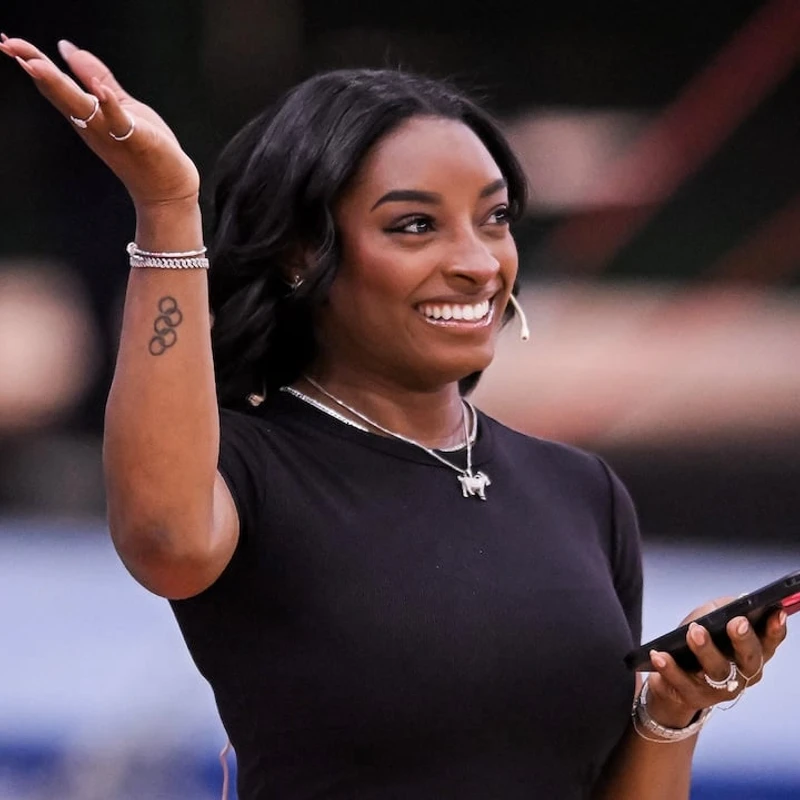
    Get ready for a new culinary destination at George Bush Intercontinental Airport in Houston! Olympic gymnastics legend Simone Biles has officially expanded her empire beyond the mat, launching her very own restaurant, ‘Taste of Gold.’ This exciting new venture brings a touch of her championship spirit right to Terminal A, offering travelers a unique dining experience.

    A Culinary Creation Inspired by Travel

    Simone Biles, a seasoned traveler herself, envisioned ‘Taste of Gold’ as a place where passengers could unwind and savor a delicious meal. The restaurant officially opened its doors on March 24, with Biles and her husband, NFL player Jonathan Owens, gracing the ribbon-cutting ceremony. It’s more than just a place to eat; it’s a space designed to celebrate Biles’ incredible career.

    Inside, you’ll find decor that pays homage to her gymnastics achievements, creating an inspiring atmosphere. Plus, with multiple large-screen TVs, it’s the perfect spot to catch up on sports or news while you dine.

    What’s on the Menu at Taste of Gold?

    The menu at ‘Taste of Gold’ offers a delightful array of casual dining options perfect for any traveler. Whether you’re craving a quick bite or a more leisurely meal, there’s something for everyone. Expect to find delicious sandwiches, fresh salads, flavorful skewers, tempting desserts, and shareable small plates.

    A Partnership for Airport Excellence

    To bring this vision to life, Biles teamed up with the Athlete Playermaker Group, a company renowned for developing innovative dining concepts within airports. Their collaboration ensures a seamless and high-quality experience for everyone who walks through the doors. The restaurant is open daily from 6 a.m. to 9 p.m., making it accessible throughout most of the day.

    Balancing Business and Personal Life

    This exciting restaurant opening comes at a dynamic time for Simone Biles. She’s also navigating a significant personal transition as her husband, Jonathan Owens, was recently traded from the Chicago Bears to the Indianapolis Colts. The couple is preparing for a move to Indianapolis as the new football season approaches.

    Despite the upcoming move, Biles has shown unwavering support for Owens and expressed her enthusiasm for embracing a new city. She’s even been engaging with fans for recommendations as they settle in. It’s clear that Simone Biles excels not only in her athletic career but also in managing life’s big changes with grace and excitement.

    More Than Just an Athlete

    The launch of ‘Taste of Gold’ adds another impressive title to Simone Biles’ already stellar resume: restaurateur. This venture further solidifies her status as a multi-talented entrepreneur while keeping her connected to her Texas roots. It’s inspiring to see her continue to achieve greatness both on and off the field (or in this case, the airport terminal!).

    Have you visited ‘Taste of Gold’ yet, or are you planning a trip through Houston soon? Share your thoughts and experiences in the comments below!

  • Kandi Burruss & Todd Tucker Finalize Divorce

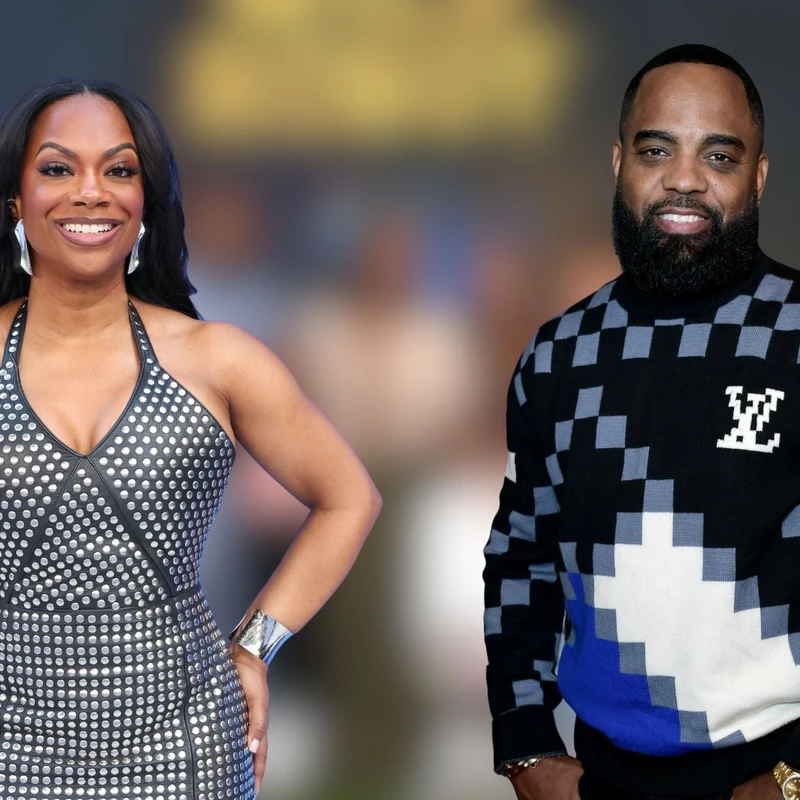
    It’s official: Kandi Burruss and Todd Tucker have finalized their divorce after 11 years of marriage. The couple has reached a comprehensive co-parenting agreement for their two children, Ace (10) and Blaze (6), ensuring their well-being remains the top priority.

    A Co-Parenting Plan for Ace and Blaze

    According to court documents signed on March 24, both Kandi and Todd will share joint physical and legal custody of their children. While the specifics of visitation schedules are sealed, the agreement emphasizes the importance of open communication and collaboration on all major decisions concerning their children’s health, education, and overall happiness.

    The settlement also addresses financial aspects, with Kandi reportedly paying a lump sum of over $400,000, and other assets being divided. Notably, neither party will pay child or spousal support. When it comes to disagreements on major decisions, Kandi will have the final say on non-emergency healthcare and education, while Todd will make the final call on new extracurricular activities.

    Navigating Public Life and Media Appearances

    Given their prominent public profiles, the agreement includes a crucial clause: both Kandi and Todd must obtain written consent from each other before involving their children in any media appearances, brand partnerships, or other public-facing projects. This ensures the children’s privacy and protection are maintained.

    Kandi first confirmed the split in November 2025, describing it as a decision made after “deep thought and a lot of prayer,” with a focus on “protecting my peace.” Despite the separation, she has shared that the relationship remains largely amicable. In a February appearance on “Watch What Happens Live,” she mentioned that while divorce discussions could be tense, they’ve made efforts to stay respectful, even attending their son Ace’s basketball games together.

    • Joint physical and legal custody for Ace and Blaze.
    • Emphasis on open communication and collaboration.
    • Requirement for mutual consent on children’s media involvement.
    • Financial settlement includes a lump sum payment and asset division.

    Moving Forward

    Kandi revealed that a “specific situation” in July 2025 prompted her decision to end the marriage, though she has kept the details private. Having met in 2011 and married in 2014 while working on “The Real Housewives of Atlanta,” the former couple is now focused on raising their children in a stable and supportive environment.

    What are your thoughts on Kandi Burruss and Todd Tucker’s co-parenting agreement? Share your opinions in the comments below!

  • Rachel Lindsay on ‘Bachelorette’ Double Standard

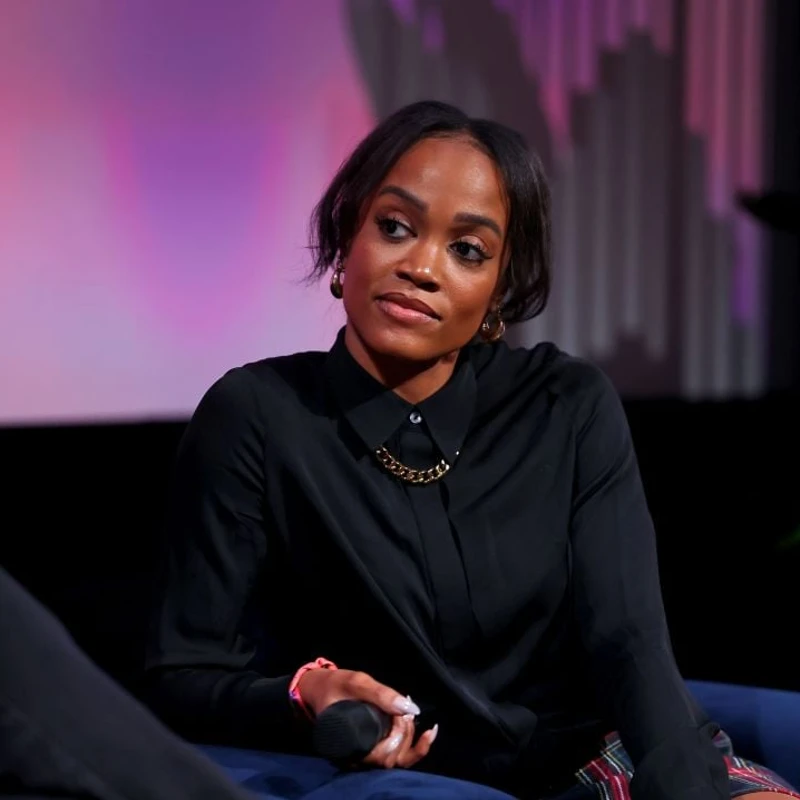
    It’s a tale as old as time, especially for Black women: working twice as hard for half as much. This reality often hits home early, but sometimes, a situation arises that’s so glaringly obvious, it demands attention. Recently, ABC’s ‘The Bachelorette’ provided just such a moment, reigniting a crucial conversation about fairness and who gets the benefit of the doubt.

    A Tale of Two Scandals

    The franchise recently faced backlash over contestant Taylor Frankie Paul, whose season was ultimately scrapped after a video surfaced showing her assaulting her ex-partner. This incident, linked to a 2023 arrest, led Disney Entertainment to state they were ‘not moving forward with the new season’ at that time. But for Rachel Lindsay, the first Black lead of ‘The Bachelorette’ in 2017, the network’s response highlights a stark double standard.

    Lindsay, speaking on her podcast ‘Higher Learning,’ pointed out the irony. ‘It was funny to me that the show wanted to take this risk, but for you to have a lead of color, that was too risky, right?’ she questioned. She recalled the immense pressure she faced to be ‘damn near perfect on paper’ to be accepted by the audience, a burden she feels Paul, with a history of divorce, multiple children, and a ‘soft swinging scandal,’ did not endure.

    The Burden of Being First

    Lindsay has been vocal about the challenges she faced, both on-air and from the show’s fandom, which she’s described as a ‘Bachelor Klan’—hateful, racist, and misogynistic. She detailed the pressure to be palatable, fearing that expressing frustration or having a strong personality would lead to her being labeled an ‘angry Black woman.’

    The franchise, she argued, spent years cultivating an audience that preferred a specific type of contestant—typically white, blonde, and conventionally agreeable. This created an environment where Black women were expected to be exceptional just to be considered, while others could be flawed and still receive grace. ‘There are people or fans out there… who will always find a way to blame the Black woman without ever holding the other ones accountable,’ Lindsay noted.

    A Pattern of Unequal Standards

    This isn’t just an issue within ‘The Bachelorette’; Lindsay points to a broader pattern in reality television. Shows often make performative gestures toward diversity, but the pressure on Black contestants remains immense, often amplified by hostile fan bases. The contrast in how ‘risk’ is defined for different contestants reveals a fundamental inequality.

    Rachel Lindsay bore the weight of being the first Black Bachelorette, paving the way for future leads. Years later, the differing standards applied to contestants like Paul underscore that in the world of reality TV—and perhaps beyond—true equality in how ‘grace’ is given has yet to be achieved.

    What are your thoughts on the double standard Rachel Lindsay highlighted? Do you agree that Black women face higher expectations in reality TV? Share your opinions in the comments below!

  • Kwame Brathwaite: The Man Behind ‘Black Is Beautiful’

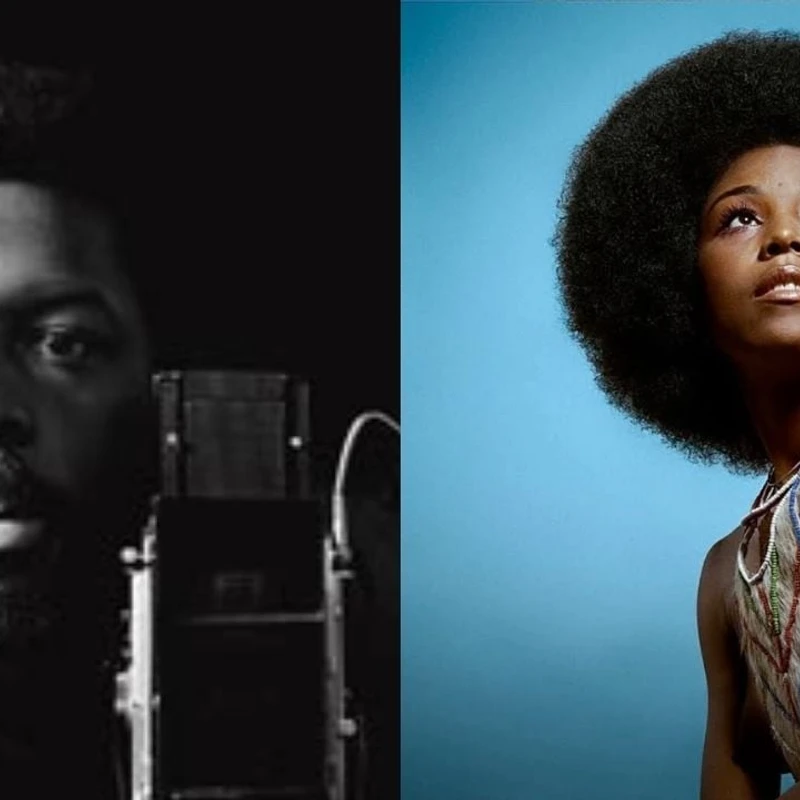
    Long before natural hair became a celebrated movement and dark-skinned models graced global runways, a powerful cultural shift was already underway. In the early 1960s, the “Black Is Beautiful” movement emerged, challenging Eurocentric beauty standards and championing the natural beauty of Black people through fashion shows, cultural events, and groundbreaking photography.

    The Visionary Photographer

    At the heart of this revolution was Kwame Brathwaite, a young Harlem photographer whose work captured and amplified the essence of the movement. Inspired by Marcus Garvey’s teachings and coinciding with the Civil Rights and Black Power movements, Brathwaite’s vision was instrumental in affirming Black identity and aesthetics.

    Now, Brathwaite’s profound influence is being honored in a new documentary, “Black Is Beautiful: The Kwame Brathwaite Story.” Directed by Yemi Bamiro, the film is executive produced by actor Jesse Williams, along with music power couple Alicia Keys and Swizz Beatz. It promises to chronicle the rise of the movement and Brathwaite’s enduring impact on fashion, beauty, and visual arts.

    Challenging the Status Quo

    The “Black Is Beautiful” movement wasn’t without its challenges. Brathwaite recalled the controversy surrounding the era’s “respectability politics,” noting the difficulty in finding Black models, especially those with darker complexions, featured in mainstream publications like EBONY magazine. This resistance only fueled their determination.

    On January 28, 1962, Brathwaite and his brother Elombe Brath officially launched the movement with “Naturally ’62,” a fashion presentation at Harlem’s Purple Manor. The show boldly featured models with natural Afros, showcasing deep brown skin tones and fuller figures, adorned in dashikis and vibrant prints inspired by the African diaspora. Every element was a deliberate act of cultural affirmation.

    Building a Collective

    The success of “Naturally ’62” led to annual celebrations. The brothers, deeply influenced by Marcus Garvey’s “Back-to-Africa” philosophy, co-founded the African Jazz-Art Society and Studios (AJASS). This collective brought together artists dedicated to cultural expression and self-determination, launching the Grandassa Models, whose “Naturally ’62” showcase was their debut.

    Brathwaite’s vision was clear: “We wanted Black women to take pride in their own selves, in their looks and heritage, and let them be beautiful in their own right,” he stated. His fashion and lifestyle photography further cemented this message, featuring women with natural hairstyles and portraits of iconic Black figures like Grace Jones and Stevie Wonder, alongside everyday Black people.

    A Lasting Cultural Impact

    Kwame Brathwaite’s work empowered Black communities to define beauty on their own terms, challenging prevailing Eurocentric standards. His influence is still felt today, inspiring modern fashion editorials and artists like Rihanna. Brathwaite, who passed away in 2023, lived to see his life’s work gain significant institutional recognition, including a major exhibition that introduced his powerful images to new audiences.

    What does the ‘Black Is Beautiful’ movement mean to you? Share your thoughts on Kwame Brathwaite’s legacy in the comments below!

  • The Silent Health Crisis Affecting Black Men Over 40

    For many Black men over 40, the demands of work, family, and daily life often take precedence over their own well-being. This can lead to a silent health crisis, where warning signs—both subtle and obvious—are ignored until a major medical event forces them to the forefront. Unfortunately, factors like mistrust in the healthcare system, experiences with racism, and the high cost of insurance often contribute to delayed screenings and diagnoses.

    Barriers to Early Detection

    Studies show that Black men are more likely to delay crucial health screenings compared to their white counterparts. This delay is often linked to a higher level of medical mistrust, increased exposure to everyday racism, and perceptions of racism within healthcare settings. These factors can make men hesitant to schedule routine checkups or address concerning symptoms promptly.

    When health issues are finally addressed, they are often more advanced, leading to poorer health outcomes. This is particularly concerning given the disproportionate rates at which Black men experience serious health conditions.

    Major Health Risks for Black Men Over 40

    Several serious health conditions pose significant threats to Black men in this age group. Cardiovascular and heart disease remain leading causes of death in the U.S., with Black Americans facing worse health outcomes. A staggering 57.5% of Black men have high blood pressure, and VCU Health reports they are 70% more likely to experience heart failure than white men.

    Diabetes is another growing concern. Type 2 diabetes, often linked to diet and lifestyle, is particularly prevalent in Black and Brown communities, with 90-95% of cases being this type. Dr. Kimbra A. Bell of Northwestern Medicine highlights that limited access to quality medical care and affordable prescription medications are major barriers, leading to conditions like diabetes being poorly managed and resulting in severe complications such as kidney disease, neuropathy, and hearing loss.

    The Impact of Prostate Cancer

    Prostate cancer presents a particularly high risk for Black men. They are 73% more likely to be diagnosed than white men and often experience earlier presentation, more aggressive disease, and higher mortality rates. Factors like racial bias, cultural norms, economic status, and fear contribute to delayed diagnoses, which unfortunately lowers survival rates.

    The mental health toll is also significant, with depression, anxiety, and chronic stress impacting Black men dealing with these conditions. Studies consistently show that cardiovascular disease, diabetes, and prostate cancer disproportionately affect Black men, both at diagnosis and long after treatment.

    Finding Solutions: Community and Early Intervention

    Fortunately, effective strategies are emerging. Community-based interventions, such as engaging barbershops and churches, along with culturally tailored health programs, have shown success in helping Black men navigate health challenges. Research also suggests that Black men are more likely to seek preventative care when seen by Black doctors, indicating the importance of representation in healthcare.

    Early intervention is key. Managing risk factors like high blood pressure, high cholesterol, smoking, and diabetes can help prevent heart disease. For prostate cancer, doctors recommend starting screenings as early as age 40 for Black men, with specific guidelines developed to aid in early detection and reduce morbidity and mortality in this high-risk population.

    • Prioritize regular checkups and screenings.
    • Understand your personal health numbers (blood pressure, cholesterol, blood sugar).
    • Adopt a healthy diet and lifestyle.
    • Seek culturally competent healthcare providers.
    • Engage with community health programs.

    What steps are you or the Black men in your life taking to prioritize health? Share your insights and experiences in the comments below to help others!

  • HBCU Attendance Linked to Better Brain Health

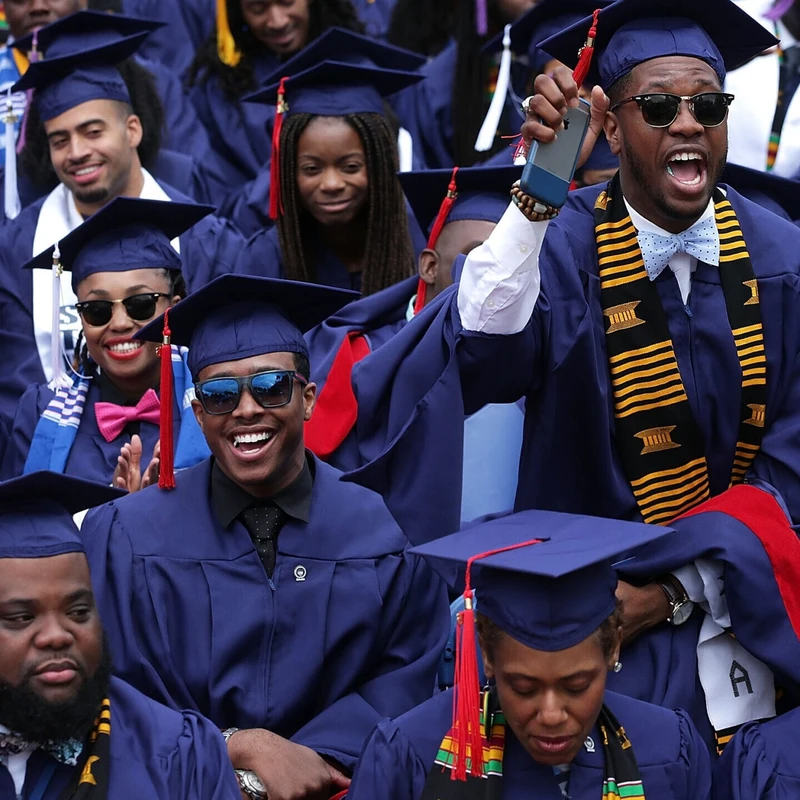
    Did you know your college choice could impact your brain health decades down the line? A fascinating new study suggests that attending a Historically Black College or University (HBCU) might offer significant, long-term cognitive benefits for Black Americans. It turns out, the environment where you learn can be just as crucial as the education itself!

    The Study’s Findings: HBCUs and Cognitive Health

    Published in JAMA Network Open, this research looked at data from nearly 2,000 Black adults who attended college between 1940 and 1980. The results were compelling: individuals who attended HBCUs showed better memory and overall cognitive performance around age 62 compared to those who attended predominantly white institutions (PWIs).

    Lead researcher Dr. Marilyn Thomas, an assistant professor at the University of California, San Francisco, highlighted that these cognitive advantages were observed across different time periods, even those shaped by major civil rights advancements. This suggests a consistent positive impact stemming from the HBCU experience.

    The Power of Culturally Affirming Environments

    So, what’s the secret sauce? The study proposes that the culturally affirming environments often found at HBCUs play a key role. These spaces can foster a sense of belonging and support, which may act as a protective factor for long-term brain health. Dr. Thomas emphasized that these environments can actively promote and safeguard cognitive well-being.

    Furthermore, HBCU attendees in the study were more likely to report positive early-life experiences, such as strong encouragement for education and supportive caregivers. This aligns with broader research linking exposure to racism with poorer health outcomes, including accelerated aging. The findings suggest that HBCUs can serve as vital sources of resilience against such stressors.

    Context Matters in Education

    Even a brief immersion in an HBCU environment seemed to have a measurable impact, according to the research. While considered exploratory, this study adds significant weight to the idea that the context and quality of one’s educational experience are incredibly important, especially for marginalized communities.

    In a time when discussions around diversity, equity, and inclusion are prominent, these findings underscore the profound, lasting value of institutions dedicated to supporting historically underserved populations. It’s a powerful reminder that education is about more than just academics; it’s about holistic well-being.

    What are your thoughts on the connection between culturally affirming spaces and long-term health? Share your experiences or opinions in the comments below!