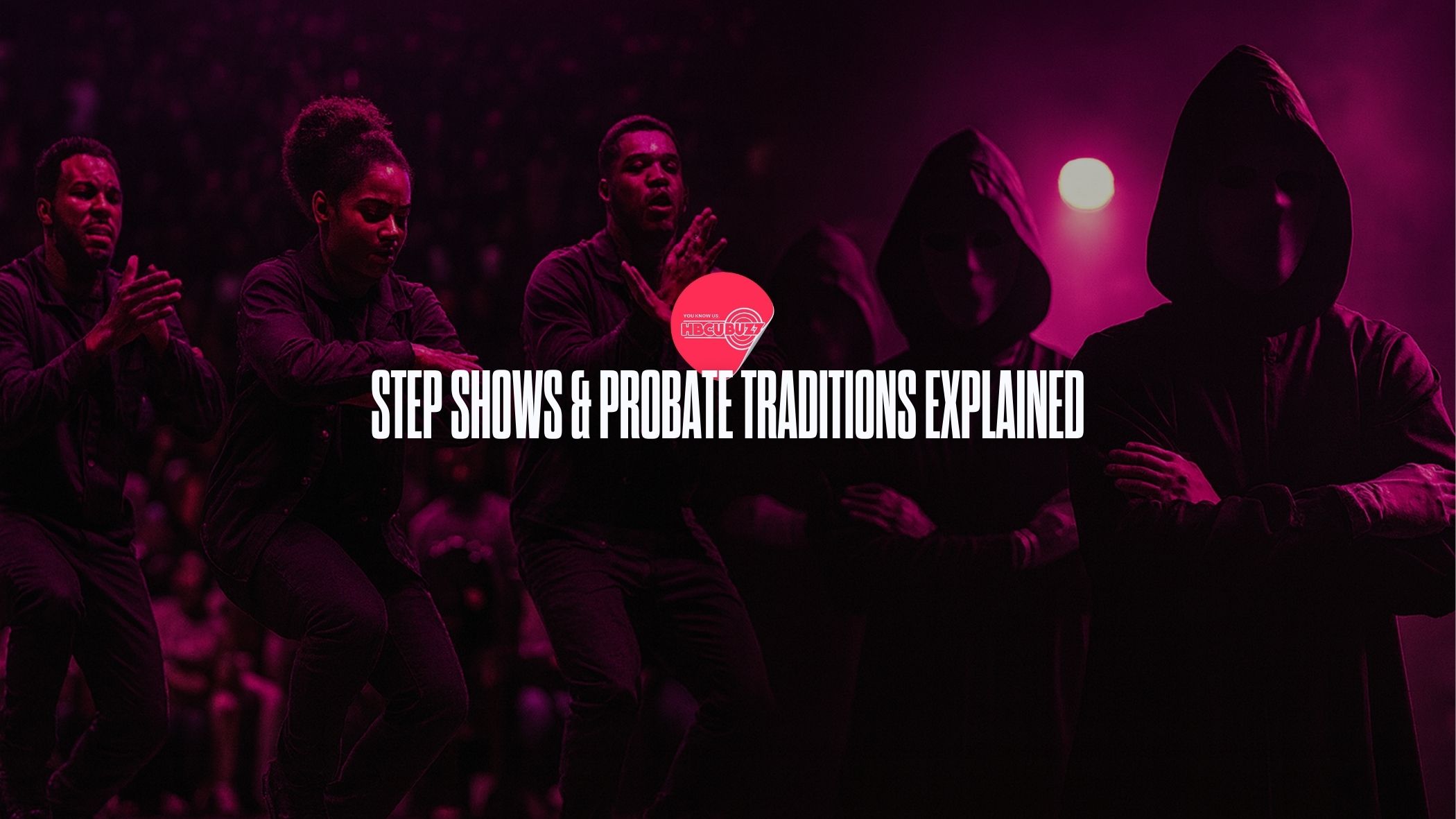
Ever wondered what goes on during those electrifying step shows and formal probate ceremonies at HBCU campuses? These events are more than just performances; they are deeply rooted expressions of art, pride, and history, showcasing the vibrant culture of Black Greek-letter organizations (Divine Nine/NPHC).
What Exactly is Stepping?
Step shows are high-energy, rhythmic performances where participants use their bodies—hands, feet, and voices—to create a percussive soundscape, much like a drumline. Crews showcase incredible precision, clean formations, creative themes (ranging from movie tributes to comic book universes), and seamless transitions. The performances often incorporate chants, call-and-response elements, and engaging crowd work, turning the audience into an active participant.
These events are judged on rhythm, difficulty, creativity, formations, crowd engagement, and overall precision. Expect elaborate production elements like lighting cues, props, and custom music mixes, as teams often rehearse for weeks to perfect their routines. Beyond the competition and bragging rights, step shows frequently serve as fundraisers for scholarships and community service initiatives.
Understanding Probate Traditions
Probates, also known as “New Member Presentations,” are distinct from step shows. They are formal, ceremonial introductions of newly initiated members into a Black Greek-letter organization. Think of it as an official rollout to the campus and wider community, steeped in order and symbolism.
These presentations typically include chants, recitations of organizational history, unique calls and signs, and salutes. The climax is the reveal, where new members remove masks, hoodies, or shades to share their names and faces, marking the end of a rigorous initiation process and the beginning of a lifelong commitment to service and scholarship. The emotional weight of this moment is often palpable for members, alumni, and families alike.
Etiquette and Respect
Both stepping and probates are rooted in the rich legacy of the Divine Nine, drawing influence from African diasporic rhythms, military drill traditions, and the unique creativity fostered within HBCUs. These are community events that serve multiple purposes: fundraising, recruitment, and cultural education.
- **Step Shows:** Arrive early, cheer enthusiastically, record responsibly, and always give performers adequate space. Do not block aisles or the stage area, imitate calls or signs not belonging to your organization, or rush the stage.
- **Probates:** Stand when asked, make space for families and new members, and keep the center aisle clear. Avoid interrupting chants, inquiring about private membership processes, or sharing unapproved visual cues. Remember that while public parts are often filmed, respecting privacy is paramount.
It’s crucial to remember that all NPHC organizations strictly prohibit hazing, and campuses enforce rigorous Membership Intake guidelines. While celebrating this rich culture, it’s important not to romanticize harmful myths. Understand the difference between public performance and private tradition; some aspects of membership are intentionally kept private.
Key Terms to Know
- **Step/Stepping:** A percussive performance using the body and voice.
- **Stroll:** A social line dance performed by members of the same organization.
- **Line:** The group of new members initiating together.
- **Ace/Deuce/Tail:** The first, second, and last positions in a line.
- **Prophyte/Neophyte:** An experienced member versus a newly initiated member.
- **Crossing:** The act of completing initiation and becoming a member.
- **Call/Response:** A unique vocal signature and crowd reply specific to each organization.
- **Shares/Sands:** Members who crossed around the same time at different schools.
- **Plot:** A designated outdoor space honoring a chapter or organization; do not stand on it.
Have you ever attended an HBCU step show or probate? What was your experience like? Share your thoughts and favorite moments in the comments below!