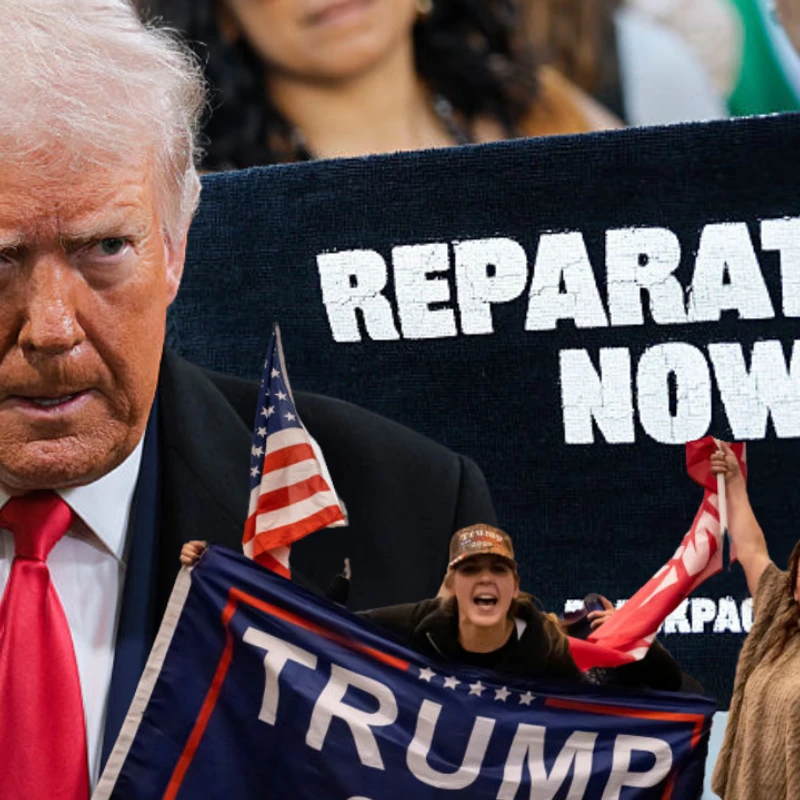
A significant legal victory has been achieved against a controversial $1.776 billion fund established by the Trump administration. Critics, who have labeled it a “slush fund” for individuals convicted in the Jan. 6, 2021 Capitol attack, are applauding a federal judge’s decision to block its operation.
Judge Halts Controversial ‘Anti-Weaponization’ Fund
On Friday, May 29, 2026, U.S. District Judge Leonie Brinkema ordered the Department of Justice to temporarily cease all actions related to the fund. This includes halting the transfer of money, reviewing claims, and disbursing any funds. The ruling came in response to a lawsuit filed by individuals and groups who claim the fund is unconstitutional and demonstrates “blatant partiality.”
The plaintiffs argue that the “Anti-Weaponization Fund” is inherently biased, as it is exclusively available to claimants alleging they were targeted by “Democrat” administrations. They contend this ignores the current administration’s alleged “weaponization” of federal power against political opponents.
Reparations Advocates Decry ‘Narrative Damage’
Racial justice advocates and progressive Democrats have strongly condemned the fund since its inception. U.S. Reps. Jasmine Crockett and Ayanna Pressley have called it an “insult” to Black Americans seeking reparations for centuries of systemic harm. Dreisen Heath, founder of the Why We Can’t Wait Reparations Network, stated that while the judge’s order prevents immediate misuse of taxpayer funds, “the narrative damage is already done.”
Heath elaborated that framing Jan. 6 defendants as victims distorts the reality of who the truly harmed parties are in this country. “We’ll keep fighting on all fronts to make sure the public channels their righteous anger where it belongs: into reparations for Black Americans,” she told TheGrio.
Abuse of Existing Funds and Misappropriation of Terms
Ironically, the fund was slated to use a Treasury Department judgment fund established in 1956, which has historically settled claims of racial discrimination against Black and Native American farmers. Heath criticized the settlement process, noting that the president suing himself and settling without a court ruling constitutes an “abuse of taxpayer money.”
She also pointed out that characterizing the Trump fund as “reparations” undermines the legitimate fight for reparations for Black Americans. However, she acknowledged that the swiftness with which this fund was proposed highlights the potential for action when political will exists.
Contrasting Grievances: Accountability vs. Avoiding Accountability
Dr. Marcus Anthony Hunter, a reparations scholar, drew a clear distinction between the Trump fund and the movement for Black reparations. He explained that the former represents a demand to avoid accountability and receive funds based on grievances related to that avoidance. In contrast, reparations for American slavery aim to hold the government accountable for institutionalizing and sanctioning the enslavement of human beings.
Adding to the legal challenges, two former Capitol and D.C. police officers, Harry Dunn and Daniel Hodges, who were injured on Jan. 6, have filed their own lawsuit. They argue the fund endangers their safety by potentially encouraging further violence and directly financing rioters who threatened their lives.
What are your thoughts on the judge’s decision and the ongoing debate surrounding reparations versus the ‘anti-weaponization’ fund? Share your views in the comments below!
Leave a Reply