Tag: United Nations

  • UN Declares Enslavement of Africans ‘Gravest Crime,’ Calls for Reparations

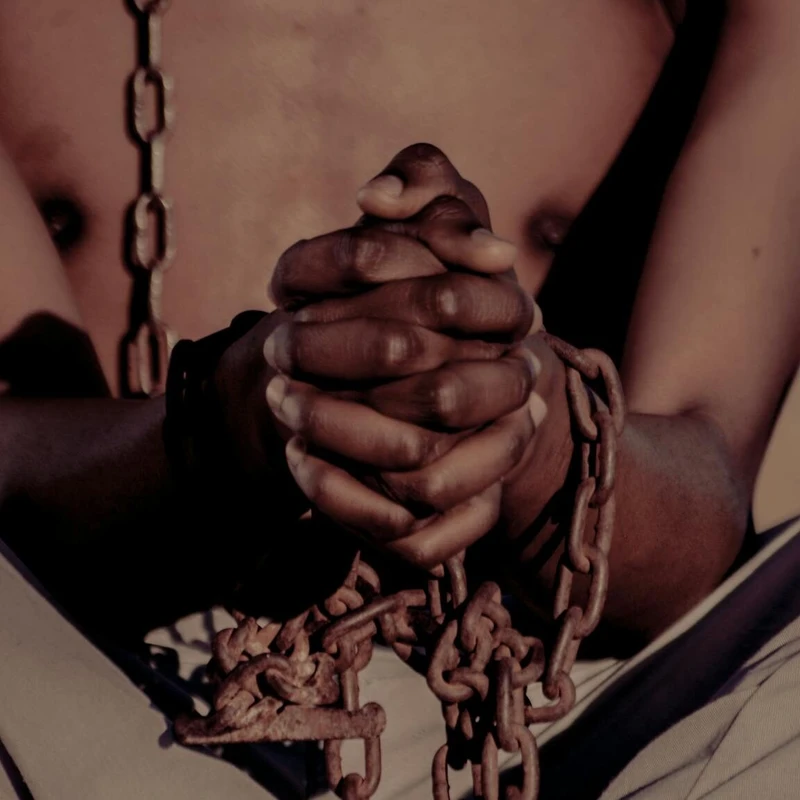
    In a momentous decision, the United Nations General Assembly has adopted a resolution that declares the trafficking of enslaved Africans as the ‘gravest crime against humanity.’ This landmark resolution also calls for reparations as a crucial step toward rectifying historical injustices. The vote, which took place on March 25, saw overwhelming support with 123 nations voting in favor.

    A Divided Vote on Reparations

    However, the resolution was not without its dissent. Argentina, Israel, and the United States cast votes against it. The United Kingdom and all 27 European Union member states abstained from voting. U.S. Deputy Ambassador Dan Negrea stated that while the U.S. condemns the transatlantic slave trade, it does not recognize a legal right to reparations for actions not deemed illegal under international law at the time.

    The U.S. also objected to the resolution’s attempt to rank crimes against humanity, arguing it diminishes the suffering of victims of other historical atrocities. This stance highlights the ongoing debate surrounding accountability for historical wrongs and the legal frameworks governing them.

    Beyond Financial Compensation

    Proposed by Ghana, the resolution goes beyond just financial compensation. It also calls for the unconditional return of cultural items, including artwork, artifacts, and archives, to their countries of origin. Ghana emphasized that the legacy of slavery, which forcibly displaced at least 12.5 million Africans between the 15th and 19th centuries, continues to fuel racial disparities today.

    A Step Towards Healing and Justice

    Ghanaian President John Dramani Mahama, a key figure behind the resolution, described the vote as a moment of ‘solemn solidarity to affirm truth and pursue a route to healing and reparative justice.’ This marks a significant advancement in Africa’s ongoing efforts to seek accountability from former colonial powers, building on the African Union’s previous work to unify its member states on reparations.

    While UN General Assembly resolutions are not legally binding like Security Council decisions, they carry substantial moral and political weight, reflecting global sentiment. Supporters believe this resolution could pave the way for a broader framework for reparative justice, potentially including a U.N.-backed reparations tribunal.

    History does not disappear when ignored, truth does not weaken when delayed, crime does not rot…and justice does not expire with time. — Samuel Ablakwa, Ghana’s Foreign Minister

    As law professor Justin Hansford from Howard University noted, this is the most significant step the UN has taken in recognizing transatlantic slavery as a crime against humanity and advocating for reparations. The resolution encourages dialogue on various forms of reparations, including formal apologies, artifact repatriation, financial compensation, and guarantees against future injustices.

    What are your thoughts on the UN’s call for reparations? Do you believe this resolution will lead to meaningful change? Share your perspective in the comments below!

  • UN Vote on Transatlantic Slave Trade as ‘Gravest Crime’

    For centuries, the brutal legacy of the transatlantic slave trade has cast a long shadow, impacting global economies and perpetuating racial disparities. Now, the world stands at a potential turning point. The U.N. General Assembly is set to vote on a resolution that could formally recognize this horrific period as “the gravest crime against humanity,” potentially opening new doors for discussions on reparations.

    A Formal Recognition of Historical Atrocity

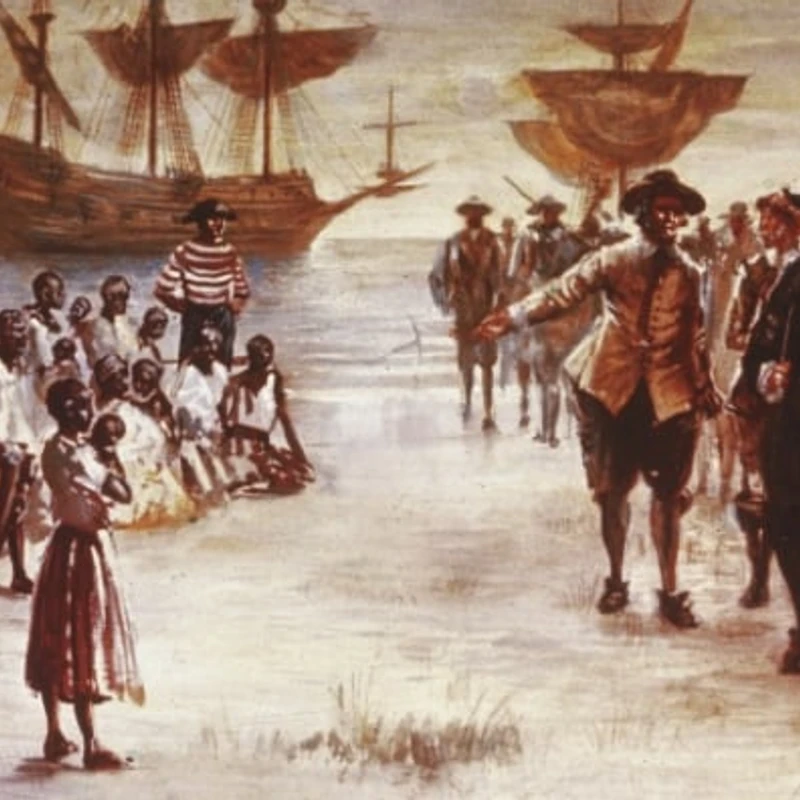
    Proposed by Ghanaian President John Dramani Mahama, the resolution aims to provide formal international acknowledgment of the immense suffering caused by the slave trade. From the 1500s to the 1800s, millions of Africans were forcibly captured, endured the horrific Middle Passage, and were subjected to a brutal system of slavery whose profits helped build modern global industries and financial systems. This legacy continues to shape everything from Wall Street to the persistent racial wealth gap.

    Ghana’s Foreign Minister, Samuel Okudzeto Ablakwa, highlighted the ongoing impact, stating, “Many generations continue to suffer the exclusion, the racism because of the transatlantic slave trade, which has left millions separated from the continent and impoverished.” The resolution seeks to move the conversation about restitution from the sidelines into formal international policy.

    The Question of Reparations

    The push for reparations has long been a central demand for descendants of the enslaved. Studies attempting to quantify the economic impact often place the figure between $12 trillion and $14 trillion, considering the racial wealth gap and the value of unpaid labor. Media mogul Robert Johnson has suggested a starting point of $350,000 per eligible descendant, a figure echoed in research by University of Connecticut’s Thomas Craemer, who has also noted that such calculations often don’t include inflation or other compounding factors like denied land or generational discrimination.

    Proponents point to historical precedents where nations have offered reparations, such as Germany for Holocaust victims and the U.S. for Japanese internment camp survivors. If adopted, the U.N. resolution wouldn’t mandate reparations but would strongly urge member states to engage in dialogue about reparative justice. This could include formal apologies, artifact repatriation, financial compensation, and non-repetition guarantees.

    Challenges and Resistance

    Despite support from African Union, Caribbean Community nations, and Brazil, efforts like this have historically faced significant political resistance. Many countries that benefited from slave labor argue that current governments shouldn’t be financially liable for historical crimes. Notably, the European Union and the United States, major beneficiaries of the transatlantic slave economy, have indicated they do not plan to support the resolution.

    Advocates argue this resistance reflects a lack of global consensus on the scale of slavery’s modern impact and what constitutes meaningful accountability. President Mahama also connected this push to a broader global effort to downplay or erase the history of slavery and racism, citing concerns about how Black history is taught and discussed, particularly in the United States. A White House spokesperson, however, stated that former President Donald Trump had provided significant economic opportunities for Black Americans, stopping short of supporting formal apologies or restitution for slavery.

    What are your thoughts on the UN vote regarding the transatlantic slave trade? Do you believe formal recognition will advance the cause for reparations? Share your views in the comments below!

  • Nicki Minaj’s UN Speech: A “MAGA Flex” & Jay-Z Jab

    Get ready, Barbz! With a new Nicki Minaj album on the horizon, the rap queen is stirring the pot once again. Her recent appearance at the United Nations, where she spoke out about alleged religiously-motivated persecution of Christians in Nigeria, has sparked conversation. Now, she’s dropped a tweet that cleverly links the speech to a “MAGA Flex” and even throws some shade at none other than Jay-Z.

    A “MAGA Flex” and a Nod to Jay-Z

    Minaj, who thanked Donald Trump for bringing attention to the Nigerian issue, tweeted: “United Nations was a MAGA Flex, Trump on da text, Yall should be afraid of what I’m gon do next.” This line isn’t just a bold statement about her upcoming March album; it’s also a direct callback to a classic Jay-Z lyric.

    The reference comes from Jay-Z’s 2009 track “On To The Next One” with Swizz Beatz. Hov rapped, “M.J. at Summer Jam, Obama on the text / Y’all should be afraid of what I’m gon’ do next.” Minaj’s clever adaptation clearly positions her own actions and future plans in a similar, powerful light, while simultaneously referencing her ongoing, albeit sometimes subtle, feud with Jay-Z.

    The Ongoing Nicki Minaj vs. Jay-Z Saga

    This isn’t the first time Nicki has publicly called out Jay-Z. Earlier this year, she made waves with scathing messages and accusations, reportedly stemming from issues with Roc Nation and Tidal payouts. At one point, her feud with Hov even led her to claim she would halt her album release, tweeting, “Ok I’m not going to put out the album anymore. No more music. Hope you’re happy now [JAY-Z]. Bye, Barbz.”

    Thankfully for her fans, she retracted that statement and continues to hype them up for new music. Her latest tweet also reinforces that her support for Donald Trump, while divisive, remains a part of her public persona. While she hasn’t publicly endorsed all of his controversial actions, her alignment continues to draw attention.

    What’s Next for Nicki?

    With her upcoming album, fans are eager to hear what else Nicki Minaj has to say. Whether she’s addressing her political leanings, her ongoing beefs, or simply dropping fire bars, one thing is certain: Nicki knows how to command attention. She’s currently basking in the interest her bold moves have generated, and we can only wait to see what the “FTCU” superstar delivers next.

    What do you think of Nicki Minaj’s “MAGA Flex” tweet and her reference to Jay-Z’s lyrics? Are you excited for her upcoming album? Let us know your thoughts in the comments below!

  • Haiti on Brink of Famine Amid Gang Violence and Economic Collapse

    Haiti is currently grappling with a deepening humanitarian crisis, teetering on the edge of famine. An alarming number of its citizens are struggling to find enough food as escalating gang violence, a collapsing economy, and blocked aid efforts create insurmountable barriers to survival. The situation has become dire, with armed groups tightening their grip and driving prices to unprecedented levels.

    Millions Facing Severe Food Insecurity

    A recent report by the Integrated Food Security Phase Classification (IPC), published on October 11th, reveals the staggering scale of the crisis. Approximately 5.7 million Haitians are experiencing severe food insecurity. Of this number, nearly 1.9 million are in emergency conditions, suffering from extreme food shortages and malnutrition, while an additional 3.8 million are classified as being in crisis, just one step away from emergency levels.

    The IPC projects that this dire situation could worsen significantly by mid-2026. As Haiti enters its lean agricultural season, nearly six million people are expected to face acute hunger. In response, Haiti’s transitional government has announced the formation of a new Food and Nutrition Security Office to better coordinate humanitarian aid efforts. Presidential council member Louis Gerald Gilles stated that officials are actively “mobilizing resources to reach those most affected as quickly as possible.”

    Barriers to Relief Efforts

    Despite government and international efforts, relief operations are facing immense challenges. Armed groups reportedly control about 90 percent of the capital, Port-au-Prince, and are expanding their influence into rural areas crucial for agriculture. This widespread violence has displaced over 1.3 million people, a 24 percent increase since December, with many living in overcrowded shelters lacking basic access to food and sanitation.

    Farmers who manage to stay on their land are often forced to pay gangs either in crops or cash for the right to cultivate their fields. Furthermore, road blockades frequently disrupt the transportation of food to major markets, exacerbating shortages. The nation’s economy has been devastated, with Haiti experiencing six consecutive years of recession. Food prices saw a staggering 33 percent increase in July compared to the previous year, making basic sustenance unaffordable for many.

    Children Most Affected by the Crisis

    The humanitarian crisis is disproportionately affecting Haiti’s children. An estimated 680,000 children have been displaced by violence, and over 1,000 schools have been forced to close their doors. Tragically, some children have even been recruited by armed groups. While the United Nations has approved a 5,550-member international force to help restore order, the underlying instability continues to pose a significant threat.

    Progress remains fragile without long-term investment to tackle the root causes. — Martine Villeneuve, Haiti director at Action Against Hunger

    Martine Villeneuve, Haiti director at Action Against Hunger, emphasized the need for sustained efforts, stating, “Progress remains fragile without long-term investment to tackle the root causes.” Addressing the complex interplay of gang violence, economic collapse, and humanitarian needs is critical to preventing a full-blown famine and stabilizing the nation.

    The situation in Haiti is critical. What actions do you believe are most needed to alleviate this humanitarian crisis? Share your thoughts in the comments below.

  • Afghanistan Earthquake: Over 1,400 Dead, How to Help

    Tragedy has struck Afghanistan. A powerful magnitude 6 earthquake hit near Jalalabad in the early hours of September 1st, causing widespread devastation. As of the following day, the death toll is believed to have surpassed 1,400, with thousands more injured. The situation is still developing, and aid groups are mobilizing to help those affected by this catastrophic event.

    The Devastation in Eastern Afghanistan

    The earthquake, accompanied by powerful aftershocks, landslides, and rockfalls, has severely impacted mountainous regions and villages across multiple eastern provinces, including Kunar, Nangarhar, Laghman, and Nuristan, which are near the Pakistan border. The epicenter was reportedly just 17 miles from Jalalabad. Many homes, particularly in Kunar, were constructed from mud bricks and wood, making them highly vulnerable to collapse.

    Taliban spokesperson Zabihullah Mujahid shared grim updates on X, reporting 1,411 deaths, 3,124 injuries, and over 5,400 destroyed homes. Rescue efforts are incredibly challenging, with many victims trapped in remote areas under collapsed structures. The United Nations has highlighted that the destruction could significantly impact local livestock and livelihoods, adding to the immense suffering.

    Challenges in Rescue and Recovery

    Compounding the tragedy, the earthquake struck areas that had experienced heavy rain in the preceding 24-48 hours, increasing the risk of landslides and rockslides. This has made many roads impassable, creating significant obstacles for rescue and aid delivery. A UN representative noted that some damaged communities have ‘zero connectivity,’ further complicating efforts to reach those in need.

    Local reports paint a stark picture: ‘The entire village has been destroyed,’ one local told reporters, adding, ‘Children and elders are trapped under the rubble. We need urgent help.’ Another victim pleaded, ‘We need ambulances, we need doctors, we need everything to rescue the injured and recover the dead.’

    How You Can Help

    In the face of this immense crisis, several organizations are on the ground providing crucial assistance. Here are some ways you can contribute:

    • **Islamic Relief:** A UK-based agency with over two decades of work in Afghanistan, they are responding to the crisis and accepting donations via their website.
    • **Médecins Sans Frontières / Doctors Without Borders (MSF) UK:** Their teams are assessing needs and providing vital emergency trauma care supplies. Donations are accepted through their website.
    • **Afghan Relief:** Based in California, their team members are already providing food, water, shelter, and medical assistance. You can donate via their website.
    • **Women for Women International:** Contributions to this organization will support women and girls with hygiene products, emergency cash, and temporary shelter.

    The Taliban has also shared information on X regarding bank accounts established for victims, offering another avenue for direct support.

    Earthquake Safety Tips for Travelers

    If you ever find yourself in a region experiencing an earthquake, remember the crucial ‘drop, cover, and hold on’ directive. Drop to the ground, cover your head and neck, and hold onto sturdy shelter. If you have a disability, secure your wheelchair. Stay informed and follow the guidance of local authorities.

    Our hearts go out to everyone affected by this tragedy. If you are able, please consider donating to one of the organizations listed above to help provide much-needed relief. Share this information to spread awareness.