
Tag: Ghana

  • Ghana Rejects $109M US Health Deal Over Data Privacy

    Ghana has officially turned down a proposed $109 million health funding agreement with the United States. The decision, announced on May 1st, stems from serious concerns over data privacy and national sovereignty, making Ghana the latest African nation to push back against a bilateral health deal under the Trump administration’s “America First Global Health Strategy.”

    Concerns Over Data Access

    According to Arnold Kavaarpuo, executive director of Ghana’s Data Protection Commission, the proposed deal contained provisions that would have granted U.S. entities extensive and potentially unrestricted access to Ghana’s sensitive national health data. Ghanaian officials argued that the U.S. requested access that “went far beyond what would typically be required” for standard public health monitoring.

    The proposal reportedly allowed up to 10 U.S. entities access to Ghana’s health data models, dashboards, and metadata without requiring prior approval from the Ghanaian government for specific data uses. This lack of oversight and control over their own health data architecture was a major sticking point for Ghanaian officials.

    A Growing Trend of Pushback

    Ghana’s decision aligns with a growing trend of African nations scrutinizing new U.S. health aid frameworks, which are replacing older programs. Earlier in 2026, Zimbabwe and Zambia rejected similar deals due to concerns about fairness and data sovereignty. In Kenya, a court recently suspended a comparable U.S. aid deal following privacy objections from local activists.

    Even in Nigeria, where an agreement was signed, critics have raised issues with restrictive clauses, such as the U.S. commitment to primarily support Christian faith-based healthcare providers. The Africa Centers for Disease Control and Prevention’s director general, Jean Kaseya, has also voiced significant concerns about the transparency and data-sharing requirements in these new bilateral agreements.

    Maintaining Bilateral Relations

    Despite rejecting the $109 million package, Ghana remains committed to a strong relationship with the United States. Following a cabinet decision, the government is now exploring alternative avenues for collaboration in areas of mutual interest, ensuring that national sovereignty and data privacy are protected. The U.S. State Department acknowledged the ongoing efforts to strengthen the bilateral partnership between the two nations.

    What are your thoughts on Ghana’s decision to reject the U.S. health deal? Do you believe data privacy and national sovereignty should be prioritized in international aid agreements? Share your views in the comments below!
  • UN Vote on Transatlantic Slave Trade as ‘Gravest Crime’

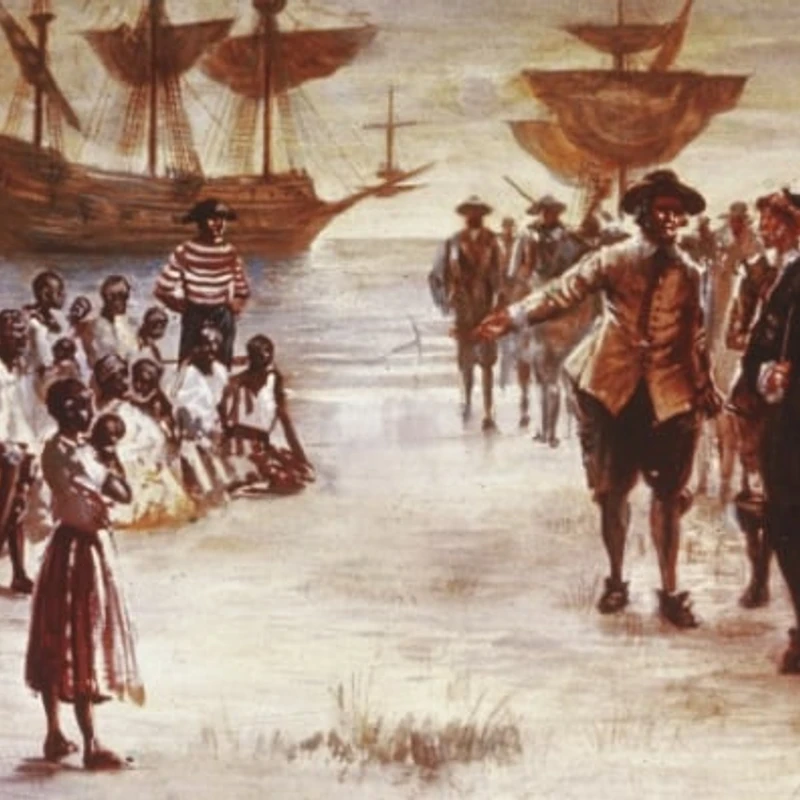
    For centuries, the brutal legacy of the transatlantic slave trade has cast a long shadow, impacting global economies and perpetuating racial disparities. Now, the world stands at a potential turning point. The U.N. General Assembly is set to vote on a resolution that could formally recognize this horrific period as “the gravest crime against humanity,” potentially opening new doors for discussions on reparations.

    A Formal Recognition of Historical Atrocity

    Proposed by Ghanaian President John Dramani Mahama, the resolution aims to provide formal international acknowledgment of the immense suffering caused by the slave trade. From the 1500s to the 1800s, millions of Africans were forcibly captured, endured the horrific Middle Passage, and were subjected to a brutal system of slavery whose profits helped build modern global industries and financial systems. This legacy continues to shape everything from Wall Street to the persistent racial wealth gap.

    Ghana’s Foreign Minister, Samuel Okudzeto Ablakwa, highlighted the ongoing impact, stating, “Many generations continue to suffer the exclusion, the racism because of the transatlantic slave trade, which has left millions separated from the continent and impoverished.” The resolution seeks to move the conversation about restitution from the sidelines into formal international policy.

    The Question of Reparations

    The push for reparations has long been a central demand for descendants of the enslaved. Studies attempting to quantify the economic impact often place the figure between $12 trillion and $14 trillion, considering the racial wealth gap and the value of unpaid labor. Media mogul Robert Johnson has suggested a starting point of $350,000 per eligible descendant, a figure echoed in research by University of Connecticut’s Thomas Craemer, who has also noted that such calculations often don’t include inflation or other compounding factors like denied land or generational discrimination.

    Proponents point to historical precedents where nations have offered reparations, such as Germany for Holocaust victims and the U.S. for Japanese internment camp survivors. If adopted, the U.N. resolution wouldn’t mandate reparations but would strongly urge member states to engage in dialogue about reparative justice. This could include formal apologies, artifact repatriation, financial compensation, and non-repetition guarantees.

    Challenges and Resistance

    Despite support from African Union, Caribbean Community nations, and Brazil, efforts like this have historically faced significant political resistance. Many countries that benefited from slave labor argue that current governments shouldn’t be financially liable for historical crimes. Notably, the European Union and the United States, major beneficiaries of the transatlantic slave economy, have indicated they do not plan to support the resolution.

    Advocates argue this resistance reflects a lack of global consensus on the scale of slavery’s modern impact and what constitutes meaningful accountability. President Mahama also connected this push to a broader global effort to downplay or erase the history of slavery and racism, citing concerns about how Black history is taught and discussed, particularly in the United States. A White House spokesperson, however, stated that former President Donald Trump had provided significant economic opportunities for Black Americans, stopping short of supporting formal apologies or restitution for slavery.

    What are your thoughts on the UN vote regarding the transatlantic slave trade? Do you believe formal recognition will advance the cause for reparations? Share your views in the comments below!

  • Fearless Fund Launches in Africa, Awards Grants

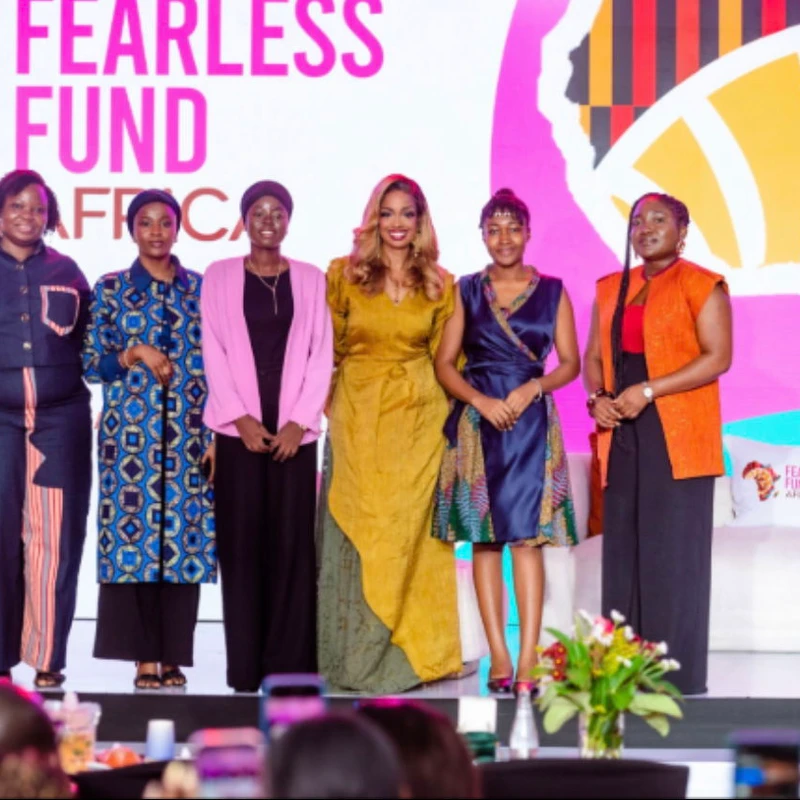
    Great news for aspiring entrepreneurs in Africa! The Fearless Fund, known for its commitment to supporting women-led businesses, has officially expanded its reach by launching Fearless Fund Africa in Ghana. This expansion marks a significant step in providing crucial capital and support to women founders across the continent.

    First Grant Awarded to The Cheer Natives

    The launch event, held on March 21st at the Accra Marriott Hotel, included a dynamic pitch competition that showcased the innovation and potential of women-led businesses in Ghana. The first grant was awarded to Khadija Talalawa, co-founder and CEO of The Cheer Natives. This food and beverage company stood out for its focus on using locally sourced ingredients to create natural products, demonstrating strong growth potential and market relevance.

    Talalawa expressed her gratitude, stating, “I’m very honoured, grateful, and humbled. For the work that we’ve done to be seen and appreciated like this means a lot. I’m grateful to Fearless Fund Africa for believing in us and supporting us.”

    Introducing the Fearless Fund Africa Fund

    Beyond the initial grant, the launch also introduced the Fearless Fund Africa Fund. This new fund is designed to provide loans ranging from GH₵10,000 to GH₵30,000 specifically for women entrepreneurs. This initiative aims to offer flexible financial solutions tailored to the needs of businesses scaling across the continent.

    Arian Simone, founder and CEO of Fearless Fund, highlighted the significance of this expansion: “The launch of Fearless Fund Africa in Ghana represents a powerful step toward closing the global wealth gap. We are proud to invest directly in local founders and equip African women entrepreneurs with the capital and support they need to build thriving businesses.”

    A Vision for Scalable Growth

    The Fearless Fund Africa’s strategy involves investing directly in local founders, supporting sustainable business models, and ultimately strengthening local economies. While the initial focus is on Ghana, the organization has a long-term vision to expand its reach across various African markets, nurturing the next generation of fearless entrepreneurs.

    What are your thoughts on Fearless Fund’s expansion into Africa? Do you know any inspiring women entrepreneurs on the continent? Share your insights in the comments below!

  • Deported Woman Attempts Suicide After Trump Order

    A deeply concerning incident has come to light involving a West African woman who reportedly attempted suicide after being deported to Ghana, a country that is not her native land. This deportation was reportedly carried out under an order from the Trump administration, raising serious questions about the safety and legality of such practices.

    Deportation to Non-Native Country

    The woman allegedly attempted to take her own life while in custody, facing forced deportation to Ghana. This action highlights the extreme distress and fear experienced by individuals sent to countries where they have no established ties or support systems. This case is part of a broader pattern of deportations, particularly affecting Black migrants, under the Trump administration’s expansive policies.

    The administration has reportedly entered into agreements with several African nations, including Ghana, Rwanda, and South Sudan, to facilitate the transfer of African migrants. However, these third-country deportation programs have drawn significant criticism from global human rights organizations, especially when deportees are allegedly imprisoned upon arrival or face safety risks.

    Concerns Over Safety and Legality

    According to Ana Dionne-Lanier, an attorney representing some of the deported individuals, the process lacks regulation. She stated that her clients and the woman in question were held in hotels with limited communication before being transferred to a detention camp in Ghana. Given the alleged conditions and safety concerns, the woman reportedly felt that ending her life was preferable to enduring the ordeal.

    • Woman deported to Ghana, not her native country.
    • Reportedly attempted suicide in custody.
    • Deportation occurred under a Trump administration order.
    • Agreements with African nations for migrant transfers.
    • Concerns about safety and unregulated processes.
    • Allegations of bypassing legal protections like ‘withholding for removal’.

    Dionne-Lanier also suggested that her client had legal grounds to remain in the U.S., having won a “withholding for removal” based on the risk of persecution or torture if returned to his native country. U.S. law prohibits returning individuals under such circumstances. However, the Trump administration is accused of allegedly bypassing these orders to continue its mass deportation efforts, leading to widespread criticism regarding constitutional violations and migrant safety risks.

    What are your thoughts on third-country deportations and the protection of migrant rights? Share your views in the comments below.

  • Ghana Mandates Mother-Tongue Languages in Schools

    Ghana is making a significant shift in its education system, announcing a new mandate that requires the use of local “mother-tongue” languages as the primary medium of instruction in basic schools. This bold move aims to preserve and promote the nation’s rich cultural identity, challenging the long-standing dominance of English, a legacy of colonial rule.

    Empowering Cultural Identity Through Language

    Education Minister Haruna Iddrisu officially announced the policy on October 24th, instructing teachers to immediately implement local languages in classrooms. This policy represents a major stride towards enhancing learning outcomes and safeguarding Ghana’s diverse cultural heritage. It directly confronts the decades-long practice of using English as the main language of instruction.

    The government’s decision is supported by research, including a 2022 study by UNESCO and the World Bank. This study highlighted that children learn more effectively and with greater confidence when taught in their native language, especially during their early educational years. Instruction in a familiar language helps build a strong foundation in literacy and cognitive skills, leading to better comprehension and academic achievement.

    Challenges and Considerations

    While the policy is rooted in cultural empowerment and educational effectiveness, its implementation presents considerable challenges. Ghana is home to over 70 languages, with only about 11 officially recognized for educational and broadcasting purposes. These include Akan (Twi and Fante), Ewe, Ga, Dagbani, Nzema, and Gonja.

    The government’s directive is for schools to teach in the “dominant local language” of each area, but defining this can be complex. Furthermore, the majority of textbooks are currently in English. Translating materials into numerous local languages, training teachers to effectively use them, and ensuring consistency across the country will be a monumental task that could take years. As one teacher in Accra noted, “We already struggle to get basic materials in English. Now we’ll need books and training in 10 different languages. It’s a good idea, but we’re not ready.”

    Lessons from Past Attempts and Global Trends

    This isn’t Ghana’s first attempt at mother-tongue instruction; a similar policy in the early 2000s faded due to limited support, poor execution, and parental concerns about hindering English proficiency. Critics of colonial languages argue they can alienate students and limit comprehension, while others worry that phasing out English too early might disadvantage students in a globalized world where English remains dominant.

    It’s a tough balance. We want to preserve our identity, but we can’t ignore the realities of global communication and opportunity. — Dr. Ernest Kissi, Kwame Nkrumah University of Science and Technology

    This approach of aligning education with cultural identity is gaining momentum globally, with countries like South Africa, Kenya, and Tanzania also exploring similar initiatives. Ghana’s current policy aims to strike that delicate balance, fostering national identity while acknowledging the importance of global communication.

    What are your thoughts on Ghana’s decision to prioritize mother-tongue languages in schools? Do you think this approach will be successful? Share your opinions in the comments below!

  • Ghana Receives 14 Deportees From US

    In a move that’s raising eyebrows and concerns, Ghana has received a group of 14 West African nationals who were deported from the United States. This development places Ghana among a few African nations that have agreed to accept migrants deported from the U.S., a practice that has drawn scrutiny regarding its legality and the conditions faced by those being transferred.

    An Agreement for West African Nationals

    Ghana’s President John Mahama confirmed the arrival of the deportees, explaining the rationale behind the agreement. “We agreed with (Washington) that West African nationals were acceptable because all our fellow West African nationals don’t need a visa to come to our country,” he told reporters. The group included Nigerian and Gambian nationals who reportedly intended to return to their home countries.

    This agreement highlights a broader trend under the Trump administration’s aggressive crackdown on immigration, targeting individuals deemed criminals or those who have overstayed their visas. However, the practice of deporting individuals to third countries, particularly African nations, has been met with significant pushback.

    Concerns Over Legality and Human Rights

    Lawyers and activists have voiced serious questions about the legality of these deportations. There’s a growing concern that the U.S. administration might be pressuring nations most impacted by its trade, migration, and aid policies to accept these transfers. This is particularly worrying given reports from other African countries.

    For instance, five men deported to Eswatini in July were reportedly held in a maximum-security prison for seven weeks without charge and without access to legal counsel. Many of the African countries involved in these agreements share a common trait: a history of poor human rights records, where government critics are often targeted.

    Navigating Free Movement Protocols

    President Mahama emphasized Ghana’s commitment to regional solidarity, stating, “West Africa has a protocol of free movement. Any West African is welcome in Ghana.” This statement underscores the unique position Ghana holds as the first West African nation to publicly announce such a deal with the U.S. for receiving deported foreign nationals.

    While Ghana welcomes fellow West Africans, the broader implications of these U.S. deportation policies on the continent remain a significant point of discussion and concern for human rights advocates and international observers.

    What are your thoughts on the U.S. deporting individuals to Ghana? Share your views in the comments below!